






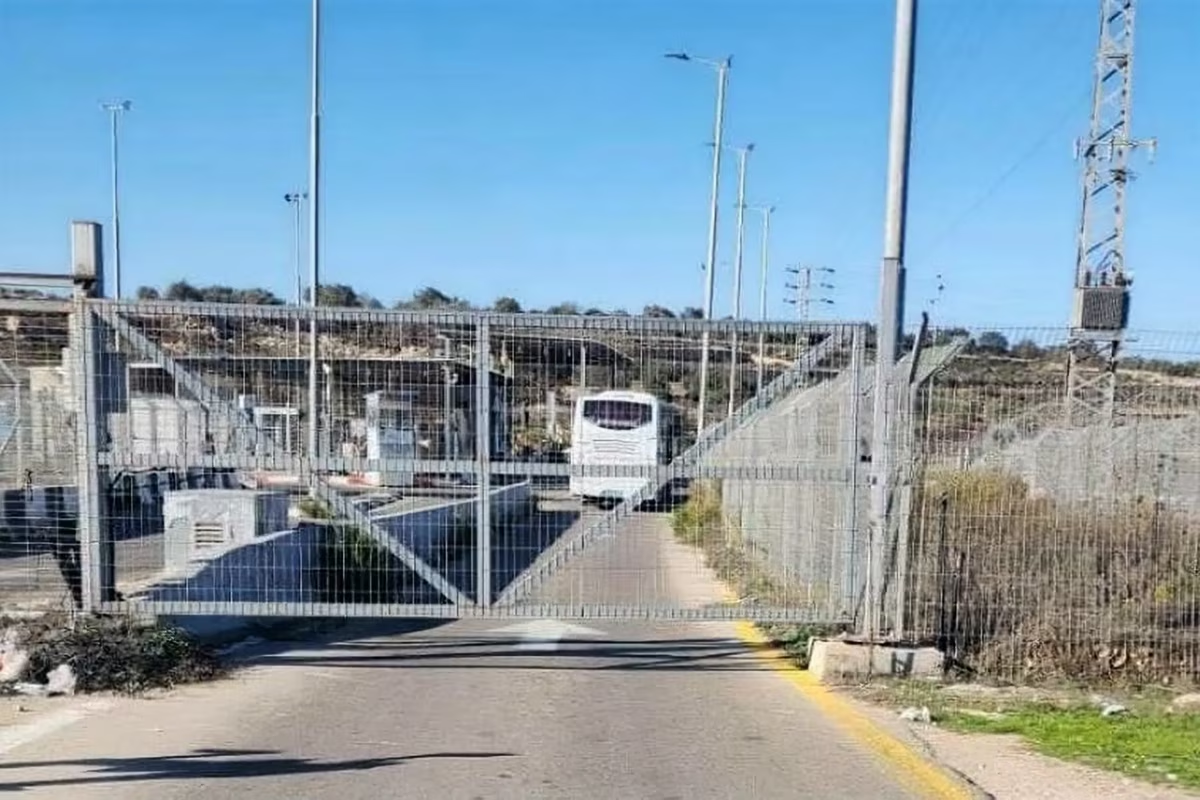
The village of Beit Iksa, located northwest of occupied Jerusalem, stands as a witness to harsh chapters of systematic siege and isolation. Residents there face a bitter reality of water pipes being torn up and property vandalized by settlers, in a clear attempt to restrict basic livelihoods.
Fahd Abu Dahouk, a resident of one of the town's residential communities, recounts how their lives have turned into a series of daily harassments. He points out that the pace of these attacks has escalated significantly since a settler settled in the area, leading to severe restrictions and continuous pursuit of residents.
The attacks were not limited to vandalizing simple infrastructure but extended to preventing access to vast areas of land historically used for grazing. These hills surrounding the village are now forbidden areas for Palestinians, whether on foot or with their livestock, which is their sole source of livelihood.
Field sources reported that settlers engage in organized thuggery under the protection of occupation forces, with shepherds being severely beaten in repeated incidents. These daily provocations are directly aimed at breaking the will of the residents and pushing them to voluntarily leave the area under the weight of intimidation.
Livestock in Beit Iksa live in a state of siege similar to that of their owners, as they are confined to pens after the natural pastures were closed. This forced closure has led to a sharp increase in breeding costs due to complete reliance on purchased fodder, threatening the food security of families.
Elders in the village recall the old way of life that depended on seasonal movement between Beit Iksa and the Jordan Valley in search of warmth and pasture. However, the occupation authorities cut off this geographical and social connection about 35 years ago, forcing families to settle permanently in increasingly difficult living conditions.
Residents believe that what is happening today is not just isolated incidents but part of a larger strategic plan to isolate Jerusalem from its Palestinian surroundings. The separation wall and the settlements surrounding the village have turned it into a large prison lacking the minimum elements of communication with nearby urban centers.
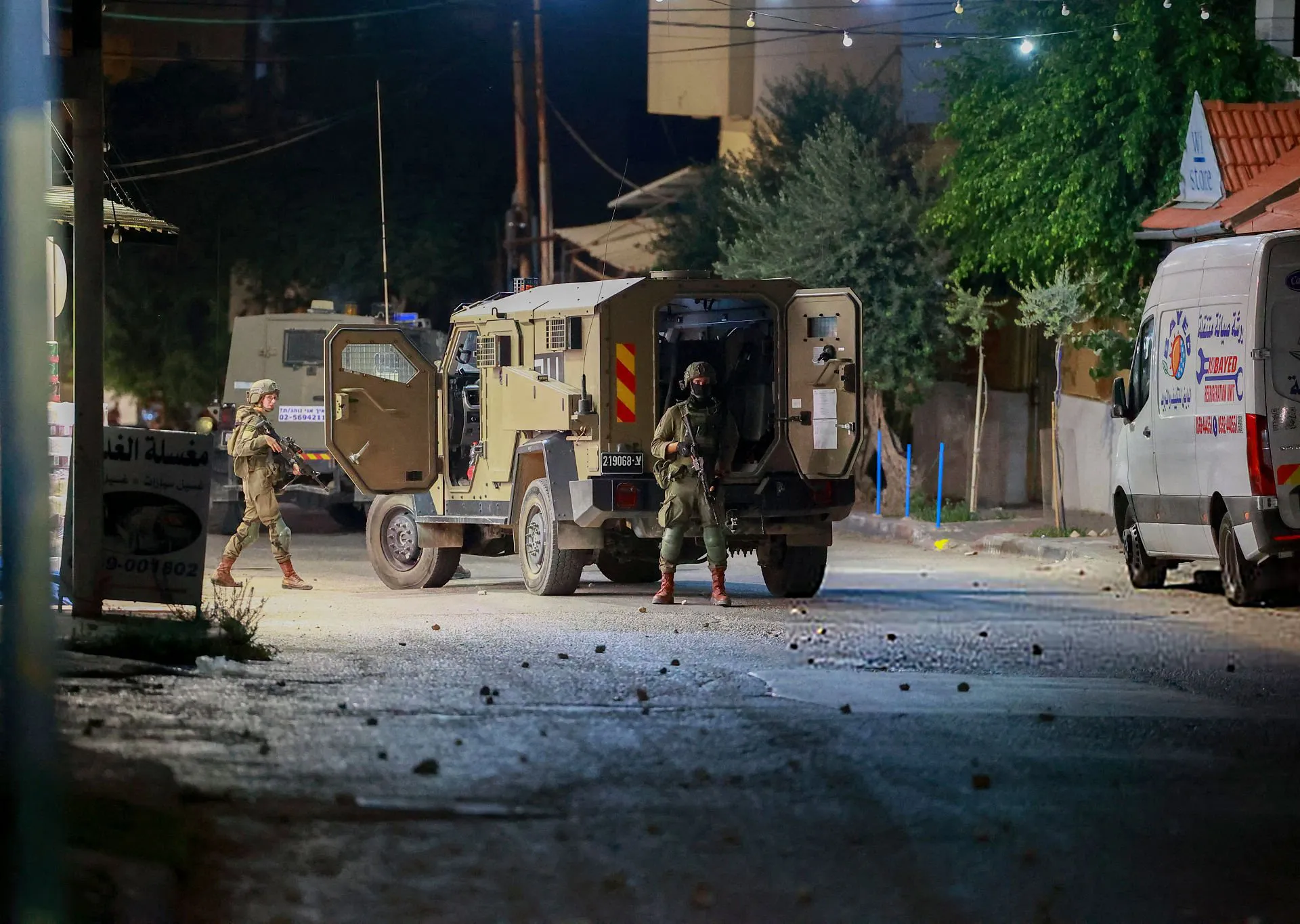
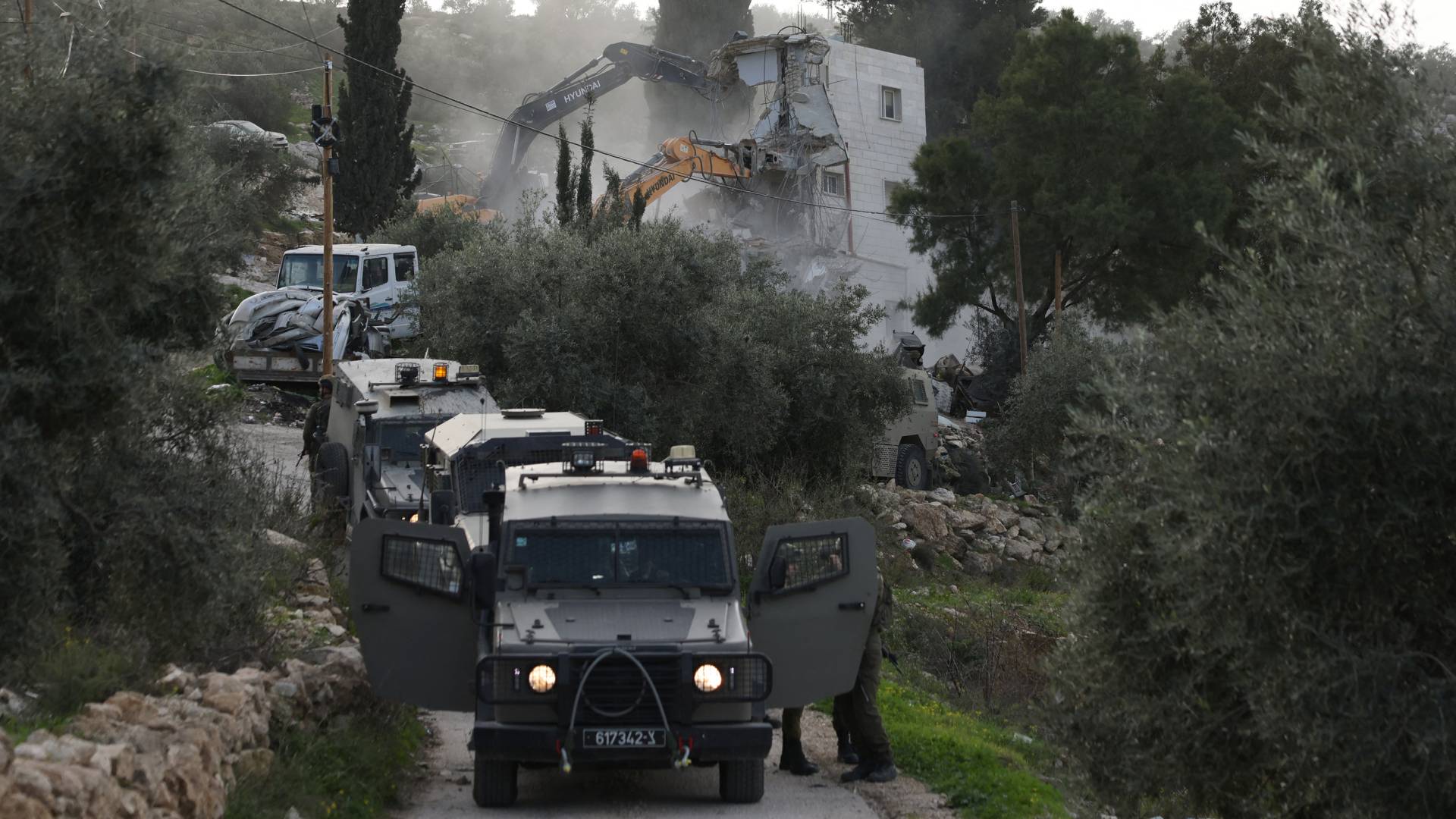
During field tours in the area, armed individuals belonging to settlers were observed freely roaming and monitoring the movements of Palestinians. Israeli military vehicles immediately intervene to provide cover for these settlers, while preventing media crews from documenting these violations or filming in the area.
Despite all these pressures, the residents of Beit Iksa insist on staying on their land and reject the idea of leaving, no matter the sacrifices. Abu Dahouk confirms that steadfastness on this land is a daily existential battle, and that death on the soil is easier for them than forced displacement again.
Beit Iksa is considered one of the most isolated villages in Jerusalem Governorate, surrounded by settlements and bypass roads on all four sides. This geographical siege has completely isolated the village from its natural extension, affecting all aspects of educational, health, and economic life.
About two thousand residents, the current population of the village, are forced to pass through a single military checkpoint, which represents the village's only and narrow lifeline. Movement through this checkpoint is subject to the whims of occupation soldiers and humiliating inspection procedures that hinder students and employees from reaching their destinations.
Official data from the Beit Iksa Village Council indicates a huge gap between the historical area of the village and the area allowed for residents to use. Out of more than 14,000 dunams, Palestinians are only allowed to build or expand urban areas in a narrow space not exceeding 650 dunams.
This policy of suffocating urban expansion aims to prevent the natural growth of the population and turn the village into an overcrowded and uninhabitable residential enclave. In contrast, the surrounding settlements are witnessing continuous expansion at the expense of lands confiscated from the villagers who hold official documents of ownership.
Beit Iksa's reality remains a microcosm of what Palestinian villages in the vicinity of Jerusalem suffer, where the apartheid wall meets settler attacks. This suffering continues amid international silence, while Palestinians continue to write their story of daily steadfastness with simple tools and strong will.
We may die here, but we will not leave, and we will remain steadfast on our land no matter the difficulties.
شارك برأيك
Beit Iksa... A Quadruple Siege and Silent Displacement Policies Suffocate the Jerusalemite Village