






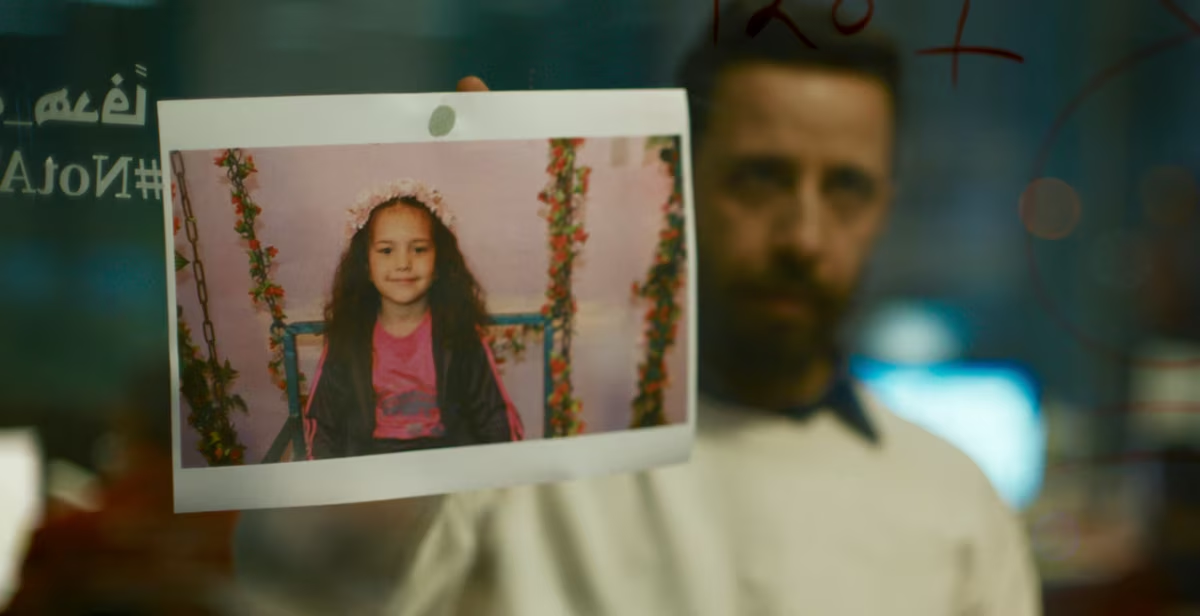
The 98th Academy Awards ceremony witnessed a pivotal moment when Spanish actor Javier Bardem broke the protocol of silence, declaring his full solidarity with Palestine and demanding an end to the war. Bardem, who wore a protest badge dating back to 2003, linked past and present struggles, highlighting the film 'The Voice of Hind Rajab' by Tunisian director Kaouther Ben Hania, which was competing in the final list.
The film, which depicts the final moments in the life of the child Hind Rajab, was not just a fleeting cinematic work; it transformed into a political cry that echoed through the halls of Los Angeles. Despite not winning the award, Hind Rajab's name has become a symbol that haunts the global conscience, reminding of the crime committed by the occupation forces in the Gaza Strip against childhood and humanitarian work.
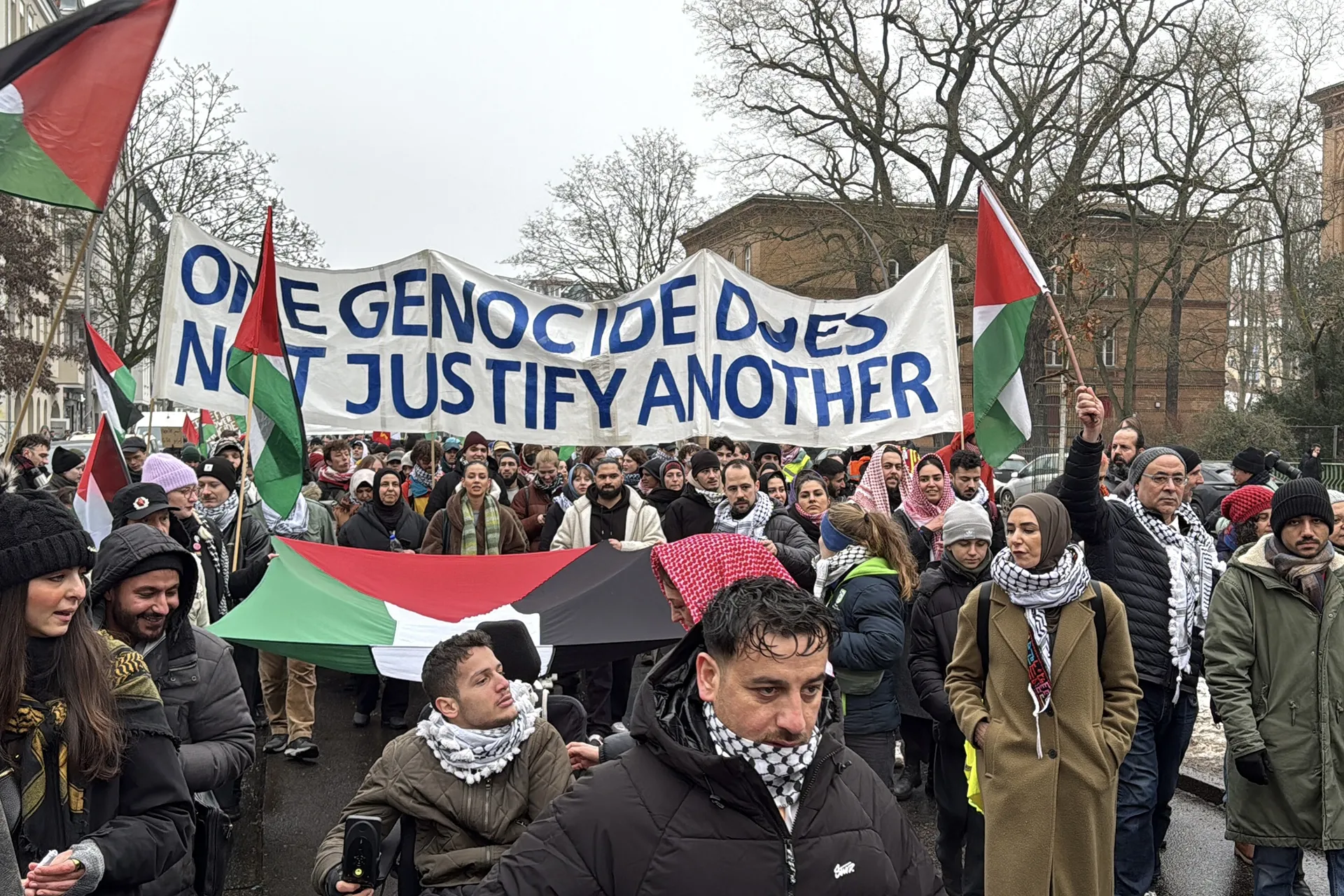
In a related context, the student movement at Columbia University had paved the way for this global presence by occupying 'Hamilton Hall' and renaming it 'Hind Hall'. This act of protest, which was met with repression by the New York police, became an inspiration for artists, as rapper Macklemore released his famous song, whose melodies were inspired by Fairuz, to immortalize the memory of the martyred child.
The American judiciary also entered the fray, with a New York judge overturning arbitrary dismissal decisions against protesting students, confirming the invalidity of the university's claims. This legal victory gave students additional momentum to transform their protest into art exhibitions that documented the tools of struggle and the messages of Hind's mother, Wissam Hamada, who blessed their efforts to preserve memory.
The art exhibition held in Brooklyn and Birzeit was not just a display of paintings, but a mobile 'war exhibition' confronting attempts at erasure and oblivion. The exhibition included images of the crime used by the prosecution as evidence against the students, but the organizers rephrased them to be a living testimony to the brutality of the occupation and the new generation's insistence on revealing the truth.
On the political front, US State Department spokesperson Matthew Miller continued to evade responsibility, referring the investigation into Hind's killing to the Israeli side. This official stance was met with pressure from journalists and activists who refused to let Hind's case dissolve among the numbers of victims, which exceeded twenty thousand children, emphasizing the necessity of individual and systematic accountability.
Kaouther Ben Hania's film chose a harsh artistic approach by having Hind Rajab play herself through her real voice recordings. This choice put the audience in direct confrontation with the child's terror as she pleaded for rescue, transforming the cinema hall into a space of dramatic tension that reflects the international community's inability to intervene in time.
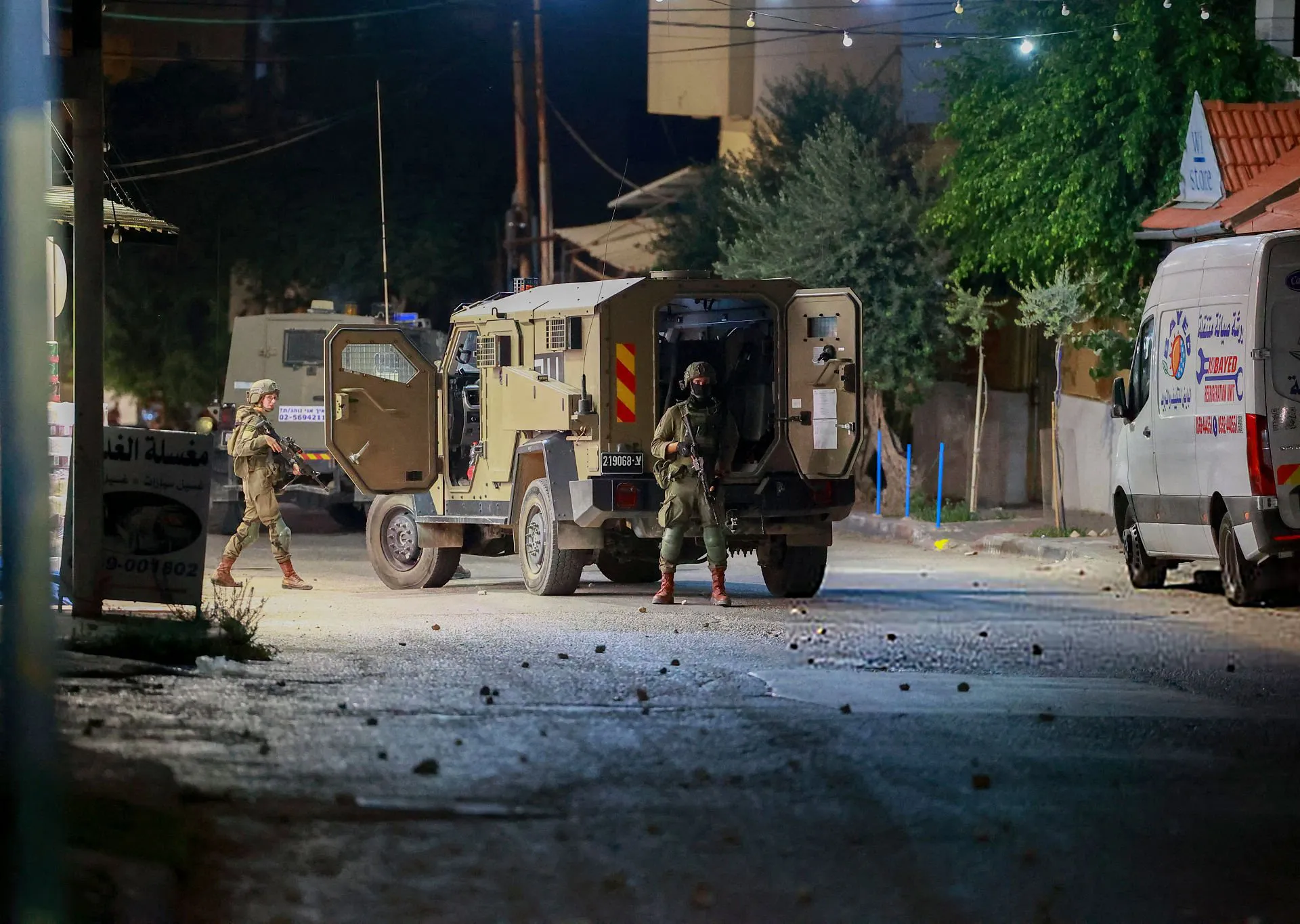
Independent investigations revealed that the Israeli tank was only a few meters away from Hind's car when it fired hundreds of shots, refuting narratives of military 'error'. The film also documented the targeting of the Red Crescent ambulance and the killing of the paramedics who tried to reach it, a full-fledged war crime that occurred under the world's watchful eye.
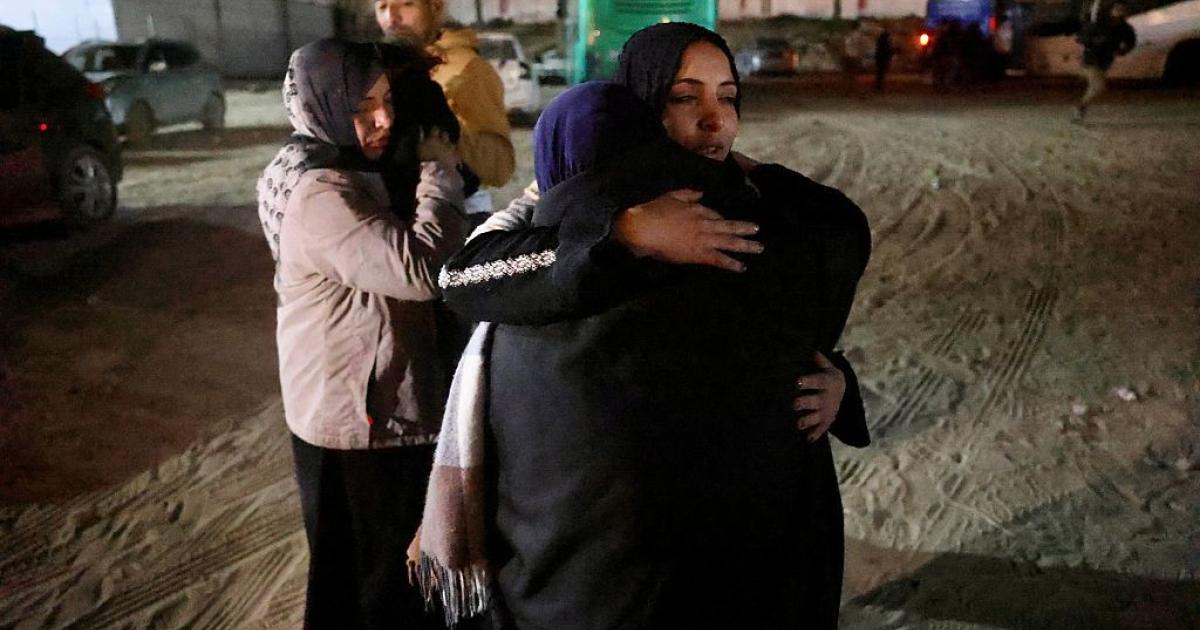
Public reactions in New York and the Arab world varied between shock and helplessness, with many expressing their inability to bear the pain conveyed by Hind's voice. This 'helplessness', as critics describe it, could turn into political action if it is leveraged to confront the system that allows these wars to be waged, instead of merely momentary sympathy followed by a return to normal life.
Analysts link the image of Hind Rajab to historical icons such as the 'Napalm Girl' in Vietnam and the Kurdish child Aylan, considering art to be the only means to prevent the taming of memory. While political powers try to turn victims into mere numbers or abstract humanitarian issues, artists re-embed atrocities in the collective consciousness as undeniable truths.
Director Ben Hania succeeded in using 'sound' as an inescapable haunting tool, unlike images that people may get used to over time. Sitting in the dark and listening to Hind's pleas for hours forces the viewer to confront the naked truth, and prevents the tragedy from becoming just a 'meme' or fleeting content on social media.
There are serious warnings against turning Hind into an 'exception' that overshadows thousands of other children who were martyred in Gaza by deliberate sniper shots to the head and chest. Volunteer doctors confirmed that the pattern of injuries indicates a systematic targeting policy aimed at intergenerational genocide, which goes beyond the idea of individual errors by soldiers in the field.
In a significant legislative step, the 'Justice for Hind Rajab' bill was introduced in the US Congress in March 2026, demanding accountability for those responsible for her killing. The bill, which received support from prominent representatives such as Sara Jacobs and Chris Van Hollen, explicitly points to potential American complicity, representing a shift in political engagement with war crimes in Gaza.
In conclusion, the voice of Layan Hamada, Hind's cousin, remains an additional witness to the tragedy, as she was the first to report being surrounded by tanks before 64 bullets silenced her. The synergy of art, politics, and documentation ensures that these voices do not go unheard, and that the case of Hind, Layan, and all the children of Gaza remains alive until full justice is achieved.
The fact that the film forces us to sit with Hind's voice for hours in the dark is precisely the source of its strength and its moral imperative.
شارك برأيك
The Voice of Hind Rajab: Art Pursues Killers and Transforms Tragedy into a Global Icon for Accountability