






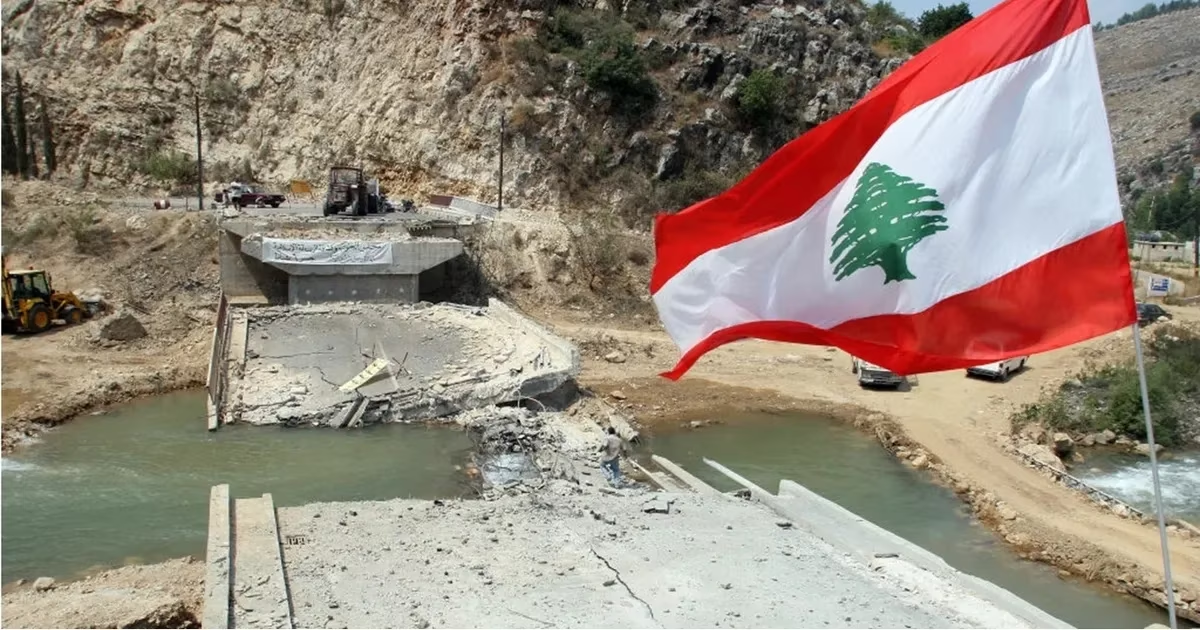
The Lebanese body, burdened by a legacy of complex crises, is passing through a strategic turning point, the most dangerous in its modern history, where this transformation places the state entity before difficult existential questions. Lebanon finds itself compelled to choose between two parallel paths that are vying to shape the scene; the first is represented by the 'legitimacy of politics' led by official institutions, and the second is the 'legitimacy of war' imposed by field realities.
The 'legitimacy of politics' is manifested in the diplomatic attempts made by the Lebanese state to find political solutions and impose a ceasefire that protects what remains of the infrastructure. This constitutional legitimacy seeks to regain the initiative through international channels to ensure civil peace and prevent the country from sliding into an irreversible comprehensive collapse.
In contrast, the 'legitimacy of war' emerges as a reality that Hezbollah derives from its military arsenal and the philosophy of resistance, which it sees as a necessary deterrent tool to confront the imbalance of power. This vision considers military operations in the south as the only way to protect Lebanese territories from Israeli ambitions and the brutal encroachment that threatens national sovereignty.
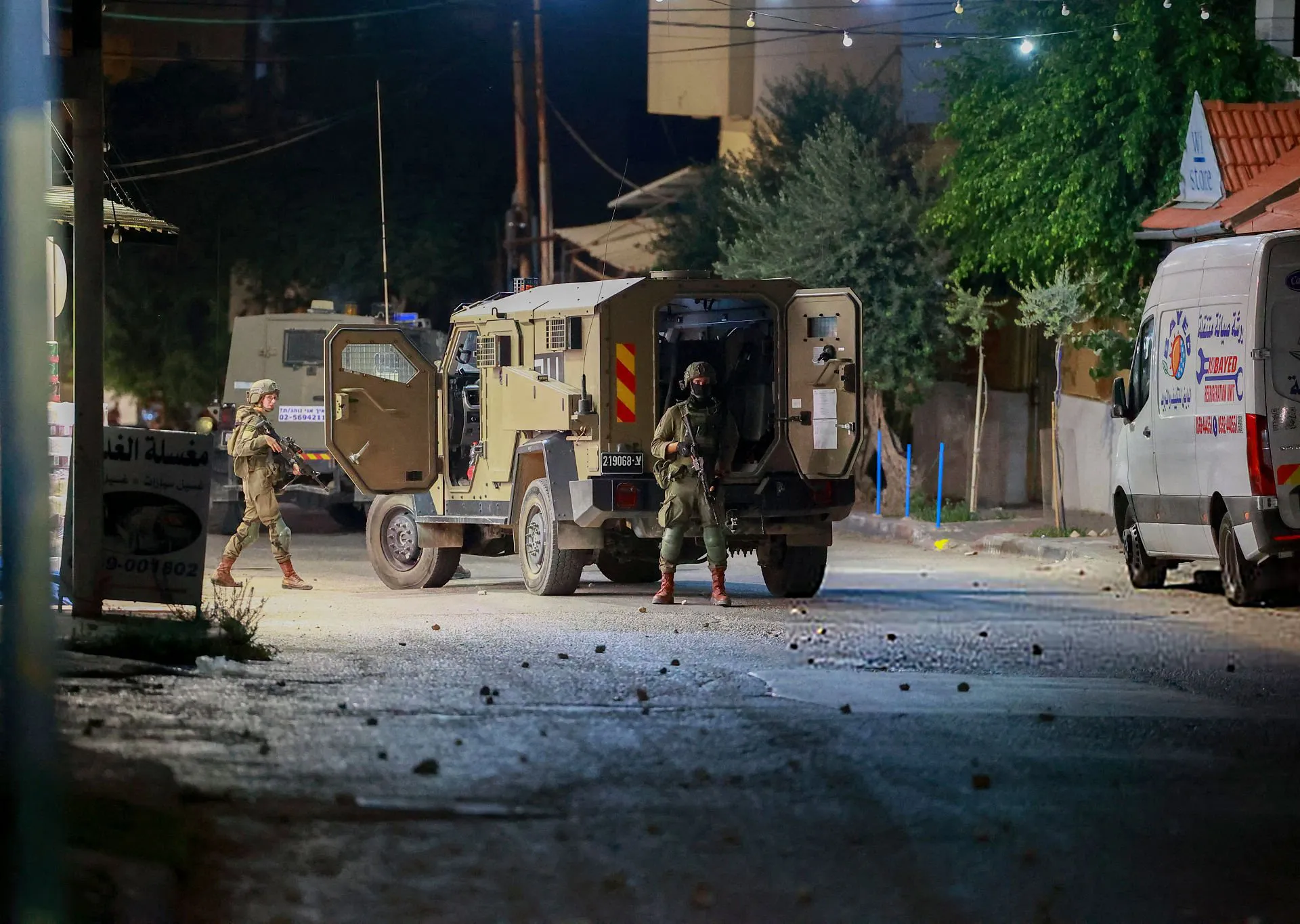
On the military front, the current Israeli strategy is based on the theory of 'front separation,' an attempt to dismantle the concept of 'unity of fronts' adopted by resistance forces. Through its military separation policy, Israel aims to isolate each front separately, seeking to strip adversaries of the tactical power cards provided by supporting fronts.
Israeli ambitions do not stop at securing the northern borders only, but extend to include a strategic desire to re-engineer the security environment of the entire region. Tel Aviv relies on its aerial and technological superiority to impose new terms of surrender that guarantee its long-term hegemony and change the traditional rules of engagement in the region.
For its part, Iran emerges as a pivotal player who sees the Lebanese front as the cornerstone of its regional security doctrine, as Tehran rejects any settlement formula that isolates the fronts from each other. Iranian diplomacy pushes towards affirming the interconnectedness of paths, considering that dismantling this interconnectedness represents a direct threat to its strategic depth and geopolitical gains.
Through its support for resistance fronts, Tehran seeks to formulate a new deterrence equation that protects its influence extending from Baghdad to Beirut in the face of Western pressures. This approach represents a direct response to international attempts to curb Iran's role and separate the Lebanese track from other thorny regional issues.
The international approach, especially the American one, shows clear duality in managing the Lebanese crisis through what can be described as 'conditional diplomacy.' While Washington ostensibly calls for de-escalation, it conditions stability on the literal implementation of international resolutions, foremost among them Resolution 1701, which stipulates the sole authority of the Lebanese army.
Forces opposed to Western policies view these diplomatic moves with suspicion, considering them an attempt to achieve political gains that Israel failed to extract on the battlefield. This international division deepens the state of paralysis in reaching a real and unconditional ceasefire, leaving Lebanon as an arena for settling major scores.
In turn, the Arab position oscillates between providing generous humanitarian support and the file of displaced persons, and cautious political withdrawal from the crisis. This situation reflects apprehension about providing any cover that might contribute to strengthening Iranian influence or legitimizing the presence of weapons outside the framework of official Lebanese state institutions.
The absence of effective strategic Arab action has led to the transformation of the role of central capitals from leading balances to merely observing the results on the ground. This political vacuum left Beirut exposed at a critical historical moment, as the country lacks a strong Arab umbrella capable of imposing a balance that protects its sovereignty.
A deep reading of the course of events confirms that Lebanon has become an advanced entanglement line in an international conflict that is redrawing trade routes and energy projects in the Middle East. The issue is no longer merely a border dispute, but rather part of a complex birth pang to redistribute economic and political spheres of influence with iron and fire.
It becomes clear day after day that temporary diplomatic palliatives will not achieve sustainable stability for Lebanon, and adventurous field bets alone may not be enough to protect the entity. Salvation requires internal strategic awareness that understands the nature of major balances and works to formulate a national contract that brings together all forces under the umbrella of the state.
In conclusion, the future of Lebanon remains suspended between its ability to absorb the 'legitimacy of politics' and control the 'legitimacy of war' within a unified national framework. Without this consensus, the fires burning in the region may consume what remains of the Lebanese entity, making it a victim of regional projects that transcend the limits of its small geography.
The current Lebanese scene is nothing but an advanced entanglement line in a fierce international and regional conflict in which trade routes and spheres of influence are being redrawn with iron and fire.
شارك برأيك
Lebanon Between the Hammer of the Battlefield and the Anvil of Diplomacy: The Conflict of Legitimacies in the Face of Regional Re-engineering