







The omens of a comprehensive confrontation in the Gaza Strip are escalating with the Israeli Broadcasting Corporation's announcement of an upcoming meeting of the Ministerial Security Cabinet 'The Cabinet' this Sunday evening. The meeting aims to discuss the possibility of resuming widespread military operations, despite a ceasefire agreement in effect since last October, which puts the fragile calm on the brink of collapse.
These political moves coincide with military reports indicating that the Israeli General Staff views Gaza as 'an uncompleted mission'. Circles within the occupation army claim that a return to fighting has become a necessity to target what remains of Hamas's military capabilities, especially given the stalled disarmament issue that Tel Aviv stipulates for moving to the second phase of the agreement.
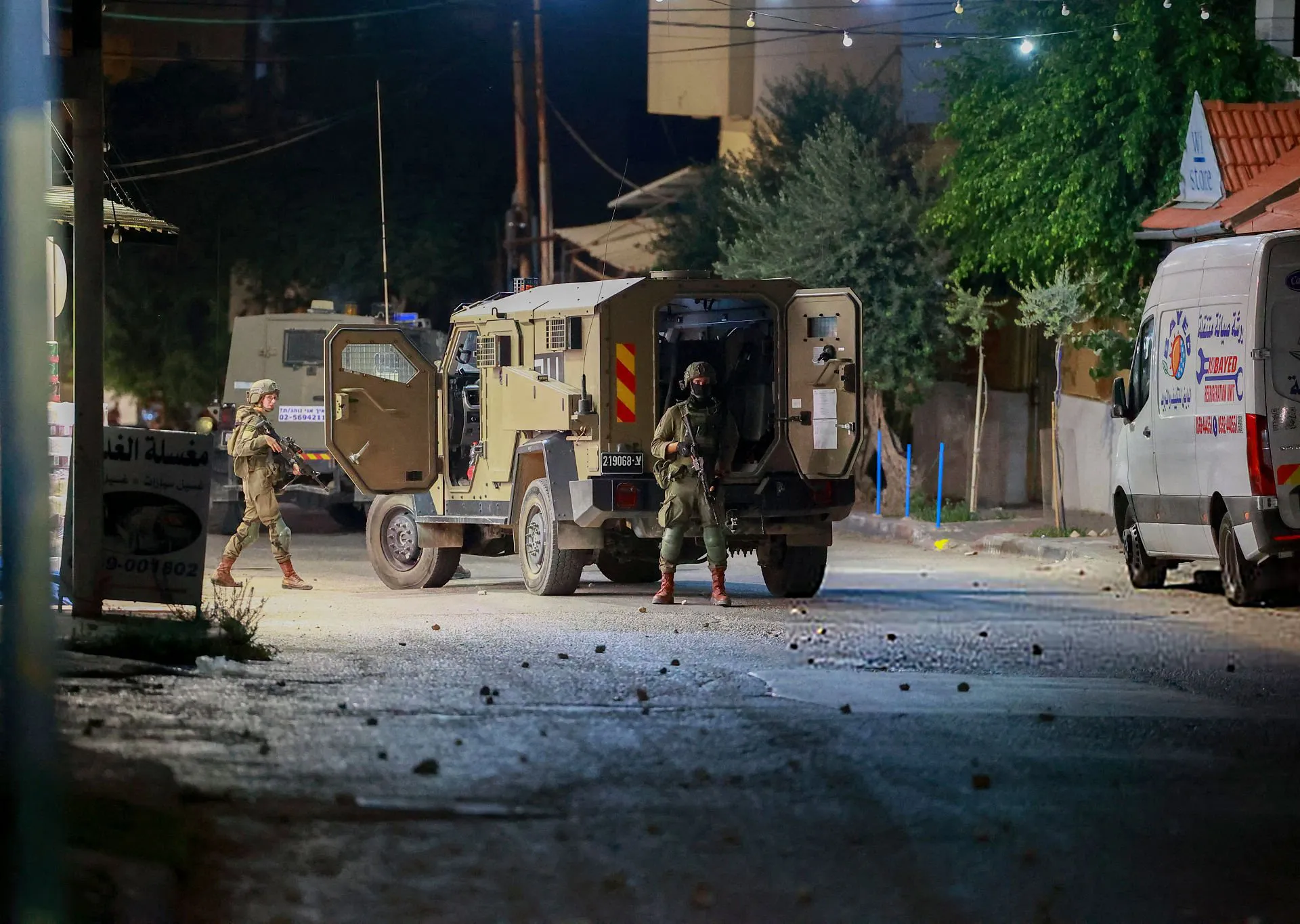
On the ground, informed sources revealed fundamental changes in troop deployment, as the Israeli army withdrew regular brigades from the southern Lebanon front and transferred them to the vicinity of the Gaza Strip and the West Bank. These movements reflect the readiness of the Southern Command to implement new operational plans as soon as the political decision is issued by the government.
In a dangerous development affecting Palestinian geography, occupation forces expanded their control within the Strip by creating what is called the 'Orange Line'. This measure led to the encroachment on additional areas of land where Palestinians were allowed to be present, raising the percentage of the occupied area from 53% to about 60% of the total area of the Strip.
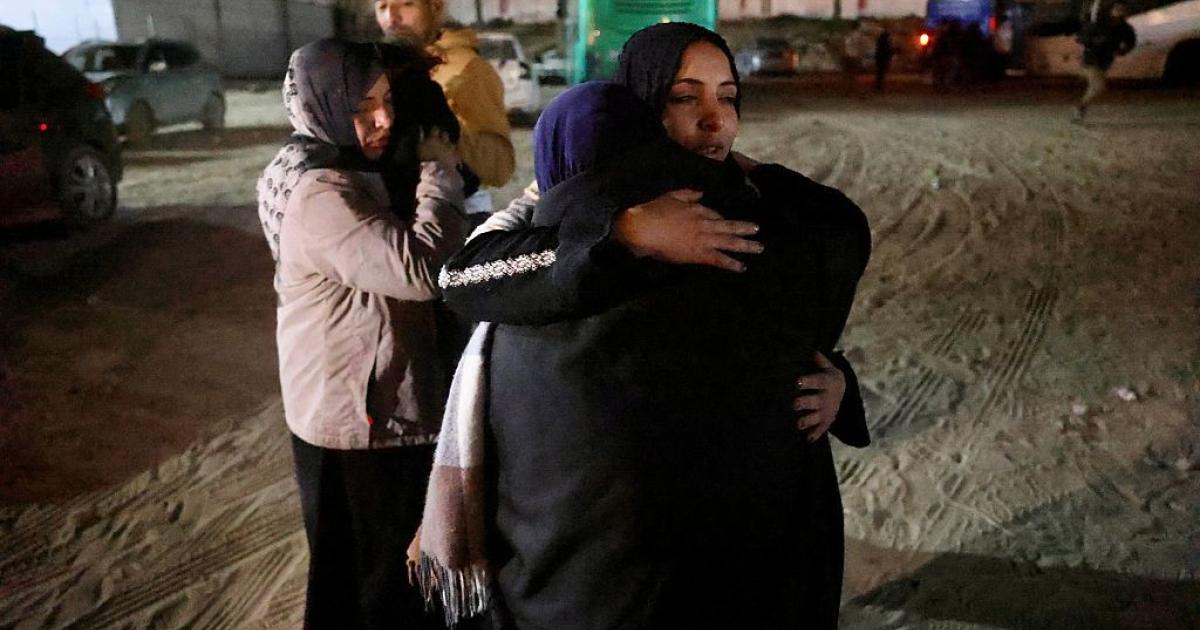
UN sources confirmed the existence of new maps illustrating this geographical encroachment westward, forcing hundreds of displaced families to leave their tents and flee again towards the crowded coastal areas. This expansion was accompanied by a significant increase in the pace of air raids and sniping operations against anyone approaching the new lines drawn by the occupation.
For its part, Hamas considered these daily violations and the policy of 'land grabbing' as a clear disavowal of the obligations of the first phase of the agreement. The movement affirmed in a statement that the occupation seeks to impose a new demographic and security reality that undermines opportunities for stability and the return of displaced persons to their original areas.
Regarding the negotiation process, political sources reported that the movement showed flexibility in discussing comprehensive security arrangements, but linked this to achieving the political rights of the Palestinian people. The resistance rejects the Israeli proposal for disarmament as a precondition, considering that the occupation must first fulfill the requirements of reconstruction and opening crossings.
Observers of Israeli affairs believe that Netanyahu is trying to turn Gaza into a 'compensatory arena' to appease his partners in the far-right. Whenever he faces pressure on other issues, he resorts to escalating the war machine in the Strip to bridge the gap with domestic public opinion, whose polls show a desire for continued military operations.
Voices are rising within the Israeli government, especially from Settlement Minister Orit Strock, who explicitly called for the resumption of military operations within weeks. These calls align with the right's desire to implement forced displacement plans, exploiting the destruction that has affected 90% of Gaza's infrastructure.
Military analyst Amos Harel, in turn, warned that repeated leaks about the growing strength of Hamas are not a coincidence, but rather media groundwork for a new attack. Harel indicated that Netanyahu aims to keep the flame of war burning, especially with the approaching date of the Israeli general elections scheduled for next October.
On the humanitarian front, the residents of the Strip are living in catastrophic conditions amid the continued closure of crossings and the shortage of medicines and basic necessities. Field reports confirm that the policy of starvation and siege is still being used as a political and military pressure tool against defenseless civilians who have lost their property and livelihoods.
Questions arise within the Israeli military establishment about the reserve army's ability to bear the burdens of a new large-scale round of fighting. With the annual service rate for reserve soldiers reaching 80 days, some commanders fear the depletion of human resources and its impact on the army's combat efficiency in the long run.
The new reality that Israel is trying to impose through 'colored lines' aims to tear apart what remains of the geographical unity of the Strip and turn it into isolated enclaves. This plan faces widespread Palestinian and international rejection, as it undermines the foundations of any future agreement and establishes a new phase of bloody conflict.
In conclusion, 'The Cabinet's' decision tonight remains a crucial indicator for the course of events in the coming days, either moving towards a sustainable calm that meets the needs of the population, or sliding again into a spiral of violence that may be the deadliest since the aggression began on October 7, 2023.
The mission in Gaza is not complete, and the army is forced to return and target Hamas due to its continuous refusal to disarm.

شارك برأيك
Drums of War Beat Again: 'The Cabinet' Discusses Resuming Aggression on Gaza and a New Field Reality Devouring the Strip's Area