







The Palestinian community that remained steadfast in the occupied territories in 1948 embarked on a complex struggle to confront the colonial policies that targeted its national existence. This confrontation ranged from organized political action to overwhelming popular uprisings, amidst continuous attempts by Israeli authorities to impose 'Israelization' and isolate this authentic part of the Palestinian people from its national and ethnic extension.
The period of military rule, which lasted until 1966, represented the peak of administrative and security repression, where Palestinians were besieged in their villages and cities under the pretext of 'security threat'. This system was based on British emergency regulations to restrict movement and prevent the formation of any unifying national framework, making Palestinians strangers and persecuted in their historical land, where they became a minority after the displacement of hundreds of thousands during the Nakba.
Despite close intelligence surveillance, armed resistance models emerged from within the Green Line, most notably the 'Akka 778 group' led by Fawzi Al-Nimr. This cell succeeded in carrying out qualitative operations targeting oil refineries and railway lines, exploiting its members' ability to move deep inside Israel and mislead security agencies for long periods before their discovery.
The issue of compulsory conscription imposed on Druze youth in 1956 represented another station of popular rejection, as the occupation sought to detach them from their Arab identity. Despite the pressures, organized movements led by religious and intellectual figures, such as the Druze Arab Initiative Committee, affirmed Palestinian belonging and refused involvement in military service within the occupation army.
'Land Day' on March 30, 1976, marked the most significant turning point in the history of Palestinians of the interior, as the uprising erupted in response to plans to Judaize the Galilee and confiscate thousands of dunams. This movement broke the barrier of fear and proved the failure of containment policies, after the masses united in a comprehensive strike that Israeli forces confronted with live ammunition, resulting in the martyrdom of six individuals who became symbols of eternal steadfastness.
Attempts to control the land did not stop, which led to the outbreak of the 'Al-Zaboud' confrontations in the town of Beit Jann in 1987, where residents waged a historic strike that lasted for more than a hundred days. The residents defended their lands, threatened with confiscation for settlements, with their bare chests, and managed to confront police forces in violent clashes that resulted in dozens of injuries among Israeli security personnel.
In the late nineties, the 'Al-Rouha Uprising' emerged as a successful model of popular field action in the Umm al-Fahm and Wadi Ara region, protesting the closure of lands for military purposes. Angry crowds and continuous sit-ins forced the then Israeli Minister of Defense to retract his decisions, which constituted an important moral and material victory in the struggle to preserve what remained of Palestinian land.
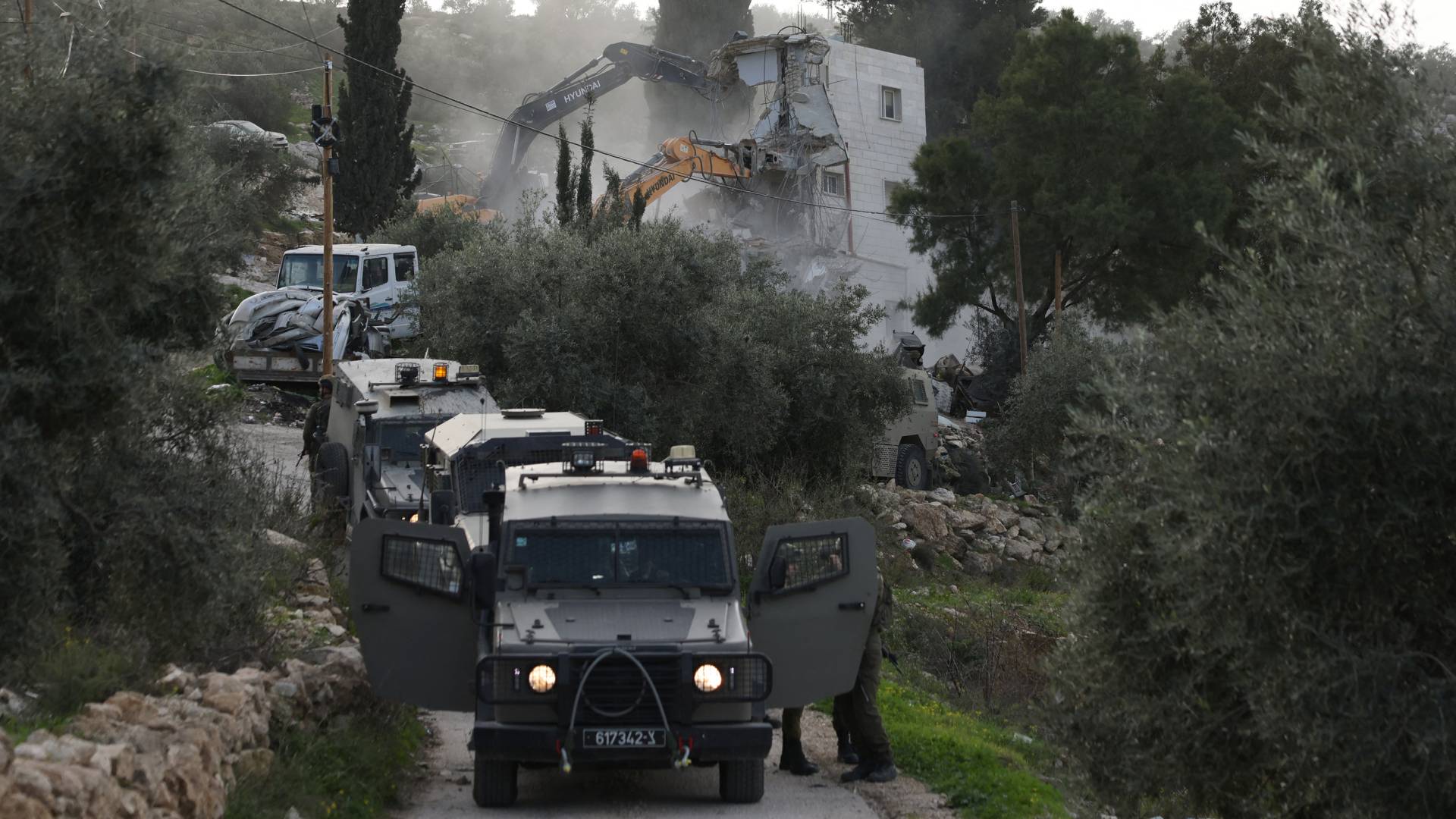
In 1999, the city of Lod witnessed a strong movement against the policy of home demolitions, a policy aimed at tightening the noose on the Palestinian presence in coastal cities. Political leaders and intellectuals were subjected to direct assault, but the tents erected over the rubble remained a testament to the Palestinian determination to stay and reject the silent displacement practiced by Israeli municipalities.
The October 2000 uprising reconnected the interior with the entire Palestinian entity in a bloody and formidable way, coinciding with the outbreak of the Al-Aqsa Intifada in the West Bank and Gaza. Israel confronted the demonstrators with unprecedented brutality, using snipers against its Palestinian citizens, leading to the martyrdom of 13 young people, a scene that revealed the true face of the colonial system that does not differentiate between one Palestinian and another.
Observers believe that after 2000, Israeli authorities adopted a policy of 'flooding with crime' as an alternative tool for security control and dismantling the social fabric in the interior. The complicity of police agencies with criminal gangs indicates an official desire to occupy Palestinian society with internal conflicts that drain its energies and distance it from engaging in major national issues.
The 'Dignity Uprising' in May 2021 caused a deep shock in Israeli consciousness, as coastal cities and the Negev exploded in the face of settlers and security forces. This uprising coincided with the 'Sword of Jerusalem' battle, and proved that the young generations who did not experience the Nakba or Land Day are still committed to their national identity and willing to sacrifice for Jerusalem and Al-Aqsa.
The Dignity Uprising was characterized by the participation of broad youth groups outside traditional party frameworks, reflecting a state of accumulated anger against economic marginalization and racial discrimination. Israel confronted this movement with a frantic arrest campaign that affected hundreds, and issued unjust sentences aimed at deterring any future movement that might threaten the internal front during any comprehensive military confrontation.
Researchers analyze the reality of Palestinians of the interior through the concept of 'threshold state', which describes the rupture between sincere national belonging and material attachment to Israeli civil reality. This state, despite its complexity, did not prevent the masses from rising up at pivotal moments, confirming that national identity remains the primary driver despite all policies of domestication and control.
The struggle of Palestinians of 1948 remains an integral part of the comprehensive Palestinian liberation story, as they confront the most severe policies of Judaization with their bare chests. The continuation of popular uprisings and the development of confrontation tools confirm that attempts at 'Israelization' have shattered against the rock of national consciousness, and that the Palestinian interior will always remain at the heart of the conflict over land and identity.
The central idea in Israeli colonialism is based on the equation of more land and fewer people, which Palestinians have confronted with steadfastness and successive uprisings.
شارك برأيك
Palestinians of the Interior.. Decades of Confrontation Against Policies of Israelization and Land Confiscation