







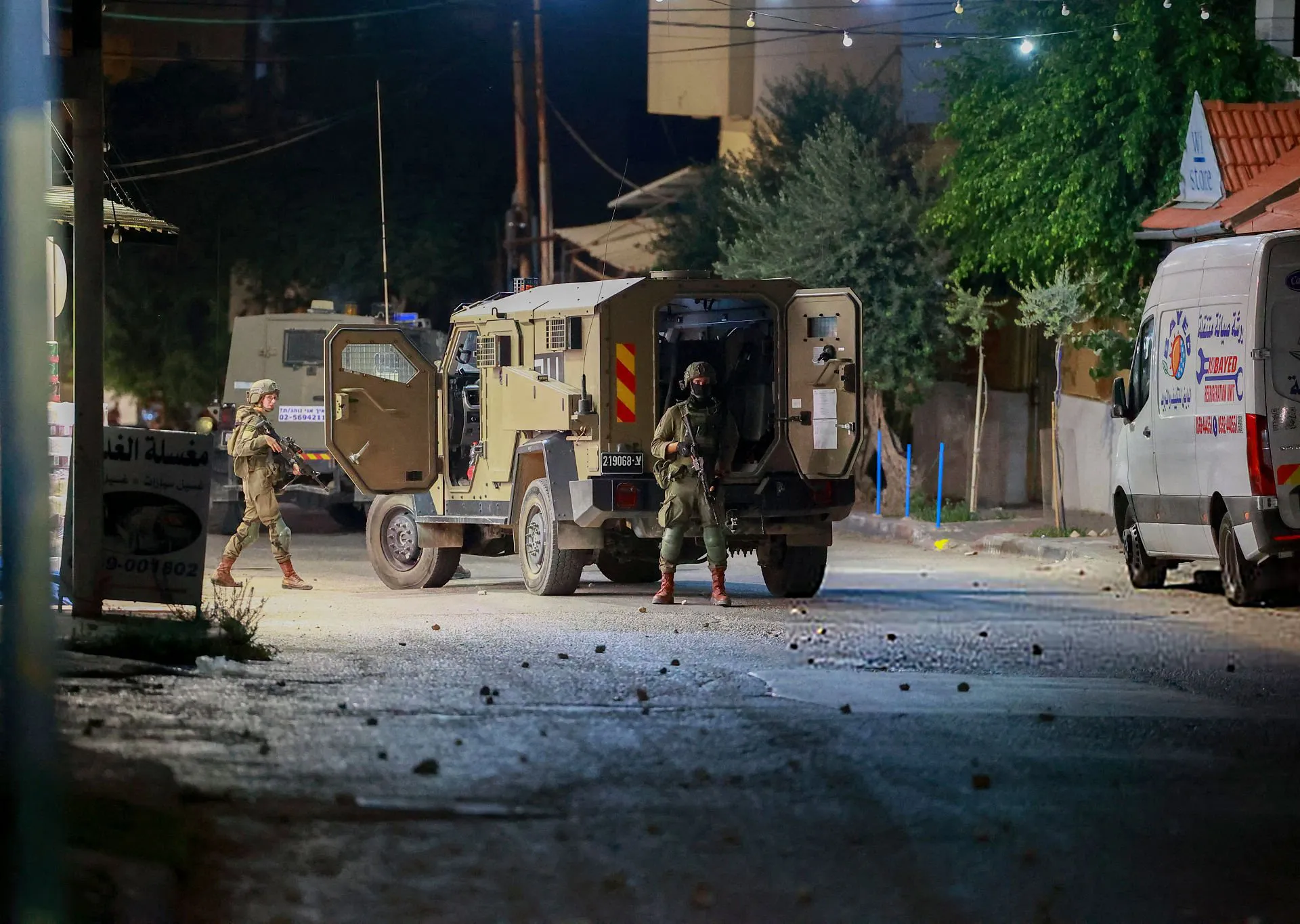
While the international community's attention is focused on regional escalation and the Iranian file, Israeli occupation forces are imposing a new reality on the ground in the Gaza Strip. This reality involves strengthening control over what is known as 'the Yellow Line,' a changing border demarcation directly supervised by the Israeli army, which has led to the confinement of thousands of Palestinians in narrow and isolated areas.
International press sources reported that this line now controls all aspects of daily life for the Strip's residents, with its location and rules of engagement constantly changing. Despite more than six months passing since the ceasefire agreement came into effect, residents remain trapped in a complex security equation between the Israeli military presence and Hamas's armed capabilities.
UN estimates indicate that humanitarian conditions have reached unprecedented levels of deterioration, with approximately 90% of the population relying entirely on relief aid. Despite the apparent calm, hundreds of people have been killed in scattered incidents since the cessation of major operations, with no effective presence of the administrative bodies that were supposed to manage the Strip's affairs.
On the ground, Hamas still maintains control over the western part of the Strip, behind the buffer zone supervised by the occupation. Reports confirm that the movement still retains its military capabilities despite the long war whose declared goal was to completely end its armed presence, raising questions about the future political administration of the Strip.
Sources quoted Gaza citizens, including Zuhair Dawla, a father of three, as saying that talk of disarmament seems detached from the complex reality on the ground. Residents believe that the controlling powers will not easily relinquish their influence in the absence of clear political alternatives that guarantee security and stability for civilians who pay the highest price.
Israeli and American officials consider the current situation a transitional phase within a comprehensive ceasefire plan. However, facts on the ground indicate the formation of a permanent security structure, where 'the Yellow Line' has become a model for a broader Israeli strategy aimed at creating buffer zones separating population centers from potential military threats.
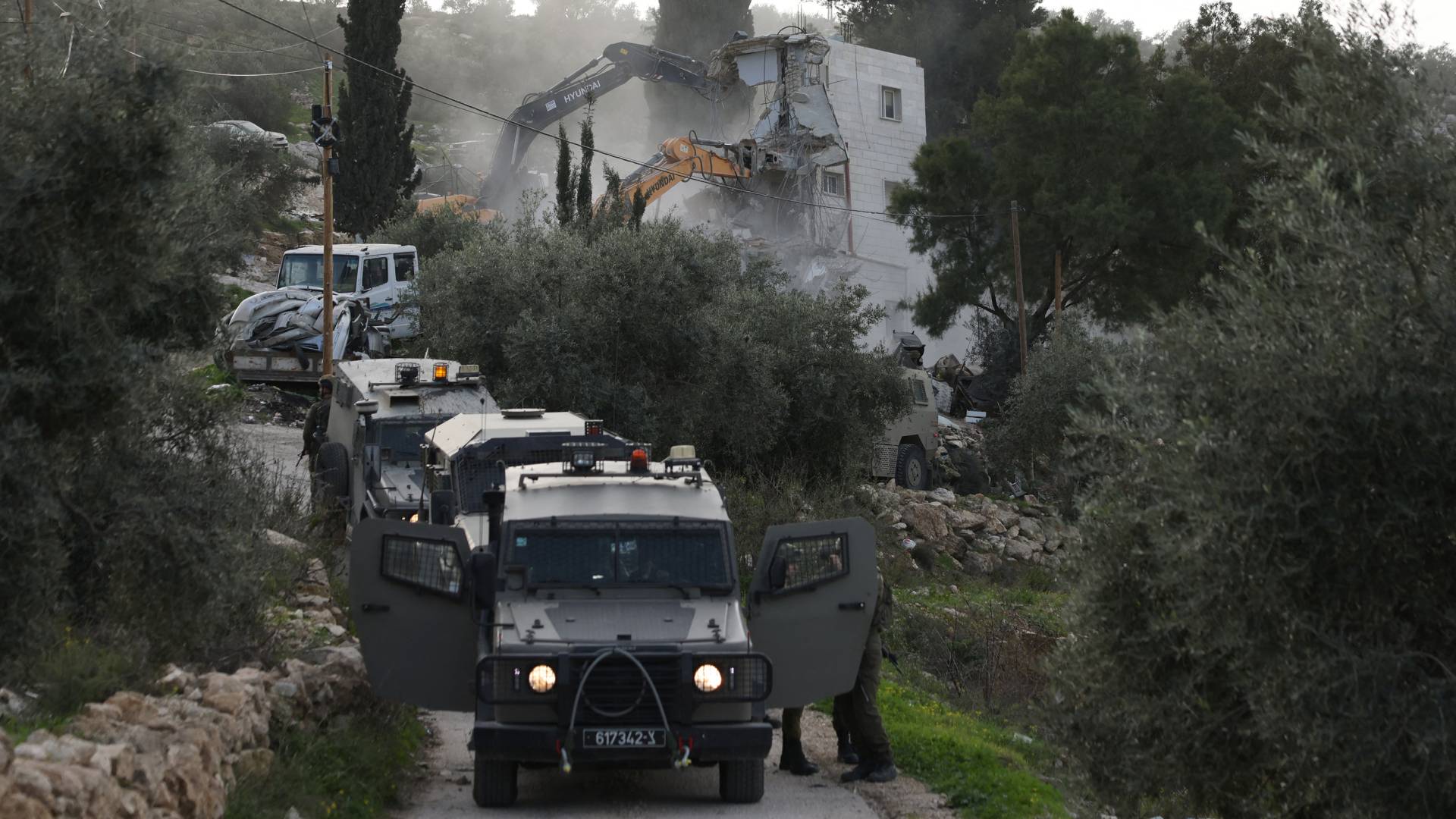
This pattern of control has not been limited to Gaza but has extended to other fronts in the region, particularly in southern Lebanon. Israeli forces have razed entire villages and established advanced military positions, considering anyone crossing the new buffer zone a legitimate military target, in a clear repetition of the Gaza scenario.
In Syria, too, features of this strategy emerged after recent political developments and the fall of the former regime at the end of 2024. The Israeli army quickly established buffer zones in sensitive border locations, justifying this by the need to protect its security amidst the uncertainty facing the new Syrian administration.
Security analyst Sarit Zahavi believes that this approach reflects a constant principle in current Israeli security doctrine, based on complete geographical separation. This principle aims to reduce direct friction with civilian populations while maintaining a high capacity for surveillance and rapid military intervention when necessary.
Returning to Gaza, according to international agreements, occupation forces were supposed to withdraw beyond the Yellow Line in preparation for a second phase involving reconstruction. However, this scenario did not materialize, and the 'Peace Council' previously announced remained silent regarding ongoing violations and the expansion of Israeli control within the Strip.
Amjad Al-Shawa, head of the Palestinian NGO Network, confirmed that the occupation has re-imposed its control over large areas from which forces had previously withdrawn. According to his statements, Israel currently controls about 60% of the Strip's area, suffocatingly reducing the available living space.
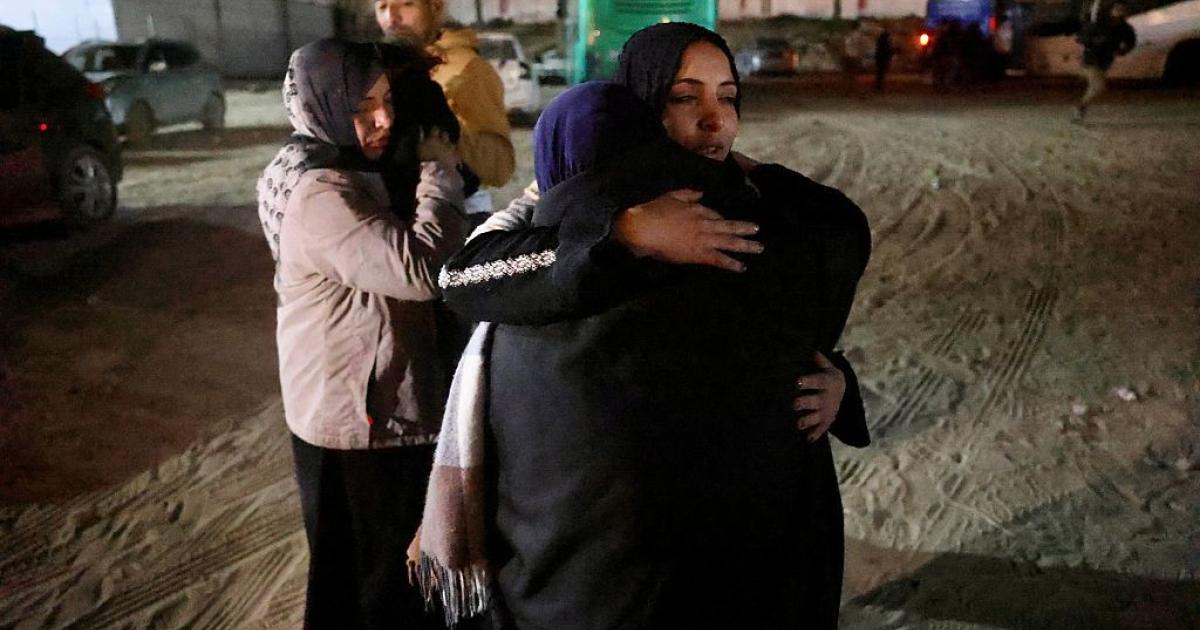
Currently, about 2.1 million Palestinians live in a very small area not exceeding 85 square miles, with three-quarters of them residing in dilapidated tents. These areas lack the most basic necessities for a dignified life, with accumulated waste and severe water shortages, leading to a widespread outbreak of skin and intestinal diseases among the displaced.
Concerns are growing that these buffer zones will become a permanent reality, perpetuating a state of 'no war, no peace' for long periods. Residents in Gaza, Lebanon, and Syria face harsh daily consequences as a result of this legal and political ambiguity, lacking any clear horizon for returning to their homes or beginning reconstruction efforts.
In conclusion, 'the Yellow Line' remains a symbol of Israel's policy of imposing facts on the ground in the region, exploiting international silence and the preoccupation of major powers with other crises. With intermittent raids continuing and infrastructure deteriorating, the future of millions of Palestinians remains suspended between unfulfilled political promises and an increasingly harsh reality on the ground.
The Yellow Line's location and rules are constantly changing, making it an influential and controlling element in the daily life details of the Strip.
شارك برأيك
'The Yellow Line' Strategy: How the Occupation is Devouring Gaza's Areas Amidst International Preoccupation?