






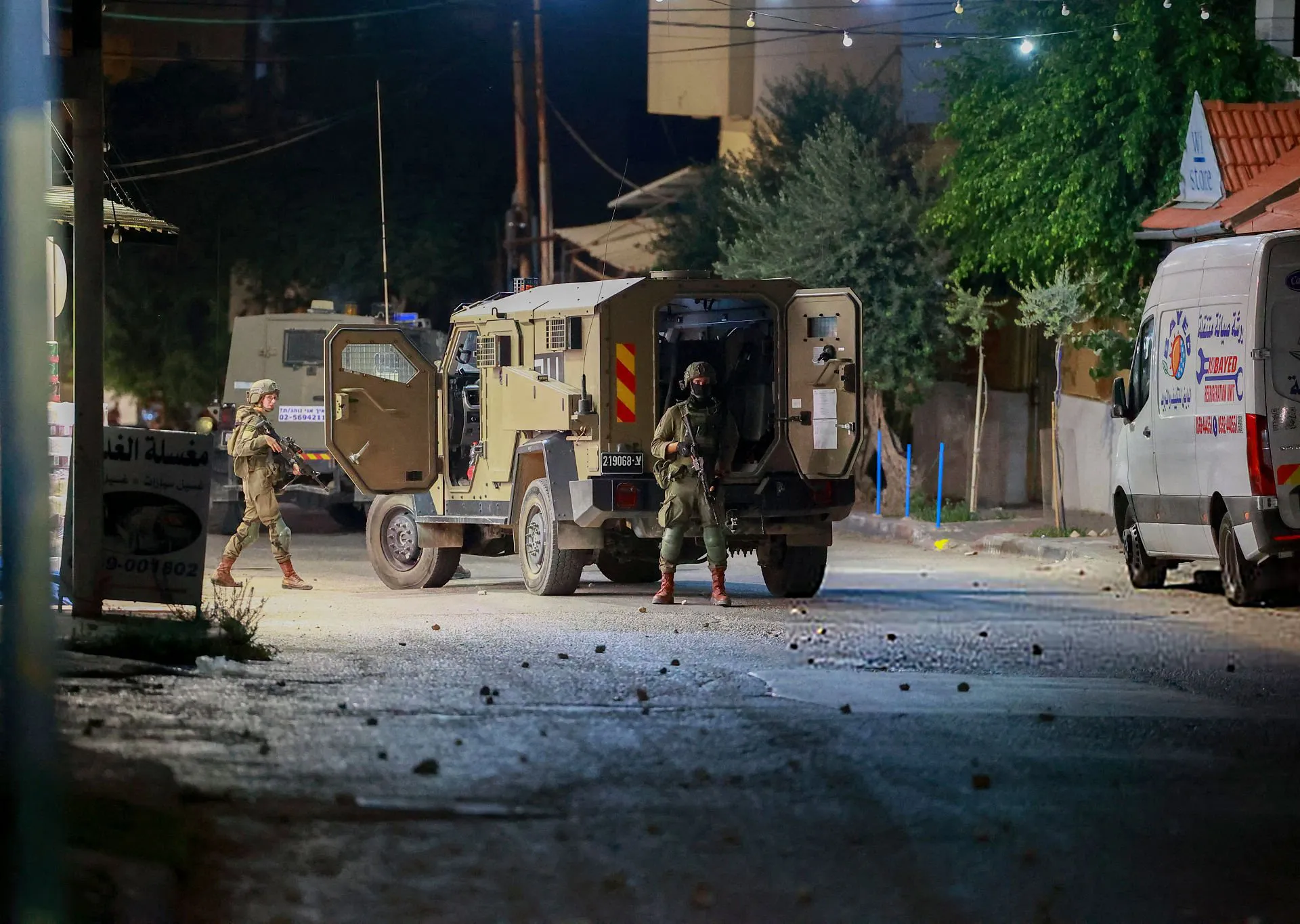
Since the occupation of the West Bank and Gaza Strip in 1967, Israel exercised its control through military governors and direct orders, before attempting to circumvent Palestinian national institutions through projects such as 'Village Leagues' in the 1970s. With the failure of these attempts, the occupation established the 'Civil Administration' in 1981 to be the civilian arm of the army in managing the affairs of the Palestinian population.
The Oslo Accords in 1993 established a temporary self-governing authority for a transitional period not exceeding five years, considering the West Bank and Gaza as a single territorial unit. Despite the expiration of this period without official renewal, the Authority continued to perform its limited tasks in the areas of health, education, and police, while the occupation retained sovereign and legislative powers.
Legal facts confirm that the powers transferred to the Authority were derived from Israeli Military Order No. (7) of 1995, which made its existence dependent on the military will of the occupation. With the rise of the Israeli right, successive Netanyahu governments began a systematic plan to nullify the effects of Oslo and undermine the idea of an independent Palestinian state.
2002 witnessed a radical shift with the re-activation of the Civil Administration and the bypassing of joint liaison committees, leading to 2018 where its powers were expanded to become the direct reference for the population. This path was completed in 2023 with the appointment of ministers from the settlers to directly oversee the affairs of the West Bank, which practically ended the Authority's role as a political facade.
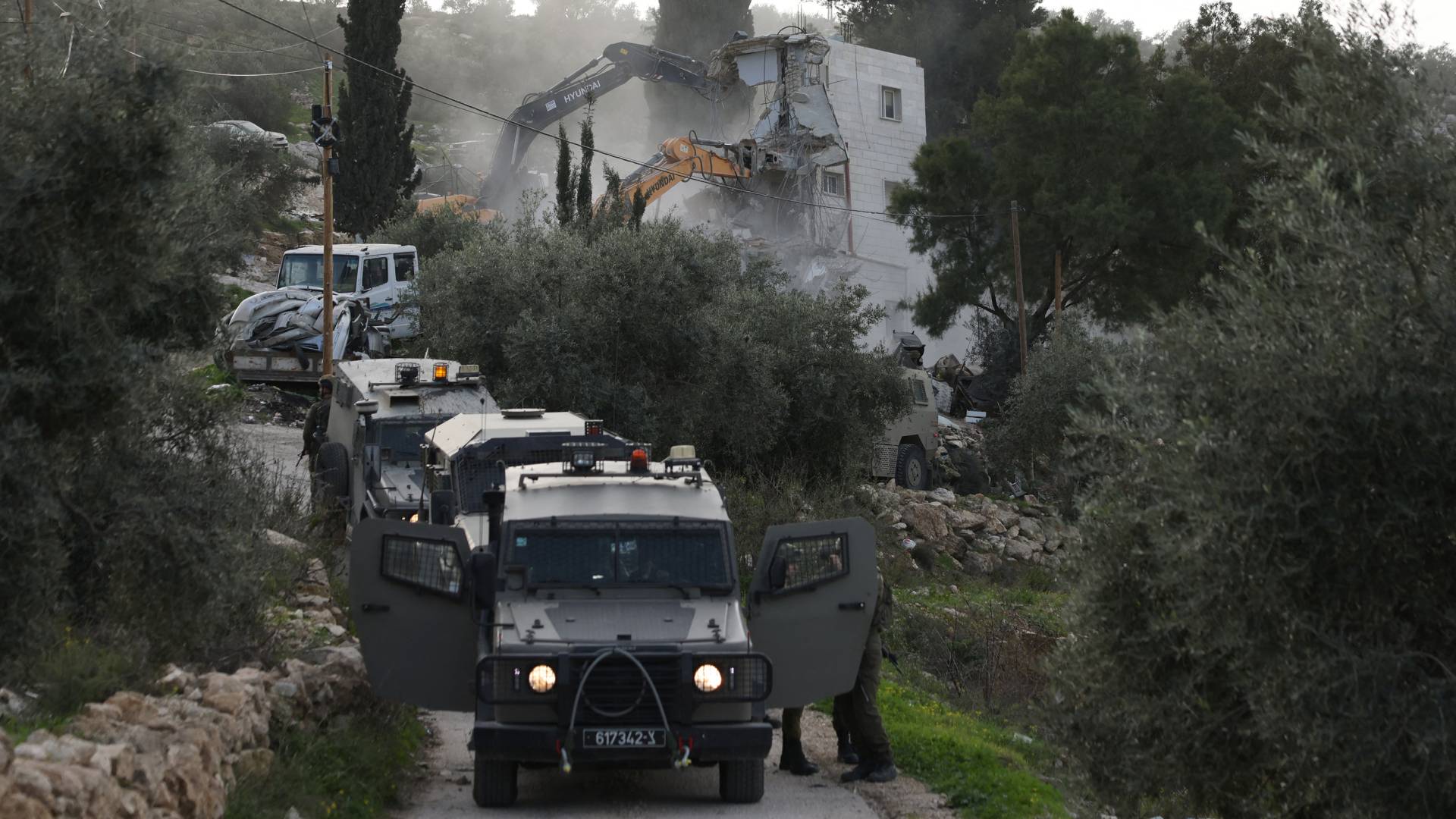
In a move that is the most dangerous in decades, the Israeli government issued in February 2026 Decision No. 3559, which stipulates the re-settlement and registration of lands in areas classified as 'C'. This decision nullifies the occupation's recognition of the Palestinian Land Authority, and removes vast areas from the Authority's influence in favor of the direct settlement project.
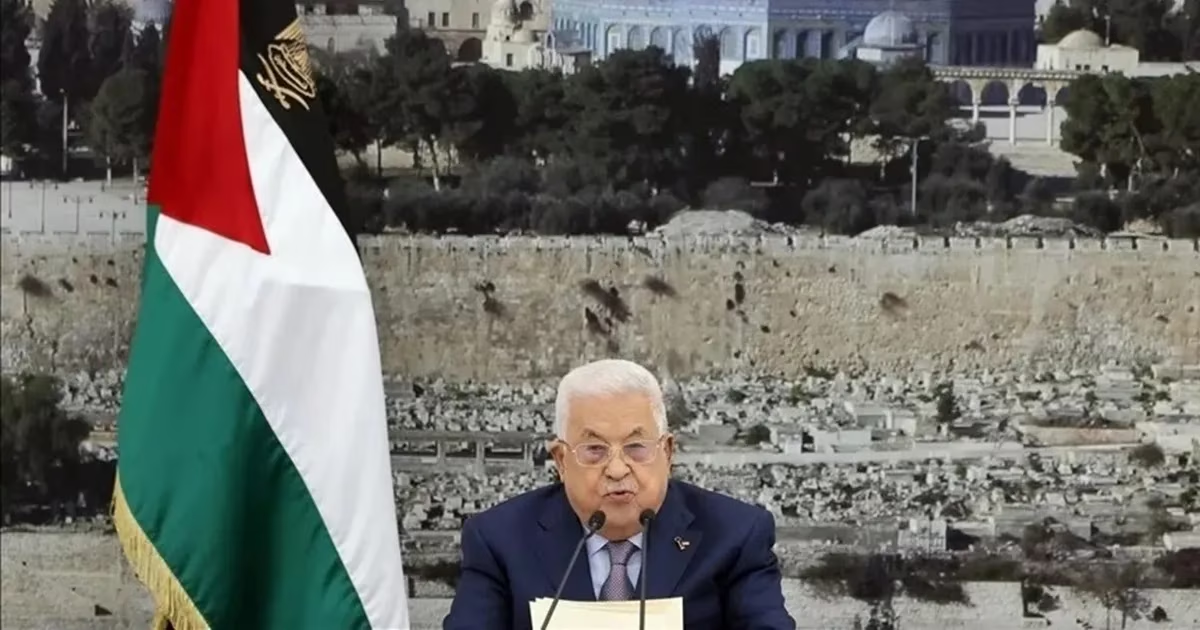
This Israeli encroachment was accompanied by a severe internal legitimacy crisis, as jurists believe that the Authority lacks a solid constitutional basis in the Palestinian system. The Central Council that authorized its establishment is considered a temporary institution, and the absence of elections since 2006 has led to the erosion of the political legitimacy of existing institutions.
The decision to dissolve the Legislative Council in 2018 increased the concentration of powers in the hands of the presidency, which now governs through 'decrees by law' that raise widespread legal controversy. This institutional vacuum weakened the Palestinian position before the international community, and transformed the alleged state institutions into structures lacking real popular representation.
On the ground, the role of the Palestine Liberation Organization declined in favor of the Authority, which deprived Palestinians of their unifying political umbrella in the diaspora and at home. Despite the symbolic international recognition of the State of Palestine, the reality on the ground shows an absolute Israeli refusal to deal with any designation beyond the limited 'Palestinian Authority'.
Reports indicate that the continued existence of the Authority is closely linked to the security services it provides to the occupation, which arouses widespread popular resentment. Security coordination in the West Bank, and the prevention of the emergence of armed resistance movements, are considered the main pillars that prevent the occupation from completely dismantling the Authority so far.
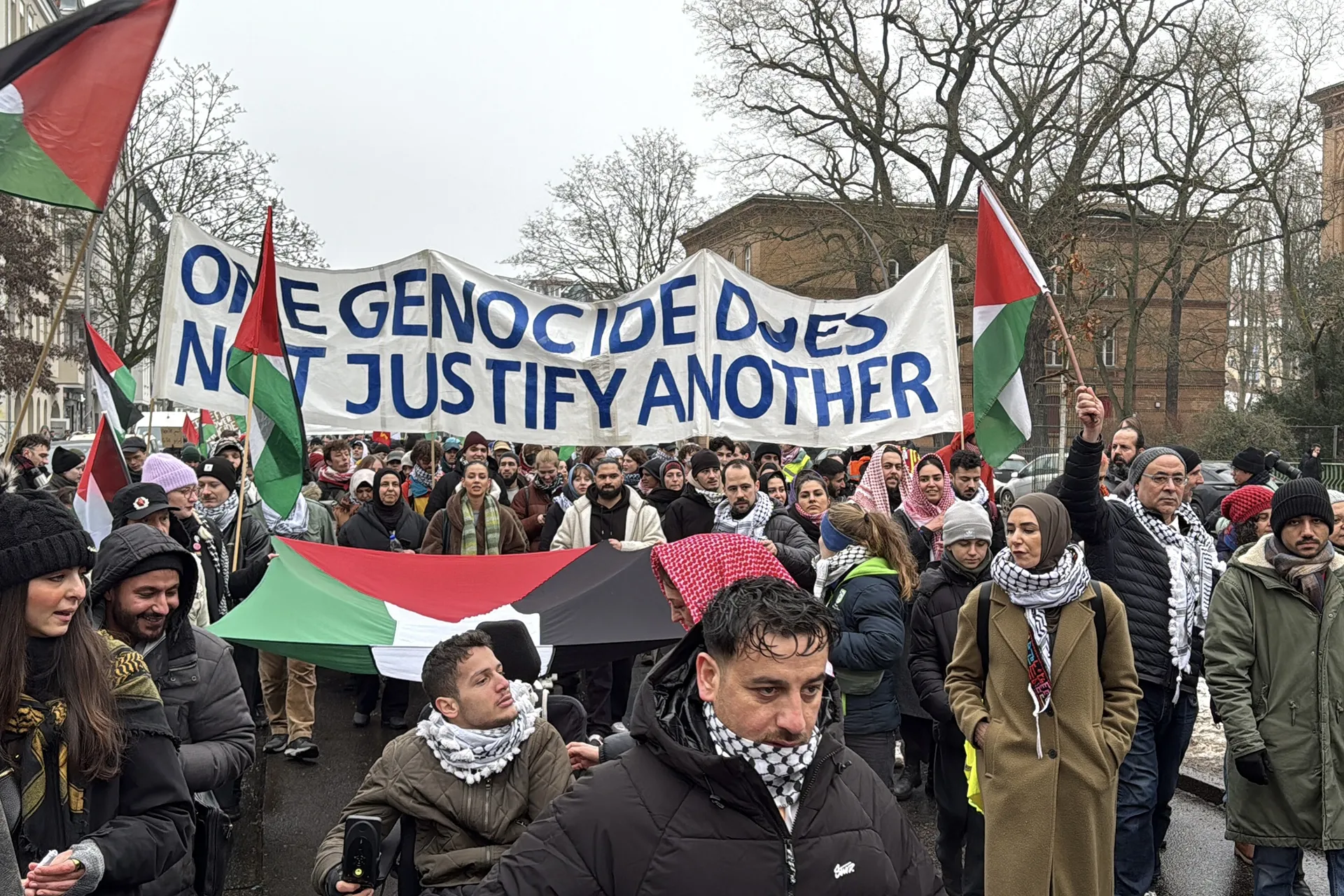
In the Gaza Strip, the Authority's actual influence has been absent since 2007, and attempts to restore the territorial unity stipulated by Oslo have not succeeded. With the outbreak of the recent war of extermination, a huge gap emerged between the position of the Palestinian leadership and the aspirations of the street, especially with the continued pursuit of resistance fighters in the West Bank.
The 'Homeland Protection' operation carried out by the security services in 2024 was a turning point in the relationship with factions and the people, as it was considered direct security cooperation against civilians. These practices led to the collapse of the popular legitimacy of the leadership, which is now accused of being detached from the tragic reality experienced by Palestinians under bombing and siege.
Internationally, the Palestinian leadership is marginalized in major negotiations concerning the fate of the Gaza Strip and the future of the desired state. Regional and international solutions are being engineered that bypass the Authority, placing about 40% of the Palestinian people under hybrid administrative systems that serve the security interests of the occupation and international powers.
The state of legal and political vacuum experienced by Palestinian institutions is the result of internal and external policies that have led to the destruction of the tools of legitimacy. A leadership that undermines the institutions it relies on contributes to nullifying its eligibility to represent the Palestinian people before international forums and in facing existential challenges.
In conclusion, observers believe that everything issued by a structure lacking legal eligibility and popular representation is null and void and does not entail national obligations. Restoring Palestinian rights requires rebuilding national authority on democratic and struggle-based foundations, away from the constraints of agreements that the occupation has effectively torn apart.
The true origin of the Authority was Military Order No. (7) of 1995, which is considered its actual birth certificate under the umbrella of the occupation.
شارك برأيك
Erosion of Powers and Legitimacy: The Palestinian Authority Facing the New Civil Administration