






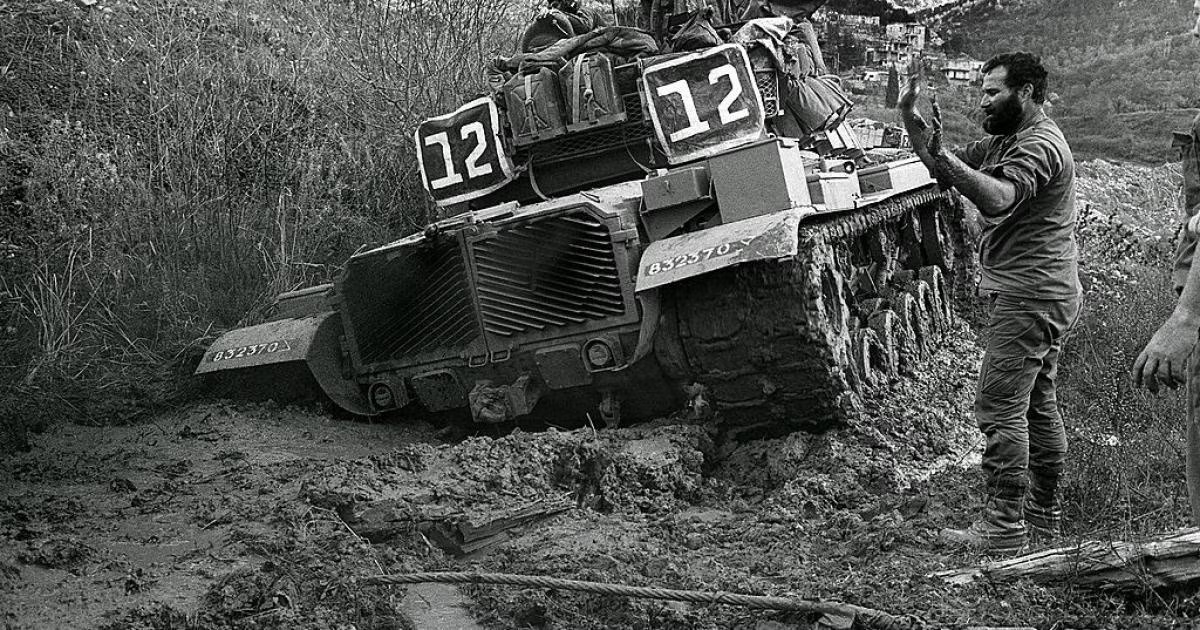
In 2026, Lebanese memory recalls pivotal moments in the history of the conflict with the Israeli occupation, specifically the 1982 invasion that began on June 6 under the name 'Peace for Galilee'. This date was not just a fleeting memory, but marked the beginning of a phase of organized resistance that emerged from the heart of besieged Beirut neighborhoods.
After a three-month siege and the departure of Palestinian Liberation Organization forces, the occupation believed that the Lebanese capital had completely succumbed to its control. However, the situation on the ground quickly changed with the formation of secret cells that began planning qualitative operations aimed at making the presence of Israeli soldiers in the streets of Beirut costly and impossible.
Former fighter 'Nidaa' recounts in his testimony that the resistance that emerged then was purely national, encompassing diverse Lebanese factions away from sectarian affiliations. These efforts culminated in the launch of the 'Lebanese National Resistance Front', known as 'Jammoul', on September 16, 1982, led by leftist and national forces.
The 'Bistros Pharmacy' operation on Hamra Street was the spark that announced the beginning of organized action, later known as 'The First Shot'. This operation was not a random reaction, but rather the result of precise monitoring and prior preparation to break the barrier of fear left by the invasion and the long siege.
The cell that carried out the Bistros operation included three young men: Fahd, Mazen, and Ammar, who moved in a city experiencing the shock of occupation. According to testimonies, the success of this operation restored hope to the Lebanese street and proved that Israeli military power could be confronted in a precise urban guerrilla war.
Women played a pivotal role in that phase, highlighted by the testimony of 'Rana', whose home in the Zarif area was a secret center for meetings. In that small house, military plans were discussed and political statements were written, which were later distributed to mobilize the masses against the Israeli presence.
'Rana' confirms that her home witnessed the first moments of preparing the materials used in the operations, where field commanders like Elias Attallah coordinated with the young executors. From this location, reconnaissance teams set out to monitor the positions of Israeli vehicles and select the most impactful targets deep within the capital.
After the success of the Bistros operation, the resistance momentum did not stop, but was followed by the 'Ayoub Station' operation in the Zarif area, which targeted a gathering of occupation forces. These successive operations created a state of constant confusion among Israeli soldiers, making them feel danger in every corner of West Beirut.
It was not long before the Israeli army was forced to withdraw from Beirut under the weight of successive blows. Testimonies recall the loudspeaker calls made by occupation soldiers as they left the city, asking residents not to shoot at them during the withdrawal, a scene that embodied the breaking of military prestige.
'Rana' then moved to clandestine work in South Lebanon and Sidon, where she participated in transporting weapons and equipment across Israeli checkpoints. She used her youth to camouflage and bypass checkpoints, enabling her to deliver logistical support to the resistance fighters who continued the confrontation in the occupied territories.
'Rana' recounts important qualitative details in Sidon in 1985, where she succeeded in delivering a weapon used in an operation in Nejmeh Square. That operation caused widespread confusion among the occupation forces due to the speed of execution and withdrawal, and confirmed that the spirit of resistance had moved from the capital to all Lebanese cities.
During that period, the resistance fighters faced dual challenges, not limited to the pursuit by the occupation but also including the complexities of the Lebanese civil war. Many of them were pursued by security agencies and local armed groups, which made clandestine work require extreme caution and a high ability to maneuver between multiple dangers.
Testimonies confirm that the 'Jammoul' experience was an honorable, cross-sectarian experience, whose compass was focused solely on liberating the land. Despite attempts to marginalize this role in subsequent political memory, the facts on the ground prove that this front was the primary pillar from which major liberation operations were launched.
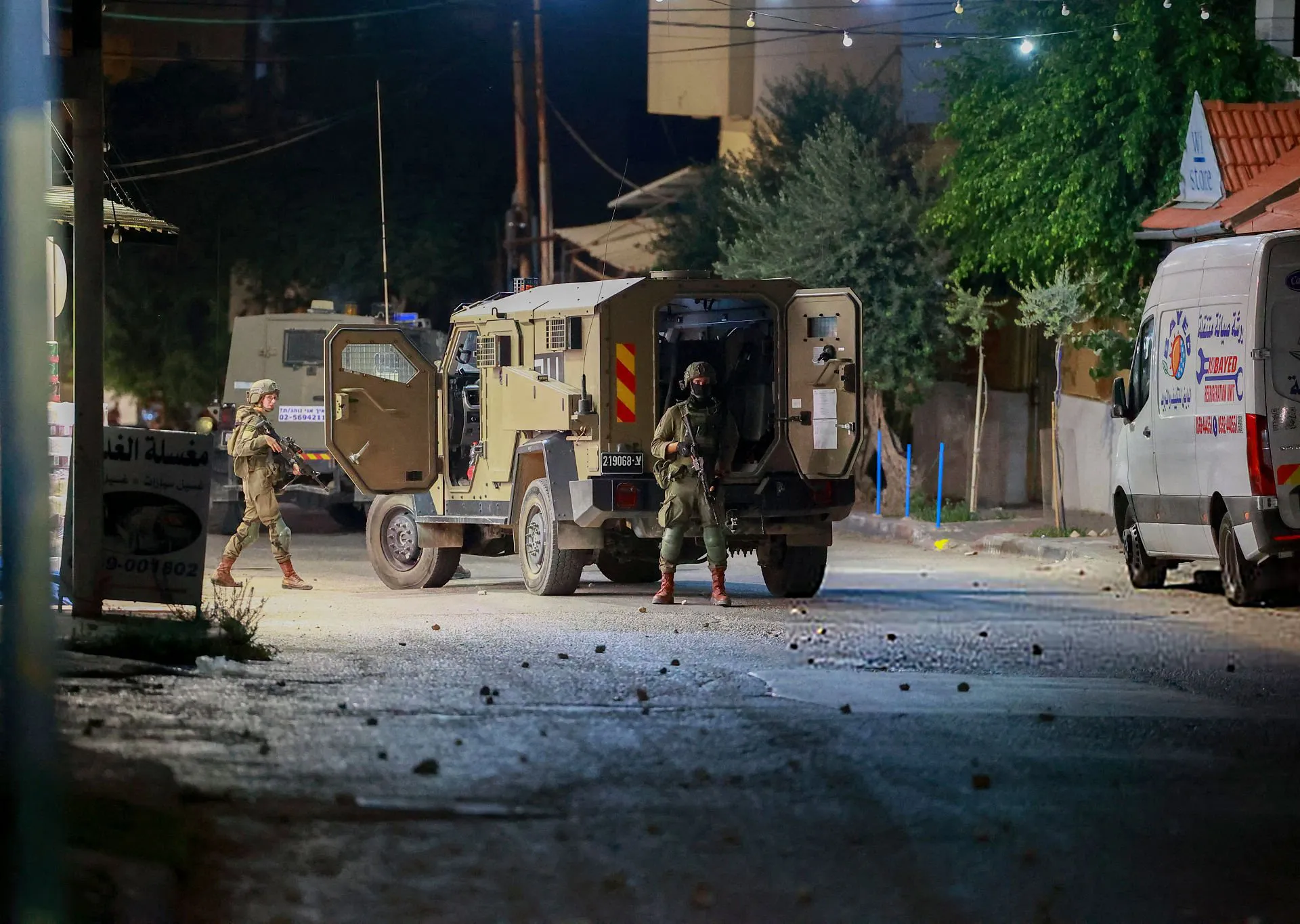
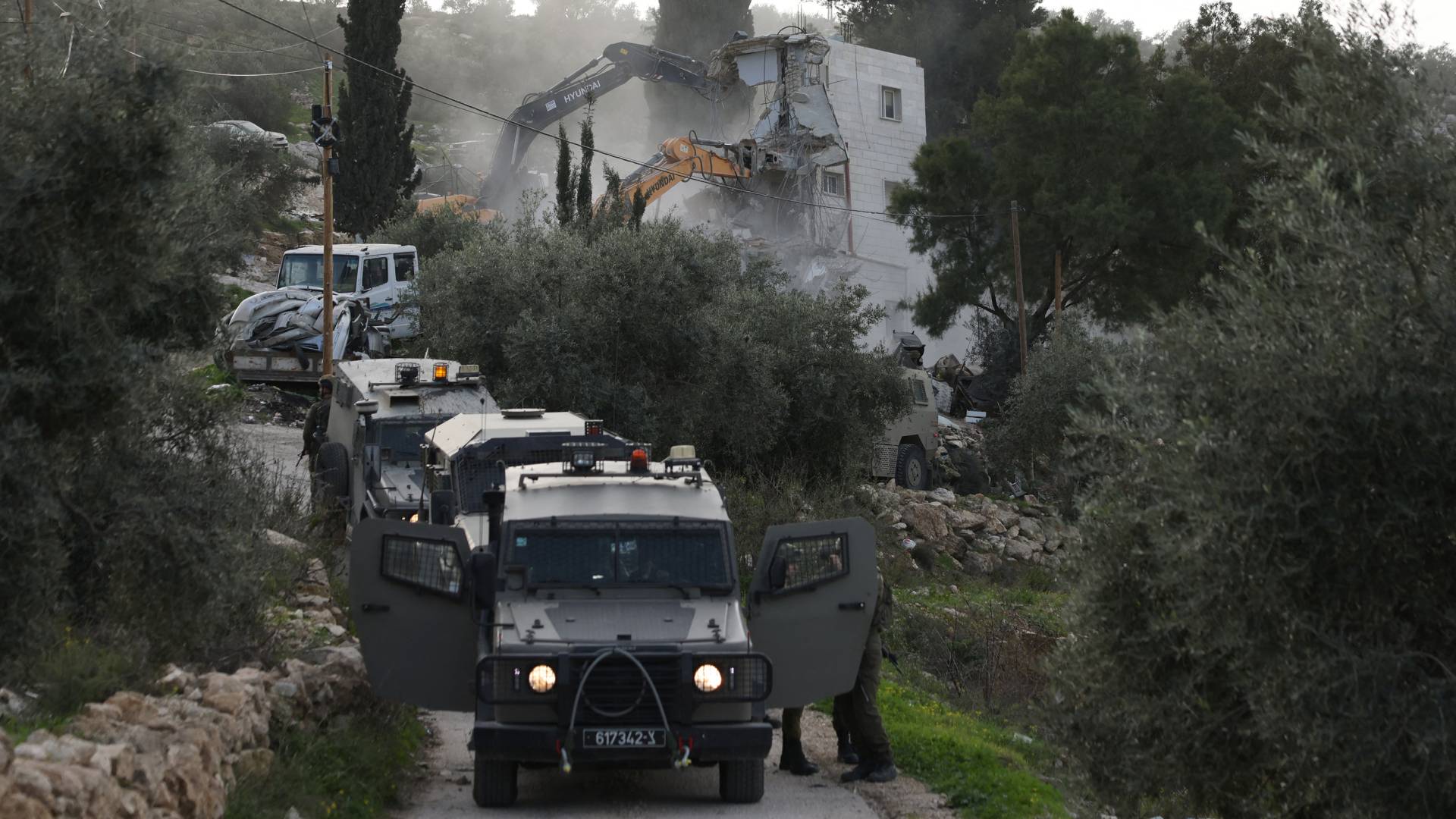
Today, with the recurrence of Israeli incursions into border villages, these testimonies emerge to remind us that the will to confront is capable of changing the balance of power. The story of 'The First Shot' remains a lesson in how to transform military defeat into an organized resistance act that forces the withdrawal of the strongest armies.
The goal was clear: to expel the Israeli army from the capital, and to break the image of an occupation capable of imposing its presence without cost.
شارك برأيك
Exclusive Testimonies for "The First Shot": How the National Resistance Against the Occupation of Beirut Began in 1982?