







Criticism has escalated against the international 'Peace Council,' tasked with overseeing the implementation of US President Donald Trump's plan in the Gaza Strip, amid accusations that it has become a political tool serving the objectives of Israeli Prime Minister Benjamin Netanyahu. Observers noted that the Council has narrowed the current crisis to the issue of disarming the resistance, ignoring Israel's stalled commitments.
In its latest report submitted to the UN Security Council, the Peace Council considered Hamas's refusal to disarm as the primary obstacle to implementing the comprehensive plan. The report emphasized that reconstruction efforts in the devastated Strip would not begin before the disarmament process is completed and an international force is deployed to assume security tasks in the region.
Hamas, for its part, was quick to deny these allegations, describing the report as fully adopting the occupation's narrative and aiming to confuse matters. The movement affirmed that the report ignores continuous Israeli violations since the ceasefire came into effect in January 2025, including the expansion of land occupation and non-compliance with the humanitarian protocol.
Mahmoud Mardawi, a leader in the movement, clarified in press statements that the resistance had not agreed at any stage to immediate disarmament, but rather accepted Article 20, which sets a horizon for confining weapons to the independent Palestinian state in the future. He added that the priority now must be to implement the humanitarian commitments that Israel is evading.
Mardawi pointed out that the occupation still refuses to allow necessary medical equipment and the rehabilitation of hospitals and vital roads, despite these being an integral part of the first phase of the agreement. He accused the head of the Peace Council, Nikolay Mladenov, of being unable to compel Netanyahu to adhere to what was agreed upon, while the occupation army continues its killing and starvation operations.
For his part, political analyst Ahmed Al-Tannani described the report as the 'most dangerous misleading operation' for the international community regarding the reality in Gaza. Al-Tannani believed that the Council is trying to reframe the international discussion to focus solely on disarming Palestinians, while ignoring the continued siege and military aggression.
In contrast, researchers at the American Council on Foreign Policy believe that Hamas is primarily responsible for the agreement's failure. They claim that the movement reneged on supposed commitments to dismantle its military structure and leave the Strip, considering that the resistance's weapons pose a threat even to international technocrat committees.
Al-Tannani responded to these claims by emphasizing that the resistance fulfilled its essential commitments, foremost among them the handover of all Israeli prisoners within 72 hours of the agreement's start. He clarified that Israel was the one that obstructed the entry of the international technocrat committee by preventing it from accessing the Strip to carry out its administrative and humanitarian tasks.
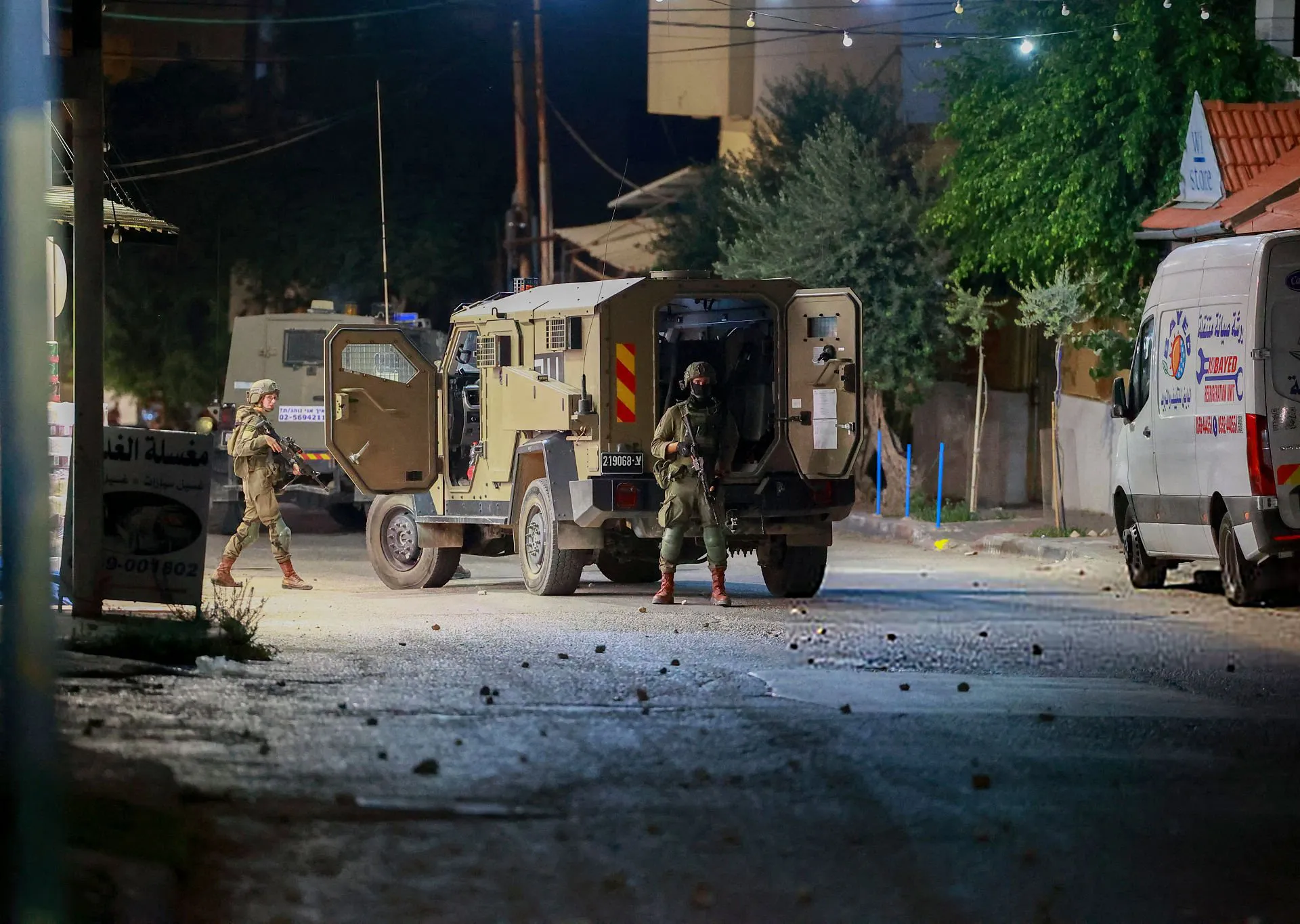
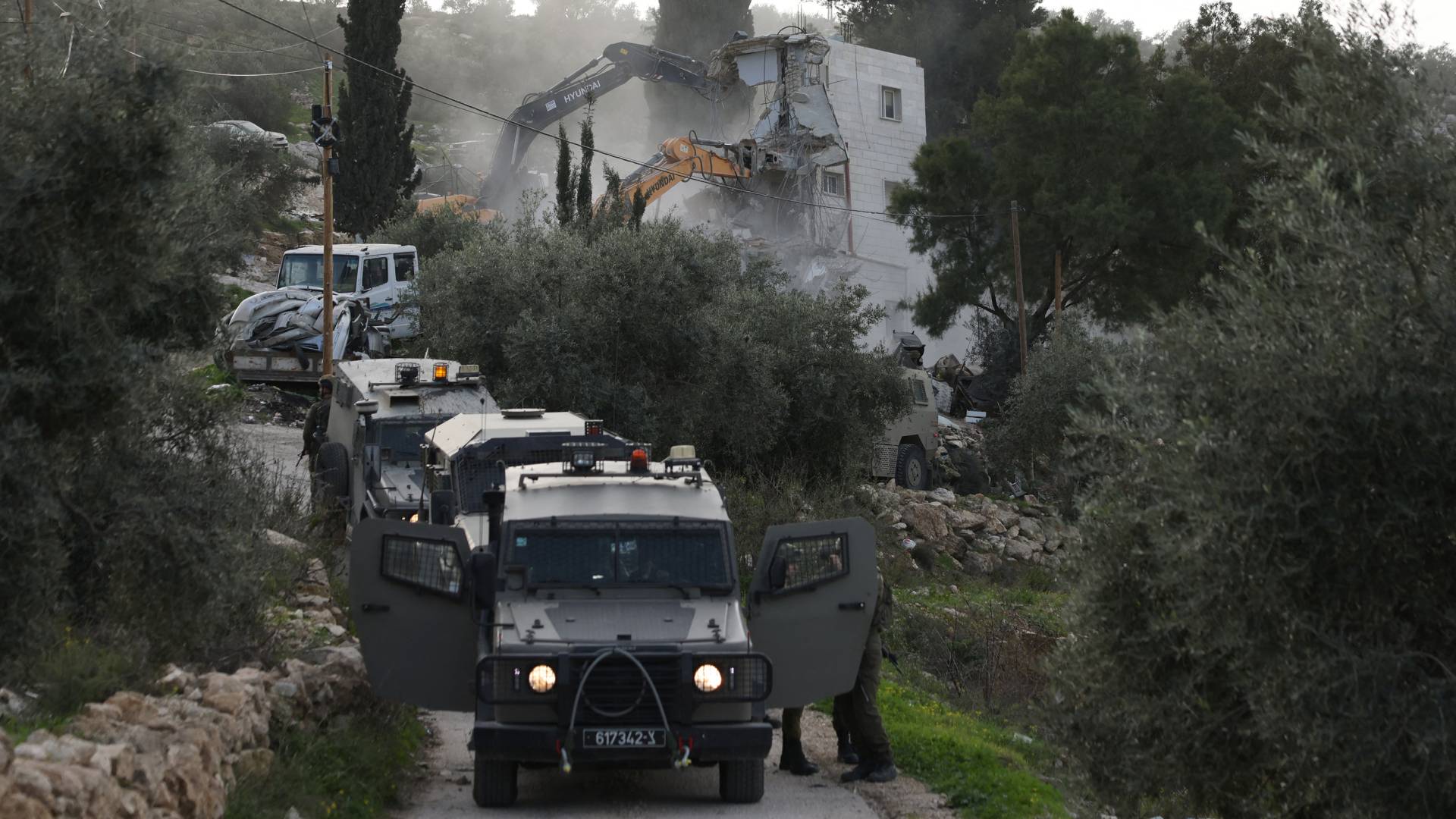
Field reports indicate that Israel exploited the period of relative calm to expand its military control within the Strip by up to 8%. According to experts, Netanyahu's admission of controlling about 60% of Gaza's area constitutes a blatant violation of the withdrawal provisions stipulated in the first phase of the peace plan.
Dr. Mahmoud Yazbak, an expert in Israeli affairs, believes that the timing of the report's release after Mladenov's meeting with Netanyahu in Tel Aviv raises questions about the Council's independence. Yazbak pointed out that Mladenov did not bother to meet with the Palestinian side before formulating his conclusions, which appeared blatantly biased.
Yazbak criticized the international report's disregard for the weapons provided by the occupation authorities to armed militias within the Strip with the aim of inciting chaos. He considered that the international community's silence on these practices gives Netanyahu the green light to continue his 'scorched earth' strategy and keep Gaza a destroyed and uninhabitable society.
Data indicates that Israel still fully controls the crossings and regulates the movement of individuals and goods, making any talk of a 'Palestinian Authority' or 'technocrat committees' mere ink on paper. Observers believe that this situation is coordinated with the American administration, which provides political cover for these transgressions.
With Netanyahu's explicit threat to resume comprehensive military operations unless his new conditions are met, the entire Trump plan is at stake. Current Israeli demands exceed what was previously signed and aim to impose a permanent security reality that legitimizes the occupation's presence deep within the Strip.
The situation in Gaza remains suspended between the hammer of international pressure for disarmament and the anvil of Israeli intransigence on the humanitarian file. In light of this clear international bias, the Palestinian resistance finds itself facing difficult choices to preserve the constants of the cause and prevent the liquidation of national rights under the guise of peace.
The resistance will not commit to any agreement in which the occupation dictates what it wants without fulfilling its humanitarian and field obligations.
شارك برأيك
The Peace Council Under Fire: Has It Become a Cover for Netanyahu's Agenda in Gaza?