







The Gaza Strip is entering a critical phase of political and field ambiguity after more than two hundred days have passed since the ceasefire agreement came into effect, with Israeli threats of returning to a comprehensive military option escalating. These developments come at a time when parties are exchanging accusations about obstructing the terms of the truce, amidst an escalation in air raids and systematic assassinations carried out by the occupation army.
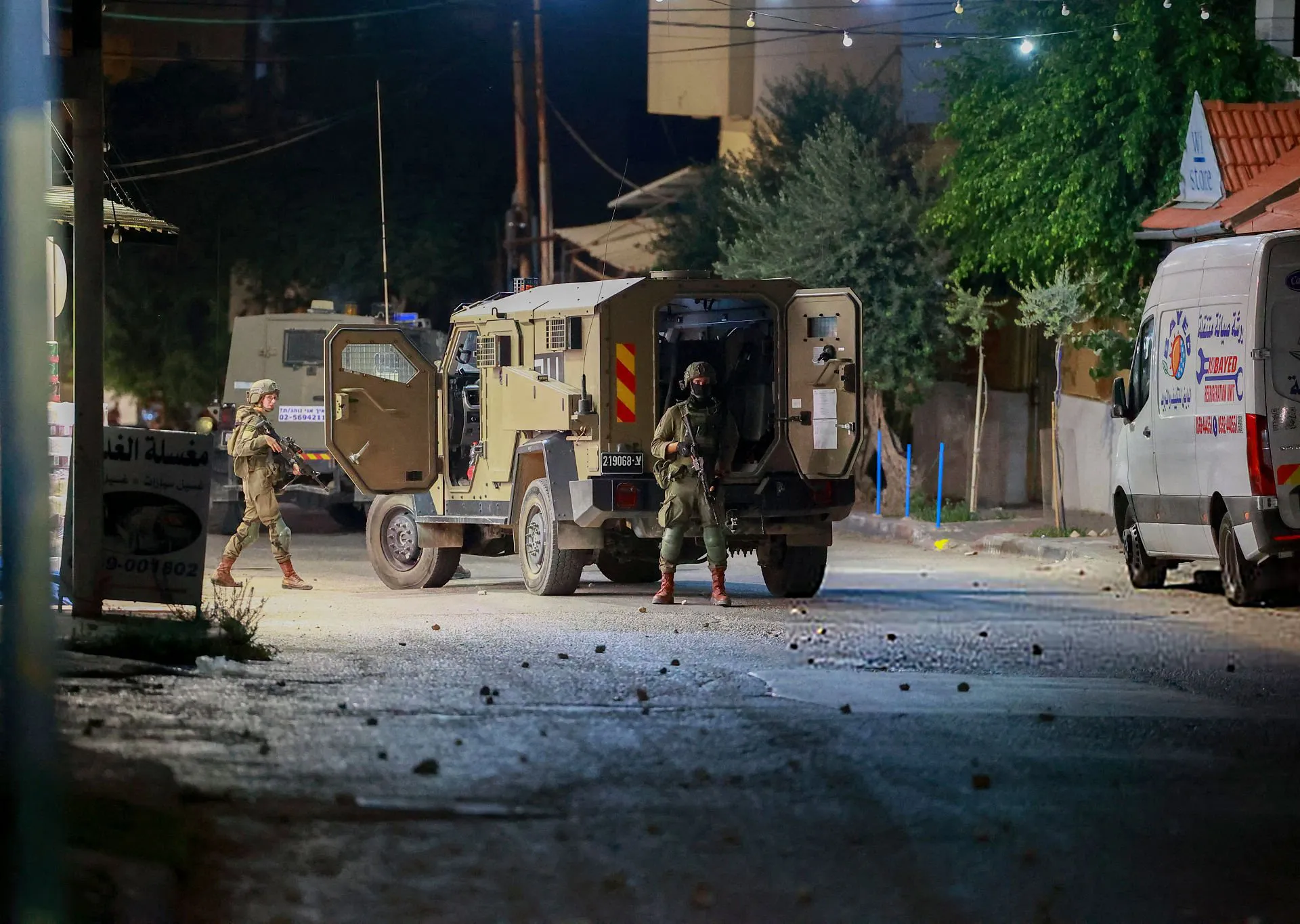
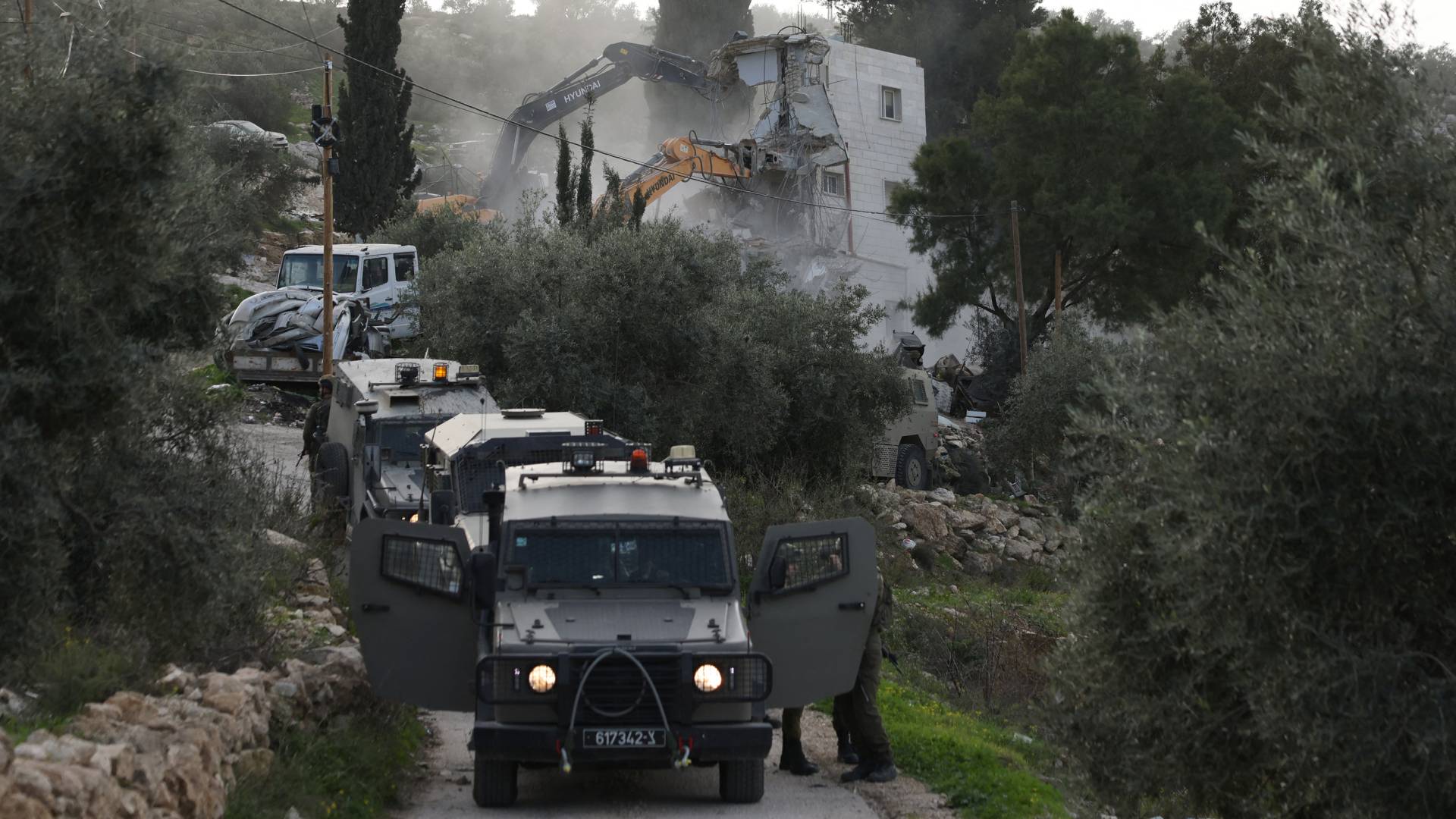
Observers believe that the Israeli threat to resume war is not merely a political maneuver, but reflects a strategy aimed at transforming the temporary military presence into a permanent reality through what is known as the 'securitization' of the Strip. This plan includes building permanent military bases in areas where the army has advanced, and transforming defensive lines into new borders that cut off large areas of Palestinian land.
Field data indicates that the occupation authorities have shifted the so-called 'Yellow Line' by up to 9% deep inside the Strip, leading to the army effectively controlling more than 60% of Gaza's total area. This geographical expansion aims to create a buffer zone that ensures the occupation's freedom of military movement and prevents any future threats from resistance factions.
In the context of internal political calculations, Benjamin Netanyahu's pursuit of fulfilling his electoral promises related to the complete disarmament of Hamas stands out, which he sees as an essential condition for remaining in power. Experts believe that obstructing the arrival of the national committee to administer Gaza aims to maintain the administrative vacuum, thereby justifying the continuation of military operations under the pretext of the absence of a reliable security partner.
For its part, Washington places the 'disarmament knot' as a major obstacle to any progress in the political track, with sources indicating that Hamas's refusal to comply with UN Resolution 2803 hinders international stability plans. These sources confirm that regional and international countries refuse to send peacekeeping forces before ensuring the disarmament of factions and securing the free movement of forces.
On the humanitarian front, Palestinian sources confirm that the occupation has not adhered to any of the commitments related to the entry of aid, as the volume of relief flow remains far below agreed-upon levels. While the agreement stipulated the entry of 600 trucks daily, what actually arrives does not exceed a thousand trucks weekly, exacerbating the suffocating living crisis experienced by the residents.
Palestinian national forces accuse the Israeli side of directly targeting police and civilian cadres to thwart any attempt to achieve internal stability. Despite the factions submitting written pledges to mediators to hand over governance tasks to an independent national committee, the Israeli veto still prevents this committee from carrying out its duties in administering the affairs of the Strip.
With Donald Trump's return to the White House, analyses vary regarding the nature of the green light he might give to Netanyahu, with some believing that Trump might prefer regional diplomatic paths. However, his recent statements calling for focusing on 'war' rather than marginal issues were considered by some as implicit support for completing Israeli military objectives in Gaza.
Political assessments indicate that the Gaza file has receded to second place in American and Israeli priorities in favor of focusing on the Iranian file and the Lebanese front. This decline in priority may give Israel a wider margin to use military force as a continuous pressure tool without facing real international pressure to stop the escalation.
The option of resuming war remains strongly present unless the international community intervenes to impose a real transition from the security logic imposed by the occupation to a civilian political logic. The absence of international will to compel Israel to abide by the terms of the first phase of the agreement opens the door wide to a new round of conflict that may be more bloody than its predecessors.
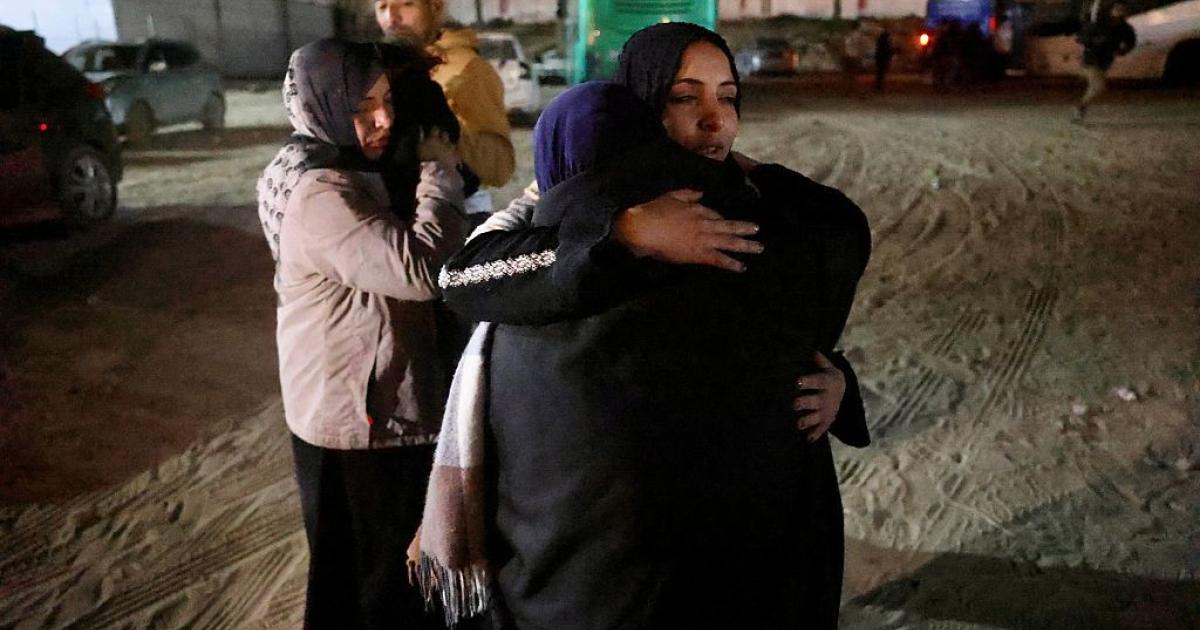
It is worth noting that the war that erupted on October 7, 2023, left massive destruction affecting about 90% of the infrastructure and civilian facilities in the Gaza Strip. Continuous military operations have resulted in the martyrdom of more than 72,000 Palestinians and the injury of more than 172,000 others, in one of the largest humanitarian disasters in modern history.
In light of these facts, the Palestinian street cautiously awaits the outcome of diplomatic moves in the coming weeks, especially with the expiration of the deadlines set by the occupation for handing over weapons. Gaza remains a 'forgotten arena' amidst major regional conflicts, awaiting a political decision that will end the suffering of millions besieged under the weight of fire and hunger.
Israel needs a prime minister who focuses on war, not trivial matters.
شارك برأيك
Gaza Facing Scenarios of Return to War: Israeli 'Securitization' Strategy and the Trump Administration's Stance