







The Israeli occupation authorities continue to establish a new approach of disguised occupation in southern Lebanon, by imposing what it calls the 'Yellow Line' as a security buffer zone outside its international borders. This step comes within the framework of Tel Aviv's efforts to expand its field control, similar to models it previously implemented in the Gaza Strip and Syrian areas, amidst warnings of catastrophic humanitarian consequences.
The 'Yellow Line' consists of imaginary borders imposed by the occupation army south of the Litani River, where the area extending from it to the border is known as a closed combat zone. This measure aims to prevent the return of displaced Lebanese to their homes, while giving the green light to target any civilian or military movements as a violation of security understandings.
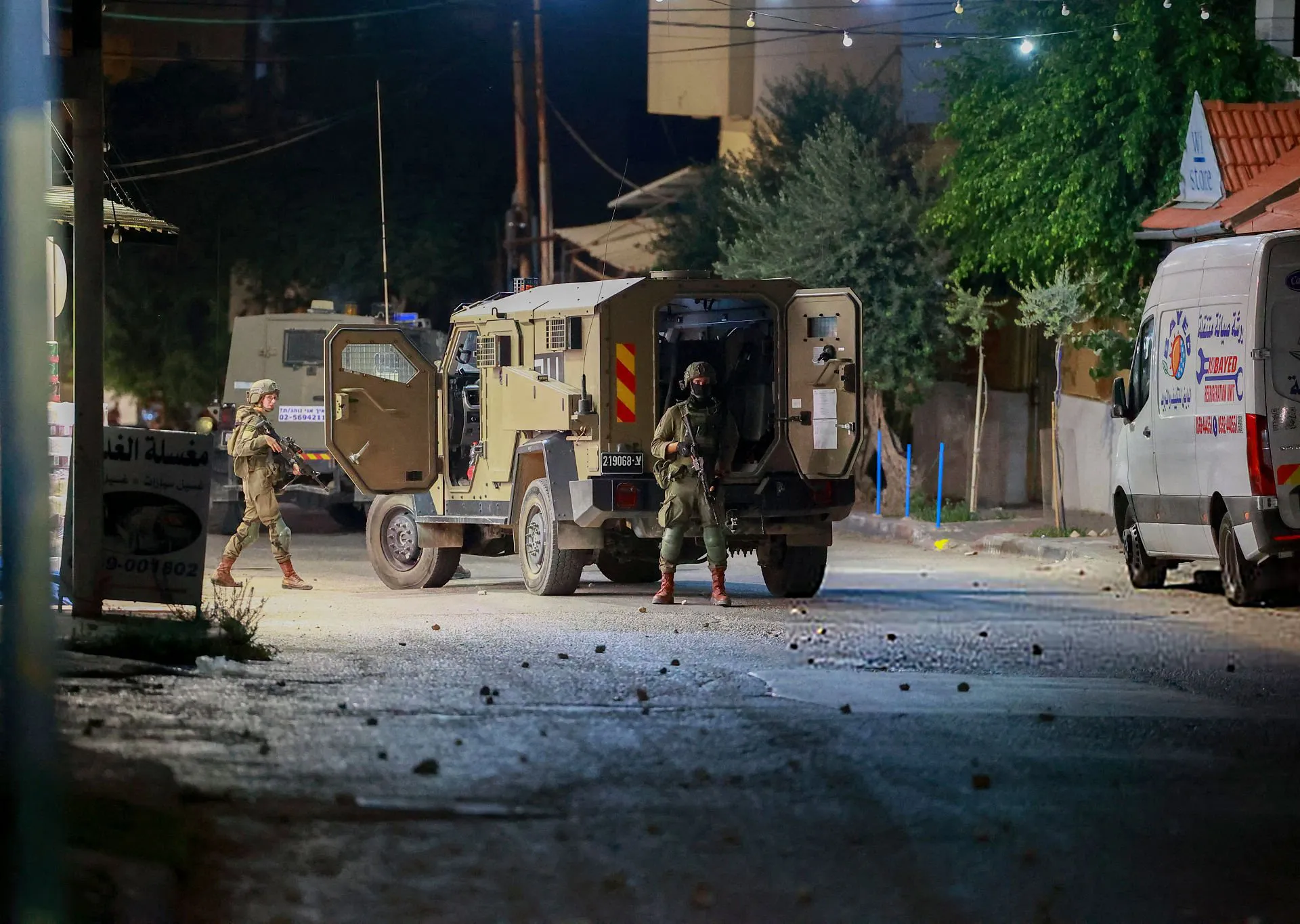
Field data indicates that the occupation army has penetrated distances of up to about 10 kilometers inside Lebanese territory, including areas from the vicinity of Rashaya to Naqoura and Ras al-Bayada. This penetration does not seem to be merely a temporary measure, but rather an indication of an Israeli desire to establish a new geographical reality that gives it permanent fire superiority.
For his part, MP Hussein Fadlallah affirmed that all consequences of the war, including the 'Yellow Line', will be overturned and will not be allowed to be established as a fait accompli. This position comes amid widespread official and popular Lebanese rejection of attempts to seize border lands and turn them into buffer zones lacking any legal or international legitimacy.
These developments bring to mind the experience of the 'border strip' established by the occupation between 1978 and 2000, with fundamental differences in the extent of current destruction. While the previous occupation allowed some residents to remain, the current strategy relies on complete displacement and the destruction of all means of life in the targeted villages.
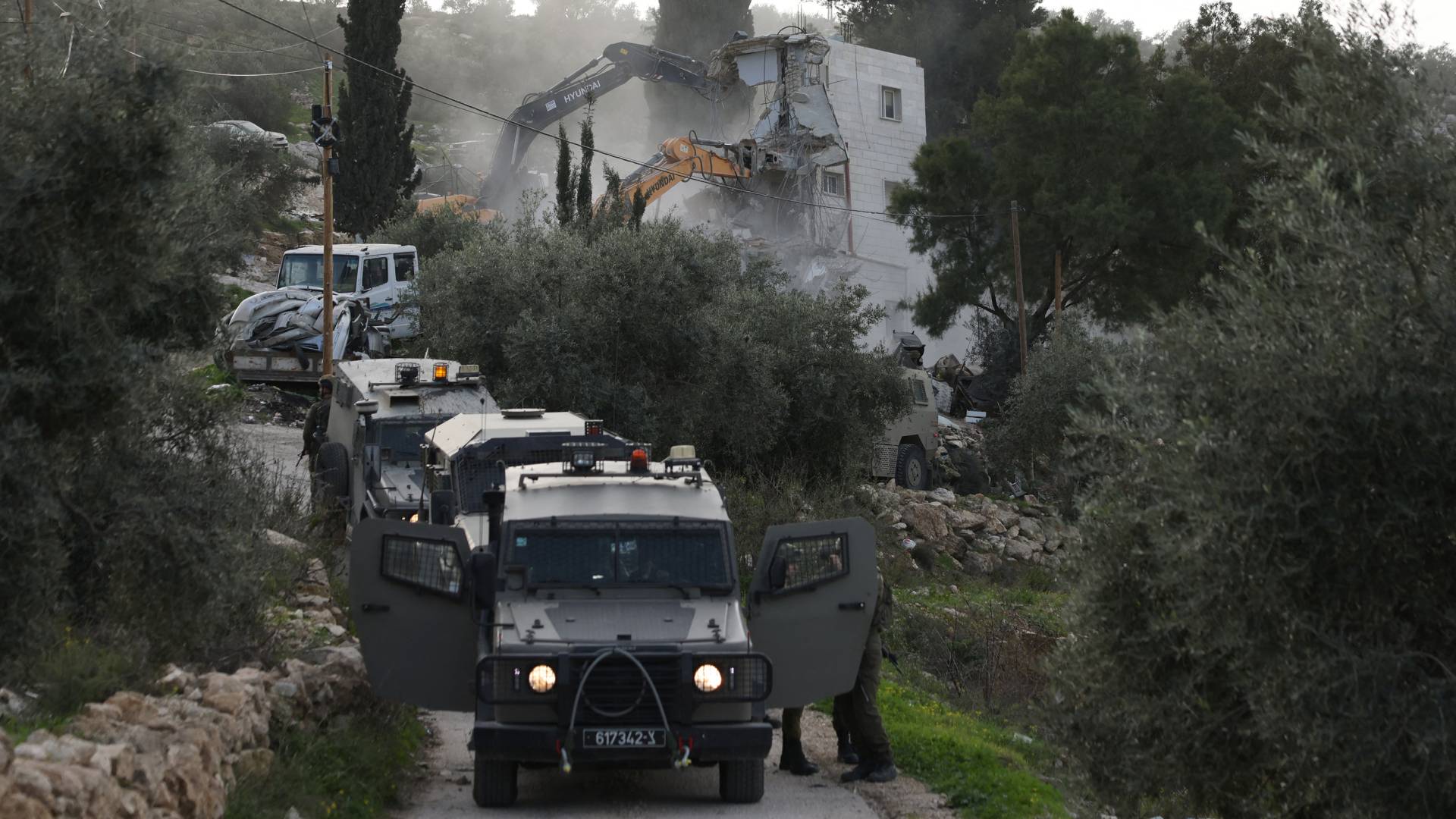
Field sources monitored massive destruction in the town of Khiam and its surrounding villages, where occupation forces carried out extensive bombing and bulldozing operations of homes and public facilities. Israel claims that these operations target military infrastructure, despite the continued validity of recently extended ceasefire agreements.
In the Arqoub area, the head of the Union of Municipalities, Qassem Al-Qadri, explained that the villages adhered to a peaceful confrontation approach and did not witness any armed manifestations throughout the conflict. Al-Qadri pointed out that the local authorities are fully affiliated with the Lebanese state, which refutes the Israeli pretexts used to justify targeting the area and destroying its infrastructure.
Al-Qadri added that after the truce, residents were surprised by the establishment of the security belt, which began to devour vast areas of agricultural land and residential areas. This belt led to the isolation of villages from each other, and cut off vital arteries connecting the Arqoub region to the Hasbaya district and the Nabatieh governorate, exacerbating the living crisis.
The towns located within the 'Yellow Line' suffer from severe crises in the services sector, especially water outages due to preventing maintenance teams from accessing basic sources. Municipalities have sent official memos to 'UNIFIL' forces and international bodies to intervene urgently to ensure freedom of movement and secure humanitarian needs.
Observers believe that Israel seeks, through this buffer zone, to acquire additional bargaining chips in any future political negotiations with Lebanon. By emptying the area of its residents, Tel Aviv is trying to impose harsh security conditions that go beyond recognized international decisions, and legitimize its repeated aggressions.
On the political level, Washington held two rounds of direct talks between the Lebanese and Israeli sides to discuss ways to cease hostilities. The Lebanese side, headed by Joseph Aoun, insists on the necessity of the occupation's withdrawal to international borders and the deployment of the Lebanese army as the sole force responsible for security in the south.
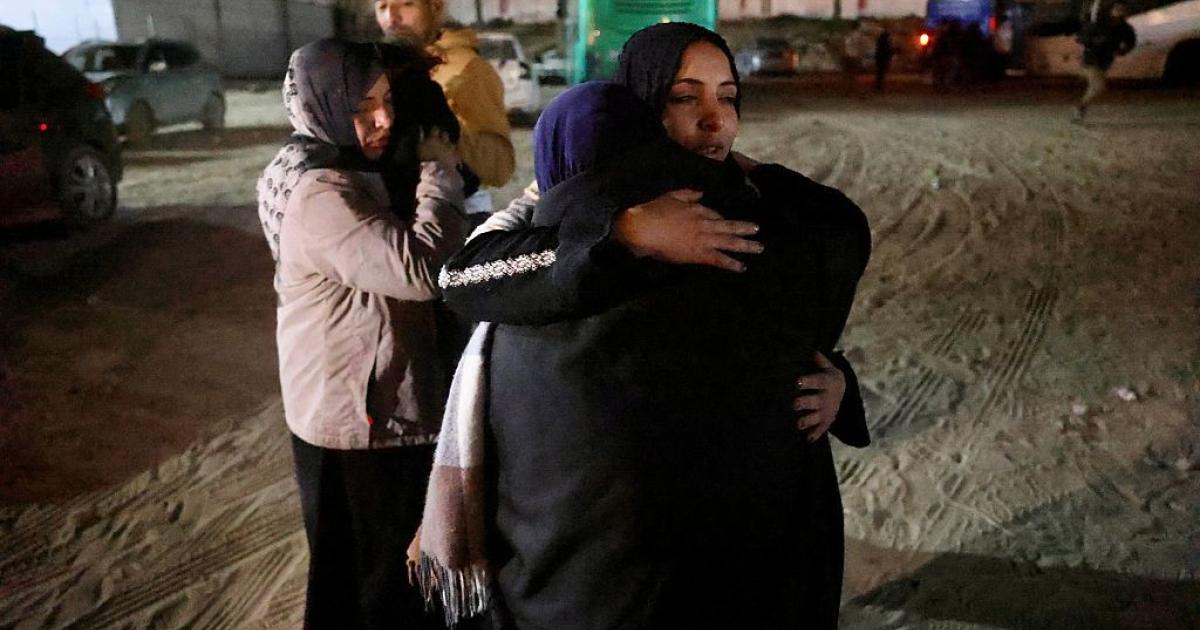
Official statistics indicate the extent of the tragedy left by the aggression, with more than 2500 martyrs and thousands injured, in addition to the displacement of about a fifth of Lebanon's population. These figures reflect the ferocity of the Israeli attack, which was not limited to military targets, but also affected the social and economic fabric of the Lebanese state.
The continued occupation's encroachment on Lebanese, Palestinian, and Syrian territories reflects a consistent policy that refuses to comply with UN resolutions calling for withdrawal. The 'Yellow Line' remains a new title for the conflict, as the occupation tries to turn the border into a forbidden zone for its legitimate owners under the guise of 'security and defense'.
In conclusion, the fate of the border villages remains suspended between the steadfastness of the residents and international political maneuvers, amid Israeli insistence on turning the south into a destructive security belt. Attention is now turning to the international position and its ability to compel the occupation to respect Lebanese sovereignty and stop systematic bulldozing operations.
This belt did not remain within a narrow scope, but gradually expanded towards the Arqoub area, which practically led to the isolation of villages, cutting off vital roads, and preventing farmers from accessing their lands.
شارك برأيك
The Disguised Occupation: Israel Establishes the 'Yellow Line' as a Buffer Zone in Southern Lebanon