PALESTINE

Wed 18 Jun 2025 9:14 am - Jerusalem Time

The "West Bank closure" deprives Palestinians of their freedom and destroys their exhausted economy.

Raja Al-Khalidi: The current situation requires immediate and comprehensive interventions, most notably supporting local development, international support, and launching emergency programs aimed at supporting small farmers and workers.

Shaher Saad: We in the trade union movement fear the worsening economic crisis, which will directly impact the living conditions of Palestinian families.

Dr. Mahmoud Abu Suwai: Freedom of movement is one of the fundamental freedoms inherent to human beings, and it may not be confiscated or restricted without a clear and strong legal justification.

Ayham Abu Ghosh: Preventing Palestinian workers from going to their jobs inside Israel deprives the Palestinian market of monthly cash flow estimated at approximately 1.5 billion shekels.

Hazem Al-Qawasmi: Many families are no longer able to earn a living due to unprecedented unemployment and the prolonged closure of the Israeli labor market.

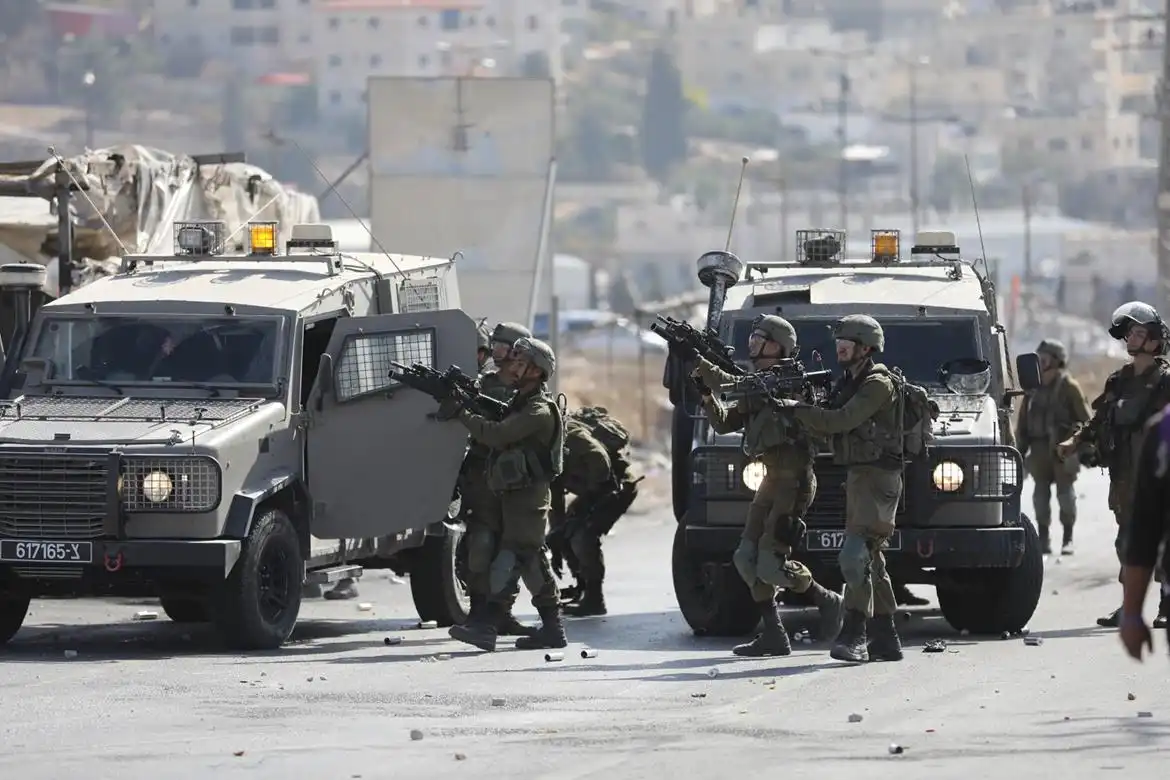
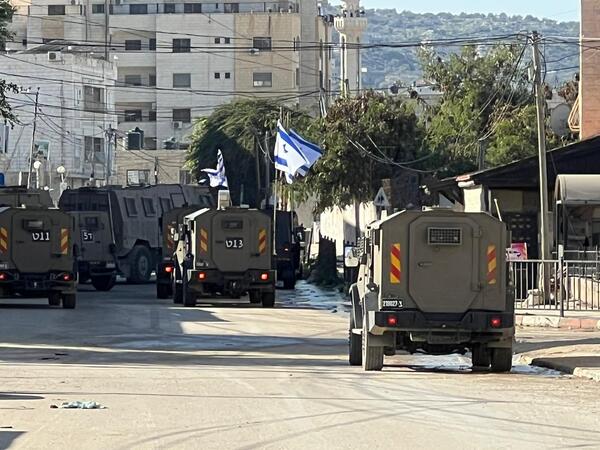
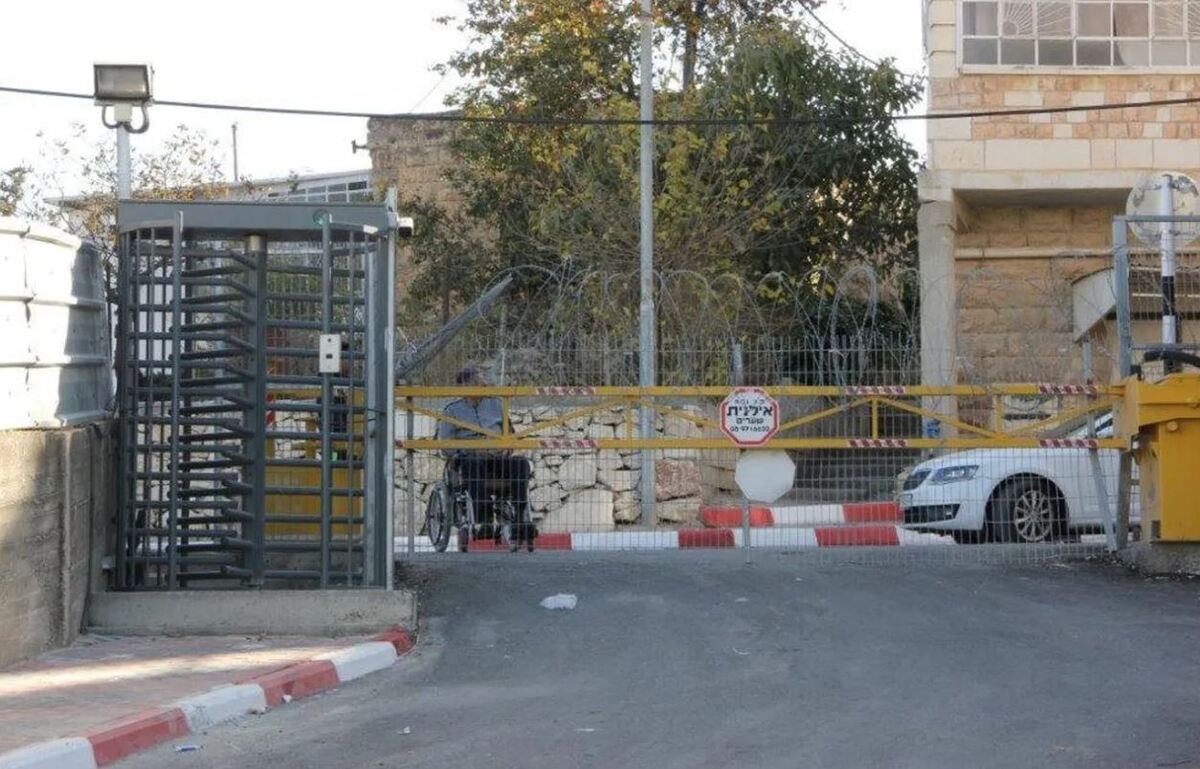
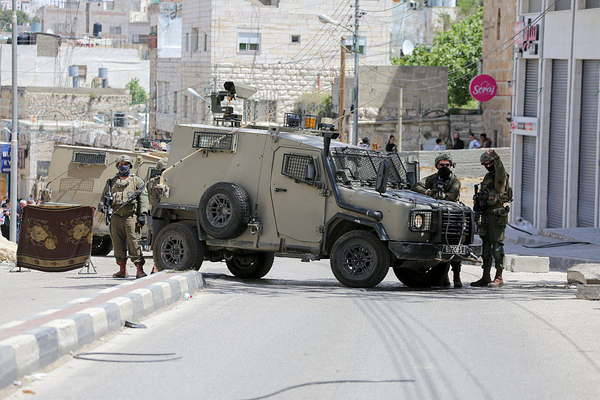
Closing the checkpoints and gates erected by the occupation army at the entrances to the cities, villages, and refugee camps in the West Bank has become the first and easiest measure taken by this army, whether there is a war or not. However, closing them in times of war seems more than justified, and even a security and military necessity for the decision-makers in the occupying state, whether in the war of extermination it has been waging against the Gaza Strip since October 7, 2023, or the war with Iran that the occupying state initiated a few days ago.

There are no accurate statistics on the number of gates that the occupation forces use to close the entrances to cities, villages and camps, although some have spoken of a thousand gates. Nor is there a fixed number of checkpoints that the occupation soldiers set up on the roads - some of which are permanent and others are "flying" - but what is clear and established is that more than three million Palestinians in the West Bank are besieged in their homes and prevented from moving from one village to another or from one city to another, and even within a single village or city. The West Bank is thus transformed into a series of prisons that confiscate human freedom and paralyze the already exhausted economy.


Writers, analysts, and specialists who spoke to "I" confirmed that the closure of the West Bank, whether internally, with foreign countries, or within the 1948 territories, and the restriction of Palestinian freedom, violates international conventions and human rights laws. They emphasized that freedom of movement is a fundamental human freedom, and may not be confiscated or restricted without a clear and strong legal justification.

They said that many families are no longer able to earn a living due to unprecedented unemployment and the prolonged closure of the Israeli labor market. They emphasized that the current situation requires immediate and comprehensive interventions, most notably support for local development, international assistance, and the launch of emergency programs aimed at supporting small farmers and workers.


Escalation of closure policies, imposition of barriers and gates


Economic researcher Raja Khalidi, Director General of the Palestine Economic Policy Research Institute (MAS), said that the West Bank has been witnessing an escalation in closure policies and the imposition of barriers, gates, and concrete blocks by the Israeli occupation authorities in various areas of the West Bank, particularly at the entrances and exits of cities and on the roads connecting Palestinian communities.

Khalidi pointed out that these Israeli measures aim to restrict movement and access, as well as the crossings separating the West Bank, the 1948 territories within the occupied territories, and occupied Jerusalem. These checkpoints have become a primary tool for dominating and imposing sovereignty over all aspects of Palestinian life, in addition to placing significant economic pressure on various sectors and economic activities, which are now dependent on the opening or closing of these checkpoints.

Khalidi addressed the economic developments in light of the comprehensive closure of the West Bank. He said the first development relates to the Palestinian banking system. On June 10, the Israeli side threatened to cancel the legal exemption that Israeli banks had relied on to process shekel currencies with Palestinian banks. This threatens Palestinian banks with the Israeli financial system, as approximately 53 billion shekels ($15.2 billion) pass through this system annually, and its disappearance poses a risk to the financing of basic services such as food, fuel, and electricity.


Cash pressures and immediate losses


He continued: "The second development relates to monetary pressures and immediate losses. The financial decisions issued by Finance Minister Smotrich will lead to the emergence of a cash-based, shadow economy in the West Bank. This coincides with the Palestinian Authority's delay in paying employee salaries, which will lead to a growth in the black market."

Khalidi emphasized that the third development concerns the withholding of clearance funds. The average monthly withholding of clearance funds is estimated at approximately 300 million shekels, equivalent to 40% of the Palestinian Authority's revenues. The total withheld during the war exceeds 800 million shekels, and so far throughout the year, it amounts to approximately 2 billion shekels.

The fourth development, according to Khalidi, is the ongoing economic contraction. He said, "According to the Palestine Monetary Authority's forecasts, economic growth in the West Bank and Gaza Strip is expected to contract by approximately 1.8% in early 2023, with per capita income declining to $4,344 annually. This is in addition to a 26% decline in real GDP in the West Bank in 2024."

He added, "Finally, inflation," noting that the inflation rate rose to 5.9% in 2023, coinciding with the decline in the value of the shekel and a rise in import prices.


Future risks of continued closure


Al-Khalidi noted the future risks of the continued closure, which are as follows: First, unemployment rates are expected to rise to 30%-35% in the West Bank if the comprehensive closure continues, based on previous estimates by the Palestinian Central Bureau of Statistics.

Second, the erosion of the investment environment due to economic instability and the disruption of projects. Third, the disintegration of agricultural and industrial production chains. Fourth, the threat to local food security and the rise in prices of basic commodities. Fifth, the increased likelihood of internal migration from marginalized villages and the outward migration of young minds.

Al-Khalidi stressed that the current situation requires immediate and comprehensive interventions at multiple levels, most notably:

• Supporting local development by encouraging local production, home economics and solidarity.

• International support to pressure for lifting restrictions on the movement of people and goods.

• Rebuilding supply chains by establishing decentralized distribution centers to ensure continuity of supply.

• Targeting affected groups by launching emergency programmes aimed at supporting small farmers and informal workers.

• Enhancing economic resilience by developing flexible financing tools and supporting small projects.


The occupation government is waging an economic war against the Palestinians.


For his part, Shaher Saad, Secretary-General of the Palestinian Workers Union, said that the closure imposed on the northern governorates, which includes movement and roads between cities, towns, and villages, is having a significant impact on Palestinian economic activity. It is a war waged by the occupation government against the Palestinian people, with the economic strangulation increasing.

He pointed out that the 80,000 workers in the West Bank are suffering daily losses estimated at 10 million shekels, in addition to the ongoing closures.

He explained that there are more than 1,000 iron gates and military checkpoints manned by the occupation forces that prevent or impede the movement of citizens between the cities, villages, and towns of the northern governorates. For example, the road between Beit Furik and Nablus takes 10 minutes, but with the presence of the checkpoint, it now takes two to three hours due to arbitrary procedures of searches and arrests.

Saad pointed out that 40,000 workers are working illegally inside the occupied territories, at least 10,000 of whom commute daily from their homes to their workplaces and back.


Agriculture has been dealt a severe blow.


He explained that many sectors were directly affected, including agriculture, which suffered a severe blow, with some seasonal agricultural products now subject to destruction due to their inability to reach the Palestinian market. This, in the long term, contributes to the structural destruction of this sector, which is one of the vital sectors contributing to the concept of food security in the Palestinian food basket.

Saad warned that the transportation sector is not only facing closures but also extortion related to fuel and petroleum products, which have become the vital lifeline for the sector. This will lead to a reduction in services and open the way for further exploitation.

Saad pointed to the public sector's role in the Palestinian labor market, which has become a major source of buying and selling during the ongoing curfew. This has paralyzed economic activity in Palestinian markets, with no salaries for employees and no income for workers in the occupied territories, negatively impacting the West Bank economy.

He said: "When there is no commercial activity in the markets, many employers have terminated the services of their workers due to the weak activity in the Palestinian labor market, which will have an impact on the remaining trade sector that employs the workforce.


The necessity of involving all segments of society in an emergency plan


Saad expressed the union movement's continued fear of the worsening economic crisis, which is directly impacting the economic situation of Palestinian families, with direct exposure, threatening civil peace within Palestinian society and causing us, as a union movement, to lose control over this reality as these needs increase.

Saad warned of the serious consequences resulting from the living conditions. He said, "Not everyone can bear these losses and not work. The closures also indirectly impact the prices of products and goods, which are rising day by day."

Saad continued: "Added to all of the above are the West Bank workers who enter and return to the occupied territories daily, and whose movement is obstructed by checkpoints or even by being pursued at the separation wall. Here we are talking about 40,000 workers working illegally in Israel today, including at least 10,000 workers who commute daily."

Saad addressed a message to the Palestinian government to involve all segments of society in an emergency plan that seeks to persevere within the limited available capabilities within the closed geography plan. This is a methodology that preceded the Palestinian people in the 1967 phase in confronting the occupation in order to persevere and survive within limited resources.

Saad concluded by saying, "As a union, with all our cadres, we are prepared to join all committees at the national and community levels to contribute to developing plans for this offensive by the occupation to wipe the Palestinian cause off the map. Justice cannot be achieved in the distribution of limited resources to vulnerable segments of society without the involvement of the trade union movement."


Paralyzing daily life in the West Bank


In turn, academic and lawyer Dr. Mahmoud Abu Suway, who specializes in public law, emphasized that in light of the current situation, especially after the outbreak of the Israeli-Iranian war, the Israeli occupation authorities have moved to impose a tight security cordon, reaching the point of comprehensive closures of some areas in the West Bank through the use of iron gates and concrete blocks, in addition to partial closures and tightening the noose on citizens through thorough inspections at military checkpoints and the creation of stifling traffic jams, especially regarding movement between governorates, or even within a single governorate and the surrounding villages and neighborhoods. This has naturally led to the disruption of the movement of residents and prevented many citizens from reaching their places of work, universities, hospitals for treatment, or performing their social duties, paralyzing daily life in the West Bank in general in many areas.

He explained that these measures would inevitably disrupt the economic cycle and negatively impact the Palestinian economy as a whole.

Abu Suwai pointed out that freedom of movement is a branch of personal freedom, which is one of the fundamental freedoms inherent to human beings and which may not be confiscated or restricted without a clear and strong legal justification.


Freedom of movement within and outside one's country


He explained that freedom of movement includes the right of an individual to move from one place to another within his country, and to leave and return to it without restriction. Article (13) of the Universal Declaration of Human Rights stipulates that “everyone has the right to freedom of movement and to choose his residence within the borders of each state.” It also stipulates that “everyone has the right to leave any country, including his own, and to return to his country.” This was confirmed by the International Covenant on Civil and Political Rights in Article (12), which included a reference to the right of every individual to freedom of movement and to choose his residence within the state, explaining that this right may not be restricted except in exceptional cases related to national security or public order, conditions that do not apply to what is currently happening in the West Bank.

He said, "Based on this, states, including the occupying power, must guarantee freedom of movement for citizens and not impose restrictions on this right except in their best interests, in accordance with legal standards." He emphasized that the Israeli occupation authorities must respect the provisions of international human rights law, even within their relationship with Palestinian citizens in the West Bank.

He added: "Despite the occupation authorities' claim that the purpose of these closures is security and military considerations and defensive reasons, these arguments are flimsy and do not fall within the legal justifications for restricting this right, in accordance with the aforementioned international agreements. This is especially true given that the ongoing war is taking place outside the borders of the West Bank, and the free movement of individuals within the West Bank will in no way affect the security or military repercussions of the ongoing war."


The closures are not related to any military necessity.


He continued: "Therefore, the continued closure of checkpoints and the prevention of Palestinians from moving freely has nothing to do with any actual military necessity, but rather falls within the internationally prohibited policy of collective punishment, which the occupation authorities have repeatedly imposed on Palestinians under the pretext of military and security necessity.

He stressed that this policy constitutes a clear violation of international humanitarian law, particularly Article (33) of the Fourth Geneva Convention, which clearly and explicitly prohibits the imposition of collective punishment on civilians, which applies to the case of violations affecting the freedom of movement of Palestinians.

Abu Suwai emphasized that all measures taken by the Israeli occupation authorities, including closures, restrictions at checkpoints and gates, and the closure of entrances to villages and cities, disrupt the daily, economic, educational, and social life of Palestinians. These measures are in flagrant violation of international law, particularly international humanitarian law and international human rights law.


A major contraction in the economy due to the Israeli war


"It's no secret that the Palestinian economy is suffering a significant contraction due to the Israeli war on the Gaza Strip and the West Bank, which has lasted for more than a year and eight months, and which has resulted in a significant increase in poverty and unemployment rates," said economic journalist Ayham Abu Ghosh.

He added: “In the West Bank, the economic crisis has deepened due to several factors, due to occupation measures aimed at economic strangulation and creating a repellent environment. Therefore, the occupation has followed several systematic policies, including: preventing Palestinian workers from going to their jobs within the Green Line, which has deprived the Palestinian market of monthly cash liquidity estimated at approximately 1.5 billion shekels, in addition to withholding Palestinian tax funds (clearance tax), which has prevented the government from disbursing full salaries, meaning that the markets are deprived of nearly a billion shekels per month. In addition, obstacles have been created for Palestinians of 1948 from shopping in the West Bank, as well as targeting the infrastructure of Palestinian cities, villages and towns, depriving Palestinians of their agricultural and water wealth in Area C and elsewhere, and erecting checkpoints that restrict movement and have negative repercussions on the movement of goods and individuals.”


The closure appears to be for security reasons, but its goal is to strangle the Palestinian economy.


Abu Ghosh believes that the occupation's decision to impose a comprehensive closure on the West Bank, while seemingly a security-related measure, is in fact a tool to continue strangling the West Bank economy. This will lead to further pressure on various commercial establishments, especially since more than 90% of them are small businesses with a limited investment base and are unable to cope with crippling crises for an extended period.

Abu Ghosh emphasized that the economic impact of this closure depends on its duration and continuity. The longer it lasts, the more disruption to the economic cycle, the greater unemployment and poverty it will cause. We may also witness disruptions to the supply of goods and services to Palestinian urban centers.

In the long term, Abu Ghosh added, "If these closures continue for a long period of time, they will lead to fundamental changes in the structure of the Palestinian economy, particularly transforming Palestinian cities into less desirable commercial destinations, and instead shifting toward a local economy. This means isolating villages and towns from urban centers, which could lead to an economic blow to the cities that contain commercial centers."

Regarding public finances, Abu Ghosh emphasized that these measures will further deplete the Palestinian Authority's public revenues, as total taxes depend primarily on consumption, which will inevitably decline given the current constraints.


The West Bank has become a big prison


For his part, economic advisor Hazem al-Qawasmi asserted that the West Bank has become a large prison, with 138 rooms—the number of municipalities now completely separated from one another. Not only have the eleven governorates been separated, but each municipality is now separated from the neighboring municipality.

He added: "What's even worse is that residents of villages adjacent to municipalities are unable to reach major cities, shop, or attend to their daily needs. It doesn't matter what we call these divisions and sieges—whether we call them enclaves, cantons, or apartheid."

Al-Qawasmi asserted that the Israeli army now controls every corner of the West Bank by remote control, using military checkpoints and iron gates. It closes off cities and villages whenever it pleases, just as it does today, and opens some whenever it pleases. There is no force or entity compelling it to do anything.

Al-Qawasmi continued: "Even if the Palestinian economy collapses even more than it already does, no one cares about what's happening in the West Bank, with people being impoverished, unemployed, and financially and economically strangled."


A large part of the population has become poor, indebted and unemployed.


He pointed out that many Palestinian families are no longer able to secure their daily sustenance due to unprecedented unemployment, the prolonged closure of the Israeli labor market, and the deteriorating situation of the Palestinian private and public sectors.

He said that a significant portion of the Palestinian people has become poor, indebted, and unemployed, threatening dire economic, social, and security consequences, the signs of which are already looming on the horizon in Bethlehem and other cities that are beginning to experience a shortage of petroleum and its derivatives.

Al-Qawasmi emphasized that although the Palestinian market could withstand an additional three months if the Israeli-Iranian war continues, it is vulnerable to a sudden and devastating collapse, especially given the presence of an extremist Israeli government that is indifferent to the lives of Palestinians and uses every means to besiege and starve them in order to displace them and liquidate the Palestinian cause.
ARAB AND WORLD

Wed 18 Jun 2025 9:12 am - Jerusalem Time

Between covert support and neutrality: the limits of Chinese-Pakistani intervention in the Iran-Israel war

Dr. Dalal Erekat: China is working systematically to consolidate its position as a counterweight to American and Western influence in various regional and international arenas.

Dr. Amr Hussein: Beijing has become increasingly bold in breaking Western hegemony over the arms supply to the Middle East and South Asia by imposing new equations.

Sulaiman Basharat: China understands well that what is happening in Iran could be a prelude to an upcoming battle with it on the economic and military levels.

Dr. Saeed Shaheen: Any potential escalation could push Iran to close the Straits of Hormuz and Bab al-Mandab, leading to a blockade of energy flows.

Awni Al-Mashni: We are facing a war that will shape a new regional landscape that the world, including Washington, will deal with after the sounds of the cannons cease.

Dr. Irene Saeed: Geopolitical alliances between Iran, China, and Pakistan are part of Tehran's preparations to confront the growing escalation.

Muhammad Joda: Indirect Chinese warning messages to Washington and its allies that any direct military intervention against Iran will not pass without a heavy cost.

The Middle East is poised for major transformations, with increasing talk of China and Pakistan intervening to support Iran in its war with Israel. Questions are being raised about whether this comes within the context of new international alignments or simply a means of leveraging the regional conflict.

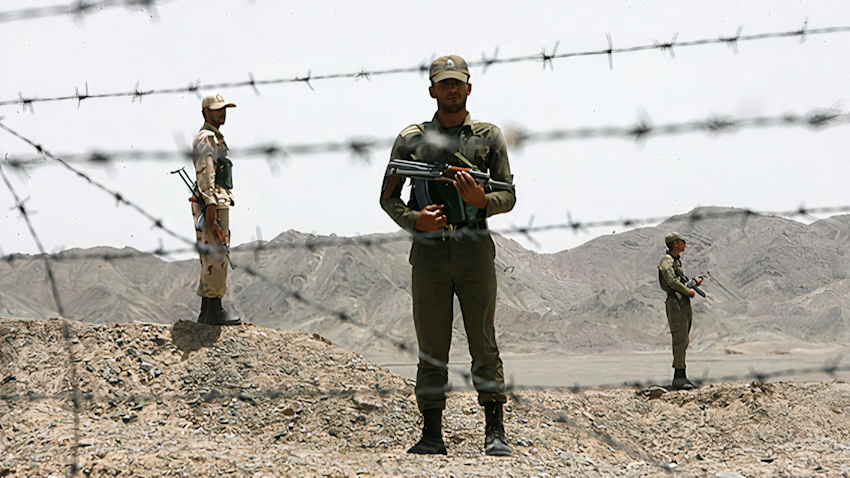
In separate interviews with "I", political writers, analysts, specialists, and university professors believe that Beijing possesses multiple tools of influence, ranging from diplomatic, economic, and indirect military support. However, it remains careful not to cross red lines that could lead to an open confrontation with the West. Conversely, Pakistan balances its regional alliances and international relations, making any direct military support for Iran conditional on a threat to its vital interests.

They point out that the danger lies in the fact that any miscalculation by these parties could transform the conflict from a limited confrontation into a comprehensive regional crisis, with repercussions for global stability.


Rapid transformations in the structure of the international system


Dr. Dalal Araikat, professor of diplomacy and conflict resolution at the Arab American University, asserts that the current international landscape clearly reflects accelerating transformations in the structure of the international system toward a growing multipolarity, led by rising powers, most notably China, which is systematically working to consolidate its position as a counterweight to American and Western influence in various regional and international arenas.

Erekat explains that China, by strengthening its strategic partnerships with both Iran and Pakistan, seeks to achieve a set of profound strategic goals, foremost among which is breaking the Western containment policy imposed on it by building a broad system of alliances that serve its major projects.

Erekat points out that China's supply of weapons to Iran and its support for Pakistan's position cannot be viewed in isolation from this broader strategic orientation.

However, Erekat notes that China's actions are not limited to militarizing international relations, but also extend to significantly utilizing its diplomatic power. She cites China's pivotal role in brokering the historic agreement between Saudi Arabia and Iran, which ended years of tension between the two major regional powers.

Erekat believes this agreement represents an unprecedented shift in the region, where mediation has long been tied to American or European initiatives.


China as a stabilizing force capable of managing regional balances


Erekat believes that China's success in playing the role of mediator enhances its position as a stabilizing force capable of managing regional balances in a way that ultimately serves its economic and strategic interests.

Erekat explains that the essence of these Chinese moves revolves around the struggle to control global trade routes and crossings, which have become a central focus of what she describes as the "war of trade routes" currently taking place on the international scene.

Erekat points out that whoever controls these crossings—whether land via the Belt and Road Initiative or maritime via strategic straits and canals—holds powerful leverage in the profit-and-loss equations of the new international order.

Erekat points out that some regional or neighboring countries are considered losers in light of the new trade route projects, most notably Egypt.

She explained that the goal of these routes is to open an integrated land trade corridor linking the East and the Gulf states, passing through Israel, and reaching the Mediterranean coasts to the west.

Erekat asserts that this project aims, in practice, to replace the Suez Canal and the Red Sea route as major trade routes, leading to a decline in Egyptian influence in the region and the loss of one of Egypt's most important sources of economic and strategic power.

Erekat explains that Beijing is fully aware that controlling these crossings guarantees a safe and stable flow of energy and goods, while also giving it broad negotiating leverage against Washington's attempts to reshape global supply chains away from China.

Erekat believes that this trade and technological conflict between China and the US constitutes the true backdrop for the interactions in the current international scene.


It is too early to talk about a slide into a world war.


Despite escalating tensions in more than one regional arena, Erekat asserts that it is too early to talk about a slide into a world war in the traditional sense that the world experienced in the twentieth century.

Erekat says: "We are facing a new type of unconventional global warfare, in which proxy wars intertwine with economic pressures, cyber attacks, and struggles for influence in multiple regions around the world."

She stresses that all major international parties realize that engaging in a comprehensive war would mean catastrophic losses that could devastate everyone's interests, especially given the unprecedented intertwining of economic interests between the United States and China.

Therefore, according to Erekat's assessment, what is currently unfolding represents a complex and intricate confrontation based on calculated escalation within the limits of mutual deterrence, with a constant margin for miscalculations that could ignite certain regional arenas and increase the risk of escalation in some hotspots.


New equations through strategic alliances


Egyptian writer, political analyst, and researcher in international and strategic relations, Dr. Amr Hussein, asserts that recent Chinese moves, particularly its provision of advanced weapons to Iran and its push for Pakistan to join the same axis, represent fundamental shifts in the regional and international balance of power.

Hussein points out that Beijing has become increasingly bold in challenging Western hegemony over the armament of the Middle East and South Asia, and is seeking to impose new equations through strategic alliances that create pressure points on the United States and its allies.

Hussein explains that China's military support for Iran strengthens Tehran's ability to withstand Western pressure, escalating sanctions, and Israeli threats. Meanwhile, Pakistan's political or logistical involvement in this axis represents an additional and extremely dangerous escalation, as it opens a potential southern front in a region of extreme geographic and strategic sensitivity. This could disrupt regional calculations and impose new equations on the international balance of power.

Hussein warns of the danger of the situation sliding into all-out war if the exchange of shelling escalates and limited clashes turn into broader, more bloody operations.


The possibility of a large-scale military intervention will increase.


Hussein asserts that the future of escalation depends on the ability of the major powers to exercise self-restraint and confine conflicts to the arenas of their proxies.

Hussein points out that if major interests are directly targeted, such as American bases or Chinese or Western strategic interests, the likelihood of a broad military intervention will escalate, potentially transforming the conflict from a regional level into an open international confrontation.

Hussein stresses that the international community is now called upon to exert maximum diplomatic pressure to avert this catastrophic scenario, especially with the emergence of unprecedented alignments that could reshape the map of international alliances for decades to come.

Hussein asserts that current indicators point to a period of extreme tension reminiscent of the Cold War, with the critical difference that the front lines this time lie in already volatile regions such as Syria, Yemen, and the Gulf. This increases the likelihood of an explosion in the absence of effective channels for calming the situation and containing the escalation.

Hussein believes that the rapid developments are placing the world at a critical juncture and facing complex choices that require urgent collective action to control the escalation before an explosion becomes inevitable.


Rapid and deliberate development by Israel and America


Writer and political analyst Suleiman Bisharat believes that current international events reflect a rapid and carefully considered development by Israel and the United States, aimed at reshaping a new Middle Eastern and international equation, radically different from that of past decades.

Basharat believes that this war between Iran and Israel did not come out of nowhere, but rather is part of a well-thought-out plan aimed at radically changing the balance of power in the region.

Basharat explains that the timeline of this war does not appear to be as short as some might think. Rather, we are witnessing a state of continuous escalation and expansion, with Israel acting as a primary instrument of implementation for the United States, which is still monitoring the situation but may become directly involved soon.

In his analysis of Washington's deeper goals behind this escalation, Basharat emphasizes that the issue is not limited to Iran alone, but extends beyond that to an attempt to undermine the Sino-Iranian axis and gradually weaken it.

Basharat points out that part of the US strategy is to try to calm the Russian-Ukrainian front or neutralize Russia from the alliance equation, as a prelude to dismantling the existing interconnectedness between Moscow, China, and Tehran.


An American attempt to dismantle the Iranian political system


Basharat believes that the United States is currently attempting to dismantle the Iranian political system itself as a central objective of this war, preparing the political and geostrategic groundwork for establishing a new equation in the region that will serve American and Western influence in the future.

Regarding the Chinese position, Basharat believes that Beijing is aware of the seriousness of the situation and is not currently seeking to become directly involved in this conflict, but at the same time, it is closely monitoring developments.

China, according to Basharat, understands well that what is happening in Iran could be a prelude to a future economic and military confrontation with the country. Therefore, it is avoiding involvement at present. However, it will not allow Iran to collapse completely, as this would weaken its strategic position in the anticipated major confrontation with Washington in the future.

Basharat asserts that what is currently taking place is more than just a conventional military war; it is a massive strategic project to redraw the maps of influence and control in the Middle East and the world, at a pivotal moment that could reshape the balance of power for decades to come.


Limited support due to complex relationships


Dr. Saeed Shaheen, a professor of political media at Hebron University, asserts that Chinese support for the Islamic Republic of Iran remains limited politically and diplomatically, ruling out the possibility of it translating into direct military support due to China's extensive commercial interests with the United States, Europe, and even Israel.

Shaheen explains that economic relations between China and Iran, despite their importance in the areas of energy and trade, do not constitute a counterweight to China's greater interests with the West, prompting it to limit itself to positions of condemnation and calls for dialogue. This is the case with Russia, which has merely expressed a similar position despite its joint defense agreement with Iran.

Regarding Pakistan's position, Shaheen points out that Pakistan's media and political stance supporting Iran as a neighboring Muslim country is insufficient to translate into military support, given Pakistan's intertwined relations with European countries and Saudi Arabia, a strategic adversary of Iran.

Shaheen asserts that Pakistan will not make any radical change in its position unless it is directly exposed to security risks resulting from Israel's targeting of Iranian nuclear facilities, especially if this results in a nuclear radiation leak that threatens neighboring countries.


No indications of Chinese or Pakistani military intervention


Shaheen points out that, to date, there are no indications that China or Pakistan are prepared to intervene militarily in the Iranian-Israeli conflict, noting that any military escalation involving these two countries could lead to an expansion of the conflict and the involvement of major international powers such as the United States, Britain, France, Germany, Italy, and Russia.

Shaheen warns that any potential escalation could push Iran to close the Straits of Hormuz and Bab al-Mandab, leading to a blockade of energy flows that could trigger a global economic crisis. This could be exacerbated by rising oil prices and inflation, amid the fragility of international economies already suffering from the repercussions of trade wars and successive financial crises.

Shaheen explains that this situation could play into Russia's hands, as it will benefit from rising oil prices to finance its war in Ukraine, further complicating the geopolitical landscape.

Regarding Iran's domestic affairs, Shaheen notes that continued Israeli strikes could weaken the regime's domestic standing, with popular discontent growing and support for the Revolutionary Guards declining. This could open the door to the possibility of the Iranian regime's downfall, a goal Israel and the United States are working to achieve. He warns that the regime's downfall could create a dangerous political vacuum similar to what happened in Iraq or Libya, with disastrous consequences whose consequences are difficult to predict.


Crystallizing a new axis in the region


Writer and political analyst Awni Al-Mashni explains that China believes it has deep strategic interests in the Middle East and finds in Iran a partner with whom it shares many of these interests, most notably limiting American influence in the region.

Al-Mashni points out that, within the framework of this strategic rapprochement between Beijing and Tehran, a series of agreements were signed between the two countries two years ago, covering multiple areas that tangibly strengthened this alliance.

Al-Mashni points out that Sino-Pakistani relations with Iran are also being strengthened through the "Silk Road" project, which represents a major economic development for all three parties.

Al-Mashni believes it is only natural for China and Pakistan to side with Iran in this battle, especially given the complexities of the regional geopolitical landscape. Israel has sided with India in its conflict with Pakistan, which has strengthened the cohesion of the China-Pakistan-Iran axis.

In his analysis of the extent to which China and Pakistan could support Iran, Al-Mashni believes that the extent and nature of this support will be determined by the evolution of the battle itself, the threats facing Iran, and the extent of Chinese and Pakistani willingness to continue this support.

So far, Al-Mashni believes that limited political and military support, including weapons, is sufficient at this stage, but military escalation could lead to increased support in the future.

Al-Mashni believes that this war between Iran and Israel is practically contributing to the crystallization of a new axis in the region, distinct from the traditional American axis. This axis includes China, Pakistan, and Iran, with strong possibilities for Egypt to join this axis in the future, given that American policies are closely aligned with Israeli policies, which have become a heavy burden and a threat to the interests of several countries in the region.


The absence of a world war scenario at the present time


Regarding the possibility of escalation into a world war, Al-Mashni believes that such a scenario is unlikely at the present time, given the lack of interest of any party in such a scenario.

Al-Mashni asserts that the international equation will change, at least partially, after this war, as new alignments will be drawn and the balance of power will be redistributed in the region and the world.

However, Al-Mashni also warns of the dangerous role of Israel, which he describes as a "rogue state" capable of pushing matters toward a dangerous escalation in pursuit of its goals, even if that leads to a world war.

Al-Mashni explains that Israel will find someone to respond to this "madness," even from its largest ally, the United States, which does not wish to reach this level of global escalation, but is responding to it in service of Israeli adventures.

Al-Mashni believes we are facing a different kind of war, one that will shape a new regional landscape that the world, including the United States, will deal with differently after the sound of the cannons has ceased. He points out that Israel has exhausted its cards and has no choice but to deal with this new reality that will impose itself after the battle ends.


Intensive preparations for more complex phases of the conflict


Egyptian academic and political analyst Dr. Irene Said asserts that the growing geopolitical alliances between Tehran, Beijing, and Islamabad are part of Iran's preparations to confront increasing escalation, particularly in light of the US's declared support for the occupying state of Israel.

Saeed explains that the signs of unequal military strikes between the two sides are becoming increasingly clear. Despite Iran's possession of a vast arsenal of missiles and drones, the recent Israeli attacks have been characterized by their intensity and quality, coinciding with the start of the influx of Western arms shipments to the region, reflecting extensive preparations for more complex phases of the conflict.

Saeed points out that several scenarios remain on the table for dealing with this conflict, ranging from military to diplomatic options, with Israel insisting on stripping Iran of its nuclear capabilities and even seeking to completely remove Ali Khamenei's regime.

In contrast, Saeed points out that there appears to be flexibility within the US administration, represented by President Donald Trump, who has expressed a willingness to resume negotiations with Tehran. This aligns with some statements issued by Iranian officials, which express a willingness to negotiate, given that the safety of the nuclear program is a key axis in the current conflict.

Regarding the possibility of a full-scale war, Saeed explained that the current situation remains within the framework of limited military operations, emphasizing that declaring war requires a set of formal and substantive conditions that have not yet been met. These conditions include a formal declaration of intentions by the warring parties, a comprehensive military buildup, and, most importantly, the approval of the relevant parliaments to enter the war, which has not yet occurred.

Saeed asserts that despite the severity of the escalation, the parties still prefer negotiations, given the different international and regional circumstances that differ from the atmosphere that preceded the outbreak of conventional wars.


Political and economic alliances have become declared military axes.


Writer and political analyst Mohamed Gouda believes that the regional conflict is rapidly taking on international dimensions, with political and economic alliances transforming into declared military axes.

Joudah asserts that China's military support for Iran and Pakistan's involvement within this axis carry several profound strategic implications that portend a radical shift in the equations of international influence.

He explains that what we are witnessing is the emergence of an anti-Western axis led by China, with the participation of Iran and Russia, in a clear effort to counter American and Western influence in the Middle East and South Asia.

Joudah points out that Pakistan's nuclearization within this axis raises the threat level, as it portends an escalation that could extend geographically to include the Arabian Gulf region, the Indian subcontinent, and even Central Asia.

Joudeh asserts that, through these moves, China is sending indirect warning messages to the United States and its regional allies, stating that any direct military intervention against Iran will not be without a heavy cost and could lead to a widespread regional explosion.

Joda believes that China is exploiting existing crises, such as the chronic tension between India and Pakistan or the weakness of the US position on certain fronts, to bolster its influence without the need for a direct military confrontation with the West.

As for the possibility of sliding into a full-scale world war, Joudeh believes this scenario remains a real possibility, albeit a low one so far, thanks to the existence of invisible red lines that the major powers are trying not to cross.

Joudeh warns of several scenarios that could lead to a world war, most notably a major power being directly attacked, nuclear powers such as India, Pakistan, or Israel becoming embroiled in open confrontations, or the collapse of international deterrence mechanisms and the disregard for treaties governing the use of lethal weapons.

Joudeh asserts that a regional expansion of the war seems likely if the mutual attacks escalate or the parties lose control over their local proxies, expressing his concern that the accumulation of miscalculations could lead the world into an unforeseen, catastrophic confrontation, despite the lack of a genuine desire among the major powers to wage a comprehensive global war.

PALESTINE

Wed 18 Jun 2025 9:01 am - Jerusalem Time

A Palestinian citizen killed by the occupation forces in Bethlehem

A young man was shot dead by Israeli occupation forces this morning, Wednesday, in the town of Al-Walaja, Bethlehem Governorate.

The General Authority of Civil Affairs informed the Palestinian Ministry of Health that the young man, Moataz Hamza Hussein Al-Hajjajleh (21 years old), was killed by the occupation forces.

She pointed out that the occupation forces had detained his body.


ARAB AND WORLD

Wed 18 Jun 2025 8:57 am - Jerusalem Time

Israel bombs centrifuge and missile production sites in the heart of Iran

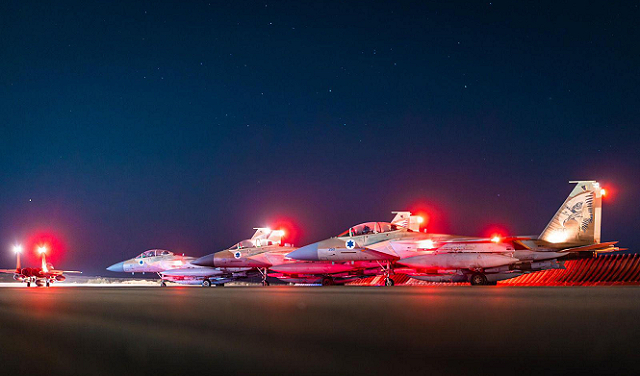
In a dangerous escalation of the ongoing war between Israel and Iran, the Israeli military announced Wednesday morning that more than 50 Israeli Air Force fighter jets, guided by accurate intelligence, had carried out a series of intensive raids on military targets in the Tehran area over the past few hours.

The army spokesman stated that the attacks targeted sensitive facilities related to Iran's nuclear program, including a centrifuge production site in Tehran, which the Iranian regime uses to expand the scope and speed of uranium enrichment with the aim of developing a nuclear weapon. This is part of what he described as "accelerated efforts to prevent the Iranian regime from developing a nuclear weapon."

The statement added: "Several weapons production sites were also targeted, including facilities for producing raw materials and components for assembling ballistic missiles that the Iranian regime has launched and continues to launch toward the State of Israel." Among the targets were also "sites for the production of surface-to-air missile systems and parts designed to attack aircraft."

Israel claimed that "high-level uranium enrichment, as practiced by the Iranian regime, is not for civilian purposes and is clearly aimed at developing nuclear weapons."

The strikes targeted several weapons production facilities, including facilities that manufacture raw materials and components for surface-to-surface missiles launched by Iran at Israel, and facilities that produce anti-aircraft missile systems.

Reuters quoted Israeli military sources as confirming that vital missile and centrifuge manufacturing facilities had been targeted, in what Tel Aviv described as a "focused preemptive strike."

In a significant development, US President Donald Trump has escalated his rhetoric toward Tehran, calling on Iran to "unconditionally surrender."

In posts on his Truth Social platform, he threatened to assassinate Iranian Supreme Leader Ali Khamenei, saying, "We know exactly where he is, and he's an easy target... but we won't eliminate him now." He added that Washington's patience is "beginning to run out," a clear reference to the possibility of the United States becoming involved in the confrontation.

Israeli estimates indicate that Washington's direct entry into the war is imminent, particularly given Iranian threats to target US bases in the Middle East if Washington intervenes on Tel Aviv's behalf. There are also fears that the confrontation could expand to include the Houthis and pro-Iranian militias in Syria and Iraq.

Israel launched its massive attack on Iran at dawn on Friday, targeting military and nuclear sites as part of an operation codenamed "Rising Lion." Israel says the operation aims to undermine Iran's nuclear and military capabilities and prevent it from possessing a nuclear weapon.

In response, Tehran launched a series of missile and drone attacks on targets inside Israel, resulting in deaths, fires, and damage to infrastructure.

The Iranian Revolutionary Guard announced that it had used hypersonic Fateh missiles, while military leaders vowed to continue responding as long as Israel continued its attacks.

PALESTINE

Wed 18 Jun 2025 8:50 am - Jerusalem Time

The occupation forces launched a campaign of raids and arrests in the West Bank and Jerusalem.

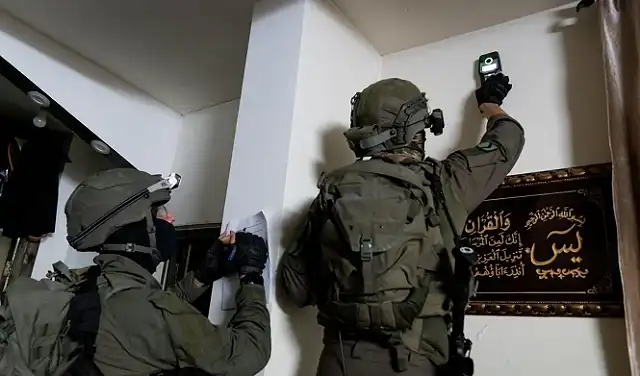
Israeli occupation forces launched a campaign of raids and arrests in various areas of the West Bank and occupied Jerusalem at dawn and early Wednesday morning.

In Hebron, the occupation forces arrested: Muhammad Yusuf Ishaq Barqan from the city of Hebron, Omar Muhsin from Al-Arroub camp, Basem Muhammad Badawi Al-Zahour, Amir Fadl Ayed Asafreh, and the two children Azmi Muslim Asafreh and Taqi Muhammad Ismail Asafreh, from the town of Beit Kahil, northwest of Hebron, both of whom are 14 years old.

Meanwhile, the forces arrested Gabriel Al-Amour from the town of Yatta, and five children from the village of Khursa, southwest of Hebron, namely: Marwan Murad Hamdan, Omar Raed Tabish, Mu'ayyad Muhammad Tabish, Muhammad Hassan Tabish, and Wadih Hatem Hantash.

From the town of Dura, the occupation forces arrested Younis Al-Fasfous and the elderly pediatrician Abdul Rahim Al-Namoura.

Meanwhile, the occupation forces raided the town's Al-Dhahr and Shaab Al-Sir neighborhoods with their military vehicles, and arrested two high school students: Ali Safi Muhammad Al-Salibi and Hamed Muhammad Hassan Awad.

In Salfit, the occupation forces carried out a large-scale raid campaign that included a number of citizens’ homes, accompanied by searching and vandalizing the contents, before arresting each of: journalist Khaled Amin Maali, Hussam Abdullah Shaheen, Yasar Ahmed Shtayyeh, Nasser Rajab, Bilal Tayseer Shaheen, Abdul Rahim Tayseer Shaheen, Abdul Rahman Tayseer Shaheen, Rawdi Maazoz Yassin, Abdul Rahman Izz al-Din Fattash, Muhammad Abdul Fattah Maali, Osama Abdul Hadi Dawahqa, Wael Hassan, Wael Yassin, Hamza Imad Abu Zaher, and Sami Ali Abu Zaher.

In occupied Jerusalem, occupation forces arrested Maher Ayed Rabie after raiding and searching his home in the town of Beit Anan.

Meanwhile, the occupation forces stormed the neighbouring towns of Al-Qubayba and Biddu.

In Qalqilya, the occupation forces arrested Hashem Shraim, Mahdi Jaber, Mujahid and Aref Nofal, Islam Qashou, Yousef Al-Baz, Anwar Al-Aqraa, Wael Khalifa, Ghassan Jibril, and Izz Salmi, after raiding their homes, searching them, and vandalizing their contents.

Israeli occupation forces stormed the city from its eastern entrance, deploying in several neighborhoods, including Kafr Saba, al-Naqqar, Jaljulia Street, and al-Nafaq. They destroyed memorials to the martyrs Jamal Abu Haniyeh and Ali Khalil in the city, before withdrawing after a six-hour raid.

In Ramallah, the occupation forces arrested the freed man Tawfiq Abu Arqoub, the freed man Ahmed Adeeb Al-Saifi (35), Omar Hosha, Wadih Sami Nasser (30), and Muhammad Khalil Issaoui, after storming their homes and tampering with their contents in the town of Birzeit.

For the second day in a row, the occupation forces continued to seize a house in Birzeit, turning it into a military barracks and raising the flag of the occupying state over it.

In Bethlehem, the occupation forces attacked the young man Ali Hamza Hajajleh (22 years old) and fired live bullets at him from a close range after raiding his family's home and arresting him in the village of Al-Walaja. His injuries were described as serious.

The occupation forces also assaulted the young man, Baha Khaled Al-Atrash, during a raid on his home in the village.

The occupation forces also arrested the young man Ahmed Naim Muhammad Abu Khader (20 years old) from Aida camp in the north.

In Nablus, a number of occupation military vehicles stormed Balata camp, surrounded its entrances, and prevented entry and exit, while snipers were positioned on the roofs of some homes.

The sources indicated that occupation soldiers raided several homes, ransacked their contents, and forced some families to evacuate their homes, turning them into military barracks and detention and field investigation centers.

PALESTINE

Wed 18 Jun 2025 8:47 am - Jerusalem Time

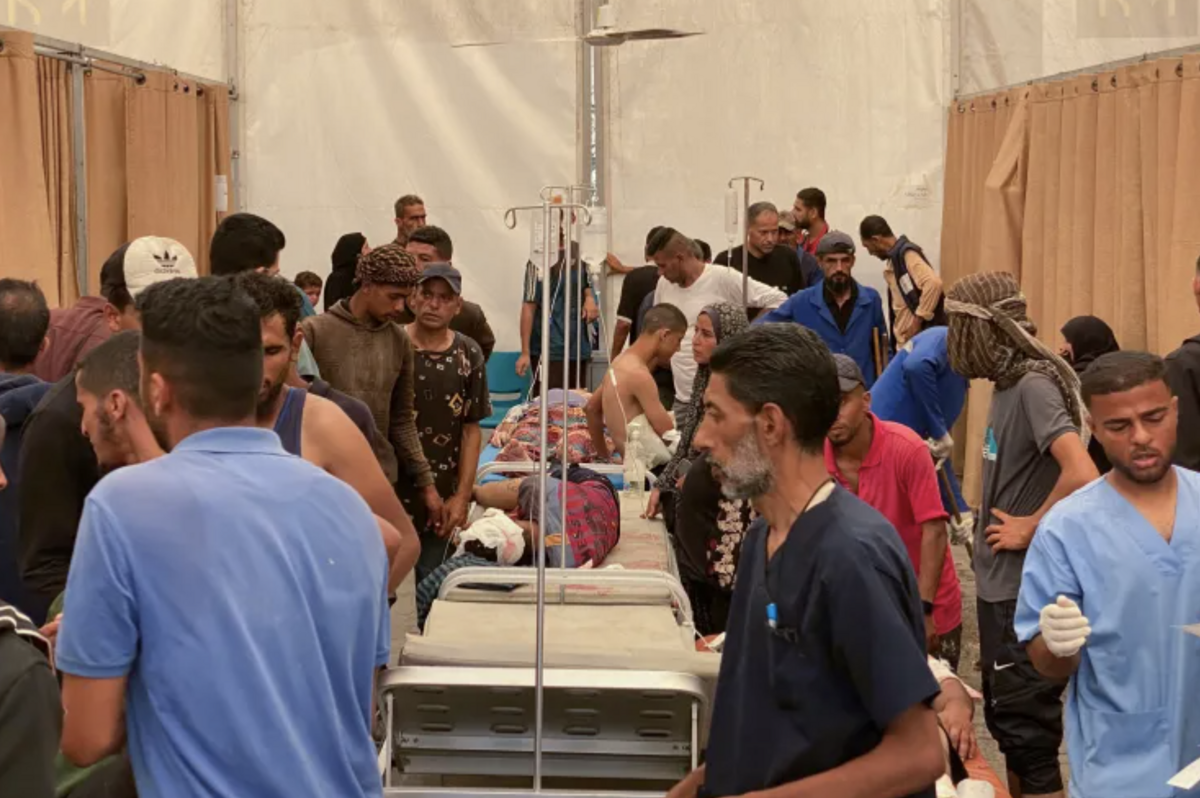
At least 34 dead and dozens wounded in the Gaza Strip

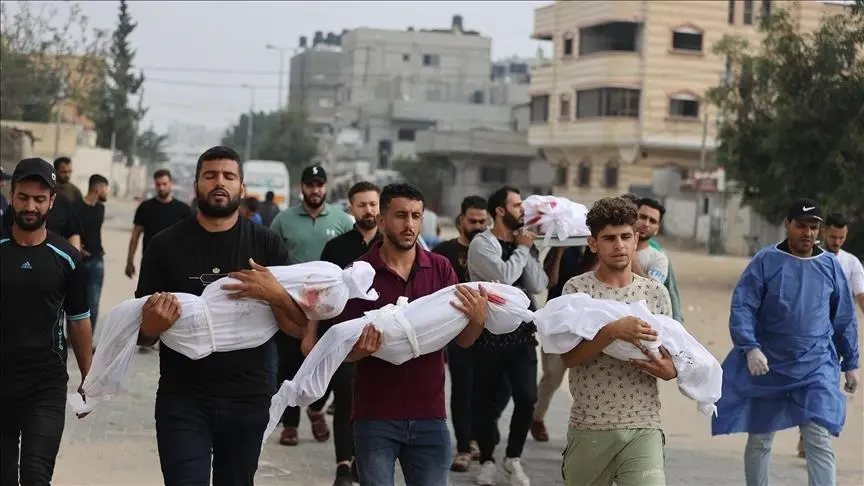
At least 34 civilians were killed and dozens wounded Wednesday morning by Israeli occupation forces' gunfire and shelling of several areas in the Gaza Strip.

Local sources reported that 11 citizens were killed and dozens of people waiting for aid were injured by Israeli bullets and shells near Wadi Gaza in the central Gaza Strip.

She added that the occupation also committed a massacre in the Maghazi refugee camp in the central Gaza Strip, after bombing a home belonging to the al-Ghamri family, killing 10 citizens: the father, mother, and their children.

Eight citizens were killed and others were injured when the occupation forces bombed a house near Ali Mosque in the Zeitoun neighborhood in Gaza City. Five other citizens were killed, including the father, mother, and their two children from the Rasras family, and others were injured when the occupation forces bombed the tents of the displaced people in the Al-Attar area in the Mawasi area of Khan Yunis.

Local sources reported that the occupation forces carried out massive bombing operations targeting citizens' homes east of Gaza City and Jabalia, north of Gaza.

The total number of martyrs since the implementation of the aid distribution points mechanism on May 27, 2005, has exceeded 300 martyrs, and dozens of wounded. Thus, the aid distribution centers of the Israeli-American "Gaza Humanitarian Relief Foundation," which is rejected by the United Nations, have been transformed into traps for mass killings, in addition to the deliberate violation of the dignity of citizens, forcing them to flee amid catastrophic humanitarian conditions.

Since October 7, 2023, the Israeli occupation forces have launched an aggression against the Gaza Strip, resulting in the deaths of 55,493 citizens, the majority of whom were children and women, and the injury of 129,320 others. This is a preliminary toll, with a number of victims still under the rubble and on the streets, unable to be reached by ambulance and rescue crews.

PALESTINE

Tue 17 Jun 2025 10:53 pm - Jerusalem Time

A young man from Meithalun was killed near the separation wall, northeast of Jenin.

A young man from the town of Meithalun, south of Jenin, was shot dead by Israeli occupation forces on Tuesday evening in the village of Faqqu'a, northeast of the governorate, while trying to reach his workplace inside the 1948 territories.

According to local sources, the young man, Issam Rabaya (43 years old), was killed after the occupation soldiers fired live bullets at him near the racist separation and expansion wall built on the lands of the village of Faqqu'a, adding that the occupation forces detained his body.

With the death of Rabaya, the number of martyrs in Jenin Governorate since the beginning of the Israeli aggression on the city and its camp has risen to 41.

PALESTINE

Tue 17 Jun 2025 10:43 pm - Jerusalem Time

The occupation continues to demolish homes in Jenin camp.

Israeli occupation forces continued to demolish citizens' homes in Jenin camp on Tuesday evening.

According to local sources, occupation bulldozers demolished homes in the Tal' al-Ghabz area of the camp.

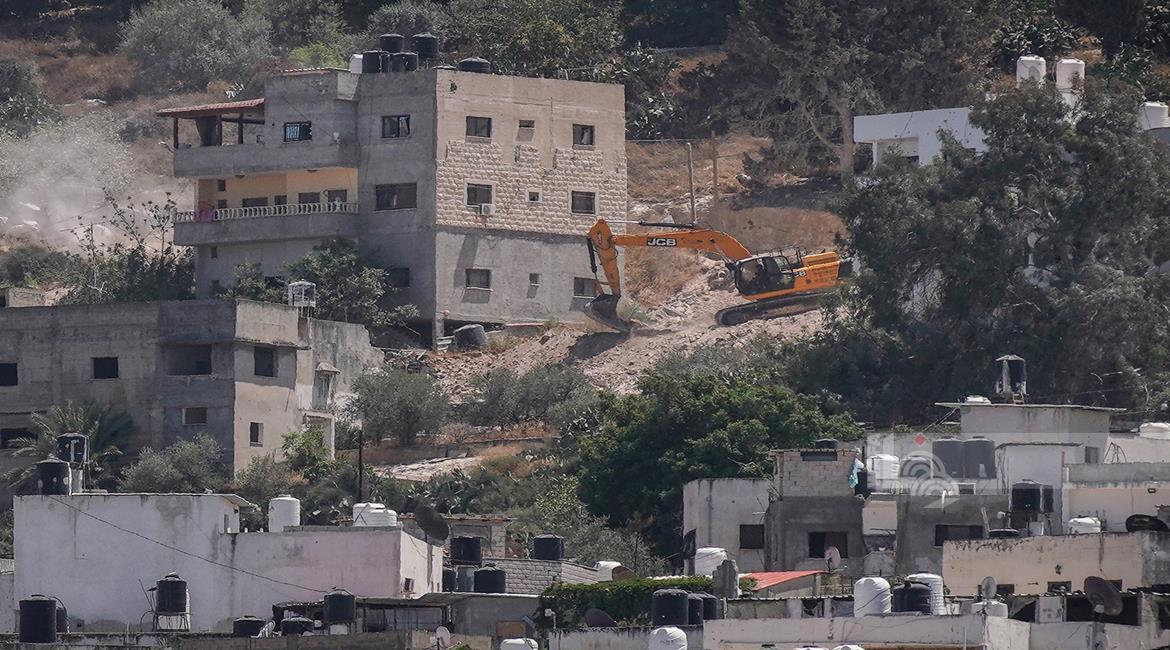
This morning, occupation forces demolished homes in the center of the camp, specifically in the "Samran" neighborhood. This is part of a plan announced last week by the occupation to demolish 95 homes in the camp, in addition to the 66 buildings demolished last March.

PALESTINE

Tue 17 Jun 2025 9:55 pm - Jerusalem Time

6 dead and 30 wounded in an Israeli bombing targeting aid-seekers northwest of Gaza City.

Six civilians were killed and more than 30 others injured Tuesday evening in an Israeli airstrike targeting people waiting for food aid northwest of Gaza City.

Earlier today, the occupation forces committed two massacres against people waiting for food aid in the cities of Khan Yunis and Rafah, south of the Gaza Strip, resulting in the deaths of more than 60 citizens and the injury of approximately 200 others.

The Gaza Strip has been suffering a catastrophic humanitarian crisis since the occupation closed all crossings on March 2, preventing the entry of food, medicine, aid, and fuel, while the occupation forces escalate their genocide against our people in the Strip.

It's worth noting that the occupation forces have targeted aid distribution points in Rafah and the central Gaza Strip for weeks, resulting in dozens of deaths and injuries. This move, according to UN confirmations, is intended to forcibly displace the population, as part of what appears to be a strategy of ethnic cleansing.

The total number of martyrs since the implementation of the aid distribution points mechanism on May 27, 2005, has exceeded 300 martyrs, and dozens of wounded. Thus, the aid distribution centers of the Israeli-American "Gaza Humanitarian Relief Foundation," which is rejected by the United Nations, have been transformed into traps for mass killings, in addition to the deliberate violation of the dignity of citizens, forcing them to flee amid catastrophic humanitarian conditions.

Since October 7, 2023, the Israeli occupation forces have launched an aggression against the Gaza Strip, resulting in the deaths of 55,493 citizens, the majority of whom were children and women, and the injury of 129,320 others. This is a preliminary toll, with a number of victims still under the rubble and on the streets, unable to be reached by ambulance and rescue crews.

PALESTINE

Tue 17 Jun 2025 8:42 pm - Jerusalem Time

A citizen was injured in a settler attack south of Hebron.

A citizen was injured on Tuesday evening when settlers attacked him in Masafer Yatta, south of Hebron.

Media activist Osama Makhamreh said that settlers from the "Susya" settlement, built on Masafer lands, assaulted citizen Imran Ismail Al-Nawaj'a, causing him to suffer head injuries and was subsequently transferred to Yatta Governmental Hospital.

Settlers also released their livestock onto the lands of Khirbet Qawawis in Al-Masafir, owned by the Abu Aram family. They also pursued shepherds in Wadi Ma'in and assaulted the livestock, owned by citizens Musa Ahmed Muhammad and Jasser Al-Hamamdeh.

PALESTINE

Tue 17 Jun 2025 8:28 pm - Jerusalem Time

WHO: Gaza's health system is on the brink of collapse

The World Health Organization called on Tuesday for fuel to be allowed into the Gaza Strip to keep its remaining hospitals running, warning that the besieged territory's health system was on the "brink of collapse."

“Fuel has not entered Gaza for more than 100 days, and attempts to bring in stocks from evacuation zones have been rejected,” said Rick Peeperkorn, the organization’s representative in the occupied Palestinian territories. He noted that this, coupled with the severe shortage of supplies, is pushing the health system to the brink of collapse. Peeperkorn added that only 17 of Gaza’s 36 hospitals are currently operating at minimal or partial capacity, with a total of about 1,500 beds, about 45 percent fewer than before the war began.

He noted that all hospitals and primary health care centers in northern Gaza are out of service.

ARAB AND WORLD

Tue 17 Jun 2025 8:06 pm - Jerusalem Time

Trump: We now control Iran's skies

US President Donald Trump spoke on Tuesday in the tone of a participant in the Israeli war on Iran, claiming that the United States completely controls Iranian airspace.

President Trump tweeted on Tuesday on his social media site, Truth Social: “We now have total and complete control of the skies over Iran. Iran had good air tracking and other defense equipment, plenty of it, but it doesn’t compare to American-made, designed, and manufactured equipment. No one does it better than the United States of America.”

President Trump said early Tuesday morning that he wants a "real end" to the Iranian nuclear problem, with Tehran "completely" abandoning its enrichment activities. He added that he is not only working for a ceasefire to end the war between Iran and Israel, which has claimed the lives of at least 20 people in Israel and hundreds in Iran as it enters its fifth day.

"I didn't say I was seeking a ceasefire," Trump told reporters aboard Air Force One after cutting short his participation in the G7 summit in Canada.

Earlier, the president said on his Truth Social platform that French President Emmanuel Macron "wrongly said I left the G7 summit in Canada to return to Washington to work on a ceasefire between Israel and Iran. Wrong! He has no idea why I'm heading to Washington now, but it certainly has nothing to do with the ceasefire. It's much bigger than that."

Trump predicted that Israel would not slow down its attack on Iran, which has largely destroyed the Islamic Republic's military leadership and severely damaged its controversial nuclear program. "You'll find out in the next couple of days. You'll find out. Nobody's slowed down yet," he said, hours after issuing an ominous warning that all of Tehran's roughly 10 million residents should "evacuate immediately."

When asked about this warning aboard Air Force One on Tuesday morning, Trump said he wanted "people to be safe," without offering any further explanation. On Monday, Israel warned some 300,000 residents of a central area of Tehran to evacuate, in anticipation of attacks in the region.

PALESTINE

Tue 17 Jun 2025 7:54 pm - Jerusalem Time

Sirens sound in southern Israel as Iran launches 10th wave of retaliation

Air raid sirens sounded across large areas of southern Israel on Tuesday evening, following Iran's announcement of the start of the tenth wave of Operation True Promise 3.

The Israeli occupation army said in a statement: "A short while ago, air raid sirens were activated in several areas of the country after missiles were fired from Iran into the country."

He added, "The Air Force is currently working to intercept and attack any necessary site to eliminate the threat."

In a related context, Hebrew media outlets, including the private Channels 12 and 14, reported the sound of air raid sirens in several areas of the south, including the Negev region and the cities of Beersheba and Dimona.

This comes shortly after IRNA announced the start of the tenth wave of concentrated, complex attacks launched by the Iranian armed forces against Israel as part of Operation True Promise 3.

The Iranian agency reported that "missiles were launched from various parts of the country, and are on their way to Israel."

Since dawn last Friday, Israel, with US support, has launched an aggression against Iran, including bombing nuclear facilities and missile bases and assassinating military leaders and nuclear scientists. The attack has killed 224 people and wounded 1,277. Tehran has responded with ballistic missiles and drones, leaving approximately 24 dead and hundreds injured.

Tel Aviv and Tehran consider each other's arch-enemies, and Israel's current aggression against Iran is the most extensive of its kind, marking a shift from a "shadow war" of bombings and assassinations to an open military conflict.

PALESTINE

Tue 17 Jun 2025 7:14 pm - Jerusalem Time

Mustafa discusses with the British Foreign Secretary the latest developments amid regional escalation.

Prime Minister Mohamed Mustafa stressed that the regional escalation should not distract attention from the ongoing Israeli aggression against our people in the Gaza Strip and the West Bank, including Jerusalem, emphasizing the need for greater international efforts to halt this aggression.

This came during a phone call with British Foreign Secretary David Lammy on Tuesday, during which they discussed regional developments and their repercussions, particularly on Palestine.

Mustafa stressed the importance of maintaining international momentum toward Gaza and not diverting focus from ending the war in the Strip, allowing the entry of relief and humanitarian aid, and opening the crossings.

The Prime Minister also stressed the importance of advancing a serious, multilateral political process and path to a permanent solution that ends the occupation and establishes a Palestinian state.

ARAB AND WORLD

Tue 17 Jun 2025 5:55 pm - Jerusalem Time

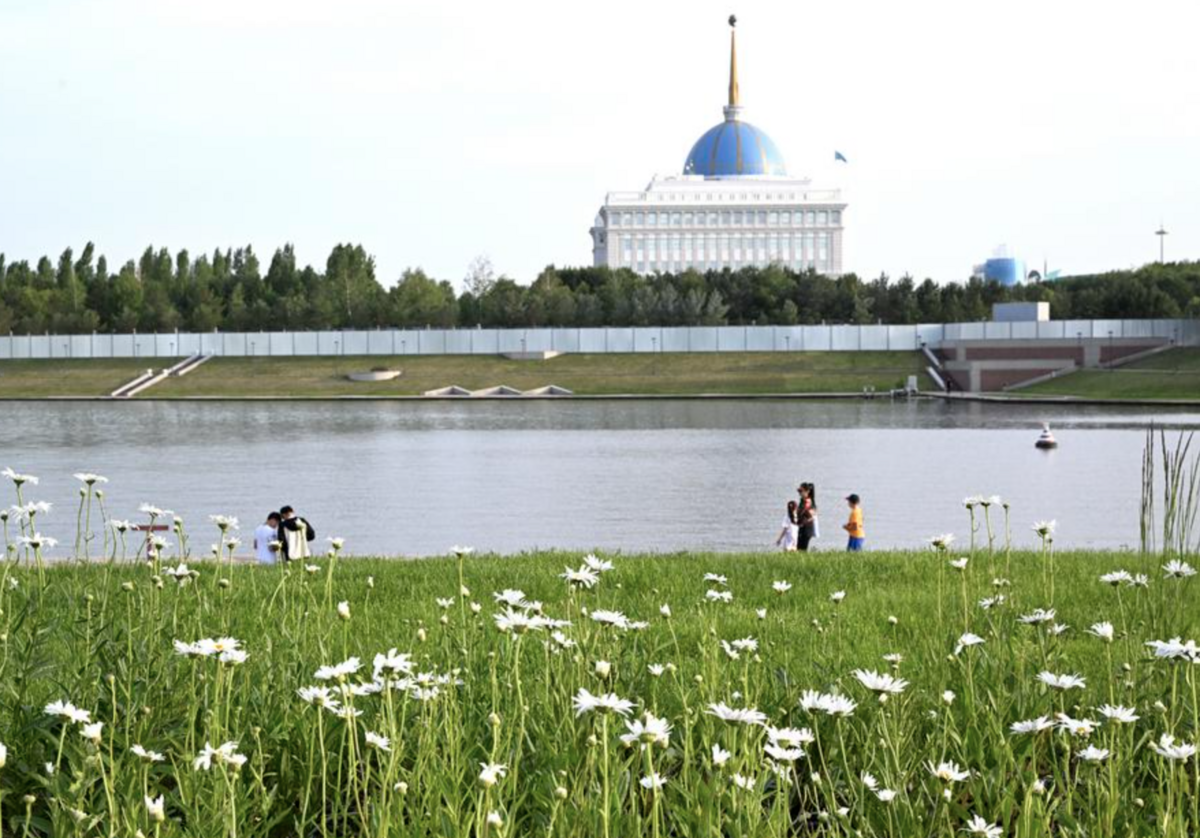
A closer partnership between China and Central Asia brings greater certainty to world peace and development.

In a world increasingly divided by geopolitical tensions and economic headwinds, growing cooperation between China and Central Asian countries is a key force for stability—one that promotes both regional peace and sustainable development.

Grounded in thousands of years of exchanges along the ancient Silk Road and supported by three decades of contemporary partnership, the relationship between China and Central Asia has matured into a new model of international relations – one based on mutual respect, complementary development, and strategic trust.

With the second China-Central Asia Summit scheduled to be held from June 16 to 18, expectations are growing that it will inject new momentum into regional development, economic connectivity, and cross-border understanding, and serve as a shining example of how regional cooperation can contribute to addressing global challenges and promoting a more inclusive international order.

China was among the first countries to establish diplomatic relations with the five countries after their independence. Over the years, it has strongly supported each other's independence, sovereignty, and territorial integrity, and respected the countries' choices in pursuing their own development paths.

Development and prosperity remain elusive without stability and security. In their shared pursuit of regional peace and security, China and the Central Asian countries have stood in solidarity against the "three forces" of terrorism, separatism, and extremism, as well as drug trafficking and transnational organized crime, creating a favorable environment for economic growth and improving the well-being of the people in the region.

Communication and win-win cooperation remain the cornerstone of China-Central Asia relations. This was evident in Kazakhstan in 2013 when Chinese President Xi Jinping proposed the construction of the Silk Road Economic Belt, a flagship initiative of the Belt and Road Initiative.

This photo taken on April 3, 2023 shows some of the wind turbines at the 100-megawatt Xanatas wind farm in Xanatas, Kazakhstan. (Xinhua)

Over the years, Belt and Road cooperation has evolved with the completion of a number of landmark projects, notably the China-Central Asia gas pipeline, the largest wind farm in Central Asia in Kazakhstan, and China-Europe freight trains passing through the region.

Take, for example, the China-Central Asia gas pipeline. Stretching through Turkmenistan, Uzbekistan, and Kazakhstan, it has supplied China with more than 500 billion cubic meters of natural gas since it entered service in 2009, ensuring energy security for both sides while generating significant revenue for Central Asian economies.

Globally, rising protectionism and attempts to fragment the global economy threaten to undermine the global economic recovery. Economic and trade cooperation between China and Central Asia stands out as a remarkable example of how mutually beneficial partnerships can contribute to promoting common development.

In 2024, trade between China and Central Asia rose to approximately US$95 billion, an increase of US$5.4 billion over the previous year. This sustained growth demonstrates not only the strong complementarity between the economies of China and Central Asia, but also their shared commitment to an open global economy and a rules-based multilateral trading system.

Exhibitors from China brief readers on the contents of a book on display during the Eurasian Book Fair in Astana, Kazakhstan, April 23, 2025. (Xinhua)

Cultural and popular dimensions are equally important. Educational exchanges, language programs, cultural initiatives, and tourism cooperation have brought the peoples of China and Central Asia closer together than ever before.

In an era of geopolitical turmoil and widening governance deficits, the call for a more just and inclusive global order has become more urgent.

As key players in the Global South, China and the Central Asian countries are committed to genuine multilateralism, mutual respect for sovereignty, choosing their own development paths, and resolving contentious issues on the global stage through dialogue. This shared commitment reflects a growing consensus among developing countries toward achieving more just and equitable global governance, as well as sustainable world peace and common development.

By cooperating within platforms such as the United Nations, the Shanghai Cooperation Organization, and the Conference on Interaction and Confidence-Building Measures in Asia, it not only defends its core interests but also contributes to amplifying the voice of the countries of the Global South calling for a more just international order.

Through a shared vision and concrete actions, China and the Central Asian countries are establishing a model of inclusive and mutually beneficial development—a path based on mutual respect that offers valuable insights to the international community amid growing divisions and suspicions.

ARAB AND WORLD

Tue 17 Jun 2025 5:29 pm - Jerusalem Time

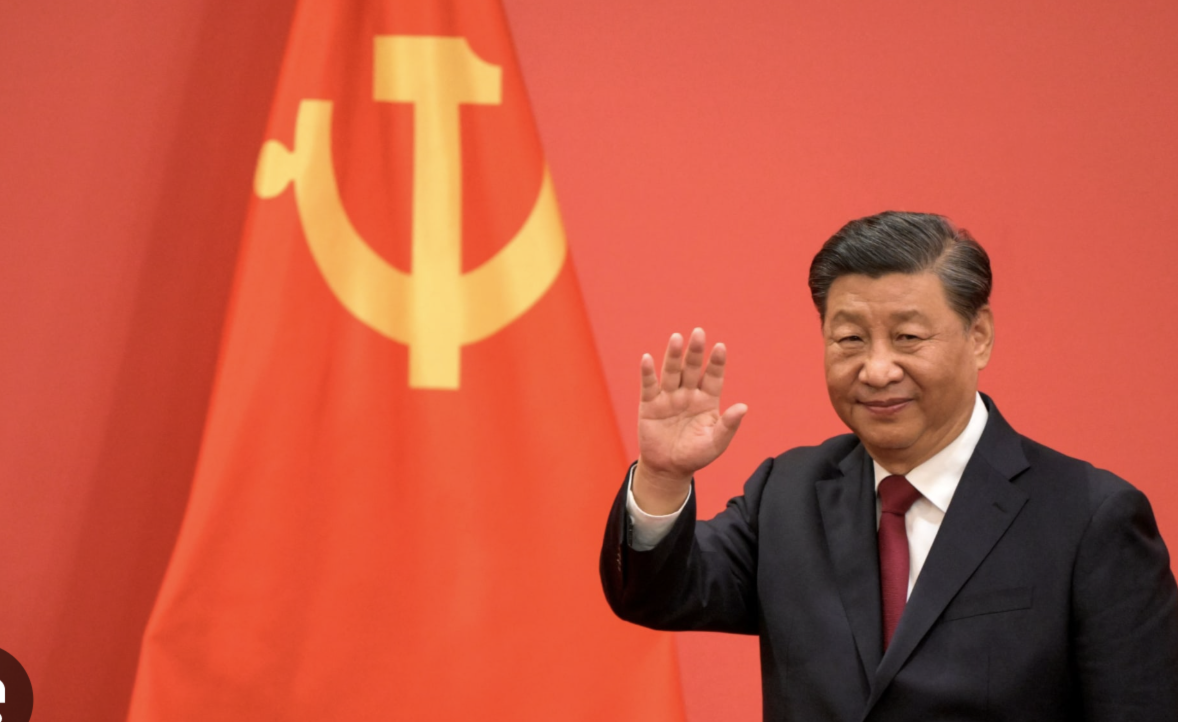
Xi leaves for 2nd China-Central Asia Summit

Chinese President Xi Jinping left Beijing on Monday to attend the second China-Central Asia Summit in Astana at the invitation of President of the Republic of Kazakhstan Kassym-Jomart Tokayev.

The delegation accompanying President Xi includes Cai Qi, a member of the Standing Committee of the Political Bureau of the Communist Party of China (CPC) Central Committee and director of the General Office of the CPC Central Committee, and Wang Yi, a member of the Political Bureau of the CPC Central Committee and Chinese Foreign Minister.

ARAB AND WORLD

Tue 17 Jun 2025 5:16 pm - Jerusalem Time

Jordan: The world has failed Gaza, and Israel's attacks on Iran threaten a dangerous escalation.

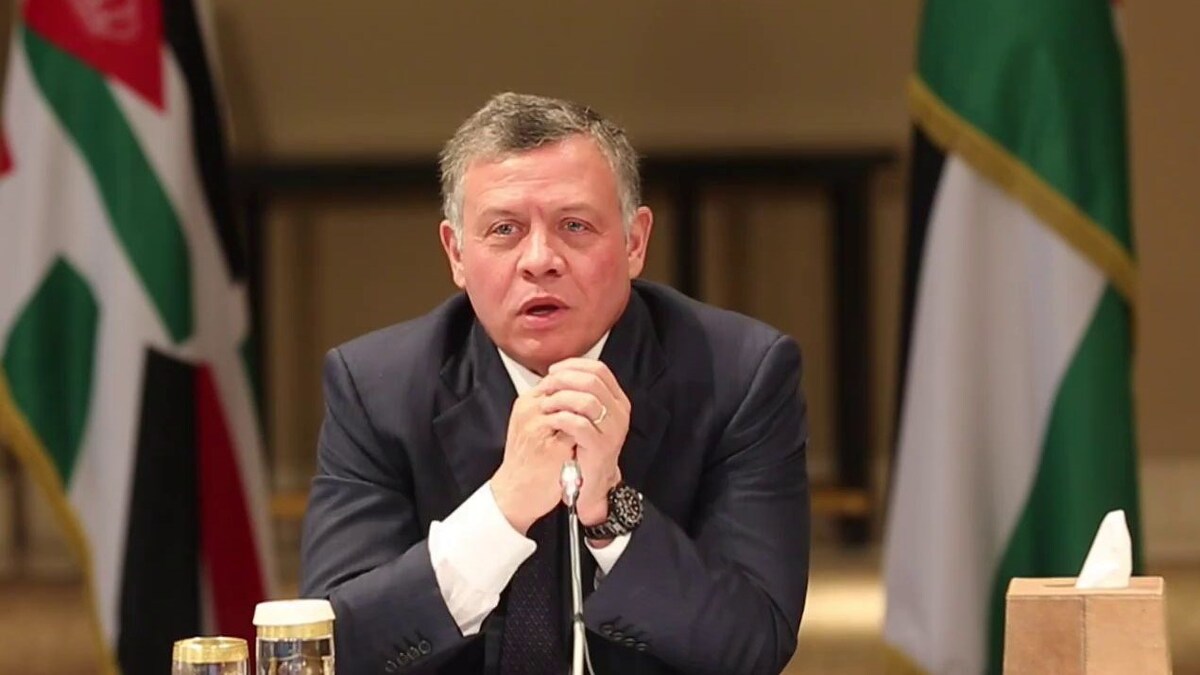
Jordan's King Abdullah II said Tuesday that the world has failed the Gaza Strip, warning that Israel's expansion of its attacks in the region by attacking Iran threatens a "dangerous escalation" in the Middle East and beyond.

This came during a speech he delivered before the European Parliament in the French city of Strasbourg.

King Abdullah added: "Five years ago, I spoke from this podium about the urgent need to find political solutions to conflicts, restore confidence in global justice, and help all people, especially young people, find hope and opportunity."

He continued: "Since then, our international community has experienced numerous political, technological, and economic upheavals; from the coronavirus pandemic, new security threats, and unprecedented technological acceleration, to rampant misinformation, a brutal war in Ukraine, and a brutal war on Gaza."

He added, "Finally, the Israeli attacks on Iran threaten a dangerous escalation in the Middle East and beyond."

At dawn on Friday, Israel, with US support, launched a massive attack on Iran, bombing nuclear facilities and missile bases and assassinating military leaders and nuclear scientists. The attack left a total of 224 dead and 1,277 injured, according to Iranian television.

That same evening, Iran began responding with ballistic missiles and drones, leaving approximately 24 dead, 592 injured, and significant material damage by Monday afternoon, according to the Israeli Ministry of Health and Hebrew media.

Regarding the situation in the Gaza Strip, King Abdullah said that the world "is today heading towards moral decline, as a shameful version of our humanity is revealed before us, and our universal values are disintegrating at a horrific pace and with dire consequences."

He added, "This decline is most clearly manifested in Gaza, which the world has let down, missing one opportunity after another to choose the best course of action to deal with it."

He continued, "Let's go back to 2023. The first Israeli attacks and raids on a hospital in Gaza sparked global shock and outrage."

"Since then, the World Health Organization has documented nearly 700 attacks on health care facilities in Gaza," he added.

"How is it possible that what was considered a brutal act just 20 months ago has now become so commonplace that it is barely mentioned?" the Jordanian monarch asked.

He stressed that what is happening in Gaza today "contradicts international law, moral standards, and shared universal values."

He added: "We are witnessing one violation after another in the West Bank, and the situation is getting worse day by day."

He concluded his remarks by saying, "Now that Israel is expanding its attack to include Iran, it is impossible to know where the boundaries of this battle will end, and this, my friends, threatens people everywhere."

Since October 7, 2023, Israel—with American support—has been committing genocide in Gaza, including killing, starvation, destruction, and displacement, ignoring international calls and orders from the International Court of Justice to halt it.

In parallel with the genocide in Gaza, the Israeli military and settlers have escalated their attacks in the West Bank, including East Jerusalem, resulting in the deaths of at least 978 Palestinians, the injury of nearly 7,000 others, and the arrest of more than 17,500, according to Palestinian data.

The genocide left more than 184,000 Palestinians dead or wounded, most of them children and women, and more than 11,000 missing. Hundreds of thousands were displaced, and famine claimed the lives of many, including children, as well as widespread destruction.

PALESTINE

Tue 17 Jun 2025 4:47 pm - Jerusalem Time

Hamas condemns the "aid" massacre in Khan Yunis, and the World Health Organization confirms its occurrence.

The Islamic Resistance Movement (Hamas) condemned on Tuesday the massacre committed by the occupation forces in Khan Yunis, south of the Gaza Strip, against those waiting for aid, which has claimed the lives of 56 martyrs so far. The World Health Organization confirmed the massacre.


Hamas said in a statement that aid distribution points, overseen by the occupation with American backing, have turned into "mass death traps," with dozens of Palestinians killed and injured daily while attempting to obtain aid.

The movement called on the United Nations and international organizations to establish a safe and independent UN mechanism for distributing aid. It also called on Arab and Islamic countries to take firm positions to halt the massacres and lift the siege.

Hamas urged the International Criminal Court to open an urgent investigation and hold the occupation leaders accountable for these ongoing crimes.

World Health Organization confirmation

World Health Organization officials said they had received reports of a "mass incident" near a food aid distribution site in Gaza, adding that initial reports indicated at least 20 people were killed.

"This incident was the result of another food aid distribution initiative," said Thanos Gargavanis, the organization's emergency official, without providing further details or clarifying who was responsible for killing the aid recipients.

"There is a close correlation between the four announced food aid distribution sites and mass casualty incidents," he added, noting that most of the serious injuries in recent days were caused by gunfire.

Earlier today, the Gaza Ministry of Health said dozens of Palestinians were killed and more than 200 injured in an Israeli army massacre of people waiting for aid at Tahlia Roundabout in Khan Yunis.

The ministry noted that dozens of injured people who arrived at Nasser Hospital in Khan Yunis were in critical condition.

On Monday, the ministry said that 20 Palestinians were killed and more than 200 injured—50 of them seriously—when the Israeli occupation forces opened fire on hundreds of Palestinians near humanitarian aid distribution centers in the southern and central Gaza Strip.

"More aggression"

In this context, political analyst and writer specializing in Israeli affairs, Mustafa Ibrahim, told Al Jazeera Net that the Gaza Strip is experiencing an unprecedented sense of loneliness, surpassing what it experienced during the past months of war.

He added that the occupation army is brutally killing people, particularly in front of aid centers, "especially as the world is preoccupied with the escalating Israeli-Iranian military conflict."

He said that Israel is persisting in its policy of starving Palestinians in Gaza "while the world is busy and offering nothing but verbal condemnations."

PALESTINE

Tue 17 Jun 2025 4:24 pm - Jerusalem Time

The occupation continues its raids on Jayyus, carrying out arrests and raids.

Israeli occupation forces arrested five citizens from the town of Jayyous, east of Qalqilya, on Tuesday afternoon, as they continued their raid into the town since the early hours of the morning.

According to local sources, the occupation forces arrested citizens Mushrif, Hassan, Karam, Musab, and Murshid Al-Qaddoumi after raiding their homes, searching them, and vandalizing their contents.

According to the director of the Jayyus municipality, Yousef Khaled, the occupation forces stormed the town in the early morning hours and took up positions in its center, specifically near the Grand Mosque. They seized the home of Mahmoud Saleh, turning it into a military barracks and preventing citizens from traveling. They also seized an electric bicycle belonging to Saleh Al-Harami.

The occupation also forced businesses, including bakeries, to close, and the town's six schools were closed.

The occupation forces are tightening the noose around the town's residents, continuing to close the secondary road between Jayyous and Azzun with an iron gate for the fifth consecutive day, impeding the movement of residents and exacerbating their suffering.

The town of Jayyus is located east of Qalqilya and has a population of 5,000. It is surrounded by the settlements of Tzofim to the west and Alfei Menashe to the south, and is surrounded on all other sides by the racist annexation wall.

PALESTINE

Tue 17 Jun 2025 3:24 pm - Jerusalem Time

Settlers begin establishing an outpost on Sinjil lands in Ramallah

Settlers have begun establishing a settlement outpost on lands in the town of Sinjil, north of Ramallah.

Eyewitnesses reported that around 15 settlers have been continuing to construct wooden rooms since last night in the Jabal al-Tall area, south of the town of Sinjil.

They pointed out that the settlers have been continuing their raids on the archaeological site for about a week, where they have previously set up colonial tents on several occasions.

Two weeks ago, an Israeli police force and teams from the so-called "Civil Administration" dismantled the last tent set up by settlers on Jabal al-Tall, according to Sinjil residents.

ARAB AND WORLD

Tue 17 Jun 2025 2:36 pm - Jerusalem Time

Iranian missile attacks hit Israel: A direct hit on a building in Herzliya.

The Israeli war on Iran entered its fifth day amid ongoing escalation. The Israeli Air Force launched airstrikes on the Iranian capital, Tehran. Meanwhile, an Israeli General Staff official confirmed that Iranian airspace is now completely exposed to Israeli aircraft, indicating that a ceasefire will only be achieved under Israeli conditions that "have not yet matured."

Iran launched missiles toward Israel on Tuesday, prompting the Israeli Home Front Command to issue urgent warnings to citizens to stay in shelters and fortified areas for their safety amid the ongoing military escalation, the Home Front Command reported.

Air raid sirens sounded across large areas of the country, while loud explosions were heard in a number of towns, particularly in coastal areas and towns in the central triangle. This indicates a significant escalation in the pace of Iranian attacks.

Air raid sirens also sounded in Haifa and Nahariya, explosions were heard in the north of the country and in Tel Aviv, and a direct hit was recorded in Herzliya.

Israeli media reported that the Herzliya area came under intense missile attack, with a barrage of between 20 and 30 rockets launched from Iran, one of which directly hit an eight-story residential building, causing extensive damage and thick smoke rising from the area.

Israel's Channel 12 quoted official sources as saying that Iran has launched approximately 380 ballistic missiles at Israel since the start of the war last Friday, in 15 consecutive attacks. These attacks are part of an ongoing escalation between the two sides amid rising tensions in the region.

In a notable development, US President Donald Trump called early this morning for the "immediate evacuation of Tehran," without explaining the reasons for this warning. CNN quoted a White House official as saying that this call reflects Trump's urgent desire to push Iran back to the negotiating table.

On the US military side, the Pentagon announced the deployment of the aircraft carrier Nimitz and its battle group to the region to protect US interests, while stressing that US forces did not participate in the Israeli attacks on Iran.


PALESTINE

Tue 17 Jun 2025 2:30 pm - Jerusalem Time

The death toll from the Israeli aggression rises to 55,493 dead

The death toll from the Israeli aggression has risen to 55,493 dead and 129,320 injuries since October 7, 2023.

According to the Ministry of Health in the Gaza Strip, 61 martyrs, including 6 recovered dead, and 37 injuries were admitted to Gaza hospitals over the past 24 hours.

It pointed out that a number of victims are still under the rubble and on the streets, and that ambulance and civil defense crews are unable to reach them.

It confirmed that the death toll and injuries since March 18, 2025 has reached 5,194 martyrs and 17,279 injuries.

The Ministry of Health clarified the number of aid victims who have arrived at hospitals since this morning: 59, and more than 200 injured. This brings the total number of livelihood victims who arrived at hospitals from areas designated for aid distribution to 397, with more than 3,031 injured.

PALESTINE

Tue 17 Jun 2025 2:25 pm - Jerusalem Time

Bethlehem: A settler closes a main road, and others damage a vehicle and smash its windows.

A settler closed a main road in the town of Tuqu', southeast of Bethlehem, on Tuesday.

A local source reported that a settler brought a bulldozer and blocked a main road in the "Khirbet al-Deir" area, on the main road leading to the town of Janata and the center of Bethlehem, with cement blocks. He noted that the occupation forces later sealed it off by placing large rocks.

The source added that the road is used by those coming from the southern region of Bethlehem Governorate, as well as from Hebron Governorate, when the occupation forces close the main entrance to the town.

In the same context, settlers damaged the tires of a vehicle and smashed its windows in the town of Al-Khader.

Local sources reported that a number of settlers punctured the tires of a vehicle belonging to farmer Omar Mohammed Rashid Salah and smashed its windows while he was on his farmland in the Wadi al-Ghuwait area, south of the town.

She added that settlers' attacks on farmers in Al-Khader continue, preventing them from accessing their lands and even threatening to kill them.

PALESTINE

Tue 17 Jun 2025 11:53 am - Jerusalem Time

Occupation bulldozers demolish several homes in Jenin camp.

Israeli occupation bulldozers carried out demolition operations in Jenin camp this morning, Tuesday.

Local sources reported that occupation bulldozers began demolishing homes in the center of the camp, specifically in the "Al-Samran" neighborhood.

She noted that the demolitions are part of a plan announced by the occupation last week, which includes the demolition of 95 homes, in addition to the 66 buildings demolished last March.

According to the Jenin Municipality, the occupation's implementation of its threats to demolish 95 new homes in the camp means the demolition of approximately 33% of Jenin camp. Since the start of the aggression five months ago, approximately 600 homes have been demolished in the camp.

ARAB AND WORLD

Tue 17 Jun 2025 11:37 am - Jerusalem Time

The Israeli army refuses to stop the war on Iran before the pressure begins.

The Israeli military refuses to halt the war on Iran, and the Israeli General Staff believes that "the conditions are not yet ripe for a ceasefire, and that the achievements must be exhausted before the pressure begins," Yedioth Ahronoth reported Tuesday.

According to the Israeli military, Iran's demands for a ceasefire are "a significant development that demonstrates the severity of the damage inflicted on Iran." The newspaper quoted an officer in the Israeli General Staff as saying, "A ceasefire must be agreed upon under Israeli conditions that have not yet been finalized, although their implementation is not far off."

The Israeli officer added, "We will bring the best possible achievement against Iran to the political level, and they must translate it and bring the best agreement we can live with. They (the Iranians) are without the facility in Natanz and the scientists, and we targeted the facility in Isfahan. The military leadership was eliminated, as was a large portion of the missile launchers. Future capabilities for manufacturing missile launchers were eliminated. Iran is completely naked, and we have complete freedom of action. These are unprecedented achievements."

Israeli military sources say that "there are still Iranian military targets related to the nuclear and missile programs. These targets can be struck solely by an Israeli attack, without American involvement," according to the newspaper.

The sources added that the Iranians have transferred air defense systems to Tehran to target Israeli warplanes flying over Tehran.

The Israeli military estimates that Iran still possesses "extensive missile launch capabilities capable of inflicting significant damage" on Israel.

The newspaper quoted an officer in the Israeli General Staff as saying, "Anyone who thinks it is possible to eliminate the Iranian nuclear and missile capabilities without paying a price is mistaken." He claimed, "If we do not agree to pay a price now, we will face these existential threats in a year or two, and then we will not be able to live here. There is enormous damage, and we need time to remove the threat. There will be other difficult periods. This is a war for our very existence."

The Israeli military considers the primary challenge to be reducing ballistic missile launches against Israel, but it estimates this is "ahead of the operational timeline," and that "the immediate goal is to target the Iranian regime."

Senior Israeli officers say that "the scale of missile launches from Iran is small compared to pre-war estimates, following the targeting of the Revolutionary Guard's leadership hierarchy."

According to Israeli military data, Iran launched approximately 350 rockets at Israel in salvos of 30-6 rockets, most of which carried half-ton warheads. A third of Iran's missile launchers have been destroyed, while Israeli air force raids in Iran continue.

A senior officer in the Israeli Home Front Command said, "Twenty-four Israelis killed by 350 rockets fired from Iran is a low number, given the scenarios we had prepared. Most of the dead were not in safe rooms."

OPINIONS

Tue 17 Jun 2025 11:33 am - Jerusalem Time

Hunger Drenched in Blood: Gaza Between Siege and Daily Carnage

Mustafa Ibrahim

Mustafa Ibrahim

Opinion Writer

When Palestinian, international, and other officials sit down to discuss the entry of humanitarian aid to the people of Gaza, and when they drink their morning coffee and choose their preferred type of milk (in a glass or a disposable cardboard cup), they and others are complicit in the famine. When they debate whether it is appropriate to serve fish for dinner, Qatari or Lebanese, they are complicit in the famine. Even when they sleep at night, they are complicit in the famine.

Amid the Iran-Israel war, and with the world already preoccupied with the genocide in Gaza, even some Palestinians are still practicing genocide through systematic killing, destruction, starvation, and deprivation of water, while the drinking water crisis deepens as fuel runs out.

Since the end of May, nearly 400 people, known as "humanitarian aid beneficiaries," have been killed and hundreds more wounded outside the Gaza Humanitarian Relief Foundation's centers. Vehicles carrying aid from international relief agencies are being attacked by crowds of hungry people.

In Gaza, hunger is no longer just an internal feeling or a humanitarian emergency, but an official policy and a systematic weapon in the hands of the Israeli occupation. Tens of thousands of civilians are marching long kilometers, in a tragic scene that echoes the narratives of major famines. They march under bombardment, tank fire, and the drone of drones, all for a bag of flour or a carton of canned goods that would not last an average family for two days.

This is not just starvation, but a violation and shattering of human dignity, and a collective punishment carried out with meticulous calculations, leaving the population between two fires: death by starvation or death by bullets. The so-called humanitarian corridors are turning into death traps. The queues of women, children, and the elderly are nothing more than moving targets, ignored by international institutions, or content with verbal condemnation and documentation that has become useless.

The daily scene in Gaza repeats itself like a hellish ritual of mass death. Waves of humanity, exhausted by need, set out in the early morning hours toward aid trucks, only to find themselves caught in a vicious circle: reconnaissance aircraft, tank and sniper fire, chaos, gangs, and the complete collapse of civil order. Each time, dozens are killed, hundreds injured, and the Israeli propaganda machine never ceases to justify the killings with "mistakes" or threats to troops, as if mistakes have become the norm and policy is brutality.

Food in Gaza today is not a right, it's a trap. With every meal allowed through, a massacre is being prepared. The distributed carton carries more than just food; it carries a message of humiliation and subjugation: that Gazans have no dignity except what the fascist occupying state allows, and that life is only granted conditionally.

What's even more horrific than the crime is international complicity. Where is the United Nations? Where are the humanitarian agencies? Where are those who speak of the "law of armed conflict," the "right to food," and the "international protection of civilians"? As if Gaza lies outside geography and outside the law, as if Palestinian meteors are not considered human beings.

In Gaza, the siege is no longer just a siege; it has become a complete scene of soft genocide and blatant, legitimate killing. Some die from bullets, some die of hunger, some die of disease, and some wait their turn. Amidst this hell, the voices of Gazans continue to rise, not just for food, but for dignity, life, and freedom. As long as these voices live, the crime will not be forgotten, and silence about it will not be forgiven.

This bloody scene cannot be understood outside the context of Israel's policy of collective punishment, which has been pursued for years and has today reached its peak. The blockade imposed on Gaza for more than 18 years is not merely an economic or security siege; it is a project to impoverish, starve, and dismantle Palestinian society. In its ongoing war, the Israeli occupation has not only destroyed homes and infrastructure, but has also declared war on the right to food, on water, and on life itself.

Under the banner of "humanitarian aid," the so-called "Gaza Humanitarian Company" was launched. This is a dubious project that intersects with private capital, American and Israeli military and security agencies, and some local Palestinian parties. Given the weakness of international institutions, the project was marketed as a life-saving initiative, while in reality it is a tool of control and domination, enshrining a policy of collective humiliation and commodification of suffering. Food no longer reaches the people directly, but rather through channels governed by permits, coordinates, and aerial surveillance, all of which are managed with a purely military logic: who gets fed, when, in what quantity, and under what circumstances.

The international community, which turns a blind eye to this murderous charade, is complicit in the crime, both directly and indirectly. By remaining silent, it is giving Israel cover to continue its colonial project and transforming aid into a means of pressure rather than a means of rescue.

As for the Palestinian Authority, completely absent from the scene, it has voluntarily abandoned its role, leaving the arena to generals, private companies, and brokers, in a complete political and moral collapse.

What is happening in Gaza today is not just a humanitarian tragedy, but a full-blown political crime. Hunger is drenched in blood, aid is delivered by machine guns, and hope is besieged by tanks. Unless this murderous regime is broken and its perpetrators held accountable, famine will continue, and death will remain the only food Gazans can eat.

PALESTINE

Tue 17 Jun 2025 11:06 am - Jerusalem Time

The occupation continues to close Al-Aqsa Mosque and the Church of the Holy Sepulchre, wounding four citizens with bullets.

For the fifth consecutive day, the Israeli occupation continues to impose a complete closure on the blessed Al-Aqsa Mosque and the Church of the Holy Sepulchre, and to close the Old City to visitors except for its residents.

The Jerusalem Governorate stated that sporadic occupation attacks resulted in the injury of four Jerusalemites with live bullets in the towns of At-Tur, Bir Nabala, and Al-Ram.

At the same time, the occupation forces have allowed settlers to perform religious rituals near Al-Aqsa Mosque and intensified their daily raids on Jerusalem's towns and suburbs, amidst a military presence at dozens of checkpoints, gates, and the apartheid wall.

Under the pretext of a "state of emergency" that has been in place since last Friday, the occupation forces are preventing worshippers—even residents of the Old City—from entering the Al-Aqsa Mosque, its covered prayer halls, and all its courtyards, as well as the Church of the Holy Sepulchre. Most shops in the Old City are closed, with only essential goods stores operating.

Last night, Israeli rabbis and soldiers blew the shofar beneath Al-Aqsa Mosque, at the northeastern corner of the Western Wall plaza, in what they described as support for the occupation soldiers. In another scene filmed yesterday, settlers performed prayers inside the Wilson's Arch Synagogue near Umm al-Banat Bridge, west of Al-Aqsa. Meanwhile, settlers are promoting the sale of stones from the wall's floor for 189 shekels each, on the 58th anniversary of its occupation.

In the Hardoub neighborhood of the town of At-Tur, an Israeli sniper fired four live bullets at 12-year-old Iyas and 22-year-old Uday as they stood at the door of their home. The first was injured in the hand, the second was hit in the back, and a third was injured. Later, the occupation forces fired flares during their raid into the town after midnight.

The raids extended to the Ein al-Lawza neighborhood in Silwan, where a young man was arrested after raiding several homes and detaining young men in the neighborhood, coinciding with the setting up of a military checkpoint at Wadi al-Rababa. Israeli forces also raided the town of Shuafat, searched a home in the town of Issawiya, and closed the entrance to the town of al-Ram after storming the Coptic suburb. They also raided the towns of Hizma and al-Eizariya. Two young men were also injured by live bullets in Bir Nabala and al-Ram and were taken to the hospital for treatment.

Amid escalating security tensions and frequent sirens in Jerusalem, most Jerusalemites lack safe rooms or "fortified shelters" in their homes, which are the only means of protection from shelling. Experts agree that the occupation authorities' announcement of the opening of schools and public institutions for use as shelters—despite the fact that some, according to residents and engineers, are threatened with collapse or are not even suitable for receiving civilians—is little more than propaganda. These sites are insufficient to accommodate the large number of residents and do not meet minimum safety standards.

In a scene parallel to the internal siege, the occupation authorities surround the city of Jerusalem with 84 checkpoints, distributed among permanent military checkpoints, earth mounds, and gates along the separation wall. These checkpoints impede the movement of citizens and separate Jerusalem from its Palestinian surroundings in the West Bank. These checkpoints are used daily to harass citizens through inspection, detention, and denial of passage.

PALESTINE

Tue 17 Jun 2025 10:51 am - Jerusalem Time

Ministry of Education: 16,607 students have been martyred and 111 schools destroyed since the beginning of the aggression.

The Ministry of Education and Higher Education said that 16,607 students have been martyred and 26,271 injured since the start of the Israeli aggression on the Gaza Strip and the West Bank on October 7, 2023.

The Ministry of Education stated in a statement on Tuesday that the number of students killed in the Gaza Strip since the beginning of the aggression has reached more than 16,470, and those injured have reached 25,374. Meanwhile, in the West Bank, 137 students were killed, 897 others were injured, and 754 were arrested.

She noted that 914 teachers and administrators were martyred and 4,363 were injured in the Gaza Strip and the West Bank, and more than 196 were arrested in the West Bank.

She pointed out that 352 public schools were severely damaged as a result of the occupation's aggression, including the complete destruction of 111 schools, while 91 public schools and 89 schools affiliated with the United Nations Relief and Works Agency for Palestine Refugees (UNRWA) were bombed and vandalized. In addition, 20 higher education institutions were severely damaged, as 60 university buildings were completely destroyed. 152 schools and 8 universities in the West Bank were stormed and vandalized, in addition to the destruction of the walls of a number of schools in Jenin, Tulkarm, and the towns of Bruqin and Kafr al-Dik, west of Salfit.

The Ministry of Education confirmed that 788,000 students in the Gaza Strip have been barred from attending their schools and universities since the start of the aggression. Furthermore, for the second year in a row, high school students in the Strip have been prevented from taking their exams, while arrangements are underway to hold the exams in the West Bank starting Saturday, June 21, 2025.

She added that the occupation has continued to close six UNRWA schools in Jerusalem and its suburbs since May 8.

PALESTINE

Tue 17 Jun 2025 9:32 am - Jerusalem Time

Jenin: Occupation forces storm Jaba' and force residents to leave their homes.

This morning, Tuesday, Israeli occupation forces forced some citizens to leave their homes in the town of Jaba', south of Jenin.

Local sources said that Israeli occupation forces stormed the town in large numbers, deployed infantry troops on the town's main street and on its outskirts, and raided a number of homes in the Abu al-Hour area, forcing residents to leave and not return for the next 72 hours.

The same sources added that the forces raided homes in the town center, searched them, destroyed their contents, and imposed a curfew in the town.

She noted that the occupation forces had sent military reinforcements accompanied by armored vehicles to the "Tarsala" area near the towns of Jaba' and Sanur, south of Jenin.

It is noteworthy that a settlement known as "Tarsla" was previously established in this area and was evacuated in 2005.

OPINIONS

Tue 17 Jun 2025 9:23 am - Jerusalem Time

An ongoing battle

Hamada Faraana

Hamada Faraana

Opinion Writer

Tehran would be wrong if it tried to give the US forces a pretext for direct participation in the colonial war and its aggression against Iran. Washington announced that it did not participate in the Israeli strike against Iran. However, Netanyahu announced that he had informed American allies and European leaders in advance of the preemptive attack on Tehran. However, Iran has no interest in harming the many American bases spread around Iran, as there are similar European bases, and it is undoubtedly eager to pounce and participate in the aggression and hostility towards Iranian policies.

It is in Iran's interest to limit its battle to confronting the colony alone for several reasons:

First, because it was the colony that carried out the direct preemptive aggression against Iran, Iran has the right to respond legally, procedurally, and formally, even if these people do not respect the law or rights, and do not have any taboos. Nevertheless, Iran still has the right to defend itself and its sovereignty against the party that attacked it and violated its sovereignty and territory.

Secondly, it has no interest in expanding its battle and confrontation front to include the Americans and Europeans.

Third, attacking American and European bases in neighboring countries will push these countries into a battle in which they have no interest. Saudi Arabia, the UAE, Qatar, Iraq, Jordan, and others have declared their rejection of the Israeli aggression against Iran. Therefore, Iran has no interest in losing the positions of these countries, even if their positions are limited to issuing political and diplomatic statements condemning and denouncing the Israeli aggression, describing it as aggression. Therefore, it has no interest in losing them and pushing them to be part of the battle against it.

Iran's battle may be prolonged, and it may suffer further harm and losses, but it cannot restore the prestige of its regime before its own people, and before the world, without restoring its self-respect and without launching similarly painful strikes against the Israeli colony. This is because Iran will continue to encroach on Iranian sovereignty whenever it pleases, as it is currently doing with Palestine, Lebanon, and Syria.

After successfully striking Hamas, Hezbollah, and the Syrian army, the colony will continue its policies, ambitions, and attacks on all those who oppose it until it achieves hegemony and control, firstly, over all of Palestine, and secondly, over the countries of the Arab East, so that it will have the ability, power, and authority to impose whatever it deems appropriate for its interests, as a strong and decisive party.

Those who boast that they are against Iran and not with the colony, or those who imagine that they are from the neutral camp, are mistaken. The colony is working to confront all parties and countries that do not submit to or accept its hegemony and expansionist tendencies. This does not mean that the Arab countries will fight Iran, but they must not be and must not take a position that clashes with the Iranian position, because they will be in the colony’s aggressive, expansionist trench.