ARAB AND WORLD

Sat 21 Jun 2025 3:02 pm - Jerusalem Time

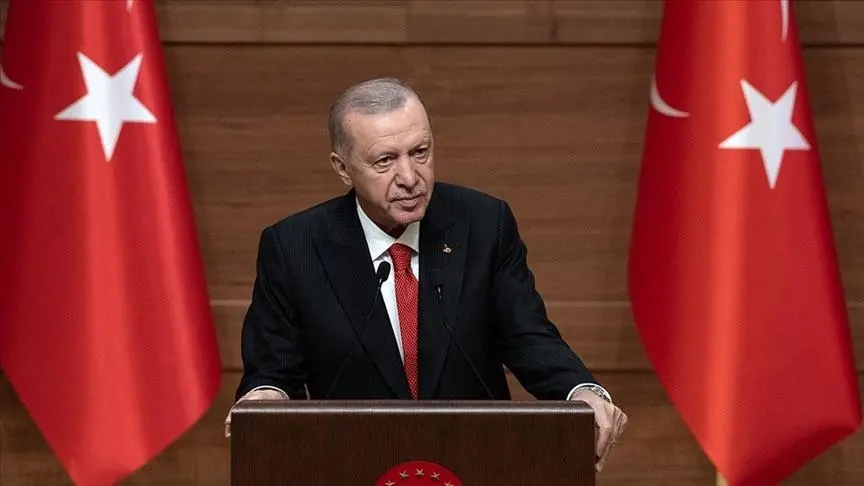
Erdogan: Conditions in Gaza Palestinians are worse than Nazi concentration camps

Turkish President Recep Tayyip Erdogan said that the conditions of Palestinians in the Gaza Strip are worse than Nazi concentration camps.

This came in a speech he delivered during the 51st meeting of the Council of Foreign Ministers of the Organization of Islamic Cooperation (OIC) held in Istanbul.

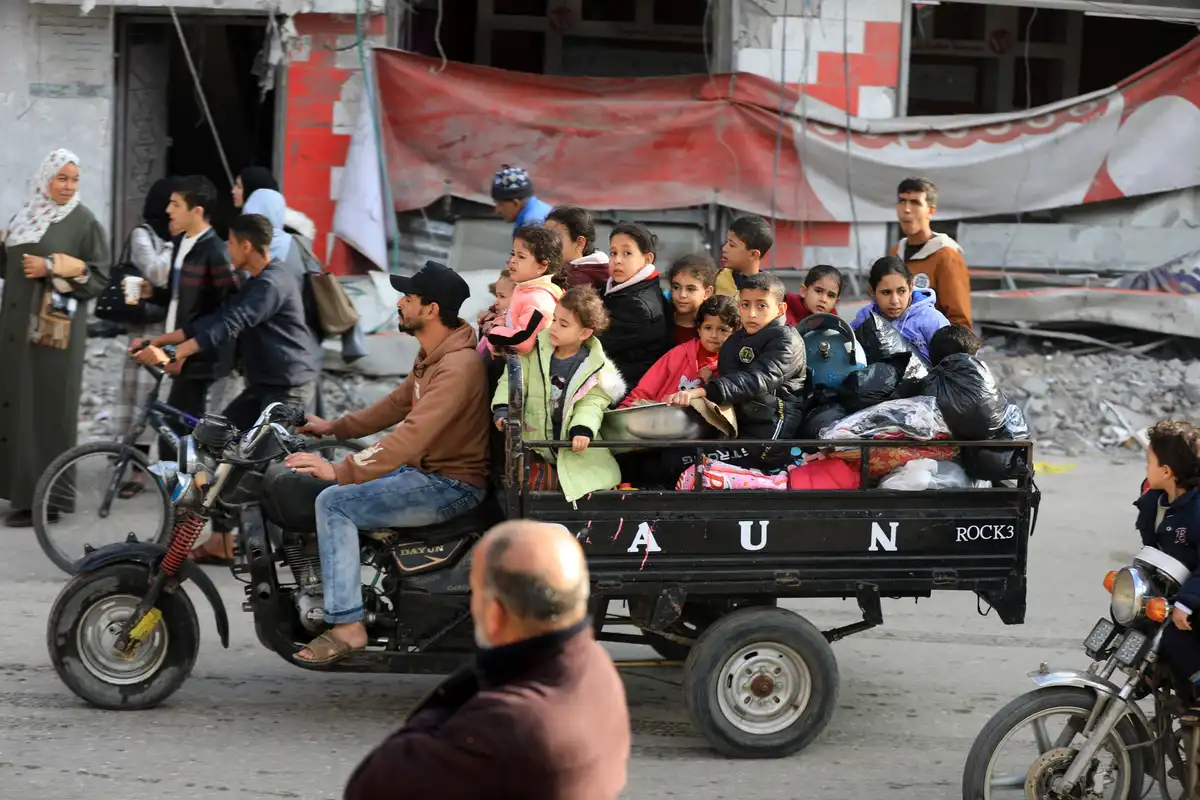
"Two million of our brothers in Gaza have been struggling for survival for 21 months in conditions worse than even Nazi concentration camps," Erdogan said.

He added, "We continue our efforts to impose coercive measures against Israel on the basis of international law and the UN Charter."

Erdogan explained that more than 55,000 people were killed in Israel's attacks on Gaza, more than 65 percent of whom were children and women.

He expressed Türkiye's solidarity with the Palestinian people's pain and grief, adding, "Let our Palestinian brothers know that no matter how intense the darkness of injustice today, justice will prevail, God willing, and victory will inevitably belong to the believers."

Erdogan pointed out that Israel's policies of occupation, theft, destruction, and massacres have gradually increased over the past two years.

"Israel, which enjoys unconditional support from Western powers, continues to drag our region into a state of instability," he added.

He added that Israel "turned Gaza into a colossal wreckage before the eyes of the entire world, bombing health facilities, schools, mosques, and churches. It brutally killed people waiting in aid lines just to get a bag of flour, a bowl of soup, or a piece of dry bread."

"Every day, hundreds of innocent civilians are deliberately killed by Israeli forces, most of them children and women," he continued.

He pointed out that in addition to Gaza, Israel also targeted Lebanon, Yemen and Syria.

He pointed out that Israel attempted to sow chaos in Syria by inciting various factions against the government.

PALESTINE

Sat 21 Jun 2025 3:01 pm - Jerusalem Time

UNRWA: Palestine is the world's longest-running refugee crisis "yet unresolved"

The United Nations Relief and Works Agency for Palestine Refugees (UNRWA) said on Saturday that the plight of Palestinian refugees remains "the world's longest-standing unresolved refugee crisis," calling on the international community to find a "just and lasting solution" for them.

This came in a tweet published by the UN organization on its X platform page, the day after World Refugee Day, which falls on June 20 of each year.

UNRWA added: "The plight of Palestine refugees remains the world's longest-running unresolved refugee crisis."

She continued, "It is time to end this cycle. Displacement and war have affected the lives of generations of Palestinian families."

She called on the international community to shoulder its responsibilities and contribute to "finding a just and lasting solution to the plight of Palestinian refugees."

In a statement published on Friday, the UN agency said: "In 1948 (the Nakba), more than 700,000 Palestinians were displaced from their towns and villages."

She continued: "After 77 years, Palestinians are still being subjected to forced displacement."

UNRWA records as of August 2023 indicate that the number of registered Palestinian refugees is approximately 5.9 million, of whom approximately 2.5 million reside in the West Bank and Gaza Strip, representing approximately 42% of the total number of registered refugees (15% in the West Bank and 27% in Gaza), according to the Palestinian Central Bureau of Statistics.

In Arab countries, data shows that approximately 40% of Palestinian refugees registered with UNRWA reside in Jordan, compared to 10% in Syria and 8% in Lebanon, according to the same source.

The Palestinian Central Bureau of Statistics stated that these figures are minimum estimates, as they do not include Palestinian refugees not registered with the agency, including those displaced after 1949 until the eve of the June 1967 war, according to UNRWA's definition, as well as those displaced during the aforementioned war who were not originally refugees.

-

ARAB AND WORLD

Sat 21 Jun 2025 8:46 am - Jerusalem Time

Katz announces the assassination of the commander of the Revolutionary Guards' Quds Force.

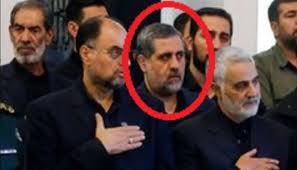
As the Israeli-Iranian confrontations entered their ninth day, Israeli Defense Minister Yisrael Katz announced the assassination of Saeed Izadi, commander of the Palestine Corps of the Islamic Revolutionary Guard Corps' Quds Force.

Katz said in a statement on Saturday that Israeli forces had eliminated Izadi, "who in recent years, including in the months leading up to the campaign against Iran, led a plan to destroy Israel through a ground raid from several locations simultaneously," he said.

He also noted that Izadi is "the top commander in the Revolutionary Guards who was in contact with Hamas in Gaza and the Islamic Jihad movement, funding and arming them in preparation for October 7."

He also explained that the assassination took place in an apartment in the city of Qom.

This comes after the Israeli military announced earlier today that it had "killed yesterday Amin Por Jodakhi, commander of the Revolutionary Guards' second drone unit." The military added that the commander was responsible for coordinating hundreds of drone launches toward Israel from the Ahvaz region in southwestern Iran.


OPINIONS

Sat 21 Jun 2025 8:37 am - Jerusalem Time

Forced survey!

Ibrahim Melhem

Ibrahim Melhem

Opinion Writer

This is not a negotiation aimed at bridging the gaps, but rather a forceful exploration and probing of Iran's pain points and weak points on behalf of the United States, to determine the extent of the impact that the Israeli hammer assigned to the mission had in softening the hardened Iranian iron, before Trump decides to intervene in the war with a heavier, more powerful and more destructive hammer, after Netanyahu failed to accomplish what he was tasked with.

This is how the meeting held in Geneva yesterday between Iranian Foreign Minister Abbas Araqchi, the foreign ministers of France, Britain, and Germany, and the European Union's foreign policy chief, can be described. This meeting was held in an attempt to contain the war and its repercussions for the region, according to official statements.

While negotiations were underway in the Swiss capital, the United States was sending more warships into warmer waters, amid growing signs that the escalation was outpacing efforts to cool it, while Trump raised prices to such an extent that Iranians could no longer afford his goods.

Those who practice deception once will practice it again and again. All visible evidence in statements, positions, and movements at sea, on land, and in the air indicates that Trump's postponement decision reflects ill intent rather than good intentions. This makes the coming hours and days potentially explosive with surprises, similar to those that preceded the negotiations, which were scheduled to take place in Muscat two days ago.

In a statement accompanying his announcement that negotiations were being given a chance, Trump said that Araghchi might not be able to return to Tehran if the negotiations failed, suggesting that the failure of the Geneva meetings would be the starting gun for the advance of warships and the overflight of aircraft.

Araghchi's brief statement following yesterday's Geneva meeting suggests that the negotiations are stalling.

ARAB AND WORLD

Sat 21 Jun 2025 8:35 am - Jerusalem Time

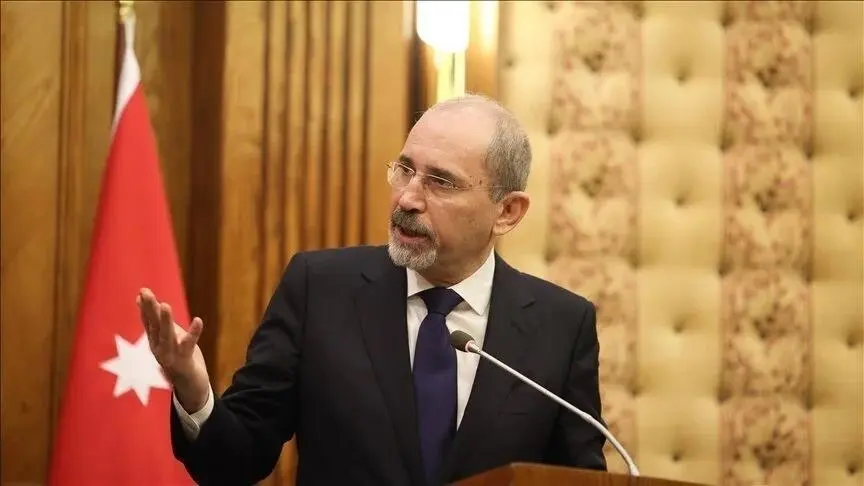
Safadi: Israel is pushing the region toward more conflict and tension.

Jordanian Foreign Minister Ayman Safadi said on Friday that Israel is pushing the region toward more conflict and tension, while Arab efforts are underway to achieve security, stability, and peace that guarantees security for all.


This came at the conclusion of an emergency meeting of Arab League foreign ministers in Istanbul, chaired by Safadi, to discuss developments in the region, most notably the Israeli aggression against Iran and its repercussions.


Following the meeting, Safadi told reporters, "There is a clear Arab position, which we have affirmed previously and reiterated today. We must act immediately to end the aggression, and secondly, we must return to negotiations and reach a political solution to the Iranian nuclear issue."


Regarding yesterday's session, Safadi said, "We in the Arab region affirm that Israel is the one pushing the region toward more conflict and tension."


"While we work to achieve security, stability, and peace that guarantees security for all," Safadi said.


ARAB AND WORLD

Sat 21 Jun 2025 8:33 am - Jerusalem Time

France: The Iranian nuclear issue cannot be resolved by military means.

French Foreign Minister Jean-Noël Barrot stressed on Friday that the Iranian nuclear issue cannot be resolved by military means.


In a press statement in Geneva, Switzerland, he said he met with British Foreign Minister David Lammy and German Foreign Minister Johann Wolfgang Amadeus to ease tensions in the Middle East and resolve security issues, including Iran's nuclear program.


On Friday evening, a meeting was held in Geneva bringing together the foreign ministers of Iran, Germany, France, and the United Kingdom, as well as Kaya Kallas, the EU High Representative for Foreign Affairs and Security Policy, to discuss regional developments, particularly the Iranian nuclear issue and the recent escalation between Israel and Iran.


"We wanted to start the meeting with the Iranian Foreign Minister (Abbas Araqchi) because we believe there is no final military solution to the Iranian nuclear issue," Barrow added.


He continued: "This issue can only be resolved through negotiations."


PALESTINE

Fri 20 Jun 2025 11:20 pm - Jerusalem Time

Israeli Chief of Staff: Difficult days lie ahead


The Israeli army's chief of staff announced Friday that the country must prepare for a "long campaign" in the war with Iran, calling on the population to prepare for "difficult days."


"We have launched the most complex campaign in our history," Eyal Zamir said in a video message to "the citizens of Israel." "We must be prepared for a long campaign. Despite significant progress, difficult days lie ahead. We are preparing for many possibilities."

ARAB AND WORLD

Fri 20 Jun 2025 11:19 pm - Jerusalem Time

Trump: Two weeks is the maximum timeframe for making a decision on striking Iran.


US President Donald Trump announced that Iran has a "maximum" two weeks to avoid potential US strikes, a day after saying he would decide on military action within two weeks.

Asked about the possibility of him deciding to strike Iran before then, Trump replied, "I'm giving them some time. I'd say two weeks is the maximum."

Trump believes that Europe will not be able to provide much assistance in the war between Iran and Israel.

ARAB AND WORLD

Fri 20 Jun 2025 8:35 pm - Jerusalem Time

The Pentagon believes the US needs to drop a nuclear bomb to destroy Iran's Fordow facility.

Washington - Saeed Erekat

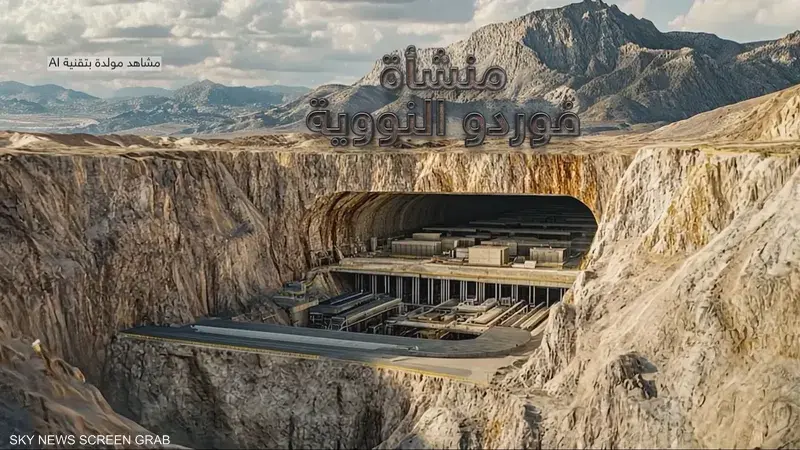
The Pentagon's Defense Threat Reduction Agency has told US officials that the US may need to drop a nuclear weapon to destroy Iran's underground Fordow nuclear facility, according to The Guardian.


According to the report, Pentagon officials briefed were informed that dropping conventional 30,000-pound GBU-57 bunker-buster bombs would not penetrate deep enough and would only cause enough damage to destroy the tunnels and bury the facility under rubble.


The conventional GBU-57 bunker-buster (which weighs 30,000 pounds) has not yet been tested, but similar bombs, the BLU-82B/C-130, have been used in Vietnam, Afghanistan, and Iraq.


Officials were told that to completely destroy Fordow, the United States would likely need to first soften the ground with conventional bombs, then drop a tactical nuclear weapon from a B2 bomber.


The report indicated that President Trump is not considering using a nuclear weapon, and that Defense Secretary Pete Hegseth has not been offered this option. According to a report from Axios, Trump is skeptical that GBU-57 bombs could cause enough damage to destroy the facility.


Israel wants the United States to drop bunker-buster bombs on Fordo because it lacks the capability, but so far, Trump has not ordered US airstrikes on Iran. President Trump said on Thursday that he would decide within two weeks, although there are indications that attacks could begin as early as this weekend.


Israeli Prime Minister Benjamin Netanyahu launched the war and attacks on Iranian nuclear facilities over allegations that Iran was seeking to acquire a nuclear weapon. However, this contradicted both US intelligence and the International Atomic Energy Agency, which said there was no evidence that Tehran had decided to pursue a nuclear bomb.


It's worth noting that US Ambassador to Israel Mike Huckabee suggested to President Trump the use of a nuclear bomb against Iran, urging him to listen to the heavens and follow their guidance when making decisions regarding Israel's war on Iran.


In a post on Truth Social on Tuesday, Trump shared a screenshot of a long text he said was sent to him by Huckabee, an evangelical and Christian Zionist whom Trump calls a "great person!"


In the text, Huckabee says that Trump's current decision about whether to involve the United States in attacks on Iran is similar to the decision President Harry Truman faced in 1945—when Truman dropped two atomic bombs on Hiroshima and Nagasaki, killing hundreds of thousands of innocent people in Japan and destroying two cities. Huckabee also says he is not seeking to persuade Trump, but rather to "encourage him." He writes, "God saved you in Butler, Pennsylvania, to be the most consequential president in a century—and perhaps ever." He adds, "No president in my lifetime has been in such a situation. Not since Truman in 1945."


This lengthy letter was particularly ironic, given that Huckabee was suggesting that Trump use a nuclear bomb against Iran in a war initiated by Israel to target Iran's nuclear weapons program, even though most of the targets and victims so far appear to have been civilians.

PALESTINE

Fri 20 Jun 2025 5:20 pm - Jerusalem Time

Lazzarini criticizes the US-Israeli aid distribution system in Gaza, describing it as a "war crime."

Washington - Saeed Erekat

The Commissioner-General of the United Nations Relief and Works Agency for Palestine Refugees (UNRWA), Philippe Lazzarini, condemned the "deadly" US-Israeli aid distribution mechanism in Gaza, where more than two million people are suffering from hunger across the besieged enclave.


In a post on X on Wednesday, Lazzarini noted that Palestinian lives have been "significantly devalued," with hundreds killed at aid distribution checkpoints.


"It has now become routine to shoot and kill desperate and hungry people while they try to get a little food from a company of mercenaries," he said.


The United Nations and aid organizations have accused the US- and Israeli-backed Gaza Humanitarian Foundation (GHF), which employs private American security and logistics workers, of militarizing humanitarian aid.


"It is a crippled, medieval, murderous system that deliberately harms people under the guise of 'humanitarian aid' with lies, deceit, and cruelty," the UNRWA chief added.


"Inviting people to starve to death is a war crime. Those responsible for this regime must be held accountable. This is a disgrace and a stain on our collective conscience."


Lazzarini urged a "re-establishment of humanitarian principles," adding that experts must be allowed into the Gaza Strip to provide assistance.


Human rights groups have accused the Israeli government of using starvation as a weapon of war, with Palestinians—including children—dying from complications of starvation.


However, aid distribution sites have become a greater threat than famine, according to Gaza residents.


On Thursday, the Israeli occupation army committed new massacres against civilians in the Gaza Strip, resulting in the deaths of 75 Palestinians, 53 of them in Gaza City and the northern Gaza Strip, according to medical sources.


Medical sources said that 22 of the martyrs were among those waiting for aid, noting that Al-Awda and Al-Aqsa Martyrs hospitals received 16 martyrs and dozens of wounded as a result of the occupation army's firing of live bullets and grenades at those waiting for aid near a distribution center near the Netzarim axis.


Eyewitnesses reported that occupation forces stationed around the Netzarim axis opened machine gun fire on hundreds of young men who had gathered to wait for the opening of the American aid center.


Palestinian civilians go to get food, but they never know if they will return alive, and Batou describes the "World Humanitarian Relief Foundation" centers as an "execution site."


As the death toll of aid seekers continues to rise, the humanitarian situation in the Gaza Strip has worsened. UN Secretary-General António Guterres condemned Israel's continued killing of aid seekers in the Gaza Strip, warning that the needs of Palestinians in the besieged enclave "remain unmet."


UN spokesman Farhan Haq said in a press conference on Tuesday (June 25, 2017) that the UN Secretary-General "continues to call for an immediate and independent investigation into all these reports, and for those responsible to be held accountable."


Haq stressed that Israel "has clear obligations under international humanitarian law" to facilitate adequate humanitarian relief.


According to UNRWA, the health sector in the besieged Gaza Strip is in a "critical situation," with 45% of essential supplies running out.


The agency warned that "nearly a quarter of the remaining supply could run out within six weeks," adding that vital medicines and blood products have been almost completely depleted.


Meanwhile, the Ministry of Health in Gaza indicated that the Israeli military is preventing international organizations from providing fuel aid to hospitals, claiming that the areas suffering from fuel shortages fall within the red zones designated by Israel.


The Israeli occupation army ordered forced evacuations throughout the Gaza Strip, classifying the red areas as "dangerous combat zones."


The ministry warned that obstructing fuel aid "threatens to halt operations" at healthcare centers that rely on generators.


The ministry added that "the amount of fuel in hospitals is only enough for three days."


In a post earlier this week, WHO Director-General Tedros Adhanom Ghebreyesus said that for more than 100 days, no fuel has entered the Gaza Strip, with attempts to replenish stocks from red zones being rejected.


He warned that "this is pushing the health system to the brink of collapse."

ARAB AND WORLD

Fri 20 Jun 2025 5:18 pm - Jerusalem Time

Israel tests the theory that it is impossible to win a war with air power alone.

Washington - Saeed Erekat


The Wall Street Journal reported Friday that since last week, Israeli warplanes have launched successive raids on targets across Iran, testing the limits of what air power alone can achieve in conflicts.


Military thinkers say that missiles and bombs, although important in modern warfare, are rarely enough to achieve victory alone, especially if the strategic objectives of the warring nations are large-scale.


In this case, Israel stated that its goal was to prevent Iran from developing nuclear weapons, either by physically destroying its capability or by forcing it to abandon its nuclear ambitions as part of a negotiated settlement. Israeli politicians also called for the overthrow of the clerical regime in Tehran.


Israeli Prime Minister Benjamin Netanyahu is pushing the United States to join him in his war on Iran, enhancing his chances of achieving his goals. For example, American bunker-buster bombs have the best chance of destroying the Fordow facility, Iran's fortified underground uranium enrichment facility.


The White House announced on Thursday that President Trump will decide within the next two weeks.


The newspaper notes that Israeli policymakers are counting on the ability of air power to achieve victory without the need for ground operations, except perhaps for the deployment of small forces of special forces and intelligence officers to assist in airstrikes.


For Israel, it has little choice. It lacks the capabilities to launch large-scale ground operations far from its borders and against a much larger adversary. The United States has the capability, but the Trump administration has shown great reluctance to deploy ground forces in any foreign war.


If Israel succeeds, with or without US assistance, it could prompt a serious reassessment of the capabilities of its modern air force, whose effectiveness is enhanced by drones and more advanced surveillance and intelligence-gathering technologies. But skeptics abound.


There are few, if any, precedents for a large-scale armed conflict in which two nations trade blows solely through air power. This approach, in the absence of ground forces, "absolutely changes the course of any war—you can't physically seize things, you can only physically destroy them," Phillips O'Brien, a military historian who teaches war studies at the University of St. Andrews in Scotland, told the newspaper.


Both sides must view the enemy state as a functioning machine and identify the components, such as military production or command and control, whose destruction can lead to victory. "That's never easy—and that's why there are so few" purely aerial wars, O'Brien said.


The Wall Street Journal quotes Ofer Friedman, a former Israeli officer now at King's College London, as saying: "If you have limited political objectives that don't require a presence on the ground, then theoretically you can achieve victory even with air power alone." The problem is that we don't know what Israel's true objectives are now. Israel's broad range of targets, from military and nuclear facilities to pillars of regime power such as the police and economic assets such as oil refineries, makes it difficult to determine the breadth of Israel's strategic objectives.


While Israeli aircraft dominate the skies over western Iran, according to the US administration, and "strike targets at will," according to Netanyahu's claims, analysts say Tehran's best hope is to hold out until the time allotted to Israel's costly and logistically exhausting air efforts runs out.


As for how this war might end, experts speculate on at least four ways it could end.


Israel—especially with US help—may succeed in physically destroying much of Iran's nuclear program, which could take Tehran many years to rebuild.


Alternatively, the mounting damage might force Iran's leaders to cave in and sign an agreement abandoning uranium enrichment. Third, the Iranian regime might collapse, taking its nuclear ambitions with it.


But the outcome could also be disastrous if the regime holds firm and does not reverse its enrichment, and if the damage to its nuclear facilities is not fully reversed. Tehran may reform its nuclear program with greater resolve, less international oversight, and at sites that are less likely to be targeted.


Even if Fordo is destroyed, a war may only buy time until Iran tries again to build a bomb. This, too, would be a gain for Israel, depending on the length of any delay. In the time gained, other events may intervene. The Iranian government may collapse or change its course.


It's worth noting that when Israel used airstrikes to destroy nuclear reactors in Iraq in 1981 and Syria in 2007, it hindered both countries' nuclear weapons programs. But in Iraq, "the short-term effect was success, and the long-term effect was to push Iraq into covert operation with its future programs," Michael O'Hanlon, a scholar at the Brookings Institution in Washington, said in a commentary for the newspaper.


Military historians say there are few examples of air power alone bringing about regime change. Experience suggests that it also requires ground forces—or at least a competent allied rebel force on the ground.


When a US-led coalition ousted the Taliban in Afghanistan in 2001, it cooperated with local military forces known as the Northern Alliance. US ground forces were also quickly deployed. (The Taliban returned to power 20 years later when the US withdrew.)


Israel's airstrikes on Iran could weaken the government's prestige and undermine its internal mechanisms of control and repression. However, there is currently no indication that an opposition force exists in Iran that could dislodge the regime, whether through armed rebellion or mass protests. But even if Iran's Supreme Leader, Ayatollah Ali Khamenei, loses power, it could be to the detriment of another pillar of the regime, the Islamic Revolutionary Guard Corps (IRGC), leading to a hardline military government, analysts say.


Air wars are difficult. Established military thought recognizes that controlling the skies is vital to winning a conventional war, but it is not sufficient.

PALESTINE

Fri 20 Jun 2025 4:31 pm - Jerusalem Time

Iran bombs Israel from north to south, causing serious injuries in Haifa

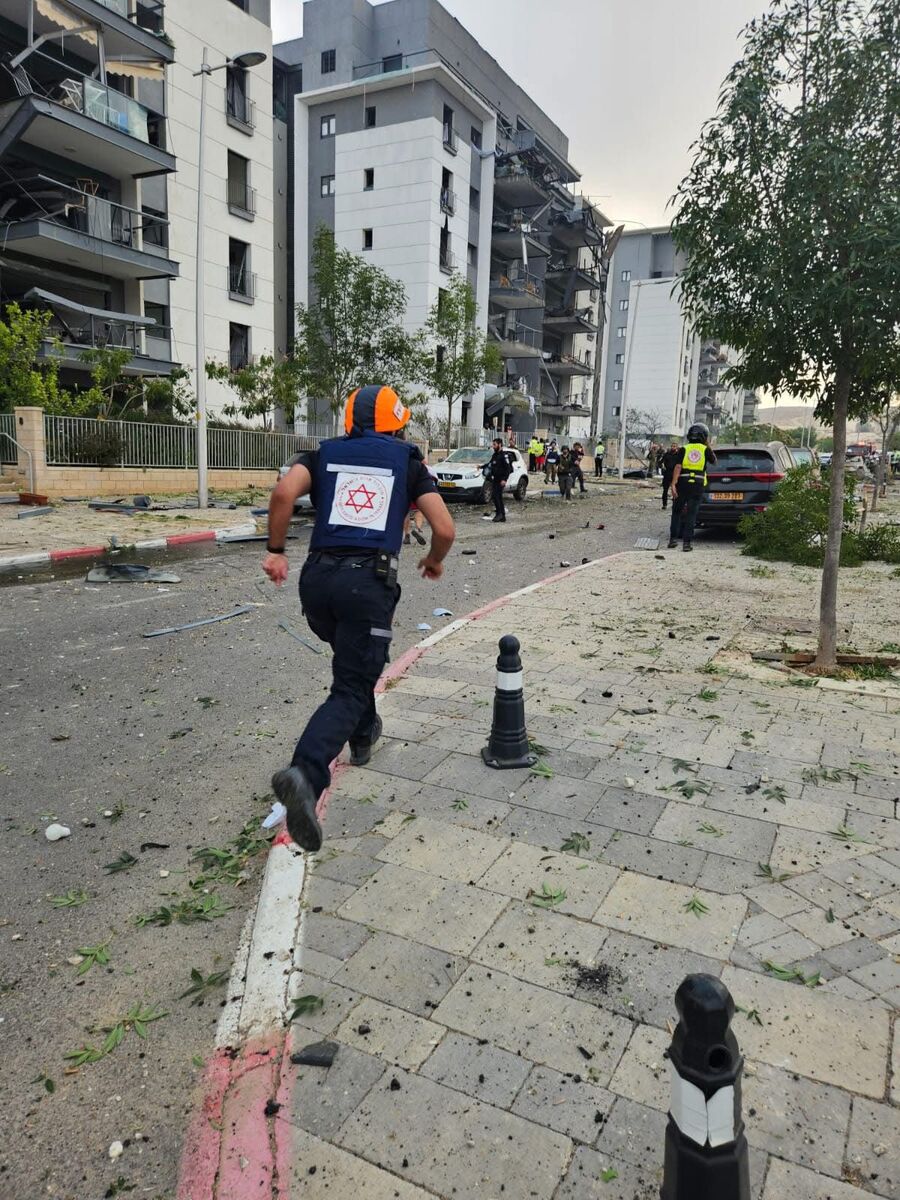
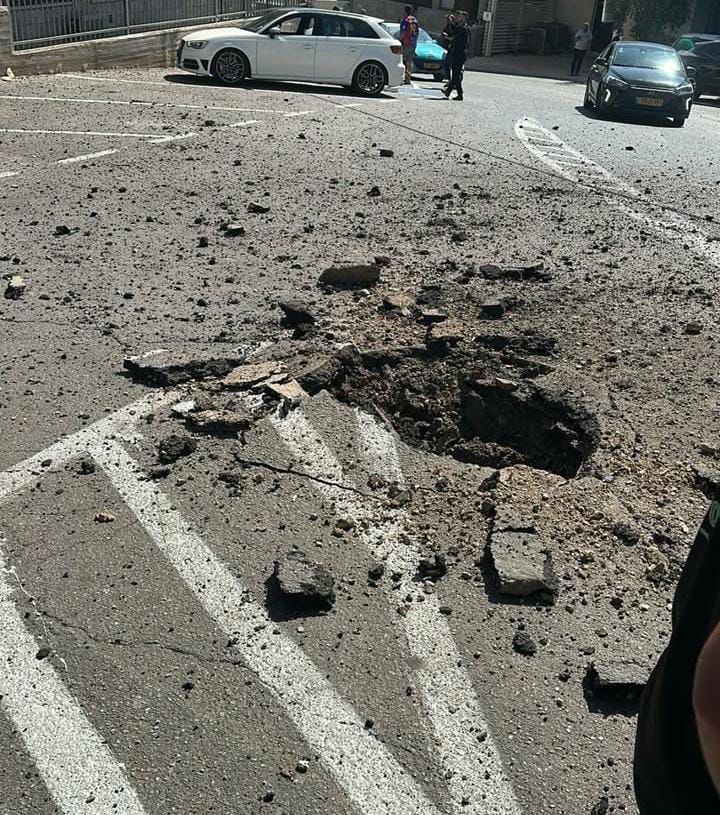
Iranian missiles fell in several areas of Israel from north to south, causing serious injuries and extensive material damage, on the eighth day of the war between Tel Aviv and Tehran.

Israeli media reported that several rockets landed in Beersheba in the south, in the Gush Dan region (which includes Tel Aviv) in the center, and in Haifa in the north. Huge explosions were heard in Tel Aviv and Jerusalem.

The Israeli ambulance service reported several injuries in Haifa, some of them serious, while the fire department reported extensive damage in central Israel.

Israeli media reported at least 12 injuries in Haifa, some of them serious.

For its part, the Iranian Revolutionary Guards stated that this was the 17th wave of Operation True Promise 3, and that it included a combined bombardment with long-range and very heavy missiles.

Early Friday morning, an Iranian missile landed in Beersheba after air defenses failed to intercept it, according to the Israeli military. Iranian sources said the targeted site houses active military and cyber facilities.

Source: Al Jazeera + Israeli press


OPINIONS

Fri 20 Jun 2025 3:49 pm - Jerusalem Time

How Iran Lost

Foreign Affairs

Foreign Affairs

Opinion Writer

Tehran’s Hard-Liners Squandered Decades of Strategic Capital and Undermined Deterrence

Afshon Ostovar

On June 12, Israel unleashed a series of strikes that damaged Iranian nuclear facilities and missile sites, destroyed gas depots, and, critically, killed scores of top regime officials. Iranian Supreme Leader Ali Khamenei remains alive. But his most important deputies—including Mohammad Bagheri, the chief of staff of the armed forces, and Hossein Salami, the commander in chief of the Islamic Revolutionary Guard Corps—are dead.

A few years ago, the sudden, near-simultaneous killing of Bagheri, Salami, and a host of other senior leaders would have been unthinkable. Over three decades, the hard-liners who control Iran’s regime had built up what seemed like a formidable system of deterrence. They stockpiled ballistic missiles. They developed and advanced a nuclear enrichment program. Most important, they established a network of foreign proxies that could routinely harass Israeli and U.S. forces.

But Iran’s hard-liners overplayed their hand. After Hamas attacked Israel on October 7, 2023, the regime’s leaders opted for a campaign of maximum aggression. Rather than letting Hamas and Israel fight it out, they unleashed their proxies at Israeli targets. Israel, in turn, was compelled to expand its offensive beyond Gaza. It succeeded in severely degrading Hezbollah, the most powerful of Tehran’s proxy groups, and eviscerating Iranian positions in Syria—indirectly contributing to the collapse of the Assad regime. Iran responded to this aggression by unleashing the two largest ballistic missile attacks ever launched against Israel. But Israel, backed by the U.S. military and other partners, repelled those attacks and incurred little damage. It then struck back.

With that, the foundation of Iran’s deterrence strategy crumbled. Its ruling regime became more vulnerable and exposed than at any point since the Iran-Iraq War of the 1980s. And Israel, which has dreamed of striking Iran for decades, had an opportunity it decided it could not pass up.

Top of Form

REVOLUTIONARY HUBRIS

Since the 1979 Iranian Revolution, leaders in Tehran have cultivated a web of proxies—Hamas in Gaza, Hezbollah in Lebanon, the Houthis in Yemen, and militias in Iraq—and developed ties with the Assad regime in Syria. These regional alliances, paired with Tehran’s robust ballistic missile program, allowed Iran to threaten adversaries directly and from afar, giving hard-liners core sources of power. The country’s leadership wasn’t immune to pressure: it pursued nuclear negotiations with the United States in 2015, for example, to help alleviate the economic pain created by sanctions. But even these talks facilitated Iran’s rise as a regional power. The resulting Joint Comprehensive Plan of Action provided Tehran with extensive sanctions relief without limits on its defense, other than temporary guardrails on enrichment. In 2018, the United States withdrew from the JCPOA and reimposed sanctions. But Iran’s consequent nuclear provocations served as a lightning rod to absorb outside pressure and insulate the regime’s other malign behavior.

In October 2023, the Islamic Republic was peaking. It exerted heavy influence over a wide swath of land, from Iraq to the Mediterranean. It had bullied neighboring Arab rivals, namely Saudi Arabia and the United Arab Emirates, into submission. And Iranian proxies, armed with rockets, missiles, and drones, were keeping constant pressure on Israel.

In October 2023, the Islamic Republic was at its peak.

The October 7 attacks seemed, at first, to only further empower Iran. After all, Tehran’s primary regional adversary was suddenly enmeshed in an all-consuming conflict. Iran thus encouraged its proxies to join the fight against Israel, creating a united, regionwide front under Tehran’s leadership. Hezbollah’s persistent rocket fire into northern Israel forced civilians there to flee the towns near the border with Lebanon. In Yemen, the Houthis expanded their attacks to commercial shipping in the Red Sea, putting a severe strain on global commerce and compelling the United States to concentrate significant naval power and resources on countering their aggression. By mid-2024, Iran and its proxies were seriously testing the U.S.-led regional order.

Yet within a few short months, Iran’s regional framework all but collapsed. Israeli military offensives eviscerated Hamas in Gaza and devastated Hezbollah in Lebanon—key nodes in Iran’s decades-long pressure campaign against Israel. Then came the surprising fall of Bashar al-Assad’s regime in Syria, in December. Syria had been vital to Iran’s larger deterrence architecture not only because it presented another front against Israel but also because Syrian territory—which shares a long border with Lebanon and northern Israel—contained the main route through which Iran supplied weapons to Hezbollah and to Palestinian militants in the West Bank.

In the face of these setbacks, Iran could have opted to regroup. Instead, it opted to escalate the conflict with Israel by directly striking the country in April and October 2024. By taking such action, the Islamic Revolutionary Guard Corps had hoped to showcase its military might and reestablish deterrence. Instead, the IRGC exposed the limitations of its missile capabilities. Even though the April and October strikes were the largest-ever ballistic missile attacks against Israel, Israel’s vaunted air defenses, combined with those of the United States and its regional partners, intercepted almost all of Iran’s drones and missiles. The small handful that did strike Israeli territory either missed their targets or did insignificant damage.

The attacks exposed Iran as weak. They also prompted Israel to hit back against Iran directly, using its superior airpower to destroy key Iranian air defense batteries and military facilities in October, shattering the final barrier that had previously prevented Tehran’s adversaries from using military force against its territory. Iranian deterrence collapsed.

WINDS OF CHANGE

Despite the setbacks the Iranian regime had suffered, its leadership and military commanders were far from admitting defeat at the beginning of 2025. In a March 2025 speech, Salami rejected the idea that Iran had lost its competitive edge, touting the Islamic Republic’s very survival as proof of the effectiveness of its grand strategy. The regime, after all, had been at war not with small powers but with large ones that had the most advanced weapons, equipment, and militaries. “It is miraculous that our nation has been able to stand up to arrogant powers,” Salami said. He struck a similar tone in a May speech, stating, “A nation [that] is not captive, a nation [that] raises the banner of resistance and acts on the words of its supreme leader with all its heart, such a nation will never be defeated.”

Now, of course, Salami is dead, and it is harder than ever for Iran to claim it has won its engagements. In just a few days, Israel has done significant damage to Tehran’s military and nuclear program. Although the true scale of the destruction is known only to Iranian leaders, it is unlikely that the country will easily rebound from this low ebb. Perhaps most significant, Iran has lost nearly all of its ability to defend its skies from adversaries. Its once hailed air defenses have been destroyed or made inoperable across most of the country. Its missile stockpiles have been depleted, many of its mobile launchers have been destroyed, and the facilities it used to manufacture missiles and process their fuel lie mostly in smoldering ruins. Finally, much of Iran’s nuclear enrichment program has been damaged or destroyed. Iran may still possess a stockpile of highly enriched uranium and some underground cascades of centrifuges. But in the near term, nuclear enrichment no longer provides deterrent value.

Added to this is the loss of the defense establishment’s brain trust. The assassinations of numerous veteran commanders and military officials, including General Amir Ali Hajizadeh, the commander of the IRGC’s Aerospace Force and the architect of its missile strategy, will leave a gaping hole in the regime and erase knowledge built on decades of experience. The regime has already replaced these commanders, but what cannot be duplicated so quickly is the trust that their predecessors had earned from Khamenei, the commander in chief, and the influence that they held over the regime’s grand strategy.

Iran has lost nearly all of its ability to defend its skies from adversaries.

Faced with such a defeat, the regime could accept defeat, cut its losses, and seek compromise with Israel and the United States. That path, at the very least, would require the regime to abandon enrichment. It could also mean that Tehran has to give up its missile program, end support to proxies, and renounce its goal of destroying Israel. But as much as the Iranian people would prefer this outcome, for the regime it would be tantamount to total surrender, viewed as a solution that would portend the eventual collapse of Iran’s ruling theocratic system.

To avoid a total surrender, Khamenei could also keep the fight going. That might include going for a nuclear breakout. Assuming Iran still possesses its stockpile of highly enriched uranium and retains the know-how, the regime could still try to test a nuclear device, hoping that becoming a nuclear state will restore a measure of its lost deterrence. Tehran could also continue to wage war, aiming to either exhaust Israel’s will to fight or increase support for the regime among the Iranian people. The regime may even hope that Israel expands its strikes, or aim to draw in the United States, believing that if more Iranian civilians are killed, Iranian society will become more sympathetic toward the country’s only defenders: the regime. That “rally around the flag” effect is, at this point, the regime’s last remaining hope to get Iranians on its side.

But increased aggression is a very dicey bet and could leave the regime isolated and broke. The longer the war continues, the greater the destruction the country will face, which would reduce the regime’s capacity to simply operate. If there is no rally around the flag effect, or if it eventually passes, the Islamic Republic’s citizens could ultimately turn on the regime. And if the government secures a nuclear weapon in order to safeguard its hold on power, Iran could end up looking quite a lot like North Korea—a scenario no Iranian would want.

Whatever happens, the Iranian regime has doubtless lost its decades-long conflict with Israel. It will either have to give up its foundational political ideology and seek integration with the rest of the region through diplomatic and economic engagement, or it will need to double down on its beliefs, drawing further into itself. Ali Khamenei and the IRGC have lost; the regional status quo they established is finished.


PALESTINE

Fri 20 Jun 2025 2:56 pm - Jerusalem Time

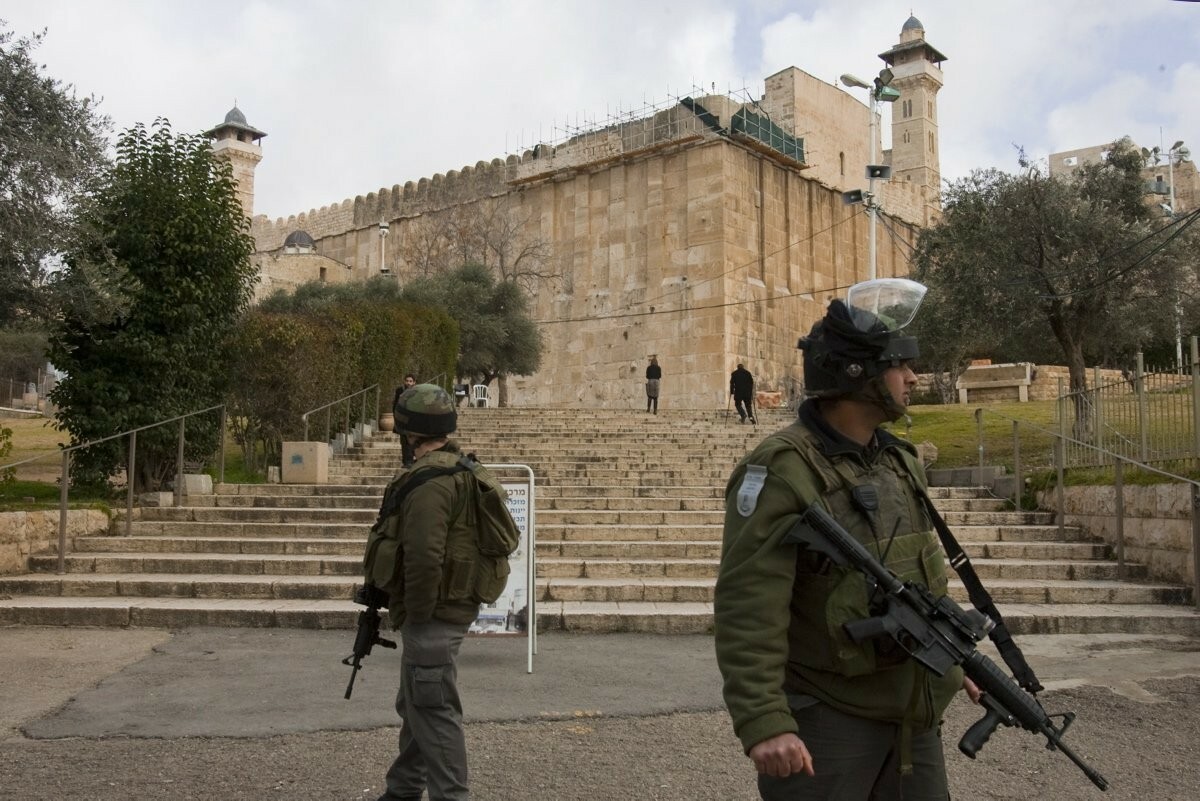
The occupation forces closed the Ibrahimi Mosque to worshippers for the eighth day.

Israeli occupation forces closed the Ibrahimi Mosque in Hebron to worshippers on Friday, for the eighth consecutive day.

The Hebron Governorate Endowments Directorate said in a statement that "for the eighth consecutive day, the Israeli occupation authorities continue to close the Ibrahimi Mosque in the Old City of Hebron, preventing prayers from being held there."

In a statement, it indicated that "the occupation forces are preventing employees, custodians, and residents from entering the mosque under the pretext of the security situation."

PALESTINE

Fri 20 Jun 2025 2:42 pm - Jerusalem Time

Since dawn today, 48 dead have been killed, most of them aid-seekers in the Gaza Strip.

The Israeli occupation forces killed 48 people from Gaza on Friday in airstrikes and gunfire across the Gaza Strip, including 25 in a massacre targeting aid workers.

The attacks come amid catastrophic humanitarian conditions in the Gaza Strip, as a result of the genocide perpetrated by Israel over the past 21 months.

Medical sources reported that the Israeli army committed a new massacre against residents waiting for aid near the Netzarim junction in the central Gaza Strip. They said that "23 martyrs and dozens of wounded arrived at Al-Awda Hospital in the Nuseirat refugee camp in the central Gaza Strip at dawn, as a result of the Israeli army targeting a gathering of civilians near the Netzarim junction while they were waiting for food aid."

According to eyewitnesses, a number of dead and wounded were still lying on the ground, unable to be retrieved due to the dangerous conditions and ongoing shelling in the area.

Simultaneously, the Israeli army killed 11 people and injured others in an airstrike targeting an inhabited home belonging to the Ayyash family in the city of Deir al-Balah in the central Gaza Strip, according to a medical source at Al-Aqsa Martyrs Hospital.

PALESTINE

Fri 20 Jun 2025 2:21 pm - Jerusalem Time

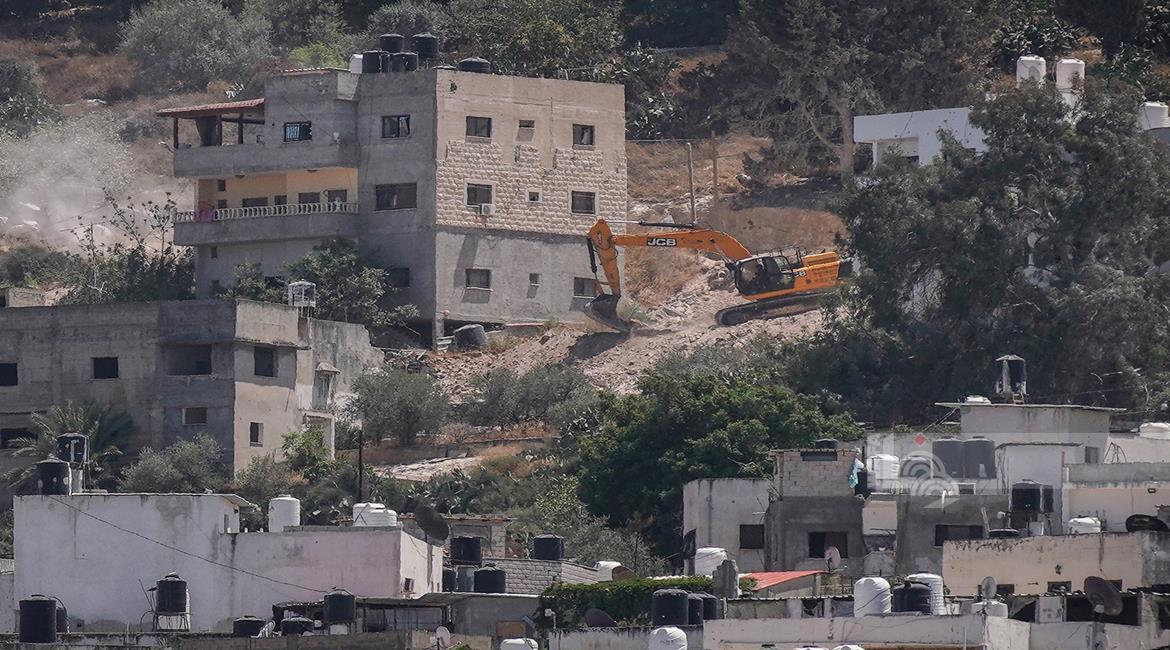
Jenin: Occupation forces seize 15 homes and turn them into military barracks in Anza.

Israeli occupation forces seized 15 homes and converted them into military barracks after forcing their residents to evacuate, during their ongoing assault on the village of Anza, south of Jenin, which began Thursday evening.

Local sources said that the occupation forces forced 15 families to evacuate their homes under threat, turning them into military barracks.

She added that the occupation forces are launching a large-scale campaign of raids on citizens' homes in the village, detaining and abusing a number of them, in addition to arresting a number of citizens.

Israeli occupation forces stormed Anza on Thursday evening, deploying infantry units there, coinciding with raids on several towns and villages south of Jenin, including Qabatiya, Araba, Meithalun, and Ajja.

PALESTINE

Fri 20 Jun 2025 12:33 pm - Jerusalem Time

For the second Friday: The occupation closes the gates of Al-Aqsa Mosque and prevents worshippers from reaching it.

Today, the Israeli occupation forces closed all gates of the blessed Al-Aqsa Mosque, preventing worshippers from entering for Friday prayers, for the second week in a row.

The Jerusalem Governorate reported that the occupation forces closed all the gates of Al-Aqsa Mosque and took up positions in front of them. They also closed the gates at Bab al-Hatta and Bab al-Silsila, after allowing a small number of worshippers to pass through them, under the pretext that the number permitted to enter the mosque had been completed.
The governorate noted that occupation forces stopped worshippers at Bab al-Sahira and obstructed their entry into the Old City and Al-Aqsa Mosque prior to Friday prayers.

Since June 13, the occupation authorities have imposed strict restrictions on the blessed Al-Aqsa Mosque, completely closing the mosque for six consecutive days before beginning last Wednesday evening to implement a "per-number" policy.

The Jerusalem Governorate stated in a statement that the occupation forces allowed only 450 worshippers to enter to perform the noon prayer yesterday, Thursday, through Bab al-Hatta. They then immediately closed the gate to prevent entry and exit, while Waqf employees were allowed to enter through Bab al-Silsila and Bab al-Hatta under tight supervision. Meanwhile, the occupation forces opened Bab al-Maghariba to allow settlers to storm Al-Aqsa Mosque.

The Jerusalem Governorate considered these measures a dangerous escalation aimed at imposing a new fait accompli that would pave the way for changing the historical and legal status quo at Al-Aqsa Mosque, by exploiting the regional war to implement its plans.

She also explained that the policy of closure and crowd control had brought life in the Old City to a near-total standstill, with anyone without a city ID being barred from entering, while synagogues and markets remained open as usual.

The Jerusalem Governorate affirmed its condemnation of "this unprecedented encroachment on the religious and human rights of Palestinians," and that the "per-numbered worshippers" policy represents a dangerous precedent in targeting freedom of worship. It called on the international community and relevant parties to assume their legal and humanitarian responsibilities and take urgent action to halt these violations, oblige the occupation authorities to respect the historical and legal status quo at Al-Aqsa Mosque, and lift all restrictions imposed on the Old City and its residents.

PALESTINE

Fri 20 Jun 2025 12:14 pm - Jerusalem Time

The occupation expands its aggression on Tulkarm: storming towns and closing their entrances with earth mounds.

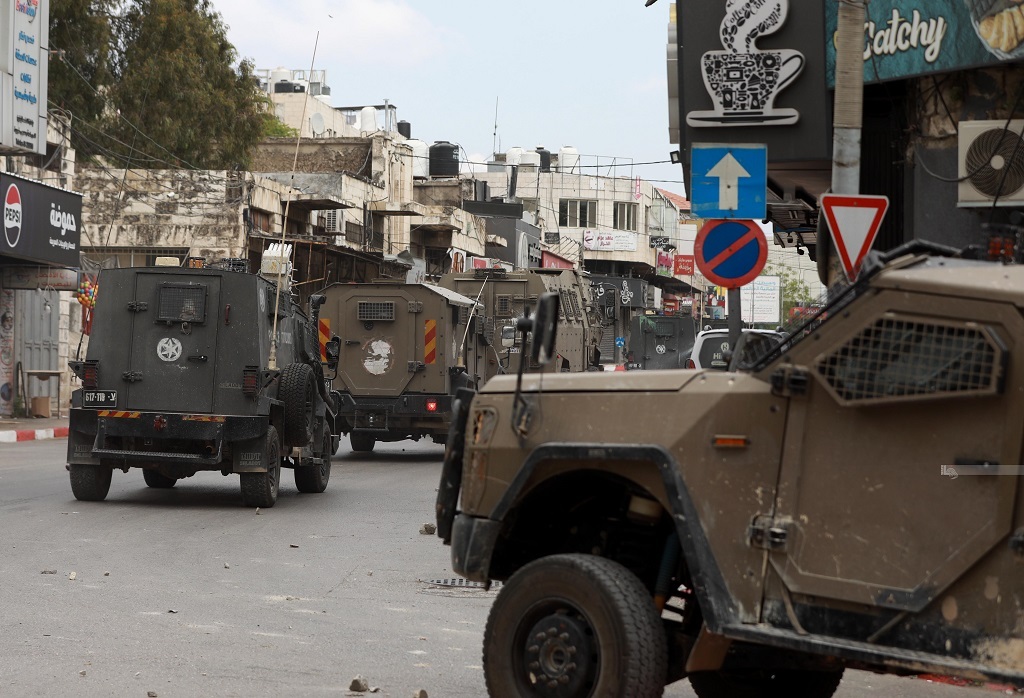
Israeli occupation forces escalated their aggression against Tulkarm Governorate at dawn on Friday, launching a large-scale raid on several towns in the eastern and northern regions, carrying out raids, vandalizing homes, and making arrests. The raids were accompanied by a large deployment of infantry units and heavy military vehicles, including bulldozers.

East of Tulkarm, Israeli occupation forces stormed the town of Bal'a, accompanied by a military bulldozer. They raided and searched homes after breaking their doors and deliberately destroying their contents. They also smashed several vehicles and punctured their tires. The raids were concentrated in the eastern and western neighborhoods, the town center, and the Ras area.

Local sources reported that the occupation forces seized several homes in the town, turning them into military barracks and deploying snipers inside and on the roofs. They forced the residents to evacuate under threat and prevented them from returning for a week. They also arrested citizen Nasr Nasouh after raiding his home.

The occupation forces also stormed the town of Anabta and the Kafr Rumman suburb, deploying infantry units and vehicles in the streets and neighborhoods, conducting sweeping and search operations, and conducting extensive movements.

In the northern part of the governorate, Israeli occupation forces stormed the town of Attil with a large number of military vehicles and infantry units. They raided several homes, vandalized their contents, and seized a number of them. They then turned the homes into military barracks after forcing their residents to evacuate under threat, and told them not to return for a week.

The occupation forces also raided a number of shops after removing their doors and vandalizing their contents, while firing sound bombs intensively.

Local sources told WAFA that Israeli bulldozers accompanied the occupation forces during the raid, closing off sections of the town's streets with earth mounds, bulldozing other streets, and destroying the town's infrastructure.

The road at the Attil Triangle, the road connecting the towns of Attil and Allar to the north, and the Attil-Zeita road were also closed with earth mounds, isolating the town from its surroundings.

During their ongoing aggression on the town, the occupation forces arrested Yousef Abu Tahoun, a displaced person from Tulkarm camp.

In a related development, the occupation forces closed the main entrance to the town of Deir al-Ghusun, north of Tulkarm, with earth mounds, as well as the entrance to Wadi Masin, located between the towns of Deir al-Ghusun and Bal'a, isolating them from the outside world.

The occupation forces also raided a number of homes in the town, searched them, vandalized their contents, and subjected their residents to interrogation. They also arrested the young man, Mahmoud Hamza Ghanem, from his home in the town.

Israeli occupation forces continued their aggression against the town of Zeita, north of Tulkarm, for the seventh consecutive day, raiding and vandalizing homes and converting a number of them into military barracks. Meanwhile, infantry units were deployed extensively, obstructing the movement of citizens.

This raid coincides with the ongoing aggression on the city of Tulkarm and its two camps, Tulkarm and Nur Shams, for the 145th consecutive day, resulting in a siege, the demolition of homes, and widespread destruction of infrastructure and civilian property.

PALESTINE

Fri 20 Jun 2025 11:56 am - Jerusalem Time

A Palestinian was arrested. Israel threatened to demolish homes in Jenin and Tubas.

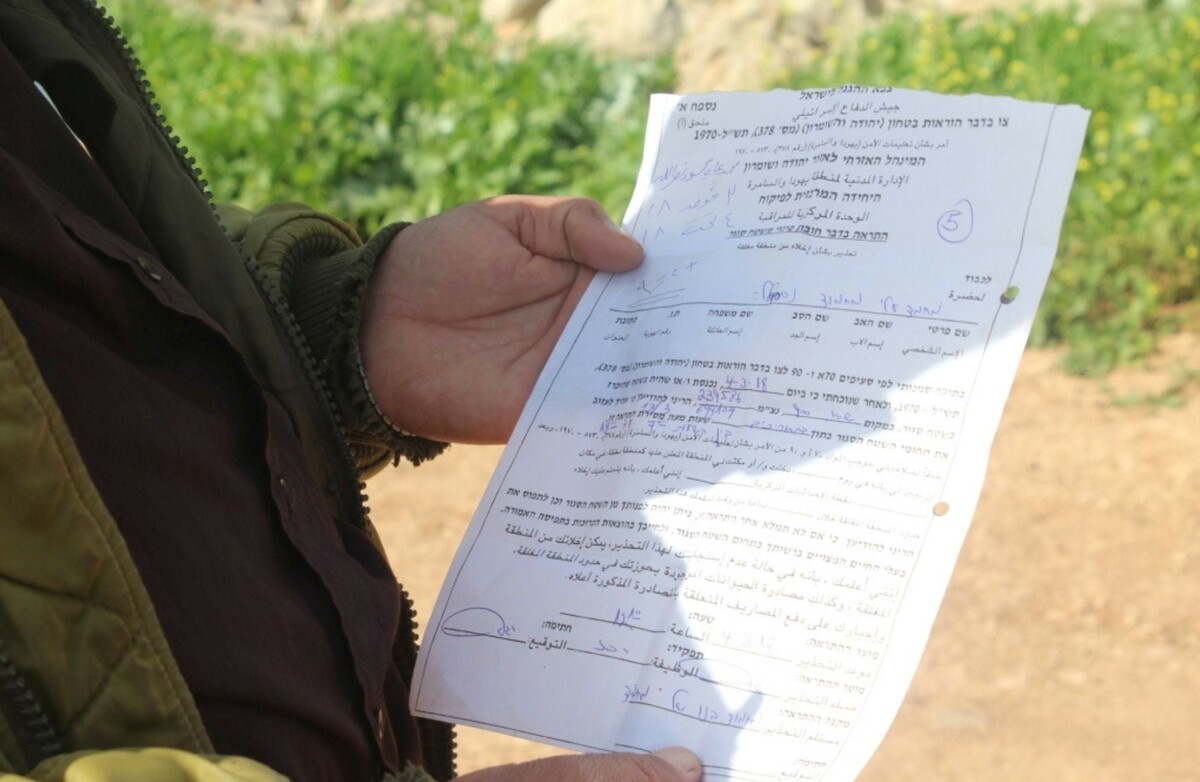
Today, Friday, the Israeli occupation forces arrested a citizen and notified the homes of martyrs in Jenin and Tubas.

In Tubas, during their ongoing raid on the city since midnight, Israeli occupation forces posted a demolition notice on the home of the family of martyr Muhammad Jamal Daraghmeh, who was killed on February 4th after being shot by Israeli forces at the Tayasir military checkpoint, allegedly after he had carried out a shooting attack against the checkpoint.

In Jenin, occupation forces arrested Thamer Saba'neh and his son Watan, a high school student, after raiding his home in the town of Qabatiya.

Since midnight tonight, Israeli occupation forces have continued their raids on the town of Qabatiya, where bulldozers have destroyed several streets and raided and searched citizens' homes.

The occupation authorities threatened to demolish the homes of the families of three dead in the town: martyr Wael Lahlouh, martyr Muhammad Zakarneh, and martyr Muhammad Asaad Nazzal.

PALESTINE

Fri 20 Jun 2025 10:37 am - Jerusalem Time

The occupation forces arrested 30 citizens from the Hebron Governorate.

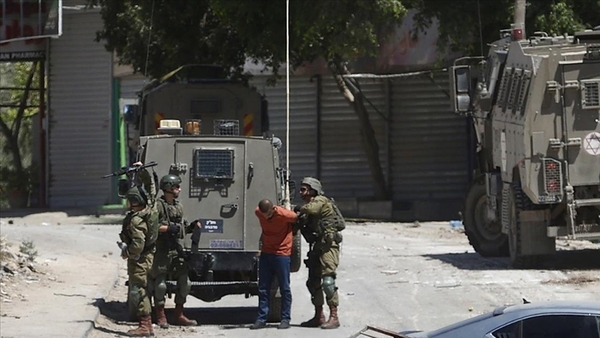
Today, Friday, Israeli occupation forces arrested 30 citizens from the Hebron Governorate, south of the West Bank, after raiding their homes, searching them, and vandalizing their contents.

Local sources reported that the occupation forces arrested 11 citizens from the town of Halhul, north of Hebron: Ibrahim Malik Al-Barbarawi, Majd Amjad Al-Dawra, Nafeth Mahmoud Abu Ayhour, Muhammad Saqr Al-Bo, Hamouda Khader Zamaara, Ahmed Saleh Allan, Shadi Younis Al-Doudah, Muhammad Aql, Tawfiq Al-Atrash, and the brothers Muhammad and Ahmad Osama Melhem.

From the city of Hebron, 6 citizens were arrested: Eid Nael Abdel-Moati Al-Fakhouri, Ali Hassan Al-Rajabi, the brothers Nasr, Fahd, and Muhannad Faisal Badawi, and Ahmed, the son of the aforementioned Fahd Badawi.

From the town of Dura in the south, the children were arrested: Wassim Adnan Tabish (17 years old), Ibrahim Ahmed Abu Ras (16 years old), and Tamer Nader Suleiman Al-Faqih (17 years old), and from the town of Dhahiriya, Muhammad Salman Talab was arrested.

From the town of Idhna to the west, the occupation forces arrested 9 citizens: Ismail Abdullah Bashir, Abdul Salam Ahmed Khalawi, Othman Suleiman Abu Jheisha, Mahmoud Othman Abu Jheisha, Moataz Muhammad Mutlaq Abu Jheisha, Yahya Muhammad Salimiya, Samer Khalil Al-Batran, Yasser Muhammad Noufal and his son Elias Noufal.

The sources indicated that the occupation forces assaulted and abused a number of detainees during raids on their homes and arrests.

Meanwhile, the occupation forces set up several military checkpoints at the entrances to Hebron and its towns, villages, and camps, and closed a number of main and secondary roads with iron gates, cement blocks, and earth mounds.

PALESTINE

Fri 20 Jun 2025 10:28 am - Jerusalem Time

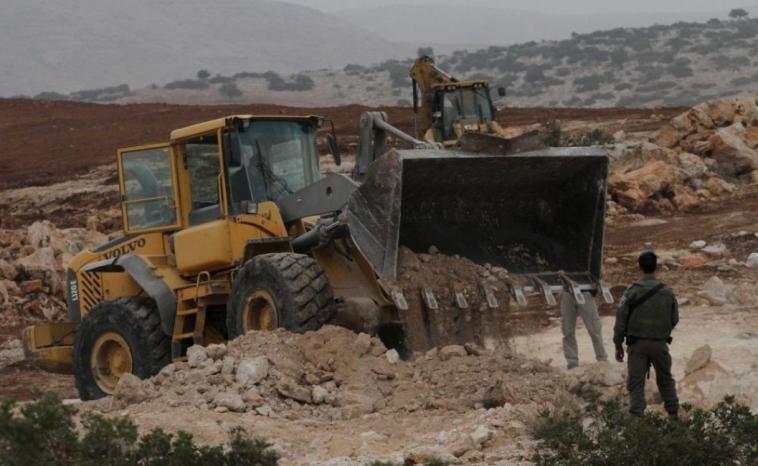
Ramallah: Settlers continue to bulldoze citizens' lands in the town of Sinjil.

On Friday, settlers continued bulldozing and uprooting ancient olive trees in the lands of the town of Sinjil, north of Ramallah, for the third consecutive day.

Local sources reported that the settlers, under the protection of the Israeli occupation forces, carried out bulldozing operations that covered approximately 10 dunams of the town’s lands, with a length of approximately 1,200 meters, and a depth ranging between 10 and 15 meters, in several locations, most notably: the Namoura area, Shaab al-Nimr, and the al-Muzayri’a neighborhood, along the old Ramallah-Nablus road. This included uprooting a large number of trees on citizens’ lands, most of which were ancient olive trees dating back to the Roman era.

She noted that most of the settlers' attacks on the town are carried out under the protection of the occupation forces, noting that they are working to completely destroy the olive trees before uprooting them, so that citizens cannot replant them.

Last Tuesday, settlers began establishing a settlement outpost, constructing wooden rooms in the Jabal al-Tall area, south of the town of Sinjil. This comes in addition to their repeated incursions into the archaeological site, where they have previously set up colonial tents several times.

On August 20, the Israeli occupation announced a "military order" to seize new land to reroute the planned barbed wire fence along the towns of Turmus Ayya and Sinjil, north of Ramallah.

Last February, the occupation authorities notified the seizure of 29 dunams of land in the two towns to erect a fence that prevents residents from accessing the main road, thus denying them access to their lands beyond the fence.

OPINIONS

Fri 20 Jun 2025 9:10 am - Jerusalem Time

Moral crisis!

George Carlos Kanawati

George Carlos Kanawati

Opinion Writer

The occupation war on Iran has proven the moral crisis that some members of our Palestinian people are experiencing, and has brought to the forefront issues that we thought were hidden from us. We used to believe that theories that talk about the inner evil of man do not apply to us, and that our people are inherently good and united, especially in light of the difficult conditions they have lived through over the years and continue to live through. They have proven their unity and cohesion, but...!

I address these words to some - I am still absolutely certain that most of our people are good people, and that they do a lot of good for their society and others - just one rumor is enough to make fuel one of the biggest crises our people are experiencing these days, despite all the government's announcements not to panic or fear fuel shortages. The path to obtaining gasoline and diesel has become paved with beatings, screaming, insults, and even the use of weapons and assaults on security personnel. So what if there was a real fuel crisis? Will the shedding of blood among us become a normal thing?!

Queues at gas stations have become a common sight at any time, day or night. Gallons dominate the scene inside gas stations, not to mention the shouting, assaults, and fighting over queues or even for trivial reasons. Finding a single liter of gasoline or diesel requires a trip between stations and a long wait. If you're unlucky, the gas station may run out just as you're about to fill up your vehicle.

Many vehicle tanks are full or half full, but owners insist on refilling their tanks to full, and storing some fuel at home as a precaution, only exacerbates the crisis rather than resolving it.

As for the black market, it's a real eye-opener. Fuel is now sold by the liter, by the two liters, or by the bottle, at unbelievable prices. Let's get to know a new category in our society: the "crisis merchants," who exploit citizens' suffering to make astronomical profits, at a time when people are supposed to support each other, not exploit each other!

When it comes to improper fuel storage, it's like a ticking time bomb, hidden in people's homes. This could lead to disasters, God forbid, at any moment. Therefore, relevant authorities are emphasizing the prohibition of filling fuel into plastic containers and prohibiting the storing of fuel in homes in conditions that would make them ready to explode at any moment.

Finally, fuel supplies are being supplied regularly, as repeatedly emphasized by the Energy Authority and relevant authorities. However, people's fear of the future and the unknown is dominating their minds at this time. However, our current state of affairs at gas stations cannot justify this fear. Each of us is asked to exercise responsibility and caution, especially when spreading rumors.

Dear citizen: Always look for the source of information, and do not publish it unless you are sure of it, then deal with the event responsibly, not selfishly.

Be a source of reassurance, not a source of panic.

ARAB AND WORLD

Fri 20 Jun 2025 9:02 am - Jerusalem Time

Mutual attacks continue: More than 220 dead in Iran and 25 dead in Israel.

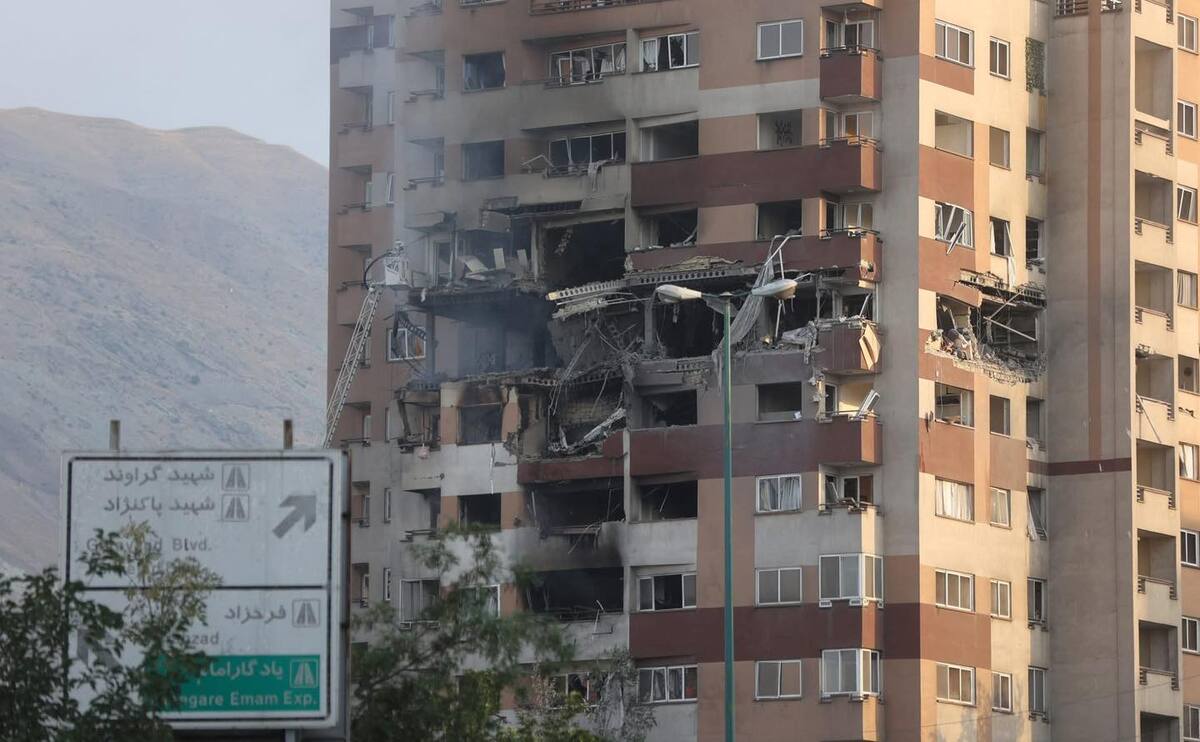
The death toll in Israel has risen to 25 since the start of Iranian missile attacks, after the body of a woman was recovered from the rubble following an Iranian missile strike in Bat Yam, south of Tel Aviv, four days ago. The Israeli war on Iran since Friday has resulted in 224 deaths and 1,800 injuries, according to the latest toll announced by the Iranian Ministry of Health on Thursday evening.

On Thursday, the Iranian Revolutionary Guard announced that it had carried out attacks with more than 100 combat and suicide drones on Israeli targets and anti-missile systems, and launched Wave 15 against military targets in Haifa and Tel Aviv with missiles and drones. It indicated that it was working to increase effective missile operations against Israeli targets and military industries.

The Israeli military said its air force launched strikes on "several missile launch and storage sites" in western Iran after observing "attempts to rehabilitate them," following previous attacks. The military added that its aircraft "attacked and destroyed engineering equipment and killed dozens of Iranian soldiers present in the area."

On Thursday morning, Iran launched between 20 and 30 missiles toward areas in central and southern Israel, causing extensive material damage and injuring dozens of people, including six seriously.

Soroka Hospital in Beersheba was directly hit, destroying its buildings, while the Ramat Gan Stock Exchange building sustained damage. At least 21 people were injured, including three in critical condition.

In Holon, 16 other people were injured, including three in critical condition.

In the first official comment on the attack, Israeli Prime Minister Benjamin Netanyahu vowed to hold the leadership in Tehran accountable.

For his part, Israeli Defense Minister Yisrael Katz stated that he and the Prime Minister had instructed the Israeli military to "intensify strikes against strategic targets in Iran and against the government institutions in Tehran, in order to eliminate threats and destabilize the regime."

This comes amid cautious regional and international anticipation, amid reports of the United States' imminent formal entry into the Israeli war on Iran. When asked if he had decided to launch strikes against Iran, Trump indicated that he was not seeking a fight, but added, "If the choice is to fight or they get a nuclear bomb, I'll have to do what's necessary. And maybe we don't have to fight."

OPINIONS

Fri 20 Jun 2025 9:00 am - Jerusalem Time

Final warning!

Ibrahim Melhem

Ibrahim Melhem

Opinion Writer

The real estate mogul's biography contains plenty of skepticism about his words and actions. The man, who is so fickle in his policies and decisions, is hardly credible after his involvement in the preemptive Israeli strike on Iran, which occurred early Friday morning, June 13.

Overnight, Trump changed his position, as if he were changing his tie. His spokesperson's claim yesterday that he had postponed his decision to participate in the war for two weeks contradicts his threat days earlier to destroy Tehran if it did not submit and surrender unconditionally.

No one denies America's overwhelming power, capable of causing mass destruction. Its weapons were tested in Hiroshima and Nagasaki, in response to the Japanese kamikaze attack on the American fleet at Pearl Harbor on the morning of December 7, 1941, and the sinking of a destroyer carrying four thousand Marines. This prompted US President Harry Truman to take the decision to retaliate, the effects of which are still evident today.

If Tehran makes any concessions at the negotiating table today, it will be asked to do more, beyond enrichment to undermining the missile capabilities that caused an earthquake in Israel on their seventh day yesterday.

Tehran's concession would mean suicide, and faced with this dilemma, its options are narrowing to the point of suffocation. Today's meeting in Geneva is nothing more than a final warning, laden with warnings of dire consequences, and a means of clearing Europe's conscience before delivering the final blow to the nuclear project, which Trump has repeatedly declared he will not allow Tehran to possess.

ARAB AND WORLD

Fri 20 Jun 2025 8:54 am - Jerusalem Time

A hypothetical scenario for a possible strike on Iran

The Israeli Knesset Channel aired a short film depicting a potential US-Israeli strike on Iranian nuclear reactors.

The one-minute film shows US President Donald Trump and Israeli Prime Minister Benjamin Netanyahu sitting in the cockpits of giant bombers loaded with devastating bombs. At the end of the film, Netanyahu is seen petting a lion draped in the Israeli flag, a reference to "Rising Lion," Israel's nickname for its war on Iran.

Netanyahu said Thursday that Israel is "changing the face of the world" through its war against Iran, on the seventh day of an exchange of strikes between the two sides.

During an interview with Israel's public broadcaster, Kan Radio, Netanyahu said, "I said we are changing the face of the Middle East, and now I say we are changing the face of the world," adding that Israel has destroyed "more than half" of Iran's missile launchers.

Netanyahu indicated that regime change or downfall in Iran is not a goal, but it could be an outcome.

He said, "The issue of changing or overthrowing this regime is first and foremost a matter that concerns the Iranian people. There is no alternative. That's why I didn't present it as a goal. It may be an outcome, but it is not a declared or official goal of ours."

Earlier yesterday, the Israeli Prime Minister vowed to eliminate the Iranian nuclear and missile threat, following an attack launched by Tehran on Israel, according to Agence France-Presse.

"Our goal is twofold: to eliminate the nuclear threat and the ballistic missile threat. We are in the final stages of eliminating this threat," Netanyahu told reporters outside Soroka Hospital in Beersheba, where the wounded were hospitalized in the Iranian attack. "We are fully committed to eliminating the nuclear threat."


PALESTINE

Fri 20 Jun 2025 8:23 am - Jerusalem Time

34 dead in two new massacres committed by the occupation in the central Gaza Strip

Thirty-four citizens were killed and others injured, Friday morning and at dawn, in two new massacres committed by the Israeli occupation in the Gaza Strip.

Al-Awda Hospital in the Nuseirat refugee camp reported the arrival of the bodies of 23 martyrs, in addition to dozens of wounded, as a result of the occupation's targeting of aid workers waiting near the "Martyrs' Junction" north of the camp, in the central Gaza Strip.

Medical sources from the Palestinian Red Crescent Society reported that 11 citizens were killed and others injured when the occupation forces bombed a house in the Al-Ma'askar area, west of Deir al-Balah city in the central Gaza Strip. The victims were transferred to Al-Aqsa Martyrs Hospital in the city.

Since October 7, 2023, the Israeli occupation has been committing crimes of genocide in Gaza, including murder, starvation, destruction, and forced displacement, ignoring all international calls and orders from the International Court of Justice to halt the operation.

The genocide left approximately 186,000 dead and wounded, most of them children and women, and more than 11,000 missing. Hundreds of thousands were displaced, and a famine claimed the lives of many, including children.

ARAB AND WORLD

Thu 19 Jun 2025 10:47 pm - Jerusalem Time

Hezbollah: We stand with Iran and will act as we see fit against Israeli aggression.

Hezbollah Secretary-General Naim Qassem said Thursday that the party "is not neutral and stands with Iran, its leadership and people," and that it "will act as it sees fit in the face of the brutal Israeli-American aggression."

This came in a statement issued by Qassem via the Telegram platform, following a large-scale Israeli attack on Iran, with US support, that began at dawn on June 13. The attack targeted nuclear facilities, missile bases, military leaders, and nuclear scientists.

Iran responded to the aggression by launching ballistic missiles and drones toward Israeli territory, in the largest direct confrontation between the two sides to date.

Qassem added: "We in Hezbollah and the Islamic Resistance are not neutral between Iran's legitimate rights and independence and America's falsehood and aggression, along with the cancerous tumor of Israel and the arrogant powers."

He continued: "We stand with Iran in confronting this global injustice, because we support our independence, the liberation of our land, and the freedom of our decisions and choices."

He added, "We are not neutral, and therefore we express our position alongside Iran, its leadership, and its people, and we will act as we see fit in the face of this brutal Israeli-American aggression."

PALESTINE

Thu 19 Jun 2025 10:39 pm - Jerusalem Time

9 European countries demand a review of trade with Israeli settlements.

Nine European countries have called on the European Commission to examine the compatibility of trade linked to Israeli settlement activities in the occupied Palestinian territory with international law.

According to a post by Belgian Foreign Minister Maxime Prévost on the X platform, the nine countries are Belgium, Finland, Ireland, Luxembourg, Poland, Portugal, Slovenia, Spain, and Sweden.

Brivo explained that this request is consistent with the advisory opinion issued by the International Court of Justice, which stipulates the need to avoid engaging in trade that contributes to the perpetuation of the illegal situation in the occupied Palestinian territory.

Brivot stressed that protecting international law is a shared responsibility of all countries.

He stressed that legal clarity must guide political decisions in a rules-based international order.

In a subsequent post on the X platform, Prevot explained that the European Commission's request to the nine countries is to examine how to align their policies with international law, particularly with regard to trade in goods and services linked to illegal settlements in the occupied Palestinian territory.

On July 19, 2024, the International Court of Justice issued its advisory opinion on the legal consequences of Israeli actions in the occupied Palestinian territory, which affirmed that Israel must cease the occupation and end its illegal presence in the occupied Palestinian territory as soon as possible, immediately cease any new settlement activity, and remove all settlers from the occupied Palestinian territory.

The Court emphasized that all UN Member States are under an obligation not to recognize the legitimacy of the situation arising from Israel's illegal presence in the occupied Palestinian territory, and not to provide aid or assistance in maintaining the situation resulting from Israel's continued presence in the occupied Palestinian territory.

PALESTINE

Thu 19 Jun 2025 10:09 pm - Jerusalem Time

Two citizens injured by Israeli occupation forces' bullets south of Nablus

Two citizens were injured by Israeli occupation forces' bullets, Thursday evening, during a raid on the town of Aqraba, south of Nablus.

According to local sources, two citizens were injured by Israeli occupation forces' bullets after they opened fire on the vehicle they were in. Their injuries were described as minor.

The sources added that clashes erupted in the town following the raid, during which occupation soldiers fired live bullets and tear gas canisters at residents, causing a number of them to suffocate from inhaling the toxic gas.

ARAB AND WORLD

Thu 19 Jun 2025 9:23 pm - Jerusalem Time

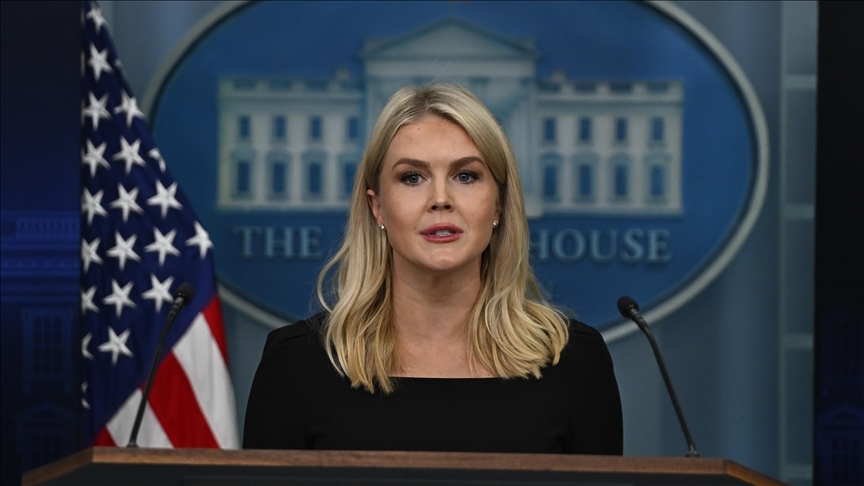
White House: Trump will decide on a strike on Iran within two weeks

White House spokeswoman Caroline Leavitt announced Thursday that US President Donald Trump "is still giving diplomacy a chance" regarding Iran and will decide within two weeks whether to take military action against it. The decision was postponed due to the growing likelihood of negotiations with Tehran.

She added at a press conference that Trump "still gives diplomacy a chance" and wants to "see how things play out regarding the nuclear negotiations with Iran."

Levitt quoted the US president as saying, "Given the increasing likelihood of direct negotiations with Iran, I will make my decision on whether to launch an attack within the next two weeks."

She added, "Despite our warnings, Iran did not respond and did not come to the negotiating table within 60 days. On the 61st day, Israel took action against Iran, and immediately afterward, the president announced that he would make a decision within two weeks."

The spokeswoman emphasized that Trump still prefers a diplomatic path if available, adding, "The president has always been interested in diplomatic solutions to global crises, is the chief envoy for peace, and does not hesitate to use force when necessary."

Since dawn on June 13, Israel, with US support, has launched a massive attack on Iran, targeting nuclear facilities, missile bases, military leaders, and nuclear scientists. Tehran responded by launching ballistic missiles and drones into Israeli territory, in the largest direct confrontation between the two sides to date.

According to the latest official death toll announced by the Iranian Ministry of Health on Monday, the Israeli strikes killed 224 people and injured 1,277 others, most of them civilians.

In the absence of any new official updates, the Washington-based Human Rights Activists reported that the death toll in Iran had risen to approximately 639, with more than 1,329 injured, as of Thursday morning, according to a tally based on field documentation.

In contrast, the latest Israeli estimates, citing Hebrew media outlets, including Channel 12, indicate that 25 people were killed and more than 800 others were injured as a result of the Iranian strikes, which included intense waves of missiles and drones.

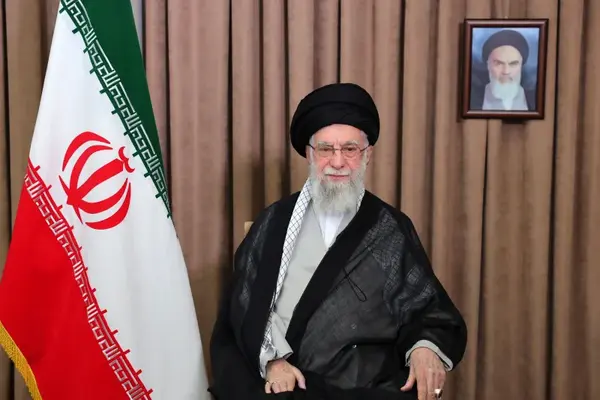
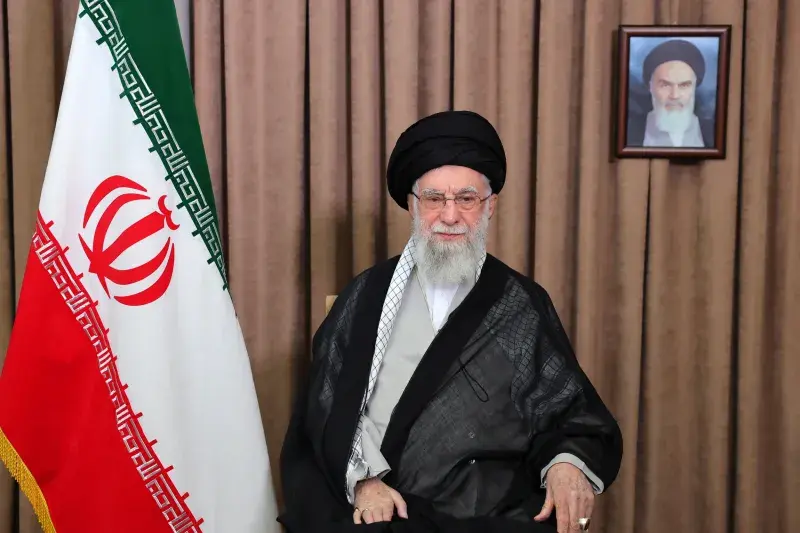
The risk of an escalation of the conflict looms, with Western and Israeli reports suggesting the United States could join Israel in its aggression against Iran. This coincides with statements by US President Donald Trump calling on Tehran to surrender unconditionally and threatening to target Supreme Leader Ali Khamenei.