PALESTINE

Thu 17 Jul 2025 3:59 pm - Jerusalem Time

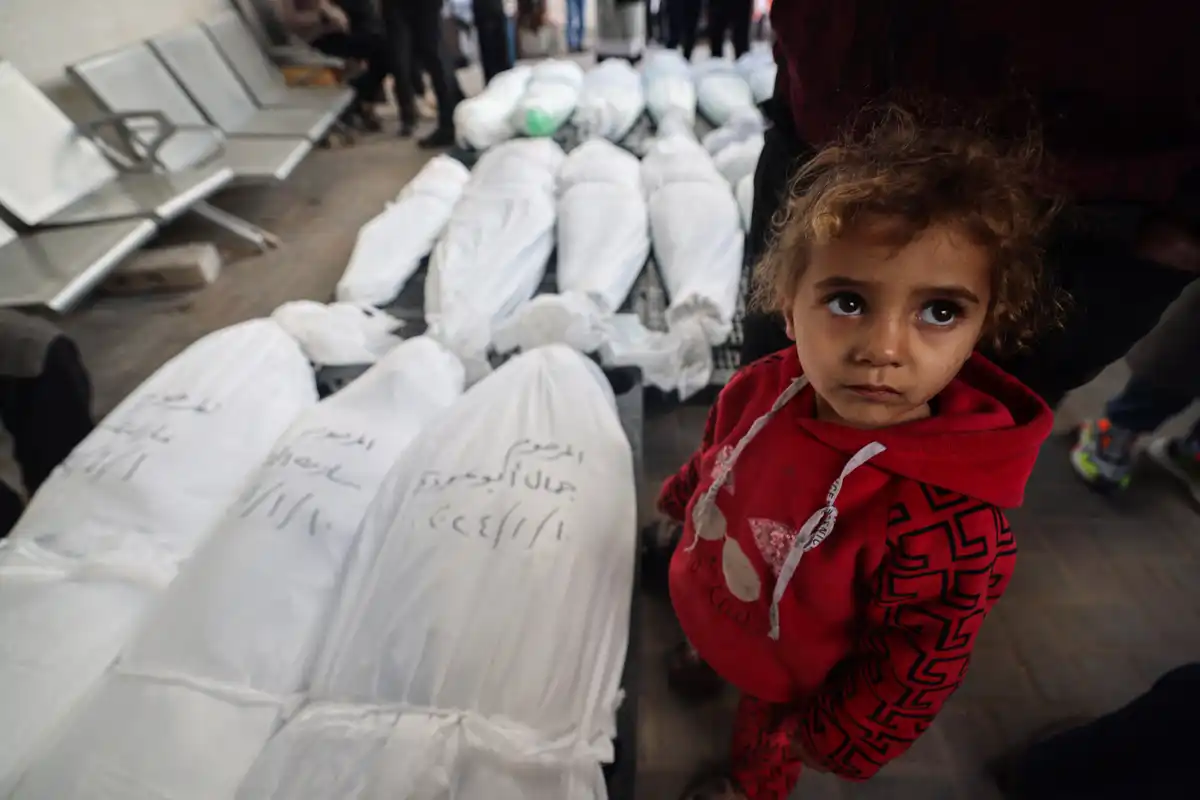
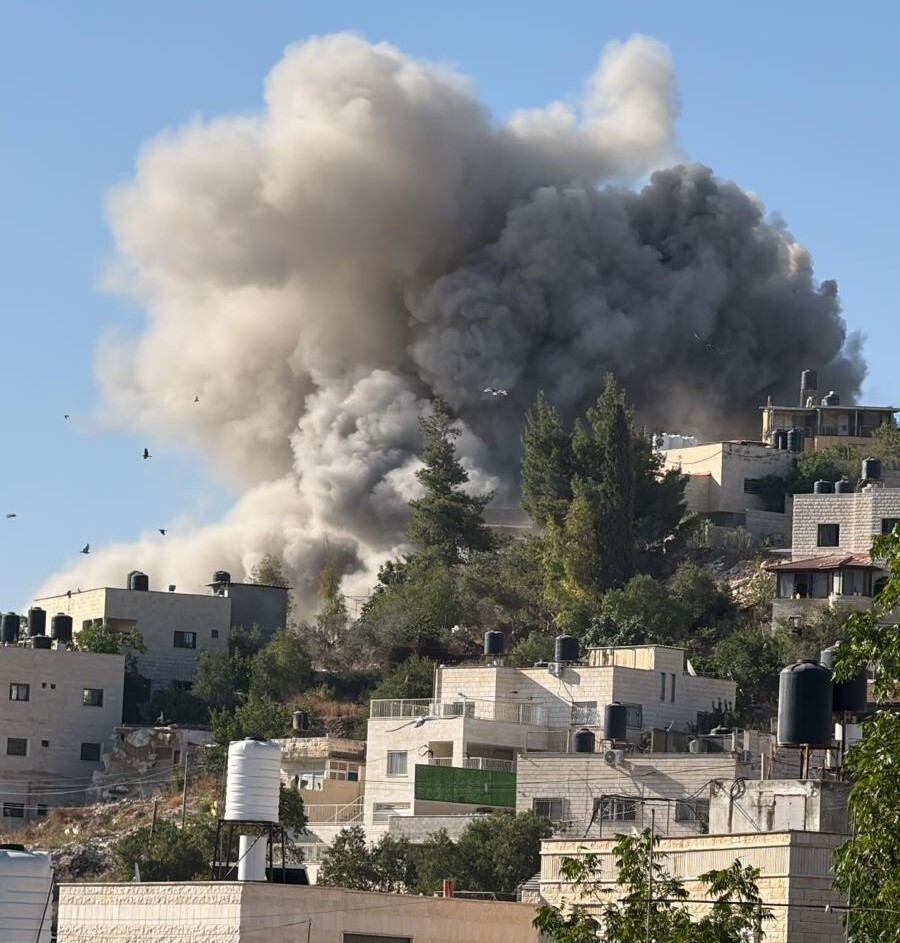
5 dead as the occupation continues its bombing of the Gaza Strip

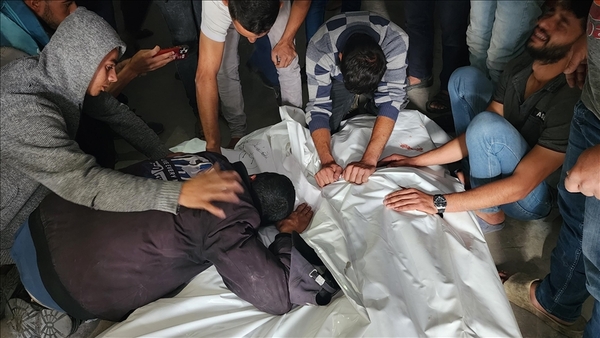
Five civilians were killed and others were injured as a result of the ongoing genocidal war perpetrated by the Israeli occupation army against the Gaza Strip.

According to local sources, three civilians were killed and others wounded in an Israeli bombardment targeting Jabalia al-Balad in the northern Gaza Strip.

Two civilians were killed and dozens wounded by Israeli army fire, which targeted aid workers northwest of Gaza City.

A citizen was also shot in the foot while he was in the Tabbaa Tower in central Gaza City, while the occupation's artillery shelled central Khan Yunis in the southern Gaza Strip.

PALESTINE

Thu 17 Jul 2025 2:58 pm - Jerusalem Time

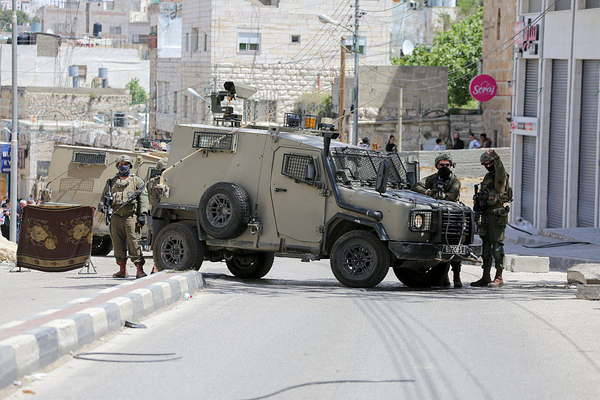
Settlers attack citizens' property south of Hebron

Today, Thursday, settlers attacked citizens and their property in the Wadi Al-Simsam area, south of Adh Dhahiriya, south of Hebron.

Local sources reported that armed settlers attacked residents and their property in the Wadi al-Simsam area, threatened to displace them from their lands, and emptied drinking water tanks and livestock tanks.

ARAB AND WORLD

Thu 17 Jul 2025 2:27 pm - Jerusalem Time

Belgium orders halt to military exports to Israel

A Brussels court on Thursday ordered the Flemish regional government to halt all transfers of military equipment to Israel, the Belgian news agency reported.

The area is home to the port of Antwerp-Bruges, one of Europe's largest ports.

Last month, the government of the Wallonia region in Belgium decided to ban the transfer of weapons to Israel through its airports, in response to a request from non-governmental organizations.

Anaïs Mangon, spokeswoman for the prime minister of French-speaking Wallonia, Elio Di Rupo, said the government's relevant department investigated the issue of arms shipments to Israel after NGOs raised it on the agenda last week.

She added, "In light of the situation in Gaza and the decisions of the International Court of Justice, the Prime Minister has decided to take the necessary measures and prohibit all arms transfers to Israel, directly or indirectly."

She added: "This means that it is prohibited to transport military equipment included in the EU's joint military equipment list to Israel via Liège or Charleroi airports."

Amnesty International, the National Coordination of Action for Peace and Democracy, the Human Rights League, and the organization Fridesasti announced in a joint statement on May 23 that at least 70 tons of military equipment had been sent from the United States to Israel from Liège Airport.

Wallonia is one of the three regions that make up Belgium, along with the Flemish Region and the Brussels-Capital Region.

PALESTINE

Thu 17 Jul 2025 2:19 pm - Jerusalem Time

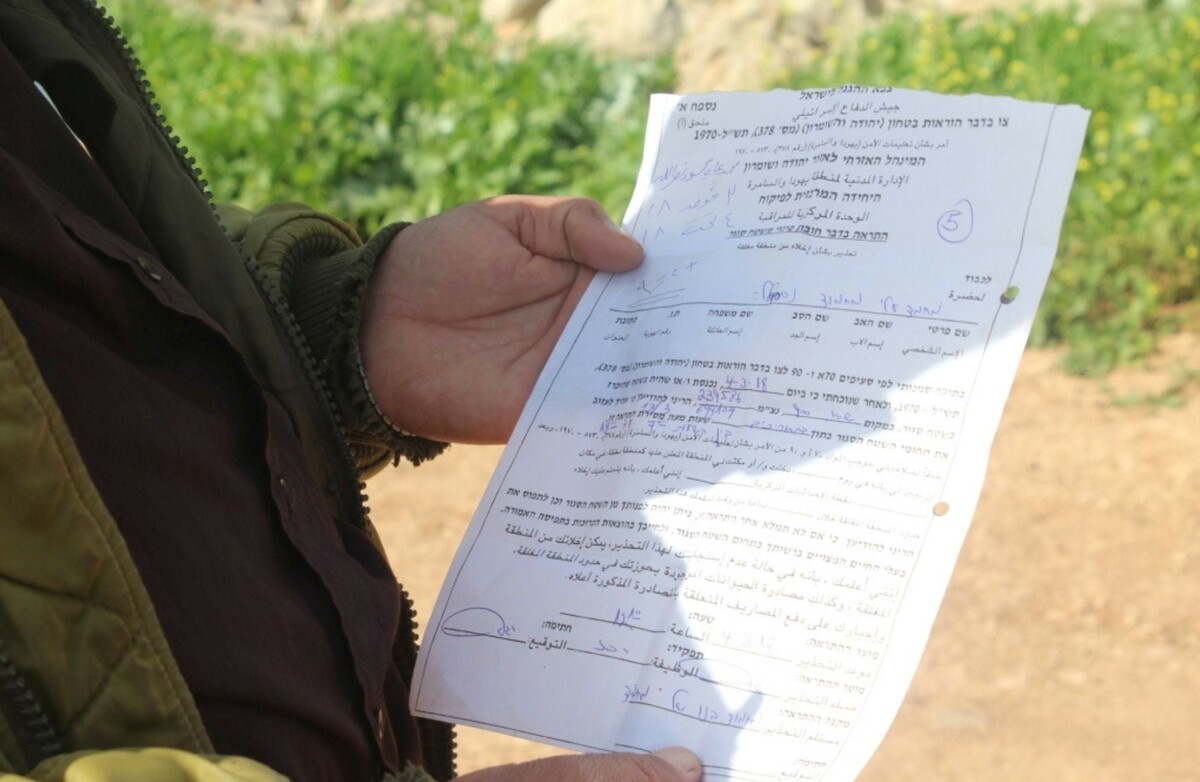
The occupation threatens to demolish the home of a prisoner from Kafr Aboush, south of Tulkarm.

Today, Thursday, the Israeli occupation authorities notified the demolition of the home of prisoner Abdullah Dhafer Khader Bishnak in the village of Kafr Abbush, south of Tulkarm.

Local sources reported that the occupation forces delivered a notice to the Bushnaq family ordering the seizure and demolition of the apartment belonging to prisoner Abdullah. The notice, accompanied by an aerial photograph of the building housing the apartment, gave the family a 72-hour deadline to "object."

The occupation forces arrested Bishnak from his home in the village in June of last year.

This move comes amid the ongoing escalation by the occupation authorities in Tulkarm Governorate, including raids, arrests, and ongoing incursions targeting citizens and their property on a daily basis.

ARAB AND WORLD

Thu 17 Jul 2025 1:36 pm - Jerusalem Time

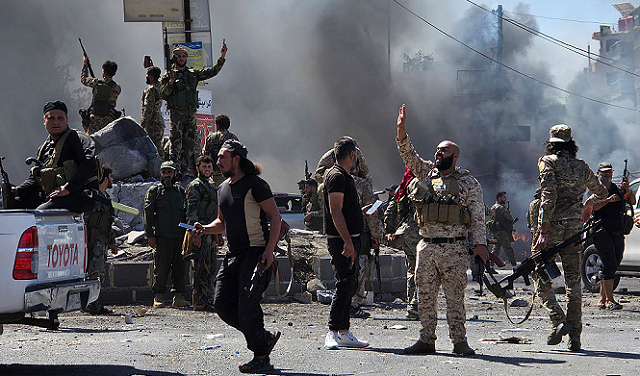
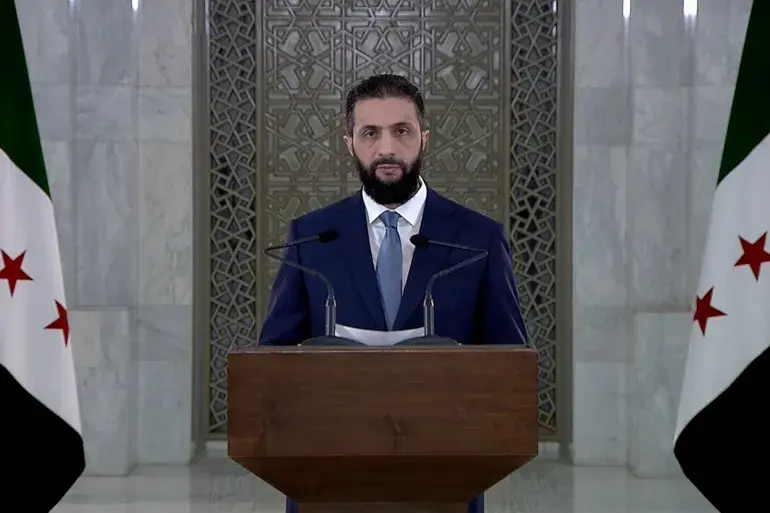
Syrian authorities completely withdraw their forces from Sweida.

Syrian authorities have completely withdrawn their forces from the southern province of Sweida, witnesses told Agence France-Presse. This coincided with Syrian President Ahmad al-Sharaa's announcement that Druze factions would be responsible for security and his condemnation of Israeli intervention.


The agency's correspondent said that government forces completed their withdrawal at dawn.

In a speech delivered early this morning, Syrian President Ahmad al-Sharaa accused Israel of "creating strife within Syria," adding that its actions "have escalated the situation (in the Sweida Governorate)."

"We are now faced with two choices: either confront Israel or reform our internal front," Sharaa said, adding, "We will confront attempts to create chaos with unity... Syria will not be a place for chaos... and we will not allow Syria to be dragged into a new war." The Syrian president stressed his rejection of "any attempt to divide Syria," asserting that "the Druze are part of the fabric of the nation, and their protection is a priority." He also noted that "local factions and elders have been tasked with maintaining security in Sweida."

Clashes erupted on Sunday in the Sweida province between Druze militants and other Bedouins, leaving a number of people dead. As the clashes intensified, government forces announced their intervention in the province on Monday to break up the clashes. Israel entered the confrontation line, launching a series of raids near Damascus and in southern Syria, claiming it was working to "protect the Druze." Yesterday evening, Syrian authorities announced an agreement had been reached with Druze factions in Sweida for a ceasefire.

PALESTINE

Thu 17 Jul 2025 1:14 pm - Jerusalem Time

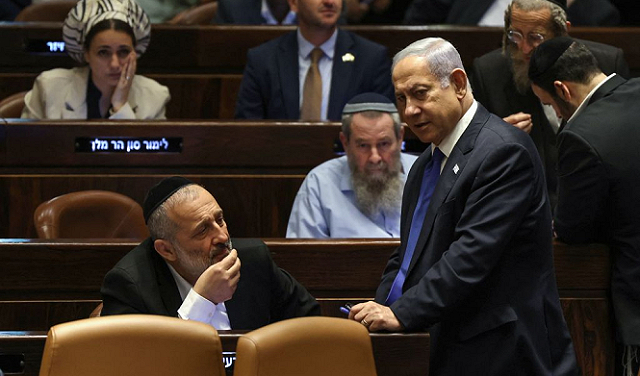
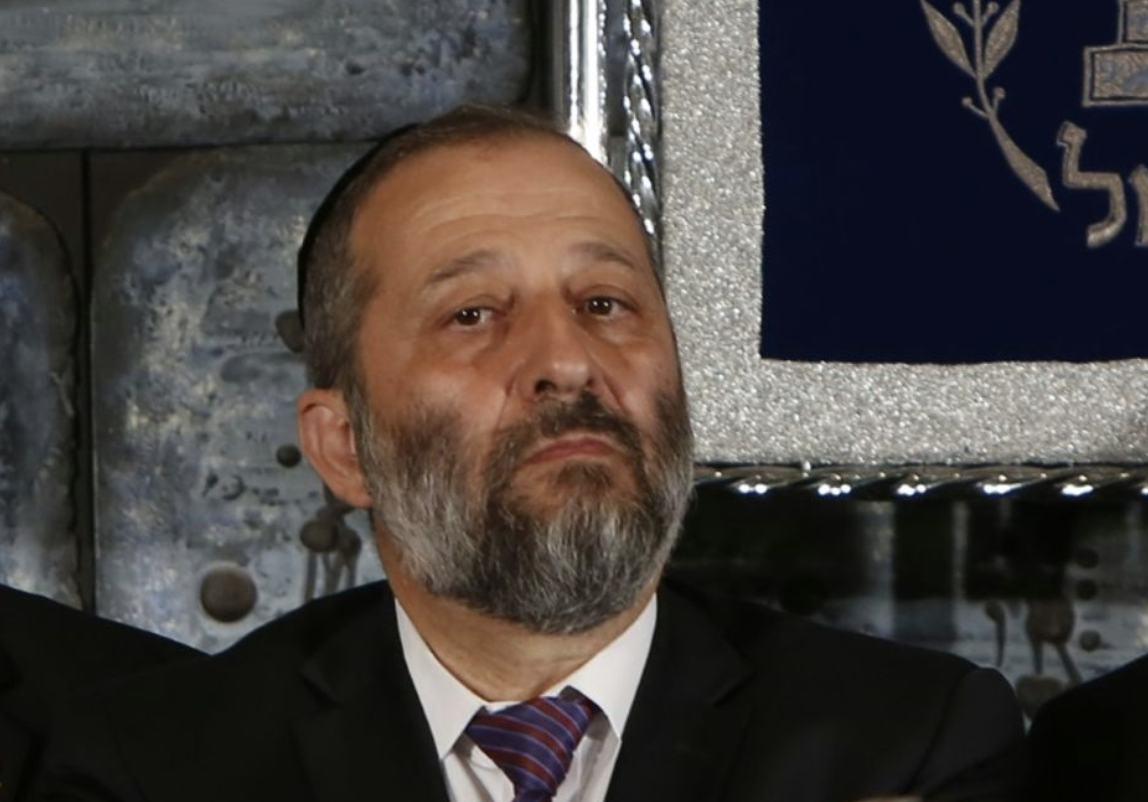
Despite withdrawal from the government, Shas' decision preserves Netanyahu's coalition.

Shas' announcement of its withdrawal from the government on Wednesday evening intensified the political turmoil that began with the exit of United Torah Judaism. However, Shas' withdrawal remained formal, as its ministers resigned from the government but did not relinquish their coalition membership.

According to estimates, Shas' decision to remain within the coalition may grant the latter a degree of immunity and relative stability, not only in the Knesset plenum voting sessions, but also in the work of parliamentary committees.

Religious Affairs Minister Michael Malkieli and Welfare Minister Yaakov Margi of the Shas party announced their resignation from the government on Thursday, in compliance with the instructions of the Council of Torah Sages issued yesterday. Minister Haim Biton also resigned from his ministerial portfolio in the Ministry of Education.

Knesset Paralysis Without Collapse: The Impact of the Haredi Boycott on Parliamentary Work

In recent months, as the crisis over the law exempting ultra-Orthodox citizens from military service escalated, members of the ultra-Orthodox parties broke their commitment to vote for the coalition, a clear breach of coalition discipline.

As a result, the government removed a number of bills from the Knesset agenda, including proposals for preliminary reading. Later, the boycott expanded to include bills in advanced legislative stages, creating a state of parliamentary paralysis.

Despite boycotting the vote on the coalition's bills, the ultra-Orthodox parties abstained from supporting the opposition's no-confidence motions. Shas also made clear in its withdrawal statement that it does not intend to "join the left."

Therefore, it is not expected to support dissolving the Knesset before its recess begins next week. These data indicate that the status quo will continue, without further escalation at this time.


Knesset Committees: Shas' Positioning Limits the Impact of the Withdrawal

The most significant impact of Shas's decision to remain in the coalition is expected to be felt in the work of Knesset committees. Unlike United Torah Judaism, which announced its complete withdrawal from its coalition positions, Shas members will continue their work as usual within the committees.

For example, MK Yousef Tayeb will continue to chair the Education, Culture and Sports Committee, while MK Yonatan Meserki will continue to chair the Health Committee.

Shas also participates in the Knesset House Committee, the body responsible for the Knesset's internal regulations, the immunity of members, the composition of permanent and temporary committees, and the appointment of their chairpersons. Therefore, Shas's continued membership in the committee will influence its composition and decisions.

For example, Shas could have blocked the appointment of coalition chairman Ofir Katz to succeed MK Moshe Gafni as chairman of the Finance Committee, but it refrained from doing so.

It should be noted that the Knesset Committee has 16 members (including Katz, and after the withdrawal of MK Yisrael Eichler of United Torah Judaism), and had Shas withdrawn, the balance of power within it would have become equal between the opposition and the coalition.


The fate of Shas's five ministerial portfolios after its withdrawal from the government

Shas currently holds five ministerial portfolios: Interior, Health, Social Affairs, Labor, and Religious Affairs. Its withdrawal from the government could lead to a reshuffle of some of these portfolios, although there is a possibility they will remain in the hands of other ministers from within the coalition.

In addition, the reshuffle of portfolios, including those belonging to United Torah Judaism, may appease other coalition members. The possibility of appointing Knesset Foreign Affairs and Defense Committee Chairman Yuli Edelstein to a ministerial position as an alternative to the committee's chairmanship has also been raised, but his acceptance remains uncertain.

Conversely, refraining from appointing new deputies as ministers may reduce government expenditures by reducing the number of ministers, deputy ministers, general managers, and accompanying staff.

PALESTINE

Thu 17 Jul 2025 1:04 pm - Jerusalem Time

26 dead in the Gaza Strip since dawn today, and ceasefire negotiations are witnessing "remarkable progress."

Local sources reported that 26 citizens were killed in the Gaza Strip since dawn on Thursday.

On the political front, the Qatari capital, Doha, is witnessing intense diplomatic activity aimed at reaching a ceasefire agreement in the besieged Gaza Strip, in addition to a prisoner exchange agreement between Israel and Hamas.

At the same time, Hamas affirmed its rejection of separating any geographical area from the Gaza Strip or accepting the occupation's presence in any part of it.

For its part, Israel's Channel 12 reported significant progress in the ceasefire negotiations, indicating that the chances of reaching a prisoner exchange and ceasefire deal are now greater than the likelihood of failure.

US Middle East envoy Steve Witkoff said that ongoing negotiations are moving positively toward a ceasefire agreement in the Gaza Strip.

PALESTINE

Thu 17 Jul 2025 12:42 pm - Jerusalem Time

The occupation releases 10 prisoners from the Gaza Strip.

The Israeli occupation authorities released 10 prisoners from the Gaza Strip this Thursday afternoon.

The nine prisoners were transferred in Red Cross vehicles to Al-Aqsa Martyrs Hospital in Deir al-Balah, central Gaza Strip.

The Israeli army arrested dozens of citizens during its ground operation in the Gaza Strip.

There are still a large number of detainees in Gaza whose fate is unknown to the Israeli occupation authorities.

The names of the released prisoners were identified as:

1. Naeem Mohammed Al-Barai (66 years old)

2. Muhammad Awda Shamali (46 years old)

3. Imad Awda Al-Masry (53 years old)

4. Muhammad Hatem Qasim (34 years old)

5. Hani Ibrahim Abu Seif (57 years old)

6. Fayez Hassan Ayoub (56 years old)

7. Jamal Khalil Al-Zuwairi (69 years old)

8. Abdul Hadi Burjas Daghmash (38 years old)

9. Samir Abdel Rahman Hammad (64 years old)

10. Muhammad Abdullah Al-Qarra (62 years old)

PALESTINE

Thu 17 Jul 2025 12:36 pm - Jerusalem Time

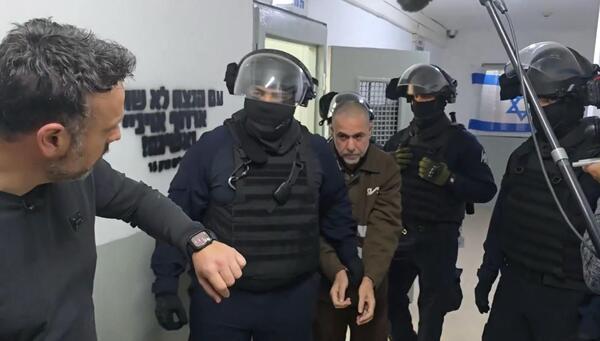
A prisoner from Jenin died in the occupation's prisons.

The General Authority of Civil Affairs announced, death of prisoner Samir Muhammad Yusuf Al-Rifai (53 years old) in the occupation prisons.

The General Authority informed both the Prisoners' Authority and the Prisoners' Club of Al-Rifai's martyrdom, noting that he was from the town of Rummana in the Jenin Governorate.

The Commission and the Prisoners' Club explained that the detainee Al-Rifai is married and has five children. The occupation forces arrested him from his home on July 10th, and he was supposed to have his first hearing today in the Salem Military Court. It should be noted that the detainee, according to medical reports provided to us by his family, was suffering from heart problems before his arrest and required intensive medical follow-up.

The Commission and the Club added that with the martyrdom of detainee Al-Rifai, the number of martyrs among prisoners and detainees since the beginning of the genocide has risen to 74, only those whose identities are known, in light of the ongoing crime of enforced disappearance, making this period the bloodiest in the history of the prisoners' movement. Thus, the number of martyrs from the prisoners' movement whose identities are known since 1967 has reached 311 to date.

OPINIONS

Thu 17 Jul 2025 12:20 pm - Jerusalem Time

Starvation as a Weapon of Genocide: Dismantling the Israeli Structure of Domination over Gaza

Mustafa Ibrahim

Mustafa Ibrahim

Opinion Writer

In the context of the ongoing genocide in the Gaza Strip, the policy of blockade and famine cannot be viewed as a byproduct of the war, but rather as an essential tool of it. Starvation is not merely a byproduct; it is a systematic weapon used to dismantle, subjugate, and break Palestinian society psychologically and physically.


Israel did not limit itself to conventional military attacks; it imposed a sophisticated system of control over Palestinian lives, such that humanitarian aid itself became part of a system of collective punishment. This system was not arbitrary; rather, it resulted from a clear design to impose a supply model controlled by the Israeli military in cooperation with the Gaza Humanitarian Association, while simultaneously destroying the independent civilian infrastructure that managed the relief operation inside the Strip.


The result: a complete paralysis of food, water, and medicine distribution networks, and the forced concentration of populations in areas such as Rafah, in an attempt to push them toward collapse or mass displacement.


A ceasefire does not put an end to these policies. Even in the absence of bombing, Israel continues to control ports, crossings, and vital supplies, rendering any ceasefire superficial and insufficient. The real war is not just in planes and tanks, but in policies of deliberate impoverishment, slow death, and the dismantling of the collective capacity for survival. Extermination does not require bombs; it is sufficient to control the daily lives of individuals: food, water, healthcare, and shelter.


The painful irony is that all this is taking place amidst a scandalous international silence and a moral detachment among many of those following the war from outside Gaza. In air-conditioned cafes, hotels, or elegant offices, some are making deals and issuing statements, as if what is happening in Gaza is a distant scene that does not concern them.


Some, even within the Arab world, are viewing the war as a real estate price survey or an opportunity for reconstruction, rather than a comprehensive humanitarian and moral catastrophe. The Western media, and even within Israel itself, have finally begun to criticize what they call the "mistakes of the extreme right-wing government," but just weeks ago they were offering "strategic advice" on how to resolve the war.


The discourse of war has become an internal administrative issue, one that does not address the essence of the colonial project based on genocide and control. The issue, at its core, is not a war against an armed organization or a response to a military threat, but rather an expression of an old Israeli Zionist doctrine: cleansing the land of the "Palestinian problem."


This project does not distinguish between a political faction and a civilian population. All of Gaza—as an entity, a society, and a space—is treated as an enemy. Every Palestinian becomes a potential target, and every civilian structure is classified as a threat. The concept of security is intertwined with national identity, such that war becomes a continuation of identity politics, not security politics. For this reason, killing Palestinians is not a crime, but a necessity. For this reason, any attempt to separate Hamas from Gaza is seen as a threat to the strategy of annihilation itself.


Thus, death is transformed into a sacred collective performance, removed from its political context. In contrast, the deaths of Palestinians are treated as technical information, or as collateral damage not worth mentioning. It is an equality of objectification: a glorified death here, a silent death there.


The truth that is no longer hidden is that this is genocide. It has been so from the beginning, but today it is clearer, more brutal, and more documented. It was never just about security, revenge, or even territory, but about an entire identity that sees no place for the Palestinian in geography or in the narrative.


Therefore, any talk of a ceasefire is meaningless unless it is coupled with the dismantling of the tools of domination, the complete lifting of the blockade, the return of Palestinian control over aid distribution, and the holding accountable of those who have used hunger as a weapon. This scene cannot be read as an ordinary war, nor can it be understood within the context of fleeting narratives about the conflict. It is a fully fledged genocidal project, with clear objectives, operating according to a terrifying engineering logic.

PALESTINE

Thu 17 Jul 2025 11:47 am - Jerusalem Time

Five options to restore constitutional legitimacy in provincial administration and ensure local development.

Jihad Harb

The Palestinian Foundation for Empowerment and Local Development (REFORM) has issued a policy paper on restoring constitutional legitimacy in governorate governance and ensuring local development. This paper is part of the Foundation's 2025 policy paper series.
Local administration is a fundamental tool for political development at the local level and for fostering community participation in the management of a geographical area or governorate. This is because local administration is capable of understanding the nature and potential of local development, on the one hand, and a link between the government or the center of public administration in the country and the parties or entities within a framework of functional harmony during normal times, on the other. In addition, it serves as a central unit during emergencies, enabling rapid responses to the needs and requirements of citizens within the geographical area (the governorate). Local administration is also considered a form of administrative organization within the state, and it consists of two levels or divisions at the regional level: governorates and local authorities (municipal and village councils). Countries attach particular importance to various administrative divisions, whether by making them a hierarchical tool that reaches neighborhoods, or by consolidating them within a single framework at the level of the broader geographical area, such as a governorate or geographical region. This is in accordance with the divisions adopted by the country, which enhances the cohesion of governance and ensures functional comprehensiveness between all geographical areas and the central authority represented by the government in the "temporary" capital.
There is no doubt that the local administration structure, according to the administrative formations adopted in the State of Palestine, represented by the governorate as a geographical unit, is still new, without the other formations adopted during the Jordanian and Egyptian eras in Palestine during the period between 1948 and 1967. Following the transformations that took place in the political system pursuant to the amendment to the Basic Law in 2003, and in the midst of the battle to seize the centers of influence in the political system between the two poles of the executive authority and the struggle over powers, Palestinian President Yasser Arafat issued Presidential Decree No. (22) of 2003 regarding the powers of governors, whereby the governor was considered a representative of the president and directly subordinate to him. President Mahmoud Abbas then issued Decree No. 22 of 2021, pursuant to which he made specific and limited amendments. However, both of these amendments came without consideration of the constitutional architecture governing the powers and authorities stipulated in the amended Basic Law for each authority and constitutional institution.
The issue of local administration and its reorganization requires an in-depth discussion on the extent to which the legislation regulating the work of governorates as administrative divisions, their affiliated bodies, the limits of their relationship with the central authority, and the means of oversight over them are consistent with the provisions of Article 85 of the Amended Basic Law and the mandatory constitutional rules it sets forth. This is in terms of the legal hierarchy, political authority, functional powers, institutional structure, local administration system, and forms of local organization within the framework of the constitutional engineering of the political system's structure, including the duality of executive authority.
This policy paper aims to present a comprehensive reform agenda for local administration, focusing on restoring the consistency of the legislation regulating administrative formations or divisions in Palestine with the provisions of the Basic Law and the purpose of the constitutional legislator, on the one hand; developing local administration in a way that enhances local development in the governorates by preparing for the adoption of administrative decentralization in governance, on the other hand; empowering citizens to participate in selecting their representatives in local administration, which enhances political development, on the third hand; and, on the fourth hand, restoring public confidence within the framework of a fundamental and serious reform process.

Five development options

The policy paper proposes five development options for the local administration structure, including its first section, "governorates." All of these options are consistent with the objectives identified above. These options are presented to political decision-makers in the presidency and government, as well as political and social actors and civil society organizations, within the framework of discussions related to institutional reform adopted by the nineteenth Palestinian government. Therefore, these options are suitable for gradual reforms. The first option involves electing two-thirds of the governorate council members, with the remainder appointed by virtue of their positions in government institutions in the governorate, with the government appointing the governor. The second option involves electing the governorate council by citizens, with the government appointing the governor from outside the elected council. The third option involves electing the governorate council by citizens, with the government selecting the governor from among the elected members. The fourth option involves the elected council selecting the governor from among its members. The fifth option involves electing the governor directly by citizens, in addition to electing the governorate council.

Local Administration in Palestine and the Fluctuation of Political Reference
Although the Palestinian Authority maintained the administrative divisions in effect prior to the Israeli occupation of the West Bank in the 1967 period following its establishment, in 1995 and thereafter, it divided the Palestinian territories into 16 governorates (11 in the West Bank and 5 in the Gaza Strip), abolishing lower administrative divisions such as districts and sub-districts. Accordingly, Jordanian Administrative Formation System No. 1 of 1966, which clarified the mechanism for appointing governors, their affiliation, and the powers delegated to them, became applicable in the West Bank. Governors were appointed within the Ministry of Interior in accordance with the Jordanian Administrative Formation System of 1966, which stipulates that "the governor shall be appointed by a decision of the Council of Ministers based on the recommendation of the Minister of Interior and the issuance of a royal decree." The Palestinian legislator, in the draft law on administrative formations, which passed its second reading in the Legislative Council in 1998 and was referred to President Yasser Arafat on April 9, 2000, but was not issued or published, adopted the same approach, whereby the governor would be subordinate to the Minister of Interior, while “the governor would be appointed or relieved of his post by a decision issued by the head of the executive authority and upon the recommendation of the Council of Ministers.”
• The fluctuating dependency of the governors between the Minister of Interior and the President
A review of the decisions appointing governors shows that they were appointed to the Ministry of Interior in the years between 1994 and the end of 2002. It is worth noting that President Yasser Arafat held the position of Minister of Interior from the formation of the first government until the formation of the fourth government, in which the Minister of Interior, Abdul Razzaq Al-Yahya, was appointed on June 5, 2002. However, in Decision No. 32 of 2002, issued on August 4, 2002, Mr. Arif Al-Jabari was appointed Governor of Hebron Governorate while retaining his position in the Ministry of Endowments and Religious Affairs, without mentioning his affiliation to the Minister of Interior or the President.
In 2003, President Yasser Arafat issued Presidential Decree No. (22) of 2003 regarding the powers of governors, which considered the governor as the representative of the president and head of the general administration in the governorate and directly subordinate to the president; such that the governor is appointed and relieved of his position by a decision of the President of the National Authority. The decree stipulates that “the governor is the representative of the President of the Palestinian National Authority and head of the general administration and the highest authority in his governorate and supervises the implementation of the general policy of the Authority and the service and production facilities within the scope of his governorate.” Then, the Department of Governors, their work and departments were transferred to the presidential headquarters pursuant to Presidential Decree No. 74 of 2003.
At the beginning of President Mahmoud Abbas's term, Presidential Decree No. 29 of 2005 was issued on April 14, 2005, appointing Dr. Saeed Abu Ali as governor at the Ministry of Interior and National Security. He was to coordinate and manage governorate affairs within the ministry, effectively transferring the governors' subordination to the Ministry of Interior. However, the decision to transfer the management of governors' affairs to the ministry was quickly reversed through Presidential Decree No. 39 of 2005, which transferred Dr. Saeed Abu Ali to the Presidential Secretariat as coordinator of governors' affairs. With this decision, the governor's authority was restored to the president through the Governors' Affairs Department, in accordance with Decree No. 15 of 2005 regarding governors' meetings.
• Formation of councils in the governorate:
In accordance with Presidential Decree No. 22 of 2003, in addition to the powers stipulated in other laws, the governor presides over the Executive Council, which consists of directors of government departments and a number of mayors of the governorate. Advisory councils have also been established in Palestinian governorates to enable representatives of social and economic sectors at the governorate level to participate in formulating the governorate's general policies and to promote positive investment in visions and practical solutions to the challenges and problems facing the governorate.
• The length of time the governor remains in his position or governorate
The issuance of Presidential Decree No. 22 of 2021 amending Decree No. (22) of 2003 regarding the powers of governors represented a development in the issue of setting the time limits for the position of governor at a maximum of six years, as the article stipulated that “the term of his service as governor in one or more governorates shall be five years, extendable by a decision of the Head of State for one year only.” In contrast, the decree granted the president absolute powers in appointing and referring to retirement without being bound by the working conditions of civilian and military employees in accordance with the laws regulating their work and retirement.

The constitutional engineering of the status of the administrative governor (the governor)
Article 85 of the amended Basic Law states, “The country shall be organized by law into local administrative units with legal personality. Each unit shall have a council elected directly in accordance with the law. The law shall determine the powers of the local administrative units, their financial resources, their relationship with the central authority, and their role in preparing and implementing development plans. The law shall also determine the aspects of oversight over these units and their various activities. When dividing the units, demographic, geographical, economic, and political criteria shall be taken into account to preserve the territorial integrity of the country and the interests of its communities.” Three main issues are:
The first issue relates to the subordination of governors, according to the constitutional architecture of the Basic Law, which stipulates that administrative formations ("local administration") fall under the purview of the Council of Ministers, as stated in Chapter Five of the Basic Law, which relates to the executive authority/the Council of Ministers. This means that the Palestinian legislator intended the governor/administrative governor to be subordinate to the Council of Ministers and to exercise its powers.
The second issue: the necessity of having a council directly elected by citizens in local administration units. This means that the Palestinian constitutional legislator has established the broad meaning of the concept of local administration by adopting the concept of administrative decentralization as an early alternative to administrative centralization by relying on the will of citizens in selecting local officials at the level of local administration units.
The third issue: relates to the fact that the legislation regulating the work of the local administration and its divisions and units should be a law and not a lower legislation approved by the Legislative Council in accordance with the legislative procedures stipulated in the amended Basic Law.
Although the Palestinian legislator, in Article 85, set standards that apply more precisely to governorates as one aspect of the administrative division of the state when speaking about taking into account demographic, geographic, economic and political criteria to preserve the territorial integrity of the homeland and the interests of its communities, and the ability to prepare and implement development plans, in the context of the struggle over powers between the presidency and the Council of Ministers in 2003, the Palestinian rulers limited the provisions of Article 85 of the Basic Law to local authority councils by issuing the Local Authorities Law and its election law. No attention was paid to issuing the Local Administration "System" Units Law, as stipulated in Article 85 of the Basic Law: "The law shall determine the powers of local administration units, their financial resources and their relationship with the central authority."

Options for democratizing local administrative units and restoring their constitutional legitimacy
This section is dedicated to addressing the five proposed options for democratizing local administrative units (LGUs), represented by governorates, and ensuring the constitutional legitimacy of their structure and operation. This is particularly true given that the constitutional legislature has provided general guidelines for adopting administrative decentralization for LGUs, ensuring broad citizen participation in formulating and implementing local policies through the mandate to elect LGU councils. However, this development, in some aspects, requires gradual doses to achieve the constitutional goals of "administrative decentralization," as opposed to the centralization of development visions in the governorates, achieving harmony between administrative decentralization and comprehensive development.

Option 1: Mixed Council (electing two-thirds of the members and appointing the rest)
This option calls for the establishment of a mixed council through the election of two-thirds of the provincial council members by citizens, with the remainder being appointed by virtue of their positions in the province's government institutions (directors of civil and security government institutions), mayors of the province's main municipalities, and heads of sectoral representative institutions. The government/Council of Ministers would then appoint the governor.
The advantages of this option are that it provides an opportunity to examine the extent of harmony between elected officials of various ideological and political persuasions and appointed public officials, including the governor, in managing the governorate's public affairs. It also represents a transitional phase in the management of administrative units, from administrative centralization to administrative decentralization. It also achieves some consistency with the provisions of Article 85 of the Basic Law, which stipulates the establishment of an elected council. It also aligns with the development of local administration in Jordan, upon which the Palestinians have built the local administration apparatus in the West Bank over many years. The Jordanian Local Administration Law of 2021 stipulates that a portion of the governorate council will be elected, while the governor will be appointed by the Council of Ministers. There will also be an executive council for the governorate, headed by the governor and including directors of government agencies in the governorate. Each council has specific powers.
The drawbacks of this option lie in the fact that it does not fully embody the provisions of Article 85 of the Basic Law. The partnership between elected and appointed representatives is a recent experiment that may fail or be marred by problems in the decision-making process and oversight of its implementation. It also raises the possibility that appointees from government departments will dominate decision-making, as they monopolize information or prevent the implementation of the council's decisions.

Option 2: Elected Council vs. Appointed Governor
This option relies on the direct election of the provincial council by the citizens, with the government appointing the governor from among those not elected, whether they are residents of the province or outside it.
The advantages of this option lie in its restoration of constitutional legitimacy in the management of governorate affairs, in the narrow sense of the constitutional text—namely, the provisions of Article 85 of the Basic Law, which stipulates the establishment of an elected council without mentioning the election of the council's head, the "governor." This is a step toward achieving local oversight and accountability of the governor by the elected council. It also enables citizens to choose their representatives on the governorate council to represent them and their demands, according to the specific needs of each governorate. It represents a development toward strengthening administrative decentralization. It is also consistent with the developments in local administration in Egypt, from which the Palestinians derived the concept of local administration from the 1979 Local Administration System Law and its amendments. It is also consistent with the provisions of Article 179 of the 2014 Egyptian Constitution and its amendments, which refer to the election or appointment of the governor.
At the same time, this option allows the government or ruling party to choose the governor as the link between the governorate and the central government institutions, and maintains communication with all institutions, especially since the governor is likely to be familiar with the work of ministerial and governmental institutions.
The disadvantages of this option include the potential for discord between the appointed governor and the elected provincial council. This would hinder the work of the council and governor, and diminish their ability to respond to the needs of the province and its residents. This is especially true given that the council will be unable to withdraw confidence from the governor in the event of a sustained disagreement. Furthermore, the Palestinian experience with political oversight and official accountability remains weak, and government officials are not accustomed to this type of oversight and accountability, particularly given that the Legislative Council has not been fully implemented and has been inactive for nearly twenty years. The partnership between elected and appointed officials is a recent experiment that may fail or be marred by problems in the decision-making process and oversight of its implementation.

Option 3: An elected council, but the government chooses the governor from among its members.
This option involves electing the provincial council directly by the citizens, with the government choosing the governor from among the elected members to head the local administration.
The advantages of this option lie in its ability to enhance political development and enable citizens to elect their representatives on the provincial council to represent them and their needs, based on the specific needs of each province. It represents a significant development toward strengthening administrative decentralization and restoring constitutional legitimacy in the management of provincial affairs, in accordance with the provisions of Article 85 of the Basic Law, which stipulates the establishment of an elected council without specifying the mechanism for selecting the council president (the governor). It constitutes a step toward ensuring local oversight and accountability of the governor by the elected council. At the same time, it provides the government or ruling party with an opportunity, albeit limited, to control the selection of the governor. Conversely, the governor, in this case, will strive to further serve the province, supported by his party or parliamentary bloc. He will be expected to align with the provincial council and not rely on the support of the central government, as he will be running in elections aligned with the council and will be subject to public accountability through the ballot box.
The disadvantages of this option are that it carries the potential for discord between the governor and the provincial council, given that the governor is perceived as biased toward the government's choices. This would hinder the work of the council and the governor. Furthermore, withdrawing confidence from the governor in the event of a sustained dispute between them would be difficult, as it would likely open a dispute with the central government and/or his party or parliamentary bloc. This could have implications for the council and the governor's ability to communicate with each other.

Fourth option: An elected council that chooses its president from among its members.
This option requires the council directly elected by the citizens to elect/select the governor from among its members.
The advantages of this option are that it promotes political development, empowers citizens to elect their representatives on the provincial council, and enjoys broad legitimacy, which strengthens the legitimacy of its decisions. It embodies constitutional legitimacy in the management of the province's affairs, in accordance with the provisions of Article 85 of the Basic Law. It also represents a step toward achieving local oversight and accountability of the governor by the elected council. At the same time, it allows the party with the majority to choose the governor, implement its electoral platform, and strive to further serve the province. At the same time, the governor, along with his parliamentary bloc or political party, remains subject to public accountability through the ballot box. Furthermore, this option embodies widespread and significant administrative decentralization.
The drawbacks of this option lie in the lack of Palestinian experience in the relationship between elected provincial councils and government institutions, which have not been accustomed to dealing with a legislative council since 2007. This reliance is based on absolute subordination, and there is a fear that provincial councils will overreach in their dealings with the government due to the absence of democratic experience and political interaction within the components of the Palestinian political system. This leads to a lack of harmony among government institutions in the province with the orientations and decisions of the elected governor. It also carries the potential for discord among the party blocs represented in the council, which will hinder the council's work and create a state of paralysis in light of the severe political division.

Fifth option: Direct election of the governor by citizens in addition to the election of the provincial council.
This option involves separating the direct election of the governor by citizens from the election of the provincial council, which is held simultaneously. This is particularly true given that the provisions of Article 85 of the Basic Law do not specify the mechanism for selecting the council president, whether by election by the council or by direct election.
The advantages of this option lie in its ability to allow citizens to directly elect a governor from among competing candidates to implement his electoral platform, as well as to elect their representatives on the provincial council. It also supports political development. The governor and council enjoy broad legitimacy, which enhances the legitimacy of their decisions and embodies constitutional legitimacy in managing the province's affairs. Furthermore, this option excels in its embodiment of administrative decentralization, in accordance with Article 85 of the Palestinian Basic Law.
The drawbacks of this option lie in the fear that the governor will monopolize powers and clash directly with the elected council. This would create paralysis in the work of the council and the governor if the governor does not enjoy a party or parliamentary majority in the elected council. This would also create political conflict between governors, prime ministers, and interior ministers, especially since the governor enjoys popular legitimacy that members of the government do not. Not to mention the lack of democratic experience and political interaction within the components of the Palestinian political system, which could lead to a lack of harmony between the governorate's governmental institutions and the orientations and decisions of the elected governor.

Conclusion and recommendations

Undoubtedly, the form and nature of local administration, including the adoption of administrative centralization, administrative decentralization, and anything in between, is a matter of choice. However, this choice is linked to, or related to, the extent of the ruling authority's desire to promote development, political participation, and the democratization of governance in Palestine, as well as its orientation toward enhancing citizens' ability to participate in policy formulation and oversight of its implementation at the local level, and strengthening local resilience and resilience. Foremost among these is respect for the constitutional rules governing this form and method of administrative organization, thus achieving constitutional legitimacy for the state's existing political and administrative institutions.
Administrative decentralization is an important approach to local development, provided that local efforts are consistent within a comprehensive development dimension based on a model that integrates local efforts to maximize resources and prevent fragmentation into fragmented development contributions.
Addressing the issue of administrative organization at the regional (governorate) level is largely ignored in Palestine, despite its vital importance to the cohesion of the state and the comprehensive development of the regional areas in accordance with their nature. Economic development is not discussed in this paper, despite its importance, due to the fact that local development in the Palestinian territories as a whole is linked to the Israeli occupation and its arbitrary measures.
As previously mentioned, the options included in this paper provide an opportunity to choose between five possible options that can be gradually implemented to achieve the constitutional goals of administrative decentralization; to reconsider the nature of regional administrative organization (local administration). These options also gradually help ensure the constitutional legitimacy of its construction and operation, implement the constitutional legislator's orientations towards adopting administrative decentralization for local administrative units, and democratize local administrative units represented by governorates, thus developing citizen participation in policy formulation and implementation through the mandate of elections for local administrative unit councils. This will also enhance comprehensive development in governorates, and strengthen the resilience of local communities at the governorate level, contributing to harmony between development plans at the state level and maintaining administrative decentralization.
A comparison of the five options presented in this paper indicates that the fourth option, an elected provincial council with a president chosen from among its members, and the fifth, based on the direct election of the governor by citizens alongside the provincial council, are the optimal choices. They promote political development, enjoy broad legitimacy that strengthens the legitimacy of their decisions, and embody administrative decentralization on a broad and significant scale. The third option, which involves an elected council but with the government choosing the governor from among its members, is the best option. It represents a significant development toward strengthening administrative decentralization and creates a balance between the will of the voters and the desires of the central government. Furthermore, the governor is expected to align with the council and not rely on central government support to ensure re-election through the ballot box in subsequent elections for the council.
While the second option, which involves an elected council versus an appointed governor, is a reasonable choice, it reflects the narrow meaning of the constitutional text, which stipulates the establishment of an elected council without mentioning the mechanism for electing the council's president (the governor). It represents a development toward strengthening administrative decentralization, in line with the developments in local administration in some neighboring countries. The first option, which calls for a mixed council (electing two-thirds of the members and appointing the remainder), is the minimum option. It represents a transitional phase in the management of administrative units from administrative centralization or decentralization to administrative decentralization. It also represents a trial period to examine the extent of the ability to harmonize between elected officials, regardless of their intellectual and political leanings, and appointed public employees, including the governor, in managing the governorate's public affairs.
Implementing any of these options requires performing all or some of the following steps:
First: The presidency and government must adopt a general policy for local administration and its nature, based on in-depth discussions with various social groups, strata, and political structures.
Second: The government's commitment to ensuring a secure path to transforming the reality of local administration, represented by the governorates, to embody constitutional rules within the framework of the relationship between the central government institution, and to granting constitutional legitimacy to the work and powers of governors, and to shift from administrative decentralization to administrative decentralization.
Third: The government must prepare a draft law on the local administration system, including the nature and size of the Palestinian governorates, the relationship between the governorates and the government, including the responsibilities assigned to the governor and the governorate council, the number of local council members, the term of the council, and the electoral system and method of election followed therein.


ARAB AND WORLD

Thu 17 Jul 2025 11:37 am - Jerusalem Time

French courts order release of Lebanese Georges Ibrahim Abdallah on July 25

A French court on Thursday ordered the release of Lebanese activist Georges Ibrahim Abdallah, who was sentenced in 1987 for the assassination of an Israeli diplomat and an American. Abdallah is one of France's longest-serving prisoners, a judicial source told AFP. Abdallah, who has been imprisoned for nearly 40 years, will be released on July 25. The appeals court issued its ruling in a closed session at the Palais de Justice in Paris, in the absence of Georges Ibrahim Abdallah, 74, who is imprisoned in Lanmezan, Haute-Pyrénées.

Robert Abdallah, George Ibrahim Abdallah's brother, expressed his happiness with the decision, stressing that he hadn't expected "the day to come when he would be free." He told AFP: "We are very happy with this decision... I never expected the French judiciary to issue a similar ruling, or for a day to come when he would be free after his release had been obstructed more than once." He added, "For once, the French authorities have freed themselves from American and Israeli pressure."

Georges Abdallah could have been released since 1999 under French law, but his requests for conditional release were rejected, with the exception of one request in 2013. A court granted his release request in conjunction with an expulsion order, which the French Interior Minister at the time, Manuel Valls, refused to issue. On November 15, the anti-terrorism court gave him a glimmer of hope, ordering his release with immediate deportation to Lebanon, a request he had been requesting. However, the Public Prosecutor's Office, specializing in counter-terrorism cases (Benat), appealed the decision and suspended it.

Georges Abdallah was arrested in 1984 and sentenced to life imprisonment after being convicted of complicity in the assassination of American diplomats Charles Ray and Israeli diplomat Yakov Barsimantov in Paris in 1982, and the attempted assassination of US Consul General Robert Aum in Strasbourg in 1984. A member of the Lebanese Communist Party, Abdallah joined the ranks of the Palestinian resistance during the Israeli invasion of Lebanon in 1978.

(AFP, Al-Araby Al-Jadeed)

PALESTINE

Thu 17 Jul 2025 11:31 am - Jerusalem Time

Dr. Hussam Abu Safia is living under harsh and terrifying conditions inside the occupation's prisons.

Israeli prison authorities continue to detain and detain more than 10,800 Palestinian prisoners under harsh conditions. Prisoners are subjected to the most severe forms of physical and psychological torture, as well as severe shortages of food, clothing, hygiene, and any form of communication with the outside world.

The legal status of each prisoner varies from one prisoner to another. Some have been sentenced to actual imprisonment, others have been issued administrative detention orders without charges, and others have their cases still pending in court. As for the Gaza detainees, Israel has labeled the majority of them "unlawful combatants," and those with this status are denied the most basic rights in prison.

Among the Gaza detainees, Israel designated the director of Kamal Adwan Hospital, Dr. Hussam Abu Safia, as an "unlawful combatant." Abu Safia has been suffering from difficult detention conditions since his arrest on December 27, 2024, near Kamal Adwan Hospital in Beit Lahia, northern Gaza Strip.

Abu Safia's lawyer, Ghaid Qassem, told Arab48, "I visited Dr. Abu Safia last Thursday, July 9, at Ofer military prison, which houses 450 detainees from the Gaza Strip. The visit lasted about 30 minutes. Signs of fatigue and exhaustion were clear. His body was thin, and he had lost 40 kilograms."

"Abu Safia was assaulted and tortured for the sixth time," Qassem said. "On June 24, prison service personnel stormed Abu Safia's cell and assaulted him, causing severe bruises to his head, neck, rib cage, and back. After experiencing complications from the assault and an irregular heartbeat, Abu Safia asked the prison administration to see a specialist doctor, but the prison administration refused this request. Abu Safia was subjected to six assaults, including during interrogation, on the third day of Eid al-Fitr, and other times."

"The designation of an unlawful combatant renders a prisoner without rights," Qassem explains, adding, "The order to label Abu Safia as an unlawful combatant was issued in mid-February, more than a month and a half after his arrest. Israeli law strips those with this designation of their natural human rights inside prisons. I note that Abu Safia's cell is underground, he is not exposed to sunlight, he knows nothing about the outside world, and he is still wearing winter clothes."

"Sugar and salt are forbidden, and two spoonfuls of rice a day!" Qassem explained the conditions of prisoners in Ofer military prison: "Prisoners suffer from difficult and catastrophic conditions inside Ofer prison. Each prisoner is allowed to eat two spoonfuls of rice a day, and sugar and salt are completely banned, to prevent a rise in the happiness hormone, even a small one, from eating sugar. This is in addition to the raids on cells, the torture, and the searches to which prisoners are subjected around the clock."

“The Prison Authority creates successive obstacles to the safety of lawyers,” explains Qassem, adding, “Each visit is prepared four months in advance, and the Prison Authority tries to create any excuse to cancel the visit. These procrastinations accompany all stages of the visit, from the preparations to the visit. The lawyer is left for about an hour waiting for the prisoner he will meet. Prison Authority personnel bring the prisoner and assault him on the way while he crawls on the ground, handcuffed. The interview is conducted under a microscope, under the eyes and ears of the jailers. If the jailers feel that the visit has boosted the prisoner’s morale, they assault him in revenge.”

"Controlling the narrative and constant psychological torture," says Qassem, noting that "the prison authority exposes Gaza Strip detainees to depressing news and images, such as the destruction in Gaza, scenes of body parts, martyrs, and children, as well as false news such as the martyrdom of their wives, children, and families. When they learn that I am representing a family member, they are shocked to find out that their father, mother, wife, or brother is still alive. The first question every prisoner asks me is about their families and whether they are still alive."

PALESTINE

Thu 17 Jul 2025 10:52 am - Jerusalem Time

The occupation forces arrested fishermen and confiscated their boats off the coast of Gaza City.

Agricultural Work Committees Coordinator Zakaria Bakr said Thursday morning that "the Israeli occupation forces have intensified the deployment of their gunboats in the Gaza Strip."

He pointed out that there is information indicating that the occupation forces arrested Palestinian fishermen, confiscated their boat, and then took them to an unknown location.

He stressed that this escalation comes amid ongoing restrictions on fishermen in the Gaza Strip.

ARAB AND WORLD

Thu 17 Jul 2025 10:22 am - Jerusalem Time

UN officials warn of unspeakable conditions in Gaza, with children bearing the brunt.

Tom Fletcher, the UN Emergency Relief Coordinator, told an emergency session of the UN Security Council on Wednesday that there is no longer enough "vocabulary" to describe the situation on the ground.

The Security Council held an emergency session at the request of the United Kingdom, Slovenia, Greece and Denmark, to discuss the humanitarian deterioration in the Palestinian territories.

"Food is running out. Those seeking it are at risk of being shot. People are dying trying to feed their families. Field hospitals are receiving bodies, and medical workers are hearing firsthand accounts from the wounded—day after day," Fletcher said.

He noted that child hunger rates reached their highest levels last June, with more than 5,800 girls and boys diagnosed with severe malnutrition.

"Last week, in the midst of this hunger crisis, children and women were killed in an airstrike while waiting for nutritional supplements to keep them alive," he added.

Fletcher reported that Gaza's health system is "devastated," with only 17 of 36 hospitals and 63 of 170 primary health care centers partially functioning. The shortage means that up to five babies share a single incubator. He also noted that 80% of water and sanitation facilities are located within military zones or under evacuation orders, making them inaccessible to residents.

Fletcher noted that between May 19 and July 14, only 1,633 aid trucks entered Gaza, a number significantly lower than the average of 630 trucks entering the Strip daily during the truce that lasted from January 19 to March 2.

Fletcher described the scale of the challenges involved in transporting something as simple as a bag of flour into Gaza, citing multiple layers of Israeli approvals, scanning, reloading, multiple deliveries, damaged roads, delays at holding points, insecurity, and desperate civilians snatching supplies from trucks.

Regarding fuel, he confirmed that Israel allowed only two trucks to enter Gaza daily, for the first time in 130 days. This represents a tiny fraction of the daily requirement, while the ban on gasoline, which powers ambulances, remains in place.

A classroom full of children is lost every day.

UNICEF Executive Director Catherine Russell told the ambassadors that an average of 28 children are killed in Gaza every day—"the equivalent of an entire school classroom." Over the past 21 months, more than 17,000 children have been killed and 33,000 injured across Gaza. She said many of these children were injured "while queuing for life-saving humanitarian aid—further proof that there is no safe place for civilians anywhere in Gaza." She added: "Children are not political actors. They do not start conflicts, and they are powerless to stop them. But they are suffering deeply, and they are wondering why the world has failed them."

Russell added that 70% of essential medicines have run out, half of medical equipment has been damaged, pregnant women are giving birth without care, and women and girls are managing their menstrual cycles without basic supplies. Meanwhile, water production capacity has declined sharply, leaving the entire sector (95%) facing water insecurity.

"With access to clean water becoming increasingly difficult, children have no choice but to drink contaminated water," Russell said, noting that this increases the risk of disease outbreaks.

The two officials urged the Council to provide immediate, safe, sustainable, and demilitarized humanitarian access through all available crossings, ensure a regular flow of fuel, protect civilians at distribution points, and restore the UN-led aid pipeline that operated briefly during previous pauses in the fighting.

They also reiterated the UN call for the immediate and unconditional release of all hostages held in Gaza, and called on all parties – including Hamas and other armed groups – to respect international humanitarian law.

Fletcher asked the Security Council to assess whether Israel, as the occupying power, is fulfilling its obligations to ensure that food and medical supplies reach civilians.

"We hold all parties to the standards of international law in this conflict. We do not have to choose—indeed, we must not choose—between demanding an end to the starvation of civilians in Gaza and demanding the unconditional release of all hostages," he said.

In turn, the Deputy Permanent Observer of the State of Palestine to the United Nations, Majed Bamieh, said that Israel kills approximately 100 Palestinians daily in Gaza, using starvation and deprivation as a weapon of war against two million people, including one million children who are threatened with hunger, displacement, and death. He estimated the number of children killed so far at more than fifty thousand, adding: "Children are being killed while searching for food or water."

He asked, "Has the world become so accustomed to the killing of Palestinians that it no longer sees them as anything more than numbers? A Palestinian in Gaza is killed whether he searches for food or not, whether he goes to the hospital or not. All roads in Gaza lead to death. We must open a path to rescue."

OPINIONS

Thu 17 Jul 2025 9:48 am - Jerusalem Time

Trump: The mediator or the deceiver?

 Mohsen Abu Ramadan

Mohsen Abu Ramadan

Opinion Writer

Since the start of the Israeli military aggression on the Gaza Strip on October 7, 2023, a mediation committee consisting of Egypt, Qatar, and the United States was formed with the aim of achieving a ceasefire and a truce. While the Egyptian and Qatari positions were clear in their goals of halting genocide, preventing the displacement plan, and rebuilding the Gaza Strip, the American position was characterized by bias toward the Israeli position.

It goes without saying that the US administration is a full partner of the occupying state in committing acts that amount to genocide, as described by both the International Court of Justice and the International Criminal Court, and by reports by the most prominent and credible human rights organizations, Amnesty International and Human Rights Watch.

This partnership emerged through funding, arming, and participation in the preparation of plans that extended beyond the Gaza Strip and the West Bank to include attacks on Lebanon, Yemen, Syria, and Iran.

The US administration shares the same goals with the occupying state regarding the liquidation of the Palestinian cause, the resistance activities in the region, and the containment of Iran's capabilities, all with the aim of shaping a new Middle East in which the occupying state dominates the decision-making process.

There may be tactical differences between the occupying state led by Netanyahu and the US administration led by Trump.

The first wants to accelerate the process of settling the issue and implementing the decisive plan, as well as striking Iran, leading to the overthrow of the regime. The second wants to cool the conflict in Gaza through a temporary truce that would see the release of the Israeli hostages held by the resistance as a common goal.

Some analysts have recently speculated that Trump pressured Netanyahu to sign Witkoff's latest proposal during the latter's visit to the White House. The aim was to advance Netanyahu's personal goals, including pressuring the judiciary not to prosecute him for the corruption cases against him, in addition to a promise from the Trump administration to approve the annexation of large swaths of the West Bank, particularly Area C, in addition to promoting the Abraham Accords normalization process.

Optimism about the imminent conclusion of a prisoner exchange and truce deal, as proposed by Witkoff, was spread as Netanyahu's visit to the White House coincided with the dispatch of an Israeli delegation to the negotiations in Doha.

I think we need to reconsider this assessment, which is not supported by facts on the ground.

Netanyahu returned after his visit and repeated the same previous phrases, which specifically called for the elimination of Hamas, disarming it, and removing its leaders. He and Defense Minister Katz also invented the issue of the “humanitarian” area after the Mawarij point to accommodate 600,000 citizens who will be thrown into this mass detention center, which paves the way for the implementation of the process of displacement and ethnic cleansing.

The occupying state's negotiating delegation in Doha has published maps that show the occupation's military control over large areas of the Gaza Strip, demonstrating the aggressive intentions of the occupying state.

It's worth noting that the occupying state's delegation is still showing no flexibility regarding the aid mechanism, given that the Gaza (humanitarian) foundation has proven to be a death trap. The same applies to Palestinian prisoners in occupation prisons, where approval has not been granted for the release of some prominent figures and leaders with long sentences. Accordingly, Netanyahu has placed numerous obstacles in the way of negotiations for a ceasefire and exchange.

The above reflects the inaccuracy of the political analyses undertaken by some analysts, which led to a kind of optimism.

It is important to note that Trump gave Netanyahu the green light when he reversed the Doha agreement concluded on January 17, and then returned to his former ways in mid-March when the Israeli army carried out the Gideon Carriage operation.

Trump and his envoys, especially Boehler and Witkoff, also deceived Hamas by releasing Idan Alexander, a dual US-Israeli citizen, as a goodwill gesture without offering Hamas anything in return.

Trump also deceived Iran when he was scheduled to send a US delegation to meet with an Iranian delegation in Muscat. Two days before the meeting, he gave Netanyahu the green light to launch a surprise military strike against Iran, accompanied by a cloud of deception and misinformation.

The following can be concluded from the above:

Trump approaches politics like he approaches real estate and business deals, which involve evasion, deception, misleading, and fraud.

The Palestinian negotiator's insistence on personal guarantees from Trump to halt the war, while justified, has proven that Trump is a deceitful person who changes his positions, and his personal guarantees cannot be relied upon under any circumstances.

We need to reconsider the notion that Israel is dependent on America and that the latter can easily dictate its decisions to the former.

This may apply to some regional issues that could threaten vital American interests and Israel's standing, as occurred with Trump's decision to halt Israeli aggression against Iran after twelve days due to the risk of the situation spiraling out of control.

The Palestinian issue is decided by the occupying state, and America is working to adopt it and try to pass it on. Let us remember that Trump referred the question of the future of Gaza, displacement, and the state to Netanyahu, not with the aim of embarrassing him, as some analysts have claimed, but rather out of his conviction that Netanyahu is the one who decides these issues, and that America's role lies in adoption, support, backing, and promotion.

Trump implemented this in the so-called Deal of the Century, which was the product of Netanyahu's orientations and proposals and was adopted by Trump.

It is clear that the relationship between Israel and the United States has moved from the state of dependency that existed previously, that is, after the establishment of the occupying state. Everyone remembers Eisenhower's warning to Ben-Gurion during the 1956 tripartite aggression against Egypt, which led to the immediate withdrawal of the Israeli army from Sinai and Gaza.

The relationship has changed so that Israel has become a partner in some issues, especially the Palestinian issue, the decision of which has become exclusively in the hands of the occupying state, and some other regional issues. This is due to several reasons, including the growing influence of the Zionist lobby (AIPAC) in the United States, the wars that the occupying state is waging in the region, which serve the interests of the United States and the West and aim to strengthen American hegemony over oil resources, trade routes and sea straits, and with the aim of monopolizing the region at the expense of the potential influence of both China and Russia, in addition to America’s desire to delegate many regional issues to the occupying state so that it can devote itself to confronting China in particular, due to the growth of its economic influence, which is worrying to the United States.

Trump is putting pressure on Netanyahu only because he feels his interests could be harmed if he continues to support Netanyahu.

This could happen if the Arabs leverage their financial and oil power and strategic location, as Trump received $5.5 trillion during his visit to some Gulf countries.

The equation of money in exchange for stopping the destruction in Gaza and ensuring the rights of the Palestinian people could influence Trump's decisions.

Netanyahu feels he can continue with his plan for ethnic cleansing in Gaza and annexation and Judaization in the West Bank without hindrance and without it affecting American interests.

This is due to his sense that there are no Arab power cards that could pressure Trump and affect American interests.

Or that these papers, even if they are raised, are not strong enough to play a serious and pressing role.

Therefore, the obstacles placed by Netanyahu regarding the ceasefire and exchange negotiations are not tactical in nature, but rather entail serious risks, especially regarding the issue of establishing a mass detention center in Rafah that would pave the way for displacement.

Confronting the existential threat facing our people in Gaza, which could potentially spill over into the West Bank, requires a change in the rules of engagement. This includes forming a unified negotiating delegation under the umbrella of the Palestine Liberation Organization (PLO), with the participation of Hamas and Islamic Jihad, as was the case in the 2014 war. This is in addition to turning to the Arab League and leveraging the economic influence of Saudi Arabia and the Gulf states, and the political influence of Egypt.

This proposed mechanism will shift the balance of negotiating power and may lead to influencing and pressuring Trump, who will inevitably influence Netanyahu not only regarding a temporary truce, but also toward a final ceasefire and the implementation of the Egyptian-Arab plan instead of the occupying state's schemes.


OPINIONS

Thu 17 Jul 2025 9:47 am - Jerusalem Time

International Conference on the Two-State Solution

Sari Al-Qudwa

Sari Al-Qudwa

Opinion Writer

At a joint initiative by Saudi Arabia and France, the international conference on the Palestinian issue, the "Two-State Solution Conference," is scheduled to be held at the United Nations headquarters in New York on July 28. The conference, co-chaired by France and Saudi Arabia, will discuss the situation in the Gaza Strip, explore ways to implement the two-state solution, and encourage countries to recognize the Palestinian state. The conference is being held after being postponed following the Israeli aggression on Iran on June 13.

The conference is being held as the occupation continues its genocidal war and the Gaza truce has failed to stop the war. It carries many hopes for renewed international confirmation that the only solution to the Palestinian issue is the two-state solution and the establishment of a just and comprehensive peace as a real gateway to regional stability and work to return the Palestinian issue to the forefront of international diplomatic action in light of the French and British confirmation of the recognition of the independent Palestinian state with East Jerusalem as its capital. This will be an important historical shift within the framework of international developments supporting and backing the Palestinian issue on the path to lifting the historical injustice inflicted on the Palestinian people as a result of the occupation of the land of Palestine and its attempts to obliterate the identity and legitimate rights of the Palestinian people.

The conference is being held under complex circumstances, as the occupation and its extremist government continue to commit genocide, in addition to the crimes of ethnic cleansing, settlement and criminality practiced by the occupation in the West Bank, including settler terrorism. This reflects the seriousness of the occupation government’s attempts to thwart efforts aimed at achieving a ceasefire in the Gaza Strip and stopping its attacks in the West Bank, by destroying thousands of homes in the Jenin and Tulkarm camps, forcing citizens to evacuate their homes by force, terrorizing settlers and continuing the massacres of killing and starvation in the Gaza Strip.

The move to hold the conference reflects the importance of the French and Saudi positions and the seriousness of international action to implement UN resolutions related to the two-state solution, as they constitute the basis for ending the conflict and putting an end to the longest occupation the world has ever known. The Saudi and French efforts must constitute practical steps to end the occupation and support the establishment of a Palestinian state, because the continuation of the occupation means the continuation of killing, destruction, devastation, displacement, and the absence of security and peace in the region.

The holding of the international conference should serve as a call to the international community to halt the ongoing aggression against the Palestinian people in the Gaza Strip and the West Bank, including Jerusalem. It should also serve as a call to action for a political process based on international legitimacy resolutions, leading to the end of the occupation and the establishment of a Palestinian state. The international conference should contribute to saving and implementing the two-state solution, the immediate cessation of Israeli aggression, the withdrawal of Israeli occupation forces from the entire Gaza Strip, the entry of humanitarian aid, and the prevention of displacement. The Gaza Strip is an integral part of the State of Palestine.

The French-Saudi International Conference is being held while the Palestinian people aspire to achieve the simplest of issues, namely, stopping the war in the Gaza Strip. This must be accompanied by a firm and strong stance to stop the aggression against the cities, villages and camps of the West Bank, and to adhere to international legitimacy resolutions, as this is the only way to achieve security and stability in the region. The Palestinian people are facing a comprehensive war on their cities, villages and camps, and a financial siege. However, with their steadfastness and adherence to national principles, they will thwart all attempts. Moreover, whoever wants to enjoy security and peace must recognize the right of the Palestinian people to self-determination and the establishment of their independent state on the 1967 borders.

OPINIONS

Thu 17 Jul 2025 9:45 am - Jerusalem Time

From Beijing the souls of the people shone

Mohammed Alloush

Mohammed Alloush

Opinion Writer

In the heart of eastern China, where the branches of ancient wisdom intertwine with the branches of progress, and where the dragon of history still flutters its wings over the walls of time, a gathering of the people of this earth gathered for a unique global conference, the "Dialogue of Civilizations" Conference, organized by the People's Republic of China to serve as a true platform for meeting, not boasting, for understanding, not conflict, and to revive the idea that humanity is greater than borders, more expansive than politics, and more enduring than interests.

Beijing in those days was not just a city, but the beating heart of the world, a city where the voices of storytellers, scholars, thinkers, politicians, artists, and believers in dialogue as a means of salvation from the futility of wars and misunderstandings gathered. On the stage of this conference, there was no “other” to be feared, but rather an “other” to be celebrated, to whom the doors of knowledge and hearts of openness were opened.

In its halls illuminated by ancient Chinese decorations, and with the breath of history stamped with Confucian wisdom, words were launched from every corner of the world, like stars scattered on a single map, speaking in various languages, but heading towards one meaning: that there is no salvation for the world unless man listens to his fellow man.

Every detail of the conference pointed you to its essence, from the architectural embellishments that combined modernity with the heritage of ancient empires, to the balanced reception of delegations from diverse cultures, to the side conversations that were more honest than some of the statements. Beijing was telling the world: We do not claim leadership through the power of money or force, but rather we call for partnership from the position of someone who has known isolation, tasted the bitterness of occupation, and then rose up with his people without forgetting the other.

The entrances were open to the idea, and the exits were not the end, but the beginnings of dialogues that would extend in time and space. In closed sessions as in open spaces, the words planted seeds in minds, a conversation about the common heritage of humanity, about literature and the arts, about indigenous peoples who had been silent for so long, about the conflicts that had eaten away at geography, and about the media that had often become a bridge to hatred rather than a bridge to understanding.

In the corridors of the conference, Palestine met the world. It was not just a passing topic, but a pulse that flowed between the words, between the eyes, and between the shaking hands. Some of the participating leaders could not hide their emotion as they met Palestinians who came from the camp, from the siege, and from the memory of the diaspora, to say to the world: We are not a burden on civilization, but rather a root of it. And if there are those who try to deny our presence, then the history in whose name you speak today knows our pain and remembers the names of our martyrs as it remembers the names of your philosophers.

What is striking about this conference is that China did not impose its vision, but rather presented itself as a bridge—not as an alternative to others, but as a voice calling for a different version of the world, one that is more balanced and less aggressive. The narrative was not purely Chinese, but rather a combination of historical appeals and future cries for help.

One evening, at the Great Wall of China, an artistic evening was held in which classical Chinese music illuminated the feelings of the audience, before bands from Asia, Africa, and Latin America joined in. The melodies melted into each other, just as the barriers between faces dissolved. There, on that legendary height, the crowds felt that the world was possible, that there was still light within humanity, and that civilization was not an authority, but a spirit.

We left Beijing, each of us carrying in our hearts a small flame. It may not light up the world all at once, but it is capable of guarding our humanity in the nights of this harsh age. We left with before our eyes the sight of civilizations shaking hands, not clashing; engaging in dialogue, not intersecting; complementing, not fading away.

That conference was not a celebration, but an invitation, an invitation to look at the world with the eye of wisdom, to listen to one another, not to win, but to come together, to live, not to perish in the mirrors of arrogance and superiority.

Beijing promised us that the coming times could be different. Will we keep our promise?

OPINIONS

Thu 17 Jul 2025 9:44 am - Jerusalem Time

What was agreed upon in Washington?

Baha Rahal

Baha Rahal

Opinion Writer

Netanyahu held three unusually consecutive meetings with President Trump at the White House, without either of them disclosing the content of the meetings. The meetings took place without any clear understanding of what was agreed upon. However, what we see after Netanyahu's return may explain some of what was agreed upon, particularly regarding the continued procrastination in negotiating a ceasefire in Gaza, and even the escalation of bombing, killing, and destruction. We are also witnessing an escalation in violence and extremism in Syria, where Druze residents are subjected to unprecedented attacks by groups affiliated with the new government, which is under the leadership of "Sharaa." Is what we are witnessing these days part of what Netanyahu's meetings in Washington included? Was this prepared? Or are there other issues that were agreed upon, the details of which will become clearer in the coming weeks and months?

What's striking here is Trump's direct intervention in the outcome of Netanyahu's trial, pushing him to halt it. This is unprecedented. No American president has ever interfered in the course of trials and legal cases in Israel. However, Trump is working diligently and tirelessly for Netanyahu, and yesterday he dispatched the US ambassador to Israel to attend the trial.

Since returning from his last visit to Washington, Netanyahu has been acting as if he possesses undisclosed secrets. It seems that the convergence between Trump and Netanyahu will keep the region vulnerable to the storms of war, conflict, and destruction. At the same time, Netanyahu has received full assurances of support from Trump, especially regarding the war on Gaza and the ongoing genocide. This explains the procrastination in negotiations and the reluctance to conclude any agreement.

Amid this suspicious ambiguity surrounding what happened behind the scenes at the White House, the region remains hostage to agreements concluded behind closed doors, resulting in more bloodshed and destruction on the ground.

What we are witnessing in Gaza and Syria may be only the beginning of larger transformations, the maps of which are being drawn in the shadows, while the people pay a heavy price for undeclared agendas. Until the full truth is revealed, we will continue to wonder: Were the Washington meetings a prelude to an even harsher phase? Or are other arrangements being made to divide the divided and fragment the fragmented?

OPINIONS

Thu 17 Jul 2025 9:43 am - Jerusalem Time

The interim deal will likely take place.

Hani Al-Masry

Hani Al-Masry

Opinion Writer

Numerous data indicate that the interim deal will be concluded, most likely before the end of this month, with the start of the Knesset's summer recess, during which it is difficult to bring down the government.

First, because Netanyahu promised US President Donald Trump to conclude the deal, but he needs additional time until the end of this month to avoid the collapse of his government. Trump, on the other hand, is pushing for the deal to be concluded due to his regional and international priorities, and because of widespread demands from countries in the region, Europe, and even the entire international community to reach an agreement.

Second, Netanyahu needs a political achievement that will bolster his popularity ahead of the elections expected at the end of this year, or at most next March, to avoid passing the budget during an election year marked by increasing populist rhetoric and demands.

Third, the Israeli military is pushing hard to conclude the deal, feeling exhausted and believing the war has reached a dead end and exhausted its objectives. The military establishment's position in this context is clear, influential, and resolute.

Fourth, Hamas has shown remarkable flexibility compared to its previous positions, which is understandable given the ongoing genocide and the need for a "warrior's rest" to allow for a breather and regrouping.

Fifth, there are expected incentives for Netanyahu from the deal, such as halting his trial, progress on the normalization process, or even US approval of the annexation of parts of the West Bank. This is in addition to the involvement of Palestinian, Arab, regional, and international parties in shaping the "day after" in the Gaza Strip in a way that serves Israeli interests and goals, or a significant portion of them.

Sixth and finally, internal pressure is mounting within Israel as military casualties mount. Dozens of soldiers were killed during June and the first half of July, fueling popular protests and calls for a deal to end the war.

Yes, the impact of military resistance operations should not be exaggerated, but at the same time their importance and influence should not be underestimated.

PALESTINE

Thu 17 Jul 2025 9:18 am - Jerusalem Time

Updated || Two Israeli officers and two soldiers injured in the Shuja'iyya neighborhood east of Gaza City

Four Israeli soldiers were injured Wednesday evening in an operation carried out by a Palestinian resistance fighter in the Shuja'iyya neighborhood east of Gaza City, Israeli Army Radio reported Thursday morning.

According to the radio, the injured were taken to the hospital for treatment, with two of them in critical condition, while two other officers sustained moderate to minor injuries.

Israel's Channel 12 reported that the two seriously injured soldiers serve in the 202nd Battalion of the Paratroopers Brigade, while two other officers sustained moderate and minor injuries in the same clash.

The Israeli military estimated that Palestinian resistance fighters surprised the military force with combined fire, including anti-tank missiles and light weapons, while the force returned fire.

Last Monday, three soldiers from the 52nd Armored Battalion of the 401st Brigade were killed during a clash in the northern Gaza Strip. Initial assessments indicated that their tank was hit by an anti-tank missile.

However, Israeli military assessments the day after the incident suggested that the explosion inside the tank was not the result of an attack, but rather an "operational malfunction" that caused the ammunition inside to explode.

PALESTINE

Thu 17 Jul 2025 9:12 am - Jerusalem Time

WHO calls on more countries to receive patients from Gaza.

The World Health Organization has called on more countries to receive and treat patients from the Gaza Strip, following the medical evacuation of a group of patients, most of them children, to Jordan.

"The World Health Organization oversaw the medical evacuation of 35 patients, most of them children, from Gaza to Jordan, accompanied by 72 family members," WHO Director-General Tedros Adhanom Ghebreyesus said on the X platform tonight.

He added, "We are grateful to the Jordanian government for its continued support and provision of specialized care to critically ill patients."

"More than 10,000 people in Gaza still need medical evacuation," he continued.

"We urge more countries to accept patients for medical evacuation - their lives depend on it. Too many are waiting," he added.

The organization renewed its call for the expansion of medical corridors, including the full resumption of the traditional referral route to hospitals in the West Bank and East Jerusalem, which existed before the war.

iT added that at current rates, it will take years to evacuate all Gaza patients in need of treatment.

The World Health Organization says airstrikes and shortages of medical supplies, food, water, and fuel in Gaza have "nearly completely depleted" the already under-resourced health care system, with many hospitals out of service and other facilities barely functioning.

PALESTINE

Thu 17 Jul 2025 9:10 am - Jerusalem Time

Jenin: Occupation forces storm Qabatiya and blow up three homes.

Today, Thursday, the Israeli occupation forces blew up three houses in the town of Qabatiya, south of Jenin.

Local sources reported that the occupation forces blew up the homes of the families of martyrs Wael Idris Lahlouh, Muhammad Nazzal, and Muhammad Zakarneh.

It is noteworthy that the occupation forces assassinated the martyr Wael Idris on December 1, 2024, by bombing an agricultural room where he was located in the town of Seir, south of Jenin. They also assassinated the martyr Muhammad Nazzal on January 22, 2025, after besieging him in a house in the town of Burqin, west of Jenin, and bombing it with shoulder-fired missiles, then demolishing it with bulldozers. Meanwhile, the occupation assassinated the martyr Muhammad Zakarneh after besieging him in an underground iron room near the village of Masiliya, south of Jenin.

At dawn today, the occupation forces stormed the town of Qabatiya with a large number of military vehicles and bulldozers, raided a number of homes, forced their residents to leave, and turned the homes into military barracks. The occupation soldiers also detained several young men and abused them. Two brothers were also arrested after raiding and vandalizing their homes, while a young man was severely beaten.

It is noteworthy that the occupation authorities had notified the three families of the demolition of their homes on June 20.

The Wall and Settlement Resistance Commission documented the occupation authorities' demolition of 588 facilities in the first half of this year, affecting 843 citizens, including 411 children.

ARAB AND WORLD

Thu 17 Jul 2025 8:57 am - Jerusalem Time

Ahmed Al-Sharaa: We are not afraid of war, but we have chosen to protect the homeland.

Syrian President Ahmad al-Sharaa said in a speech early Thursday morning following the announcement of the truce agreement in Sweida that "Israel sought to undermine the ceasefire had it not been for American, Arab, and Turkish mediation."

Al-Sharaa added in his speech that "since the fall of the former regime, the Israeli entity has been seeking to turn our land into a land of conflict and to dismantle our people," stressing that "there is no room for the ambitions of others on our land, and we will restore Syria's prestige, and we must prioritize the national interest."


Regarding the Israeli bombing of Damascus and other areas in Syria on Wednesday, the Syrian president said, "We were faced with the choice between war with Israel or allowing the Druze sheikhs to reach an agreement, so we chose to protect the homeland."

In this context, he said, "We are not people who fear war, but we prioritized the interests of the people over chaos, and our best option was to protect the unity of the nation. The Syrian state, with all its institutions, intervened to stop the internal fighting in Sweida and succeeded in maintaining security."


Regarding the agreement with the Druze elders, Sharaa said, "We have decided to assign some local factions and elders to restore security. Our Druze are an essential part of the nation's fabric, and protecting them is a priority for us."


He stressed that "Syrians, with their long history, have rejected all forms of partition. We are the sons of this land and the most capable of overcoming the Israeli entity's attempts to tear us apart. Syria is not a testing ground for foreign conspiracies and the ambitions of others. Building a new Syria requires us to focus on our country."


On Wednesday, Israel launched a series of airstrikes on sites in Sweida and Damascus. The Israeli Air Force targeted the General Staff building, the Ministry of Defense, and the vicinity of the presidential palace. Israeli Defense Minister Yisrael Katz announced that the warning messages to Damascus had ended and threatened what he called "painful strikes."

PALESTINE

Thu 17 Jul 2025 8:50 am - Jerusalem Time

Occupation forces injure a citizen and arrest others in the West Bank.

This morning, Thursday, Israeli occupation forces injured a citizen and arrested others during a campaign of raids in various areas of the West Bank.

In Tubas, occupation forces injured a citizen in Wadi al-Far'a and arrested him.

Security sources reported that the occupation forces arrested the young man, Firas Ahmed Raja Subh, from Wadi al-Far'a, after he was injured.

Earlier this morning, Israeli occupation forces stormed the Jabal al-Thawr area in Wadi al-Far'a, after special forces infiltrated the area and surrounded a house.

In Bethlehem, the occupation forces arrested: Kasra Muhammad Rabi’ Shuwaiki (58 years old) from Al-Saff Street in the center of the city, and Mahmoud Hamza Hussein Hajajleh (23 years old) from the village of Al-Walaja to the west, after raiding and searching their homes.

In Nablus, occupation forces stormed the eastern part of the city, raided several homes in Balata refugee camp, searched them, ransacked their contents, and arrested four citizens: Majdi Abdul Rahman Abu Riyal, Muhammad Habish, Raed Ahmed Fawaz Sawalma, and Hassan Nafith Aisha.

In Ramallah, the occupation forces arrested the young man, Amir Ibrahim Abdul Rasoul Al-Tawil (24 years old), after raiding and searching his home in the village of Deir Ibzi'.

The occupation forces stormed the town of Beitunia, west of Ramallah, and the Ein Manjed neighborhood in Ramallah, and raided the home of Khamis Al-Zein.

PALESTINE

Thu 17 Jul 2025 8:47 am - Jerusalem Time

Updated || 22 dead since dawn today.. Two dead and injuries in the bombing of the Latin Monastery Church in Gaza

Two women were killed and others injured Thursday morning in an Israeli drone strike targeting the Latin Monastery Church in the Old City east of Gaza City.

Medical sources reported that the raid caused significant material damage to the church building, while the Baptist Hospital announced the arrival of two dead and a number of wounded, including the church's pastor, who sustained injuries.

This targeting comes as part of an ongoing escalation in the Gaza Strip, where the occupation forces have continued their aerial and artillery bombardment of various areas, resulting in the deaths of dozens of displaced persons and the injury of dozens more since the early hours of Thursday morning.

Medical sources in Gaza Strip hospitals reported that 22 people were killed in Israeli airstrikes launched by occupation forces since dawn on Thursday. Of the dead, 13 were killed in raids that specifically targeted Gaza City, causing widespread destruction and a growing humanitarian crisis.

This morning, eight citizens were killed as a result of the occupation's bombing of aid workers in Al-Sudaniya, west of Gaza City.

Local sources reported that a citizen, his wife, and their five children were killed when Israeli warplanes targeted a house in Jabalia al-Balad, north of the Gaza Strip.

In the Zeitoun neighborhood, southeast of Gaza City, four citizens were killed and others were injured when the occupation forces bombed an apartment belonging to the Abu Eida family near the Imam al-Shafi'i School. Another citizen was also killed and others were injured when the occupation forces bombed an apartment belonging to the Ajur family west of Gaza.

In the Nuseirat camp, four citizens were killed and others were injured in an artillery shelling that targeted a group of citizens near the Abu Odeh olive press on Salah al-Din Street, east of the camp. Four other citizens were killed and others were injured when the occupation forces bombed a tent housing displaced people inside the Abu Helou School in the Bureij camp in the central Gaza Strip. In addition, one citizen was killed and others were injured when the occupation forces bombed a gathering of citizens near the Bahloul station in the al-Nasr neighborhood, west of Gaza City.

In the city of Deir al-Balah in the central Gaza Strip, a number of citizens were injured in the occupation's bombing of the al-Baraka area south of the city.

The occupation army also blew up residential buildings northwest of Rafah, in the southern Gaza Strip.

PALESTINE

Thu 17 Jul 2025 8:44 am - Jerusalem Time

United Torah Judaism withdraws: The "fox" will not stop maneuvering to remain in power

Johnny Mansour: If Shas responds to the call to withdraw, given that the draft law will affect party members, supporters, and advocates, the government will fall.

Sawsan Sarour: The withdrawal of United Torah Judaism and even Shas, the second Haredi party in Netanyahu's government, will not lead to the dissolution of the Knesset.

Mustafa Ibrahim: Despite the fragility of Netanyahu's government and the political heat, there are no real indications yet that it is about to fall.

Amir Makhoul: Deri will not bring down the government, and he is maneuvering on his religious authority. He may seek to bring it down only if Netanyahu is interested in doing so.

Ismail Musalmani: United Torah Judaism's withdrawal from Netanyahu's government is an extremely serious political blow, and the coalition is now in an unprecedented state of fragility.

Dr. Ali Al-Awar: Netanyahu's government will remain strong at this stage because the Knesset will enter a two-month summer recess.


The withdrawal of the religious Agudat Yisrael party from the Israeli government on Tuesday, hours after a similar move by its partner, the Degel HaTorah party, leaves Netanyahu's government with the minimum required to survive: 61 seats out of 120 in the Knesset. The Israeli Broadcasting Corporation reported that Aryeh Deri, head of the religious Shas party (11 seats), had informed officials in his party that he was preparing to withdraw from the government in the coming days.

Agudat Yisrael and Degel HaTorah together form the United Torah Judaism alliance of ultra-Orthodox Israelis of Western origin. It holds seven seats in the Knesset. Its resignation came after the government failed to advance a bill allowing ultra-Orthodox Israelis to obtain exemptions from military service. All of this precedes

The Israeli Knesset will go on its summer recess in a few days for two months and will not return until next October.

Writers, analysts, and experts who spoke to "Y" considered the withdrawal of United Torah Judaism from Netanyahu's government an extremely serious political blow, as it has placed the coalition in an unprecedented state of fragility. They emphasized that despite the fragility of Netanyahu's government and the political heat, there are no real indications yet that it is about to fall.

Some analysts and experts said that if Shas responds to the call to withdraw, given that the draft law will affect party members, supporters, and advocates, the government will fall. However, others explained that Deri will not bring down the government and is maneuvering on his religious credentials. He may seek to bring it down only if Netanyahu is interested in doing so.

The Netanyahu government's lifespan is nearing its end.

Historian and Israeli affairs researcher Johnny Mansour said, "It appears that the Netanyahu government's term is nearing its end after two ultra-Orthodox parties announced their withdrawal from the coalition and the government itself."

Mansour believes this announcement came against the backdrop of these two parties' rejection of the amended version of the conscription law reached two days earlier with the ruling Likud party.

He added: "The two Haredi parties have requested the cancellation of 73,000 conscription orders for Haredi religious members who are members of religious, educational, and civil institutions and perform duties they consider more important than and substitute for military service. However, at the same time, the two parties believe that the breach of the agreement with them has prompted them to take this step."

Mansour emphasized that the resignation and withdrawal from the government coalition take effect 48 hours after the resignation and withdrawal letters are submitted. Netanyahu thus finds himself facing a major dilemma: a fragile and weak government versus an opposition camp joined by Degel HaTorah and United Torah Judaism.

government with a slim majority

He added, "However, despite this, the government coalition has 61 votes, a very slim majority." He noted that Netanyahu fears that these two parties are exerting pressure on a third ultra-Orthodox party in the government, the Shas movement of religious Mizrahi Jews, which holds 11 seats.

Mansour said: "If Shas responds to the call to withdraw, because the draft law will affect party members, supporters, and advocates, the government will fall. But if Netanyahu succeeds in this maneuver, which he is a champion of, he will extend the life of his government for a few days until the Knesset goes into summer recess. At that point, the government will remain under the title of a 'caretaker government,' until the Knesset convenes and new elections are announced."

Mansour believes that in this way, Netanyahu has exhausted all the time he wanted for his political career by assuming this government, which is more right-wing and extremist than any Israeli government in history. He asserts that the next few hours will be filled with rapidly evolving events in this regard.

Two major dilemmas posed a challenge to the survival of Netanyahu's government.

For her part, journalist Sawsan Sarour, an observer and critic of the Israeli political scene, emphasized that two fundamental dilemmas posed a real challenge to the survival of Netanyahu's government. One began early on, with the government's launch, and deepened during the ongoing war on Gaza. This dilemma relates to the issue of exempting ultra-Orthodox Jews from military service. The other, also related to the war on Gaza, is reaching a deal to end the conflict.

She noted that during the months of the ongoing war, which has reached its 21st month, the Religious Zionism party, led by Finance Minister Bezalel Smotrich, and the Jewish Home party, led by Internal Security Minister Ben-Gvir, have dominated the scene with their categorical refusal to reach ceasefire agreements in Gaza. They have posed a real threat on more than one occasion, even leading to the resignation of Minister Ben-Gvir and his party from the government at the beginning of this year in rejection of the January 19th deal.

On the other hand, Degel HaTorah and Agudat Yisrael, which together form the United Torah Judaism bloc in the Knesset with a total of seven members, remained neutral, without any tangible impact on the real threat to the Israeli government, in order to conclude deals to return the Israeli detainees in the Gaza Strip for religious and humanitarian reasons. However, their sole concern was how to evade recruitment into the ranks of the Israeli army.

Several months of evasion, procrastination and evasion

Sarour explained that Israeli Prime Minister Benjamin Netanyahu succeeded, over the course of months of long negotiations, in evading, stalling, and avoiding a resolution to the issue due to the overwhelming refusal, even within his own Likud party, to exempt the Haredim from military service. This led to the day when his "magic" stopped, his cunning was exposed, and he was no longer capable of deceiving anyone.

She noted that the government coalition relies on 67 Knesset members (following the withdrawal of MK Avi Maoz, leader of the settler "Noam" party, in March of this year) out of a total of 120 members. With the withdrawal of the seven MKs from "United Torah Judaism," the coalition's strength drops to 60 seats, which, on the one hand, hinders its work in the Knesset.

On the other hand, journalist Surur mentioned that the Israeli Knesset will go on its summer recess on the 27th of this month, just ten days away, which means that the impact of the United Torah Judaism party's withdrawal at this particular time was planned, programmed, and engineered to avoid causing serious damage, especially since the party's withdrawal did not bring any benefit to the Israeli opposition, as the party refused to request the dissolution of the Knesset and hold early elections.

Surur summarized the internal scene in Israel by saying: “The withdrawal of United Torah Judaism from the government, and even the withdrawal of Shas, the second Haredi party in this government, will not lead to the dissolution of the Knesset during the few remaining days of this summer session. Therefore, the Knesset will go on summer recess, giving Netanyahu time to regain his magic and maneuver once again. If he fails, the festive day marking the start of the Knesset’s winter session on October 20 of this year will turn into the fateful day on which the dissolution of the Knesset will also be announced. Therefore, Israel will head to early elections at the beginning of next year, 2026. During this period, until the elections, Netanyahu will continue to head a minority government.”

The issue of exempting religious institute students from military service

In turn, Mustafa Ibrahim, a writer specializing in Israeli affairs, said that the withdrawal of the Ashkenazi Haredi parties, Degel HaTorah and United Torah Judaism—a coalition made up of the two Ashkenazi (Western) Haredi parties—means that Netanyahu is now in jeopardy regarding the law exempting yeshiva students from military service.

He added: This is a very sensitive issue in Israel, and there is pressure from within the Likud party on Netanyahu to move forward with passing this law.

Ibrahim pointed out that "these parties, as Israeli media reports, have become accustomed to living off the Israeli public interest," explaining that their withdrawal has deepened the government's fragility. Although the party holds six seats, the balance of power between the government and the opposition has become almost equal, with the coalition now holding only 61 seats.

He believed this gave Netanyahu limited room to maneuver, saying, "Netanyahu, the experienced politician, is trying to maintain his government until the Knesset goes on recess, but he knows that this government has become fragile, especially since it will not be able to pass any bold or sensitive laws during the recess without prior preparation."

He pointed out that going on vacation gives Netanyahu a brief window of opportunity to continue, and that this may coincide with the approaching announcement of a ceasefire in Gaza, allowing his government to survive temporarily, although it remains threatened at any time. He said: "Despite Netanyahu's attempts to play on contradictions, his government is weakening day by day."

Ibrahim addressed the position of the Shas party, the ultra-Orthodox party led by Aryeh Deri, whom he described as a close friend of Netanyahu's, saying, "I don't think Shas will leave the government despite the embarrassment it is facing."

He added that the two Ashkenazi Haredi parties may be aiming to achieve political gains by pressuring Netanyahu, and that this may be part of a temporary tactic aimed at improving their standing before the upcoming elections.

The government will not collapse in the near future.

Ibrahim pointed out that the leaders of these parties prefer to remain in the political arena and maneuver within it rather than withdraw completely, because they can reap benefits even if Netanyahu is no longer able to fully satisfy them.

He emphasized that the government is unlikely to collapse in the near future, as Netanyahu will continue to work to consolidate his government at least until after October 21. He may then announce the dissolution of the Knesset if he feels ready to call early elections.

In another context, Ibrahim said that the Ashkenazi Haredim do not pose a threat to the government regarding the prisoner exchange deal or the Gaza truce, but may even support these issues.

He added, "This phase may be exploited politically to return to the path of judicial reform, and the coalition may seek to dismiss the attorney general who refused to attend the last hearing."

Ibrahim concluded, "Despite the fragility of the government and the political heat, there are no real indications yet that Benjamin Netanyahu's government is about to fall. However, if he fails to satisfy the Haredim, the crisis could escalate to include the Likud party, which is insisting on passing the draft exemption law amid pressure from the army and a shortage of recruits."

Anticipating the Shas party's decision

For his part, Amir Makhoul of the Progress Center for Policy Studies confirmed that the Israeli political arena is awaiting the Shas party's decision on whether to remain in the ruling coalition or resign.

He said: "Following the resignation of the Haredi Torah Judaism bloc, which, with its two main factions, Degel HaTorah and United Torah Judaism, comprises seven members, the ruling coalition has shrunk for the first time since December 2022 to 61 members out of 120. This is a legally binding situation, but it is not necessarily politically stable. He pointed out that the resignation will take effect on July 17, 48 hours after the resignation letters are submitted, and they can legally withdraw it during this period.

Makhoul believes that if Shas withdraws from the ruling coalition, Netanyahu's government will become a minority government, and it would not necessarily fall unless there is a majority to bring it down. This means that the two ultra-Orthodox parties would form an alliance with the opposition parties, and this is unlikely, at least for now, since their constituency, and exclusively the Shas constituency, opposes an alliance with Lapid and Lieberman, who raise the flag of discord with the ultra-Orthodox, specifically regarding their refusal to serve in the army.

Makhoul asserted that the resignation of the Torah Jews movement has increased the political standing of the Shas movement, led by Aryeh Deri, vis-à-vis Netanyahu. He noted that the Shas political leadership, unlike a number of its religious leaders, is not interested in withdrawing and causing new elections in which it could lose power along with its historical ally, the Likud party.

Netanyahu is besieged by the deal's international, American, and Israeli implications.

He added that both Haredi blocs want to conclude a deal and stop the war on Gaza. However, Shas, in particular, is greatly concerned about the expansion of Kahanist supporters within its ranks, whose positions share those of Ben-Gvir, who is keen for his party, "Jewish Power," to inherit the Shas constituency. Smotrich, meanwhile, is pursuing this approach against Torah Jews. However, Smotrich's chances are weaker than Ben-Gvir's, even though he attacks the Haredim for not serving in the army.

Makhoul emphasized that the move, led by Shas Chairman Aryeh Deri, is aimed at maintaining the historic alliance with Likud. Deri will not bring down the government and maneuver on his religious credentials, and he may seek to bring down the government only if Netanyahu is interested in doing so.

He believes that the fundamental political variable currently is that Netanyahu is besieged by the deal's international, American, and internal Israeli demands, including from the military. He has begun to talk about the deal and ending the war on Gaza. Concluding the deal and ending the war are in Netanyahu's favor, as 75% of public opinion, including large segments of Likud voters, are interested in the deal and ending the war.

He said: "Netanyahu wants the elections to revolve around the Haredi conscription law, not the war on Gaza, which has long been an Israeli dilemma, and which is increasingly perceived locally and internationally as a political war to secure his ruling coalition."

Makhoul emphasized that the timing of the crisis is more like a play for time by the Shas chairman, as the Knesset is due to recess during which it will be impossible to hold a no-confidence vote against the government without a special majority.

The beginning of the "political death throes" phase

For his part, Israeli affairs analyst Ismail Musalmani asserted that the United Torah Judaism party's withdrawal from Benjamin Netanyahu's government constitutes an extremely serious political blow, considering that the government is now in a state of unprecedented coalition fragility.

He explained that United Torah Judaism, the Ashkenazi ultra-Orthodox party, along with Shas, forms the religious bloc on which Netanyahu relies. He added, "The party holds seven seats, and without it, Netanyahu would lose his parliamentary majority, which has fallen from 68 to just 61 seats. This means that the government is no longer able to pass laws on its own."

Musalmani pointed out that the direct reason for the withdrawal was the conscription law, emphasizing that the Haredi leadership feels that Netanyahu has failed to secure immunity for yeshiva students, especially after mounting pressure from the Supreme Court. There is a real fear of the imposition of conscription, which poses a direct threat to their religious identity.

He added, "This withdrawal does not mean the immediate fall of the government, but it represents the beginning of a phase of 'political death throes.'"

He continued: "The government is no longer capable of legislating alone. If a motion of no confidence is submitted and the opposition and right-wing rebels rush to support it, we could be facing the end of this coalition."

Muslimani stressed that Netanyahu has only 48 hours to convince the party to return, noting that "the door to retreat is still open if immediate concessions are made."

Several possible scenarios

Analyst Muslimani put forward several possible scenarios, the most prominent of which are:

- A fragile and temporary restoration of the coalition. “Netanyahu may succeed in quickly reconsolidating the party, but the government’s continuation until the end of 2025 will be fraught with risks.”

- Gradual collapse “If laws cannot be passed, disintegration will begin and the government will collapse.”

- A surprise settlement: A political deal may occur that includes major issues such as Gaza, conscription, or the Supreme Court, but it remains a weak possibility.

Regarding the opposition, Musalmani noted that it is united only around the goal of ousting Netanyahu, but is politically divided.

He warned, "Without a clear political program and real unity, the chances of forming an alternative government remain uncertain.

Maslamani concluded by saying, "The withdrawal of United Torah Judaism is the most serious internal challenge facing the Netanyahu government since its formation. Its fate now depends on its ability to resolve this crisis without imploding the rest of the coalition."

Withdrawal from the government, not from the coalition

For his part, Dr. Ali Al-Awar, a specialist in regional and international conflict resolution at Ben-Gurion University, confirmed that Israeli Prime Minister Benjamin Netanyahu is experiencing a governmental crisis following the announcement by the Degel HaTorah and United Torah Judaism parties of their withdrawal from the government. Although this withdrawal poses a threat to his government, it is not considered a major threat; rather, it paves the way for the possibility of early elections.

Al-Awar explained that the two Haredi parties withdrew from the government, but did not announce their withdrawal from the governing coalition. This is extremely important, as Netanyahu still maintains his parliamentary coalition, preventing his government from immediately falling.

He added that Degel HaTorah's withdrawal will not lead to the government's collapse, especially since the Shas party remains part of the coalition, which maintains Netanyahu's government's cohesion for the time being.

He pointed out that this withdrawal has created an internal crisis for Netanyahu, but it does not pose a real threat to the government's survival. Rather, it could be considered a political prelude to early elections in the coming period.

The impact of the withdrawal will be limited.

He pointed out that the government will remain in place and strong at this stage, as the Knesset will enter a two-month summer recess, which will hinder the possibility of passing laws or taking steps that could lead to the government's downfall. Therefore, the impact of the withdrawal will be limited during this period.

Al-Awar explained that the Shas party had threatened to withdraw, but had not officially announced its departure from the government or coalition, which reinforces the government's stability at the present time.

He believes that Netanyahu's government maintains its strength thanks to the presence of key partners such as Itamar Ben-Gvir and Bezalel Smotrich, as well as recent developments on the ground in the Gaza Strip, which could push Netanyahu toward a potential political deal with Hamas, providing him with additional political support within the Israeli public.

Al-Awar indicated that Netanyahu seeks to maintain his government's strength until the Knesset returns from its recess next October, suggesting that the first session after the recess will likely see a date set for early elections, possibly in January of next year.


PALESTINE

Thu 17 Jul 2025 8:21 am - Jerusalem Time

Unity of violations!

From Gaza to Beirut, Damascus, Sanaa and Tehran, Israel is expanding its caliper of targeting with brutal force, without the slightest regard for international laws and norms, which have become an old-fashioned currency, no longer bought or respected by those who possess them, in the era of “peace by force,” the doctrine practiced by Netanyahu with an open American grace period, to redraw the geography and demographics in a region where maps are flowing over each other, as if a volcano is stirring them up and melting them, so that they can be reshaped with cradles, axes and knives, according to the American-Israeli vision of the new Middle East.

Israel is exploiting the loophole of sectarian strife and religious, racial, and ethnic tensions to divide the region into fragmented entities seeking refuge in its fire from the embers of hatred and sectarian strife, which Tel Aviv never ceases to fan and fan in a region prone to combustion, creating chaos that calls for its intervention and tipping the balance in favor of one sect over another.

Visual evidence suggests that an Israeli ground intervention in Syria is not unlikely in the coming days, in light of the announcement of the transfer of two divisions from Gaza to the Syrian border, to impose new facts on the ground, under the pretext of protecting minorities. This is in light of the weakness of the nation-state, a weakness that encourages intervention and the division of the Levant into small states whose peoples denounce each other with hatred and war, threatening their fabric and violating their land and national dignity. This is a time of violations that will exacerbate the suffering of the peoples of the region for decades to come.
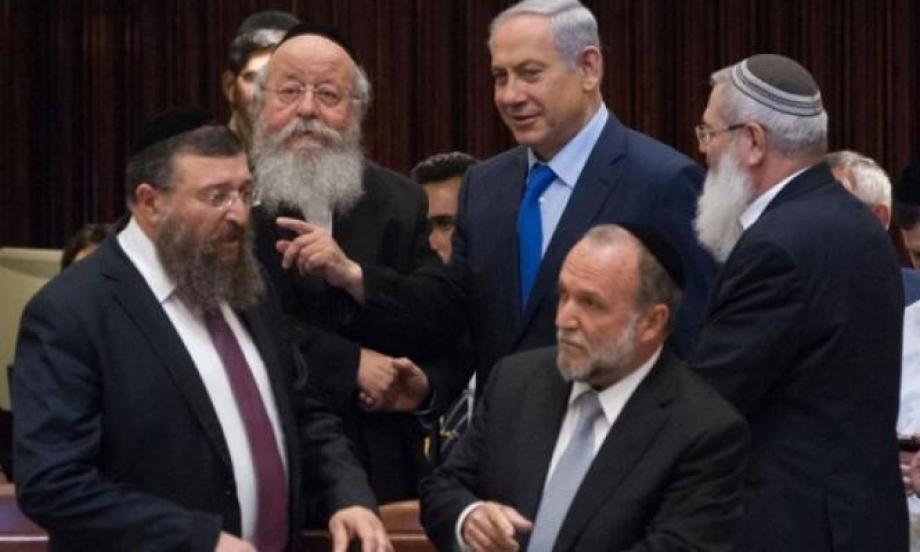
PALESTINE

Wed 16 Jul 2025 11:03 pm - Jerusalem Time

Shas announces its withdrawal from Netanyahu's government

The Shas movement announced Wednesday evening its withdrawal from the Israeli government and the resignation of its ministers from their positions, in light of the crisis over the exemption of Haredim (religious Jews) from military service.

The Shas movement has frozen its formal participation in the government, including ministerial work, without actually withdrawing from the coalition. If Shas (11 members) withdraws from the coalition, the coalition will lose its majority in the Knesset, which is at least 61 out of 120 members. This means the government will either collapse or remain a minority government for a period.

Despite the freeze, Shas retained its members' positions in Israeli Knesset committees.

The movement confirmed that it will not vote in favor of no-confidence motions against the government until the end of the Knesset's summer session in late July, and will continue working in parliamentary committees.

This move comes after the Degel HaTorah and Agudat Yisrael parties, which make up the United Torah Judaism coalition, withdrew in protest over the failure to pass the law exempting Haredim from military service.

The Haredim continue their protests against military service, following a Supreme Court ruling on June 25, 2024, requiring them to enlist and prohibiting financial assistance to religious institutions whose students refuse military service.

PALESTINE

Wed 16 Jul 2025 10:00 pm - Jerusalem Time

81 dead in Gaza, and the occupation army continues to target the starving.

81 Palestinians have been killed in the Gaza Strip since dawn on Wednesday, including 25 aid-seekers, while the occupation forces carried out bombing operations targeting residential buildings in Khan Yunis and Rafah (southern Gaza Strip).

A source at Al-Awda Hospital reported that four citizens seeking aid were killed by Israeli army fire near the Netzarim axis (central Gaza Strip).

An ambulance and emergency source reported that two Palestinians were killed and others were injured in an Israeli bombardment of Jabalia al-Balad, north of the Gaza Strip.

Al Jazeera's correspondent said that Israeli raids targeted central Khan Yunis, coinciding with the demolition of buildings in the area. He noted that Israeli occupation forces carried out operations to detonate residential buildings northwest of Rafah (southern Gaza Strip).

Earlier yesterday, the Israeli occupation army renewed its warning to Palestinians to immediately evacuate neighborhoods in the Gaza Strip and the North Governorate, as part of its displacement policy.

In a statement, the Israeli army spokesman warned Palestinians to evacuate areas they had been ordered to evacuate in June.

horrific massacre

For its part, the Government Media Office in Gaza said earlier today that the occupation army and the "Gaza Humanitarian Foundation" were carrying out a horrific massacre against starving people, leaving 21 martyrs.

He added that the organization "is not a humanitarian organization and does not adhere to any standards for relief work," accusing it of being "a dangerous security and intelligence tool designed to serve the occupation's agenda."

The government office explained that the organization invited citizens to receive aid (in the southern Gaza Strip) and then closed the gates to suffocate them, saying that Gaza Humanitarian employees and occupation soldiers "sprayed pepper gas and opened fire on the starving people."

The Government Media Office said that this institution's attempt to pin the crime on innocent people or Palestinian factions is blatant behavior, calling for the immediate cessation of the American institution's operations.

Since the US- and Israeli-backed Gaza Humanitarian Foundation took over aid distribution last May, more than 800 Palestinians have been killed and thousands more wounded by Israeli forces and contractors operating around designated centers.

International and UN calls have recently intensified following a significant increase in the number of starving Palestinian martyrs killed in "death traps" at aid distribution points run by the Gaza Humanitarian Foundation, which is backed by the United States and Israel.

This comes as Israel, with US support, continues its genocide in Gaza since October 7, 2023, leaving more than 195,000 Palestinians dead or wounded, most of them children and women, and more than 10,000 missing, in addition to hundreds of thousands displaced.