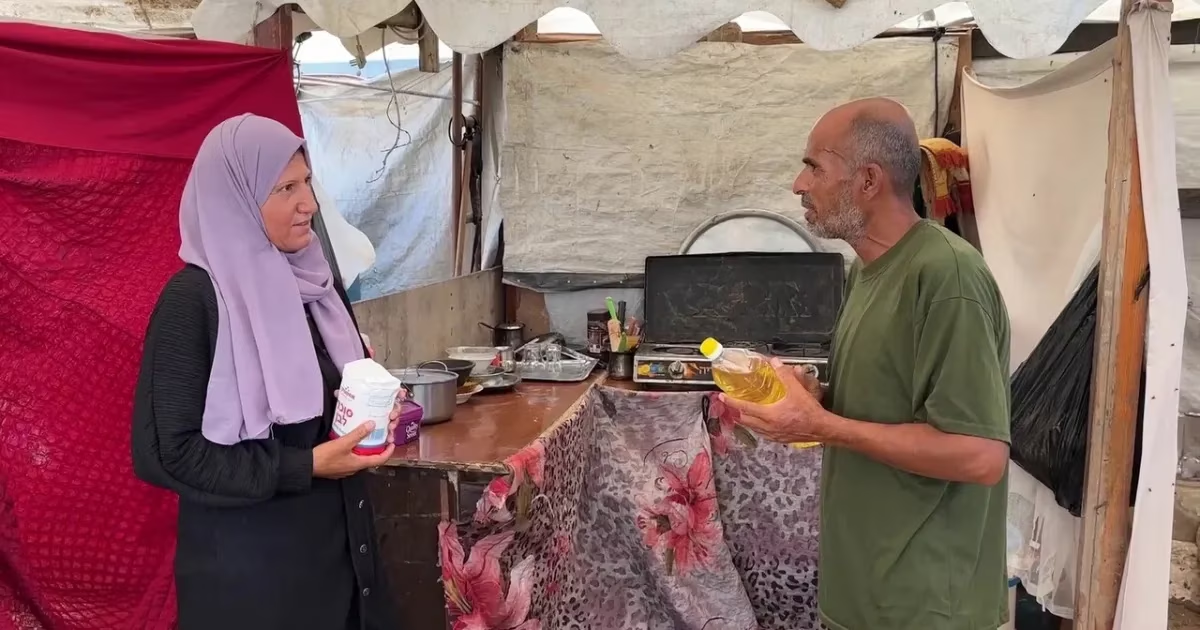







The Gaza Strip is witnessing a forced transformation in the nature of daily commercial transactions, as residents have returned to the primitive barter system due to a severe shortage of cash liquidity and widespread damage to banking infrastructure. This crisis comes amidst strict restrictions imposed by the occupation, preventing the flow of banknotes and small denominations into the markets, leading to an unprecedented economic recession and a sharp decline in families' purchasing power.
In the overcrowded displacement camps, the exchange of in-kind goods has become the only way to feed children and secure basic necessities such as oil, sugar, and flour. Field sources reported that residents are forced to knock on their neighbors' doors to offer surplus relief aid in exchange for other food supplies they lack, in a self-initiated attempt to cope with the absence of job opportunities and the lack of paper currency.
Testimonies from displaced persons describe a bitter reality, with one citizen stating that markets are completely devoid of cash, making the possession of any surplus commodity the only way to manage living affairs. He explained that the spread of unemployment and the complete cessation of salary payments have contributed to deepening reliance on this traditional system, which sets the sector back decades.
Suffering is not limited to the absence of cash, but also extends to a severe scarcity of basic goods, posing complex challenges for hundreds of thousands of families to secure daily sustenance. Displaced Umm Saeed recounts that she is forced to offer portions of food aid to neighbors in exchange for rice and lentils, noting that bartering has even included clothes and personal necessities.
Amidst the disruption of bank branches and ATM networks, families have faced extreme difficulties in relying on digital solutions or alternative electronic wallets. Displaced persons complained about the ineffectiveness of these applications on the ground due to the erosion of their purchasing power as a result of high fees and complex operational restrictions imposed by shops that accept this type of payment.
One displaced person, who supports a family of eight, explained that he is forced to barter cooking oil for notebooks and pens to secure his daughter's needs for high school. He confirmed that electronic applications have become useless due to the high commissions deducted from the balance, in addition to obliging buyers to a minimum purchase that prevents them from acquiring simple necessities for children.
The current deterioration in cash liquidity is linked to a series of direct targeting of Palestinian bank headquarters in the Gaza Strip throughout the aggression. Official reports issued by the Monetary Authority indicate that more than 90% of bank branches and ATMs are out of service due to total destruction or permanent power and internet outages.
Financial institutions warned that the destruction of this vital infrastructure has almost completely disrupted the operational capacity of the local banking system. This situation has cut off financial supply lines and financially isolated the Gaza Strip from the West Bank and the outside world, exacerbating the severity of the economic and social crisis experienced by displaced persons in tents.
In addition to the absence of banknotes, a new dilemma emerged in the form of the growth of an illegal parallel market for exchanging money and liquidating balances via mobile phone applications. Some money changers exploited the desperate need of residents for cash to impose exorbitant withdrawal commissions ranging from 30% to 50%, further draining the limited financial resources of citizens.
For its part, the Palestinian Monetary Authority issued official warnings, threatening unlicensed entities with strict legal action to combat these practices. The Authority affirmed that these monopolistic behaviors exacerbate living difficulties and contribute to deepening the financial siege imposed on the residents of the Strip, calling for the necessity of finding international solutions for liquidity flow.
I have not dealt with cash for about two years due to unemployment and lack of liquidity, and bartering is our only way to avoid the specter of famine.
شارك برأيك
Gaza Returns to the Barter Era: Oil and Flour Replace Missing Cash Under the Weight of the Siege