






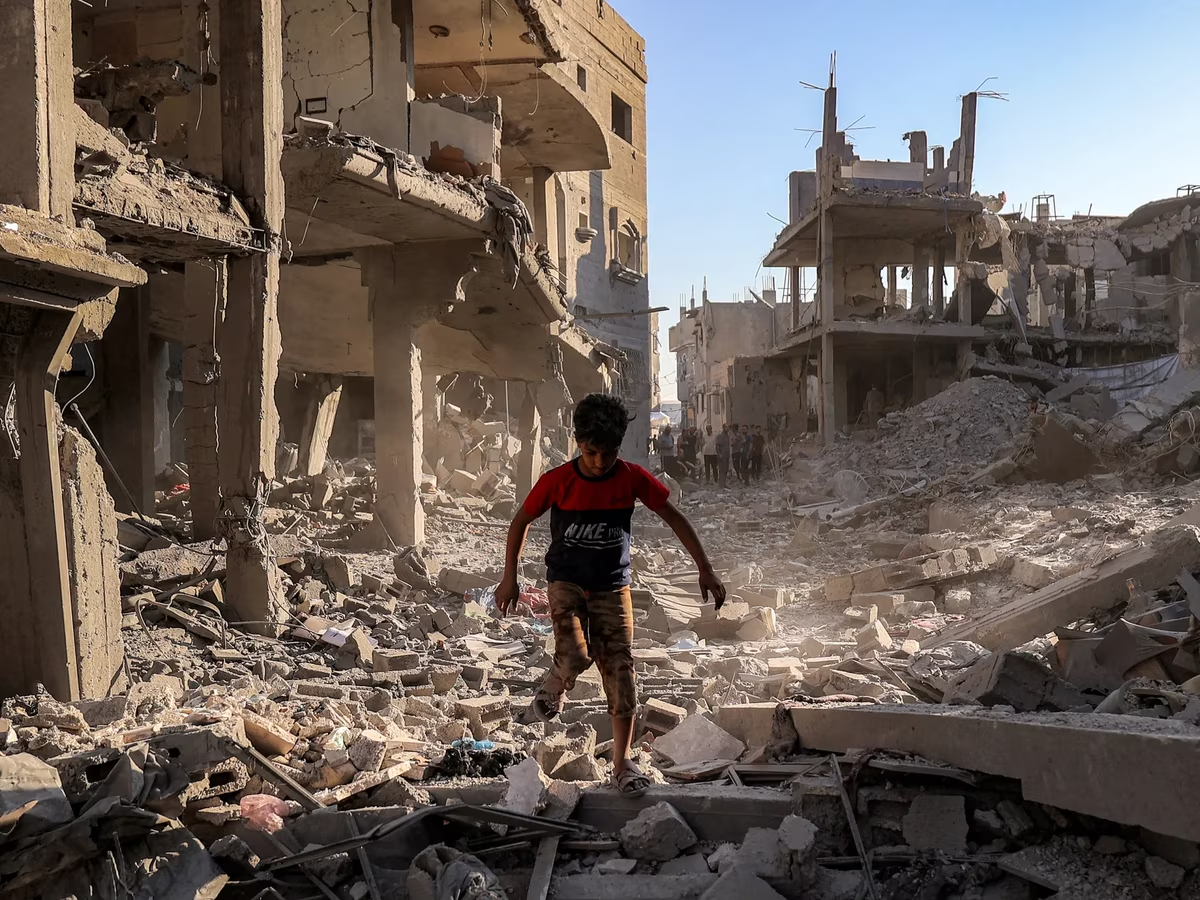
Diplomatic movements are accelerating behind closed doors in the Cypriot city of 'Ayia Napa,' where representatives of the US-led Peace Council are holding intensive meetings to shape the next phase in the Gaza Strip. These meetings are chaired by prominent international figures, including Nikolay Mladenov and Tony Blair, with the aim of establishing executive mechanisms for what is known as Article 17 of US President Donald Trump's plan.
This plan primarily aims to isolate Hamas from its popular base, financial resources, and logistical support, by establishing humanitarian shelter areas not subject to the movement's control. The strategy relies on providing extensive relief and medical services in specific areas, as a form of field and political pressure to pass American proposals to end the war.
Journalistic sources reported that the Peace Council is preparing to launch a pilot project in the coming weeks in the 'Tel Sultan' area near Rafah. The project includes establishing shelter complexes for civilians classified as unarmed, with a multinational force taking over supervision and organization tasks within these complexes.
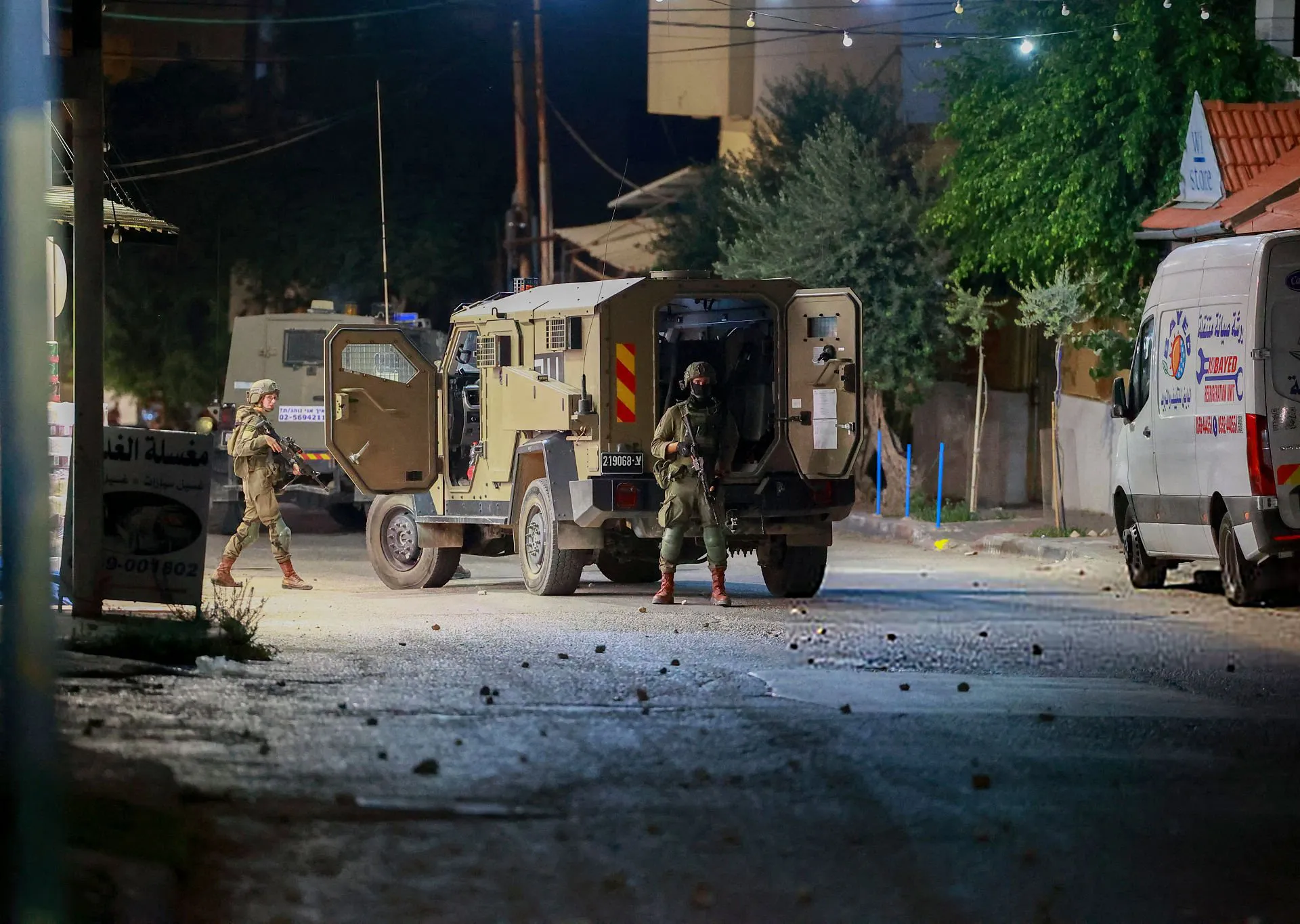
These international forces are scheduled to be stationed at the 'Amitai Camp' located on the border, equipped only with non-lethal weapons to maintain internal order and avoid armed clashes. In return, the Israeli army will strengthen its military presence in the areas behind the so-called 'Yellow Line' to ensure comprehensive security control over the perimeter.
Military analysts describe this approach as a 'pincer movement,' where the army seeks to control the land and expand its influence, while the Peace Council manages the population and vital resources. This equation aims to strip Hamas of its means of survival, ultimately leaving it without land, people, or financial resources to support its continuation.
Brigadier General (res.) Erez Wiener, an expert in Israeli security, believes that implementing Article 17 represents the optimal choice for defeating armed organizations given current international constraints. Wiener pointed out that this plan circumvents obstacles that prevent involvement in a comprehensive and open war, by creating an alternative administrative reality on the ground.
In contrast, an opposing camp within Israel, led by the 'Gaza Envelope Forum,' describes these steps as an uncertain security gamble. The forum warns that starting any reconstruction efforts, even temporary ones through caravans, before achieving a complete military defeat of Hamas, will give the movement an opportunity to regain its strength.
Opponents of the plan believe that previous 'consciousness engineering' experiments have proven unsuccessful in separating the Strip's residents from Palestinian factions. They assert that any international movement within Gaza's borders while Hamas's military structure remains will necessarily strengthen the movement and increase its ability to recruit new members and repair its tunnel network.
On the executive front, the Cyprus meetings focus on sensitive issues including training a Palestinian police force in Egyptian territories to assume civilian security tasks. Discussions are also underway regarding the formation of a technocratic committee to manage the daily affairs of the population, away from direct political tug-of-war between the warring parties.
However, these ambitions face significant financial obstacles, as a number of donors have withdrawn financial pledges totaling $17 billion. These withdrawals are attributed to regional instability and escalating tensions with Iran, posing a challenge of sustainable funding for the Peace Council's projects.
In addition to the financial crisis, the Israeli 'veto' emerges as an additional obstacle, as the Israeli government refuses the entry of the technocratic committee into Gaza without the complete disarmament of Hamas. Israeli security circles fear that this committee could become a political cover allowing for a repeat of the 'Hezbollah model' in the Gaza Strip.
For its part, the Palestinian resistance is banking on crystallizing a unified Arab and Islamic stance to pressure the US administration during ongoing negotiation rounds in Cairo. The factions demand real guarantees from mediators to prevent the transformation of humanitarian projects into tools for political control or a cover for the continuation of military operations.
Mohammed Halsa, an expert in Israeli affairs, indicates that the gap between the demands of the two sides remains very wide, especially regarding the disarmament issue. Halsa believes that Israeli Prime Minister Benjamin Netanyahu fears that any concession on this issue would lead to the loss of his right-wing electoral base, reinforcing the stalemate.
In a related context, previous reports confirmed that the Peace Council seeks to completely replace UNRWA in distributing aid and managing camps. This has gone as far as giving donor countries a choice between continuing to fund the UN agency established in 1949, or directing support to the new Peace Council projects.
Article 17 paves the way for what can be called temporary reconstruction in areas free of Hamas, where concrete will not be poured, but rather service convoys will be deployed.
شارك برأيك
'Peace Council' Plan in Cyprus: Behind the Scenes of Article 17 to Re-engineer the Gaza Strip