






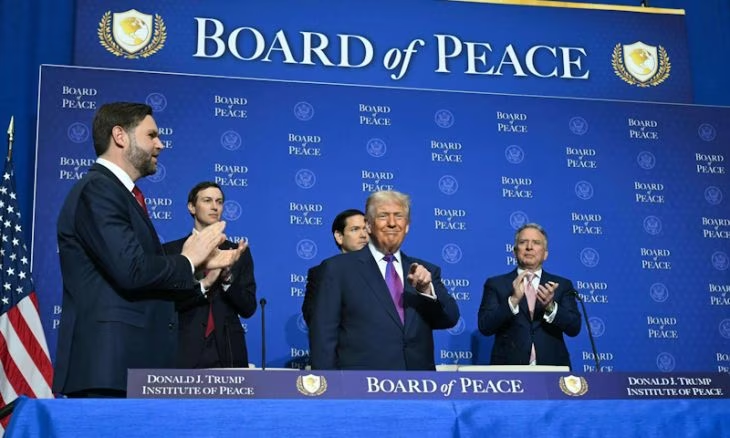
International press reports have revealed details of a leaked document from the Gaza Peace Council, headed by Donald Trump, showing an intense effort to grant the body exceptional legal status and broad immunity. According to the circulated draft resolution, the Council plans to exempt itself and its administrative apparatus from any legal prosecution within the Gaza Strip, while granting itself the right to acquire public properties and facilities for free and without financial compensation.
The four-page document, classified as sensitive, grants comprehensive legal protection to all Council members, contracted international forces, and participating Palestinian technocrats in the administration. This protection includes preventing arrest, detention, or any legal action in local courts, raising serious concerns about the absence of accountability for any violations that may occur during the Council's administration of the Strip.
The executive council of this body consists of figures close to Trump, led by his son-in-law Jared Kushner, special envoy Steve Witkoff, and national security advisor Marco Rubio. The draft grants the head of the body, Donald Trump, exclusive authority to waive immunity for any individual, provided that the majority of Council members approve, making the justice system subject to internal political decisions.
In the context of field movements, sources reported that Bulgarian diplomat Nikolay Mladenov, who serves as the High Representative of the Council, is holding intensive meetings in Cairo with Palestinian officials selected to manage local affairs. These meetings aim to establish a practical framework for the Council in the Strip, although the draft immunity resolution has not yet been presented to the Palestinian side participating in these discussions.
International legal experts warned that this step represents an attempt to create a self-contained legal system that bypasses the international law applicable in cases of occupation. Lawyers pointed out that the third-party liability clause aims to limit claims related to personal injuries or property loss to an internal system under the Council, closing the door to any independent external oversight.
These developments come at a time when the Council is seeking to attract international contractors and major security companies to work in Gaza, where these contractors demand a legal framework that protects them from prosecution. These arrangements recall controversial past experiences in Iraq and Afghanistan, where security companies such as 'Blackwater' faced accusations of committing serious violations against civilians without clear accountability mechanisms.
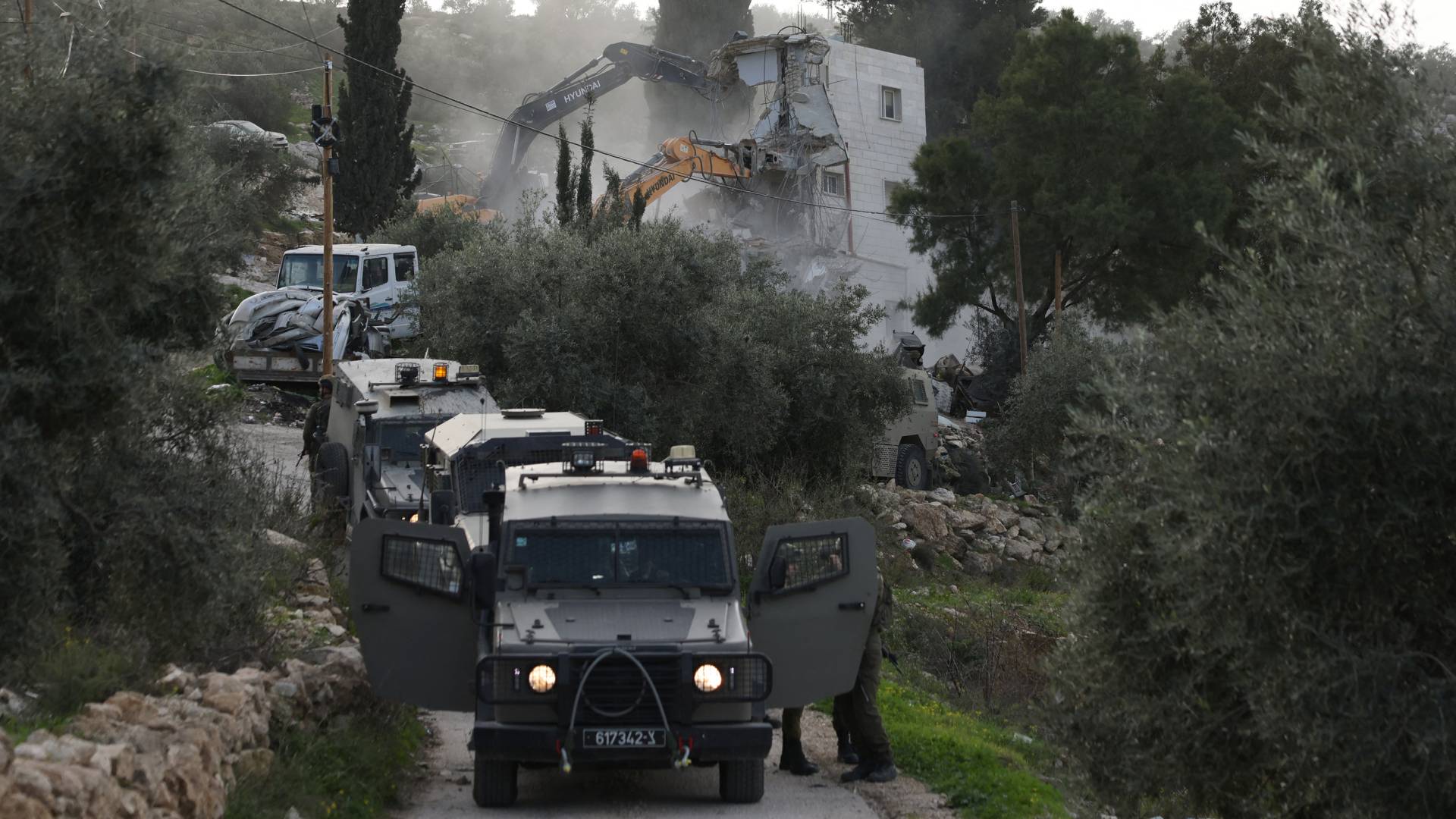
Among the most controversial aspects of the document is the provision for providing the necessary headquarters and public facilities for the Council and international stabilization forces in Gaza 'for free'. Observers believe that this phrase opens the door to illegal confiscation of Palestinian public and private properties, especially given the lack of clarity about who will undertake the process of 'providing' these facilities in the current situation in the Strip.
Commenting on these leaks, international human rights organizations described the Council's directions as emulating methods of repression and control, warning against entrenching features of apartheid and occupation through administrative tools. These organizations considered that the unilateral declaration of authority to seize land represents a blatant violation of the rights of indigenous populations and portends serious abuses under the guise of reconstruction.
For his part, an official in the Peace Council denied the existence of any decisions aimed at creating a state of impunity, describing the insinuations as misleading and distorting facts. The official affirmed in a statement that the Council will adhere to applicable laws and will operate according to clear regulatory rules, but he did not provide specific details about the nature of this oversight or how to ensure the accountability of international contractors.
The document indicates that the Council plans to build military logistical bases to support international forces aimed at disarming Palestinian factions, a step that the Trump administration considers crucial for implementing its plan. Israel links the progress of these steps to Hamas's complete abandonment of its weapons, which places the Council in the face of complex security and political challenges on the ground.
Jared Kushner believes that these plans aim to transform the Gaza Strip into regional business centers, advanced technological cities, and luxury resorts, a vision that faces widespread criticism for ignoring the political and national rights of Palestinians. This economic vision relies heavily on providing a safe legal environment for investors and contractors, which is explained by the leaked draft immunity resolution.
Internationally, the Council bases its legitimacy on a previous United Nations Security Council resolution allowing it to oversee the administration of Gaza for a transitional period ending in December 2027. However, the question remains about the legality of the Council borrowing UN diplomatic immunities to apply them to security contractors and private companies operating in conflict zones.
American security contractors expressed concern about the absence of a formal 'Status of Forces Agreement' (SOFA), as Israel refuses to negotiate such an agreement because it could imply implicit recognition of a political entity in Gaza. This legal vacuum is what the Trump Peace Council is trying to fill through unilateral decisions that grant its personnel absolute protection from local and international laws.
In conclusion, the legal value of this document remains questionable, as jurists believe that the Council's unilateral signing of its decisions does not grant them binding international legitimacy. However, the implementation of these provisions on the ground could lead to the creation of a new reality in Gaza, where land and property become at the disposal of an international administration not subject to any form of independent judicial oversight.
It appears to be an attempt to exempt the Council and all its personnel from accountability for potential legal violations.
شارك برأيك
Leaked Documents: 'Trump Peace Council' Seeks Full Legal Immunity and Free Control Over Gaza Lands