






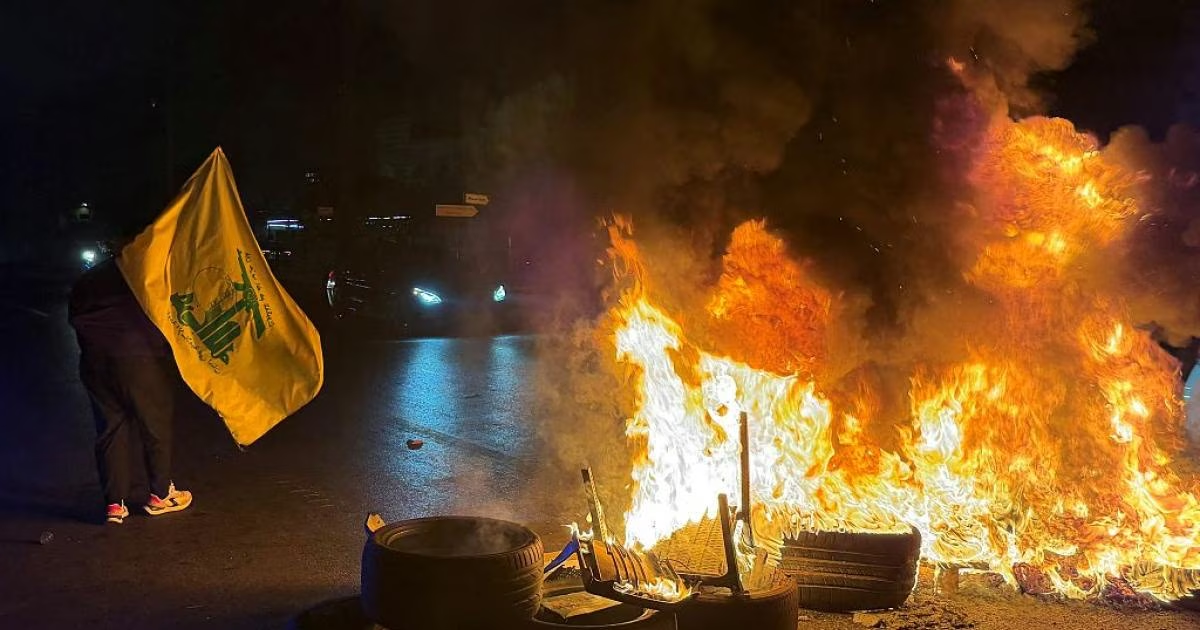
The streets of the Lebanese capital, Beirut, witnessed a state of popular unrest and field protests on Friday evening, carried out by Hezbollah supporters, expressing their categorical rejection of the recently announced framework agreement with Israel. Local sources reported that protesters blocked vital roads with burning tires, leading to traffic disruption in strategic areas of the capital.
These field movements came after the US Secretary of State, Marco Rubio, announced that the Lebanese and Israeli sides had reached a framework agreement under Washington's patronage. Rubio explained that this development was the result of five intensive rounds of indirect talks hosted by the US capital during the past period to reach security and border understandings.
Regarding the details of the protests, media sources stated that dozens of young men roamed the streets of Beirut on motorcycles, raising slogans condemning the agreement and considering it a concession of national rights. These marches focused on the areas of Bechara El Khoury, Riad Al Solh, and the airport road, in addition to blocking the main Salim Salam road, which is a vital artery in the heart of the capital.
For his part, Lebanese President Joseph Aoun defended the agreement in an official statement, considering it a political achievement that paves the way for the restoration of Lebanese sovereignty. Aoun affirmed that this step represents the first stage in a long process aimed at ensuring the recovery of all occupied Lebanese territories without any derogation from national sovereignty.
In contrast, Hezbollah's reaction was sharp, voiced by MP Hassan Fadlallah, who described the agreement as a 'free gift to the Israeli enemy'. Fadlallah stressed in press statements that the party's opposition to this path is serious and final, emphasizing the resistance's adherence to the option of arms as the sole guarantee to protect Lebanon in the face of Israeli ambitions.
According to leaked information, the framework agreement includes a gradual roadmap that may lead to a future peace agreement between the two parties. The agreement includes immediate field steps, most notably the establishment of two pilot areas to begin implementing new security arrangements under direct international and American supervision.
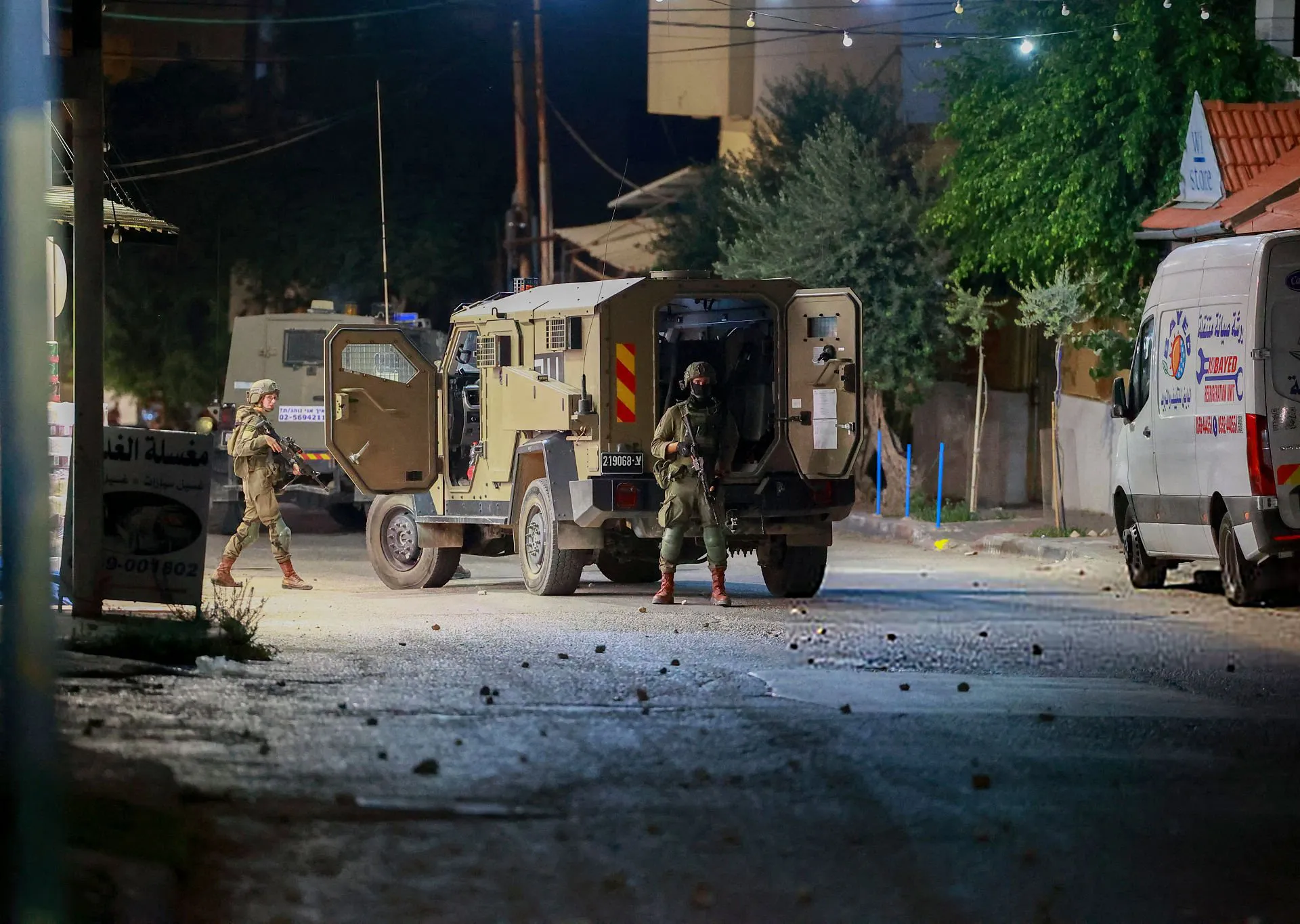
The agreement also stipulates the withdrawal of Israeli forces from specific areas, to be replaced by the Lebanese army, which will assume security tasks in those areas. This process will be under the direct supervision of American military officers who will be present on the ground to verify compliance with the agreed security provisions and prevent any violations.
On the other hand, Israeli Prime Minister Benjamin Netanyahu set harsh conditions for implementing the withdrawal, affirming in a video message that Israel would not leave the security zone for now. Netanyahu linked any future withdrawal to the complete disarmament of Hezbollah and the elimination of what he described as security threats facing northern settlements.
Netanyahu clarified that the current agreement only allows for the limited deployment of the Lebanese army in certain points, based on security recommendations and assessments from the Israeli army. He indicated that implementation would begin exclusively in the two pilot areas to assess the Lebanese state's ability to control the security situation there.
In the context of Israeli opposition, Avigdor Lieberman, leader of the 'Yisrael Beiteinu' party, questioned the effectiveness of the agreement and its ability to achieve long-term stability. Lieberman considered that the continued growth of Hezbollah's military power makes a comprehensive confrontation a matter of time, regardless of any paper agreements signed.
These rapid political developments come at a time when Lebanon is still suffering from the effects of the ongoing Israeli aggression since March 2026. According to the latest statistics from the Lebanese Ministry of Health, the aggression has resulted in the martyrdom of more than 4,200 people and the injury of thousands, in addition to massive destruction of infrastructure and residential areas.
The ongoing military operations have also led to the displacement of more than a million Lebanese from their villages and cities, creating a major humanitarian and social crisis that puts pressure on state institutions. Observers fear that the current protests and political division over the framework agreement will lead to further internal instability under the current circumstances.
International circles are cautiously monitoring the Lebanese government's ability to market this agreement domestically in light of fierce opposition from influential political forces. Washington considers the success of this agreement a cornerstone of its strategy to de-escalate tensions in the Middle East and secure Israel's northern borders.
The question remains about the fate of the pilot areas stipulated in the agreement, and the Lebanese army's ability to deploy there without clashing with local forces. Given Hezbollah's adherence to its weapons and Israel's condition for their disarmament, the path to implementing the framework agreement appears to be fraught with complex field and political obstacles.
The agreement is a first step towards Lebanon regaining full and undiminished sovereignty over its territories.
شارك برأيك
Protests in Beirut Reject Framework Agreement with Israel, Netanyahu Conditions Withdrawal on Disarming Hezbollah