






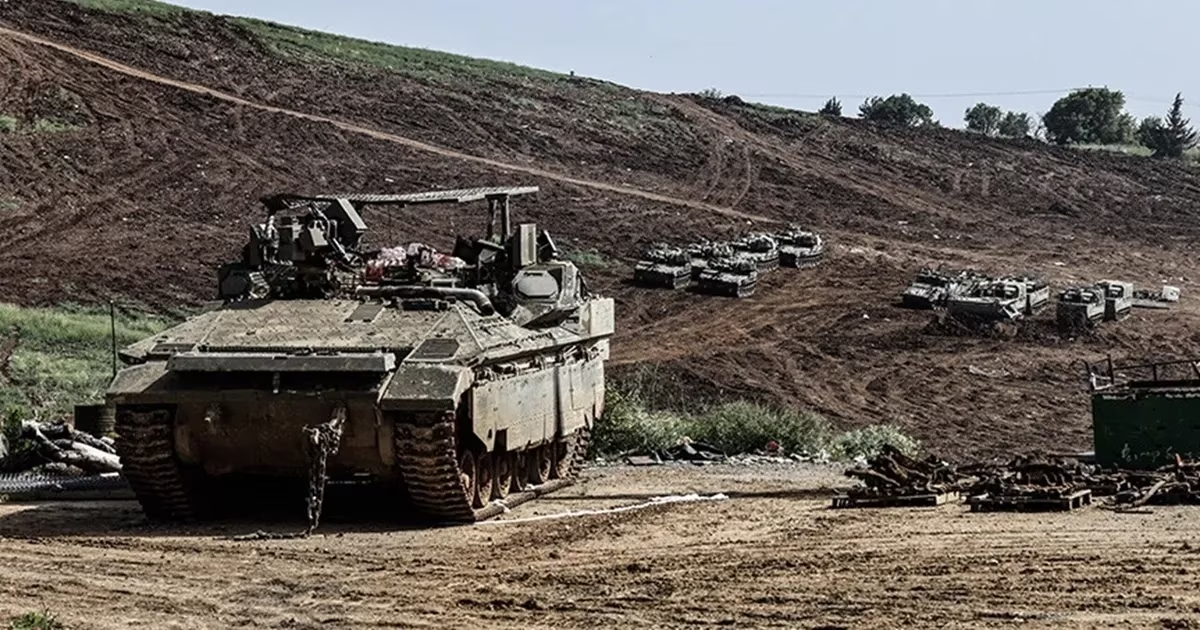
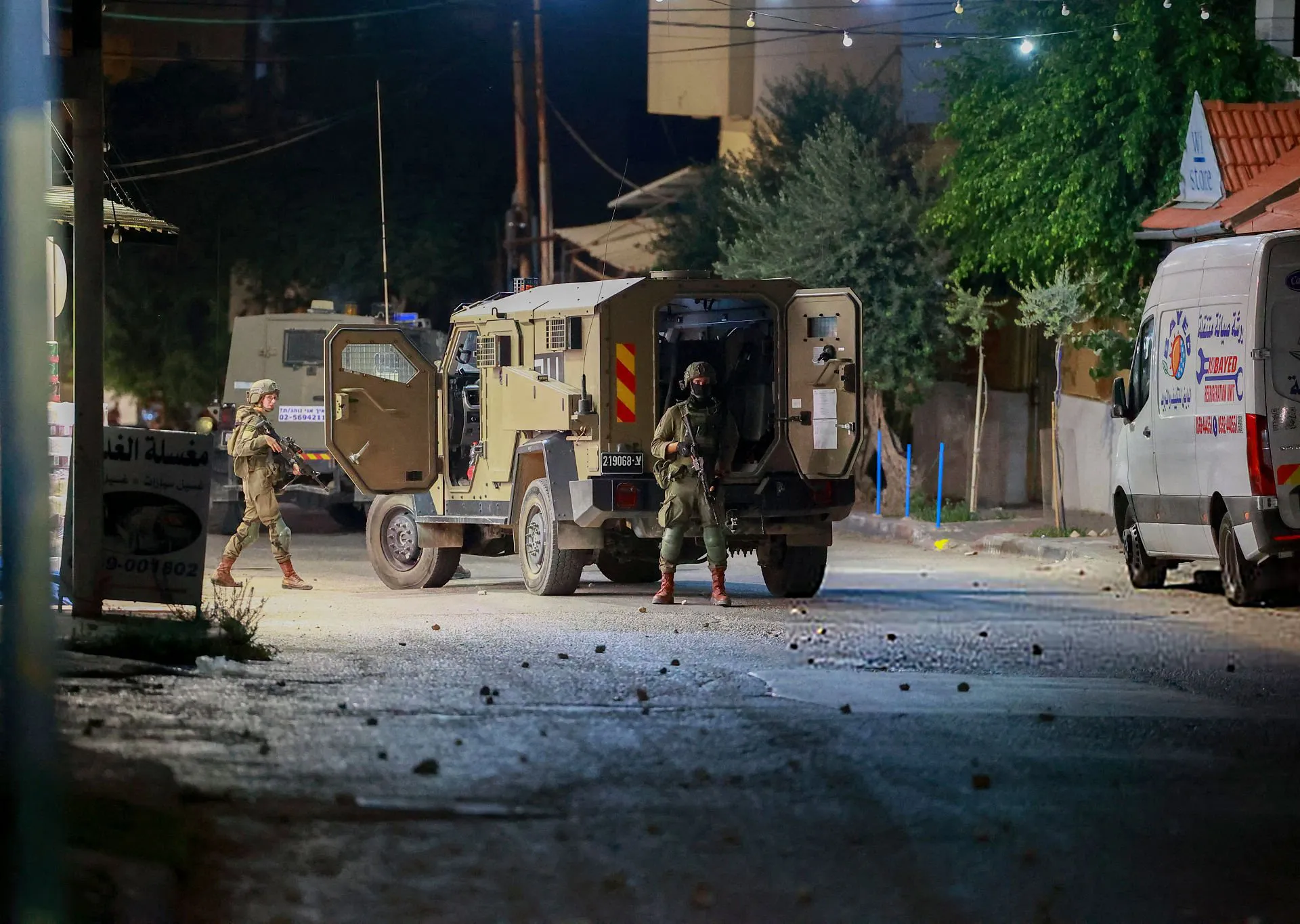
Hebrew media sources revealed on Sunday evening that deliberations are underway within the security establishment and political level in the occupation state regarding the possibility of implementing 'limited' withdrawals from some points controlled by Israeli forces in southern Lebanon. These moves come amidst ongoing diplomatic efforts and direct negotiations aimed at formulating border and security understandings between Beirut and Tel Aviv.
Sources reported that intensive consultations held in recent hours focused on assessing the field situation in areas beyond the 10-kilometer range inside Lebanese territory. Reports indicate that these proposed withdrawals may include strategic locations reached during recent ground operations, in order to strengthen the Israeli negotiating position ahead of upcoming rounds.
The 'Beaufort Castle' area stands out as one of the most prominent candidates for this partial withdrawal, a region that the occupation army announced control over at the beginning of June. The castle gains symbolic and military importance due to its commanding location, despite previous assurances from Lebanese parties that its control did not require direct military confrontation as it was free of armed presence.
In contrast, officials in Tel Aviv stressed that any field movement would not affect the so-called 'Yellow Line,' which the Israeli military command considers a red line that cannot be conceded. The occupation believes that maintaining this line is an utmost necessity to secure northern settlements and prevent any infiltration or future attacks targeting the Israeli interior.
On the political front, Hebrew sources claimed that the occupation government had not received any official requests or pressure from the US administration to evacuate its positions in southern Lebanon. They clarified that the move towards redeployment aims to show 'goodwill' and a self-initiative towards the Lebanese government, away from portraying it as a response to external dictates or international pressure.
Political circles in Tel Aviv consider that continued control over some advanced points represents a strong bargaining chip in the ongoing negotiations, where withdrawal from them is exchanged for security gains and long-term border arrangements. This tactic aims to ensure the achievement of maximum Israeli conditions in the final agreement being worked on in international capitals.
These leaks coincide with the US State Department's announcement of a new round of direct negotiations between the Lebanese and Israeli sides in Washington, scheduled to be held between June 23 and 25. This is the fifth such round since the start of the negotiation process last April, amidst international hopes of reaching an agreement that ends the escalation.
The occupation army had promoted its control over Beaufort Castle as a major military achievement, while Hezbollah described these movements as mere photographic operations aimed at media propaganda. The party confirmed in previous statements that Israeli forces infiltrated militarily uninhabited locations to claim field progress, which casts a shadow on the true motives behind the currently proposed withdrawal.
The border region is experiencing a state of anticipation for the outcome of the upcoming Washington round, especially with increasing calls within Israel to turn parts of southern Lebanon into a buffer zone. These Israeli desires clash with a categorical Lebanese rejection of any infringement on national sovereignty or the imposition of a new geographical reality that goes beyond the internationally recognized Blue Line.
Questions remain about the seriousness of the occupation in implementing these 'small' withdrawals, and whether they will pave the way for a comprehensive agreement or are merely a tactical repositioning. The field still witnesses intermittent tensions, while diplomacy races against time to establish pillars of stability that prevent the situation from sliding into a wider and more comprehensive confrontation in the region.
Any adjustment in troop deployment will be presented as an Israeli initiative within the framework of dialogue with the Lebanese government, and not as a result of external pressure.
شارك برأيك
Occupation Considers Limited Withdrawals from Southern Lebanon Ahead of Washington Negotiations Round