







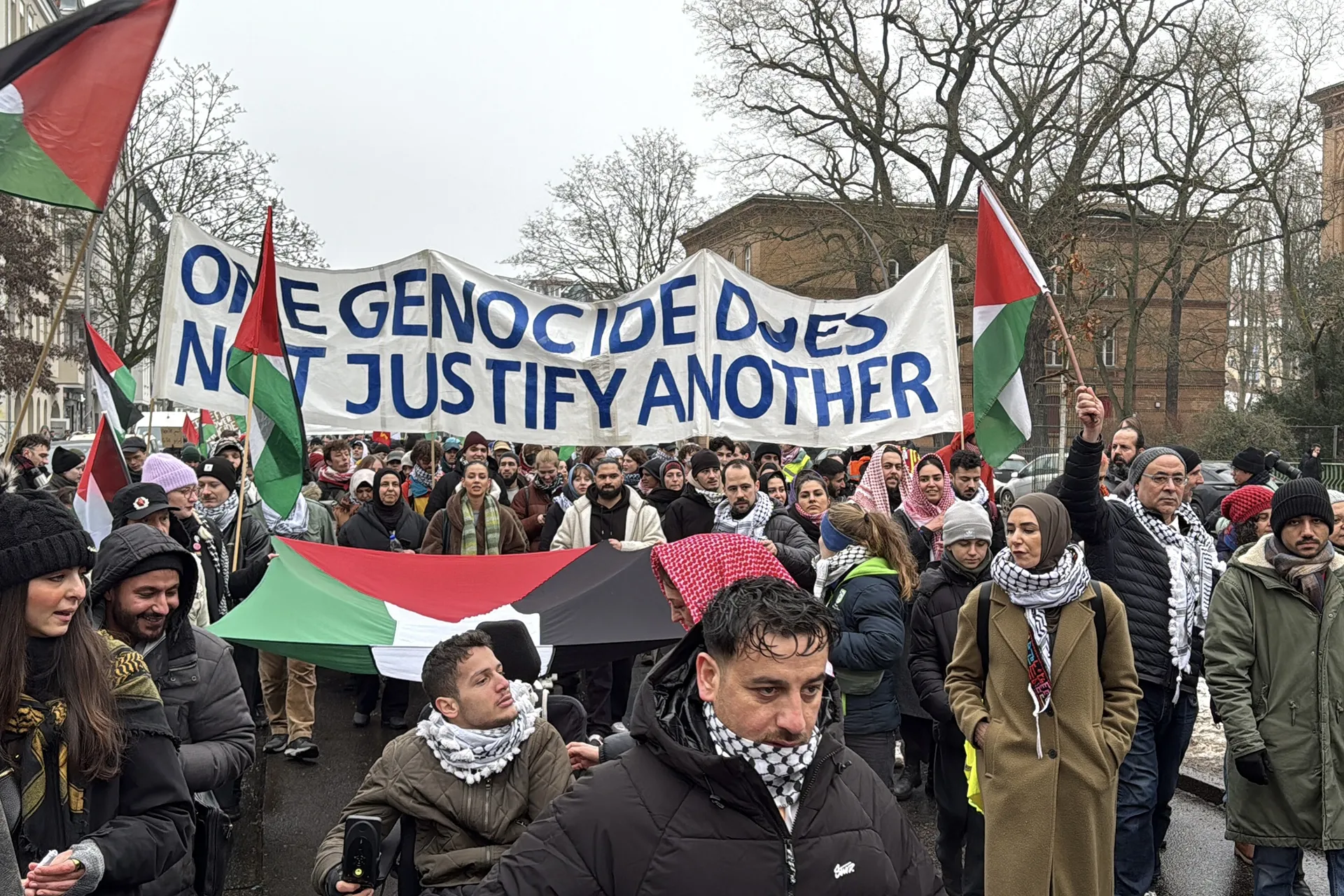
Egyptian President Abdel Fattah El-Sisi, during his participation in the 'Exiting Crises and Ensuring Stability' session at the G7 Summit held in France, emphasized that a comprehensive settlement of regional crises is the only path to achieving global security. Sisi clarified that the stability of the Middle East is fundamentally based on reaching a just and lasting solution to the Palestinian issue, guaranteeing Palestinians the establishment of their independent state on the June 4, 1967 borders with Jerusalem as its capital.
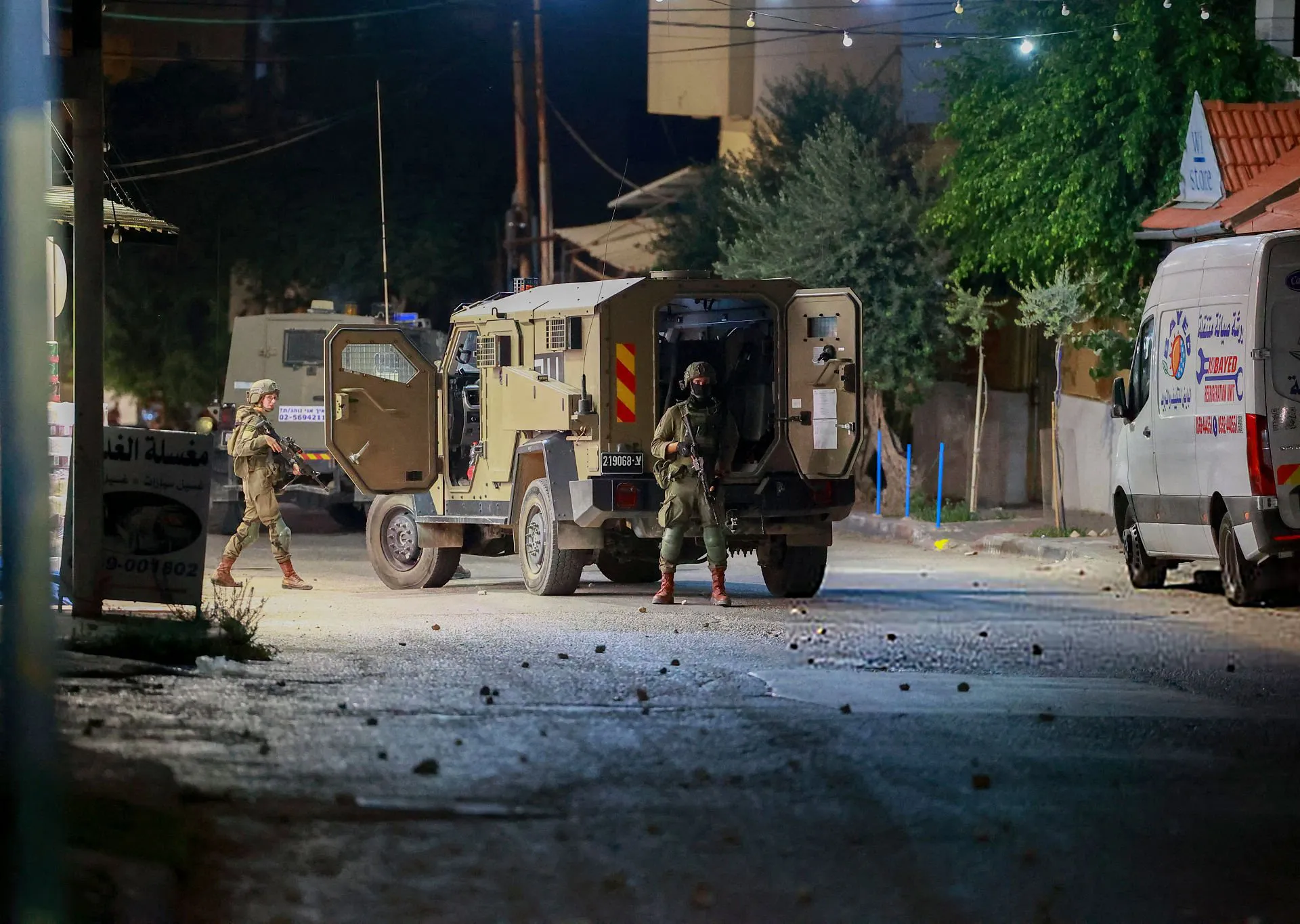
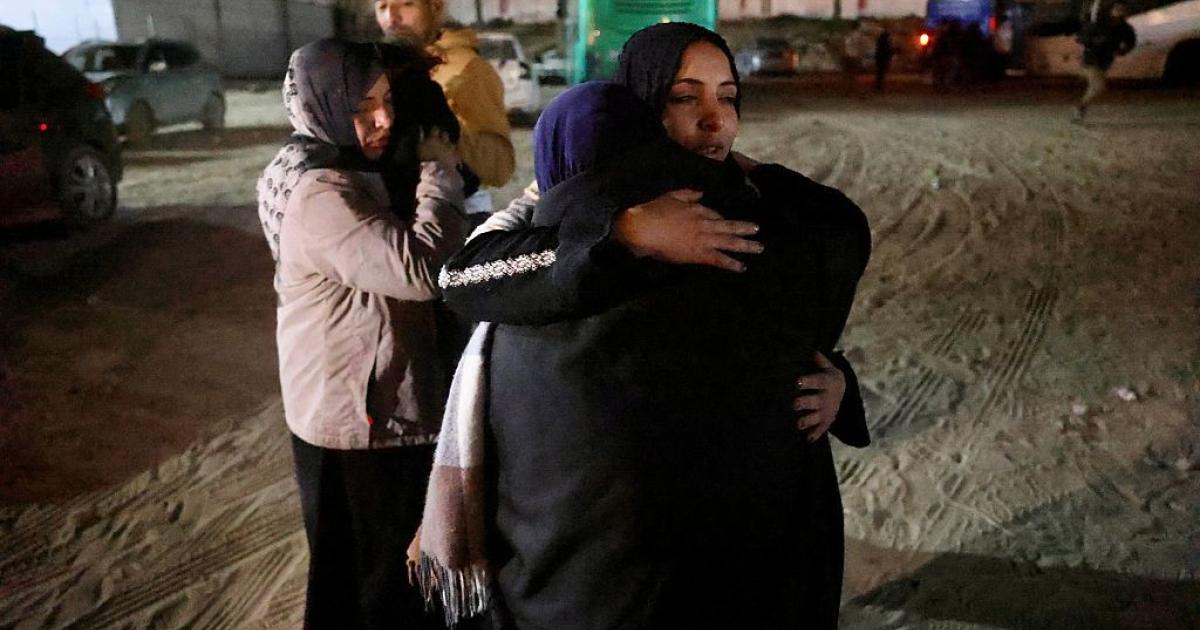
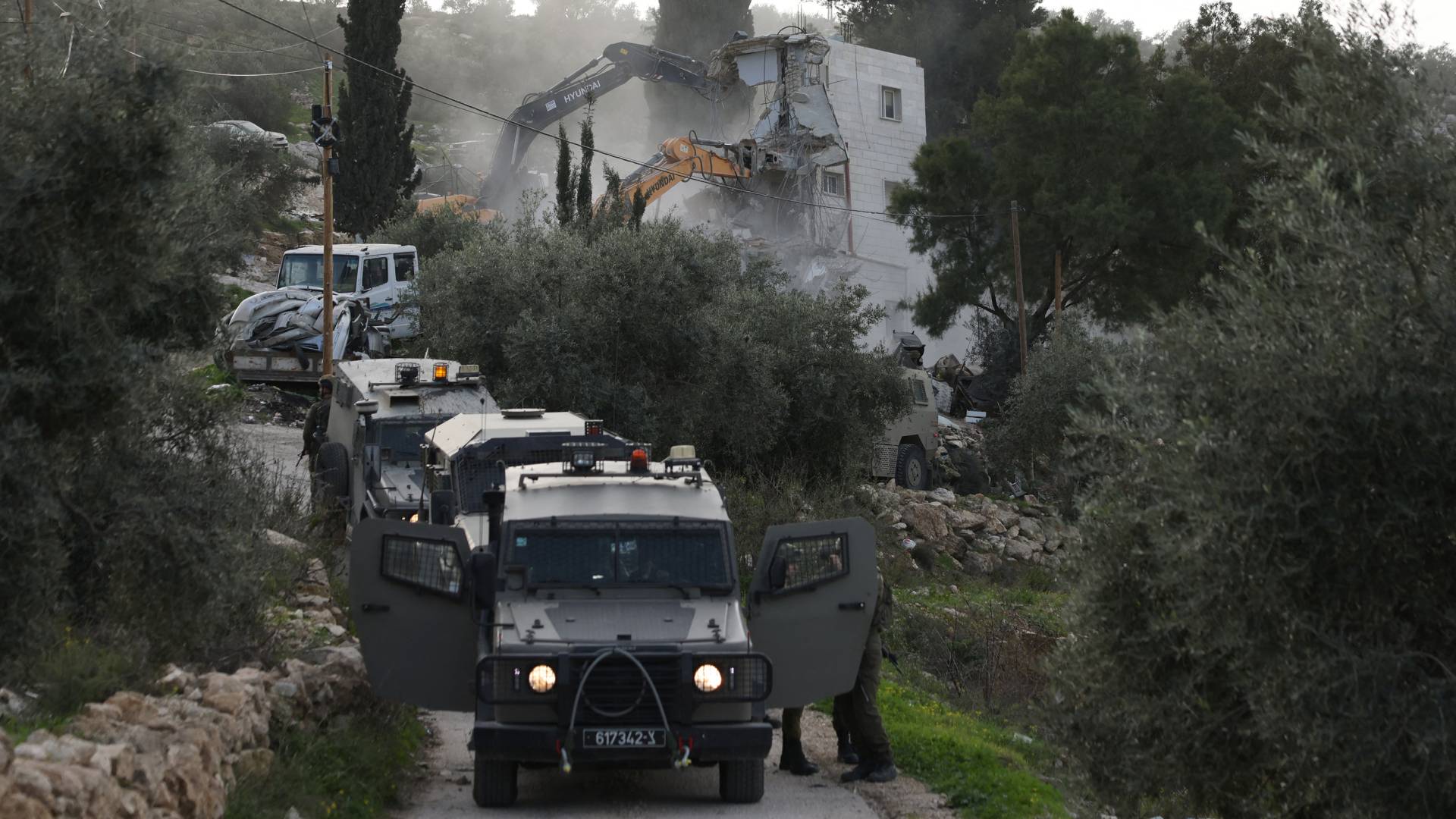
The Egyptian President warned of the danger of recent field movements in the Gaza Strip, pointing out that preoccupation with the Iranian file allowed for the expansion of what is known as the 'Yellow Line' to consume about 70% of the Strip's area. He affirmed that this reality leaves Palestinians with only 30% of their lands, which represents a complete undermining of peace opportunities, demanding an immediate halt to this approach and preventing any attempts to annex parts of the West Bank.
Regarding diplomatic efforts, Sisi called for the necessity of accelerating the implementation of the peace plan proposed by US President Donald Trump to end the war in the Gaza Strip. He expressed his appreciation for the mediations that led to ceasefire agreements, affirming that Egypt is ready for full cooperation with all international partners to enhance this de-escalation and transform it into sustainable stability that ends the state of tension in the region.
The Egyptian intervention touched upon the situation in Lebanon, where Sisi indicated that the continued presence of Israeli occupation forces at five border points in southern Lebanon directly contributed to the exacerbation of the field situation. Participants in the session called for an immediate halt to Israeli military operations, enabling the Lebanese government to exercise its sovereignty, and moving to advanced stages of comprehensive de-escalation agreements.
On the regional security front, Sisi affirmed that the peace treaty between Egypt and Israel represents a historical model that can be built upon to expand the circle of peace in the region. He stressed that respect for state sovereignty and rejection of external interference are the two fundamental pillars for any future collective security arrangements, with the necessity of addressing outstanding issues such as energy security and international shipping lanes that have been affected by current conflicts.
At the conclusion of the session, G7 leaders discussed the repercussions of regional tensions on global trade and energy supplies, with a focus on the Iranian nuclear program file and freedom of navigation. Informed sources confirmed that the meeting concluded with the necessity of adhering to international law and ending the occupation as strategic steps to ensure the flow of global trade and protect the common economic interests of major countries and the region.
Expanding the Yellow Line to include 70% of the Gaza Strip effectively means leaving only 30% for the Palestinian people, an approach that must stop immediately.
شارك برأيك
Sisi from G7 Summit: Two-State Solution is Basis for Stability, We Reject Annexation of Gaza Lands