







The American plan to reconstruct the Gaza Strip is facing a real predicament more than seven months after the ceasefire agreement brokered by US President Donald Trump in October 2025. Field data reveals a state of complete paralysis in construction operations, amidst funding difficulties plaguing the 'Peace Council' tasked with overseeing the transitional phase.
According to international press reports, the reality in Gaza is characterized by bleak ambiguity, as Palestinian technocrats assigned to administer the Strip remain stranded in Egyptian territory. Israeli occupation authorities prevent these officials from entering the Strip to carry out their duties, which has marginalized their role and rendered the administrative committee an inoperative entity.
Regarding financial support, figures have shown a huge gap between promises and reality; out of 7 billion dollars pledged by nine countries during the inaugural meeting of the Peace Council, only the UAE and Morocco have committed to payment. An informed source indicates that donor countries are now hesitant to transfer their shares due to the ongoing diplomatic stalemate and the absence of any tangible progress on the ground.
The shocking figures indicate that what has actually been collected represents only $1.75 for every $100 of the announced pledges. This financial scarcity starkly contrasts with estimates issued by the United Nations, which confirm that the cost of reconstructing what the war destroyed exceeds 70 billion dollars and could take many decades.
In a related context, a separate pledge of 10 billion dollars made by Trump remains shelved and under the control of US State Department official Jeremy Lewin. Sources reported that the Peace Council has not officially requested these funds yet, while some donors use regional tensions as a pretext to delay paying their financial commitments to the Strip.
While Gaza residents suffer from a lack of services, a salary crisis emerged for the 'National Committee for Gaza Administration' based in Egypt, where its 12 members receive salaries ranging from 16 to 17 thousand dollars monthly. Reports also revealed that the salary of Nikolay Mladenov, the High Representative for Gaza, amounts to about 400 thousand dollars annually, figures that sparked widespread criticism within the Council itself.
Despite these budgets allocated for administration, field sources confirmed that not a single bottle of water has entered Gaza under the banner of this committee since the beginning of this year. This paradox reflects the lack of field impact of the entities created by the American plan to manage Palestinian affairs in the afflicted Strip.
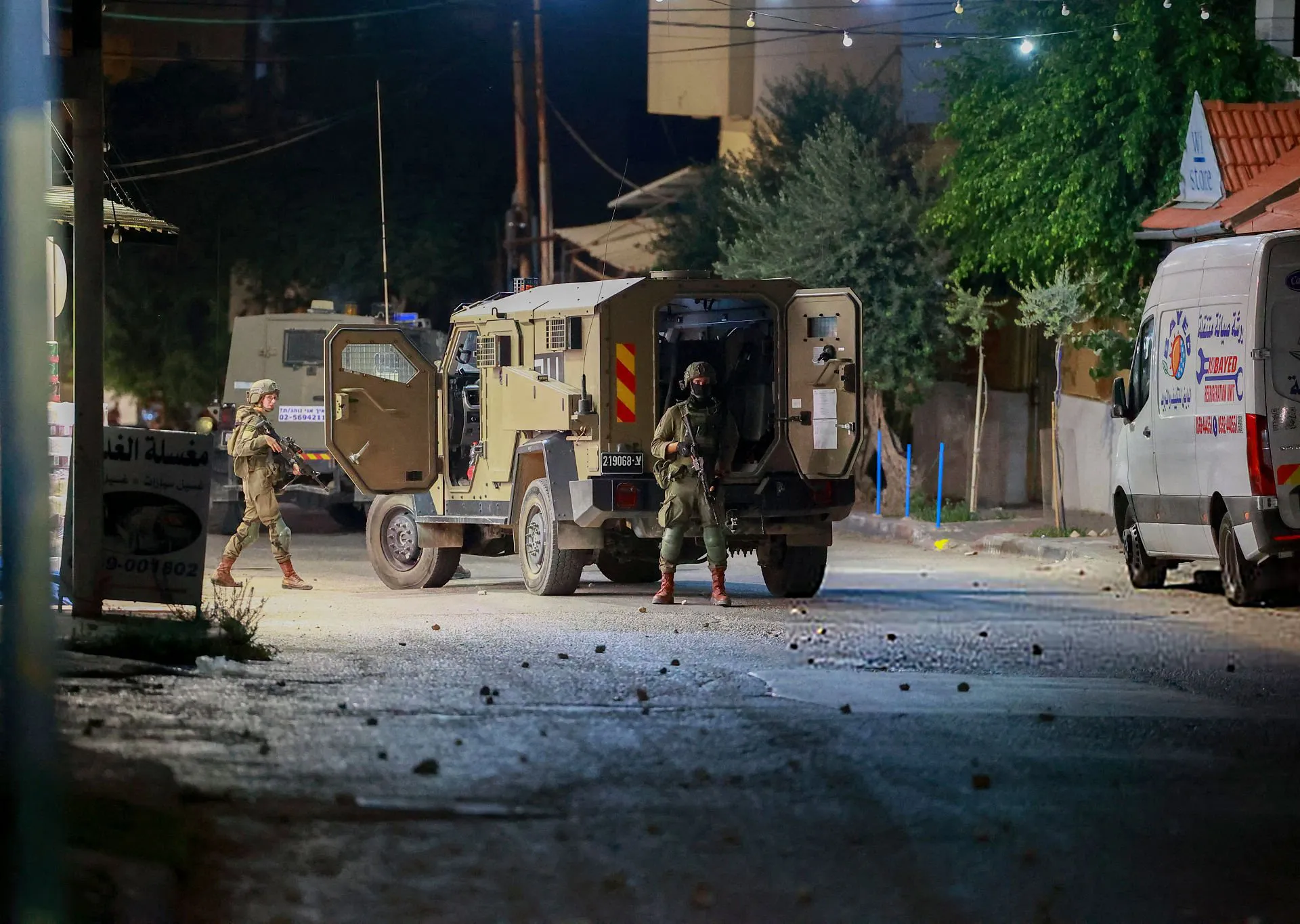
While US President's advisor Jared Kushner was promising donors in Davos an 'amazing success' and the transformation of Gaza into a global tourist hub with smart cities and airports, reality is drowning in an unprecedented humanitarian tragedy. Israel still controls more than half of the Strip's area and imposes strict restrictions preventing essential aid from reaching the displaced.
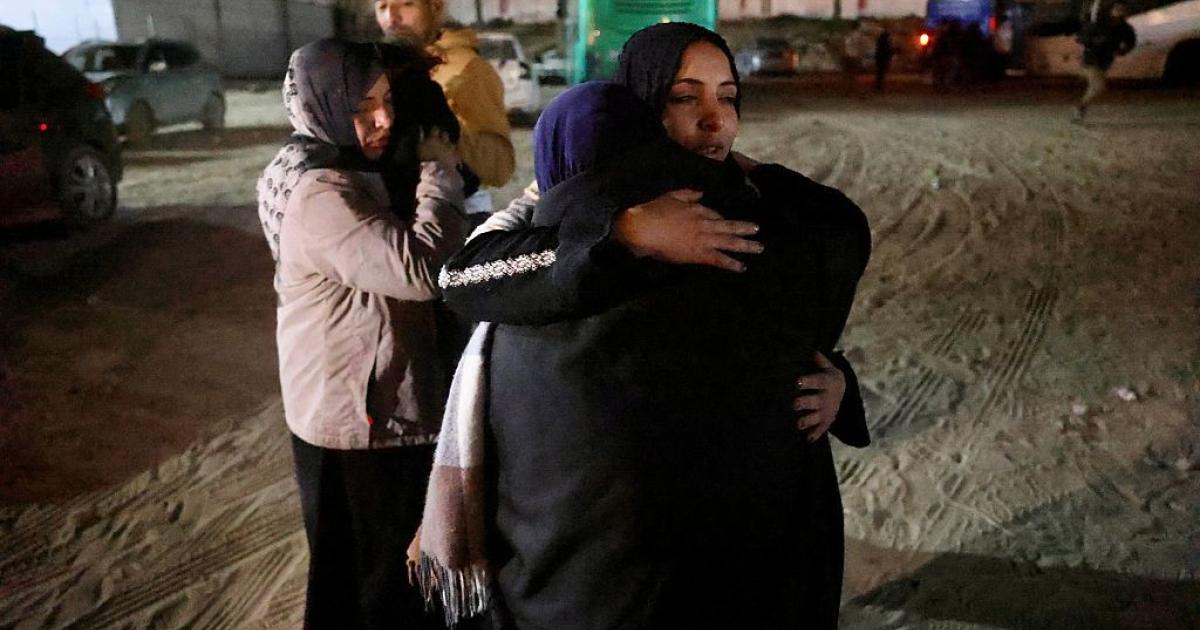
Hundreds of thousands of Palestinians live in temporary and makeshift tents amidst widespread hunger and a complete collapse of the health and education systems. Even American promises to establish 'fenced and semi-permanent' camps as a temporary alternative have not materialized on the ground, leaving residents in direct confrontation with harsh living conditions with no prospect of a solution.
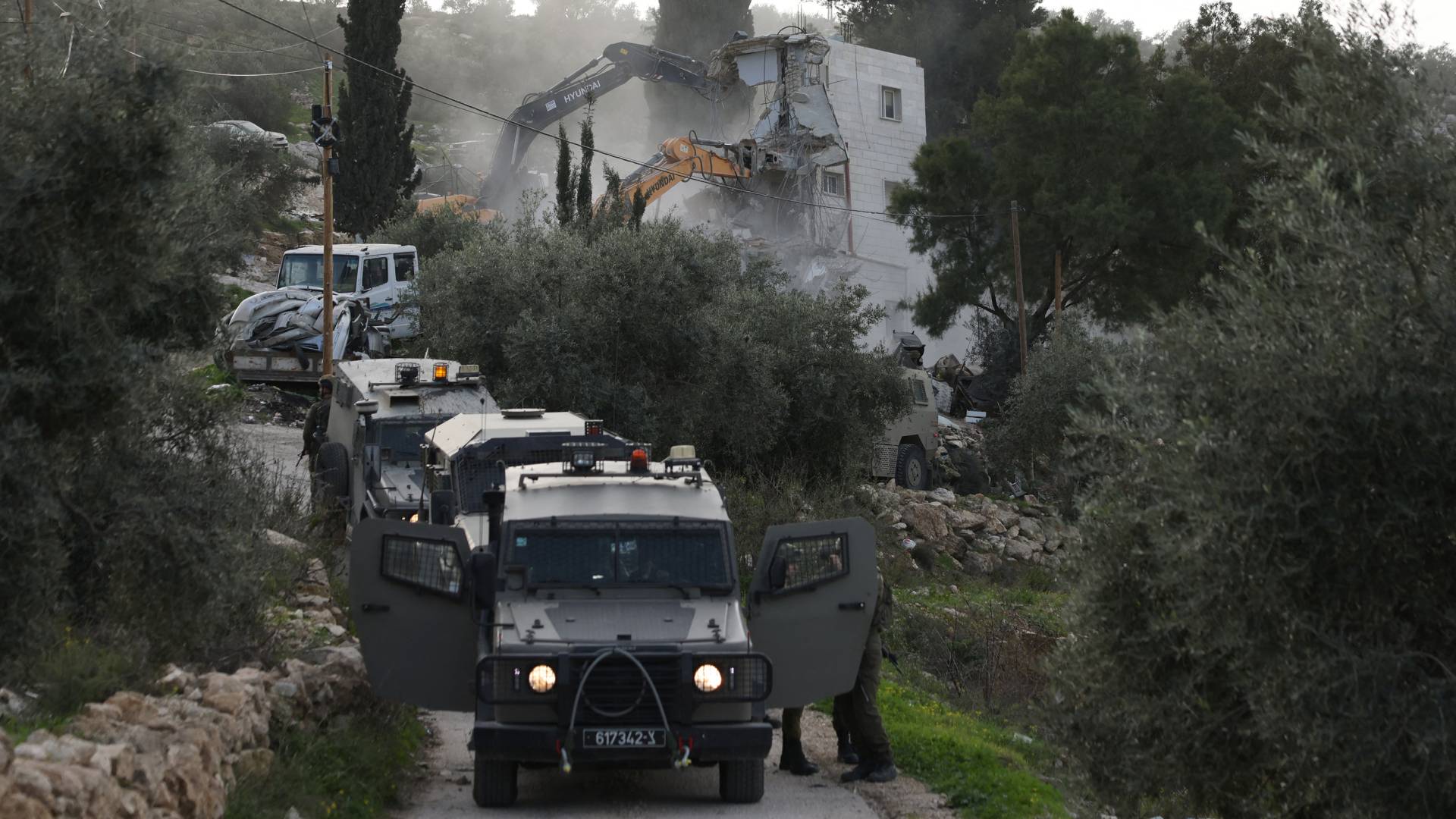
Local and international contractors, for their part, expressed their frustration at the halt of tenders for rubble removal, as no actual contracts have been signed yet. They confirmed that machinery remains idle, and no practical step has been taken to prepare the ground for the start of construction operations promised to residents after the cessation of aggression.
In contrast, the Peace Council defends its performance, with a senior official denying the existence of a suffocating financial crisis, considering the liquidity shortage as part of a broader funding crisis for UN programs. The Council clarified in a report addressed to the international organization that the gap between pledges and disbursement is what separates a 'framework on paper' from real results.
Nikolay Mladenov acknowledged in a briefing to the Security Council that 'the door to Gaza's future remains closed,' pointing out that continuous violations of the ceasefire by both sides hinder any reconstruction effort. This admission reflects the magnitude of political complexity surrounding the Palestinian issue and the intertwining international agendas that impede relief.
Informed sources raise pessimistic questions about the Council's ability to implement even in the event of major political shifts such as the disarmament of factions. Observers believe that the worst outcome could be the Palestinian parties agreeing to international conditions, followed by the international community's inability to provide the necessary logistical and financial support to begin implementation.
The future of more than two million Palestinians in Gaza remains suspended between glittering American promises and the bitter reality left by the war of annihilation. While officials in Washington talk about 'smart cities,' displaced people struggle for survival in camps lacking the most basic necessities of life, awaiting a genuine international will to end their ongoing suffering.
Not a single bottle of water has entered Gaza under the banner of the National Committee since January 2026, and promises of smart cities remain ink on paper.
شارك برأيك
Behind the Scenes of the Failure of 'Trump's Plan' in Gaza: Billions of Dollars in Promises and a Reality Drowning in Rubble