







Eight decades have not succeeded in erasing the details of the Nakba from the memory of the residents of Al-Bass Palestinian refugee camp in the Lebanese city of Tyre. Today, refugees live a mixture of the pain of the 78th anniversary of displacement and the harsh reality of escalating Israeli threats that loom with new waves of displacement, bringing back memories of the first exodus in 1948.
The Tyre region is witnessing a state of field tension that has driven large numbers of residents to seek safe havens. Al-Bass camp has received new displaced people despite its limited resources and cramped space. This influx has put the collective resilience of the camp's residents to a difficult test, amidst a suffocating economic crisis and an almost complete lack of job opportunities and basic necessities.
Field sources reported that the camp's atmosphere is dominated by constant anxiety fueled by the sounds of Israeli drones that do not leave the region's skies around the clock. Despite these security pressures and continuous harassment, refugees cling to staying in their temporary places of refuge, drawing strength from the stories of steadfastness they inherited from their ancestors who faced Zionist gangs during the Nakba.
One of the elderly women in the camp recounts the details of her village from which she was displaced when she was thirteen years old, confirming that she still remembers its landmarks house by house. The woman bitterly recalls how she lost her brother, who was run over by a military vehicle belonging to the occupation, to complete her journey of diaspora, orphaned from Safed to Tiberias, and then to the Lebanese coast.
Palestinian memory recalls the night of forced exodus, when some assured them that the return would be in just two days, only for a journey of wandering to begin that lasted for decades. From the border town of Naqoura to the Rashidieh and then Al-Bass camps, Palestinian families moved under the weight of systematic expulsion, but the dream of return remained steadfast and unwavering despite the passage of years.
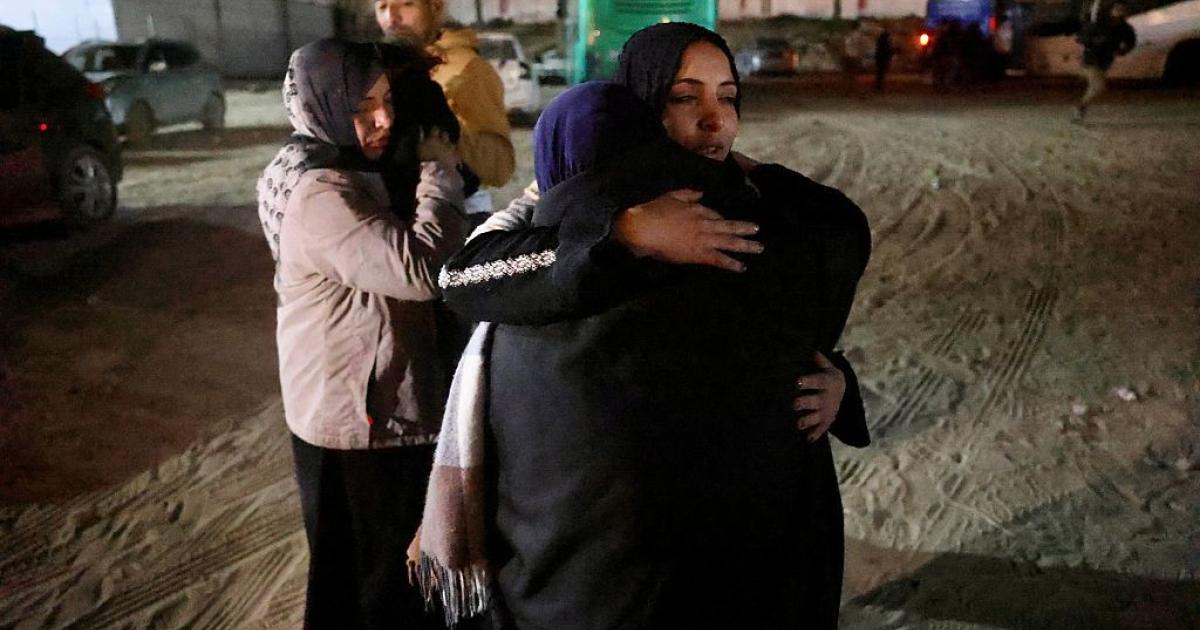
Ibtisam Al-Jamal, a second-generation refugee, confirms that the camp opens its arms to new displaced people despite the scarcity of resources, considering it a national and humanitarian duty. She adds that the pain today is doubled, as the weight of historical memory mixes with the harshness of the present, which threatens what remains of temporary stability in the lands of refuge.
For his part, Hajj Muhammad Abdul Majeed Zaidani, originally from Al-Damoun village in the Acre district, recalls his father's journey, who was arrested in Atlit prison during the Nakba years. Zaidani, who was born in Lebanon, visited his village in 1995 to find it a pile of stones, but he still remembers the elegiac poems that were recited about the 'Bride of the Coast' and the beginning of the Galilee.
Official data from the Palestinian Central Bureau of Statistics indicates that the Nakba caused the displacement of about 957,000 Palestinians from their cities and villages, which exceeded 1,300 population centers. These displaced people were distributed between the West Bank, Gaza Strip, and neighboring Arab countries, in addition to thousands of Palestinians who were subjected to forced internal displacement.
Historical reports document the commission of more than 70 horrific massacres by Zionist gangs during the events of 1948, resulting in the martyrdom of more than 15,000 people. This systematic policy led to the occupation's control over more than 85% of historical Palestine, in a failed attempt to obliterate the national identity of the Palestinian people.
If I die, my will is to be buried in Palestine, otherwise, I am steadfast here, carrying the key of return in my heart.
شارك برأيك
Between the Bitterness of Refuge and Present Threats: Al-Bass Camp Recalls the Memory of the Nakba on its 78th Anniversary