







The Israeli occupation faces a critical diplomatic dilemma on the European continent, as European Union foreign ministers will meet next Monday in Brussels to discuss a series of strict decisions. These moves come amidst a changing European political landscape, especially after the loss of strategic ally Viktor Orbán in Hungary, which opened the door for opponents of Israeli policies to pass previously stalled sanctions.
France and Sweden are leading a movement within the Union to demand the imposition of comprehensive customs duties on all products originating from Israeli settlements. According to diplomatic sources, these tariffs will not be limited to West Bank settlements but will also include the occupied Golan Heights and East Jerusalem, which means raising the prices of these goods by 20% to 30% in European markets.
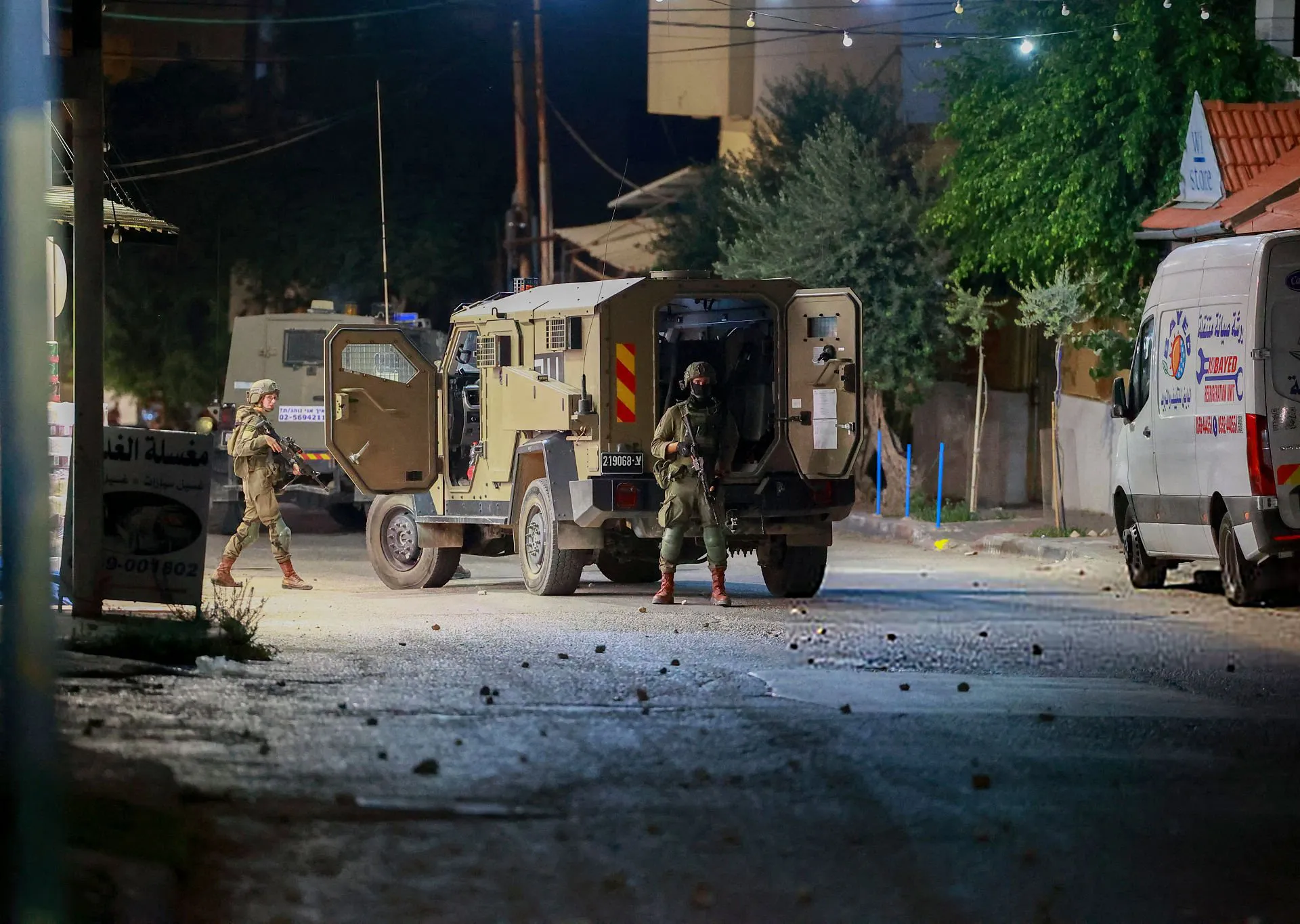
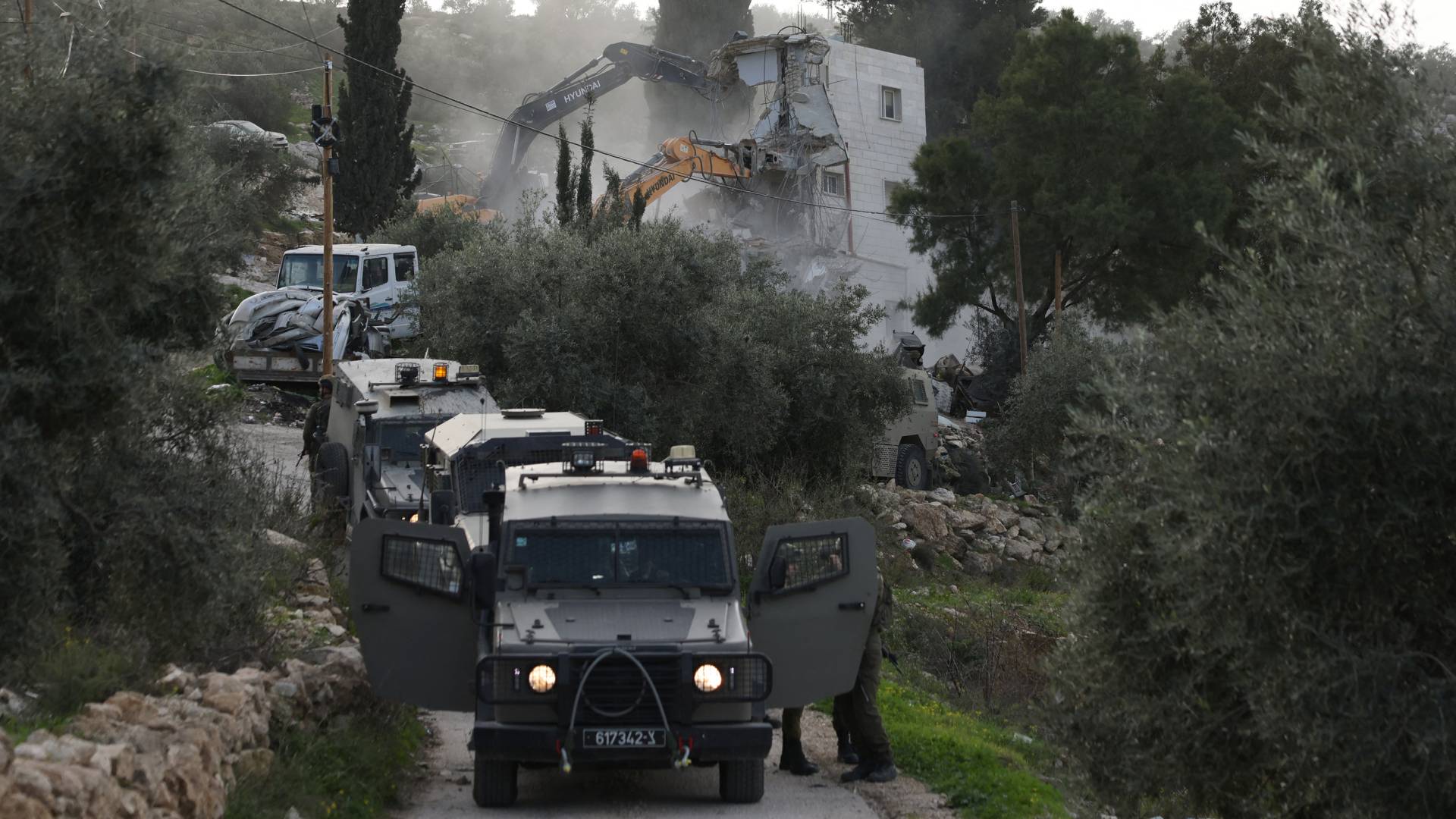
Reports indicate that the escalating European anger stems from several issues, most notably the rise in settler violence in the occupied territories and unprecedented settlement expansion. European diplomats also believe that recent Israeli trends, such as hinting at the application of the death penalty and withdrawing from international agreements, represent a dangerous departure from the core values of the partnership agreement with the European Union.
These economic sanctions are expected to affect vital sectors in the settlements, including date exports, Golan wine, and personal care products extracted from the Dead Sea. The European Union views this step not as direct punishment, but as a legal correction that deprives settlements of customs exemption privileges granted only to products manufactured within the 1967 borders.
On the political front, European ministers are considering imposing personal sanctions on the extremist ministers Itamar Ben Gvir and Bezalel Smotrich, a step that requires full consensus. With the absence of an automatic Hungarian veto, Israeli circles are anxiously awaiting Budapest's new stance, as Prime Minister-elect Péter Magyar seeks to improve his relations with Brussels in exchange for the release of billions of euros in funding.
In a notable development, Israel appears to have lost the support of Italy, which was considered a strong ally, following repeated attacks by Jewish extremists on churches and monks in Jerusalem. These incidents, in addition to the desecration of Christian landmarks in southern Lebanon, have caused widespread indignation in Rome, making the Italian position more inclined to support European punitive measures.
Attention is now turning to Germany, described as the 'last stronghold' that could prevent or mitigate the severity of these decisions. Israeli Foreign Minister Gideon Sa'ar made an urgent visit to Berlin in an attempt to persuade German officials to object to the imposition of customs duties, or at least to settle for limited sanctions against individuals instead of comprehensive economic measures.
Countries such as Spain, Ireland, and Slovenia plan to exploit the new political climate to exert more pressure on Tel Aviv in international forums. Sources confirm that the coming days will be 'difficult' for Israeli diplomacy, as it is no longer possible to rely on European division to obstruct decisions that affect the core of the settlement project in the Palestinian territories.
The current political situation in Europe makes the likelihood of approving customs duties on settlement products very high, which represents a severe blow to the settlement economy.
شارك برأيك
Dramatic Shift in Europe: Towards Imposing Tariffs on Settlement Products and Sanctions Against Ben Gvir and Smotrich