







Palestinian circles and social media platforms witnessed a heated debate following reports of significant amendments to national school curricula. These allegations included the deletion of content related to national constants and the alteration of established historical and cultural terms, raising widespread fears that official bodies were succumbing to conditional international pressures.
According to activists and local media, the alleged changes affected dozens of textbooks for students from first to tenth grade. Criticisms focused on undermining sensitive issues such as the issue of prisoners, the right of return, and the status of Jerusalem, in addition to replacing educational texts with others said to promote alternative narratives.
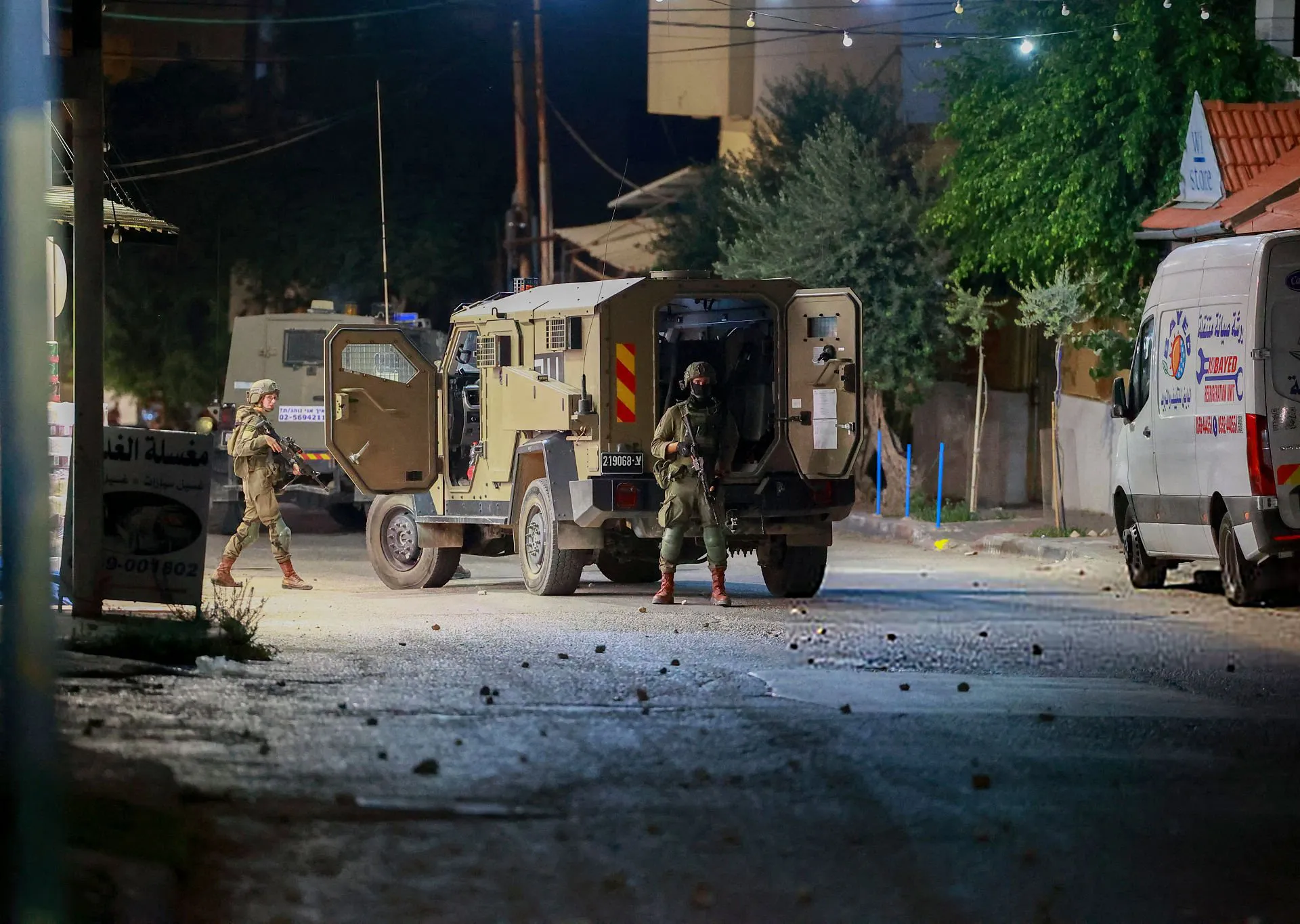
For its part, the Ministry of Education and Higher Education promptly issued a comprehensive clarifying statement to respond to these accusations and refute the published documents. The Ministry affirmed that the majority of what is circulated in the digital space has no connection to the official Palestinian curriculum, but rather is the result of forgery and distortion practiced by the Israeli occupation in schools in occupied Jerusalem.
The Ministry explained that the occupation authorities systematically seek to 'Israelize' education in the Holy City by changing evidence and examples in textbooks. It stressed that the attempt to attribute these distorted curricula to the Ministry falls within a disinformation campaign aimed at tarnishing the image of the national educational system before the Palestinian public.
In response to the criticisms, the Ministry accused externally funded media outlets of deliberately conflating the State of Palestine's international commitments with educational content. It indicated that these parties are trying to portray the alignment of education with UNESCO standards as a concession of national values, which the Ministry categorically denied.
The Ministry of Education reiterated its commitment to UNESCO standards related to educational quality and the development of students' scientific and educational skills. It clarified that these standards aim to modernize the educational system and align it with the requirements of the international labor market, without compromising the cultural identity or historical narrative of the Palestinian people.
As part of its development plan, the Ministry revealed the start of implementing an integrated educational system that includes the experience of interactive schools and the development of the teaching profession. It also referred to the new system for the General Secondary Education Examination ('Tawjihi'), which will be held over two years, a system aimed at early specialization and reducing the burden on students.
Despite official clarifications, concern still prevails among parents and educational specialists regarding the limits of the impact of international standards. Concerns focused on issues such as gender equality and the reformulation of family concepts, with critics demanding guarantees that education will not be separated from the system of Islamic values and societal traditions.
Activists and followers demanded the adoption of full transparency by publishing any curriculum amendments before their official adoption. They considered that preserving students' national awareness represents the first line of defense against attempts to erase identity, emphasizing that education under occupation must remain committed to historical rights.
In conclusion of the debate, observers stressed the importance of distinguishing between necessary academic development and ideological change that may be imposed through conditional support. National actors called for the formation of independent review committees to ensure the balance of curricula between global standards and Palestinian specificity, which is affirmed by international laws for peoples under occupation.
What is being circulated mostly relates to examples and evidence that the occupation has changed in the curricula of Jerusalem schools, as part of the policy of Israelizing the Holy City.
شارك برأيك
Widespread Controversy Over Palestinian Curriculum Amendments and Ministry Clarifies Reality of External Pressures