






The Dutch stance on the war in Gaza is no longer just a matter of protocol statements or isolated remarks. In just a few months, events have accelerated dramatically: a security report categorizing Israel as a threat, the resignation of the Foreign Minister in protest against his government's inaction, followed by the resignation of ministers from his party, one of the four components of the governing coalition, in addition to unprecedented popular demonstrations in the streets of Amsterdam, Rotterdam, and The Hague, and finally a direct call from Prime Minister Dick Schoof to Israeli Prime Minister Benjamin Netanyahu, demanding an immediate halt to the war and an improvement in the dire humanitarian situation.
This is a pivotal moment that raises the question: Has the Netherlands entered a phase of strategic transformation, or is it merely a situational response to street pressure? The significance of this shift in discourse lies in the fact that it came from the head of the executive authority. For the first time, a Dutch Prime Minister addressed his Israeli counterpart in explicit terms: "I strongly requested an immediate ceasefire and a radical improvement in the humanitarian situation. This war must end," according to a tweet from his account on the X platform.
This tone is unfamiliar in Dutch politics, which has traditionally balanced cautious criticism with conventional support for Israel. It reflects a convergence of street pressure with institutional concern, revealing that narrow political calculations can no longer contain popular resentment.
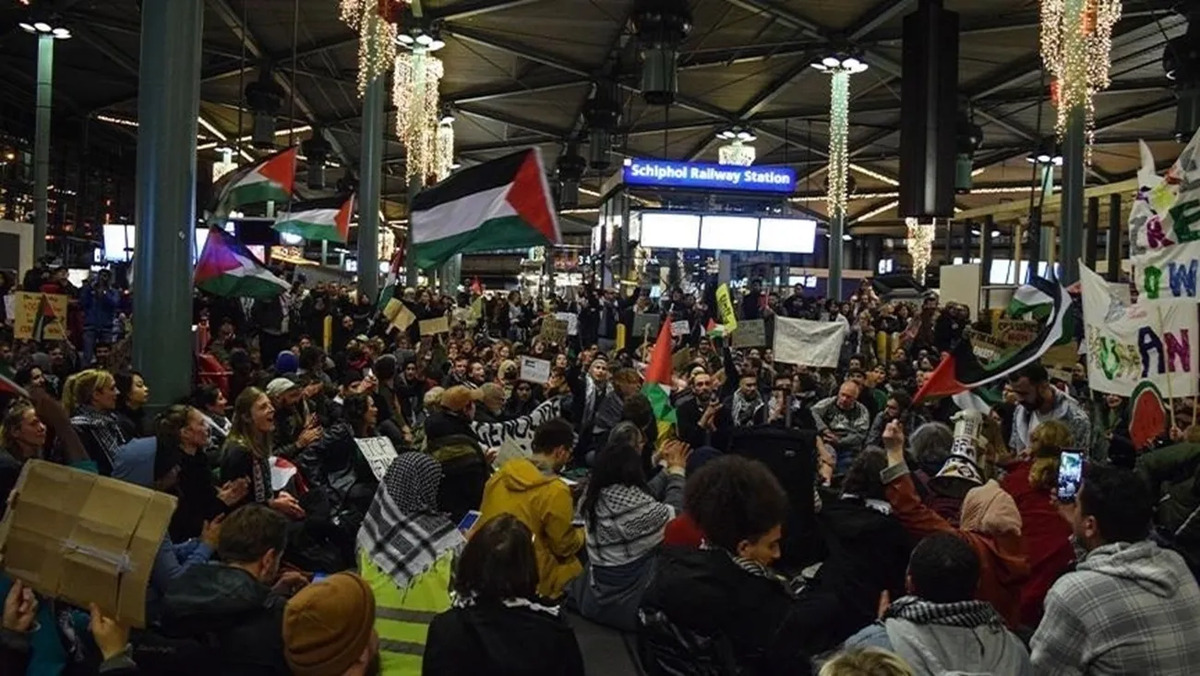
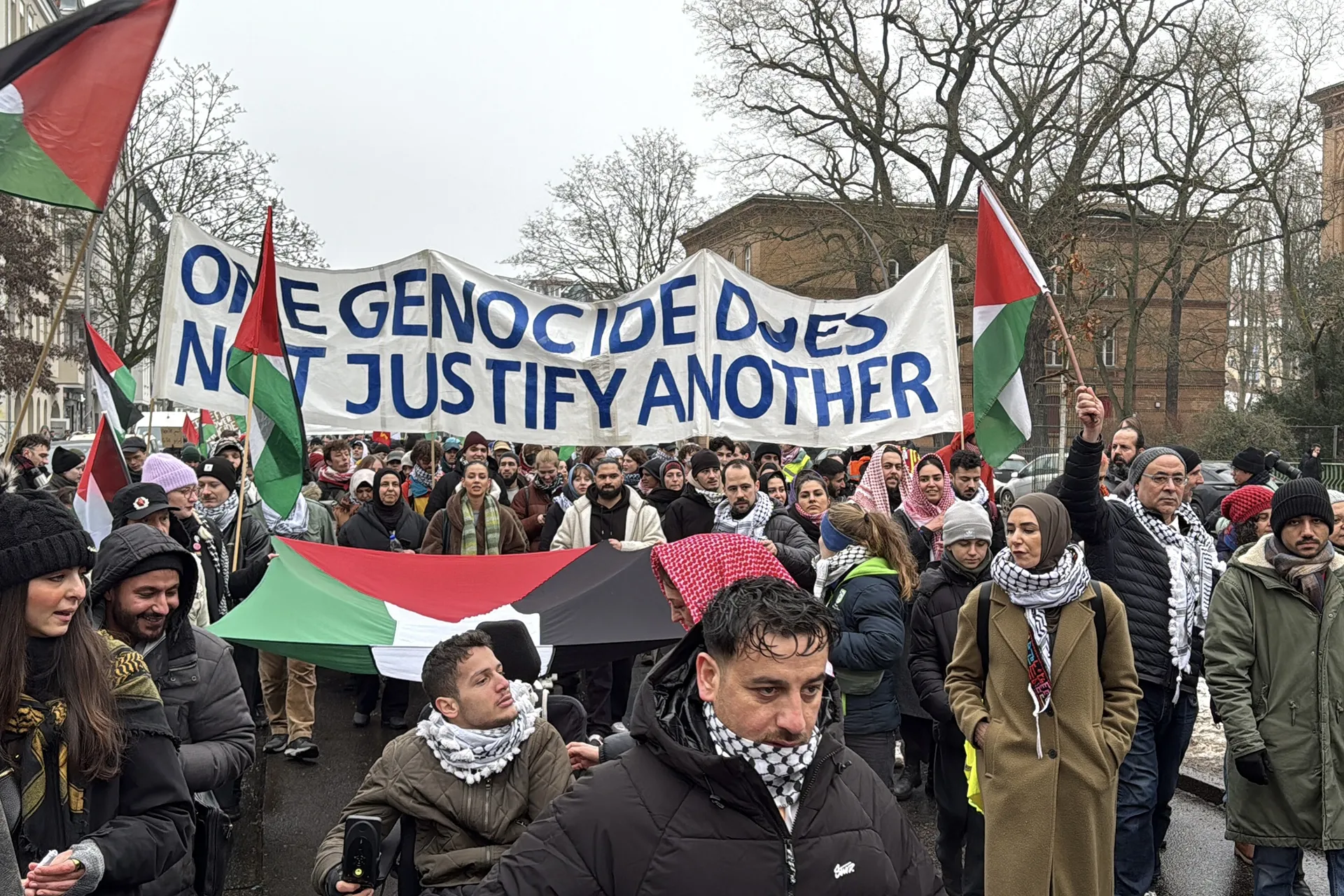
The Dutch street is no longer silent; tens of thousands have taken to the streets in weekly demonstrations in the largest cities, led by a mix of Arab and Islamic communities, leftist organizations, university students, and professional unions. Some protests lasted for hours, blocking major streets, while banners were raised with phrases like "No Justice Without Palestine" and "Stop the War Now."
The local media has picked up on this new tone, with major newspapers opening their pages to writers and researchers criticizing European double standards, focusing on human stories from Gaza, reinforcing the image that the issue is no longer confined to communities but has become a public Dutch concern.
The Dutch position cannot be read in isolation from the broader European context. Spain, Ireland, and Belgium have taken firm stances against the continuation of the war, while Germany and France have remained relatively neutral. The entry of the Netherlands—historically closely tied to Israel—into this line may represent an additional step toward shaping a more cohesive European stance.
But the question remains: Will the stance be limited to symbolic diplomatic pressure, or will it evolve into concrete measures such as freezing economic cooperation or imposing sanctions as occurred with Russia after the invasion of Ukraine?
The new position is not without internal calculations. The ruling coalition has been in a state of fragility since the withdrawal of the far-right, and the division over Palestine has become clear among the partner parties following the resignation of ministers from the new centrist Social Contract Party.
Schoof's discourse here can be read as an attempt to absorb popular anger and contain the ongoing protests, but it also reflects an awareness that silence is costing the government significantly in terms of its international image.
Moreover, there is an increasing fear that the Gaza issue could threaten the stability of the ruling coalition and impact the results of the upcoming parliamentary elections, especially under the pressure of youth bases sympathetic to Palestine, and the opposition's accusations that the government is "taking too long" to adopt a moral stance.
The Netherlands, which hosts the International Court of Justice and the International Criminal Court, finds itself facing a difficult test: Will the values of international justice remain confined to the halls of The Hague, or will they transform into a foreign policy practiced boldly?
In July of last year, the Dutch National Coordinator for Counterterrorism and Security included Israel on the list of countries that pose a threat through foreign influence activities, an unprecedented classification.
Additionally, Dutch Foreign Minister Kasper Feldkamp submitted his resignation on August 22, 2025, in protest against his government's failure to impose sanctions on Israel.
These facts reflect that the debate is no longer merely an external matter but has become part of an internal controversy regarding the identity of the Netherlands as a country that claims to defend international law.
The biggest challenge to any real transformation lies in the strong economic and military ties between the Netherlands and Israel. The latter is considered an important partner in technology, cybersecurity, and agriculture, and major Dutch companies have intertwined investments with the Israeli market. Any decision to impose restrictions or sanctions would not be merely symbolic but would clash with strong economic interests, making the pursuit of this path a difficult test for the government.
The comparison that many in the Netherlands are invoking today is not new. In the 1970s and 1980s, the country was historically linked to South Africa through Dutch colonizers, which initially made Dutch governments hesitant to criticize Pretoria directly
شارك برأيك
The Netherlands to Israel officially: Stop the war on Gaza