PALESTINE

Wed 08 Nov 2023 8:28 am - Jerusalem Time

Israeli forces storm Birzeit University campus and wound a young man with live bullets

At dawn on Wednesday, Israeli forces stormed the campus of Birzeit University, north of the city of Ramallah.


Local sources said that Israeli forces forced the university guards to open their doors, as 6 military vehicles entered the campus.


The Israeli forces stormed the town of Birzeit, where soldiers shot a young man, wounding him with live ammunition, without providing further details about his condition.


The University Council decided to switch to e-learning since last October 9, in view of the escalating attacks by Israeli forces and colonists in the West Bank, and because of the expected risks resulting from blocking roads at the occupation’s military checkpoints and the policies of collective punishment pursued by Israeli authorities.

OPINIONS

Wed 08 Nov 2023 8:22 am - Jerusalem Time

The American ticking hour, and Israel’s movements in its war against “Hamas”

Institute for National Security Studies

Institute for National Security Studies

Opinion Writer

Eldad Shavit

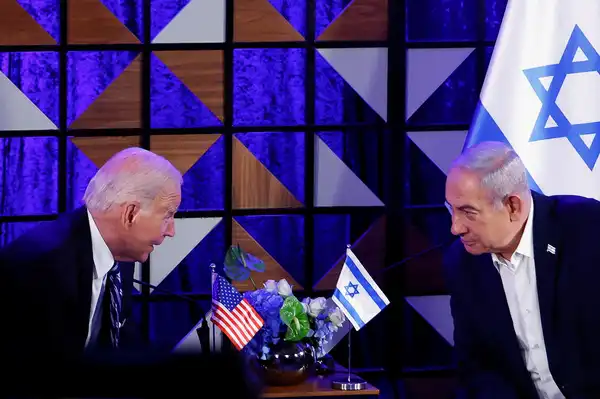
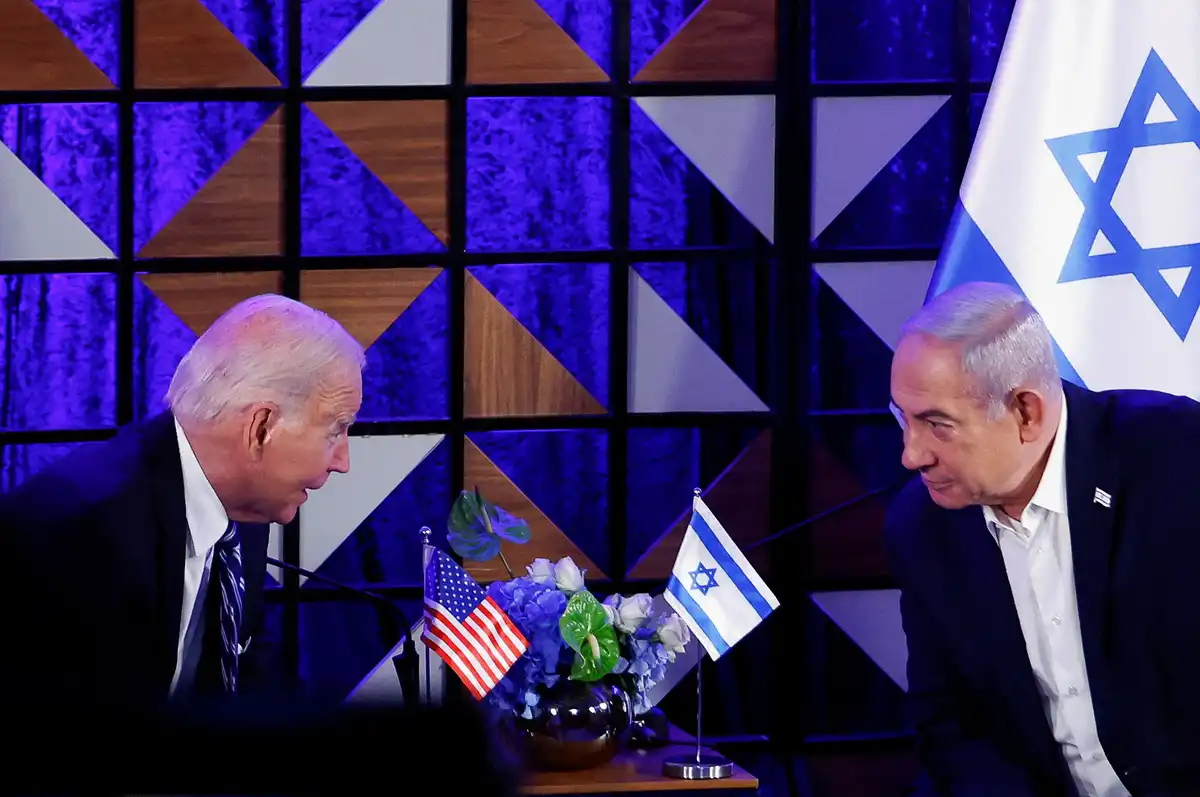
The US administration, under the direct supervision of President Biden, continues to provide support to Israel, even a week after the start of the ground operation in the Gaza Strip. The US President and other officials in his administration reiterate that Israel has the right and duty to protect its citizens. The White House also generally agrees with Israel's war goals: defeating Hamas. US Secretary of State Anthony Blinken repeated this again in the press conference he held with Arab foreign ministers on October 4. There is also a comprehensive and ongoing dialogue taking place between the Israeli leadership and the United States, and it seems that it revolves around the following issues:


Humanitarian aid to the Gaza Strip: It seems that Israel has adapted its policies to the demands of the American administration, and that the talk is now focused on asking the administration to allow a humanitarian truce, mainly with the aim of making room for the release of the kidnapped people, although this has not happened yet, according to public statements, Reaching understandings. In any case, the US administration is emphasizing that what is meant is not a ceasefire that it believes will serve the interests of the Hamas movement.

Strict adherence to the laws of war: distinguishing between the enemy and civilians, and trying to avoid causing harm to civilians, as much as possible. The administration has called for these considerations to be included in field operational plans, and it appears that Israeli measures now, especially with regard to the separation of the northern and southern Gaza Strip, as well as the designation of “safe zones” for the civilian population, are sufficient to meet American expectations.


Attention to the issue of the day after the war: In this regard, the gap between President Biden and his administration, and Israel, is evident. In this context, Blinken said after his meeting with the President of the Palestinian Authority in Ramallah: “The next day, and in view of everything related to the future of the Gaza Strip and the West Bank, the visions, voices and aspirations of the Palestinians must be at the center of attention.” It is not clear how much these gaps will affect the US administration’s tolerance for Israel, although it is clear that the lack of Israeli desire to discuss this issue may negatively affect American patience with the continuation of hostilities, and exacerbate US doubts about Israel’s plans regarding “Next day to the war."


Motives for American support for the fighting in the Gaza Strip

The emotional support that President Biden provided to Israel, and the painful impression left on the president by the Hamas attack, as was evident in his speeches in solidarity with Israel, testify that what happened on October 7 is not just another round of fighting. In his opinion, it is a major event that not only caused the reshaping of Israeli identity, but its effects will also extend to the regional and international arenas for many years to come. This is due to the repercussions of the war on the global conflict between the “good guys” and the “bad guys”: the new “axis of evil” that includes, in the eyes of President Biden, China, Russia, Iran, and the parties supported by these countries.


In practice, expressing commitment to the ally Israel is, practically and theoretically, a position derived from the position of President Biden, who says that the United States must defend its allies, similar to the administration’s position in its support for Ukraine since the beginning of its war with Russia.

 In addition to the above, the American administration sees this war as an opportunity to reshape the Middle East again. Biden has already stated that there must be no return to “the status quo that existed before October 7th.” From his point of view, the defeat of Hamas will contribute to strengthening his perspective of strengthening the moderate countries in the region, pushing forward towards a political solution to the Palestinian issue, and strengthening normalization relations between Israel and the Arab countries, led by the Kingdom of Saudi Arabia. On the other hand, it is clear to the Biden administration that Israel's failure to achieve its goals in the fight against the Hamas movement will strengthen the motives of Iran and Hezbollah to challenge Israel, and at the same time, the matter will affect the standing of the United States in the region and beyond.

The administration’s position mentioned above has implications with regard to the domestic American arena: despite the escalation of voices opposing the war launched by Israel on the Gaza Strip, and the impact of this, consequently, on American support for Israel, the president’s behavior strengthens his image as a strong leader, especially on the threshold of the opening of the election year for Presidential in the United States.


Considerations affecting the American administration

Conduct of the military operation: The American administration is concerned with the success of the military campaign. There are American officials who have provided (and are providing) advice to Israel, but it seems that they do not have in their hands an effective alternative military plan that guarantees the success of the campaign. “The IDF standing still” without an assessment that progress has been made toward achieving the goal of defeating Hamas may reduce the administration’s willingness to continue giving Israel time. It is also possible that there is a difference between the time required to achieve military objectives, according to Israeli statements (months, and perhaps more), and the administration’s demands (a few weeks, maximum). It must be emphasized here that the administration is not engaged in a public discussion with Israel regarding the military aspects of the war, although the American media published news about certain criticisms directed at Israel in this regard.


The behavior of the Israeli government: The logic that Biden presents as a basis for supporting Israeli military action is that its success will open the door to an Israeli-Palestinian political settlement process that serves the vision of “two states for two peoples.” Even if it is not clear whether such a goal is achievable, it is important for the US administration that the Israeli government act responsibly and refrain from taking actions in the West Bank that would hinder the achievement of this vision. Administration spokesmen are making strong statements against settler violence targeting the Palestinian population in the West Bank, fearing that this phenomenon will erode the American ability to provide support to Israel, on both the logistical and moral levels. In addition to the above, it is likely that the administration is operating based on the assumption that the internal political reality in Israel will change after the military campaign, and this will allow political-diplomatic action to be promoted. The US administration's awareness that Israel is not prepared for this matter, and that it is consciously acting against the logic of a political settlement the day after the war, will make it difficult for the administration to provide support to it in the next stages of the military campaign.

Internal American issues: Even if the American administration does not currently express concern about the consequences of its policies on the president’s political standing, on the eve of the start of the presidential election year, it is already clear that the current American administration will face, with the increasing number of civilian casualties and destruction in the Gaza Strip, mounting criticism of the support provided to It is available to Israel, especially by groups traditionally affiliated with the Democratic Party. Opinion polls conducted in the United States indicate increasing criticism among young Democratic voters, in addition to the loss of initial support for the administration among Muslim voters, especially in states such as Michigan (where Muslims represent 3% of the population), which may It turns the scales in the 2024 presidential elections. It is noteworthy that the media reported the presence of a growing “rebellion” in the Ministry of Foreign Affairs, led by parties critical of the policies of the Biden administration.

Insights and recommendations


Contrary to what happened in previous rounds of Israeli-Palestinian confrontations (especially between Israel and Hamas), when the gap between the media and public opinion in Europe and the United States, which was critical of Israel, affected the positions of the leaders of these countries, and their support for Israel quickly diminished, the leaders remained These countries have been committed to supporting Israel throughout the weeks that have passed since the start of the war against Hamas, despite the escalation and breadth of popular criticism. It is clear that President Biden and his administration are leading this trend with ability and resolve, at least publicly (if we exclude disagreements regarding the entry of humanitarian aid into the Gaza Strip). There are no major differences here in positions between the American administration, the majority of European leaders, and Israel.


From the Israeli point of view, it is the Biden administration's position that will decide whether to take the time to move forward in the direction of achieving the goals of the Israeli military campaign against Hamas. Accordingly, Israel must focus its efforts, no less than its military efforts, on ensuring continued American support for the period it needs to achieve its military objectives against Hamas, and at the same time, continue to deter Hezbollah from pushing An escalation trend that will lead to the outbreak of a large-scale war on the northern front.

The immediate goal is to prevent the escalation of calls for a ceasefire in the Gaza Strip. It is clear to the US administration, at least so far, that a ceasefire (unlike short-term humanitarian truces) may increase the pressure calling for a cessation of hostilities and allow the Hamas movement to recover and restore part of its administrative and military capabilities, which it rejects. It is true that Israel does not have the ability to directly influence some of the parties that impose the American administration’s positions, but Israel must continue to highlight its effort to adhere to the principles of humanitarian aid and the lives of civilians in the Gaza Strip, as long as the objectives of the fighting are presented clearly, and in realistic terms. It proves that it is implementable, which increases the chances that the American administration will rely on it to maintain its support for Israel.

Even in light of this problematic political reality that Israel is experiencing, it is necessary to present a realistic political plan that takes into account American interests and ideas. In this context, Israeli official spokesmen, in particular, must refrain from issuing statements that constitute fuel for opponents of Israel and reasons for withdrawing its support. It is very important to think concretely about the issue of the “day after the war”, while avoiding harmful (and unrealistic) statements, such as “occupation of the Gaza Strip” or “displacement of Palestinians”.

ARAB AND WORLD

Wed 08 Nov 2023 8:17 am - Jerusalem Time

Sunak calls for canceling a demonstration against the aggression on Gaza

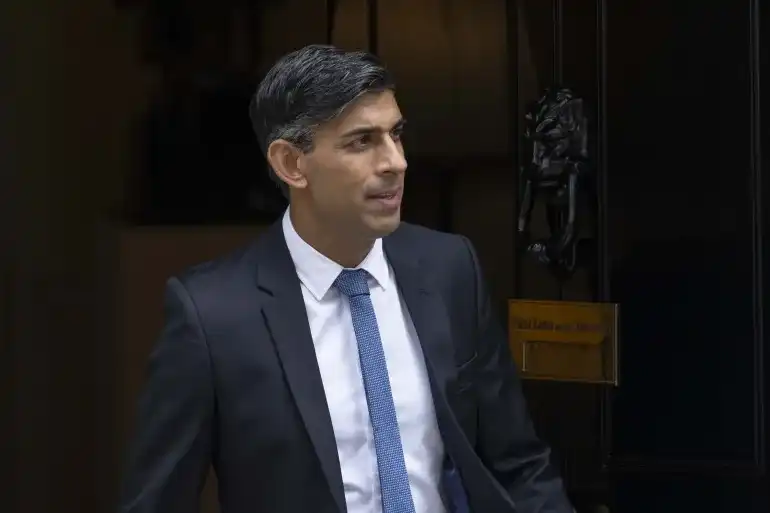
British Prime Minister Rishi Sunak said that planning to organize a demonstration next Saturday against the Israeli aggression on Gaza is “provocative and shameful,” because it coincides with “Armistice Day,” in which London honors its dead in the First and Second World Wars.


On Tuesday, the British Prime Minister called on pro-Palestinian groups to cancel the march, which will demand an end to the Israeli aggression.


Until now, the aggression against Gaza has led to the fall of more than 10,000 martyrs, most of them women and children, the destruction of infrastructure and the displacement of most of the population.


The organizers of the demonstration defied appeals from the British Metropolitan Police to postpone the demonstration scheduled for next Saturday.


Tens of thousands are expected to participate in the demonstration in the streets of London, to demand an immediate ceasefire in Gaza.


"We continue to believe that planning protests on Armistice Day is provocative and disrespectful, and we urge organizers to reconsider," Sunak's spokesman told reporters.


He added that the government would "carefully consider any request" from the police to prevent the protest from continuing.


Some observers fear that the demonstration on Saturday will disrupt the commemoration of “Remembrance Day,” which also falls on Sunday and includes a two-minute silence in honor of the dead British soldiers.


The organizing groups did not indicate that they planned to demonstrate on Sunday or on “Remembrance Day,” the culmination of celebrations honoring soldiers who fell in previous wars.


Organizers pledged to avoid the Whitehall area of central London, where the memorial is located.


Source: Al Jazeera + French

PALESTINE

Wed 08 Nov 2023 8:07 am - Jerusalem Time

Israel launch massive arrest campaign in the West Bank and Jerusalem

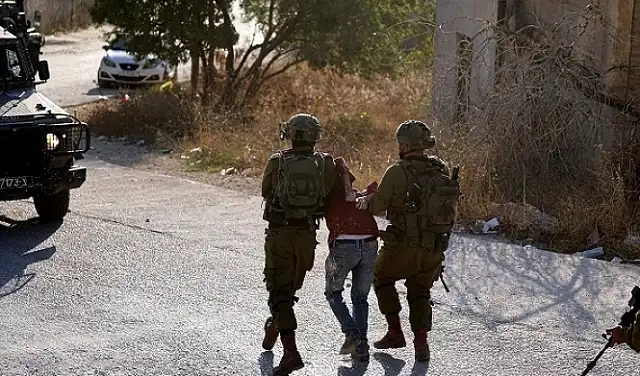
Institutions concerned with prisoners’ affairs reported that the occupation forces arrested dozens of Palestinians from the West Bank after storming their homes, tampering with their contents, and subjecting their residents to field investigations, after detaining them for hours, and transferred dozens of detainees for investigation by the occupation security services.


At dawn and Wednesday morning, the Israeli occupation forces launched a campaign of raids and searches in the occupied West Bank and Jerusalem, which included clashes and confrontations in some areas, resulting in injuries and cases of suffocation, while the Israeli forces arrested dozens of Palestinians, including 3 women and two journalists.


ARAB AND WORLD

Wed 08 Nov 2023 8:04 am - Jerusalem Time

The attack awakened fears of the collapse of Israel.. How was the “Israeli security” theory shattered by the “Al-Aqsa Flood” battle?

The Minister of Defense in the Israeli occupation government, Yoav Galant, announced that the war in the Gaza Strip consists of three stages, starting with the destruction of the Hamas movement through a military campaign targeting the movement and its infrastructure. The second phase will be to continue fighting, but with less intensity “to eliminate any pockets of resistance.” The third step is “establishing a new security system in Gaza, and creating a new security reality for the citizens of Israel and residents of the areas adjacent to Gaza.” But how can this be understood within the framework of the Israeli security theory on which the state was built 75 years ago?


After the "Al-Aqsa Flood"... the occupation is searching for an alternative to the Israeli security theory

The Israeli security theory emerged from the thesis of Zeev Jabotinsky (1880-1940), the founder and leader of the Revisionist Zionist movement and the godfather of the Israeli right, which he published in two articles in 1923 entitled “The Iron Wall,” in which he saw that reaching an agreement with the Arabs was not possible, because they will not give up their land and rights, so conflict with them is inevitable.


According to Jabotinsky, this matter requires the establishment of an iron wall based on building a deterrent military force sufficient to generate despair in the hearts of the Arabs and push them to give up Palestine. He stressed that peace with the Arabs would become possible only after inflicting severe military defeats on them. What prompts them to accept the existence of “Israel” and the futility of resisting it militarily.


A report by Asabab website, which specializes in political and strategic analysis, says that the Israeli Prime Minister and former Defense Minister David Ben-Gurion, immediately after the establishment of the occupying state in 1948, supervised the crystallization of a national security theory emanating from the “Iron Wall” thesis, and was based on the small population of Israel compared to its Arab surroundings. And its lack of defensive depth due to its limited geographical area, and therefore the “all people are an army” model was adopted, which makes the occupation army the largest army in the world in terms of its size, which depends on reserve forces compared to the number of population.


The foundations on which the "Israeli security" theory was built: deterrence, intelligence superiority, and rapid decisiveness.


First: deterrence

This is done by possessing a superior military force that discourages opponents from attacking “Israel” for fear of being destroyed by its army, which, despite being a small regular army, has huge reserve forces in accordance with the “all the people is an army” approach.


Second: Intelligence superiority

Which aims to provide early warning that allows the threat to be thwarted proactively, and also provides the opportunity to mobilize reserves at the appropriate time to confront threats, given that reserve mobilization represents a necessity. Intelligence superiority depends on multiple sources of information collection, such as: human sources, cyber penetration, electronic eavesdropping, aerial photography, and benefiting from the exchange of information with friendly intelligence services, which allows obtaining detailed information about the opponent’s intentions, the size of his forces, their armament, and their locations. And its movements.


Third: Quick resolution

By solid defense along the border to prevent the opponent from occupying any part of the territory controlled by the occupation, and transferring the war to enemy territory as quickly as possible, and possessing an air force capable of providing assistance to the ground forces from the first hour of combat, and launching a pre-emptive attack in the event of danger. serious or potential, and eliminate threats as quickly as possible to prevent the mobilization of reserve forces for a long time.


“Ironing consciousness,” “mowing the lawn,” and “the battle between wars.”

The Israeli security theory was developed to confront regular forces during the conflict of the occupying state with the Arab armies, but following the peace agreements with Egypt and then Jordan, and the invasion of Iraq in 2003, the threats from the Arab countries declined, and resistance movements and organizations such as Hamas, Islamic Jihad in Palestine, and Hezbollah emerged among the threats. In Lebanon. Therefore; Israel coined new terms within its security doctrine, such as “ironing consciousness,” “mowing the grass,” and “the battle between wars.”


The "battle between wars" is based on taking pre-emptive offensive measures based on high-quality intelligence information with the aim of deterring the enemy, keeping the fighting outside the territory of "Israel", and weakening opponents without having to wage a wide-scale war with them.


This includes undermining the opponent's military capabilities, or "mowing the grass", and inflicting on him heavy human and material losses if he engages in hostile attacks that are sufficient for the process of "cauterizing consciousness" to prevent him from attempting to repeat those attacks, given his certainty that he will pay a heavy price, which is what ultimately, it ensures that long periods of calm are maintained to the greatest extent possible, in order to provide the stability necessary for the development of the state, ensure its economic, social and political prosperity, and allow resources to be redirected towards education, science and other civic areas to enhance Israel's comprehensive potential.


How did the “Aqsa Flood” battle destroy all these theories?

The “Asbab” website says that the “Al-Aqsa Flood” operation struck the entire foundations of the Israeli security theory. The Israeli force did not deter the Al-Qassam Brigades from thinking about launching a large-scale attack that would include dozens of Israeli settlements and sites. Israeli intelligence was unable to obtain any prior information about the attack, and the Palestinian fighters succeeded in controlling large areas of the occupied territories for the first time.


This collapse once again awakened concerns about the possibility of the collapse of Israeli state in light of the steadfastness of the Palestinians despite the oppression and siege. It also undermined the sense of security and stability that allowed for more immigration and settlement operations in recent decades.


Regardless of the repercussions of the current brutal Israeli campaign on Gaza, the Israeli security theory has collapsed, the theories of “cauterizing consciousness” and “mowing the grass” have collapsed, and the “battle between wars” approach has proven its failure in undermining the capabilities of the resistance or deterring it from carrying out a massive attack like the one it carried out. The morning of October 7.


And so; The statements of the occupation leaders reflect the impact of shock, and the impact of a crisis of confidence shaking the Israeli army and intelligence services, that the previous security and strategic model has ended, which means that they are searching to impose a “new model” and build a new security theory, which will restore the attractiveness of “Israel” and its collapsed reputation as a haven safe for Jews from around the world. But this is a task that does not seem simple or within reach, regardless of the outcome of the destruction taking place in the Gaza Strip.


PALESTINE

Wed 08 Nov 2023 7:55 am - Jerusalem Time

Israeli aggression continue with “violent” raids on Gaza.. The number of killed and missing people exceeds 13,500

The Government Information Office in Gaza said, on Tuesday evening, November 7, 2023, that more than 13,500 have been killed and missing since the beginning of the Israeli aggression against the besieged Strip, at a time when it has been subjected to an intense bombing campaign for more than a month and the supply of water, electricity, food and fuel has been cut off.


The media office reported that the toll of dead, in addition to those missing, reached 10,328 persones, including 4,237 who were children, in addition to 25,956 wounded since the beginning of the aggression against Gaza.


The office noted that 46% of the number of dead were from the southern regions, “which the occupation says are safe.”


It also pointed out that more than 30,000 tons of explosives were dropped on Gaza within a month, and that 40,000 housing units have been completely demolished so far, pointing out that the occupation has committed 1,071 massacres against the people of the Gaza Strip since the start of the war on October 7 last.


In the same context, the office warned that one and a half million displaced people reside in shelters, including schools and hospitals, and explained that the occupation “took advantage of the flight of dozens of citizens to talk about opening a humanitarian corridor.”


Violent bombing of Gaza

This comes as the Gaza Ministry of Interior announced, on Tuesday evening, that the Israeli occupation launched a series of “violent” raids on Gaza City and the northern Gaza Strip, with Israeli bombing continuing on several areas in the Gaza Strip.


Earlier Tuesday, the Ministry of Health in Gaza revealed that the death toll in Gaza had risen to 10,328 Palestinians, including 4,237 children who died in the Israeli occupation strikes on the Gaza Strip that have continued for more than thirty days.


While the Ministry of Health added that the occupation committed 21 massacres in the past hours, resulting in the martyrdom of 548 Palestinians.


Tens of thousands displaced

Also at dawn on Tuesday, the government media office in the Gaza Strip announced that 70% of the population of the Gaza Strip have been forcibly displaced from their homes.


The office said in a press release, under the title “Scary Humanitarian Figures and Statistics,” that “70% of the population of the Gaza Strip (2.3 million people) have been forcibly displaced from their homes, due to bombing and raids.”


He added that about 2% of the total population of the Gaza Strip became direct victims as a result of this aggression, either as martyrs or wounded. He also pointed out that the hospitals of the Gaza Strip receive, on average, a wounded person every minute since the beginning of the aggression, and 15 martyrs every hour, and that the average number of child martyrs is 6. Every hour, and 5 females per hour.


The office added that "30 thousand tons of explosives were bombed in the Gaza Strip, with an average of 82 tons per square kilometer," and pointed out that "half of the hospitals in the Gaza Strip and 62% of primary care centers have stopped and are effectively out of service."


This comes with the worsening deterioration of the humanitarian and health conditions in most parts of the Strip, especially Gaza City and its northern governorate (within 5 that make up the Strip); As a result of the ongoing Israeli siege.


Since the outbreak of the current war, Israel has cut off supplies of water, food, medicine, electricity, and fuel to the residents of the Gaza Strip, who are about 2.3 million Palestinians who already suffer from extremely deteriorating conditions. As a result of an ongoing Israeli siege since Hamas won the legislative elections in 2006.


For 32 days, the Israeli army has been waging a “destructive war” on Gaza, which resulted in the martyrdom of more than 10,328 Palestinians, including 4,237 children and 2,741 women, and the injury of more than 25,000 others, in addition to the martyrdom of 163 Palestinians and the arrest of 2,215 in the West Bank, according to the report. Official sources.


PALESTINE

Wed 08 Nov 2023 7:46 am - Jerusalem Time

The war on Gaza...new massacres and Israel army targets an aid convoy

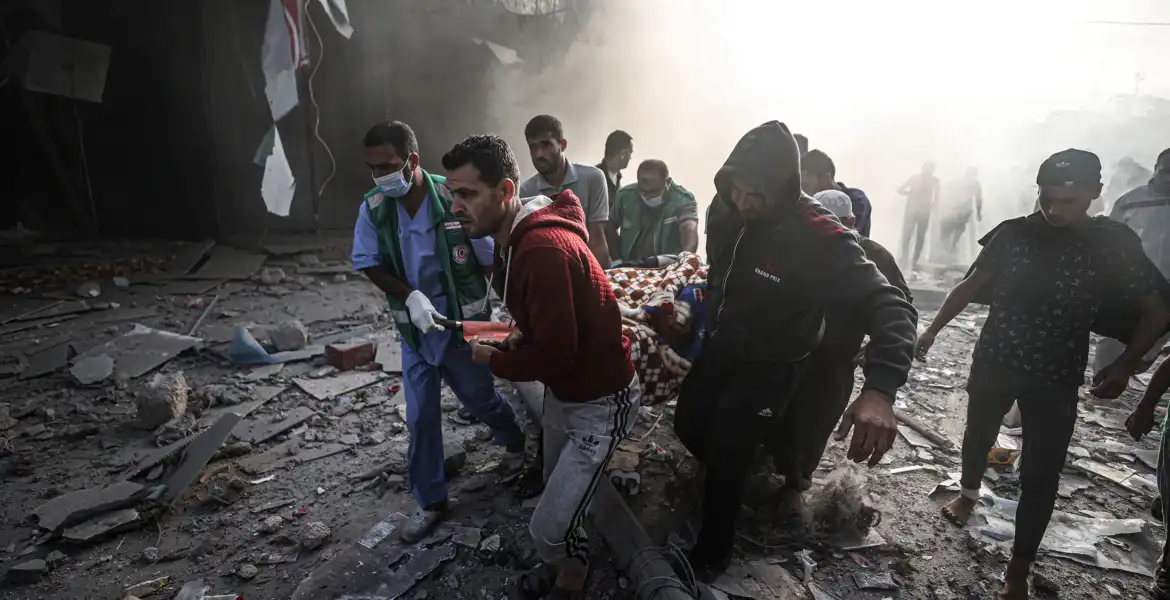
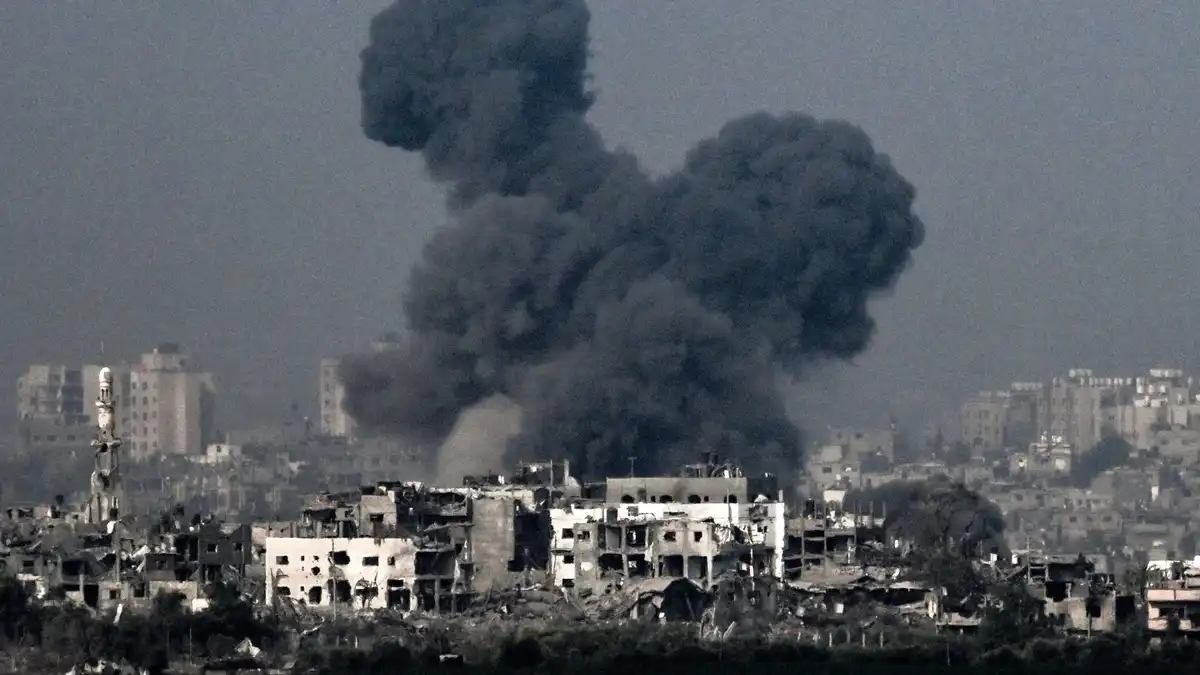
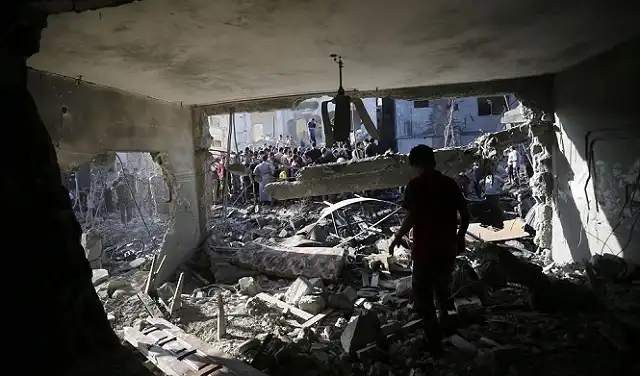
On the 33rd day of the war on Gaza, intensive raids on the Gaza Strip continued. Yesterday, Tuesday, the occupation forces committed new massacres in Deir al-Balah, the Maghazi and Beach camps, and in the Zaytoun neighborhood. They also targeted by bombing a building belonging to al-Shifa Hospital and the vicinity of the Indonesian Hospital in the northern Gaza Strip.


An Israeli soldier was killed in the northern Gaza Strip


The Israeli army said that a soldier was killed and three were seriously injured during clashes in the northern Gaza Strip.


The army reported that the total number of our soldiers killed had risen to 349 since October 7.


Director of the Indonesian Hospital: Continuous Israeli bombing around the hospital and within hours the electricity will be cut off


The director of the Indonesian hospital in Gaza said that the Israeli bombing is continuing around the hospital and that its electricity will be cut off “within hours” due to the running out of fuel.


Director of Gaza Strip Hospitals to Al Jazeera: The situation is catastrophic


Director of Gaza Strip Hospitals: The situation in the Strip's hospitals is catastrophic and cannot be described, especially in the northern regions.


-Hospitals in the northern Gaza Strip suffer from a shortage of medicines and foodstuffs.


-We were able to transfer only 9 wounded cases to Egypt after long mediations.


-18 hospitals stopped service, including 8 government hospitals.


We stress the necessity of bringing fuel to hospitals because the situation is tragic

PALESTINE

Wed 08 Nov 2023 7:33 am - Jerusalem Time

World Health: 160 children are killed every day in Gaza

More than 11,000 Palestinians, or about 0.5 percent of the Gaza Strip's total population, were reportedly killed in the area, with an average of 160 children killed daily there, according to a World Health Organization official (Tuesday).


Christian Lindmeier, spokesman for the organization, said in a press conference here that so far, 16 health workers have been killed while performing their work duties, and the organization is working to support health workers in Gaza and is once again calling for their safety.


He explained that 102 attacks were recorded against healthcare facilities in Gaza, 121 in the West Bank, and 25 in Israel. Currently, 14 hospitals in Gaza are out of service due to fuel shortages or damage.


He also said that the population in Israel is afraid and concerned about more than 200 prisoners in Gaza, reiterating the call for the immediate release of all prisoners, as many of them need urgent medical care.


He stressed that at the same time, nothing justifies the horror suffered by civilians in Gaza, where they need water, food and health care.


Jens Laerke, spokesman for the United Nations Office for the Coordination of Humanitarian Affairs, told reporters that a total of 561 trucks have entered Gaza since October 21, but without fuel shipments on them due to the ban imposed by the Israeli authorities.
Alessandra Vellucci, Director of the United Nations Information Service in Geneva, said at the press conference that more than 1.5 million people in Gaza have been displaced, nearly half of them to UN facilities.

ARAB AND WORLD

Wed 08 Nov 2023 7:33 am - Jerusalem Time

Israel Bonds raises $1 billion for the Israeli government

Israel Bonds said that it has raised more than one billion dollars for the Israeli government since the start of the October 7 war with Hamas.


Most of the investments raised by the US-based company came from US state and municipal governments. Israel Bonds is the American guarantor of bonds issued by Israel. The fund was established following the October 7 attacks carried out by Hamas militants, which led to the killing of 1,400 Israelis and the taking of more than 240 hostages. This was followed by a continuous Israeli air bombardment of the Gaza Strip, as well as a ground attack.


Danny Naveh, president and CEO of Israel Ponds, said the amount represents a record for the company, which he said "demonstrates the strong support for Israel from Jewish communities and Israel supporters in the United States and around the world." It is expected that the cost of the war will be high, and Israel will need to increase capital to compensate for the deficit.


Israeli President Isaac Herzog praised the company "for helping to mobilize world Jewry to take immediate and urgent action for the State of Israel."

PALESTINE

Wed 08 Nov 2023 7:25 am - Jerusalem Time

Israel announces the killing of 348 soldiers and 69 security personnel since the start of its war on Gaza

The Israeli Ministry of Health announced in a statement on Tuesday evening that the number of wounded since the start of the war on Gaza on October 7 had risen to 7,262.


According to the statement, the number of wounded Israelis who have stayed in hospitals since the beginning of the war has reached 7,262, while the number of wounded who are currently staying in hospitals is 342, including 51 in serious condition, and 152 of them in rehabilitation departments.


Earlier on Tuesday evening, Israeli army spokesman Daniel Hagari announced that among the dead were 348 Israeli army soldiers and officers, 59 police officers, and 10 members of the General Security Agency (Shin Bet).


It is noteworthy that since the beginning of the war, the Islamic Resistance Movement (Hamas) has killed more than 1,538 Israelis, according to official Israeli sources, and has captured at least 242.


For 32 days, the Israeli army has been waging a devastating war on Gaza, in which 10,328 Palestinians were martyred, including 4,237 children and 2,719 women, and about 26,000 were injured. 163 Palestinians were martyred and 2,215 were arrested in the West Bank, according to official sources.


Source: Anadolu Agency


ARAB AND WORLD

Wed 08 Nov 2023 7:20 am - Jerusalem Time

An American-Israeli dispute over “The Day After”

Yesterday (Tuesday), signs of an American-Israeli dispute appeared over the “day after” the end of the war against Hamas in the Gaza Strip. At a time when Israeli Prime Minister Benjamin Netanyahu said that his country would assume “comprehensive security responsibility” in Gaza for an “indefinite period,” the United States was quick to confirm its opposition to the “reoccupation” of the Strip.


US State Department spokesman Vedant Patel said yesterday: “In general, we do not support the reoccupation of Gaza, nor does Israel support that,” in a comment on the Israeli Prime Minister’s statements. He added that the United States does not support any forced resettlement of Palestinians outside Gaza, and “this is not something on the table.”


The American position came after Netanyahu told ABC News that Israel would assume, for an indefinite period, “comprehensive security responsibility (in the Gaza Strip); Because we've seen what happens when we don't take care of it.”


Although this is the first time that Netanyahu has spoken about Israel’s vision for the day after Hamas is expelled from the Gaza Strip, it is not clear what he means by the extent of “security responsibility,” and whether this means the desire to occupy the Gaza Strip, or part of it in the north, and impose a security barrier. Israeli forces will remain there for some time, or he is talking about continuing operations as necessary after the comprehensive withdrawal.


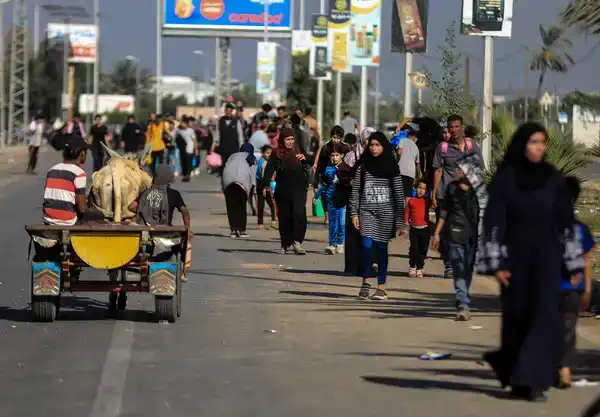
Meanwhile, Israeli forces advanced in two important axes in Gaza City: the first north of the Beach camp, and the second south of the Tal al-Hawa neighborhood, amid reports of fierce street fighting with Qassam Brigades fighters. The Israeli army and media broadcast scenes of a massive exodus of citizens from northern Gaza, the center of Hamas rule and the focus of the Israeli attack.


Israel is trying to reach the heart of the city after encircling it and taking control of “Salah al-Din” and “Al-Rashid” Streets, thus cutting off all communication between the north and south of the Strip.


Saudi Arabia confirmed, following the weekly session held by the Council of Ministers headed by the Custodian of the Two Holy Mosques King Salman bin Abdulaziz, yesterday, that it will continue its efforts with regional and international parties to achieve “an immediate ceasefire in Gaza and a return to the path of just and comprehensive peace for the Palestinian issue.”


Yesterday, Saudi Arabia also announced the postponement of the date of the fifth Arab-African summit scheduled for next Saturday in Riyadh to a later time. In view of the current developments in Gaza, which necessitated a call for an extraordinary Arab summit and an Islamic summit to discuss the current crisis.

OPINIONS

Wed 08 Nov 2023 7:10 am - Jerusalem Time

What will we do the day after the war? The millionaire question in Israel

Al Sharq Al Awsat- “Al-Quds” dot com

Al Sharq Al Awsat- “Al-Quds” dot com

Opinion Writer

By Kifah Zaboun

Netanyahu proposed security control over the Gaza Strip in the absence of an “exit strategy”... and no vision of civilian rule.


The million-dollar question in Israel that remained unanswered since the long 2014 war on the Gaza Strip was about the “day after” taking control of the Strip: What will we do on the second day? We stay there? Do we occupy the sector again? Bring back the Palestinian Authority? Or do we leave and risk Hamas regaining its power again?


These were the set of questions that were raised in the mini-security and political council, “the cabinet,” and were addressed by intellectuals, journalists, writers, security personnel, retirees, and an army of intelligence, Mossad, and Shin Bet, but they remained unanswered questions.


Today, after 9 years, Israel finds itself forced to fight in the heart of Gaza under the slogan of overthrowing the rule of “Hamas” and destroying it, but the issue of “the day after” toppling the movement’s rule is still troubling, assuming that the Israelis will succeed in this mission.


Security control without clear answers

After a month of fierce war against the Palestinians, and great American pressure, Israeli Prime Minister Benjamin Netanyahu announced that Israel would assume “comprehensive security responsibility” in the Gaza Strip for an “indefinite period” after the end of the war against Hamas.


“I believe that Israel will assume comprehensive security responsibility for an indefinite period because we have seen what happens when we do not assume it,” Netanyahu told ABC News. “When we do not assume that security responsibility, what we have is an outbreak of (Hamas) terrorism on a scale that we could not have imagined.”


Although this is the first time that Netanyahu has spoken about Israel’s vision for the day after “Hamas,” it is not clear what the Israeli Prime Minister means regarding the extent of security responsibility, and does this mean that they want to occupy the Gaza Strip, or occupy part of it in the north and impose A security strip in which Israeli forces will remain for some time, or it speaks of continuing operations as necessary after the comprehensive withdrawal.


Israeli officials say that they do not want to occupy the Strip, and the administration of US President Joe Biden has expressed its opposition to this scenario as well. What does Netanyahu mean?


Amir Tibon said, in the Haaretz newspaper, that there is no exit plan (from the current crisis) and that American officials are concerned about the lack of an exit strategy. He added that US Secretary of State Anthony Blinken asked members of the Israeli government about this during his recent visit, but his (the US Secretary’s) impression from the Israeli responses was that “the matter was not raised for discussion explicitly.”


The official Israeli broadcaster, Kan, confirmed that Netanyahu's government had begun drawing broad outlines for the day following the end of the war, and the nature and form of security control over the Gaza Strip. She added that this began under constant American pressure to take a decision on this issue.


Israeli sources said that the Israeli government is trying to postpone the discussion regarding the expected steps, but they are currently setting several broad guidelines, including security control over the Gaza Strip. Kan said that the steps being taken are expected to have military, political and economic impacts.


While Minister Benny Gantz and Defense Minister Yoav Galant support extending future security control over the Gaza Strip, a security official doubted this and said: “He believes that Israel will not have a supreme security responsibility in Gaza.”


It is clear that Netanyahu does not have other details, including civilian rule there.


Civil rule is in whose hands?

During the past 30 days, Israeli officials have proposed several scenarios, including changing the face of Gaza, reducing its area, establishing an international governing body, sending peacekeeping forces, or returning the Palestinian Authority.


At a time when American officials confirmed that discussions were continuing after Secretary of State Anthony Blinken presented ideas to Palestinian President Mahmoud Abbas, Israeli opposition leader Yair Lapid believed that the Palestinian Authority was the only party capable of assuming control of the Gaza Strip after achieving victory over Hamas. “, as he described it.


Lapid believed that control over the city should belong to the authority, while security control in the coming period would be in the hands of the Israeli army.


Why do Blinken and Lapid propose civilian control of power?

Lapid himself answers that Israel is not interested in funding the education of Gaza's children or the Strip's hospitals. He says: “Any future occupation of the Gaza Strip means that Israel will be responsible for education and hospitals. “Israel does not want that.”


It is known that any force occupying a people will be responsible for their daily lives, including education, health, municipal affairs, and others.


However, former Israeli Prime Minister Ehud Barak does not support Israeli security control, as he explained in statements to Politico newspaper that a multinational Arab force may have to control Gaza after eliminating Hamas.


It does not seem that the return of authority administratively is possible, not even as security forces. Palestinian President Mahmoud Abbas stressed that assuming a role in Gaza depends on a political solution.


Abbas’s position on the issue of governing the Gaza Strip is old and has not changed and is based on two issues. The first is that the Authority will not return on the back of an Israeli tank to the Strip, and the other is that the Authority imposing its control over the Strip is a purely Palestinian issue, and must be done within the framework that Gaza is part of the future Palestinian state. Thus, within a clear path to establishing the state.


Most importantly, the PA leaders believe that after being weakened and marginalized and the Netanyahu government working for years to strengthen Hamas in Gaza and foster division, Israel “must go to hell now when it thinks that the PA has to come and save it in Gaza,” Palestinian officials say. .


The General Political Commissioner, Major General Talal Dweikat, spokesman for the Palestinian security services, said: “President Mahmoud Abbas was unequivocally clear in his position with the US Secretary of State, which is his rejection of any security project that the United States and Israel wish to implement if it goes beyond the political solution.”


What about “Hamas”?

As for Hamas, the movement does not believe that any external force can remove it from the Gaza Strip, but it nevertheless realizes that its rule is at stake there.


It is most likely that the initiative launched by the leader of the movement, Ismail Haniyeh, in order to stop the war and launch a political path, is an important indicator of its readiness to engage in a path that it is known that the Palestine Liberation Organization will lead.


It is true that “Hamas” threatened from Beirut through its leader Osama Hamdan that it would not welcome it, but rather hinted that it would fight a “new Vichy government” (referring to the government that cooperated with the Nazi occupation in France during World War II), or whoever comes as an agent on the An Israeli or American tank, but if there is a broad national agreement to return things to what they were before the movement took control of Gaza in 2007, this may represent the least losses for Hamas, especially in light of America and Israel’s assertion that it is not possible to return to The situation before October 7, the date Hamas launched its “Al-Aqsa Flood” operation.


In light of all these scenarios and options, there is no doubt that the course of the field war will ultimately guide the compass.



PALESTINE

Wed 08 Nov 2023 7:06 am - Jerusalem Time

“ABC News”: Biden rejects Israel’s reoccupation of Gaza

The White House reiterated the refusal of the administration of US President Joe Biden to re-occupy Israel of Gaza after its Prime Minister, Benjamin Netanyahu, made statements to ABC News in which he said that he believed that Israel would supervise the security of the Strip for an indefinite period.


The American network quoted US National Security Council spokesman John Kirby as saying regarding the differences between the American and Israeli visions for the future of Gaza: “We are consulting with our Israeli counterparts about what Gaza should look like after the end of the conflict.” He added, "The president is adhering to his position that reoccupation by Israeli forces is not the right choice."

ARAB AND WORLD

Wed 08 Nov 2023 7:01 am - Jerusalem Time

News analysis | What image of victory is Israel looking for?

Netanyahu, who is searching for an image of victory at the gates of Gaza to end his now inevitable political future, will only reap disappointment because a number of political and military analysts estimate that Al-Qassam is serious about the slogan it inscribed on its flag: “Victory or martyrdom.”


The closer the Israeli army gets to achieving the alleged “victory” in Gaza, the “knives are sharpened,” as they say in Hebrew, for the “victors” from the leaders of the army, Shin Bet, and intelligence, all the way to their prime minister, who “slept on guard” and caused the events of October 7th. / Last October, which disrupted the Israeli security theory on which the entire Zionist colonial project is based.


This may be the first time in history that “knives were sharpened” to greet the “victors” in the war and “sticks of the gallows” were erected for them. Therefore, talking about an Israeli victory in and over Gaza, regardless of the results of the bloody war, is superfluous talk and devoid of any substance. Not only because what was broken on October 7 was a comprehensive collapse of the “iron wall” theory established by Jabotinsky, implemented by Ben-Gurion’s heirs, reinforced by Sharon, and whose fruits were reaped or almost achieved by Netanyahu.


Netanyahu, who is searching for an image of victory at the gates of Gaza to end his now inevitable political future, will apparently reap nothing but disappointment because a number of Israeli political and military analysts confirm that the Qassam Brigades are serious about the slogan they inscribed on their flag and took as the title of their battle, “Victory or Martyrdom.” Its fighters and leaders will not leave with their hands raised, but will continue to fight for months and even years after the Israeli army falls into the Palestinian mire in Gaza.


In this context, the Israeli writer B. Michael, that this time also will not be a victory. It will be “bombing,” “grinding,” “crushing,” “mashing,” and demolition, but not a victory. “We have defeated the Palestinians time after time and woke up again and again for the same day yesterday in a circle with no way out.” While the military analyst in the Yedioth Ahronoth newspaper, Ron Ben Yishai, writes, “Anyone who thinks that controlling Gaza and undermining Hamas’s authority in the northern Gaza Strip will achieve the necessary goal for Israel’s security is wrong, because the southern Gaza Strip is a stand-alone problem that needs an answer.” This was confirmed by the Israeli Minister of Security, Yoav Galant, who said that long days of fighting await his army.


This is while military expectations suggest that these battles will continue, perhaps for several months to come, which perhaps prompted Netanyahu to say that Israel will maintain its security control over the Gaza Strip for a long time, while the military analyst for the newspaper “Haaretz”, Amos Harel, describes the picture of the battle as different and more More complex than it was in Operation Cast Lead, over the past 14 years, he says, Hamas has strengthened the underground system in a way that no Western army has ever encountered before, while its main forces lie in the tunnels, and its leaders show no signs of being ready to surrender.


Harel says that in the absence of Hamas’s military ability to curb the advance of an Israeli armored force with large numbers of vehicles and enormous firepower; Its fighters in the tunnels attack these forces after they are positioned at fixed points.


In the absence of clear military objectives, too, the Israeli army began to focus and announce the numbers of deaths among Palestinian resistance fighters, a phenomenon that Harel considers problematic. It distinguished the American army during the Vietnam War, and it became prominent in Israel, as military affairs expert Yigil Levy says, during the Intifada. The second, and especially intensified after the case of the killer soldier, Elior Azaria, and the criticism directed at the Israeli army as a “vegetarian army,” which prompted General Eisenkot to boast before his retirement of killing 171 Palestinians in the West Bank, within two years, and culminated in the era of General Kochavi, who spoke In his coronation speech about a "killer army."


Levy believes that the use of killing turns into a goal in itself when it cannot be justified as a means of achieving goals. Therefore, he believes that this speech may be a kind of preparation of the ground for a situation in which American pressure leads to stopping the war before Hamas’s authority is undermined, where the army can then show progress. The blame is placed on politicians, he says.



The American army also followed this method in Iraq in order to justify its losses there by suggesting that the enemy is suffering greater losses, and it is not unlikely that such a discourse is developing here as well, to justify the losses of the Israeli army and to silence the voices that may demand not to continue sacrificing the lives of soldiers, as Levy says. Especially since the scenes of destruction in Gaza are no longer convincing and the majority of Gazans killed are civilians, and in the absence of clear goals that can be measured by achieving them, the number of enemy fighters killed may be a reassuring factor, at least temporarily, especially in light of the absence of a critical public that can He wonders why we kill and are killed?, he says.


PALESTINE

Wed 08 Nov 2023 6:58 am - Jerusalem Time

Red Cross: An aid convoy came under fire in Gaza City

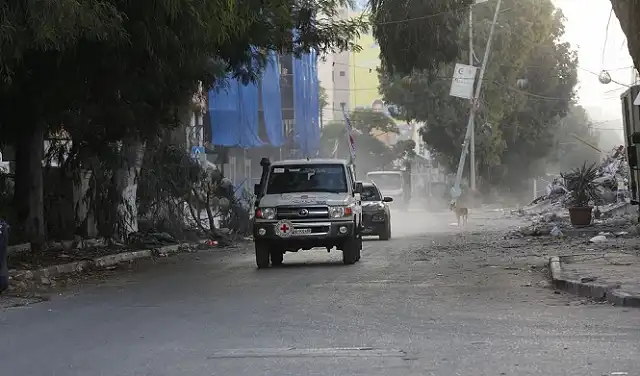
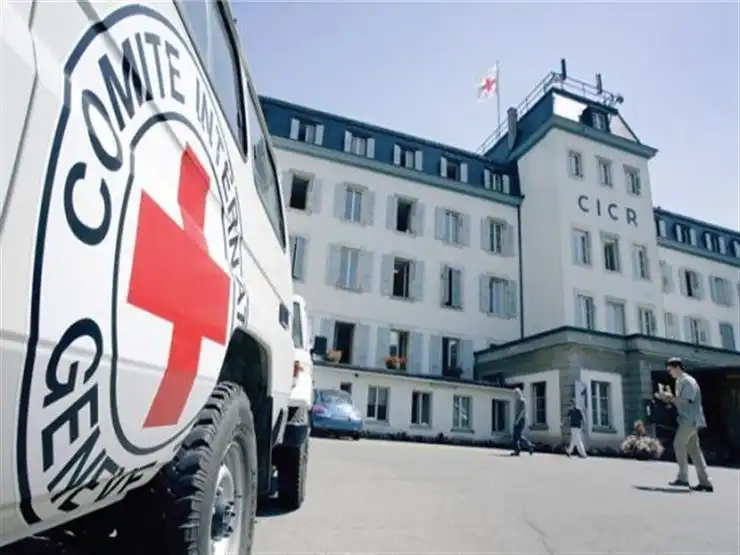
The International Committee of the Red Cross said that a humanitarian aid convoy came under fire in Gaza City on Tuesday before it could deliver medical supplies to Al-Shifa Hospital.


The International Committee of the Red Cross announced on Tuesday evening that a humanitarian convoy carrying medical supplies came under fire in Gaza City, noting that the Israeli army had targeted ambulances that attempted to transport wounded people from Gaza to the southern Strip.


A statement by the committee said that the convoy, which included five Red Cross trucks and two vehicles, was transporting life-saving medical supplies to health facilities, including the Jerusalem Hospital of the Palestinian Red Crescent Society, when it was opened fire on.


The statement indicated that two trucks were damaged and a driver sustained minor injuries. The International Committee of the Red Cross did not indicate in its statement who fired the gun or the direction from which it was fired.


The head of the committee's mission to Gaza, William Schomburg, said, "These are not conditions in which humanitarian personnel can work."


He continued, "We are here to provide urgent assistance to civilians in need. Ensuring that vital aid reaches medical facilities is a legal obligation under international humanitarian law."


After the shooting, the convoy changed its route and arrived at Al-Shifa Hospital, where it delivered medical supplies, according to the committee.


The committee said that the convoy later accompanied six ambulances carrying seriously injured people to the Rafah crossing on the border with Egypt.


The spokesman for the International Federation of Red Cross and Red Crescent Societies stressed that “humanitarian aid must reach all residents of Gaza, including the northern Strip,” and explained that “we need safe, unhindered access to all parts of the Gaza Strip.”


The spokesman stressed that "civilians, doctors, nurses, hospitals and ambulances in Gaza must be protected."

ARAB AND WORLD

Wed 08 Nov 2023 6:55 am - Jerusalem Time

The G7 discusses the future of Gaza after the end of the war


Japan, the host of the summit, said in a statement that the issue was raised during a working dinner late on Tuesday evening, and that the group continues, today, Wednesday, talks on the crisis between Israel and Gaza, the Ukrainian war in Russia, and issues related to China.


G7 foreign ministers discussed how to revitalize peace efforts in the Middle East and the next in the Gaza Strip once the war there subsides, as they met for a two-day summit in Tokyo.

Japan, host of the summit, said in a statement that the issue was raised during a working dinner late on Tuesday evening, and that the group continues, today, Wednesday, talks on the crisis between Israel and Gaza, the Ukrainian war in Russia, and issues related to China.

According to identical diplomatic sources, the foreign ministers of the seven countries - the United States, Japan, France, Britain, Germany, Italy and Canada - are seeking to bridge the gap that divides their countries' positions regarding the ongoing conflict between Israel and Hamas by launching a joint appeal to establish a humanitarian truce in the Gaza Strip.


A diplomatic source said that “constructive discussions” took place between the ministers on this issue on the first day of their meeting.


He added that there appears to be "great unity" among the ministers' positions regarding the need to "urgently" increase humanitarian aid to the Gaza Strip.


Japan announced today, Wednesday, following talks held in Tokyo by foreign ministers of the Group of Seven countries, that the group is “united” in continuing its “strong support” for Ukraine in confronting the Russian invasion of its lands, “even in light of the current international situation,” in a clear reference to the ongoing war between Israel and Hamas. .


The Japanese Foreign Ministry said in a statement: “As a result of the discussions, the foreign ministers of the G7 countries agreed that the G7 will remain united in its position of imposing tough sanctions on Russia and providing strong support to Ukraine even in light of the current international situation.”


The statement added that the ministers also confirmed that they would continue to impose “tough sanctions” on Moscow, accelerate Ukraine’s reconstruction efforts in the “medium and long term,” and continue “working toward a peace process.”


Ukraine's fears are mounting that its allies' support for it will diminish at a time when its counter-attack, which it has been waging since June, has failed to achieve tangible results and the chances of the current conflict turning into a long war of attrition are increasing.


The statement quoted Japanese Foreign Minister Yoko Kamikawa as saying that despite the war that has been raging for a month between Israel and Hamas, the G7 is keen to inform the international community that its commitment to support Ukraine “will never run out.”


ARAB AND WORLD

Tue 07 Nov 2023 11:11 pm - Jerusalem Time

Report: Even if Israel defeats Hamas, it faces a strategic problem in the north

Yesterday evening, for the first time since the Second Lebanon War (2006), Hezbollah claimed responsibility for firing rockets at Israeli civilians in Kiryat Shmona. The party did not try to hide behind “Hamas,” as it did a week ago. This came in response to the bombing of an Israeli drone that caused the death of 4 Lebanese citizens “(after Hezbollah killed an Israeli civilian working as a water tanker driver with an anti-tank missile).”


Hezbollah's rhetoric is becoming more stringent, as are its operations, which have become more directed south of the border and against civilians. Yesterday, 30 missiles were launched, some of which were intercepted in an area far from the border. This range of Hezbollah missiles has not been used since the Second Lebanon War. This time, Hamas claimed responsibility for the launch, but it was clear that it was coordinated with Hezbollah.


On the other hand, the American display of power in the region raises clear concerns among the Iranian regime and the Hezbollah leadership. Yesterday, the New York Times reported in a report that the Biden administration sent a clear warning to Iran and Hezbollah, stating that the United States would actively participate in the war if Israel was attacked. Prime Minister Benjamin Netanyahu does not want such a confrontation to occur. In his meetings with the Americans, he stressed the need for Israel to focus on the attack against Hamas in Gaza. Netanyahu is trying to contain the tense situation with Lebanon and limit himself to limited attacks, in response to Hezbollah attacks, so as not to force the army to be divided on two fronts.


In the long run, Israel will face a strategic problem in the north, even if it succeeds in its operation in Gaza. It is true that the Israeli army attacks slightly pushed Al-Radwan's forces away from the Lebanese border, but this party force is still present in southern Lebanon, which contradicts Resolution 1701, issued by the Security Council, which ended the last war on Lebanon. Hezbollah still possesses a missile arsenal containing more than 150,000 rockets and missiles.


In such circumstances, it is difficult to persuade residents of the border line to return to their homes, even if the war in Gaza ends with Israeli success. After October 7, deterrence is no longer a valuable commodity in the region. On the other hand, an Israeli offensive operation against Hezbollah would be dangerous, and would lead to a harsh war and widespread damage on the home front. To date, Israeli governments and the army have refrained from doing so. Israel did not respond when Hezbollah violated the military balance, deployed an advanced anti-armor system in Lebanon, and established facilities to produce precision missiles.


After the Hamas attack on the "Gaza envelope", the priorities of the Israeli public changed, and the fear of missiles in the center of the country became much less, and was replaced by a real fear of attempts to infiltrate the settlements in the border areas and on the contact line. The "massacre" in the "Gaza envelope" settlements, the entry of "saboteurs" into homes, storming shelters, and killing and kidnapping entire families, caused a strong shock among the citizens, and completely destroyed their sense of security.

ARAB AND WORLD

Tue 07 Nov 2023 10:55 pm - Jerusalem Time

Israeli raids on villages and towns in southern Lebanon

On Tuesday evening, several villages in southern Lebanon were subjected to intense Israeli raids.


The Israeli aircraft launched raids on the Shebaa area, the towns of Yater and Kafra, and the surroundings and surroundings of the towns of Naqoura, Alma al-Shaab, Marjayoun Plain, and Khiam. The occupation artillery also bombed Ramya, Aita al-Shaab, and a house in the town of Kafra.

PALESTINE

Tue 07 Nov 2023 10:13 pm - Jerusalem Time

“Compared to before the war.” Terrifying numbers herald the occurrence of famine in Gaza

Serious fears are emerging about the risk of famine in the Gaza Strip - which is exposed to an unprecedented Israeli war - amid repeated warnings from local authorities and UN organizations.


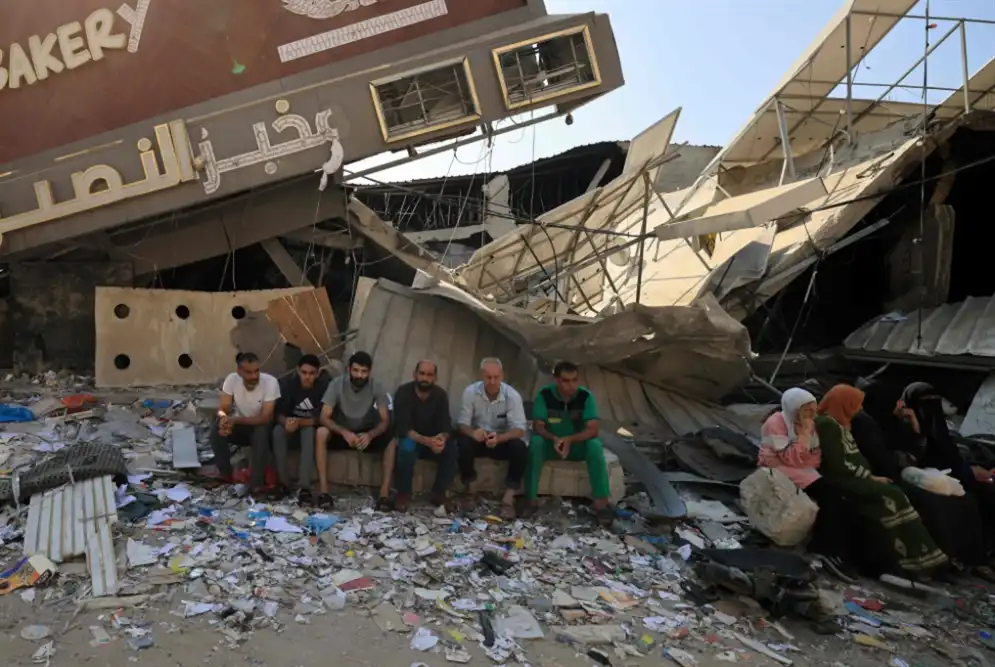
The Ministry of Interior in Gaza says that all bakeries in the Gaza Governorate and its north have stopped working due to the lack of fuel and flour, but the main reason is due to the imposed Israeli siege and the continuous violent bombing of the Gaza Strip, which led to the destruction of a number of bakeries.


In turn, the World Food Program said that the program was dealing with 23 bakeries in Gaza, but there is currently only one bakery.


The United Nations had previously reported that 9 bakeries working in cooperation with it were supplying the population with bread, and warned that some of them would close within days due to running out of fuel and water outages.


The disastrous scene does not stop there; Rather, it becomes more complicated as Israel cuts off water supplies, damages stations, and closes wells due to fuel shortages, leaving only one operating desalination plant remaining.


The United Nations Relief and Works Agency for Palestine Refugees (UNRWA) also warned that people may die without water, as the World Health Organization estimates that the minimum daily water requirement for one person is 100 liters, including drinking, washing, cooking, and use.


The average water use in Gaza before the war was 84 liters per person, of which only 27 liters were suitable for human use, while the World Health Organization currently estimates it at only 3 liters.


What exacerbates the catastrophic situation in the Gaza Strip is the power outage after the only power plant stopped working due to the running out of fuel and the occupation not bringing it in.


Official figures estimate that about 80% of the buildings and facilities in the Gaza Strip are without electricity, with the exception of those containing generators, such as some hospitals and shelters, while satellite images show Gaza losing lights at night by 90%. As for humanitarian aid, it was 80% of The residents of the Gaza Strip are in need of aid. 500 trucks were entering the Strip daily through the Rafah border crossing, while only 569 trucks had entered it since the start of the Israeli war on October 7.


Source: Al Jazeera

ARAB AND WORLD

Tue 07 Nov 2023 10:07 pm - Jerusalem Time

America opposes Israel's reoccupation of Gaza and is discussing the future of post-war governance

The United States announced on Tuesday its opposition to a new, long-term occupation of the Gaza Strip by Israel, after its Prime Minister Benjamin Netanyahu said that the responsibility for “comprehensive security” of the besieged Strip falls on them after the end of the war.


US State Department spokesman Vedant Patel stated that the American view is that Gaza is Palestinian land and will remain Palestinian land, adding that they do not support any forced resettlement of Palestinians outside Gaza, and that it is not something on the table.


At the same time, Patel stressed the need for Israel and the region to be safe, and added that Gaza cannot be a base for launching attacks that he described as “terrorist” against Israel, he said.


Strategic Policy Coordinator at the US National Security Council, John Kirby, stressed that their support for Israel does not necessarily mean agreeing with it to reoccupy Gaza.


Kirby indicated that they are discussing the future of governance in Gaza in the period after the rule of the Islamic Resistance Movement (Hamas), and that they will not accept the situation returning to what it was before the war, as he put it.


The White House also stated that Hamas cannot be part of the future in Gaza, and consultations are underway regarding the form of governance there.


For his part, Israeli Foreign Minister Eli Cohen said after the US State Department's statements that Israel does not want to rule Gaza or impose civil administration in the Strip.


He added that they are looking forward to handing over the rule of Gaza to an alliance that includes America, Europe, Islamic countries, or local leaders in the Strip.


Netanyahu confirmed during an interview with the American ABC News channel yesterday, Monday, that Israel will assume, for an indefinite period, overall security responsibility in Gaza, saying that when they do not assume security in Gaza, they will face Hamas attacks on a scale they cannot imagine.

ARAB AND WORLD

Tue 07 Nov 2023 9:50 pm - Jerusalem Time

Red Cross: Killing children in Gaza is a “moral failure” for the entire world

The International Committee of the Red Cross called on Tuesday "for an end to the terrible suffering suffered by civilians, especially children" in the Gaza Strip.


The head of the committee, Mirjana Spolijaric, expressed her shock at the suffering that children are experiencing.

She said in a statement issued by the committee, “Red Cross surgeons are treating children in Gaza whose skin is charred as a result of widespread burns.”


She added, "The scenes of suffering, dead and wounded children will haunt us all. It is a moral failure."

Since the start of the Israeli aggression against our people in the Gaza Strip on the 7th of last October, 10,305 martyrs have risen in the Gaza Strip, and more than 25,000 have been injured, according to an infinite toll issued by the Ministry of Health.


The Ministry indicated that among the killed civilians were 4,237 children, 2,719 women, and 631 elderly people, while the number of missing persons reached about 2,350 citizens, including more than 1,300 children.


In its statement, the International Committee of the Red Cross called for adherence to international humanitarian law and for all civilians to be spared from military operations.


It noted that "the military siege imposed on Gaza has deprived people there of food, water and medicine," and warned that the "scarce aid" being brought in does not meet basic needs for survival.


It pointed to the “urgent need to provide safe and sustainable delivery of humanitarian aid,” stressing that “basic services such as health care, water and electricity must resume in Gaza as they are life-saving priorities.”


It condemned the Israeli bombing that targeted hospitals and health care facilities, stressing that "the scenes of damaged hospitals and ambulances are unacceptable."


Since the start of the aggression, 18 out of 35 hospitals with inpatient facilities have stopped working, and 71% of all primary care facilities across Gaza have been closed due to damage or lack of fuel, according to the Ministry of Health.


The committee noted that "the intense bombing is destroying civilian infrastructure throughout Gaza, and sowing the seeds of misery for future generations."


It said, "After a month, civilians are forced to endure enormous suffering and losses," stressing that "this must stop."

ARAB AND WORLD

Tue 07 Nov 2023 9:05 pm - Jerusalem Time

Netanyahu: We will not allow fuel to enter Gaza; Gallant: There is no humanitarian truce without the return of the hostages

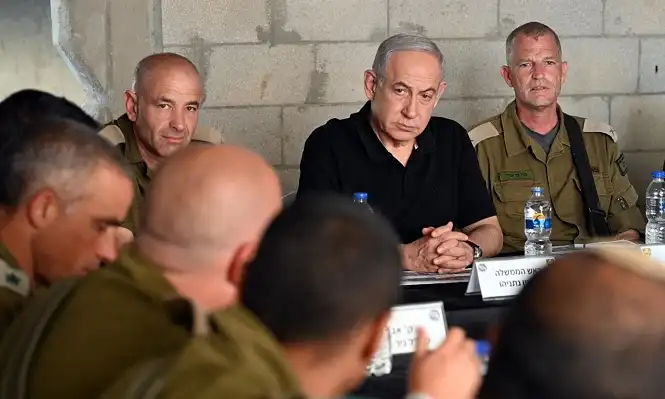
Israeli Prime Minister Benjamin Netanyahu said in a press conference held this evening, Tuesday, that the Israeli occupation authorities will not allow fuel to enter the besieged Gaza Strip, and they also reject any ceasefire for humanitarian reasons in Gaza, without the release of Israeli hostages held by factions. Resistance in the besieged sector.


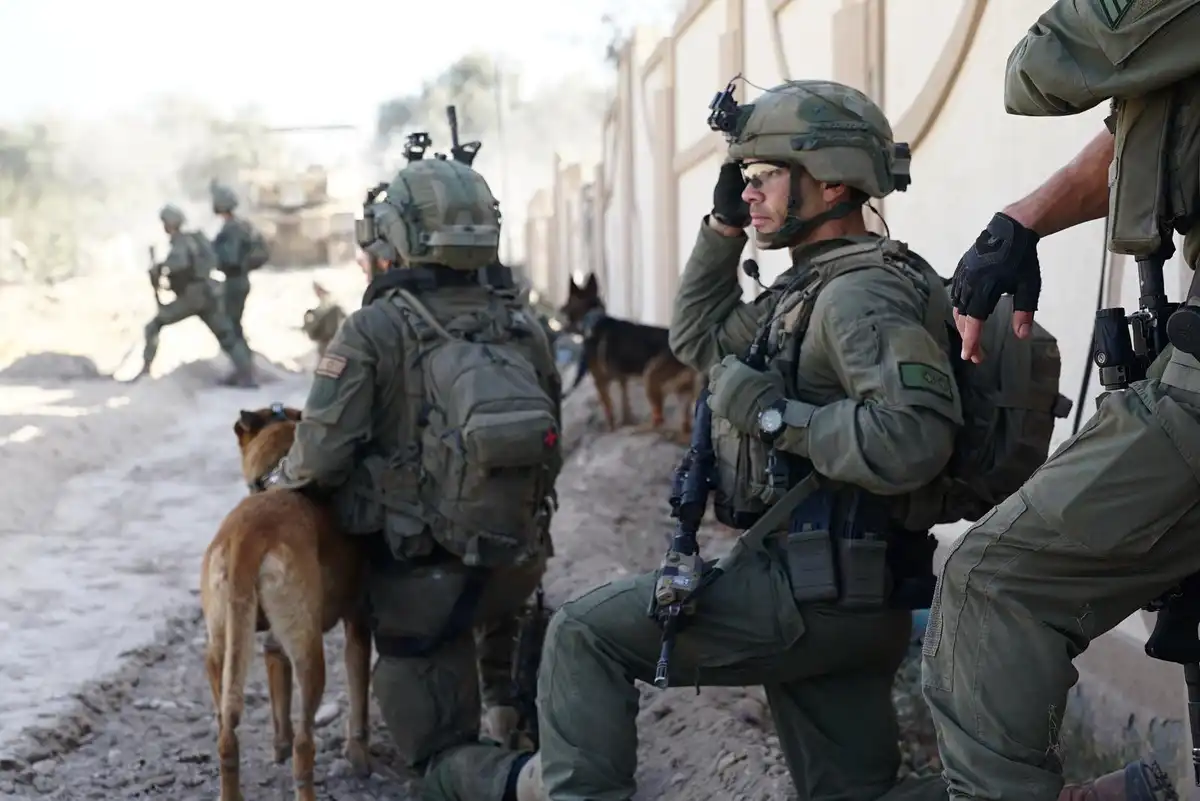
Netanyahu said, "We have eliminated thousands of terrorists above and below the ground. Hamas is discovering that we are reaching places it never thought we would reach." He added that Gaza City "has become encircled," noting that Israeli army forces are "operating inside the city," adding, "We will continue the war vigorously until the end."


Regarding the developments on the northern front, Netanyahu said: “If Hezbollah chooses to enter the war, it will make the mistake of its life,” noting that the exchange of bombardments continues on a daily basis between the Israeli occupation army and Hezbollah fighters in the border region of southern Lebanon, since the start of the war on Gaza after the war began. 


Netanyahu stressed that there will be no ceasefire without the return of the hostages. He told the families of the Israeli prisoners and hostages, who had begun protest measures demanding the immediate return of their children: “We are working on all fronts to return your children. Military action is an essential part of this effort.”


Galant: The Israeli army is now “in the heart of Gaza City”

For his part, the Israeli Minister of Security, Yoav Galant, said this evening that the head of the Hamas movement in the Gaza Strip, Yahya Sinwar, is primarily responsible for the attack of last October 7, claiming that Sinwar “is hiding in a basement, and has become separated from his surroundings.” ", claiming that the leadership hierarchy in Hamas is "eroding."


Galant: After the war, the Israeli army will have the freedom to exercise force without restrictions.

Gallant said, in a press conference, “We are determined to achieve our goal and accomplish the mission, which is to dismantle Hamas and its military and authoritarian capabilities and reach its leaders and fighters.” He continued, “We will fight to achieve our goal of eliminating Hamas, returning the detainees and changing the situation in Gaza.”


He claimed that the Israeli occupation army is making “advances from the north and south and is now operating in the heart of Gaza City, and we are fighting inside residential areas.” He described the besieged Gaza Strip as “turning into the largest terrorist base in the world,” noting that “a ceasefire for humanitarian reasons must be "In order to return the detainees first."


He pointed out that Israel will be exposed to mounting international pressure during the coming period, and added, "We will have to make difficult decisions," stressing that the Israeli occupation authorities are determined to continue the war on the Gaza Strip until the stated goals are achieved, and will not agree to a ceasefire for humanitarian reasons in the Strip. Gaza.


He added, "We are fighting in Gaza forcefully, and our forces are also present opposite Lebanon, and the air force is fully prepared." He added, "We are not interested in opening a war front with Hezbollah, and if (Hezbollah Secretary General Hassan Nasrallah) makes a mistake, he will implicate Lebanon and will pay a heavy price." ", noting the deployment of "thousands of regular and reserve soldiers in the West Bank to confront any confrontation."


Netanyahu: We will not stop

Earlier today, Israeli Prime Minister Benjamin Netanyahu stressed that Israel does not intend to “stop” in its devastating war on the besieged Gaza Strip, which has been continuing for 32 days, stressing that the occupation army “intends to continue until the end,” in statements issued About him during a tour at the “Tzealim” military base, in the south of the country.


Netanyahu: No ceasefire until the hostages are released

Netanyahu said in his speech with the forces in “Tzalim”, “First of all, you can draw lessons. You all have lessons from day one, what you did - you saved the country. But there are lessons from the field, as you know. I have now heard some "Things, and they're very subtle. You have to absorb all the lessons learned."


He added, "What we see in the field, from the reports that I receive and the war cabinet receives from talking to commanders and soldiers, is an extraordinary success. The Americans came here and explained to us what was in Fallujah, what was here and what was there. They are amazed by our achievements," and he continued. "It's true that there are some problems."


He went on to say: “There are drones (suicide drones used by resistance factions in the Gaza Strip), there are explosive devices, and there are anti-tank guns and missiles.

This is correct. There are also very painful losses sometimes, but in general the success is tremendous.” He continued, “We will not stop, we will continue until the end. We trust and believe in you and give you all the strength.”


Gantz: We will work to return the prisoners “by force and political action”

In turn, the minister in the Israeli emergency government, Benny Gantz, pledged to return prisoners held by the resistance factions in the Gaza Strip using “force and political action.”


Gantz said in a press conference held at the headquarters of the Ministry of Security, in Tel Aviv, “I promise you that we will do everything in our power to return them (the prisoners), by force and political action.”


He added, "We will fight whoever we must (fight), and we will talk to everyone we can."


We will not give up the opportunity to return anyone.” Gantz criticized the countries in which Hamas leaders reside, saying: “There will be no fortified place for them to hide.” He touched on the confrontations on the northern front with Hezbollah, and said: “The focus is on Gaza, but we are fighting defensively and offensively.” In the north and elsewhere.


He continued, "I also promise the residents of the north that you will be able to live in your homes in safety and hope," noting that the Israeli authorities evacuated more than 120,000 residents of the settlements surrounding Gaza and the towns adjacent to the northern border with Lebanon to hotels and guest houses in the center of the country.


Gantz continued, addressing the Israelis: “There will be a time for demonstrations, discussions, and investigations about everything. (But) now is the time for fighting and victory,” referring to increasing calls to investigate Netanyahu over his “failure” to anticipate the Hamas attack on the seventh of last October. And confront it.

In reference to possible disagreements or perhaps tensions between officials in the Israeli emergency government, Israeli media reported that Gantz's office asked the offices of Gallant and Netanyahu to organize a joint press conference for members of the "war cabinet," which did not happen.

While the reports pointed to the "procrastination" of Netanyahu's office in responding to Gantz's request, Netanyahu's office commented on these reports by saying, "We made statements in joint conferences and joint press conferences will be held. The Prime Minister was busy today in field events and that was not possible." .

ARAB AND WORLD

Tue 07 Nov 2023 8:00 pm - Jerusalem Time

The High Commissioner for Human Rights begins a tour in the Middle East on the war in Gaza

On Tuesday, the United Nations High Commissioner for Human Rights, Volker Türk, began a visit to the Middle East amid the escalation of massacres committed by the Israeli occupation in the Gaza Strip, coinciding with the United Nations warning that the besieged Strip is approaching a “collapse point” due to its lack of fuel.


Turk began his five-day tour from Egypt, where he arrived today. He will visit the Rafah crossing tomorrow, Wednesday, before traveling to the Jordanian capital, Amman, next Thursday. The tour also includes Israel, the occupied West Bank, and the Gaza Strip, according to a statement issued by his office.


The statement said that the tour “comes against the backdrop of the ongoing and very serious human rights and humanitarian crisis” in Gaza, noting that the United Nations High Commissioner for Human Rights will speak during his visit with government officials and civil society actors, with those affected and injured, and with his colleagues at the United Nations regarding the situation. Human rights in the region.


"It has been a whole month of carnage, continuous suffering, bloodshed, destruction, anger and despair," Türk said.


He stressed that “human rights violations are the root of this escalation,” and said that “human rights play an essential role in finding a way out of this spiral of pain.” Breaking Point In a related context, Jens Laerke, spokesman for the United Nations Office for the Coordination of Humanitarian Affairs, warned on Tuesday, He stressed that services in the Gaza Strip are approaching the "collapse point" without fuel supplies, adding that the 569 relief trucks that entered the Strip so far were not carrying any fuel for Gaza. 


Martin Griffiths, the United Nations Humanitarian Coordinator, said last week that There is progress in negotiations regarding allowing fuel to enter the Gaza Strip, which is besieged by Israel, without going into details. 


The Israeli occupation continues its war on Gaza for the 32nd day in a row, and the violent bombing has led to the death of more than 10,000 Palestinians in the Strip so far, most of whom are women and children. It also injured more than 25 thousand people.


Source: French + Reuters

ARAB AND WORLD

Tue 07 Nov 2023 7:45 pm - Jerusalem Time

Israeli Army Commander: We are fighting a difficult and complex war in Gaza

The commander of the Israeli army's southern region, Yaron Finkelman, said on Tuesday that the army is waging a complex, difficult and costly war against the Islamic Resistance Movement (Hamas) in the Gaza Strip.


Winkelman added that the Israeli army is fighting for the first time in decades in the heart of Gaza City, stressing that the Hamas attack on October 7 seriously injured them, and that the events of that day hurt him greatly. He continued that the Israeli army failed in its mission on last  October 7, saying that since that day the war has become clear with its goals of eliminating the Hamas movement and returning the detainees, he said.


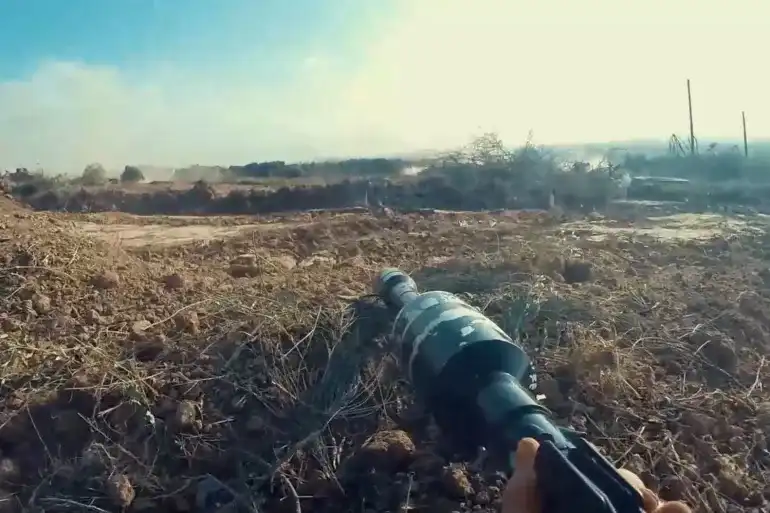
For its part, the Al-Qassam Brigades, the military wing of the Hamas movement, announced that it had confronted attempts by the Israeli army to penetrate the Gaza Strip since the beginning of the ground campaign launched by the occupation, and that it had inflicted human losses and material damage on the occupation.


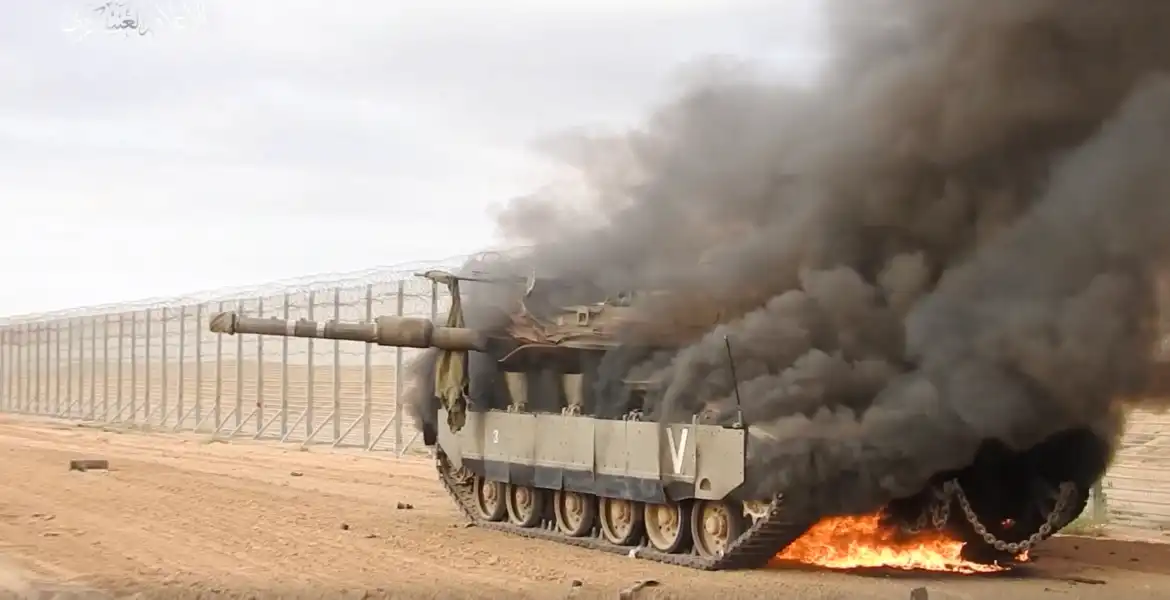
Today, Tuesday, Al-Qassam said that it destroyed 8 Israeli tanks and a troop carrier, in addition to “bombarding enemy crowds penetrating into the Gaza Strip with heavy-caliber mortar shells.”


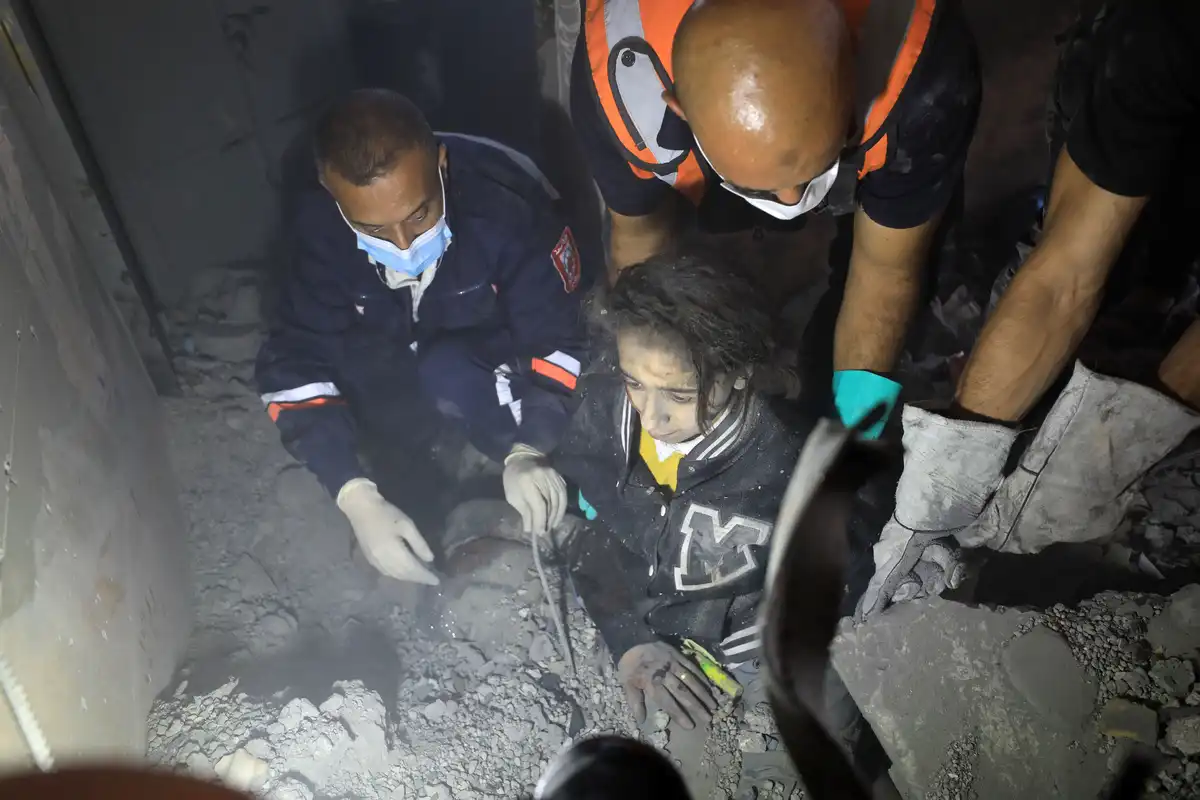
The ongoing Israeli aggression on the Gaza Strip for the 32nd day in a row resulted in the death of more than 10,300 Palestinians, amid the inability of the Civil Defense to extract those under the rubble, and cutting off the supplies of water, food, medicine, fuel and electricity to the residents of the Strip.


Source: Al Jazeera + Anatolia

ARAB AND WORLD

Tue 07 Nov 2023 7:17 pm - Jerusalem Time

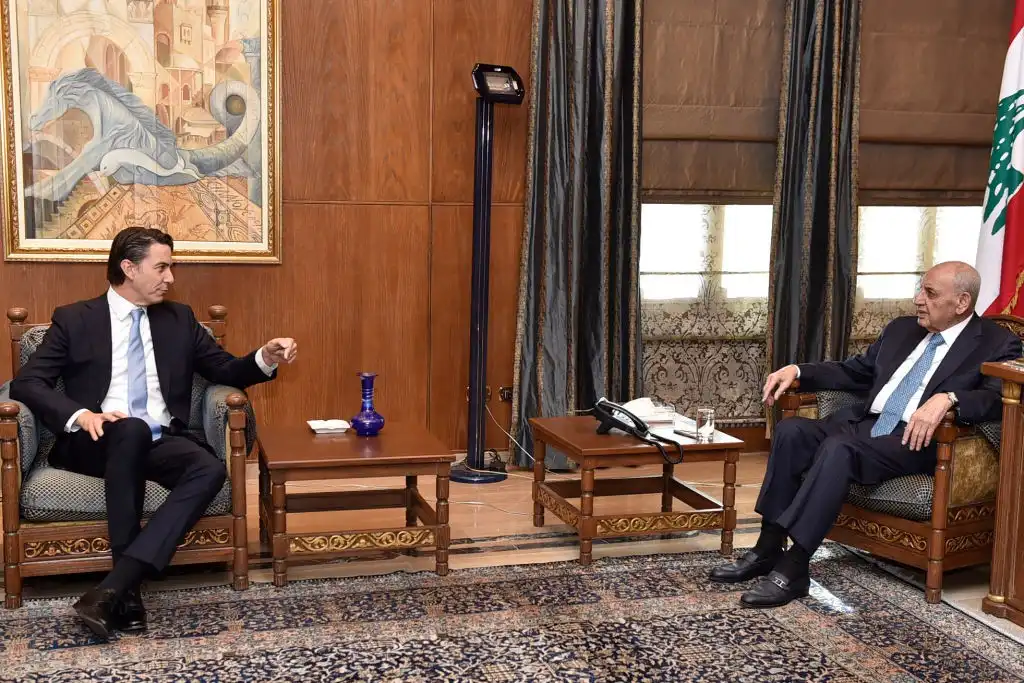
An American envoy makes a surprise visit to Beirut: We do not want the war to extend from Gaza to Lebanon

On Tuesday, the Israeli army and Hezbollah exchanged cross-border bombing, coinciding with an unannounced visit by a special American envoy to Beirut. The American official is holding discussions with the heads of the House of Representatives and the government, and said that Washington does not want the scabs to spread from Gaza to Lebanon.


The US Special Envoy, Amos Hockstein, arrived today, Tuesday, in the Lebanese capital, Beirut, on an unannounced visit that comes against the backdrop of escalating regional tensions in the context of the Israeli war on the Gaza Strip, during which he met with the Speaker of the Lebanese Parliament and the Prime Minister of the caretaker government.


During the visit, the senior American envoy stressed that the United States “does not want to extend the escalation from the Gaza Strip to Lebanon,” and told reporters, after a meeting with the Speaker of Parliament, Nabih Berri, that restoring calm along the southern border of Lebanon is “extremely important.” As he says.

He explained that he listened to Berri's concerns about the tensions along the border areas in southern Lebanon, where Hezbollah fighters and Palestinian resistance factions in Lebanon have been exchanging fire with Israeli occupation army forces for about a month, in the wake of the devastating and violent Israeli war on the Gaza Strip.


Hockstein said, in a brief statement, that “the United States does not want to see the conflict in Gaza escalate and spread to Lebanon,” and added that he informed Berri of “what the United States is doing, which does not want what is happening in Gaza to escalate and does not want it to escalate.” It expands to Lebanon.


He continued: "Maintaining calm on the southern Lebanese border is of a high degree of importance to the United States, and it should also be for Lebanon and Israel, and this is what UN Resolution 1701 stipulates." While Berri's office said after the meeting, "The general situation and political and field developments were presented, in light of the escalation of the Israeli aggression against Lebanon and the Gaza Strip."


Later, Hockstein met with the Lebanese Prime Minister, Najib Mikati, and reviewed with him the developments, especially the military escalation on the border in the south, according to a statement from Mikati’s office. According to the statement, during the meeting, the American envoy informed Mikati that he “saw through his conversations that Lebanon and Israel do not want to escalate the situation.”


He said, "Research is underway to reach a humanitarian truce in Gaza, before moving to the other stages of the solution," without clarifying what it is. Note that Washington is content with calling for “humanitarian truces” and rejects a ceasefire. Claiming that Hamas will benefit from it by reorganizing its ranks.


On the other hand, a member of parliament for Hezbollah said today that Hezbollah will respond “toughly” to any Israeli attacks on civilians after an Israeli strike that resulted in the death of three children and their grandmother in southern Lebanon, in statements issued by Representative Ali Fayyad. During the funeral of the bodies of the four Lebanese.


In the southern village of Blida, near the border, hundreds of men and women walked in front of the four coffins wrapped in black and white flags, on Tuesday, to bury them in the local cemetery, noting that the four martyrs were killed in an Israeli strike on Sunday evening, targeting civilian vehicles in southern Lebanon.


Representative Fayyad stressed that "the resistance will not tolerate any aggression targeting Lebanese civilians. It will respond to every aggression exponentially, and it will return the blow twice," in statements that reflect the turbulent situation along the southern Lebanese border region.


Lebanese security officials say that the confrontations, which are considered the most violent in the border region of southern Lebanon since 2006, led to the death of more than 60 Hezbollah fighters and ten civilians. Meanwhile, seven Israeli soldiers and at least one civilian were killed.

PALESTINE

Tue 07 Nov 2023 5:52 pm - Jerusalem Time

Al-Qassam: Israel obstructs the release of 12 detainees of foreign nationalities

The military spokesman for the Al-Qassam Brigades, Abu Ubaida, said today, Tuesday, that Al-Qassam was about to release 12 detainees in Gaza who hold foreign nationalities, but the occupation obstructed that.


The Al-Qassam Brigades, the armed military arm of the Hamas movement, announced on Tuesday that it was about to release 12 detainees in Gaza who hold foreign nationalities, but Israel obstructed that.


The Brigades said, in a statement issued by the military spokesman for the Al-Qassam Brigades, Abu Ubaida, “Several days ago, we were about to release 12 detainees in Gaza who hold foreign nationalities, but Israeli occupation obstructed that.”


He added, "We still confirm that we are ready to release them, but the situation on the ground and the Zionist aggression that threatens their lives is what hinders this from being done."


The Al-Qassam Brigades have so far released four detainees, including two who hold American citizenship.


Abu Ubaida had confirmed in a previous interview that there was a group of detainees of different nationalities who were brought during Operation “Al-Aqsa Flood,” without it being possible to verify their identities.


He added, "We consider these people as our guests, and we seek to protect them, and we hope that they remain safe in light of the barbaric aggression against the Gaza Strip."


PALESTINE

Tue 07 Nov 2023 5:40 pm - Jerusalem Time

A provocative march by Israeli settlers south of Nablus

Dozens of settlers, protected by the Israeli occupation forces, participated this evening, Tuesday, in a provocative march near the town of Qasra, south of Nablus.


The mayor of Qasra, Hani Odeh, reported that dozens of colonists set out from the “Magdolim” settlement established on citizens’ lands south of Nablus, raising Israeli flags, towards the entrance to the town.


Odeh explained that the occupation army forced the farmers to leave the lands near the road that the march took

OPINIONS

Tue 07 Nov 2023 5:39 pm - Jerusalem Time

Russia’s Relationship with Hamas and Putin’s Global Calculations

Washington  Institute for Near Eat affairs

Washington Institute for Near Eat affairs

Opinion Writer

by Anna Borshchevskaya

There is no evidence Moscow knew about the October 7 attack, but it has provided support to Hamas and is taking advantage of the resultant blows to U.S. interests.


At least 16 Russian citizens died as a result of Hamas’s attack on Israel on 7 October, but Moscow did not condemn Hamas directly. And while the Kremlin labels some of its own—peaceful—political opponents as terrorists, it did not give this designation to Hamas.


Instead, President Vladimir Putin blamed US policies for the current Middle East crisis. He compared Israel’s blockade of Gaza to Nazi Germany’s siege of Leningrad—one of the most traumatic events in Russia’s history.


In this context, Putin offered to serve as a mediator between Israel and the Palestinians, while Hamas, according to Russian press reports, praised Putin’s position on the Israeli-Palestinian conflict. Russia has had a longstanding and well-documented relationship with Hamas. Still, Moscow’s response to the Hamas attack shows that it is aligning more explicitly with the global south as it seeks to erode the US-led liberal world order, what Putin claimed in June to be an “ugly neo-colonial system” coming to an end in favour of a multipolar world.


Longstanding Relationship with Hamas

Throughout the Cold War, the Soviet Union approached the Middle East through a rigid ideological lens. The KGB—the Soviet security agency— funded, trained, advised, and equipped anti-Western terrorist and militant groups in the region, including groups that saw the destruction of Israel as their primary goal.

The Soviet Union had no diplomatic relations with Israel from 1967, after the Six-Day War, until October 1991, approximately two months before the USSR ceased to exist. Throughout the 1990s and 2000s, the Russian government took a more flexible approach. It pursued good ties with Israel, styled itself as a mediator, joined the Quartet, and condemned acts of terrorism by Hamas.

Still, it did not label Hamas a terrorist organization. In February 2006, Putin invited then-Hamas leader Khaled Meshaal to come to Moscow after its legislative election victory over Fatah. Subsequently, Hamas praised Moscow for its support. Recognition of legitimacy was important to him. During his visit in March that year, Meshaal told Russian state Rossiyskaya Gazeta, “We always knew the day would come when we could visit world capitals.”


Speaking in August 2006 in Kazan, Russia’s then-foreign minister Evgeniy Primakov reportedly said that he considers Hamas a humanitarian organization but acknowledges it has a militant wing that commits terrorist acts. Since then, other Hamas visits to Russia followed and in 2010, Meshaal met with then-president Dmitry Medvedev.

Russian officials gave two reasons why they needed good relations with Hamas. First, a small number of Russian citizens, perhaps several hundred, lived in Gaza and worked at the Russian cultural center Kalinka, under the auspices of the Russian foreign affairs ministry.


In practice, though, Russian cultural centers are known to serve as intelligence fronts. Palestinian politicians, on their part, saw Moscow as a counterweight to the US.

Although Hamas opposed Bashar al-Assad during Syria’s long civil war that erupted in 2011, Russia’s position towards Hamas did not change even though it supported the Syrian regime. In November 2015, for example, Deputy Foreign Affairs Minister Mikhail Bogdanov reiterated that Russia does not consider Hamas (nor Hezbollah, for that matter) as a terrorist organization. Hamas leaders travelled to Kazan, the capital of Tatarstan, in September 2022 and to Moscow in March and September this year.


According to the Russian Foreign Ministry, the March meeting “touched on Russia’s unchanged position in support of a just solution to the Palestinian problem.” Hamas (and Iranian) officials were most recently in Moscow on 26 October after the Hamas attack on Israel.


Material Support

Russian-made weapons had found their way to Hamas for years. In May 2021, senior Hamas leader Osama Hamdan gave an interview to Russia’s investigative Novaya Gazeta.

In response to a question, “Where did Hamas get such a large number of Russian-made rockets used to attack Israel?” he said, “I think the Russian people should be proud they gave the oppressed peoples of the world weapons with which they can defend themselves. These weapons were sent to our region in the 60s and 70s.”

Putin’s Russia, for its part, at the very least, provided material support to Hamas. According to a 13 October Wall Street Journal report, Hamas-linked terrorist groups found ways to circumvent Western sanctions by utilizing Russia’s cryptocurrency exchanges.

Ukrainian Center of National Resistance said that members of the paramilitary group Wagner allegedly participated in the training of Hamas militants on “assault tactics and the use of small unmanned aerial vehicles to drop explosive devices onto vehicles and other targets.” Ukraine’s Head of Defense Intelligence, Kyrylo Budanov, said that Russia has recently supplied Hamas with weapons but did not provide evidence for these claims. Senior Hamas official Ali Baraka said in an interview that aired on Russia’s main propaganda outlet, RT, that Hamas has a license from Russia to locally produce bullets for Kalashnikovs and that Russia “sympathizes” with Hamas. He also claimed that Hamas’s attack would be taught in Russia’s military academies.


Moscow’s Global Calculus

There is no direct evidence that Moscow was involved in the 7 October attack or knew about it and looked the other way. But Putin benefits from the resultant chaos, including Western distraction from his war on Ukraine.

He is likely to use the opportunity to exacerbate this situation, including through cyber operations against US forces, disinformation campaigns, and the use of Wagner to support other anti-American actors in the Middle East. Most recently, Hamas reportedly gave access to an RT journalist to the tunnel network nicknamed the Gaza Metro. This shows the Kremlin will have added opportunities to shape the narrative with Arab audiences to fit Russia’s state objectives.

Earlier, Putin himself suggested that Western weaponry intended for Ukraine ended up in the Middle East through the black market. He said this was likely an effort to shape Arab audiences’ perceptions—to side with Russia over Ukraine and against the West over its support for Israel—to suggest that Israel is using Western weapons against Palestinians.

It may surprise some that Putin chose now to side so explicitly with Hamas after he personally cultivated Russia’s relationship with Israel for so long and jeopardized his image as a Middle East mediator who can talk to all sides. But the fact of the matter is, the Kremlin views world affairs through a narrow zero-sum prism: for Russia to win, the US and the West have to lose. This is a global vision, a challenge to the US-led liberal world order, which Putin threw most overtly by invading Ukraine, a war which Putin has cast as an existential battle with the West.


No matter the effort to cast himself as a mediator, he always leaned closer to anti-American forces in the Middle East. This trend simply accelerated after he invaded Ukraine and became more apparent.

Sure, there are risks and challenges for Putin now if the conflict between Israel and Hamas escalates and spills into other countries, but Putin has operated in less-than-ideal circumstances before. More to the point, he has not paid a price high enough to change his calculus.

Over a year and a half after the invasion, Russia has avoided global isolation. Moscow’s narrative on the war resonates outside the West, and it has been able to find avenues outside it to mitigate the effects of sanctions.


As Russia aligns closer with the global south to push for its alternative vision of a world order, it is going to seek to benefit, at a low cost to itself, from distraction from Ukraine in the West, the rise of anti-American sentiment in the Middle East, and empowering anti-American forces. In other words, it will seek to escalate with the West, either directly or through proxies. The US must do more to convince non-Western partners that Russia’s vision of the world order is a losing one and think creatively about how to impose costs on Moscow in a way that shifts Putin’s strategic calculus—that the cost of escalating with the West outweighs the benefits.

Anna Borshchevskaya is a senior fellow in The Washington Institute’s Diane and Guilford Glazer Foundation Program on

ARAB AND WORLD

Tue 07 Nov 2023 5:33 pm - Jerusalem Time

Launching missiles towards Israeli sites and occupation artillery bombing sites in southern Lebanon

Israeli artillery bombed sites in southern Lebanon, today, Tuesday, following the firing of about 20 rocket shells from the eastern sector towards Israeli sites, while Israeli air defenses intercepted a number of shells and some of them landed in open areas, after sirens sounded in Israeli border towns, and in The occupied Syrian Golan.


Earlier on Tuesday morning, the Israeli army closed several streets in the Upper Galilee, and the Home Front called on the residents of 10 Israeli towns (most of which were evacuated) to remain near “safe places.” The warning on the home front included the border towns: “Maayan Baruch,” “Kfar Giladi,” “Misgav Am,” “Manara,” “Yifthah,” “Malikiyah,” “Kfar Yuval,” “Metula,” “Margaliot,” and “Ramot Naftali.” ".


These measures come in light of Israeli fears of targeting vehicles or people moving in this area with anti-armour missiles. It is noteworthy that the Israeli army clarified that “there is no tangible security incident,” but despite this, it was decided to block the roads after assessing the situation. It is noteworthy that the roads were closed after they were opened to traffic yesterday afternoon, Monday.

For a month, the border areas in southern Lebanon have witnessed mutual and escalating bombardment between the Israeli army on the one hand and Hezbollah and Palestinian factions in Lebanon on the other hand, in light of the devastating war that Israel has been waging on the Gaza Strip since last October 7 with Western support. Absolutely, especially from the United States, France, Britain and Germany.

ARAB AND WORLD

Tue 07 Nov 2023 5:17 pm - Jerusalem Time

China proposes and America rejects an “immediate humanitarian truce” in Gaza

Security Council disagreements come to light after a closed session on the war


The five permanent members of the Security Council failed, during a closed consultation session that was dominated by “tension,” according to diplomats, to agree on the draft resolution proposed by the ten elected countries, due to continuing disagreements over the nature of the desired humanitarian truces, to deliver urgent aid to more than two million besieged Palestinian civilians. In Gaza, which was turned by Israeli bombing into a cemetery for children under the slogan of eliminating “Hamas.”


Asharq Al-Awsat learned from a diplomat in the Council that the President of the Security Council for the month of November, the Chinese Permanent Representative to the United Nations, Zhang Jun, proposed a minimum consensus on a group of “elements for the press” that includes “a demand for an immediate ceasefire.” In addition to “ensuring the unhindered delivery of humanitarian aid.” However, the alternative US representative for political affairs, Robert Wood, rejected the Chinese proposal.


Paris conference

Following the closed meeting, which lasted for approximately two hours, the French Permanent Representative to the United Nations, Nicolas de Rivière, stated, referring first to the humanitarian conference organized by French President Emmanuel Macron, Thursday, in Paris, with the participation of the Commissioner-General of the United Nations Relief and Works Agency for Palestine Refugees in the Near East. (UNRWA) Philippe Lazzarini, and the United Nations Under-Secretary-General for Humanitarian Affairs, Emergency Aid Coordinator, Martin Griffiths, said, “What we must do is protect civilians and provide humanitarian relief to them,” explaining that to achieve this, “we need humanitarian truces, we need to provide access to UN agencies and non-governmental organizations, and this must happen now.”


Chinese position

The French diplomat avoided answering questions about the difference in views between his country on the one hand, and the United States and Britain on the other.


Then the President of the Security Council came out with the Emirati delegate, Lana Nusseibeh. He pointed out that “Israeli attacks hit hospitals, refugee camps, schools, United Nations buildings, places of worship, and other civilian facilities in the Gaza Strip,” adding that “in the midst of this catastrophic situation, we stressed the need for the Security Council to act urgently and adopt a meaningful and implementable resolution.” ». She urged all parties to “take urgent steps towards cessation of hostilities, to ensure the protection of civilians,” calling on the parties to the conflict to “facilitate the continuous and adequate provision of basic goods and services without obstacles to all civilians throughout the Gaza Strip.” He explained that “services include electricity, water, fuel, food and sustainable medical supplies.”


The situation is “catastrophic”

Lana Nusseibeh said that in the midst of “the catastrophic situation, we stress the need for the Security Council to act urgently and adopt a meaningful and implementable resolution,” calling for “an urgent humanitarian ceasefire.” She urged “all parties to take urgent steps towards cessation of hostilities, to ensure the protection of civilians,” calling on the parties to the conflict to “facilitate the continuous, adequate and unimpeded provision of basic goods and services to all civilians throughout the Gaza Strip.” This must include sustainable and widespread electricity, water, fuel, food and medical supplies.”


The next day

The American delegate separately acknowledged that the United States is working to reach humanitarian truces. He told reporters: “We are interested in continuing the dialogue on this matter,” acknowledging that “there are disagreements within the Council.”


In response to a question about the next day after the elimination of Hamas’ rule in Gaza, Wood replied: “We have not reached this stage.” He expressed “concern about any type of violence taking place along the border with Lebanon,” explaining: “We do not want this war to spread (...) We believe that it is not in anyone’s interest for this war to extend to Lebanon.”