ARAB AND WORLD

Tue 08 Jul 2025 9:38 am - Jerusalem Time

Texas: More than 100 dead, dozens missing in devastating floods

The death toll from the catastrophic flooding that swept through the US state of Texas has risen to at least 104, as intensive searches continue for dozens of missing people, including many children who were staying at summer camps at the time of the disaster during the Fourth of July holiday.

Continuous coverage on the Arab48 website's Telegram channel.

Local authorities reported that Kerr County in the Texas Hill Country, where the Guadalupe River flows, was the hardest hit, with 84 deaths, including 28 children. They also reported the disappearance of 27 participants and supervisors at the Mystic Christian Girls Camp, 11 of whom remain missing.

Emergency agencies confirmed that heavy rains caused the Guadalupe River to rise by nearly 8 meters in just 45 minutes, triggering flash floods that swept through campsites overnight, destroying cabins, uprooting trees, and sweeping away vehicles while children slept.

The Meteorological Authority warned of the possibility of renewed flooding as rain continues to fall on waterlogged ground, further complicating rescue operations involving more than 1,750 emergency teams using helicopters, boats, paramedics, and search dogs.

For his part, US President Donald Trump described the disaster as "unprecedented in a century," declaring a major disaster to activate federal aid.

In contrast, White House spokeswoman Carolyn Leavitt rejected accusations that the administration's cuts had affected the performance of meteorological agencies, while the National Weather Service confirmed that it had issued accurate and timely warnings.

However, many residents expressed anger at the weakness of the warning systems, and the families of the victims demanded the establishment of a modern warning network to protect areas prone to recurrent flooding.

Meanwhile, hundreds of local volunteers participated in search and rescue efforts despite authorities' warnings of the dangers. One volunteer said, "I can't sit at home. We're doing what we can. That's Texas."

Nineteen local and state agencies are participating in the search, which covers approximately 100 kilometers along the Guadalupe River, using a fine-mesh grid to divide the area into sectors, each of which takes between one and three hours to search.

As hopes of finding survivors fade, scenes of grief, prayer, and protests continue in the affected areas, while authorities indicate more than 40 additional unconfirmed deaths in other counties in south-central Texas.

PALESTINE

Tue 08 Jul 2025 9:26 am - Jerusalem Time

Occupation forces arrest 6 citizens in the West Bank

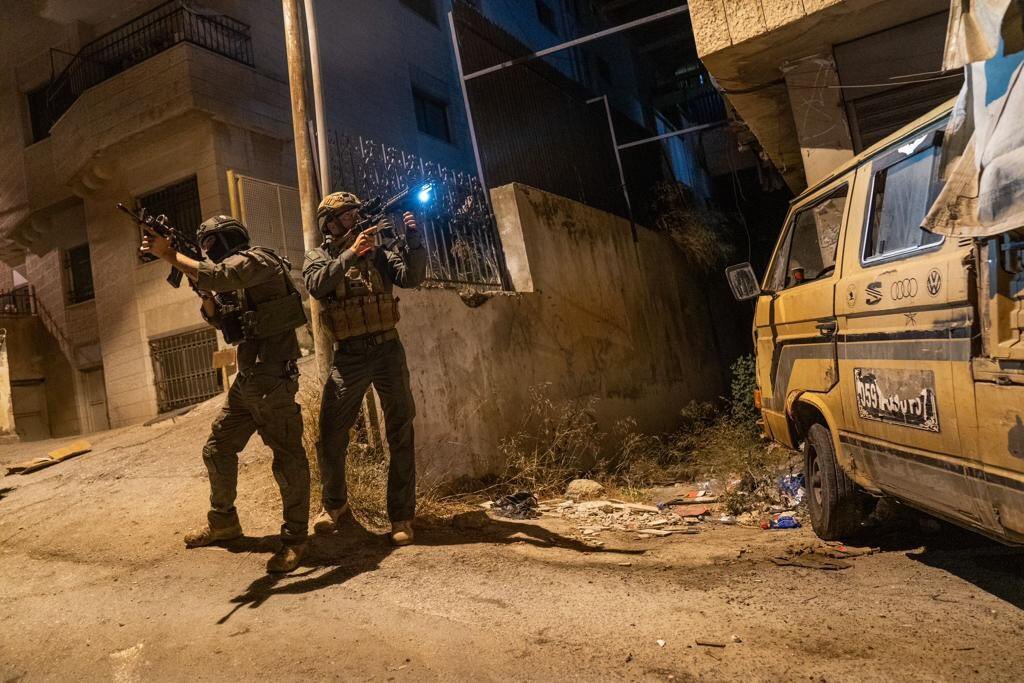
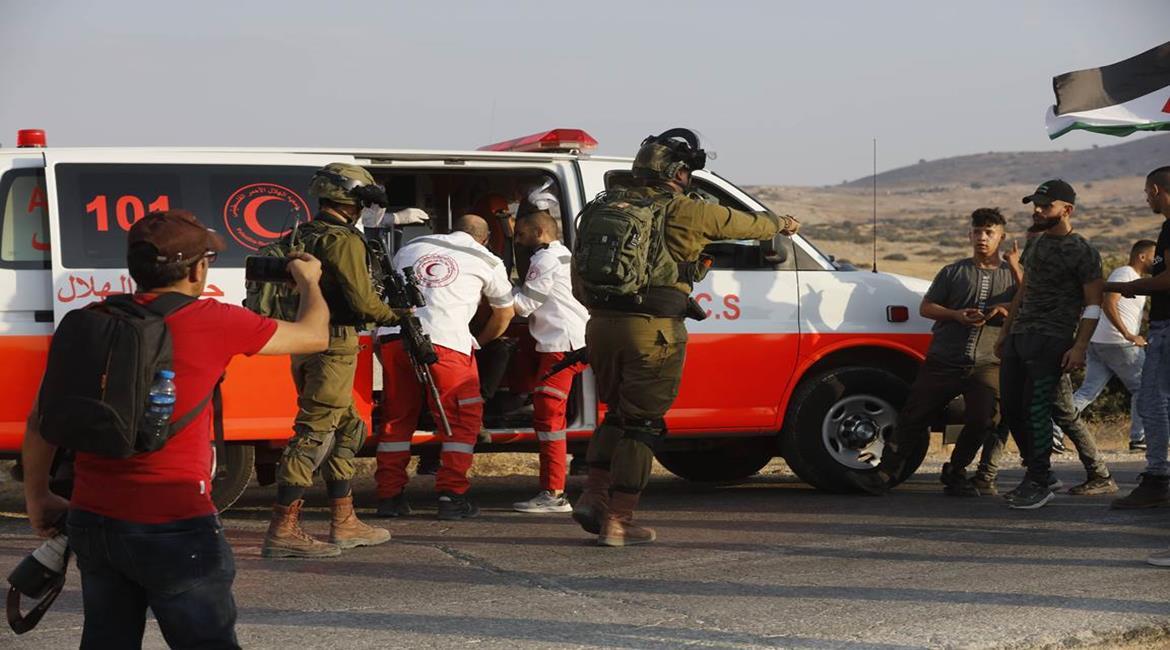
Israeli occupation forces arrested six citizens at dawn and early Tuesday morning during a campaign of raids in the West Bank.

In Bethlehem, Laith Muhammad Subaih (18 years old) and Moataz Ismail Salah (16 years old) were arrested after raiding their homes and thoroughly searching them in the town of Al-Khader.

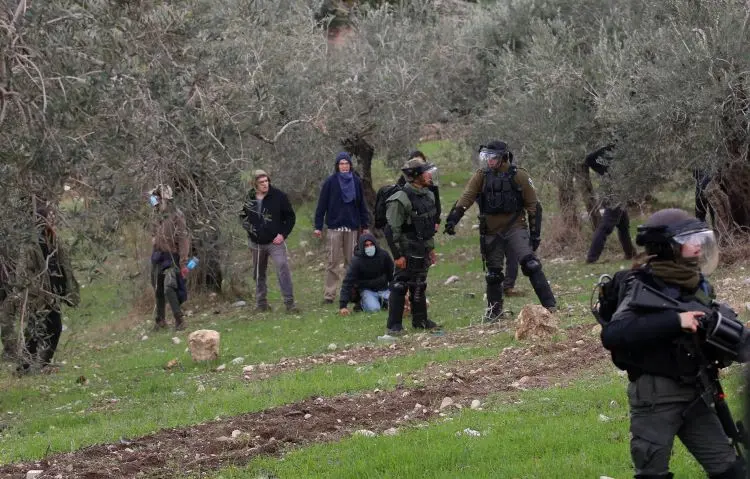
Meanwhile, occupation forces distributed warning leaflets to residents and used loudspeakers to threaten to "disrupt their daily lives" if what they called the stone-throwing at settler vehicles continued.

In Ramallah, occupation forces arrested Omar Khaled Abu Attia after raiding his home in the Amari camp, south of Ramallah.

In the same context, occupation forces stormed the towns of Silwad, east of Ramallah, and Budrus and Kharbatha Bani Harith, west of the city, and began searching a number of citizens' homes, including the home of freed prisoner Baha' Awad in Budrus, where he was severely beaten. He has been arrested several times since the beginning of the war of extermination.

In Hebron, occupation forces stormed the city and arrested freed prisoner Mahmoud Salhab after raiding and searching his home.

In the town of Dura, south of Hebron, occupation forces raided the al-Namous area and arrested the two brothers, Faisal and Fadi Jihad al-Sabbar, after storming their homes and ransacking their contents.

In the same context, the occupation forces served a summons to freed prisoner Salim Rajoub to meet with their intelligence services after raiding his home in the Krisa area of Dura. Rajoub suffers from critical health conditions and requires ongoing medical care.

PALESTINE

Tue 08 Jul 2025 9:23 am - Jerusalem Time

Until you die full!

The least of the talk


Tears welled up in his eyes, and his heart, freshly bursting from an open wound, was about to fall into his hands as he told me the story of his younger sister, who has been battling cancer for months, amid a severe shortage of medicine and food in the hospital where she is being treated in Gaza City since the start of the war, which is about to enter its second year.

My interlocutor, whom I met on an occasion in Ramallah, was confiding in me, in a trembling voice, a request he was unable to fulfill. His older sister had asked him to intervene, using his connections in Gaza, to transfer his sick sister from the north to Nasser Hospital in the south. When he asked her about the reason for her request, given that the hospitals were almost identical in terms of providing medical services, she told him: “Until you die of hunger,” because food is more readily available in hospitals in the south than in the north, which suffers from a severe shortage of food and medicine.

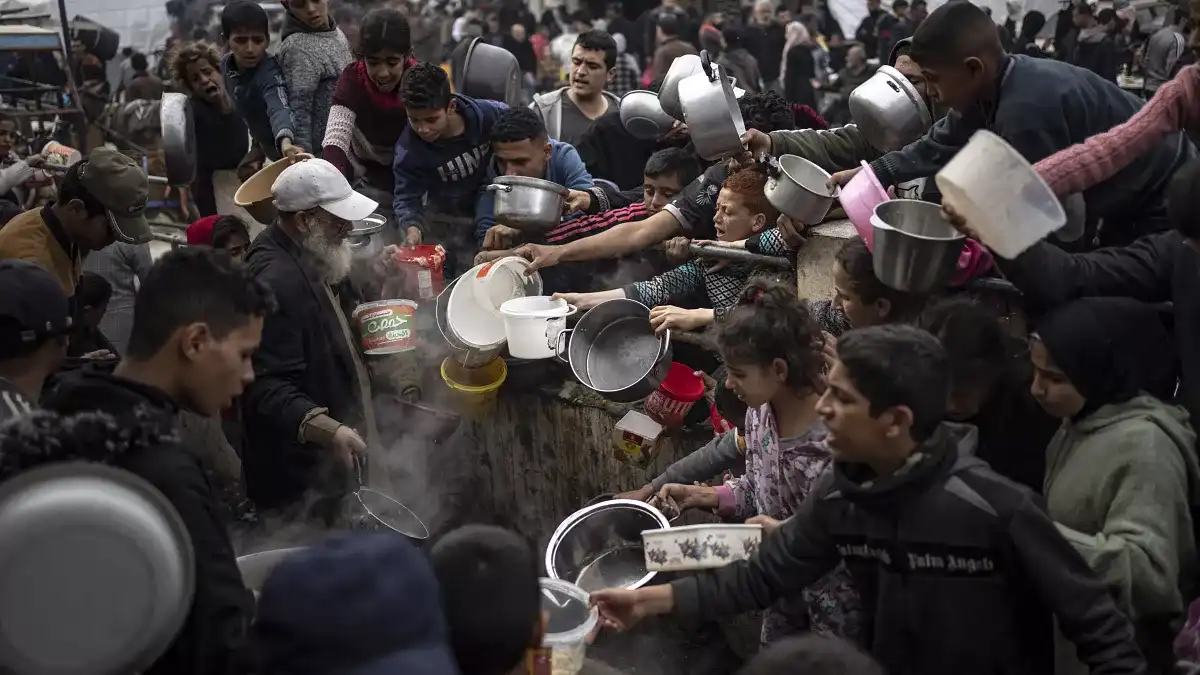
In shocking details from Gaza, people are suffering from emaciation and severe weight loss, terrifying those who venture onto the scales. Many young men are fainting and falling in the streets, their stomachs ravaged by famine, as they crawl towards aid traps with empty stomachs.

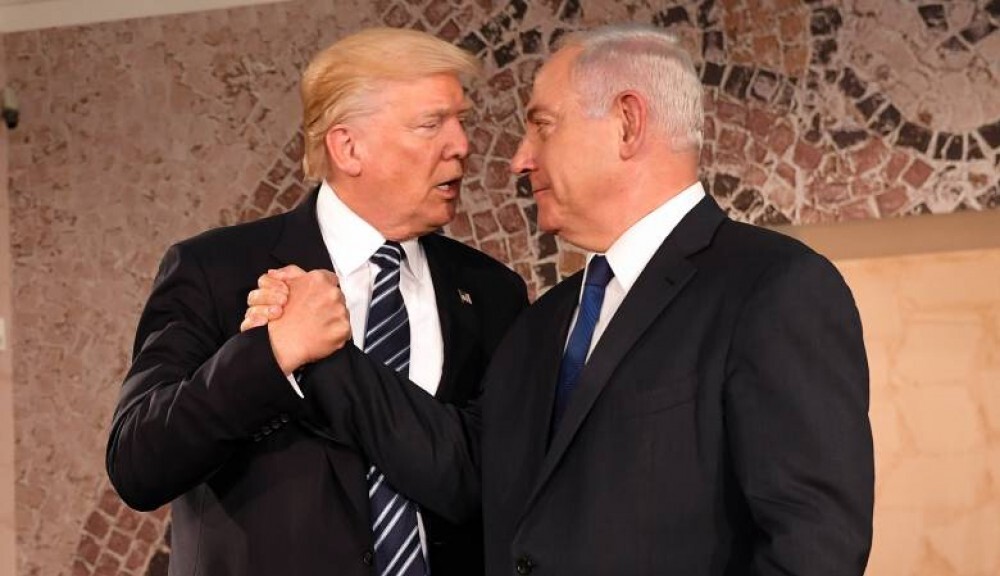
By the time the newspaper goes to press, the highly anticipated meeting between Trump and Netanyahu has already begun, and a ceasefire agreement is expected to be announced on Thursday and take effect on Friday morning.

We can only hope and pray that this bleeding pain and suffering will end.

PALESTINE

Tue 08 Jul 2025 9:21 am - Jerusalem Time

Five Israeli soldiers killed and 14 wounded in a resistance ambush in northern Gaza.

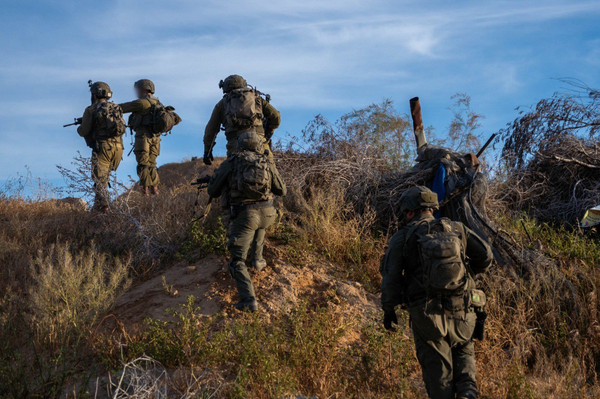
The Israeli army announced Tuesday morning that five fighters from the Netzah Yehuda Brigade were killed and 14 others were injured, two of them critically, as a result of explosive devices exploding in Beit Hanoun, north of the Gaza Strip, last night.

Israeli Army Radio reported that Palestinian militants planted two explosive devices on the road and detonated them in succession as the military force passed, causing heavy casualties.

She added that the attack continued, targeting soldiers as they attempted to evacuate the wounded from the site.

According to preliminary investigations by the Southern Command, the incident occurred at approximately 10:00 p.m. Monday, when an infantry force from the Kfir Brigade's Netzah Yehuda Battalion crossed a road near the border that the army was using for offensive operations.

Pre-planted explosive devices exploded in the force, and while attempting to evacuate the wounded, the soldiers also came under fire in a joint ambush by Palestinian gunmen. The wounded were evacuated to hospitals inside Israel.

Initial Israeli investigation into the Beit Hanoun ambush: double bombing and a gun ambush

A preliminary investigation conducted by the Israeli military on Tuesday revealed new details about the Beit Hanoun ambush in the northern Gaza Strip.

According to the investigation, the attack occurred as two army battalions were moving to clear an area in Beit Hanoun. A force from the 97th Netzah Yehuda Battalion crossed the road on foot before being detonated by two remotely detonated explosive devices in a well-planned ambush by Palestinian resistance fighters.

The investigation indicated that heavy gunfire targeted rescue teams as they attempted to evacuate the injured from the blast site, resulting in additional casualties among the supporting force and complicating the evacuation process. Additional units were then dispatched to complete the mission.

The army explained that this type of ambush, involving detonating mines followed by gunfire, is a recurring tactic used by Hamas in previous similar operations.

This incident brings the number of Israeli soldiers killed since the start of the war on October 7, 2023, to 888, including 446 killed during ground operations in the Gaza Strip, and 39 killed since the conclusion of the recent prisoner swap deal.

Military sources reported that the incident occurred in an area that has witnessed numerous incursions since the start of the ground maneuvers in late 2023. Air raid sirens sounded twice last night in areas very close to the site of the attack.

The Netzah Yehuda force began its mission following an offensive operation carried out by the Israeli army in Beit Hanoun on Saturday evening, involving units from the 646th Reserve Brigade (paratroopers) and the Northern Brigade of the Gaza Strip, against a fortified Hamas compound. This operation was preceded by air and ground strikes over the past week.

Al-Qassam Brigades following the Beit Hanoun operation: Funerals and corpses of the enemy army will become an ongoing event as long as the aggression continues.

The Qassam Brigades, the military wing of Hamas, commented on the operation carried out in Beit Hanoun, north of the Gaza Strip, late Monday evening, affirming its determination to continue targeting the Israeli army.

In a brief statement posted on Telegram tonight and signed by its spokesperson on June 25, the brigades said, "Funerals and corpses of the enemy army will become a regular occurrence as long as the aggression continues," adding, "We will destroy the prestige of your army."

It should be noted that this incident is the most serious for the battalion since the beginning of the war, as it had previously lost four fighters in Gaza, three of them in an explosive device explosion in May 2024.

The Beit Hanoun incident is the most serious since the "Puma" incident in Khan Yunis two weeks ago, which resulted in the deaths of an officer and six combat engineering soldiers in a similar explosion. It followed another incident last June, when eight soldiers were killed in Rafah after an armored personnel carrier was hit by an anti-tank missile.

PALESTINE

Tue 08 Jul 2025 9:12 am - Jerusalem Time

In a non-final statistic, 13 dead have been killed in the Gaza Strip since dawn today.

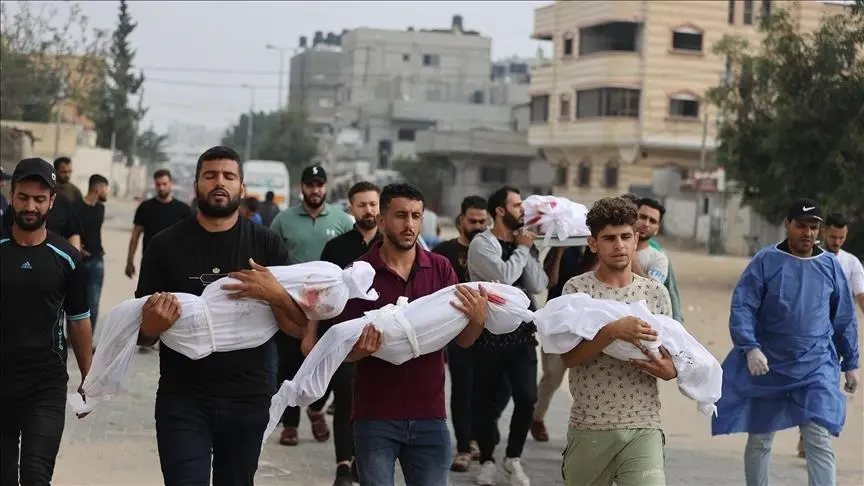
Israeli occupation forces continued their aggression on the Gaza Strip at dawn on Tuesday, targeting civilian homes and shelters for displaced persons. Thirteen civilians, including children and women, were killed and dozens more were injured in a series of violent airstrikes across various areas of the Strip.

Al-Shifa Hospital announced the deaths of four citizens, including an infant, as a result of Israeli airstrikes on a house near Carrefour Mall in the Tel al-Hawa neighborhood, southwest of Gaza City. Meanwhile, the Baptist Hospital announced the deaths of two citizens and the injury of others as a result of an attack targeting the home of Khader al-Jamasi, next to the al-Ibki Mosque in the al-Tuffah neighborhood, east of the city.

The two martyrs were identified as: Muhammad Ibrahim Al-Jamasi and Basma Kamal Rahmi.

A medical source at Al-Awda Hospital in the Nuseirat refugee camp said that a number of civilians were injured when the Abu Helu al-Sharqiya School, which houses displaced persons in the al-Bureij refugee camp in the central Gaza Strip, was directly targeted by Israeli shelling, sparking panic among displaced families.

Al-Aqsa Martyrs Hospital in Deir al-Balah received a martyr and several wounded people following an airstrike that targeted a room on the rooftop of the Abu Amra family's home in central Deir al-Balah. The martyr was identified as Sharifa Maher Karim.

Nasser Hospital in Khan Yunis also received two martyrs, Ibrahim Omran Al-Bayoumi and Antar Amer Al-Bayoumi, who were targeted by an Israeli drone near Site 17 on the Khan Yunis-West Rafah road.

In another massacre, four citizens from one family were martyred, and others were injured, in a bombing that targeted a tent for displaced people in the Al-Mawasi area west of Khan Yunis. The martyrs are: Awda Muhammad Al-Bayouk (10 years old), Misak Muhammad Al-Bayouk (13 years old), Muhammad Zaki Al-Bayouk (40 years old), and Samah Saeed Al-Bayouk (37 years old).

Since October 7, 2023, Israel, the occupying power, has waged a genocidal war in the Gaza Strip, leaving more than 194,000 dead and wounded, most of them children and women, and more than 10,000 missing, in addition to hundreds of thousands of displaced persons and a famine that has claimed the lives of many, including children.

PALESTINE

Mon 07 Jul 2025 10:34 pm - Jerusalem Time

30 Israeli military vehicles storm the eastern part of Nablus.

More than 30 Israeli military vehicles stormed the eastern part of Nablus, in preparation for settlers to storm Joseph's Tomb in the Balata al-Balad area.

He confirmed that the military incursions took place through three main checkpoints: Huwara, Beit Furik, and Awarta.

He pointed out that Israeli occupation forces continue to launch raids in the eastern part of the city, threatening a new security escalation in the area.


ARAB AND WORLD

Mon 07 Jul 2025 10:16 pm - Jerusalem Time

Revoking the designation of Hay'at Tahrir al-Sham as a foreign terrorist organization

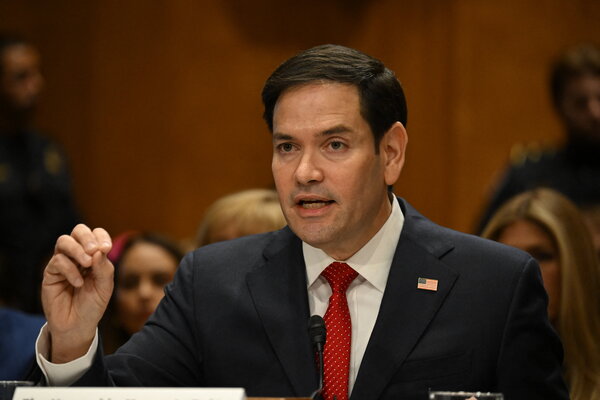
US Secretary of State Marco Rubio announced on Monday that US President Donald Trump has removed Hayat Tahrir al-Sham and Jabhat al-Nusra from the terrorist list.

Rubio said in a statement, a copy of which was received by Al-Quds.com: “Consistent with President Trump’s May 13 promise to ease sanctions on Syria, I am announcing my intent to rescind the designation of Jabhat al-Nusra, also known as Hayat Tahrir al-Sham, as a foreign terrorist organization under the Immigration and Nationality Act. This rescission takes effect tomorrow, July 8.”

Rubio explained: "Tomorrow's action follows the announcement of the dissolution of Hay'at Tahrir al-Sham and the Syrian government's commitment to combating terrorism in all its forms. This action builds on the momentum of the June 30 Executive Order 'Removing Sanctions on Syria' and commends the positive actions taken by the new Syrian government of Prime Minister Ahmad al-Sharaa. Removing the sanctions is an important step in realizing President Trump's vision for a stable, unified, and peaceful Syria."

On June 30, US President Trump signed an executive order ending the US sanctions program on Syria, allowing Damascus to end its isolation from the global financial system. This is in line with Washington's pledge to help Syria rebuild after the crisis.

ARAB AND WORLD

Mon 07 Jul 2025 9:53 pm - Jerusalem Time

Saudi Arabia stresses at BRICS summit the need to end Gaza's suffering

During the first session of the second day of the 17th BRICS Summit 2025, Saudi Arabia stressed that the humanitarian suffering in Gaza cannot be ignored, and that the international community must work diligently to end this crisis and achieve a lasting and comprehensive peace for all, based on the two-state solution, in accordance with international law.

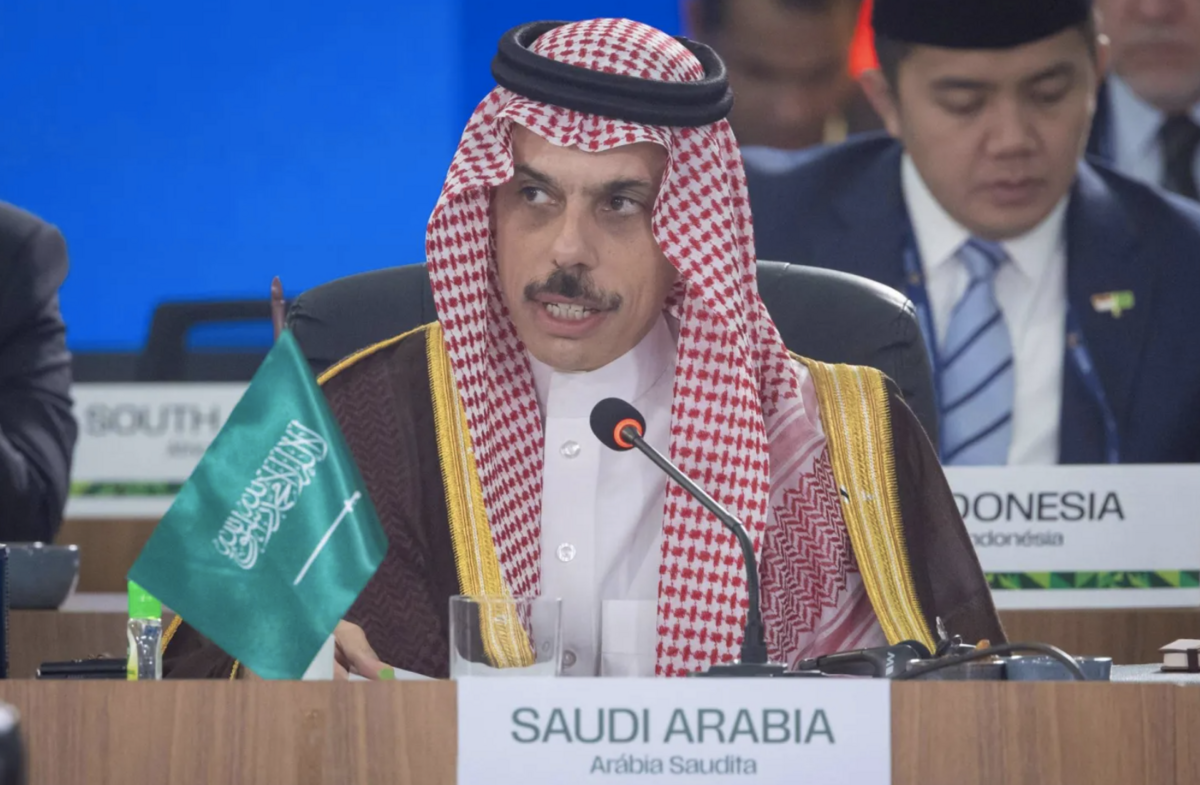
On behalf of Prince Mohammed bin Salman, Crown Prince and Prime Minister of Saudi Arabia, Prince Faisal bin Farhan, Minister of Foreign Affairs, participated on Monday in Rio de Janeiro, Brazil, in the first session of the second day of the summit, in which Saudi Arabia is participating as an invited country to join the group. The session was titled "Environment... COP30 and Global Health."

In his speech during the session, Prince Faisal bin Farhan stressed that the grave crises facing the world remind everyone of shared responsibilities and the need to avoid escalation to maintain security and prevent the expansion of conflicts. He pointed to the catastrophic situation in Gaza, where he emphasized that the Israeli attacks on health infrastructure and the targeting of civilians constitute a flagrant violation of international humanitarian law and a direct challenge to the international order based on laws and norms. He called on the international community to shoulder its responsibilities to ensure the delivery of humanitarian aid and the protection of civilians, emphasizing that the human suffering in Gaza cannot be overlooked and that the international community must work diligently to end this crisis and achieve a lasting and comprehensive peace for all, based on the two-state solution in accordance with international law.

At the beginning of his speech, the Saudi Foreign Minister expressed his country's appreciation to Brazil for hosting the BRICS summit and its prominent role as the group's president this year. He also expressed Saudi Arabia's aspiration to build fruitful cooperation across multilateral platforms for a future brimming with opportunities and shared development.

He pointed to the importance of enhancing cooperation in the areas of climate and health, affirming Saudi Arabia's commitment to the United Nations Framework Convention on Climate Change and the Paris Agreement, calling for a pragmatic and balanced approach that takes into account the diverse circumstances of different countries.

In this context, he conveyed the Kingdom's congratulations to Brazil on its upcoming hosting of the Conference of the Parties to the United Nations Framework Convention on Climate Change (COP30), expressing Saudi Arabia's wishes for success in achieving tangible results to address the challenges of climate change.

Prince Faisal bin Farhan explained that Saudi Arabia, as a country suffering from water scarcity, has developed advanced methods and technologies to manage environmental challenges and water resources, and led the efforts that led to the establishment of the World Water Organization, which aims to ensure equitable access to this vital resource.

Regarding the health sector, he explained that the Kingdom's Vision 2030 includes comprehensive reforms focused on prevention and integrated care. He also reviewed Saudi Arabia's experience in managing major gatherings such as Hajj and Umrah, and in developing planning and early warning systems, which strengthens its position as a regional center for preparedness and response to health emergencies, in accordance with international standards.

The session was attended by Faisal Ghulam, Saudi Ambassador to Brazil; Walid Al-Samaeel, Director General of the Minister's Office; Mohammed Al-Yahya, Advisor to the Minister; and Shaher Al-Khanini, Director General of International Organizations.

PALESTINE

Mon 07 Jul 2025 9:16 pm - Jerusalem Time

Suffocation injuries during the occupation forces' raid on eastern Lubban

A number of citizens suffered from suffocation on Monday evening after Israeli occupation forces fired tear gas bombs during their raid on the village of Al-Lubban Al-Sharqiya, south of Nablus.

According to local sources, several Israeli occupation vehicles stormed the village and roamed its streets, where soldiers fired tear gas canisters at homes, causing numerous cases of suffocation among residents.

PALESTINE

Mon 07 Jul 2025 7:07 pm - Jerusalem Time

A second round of Doha talks concludes, and Netanyahu meets with Trump today.

A second round of indirect talks between the Israeli delegation and the Palestinian Islamic Resistance Movement (Hamas) concluded in Doha, ahead of an expected meeting on Monday between Israeli Prime Minister Benjamin Netanyahu, who is visiting Washington, and US President Donald Trump.

The Doha talks will continue later, focusing on reaching a framework agreement for a ceasefire in the Gaza Strip and a prisoner exchange.

An Israeli official described the atmosphere so far in the talks mediated by Qatar and Egypt as positive. Palestinian officials said that the initial meetings held yesterday ended without reaching conclusive results.

Another Israeli official said that the issue of humanitarian aid was discussed in Qatar, without providing further details.

Trump said that a deal on Gaza was very close, adding that there was a good chance of concluding a deal with Hamas next week to release a large number of prisoners.

NBC reported that Netanyahu, who is wanted by the International Criminal Court for war crimes in Gaza, will meet with US envoy Steve Witkoff before his meeting with President Trump on Monday.

Netanyahu told reporters before boarding the plane that the meeting with Trump could contribute to reaching an agreement (in Gaza), adding, "We want to achieve the deal according to the terms we agreed to, and the Israeli negotiating delegation has clear instructions to do so."

Netanyahu said on Saturday that "the changes Hamas is seeking to make to the initial proposal are unacceptable."

On Friday, Hamas announced that it had submitted a "positive" response to the mediators regarding a proposed agreement, and that it was "seriously prepared to immediately enter into a round of negotiations on the implementation mechanism" of the proposal.

The movement has repeatedly affirmed its willingness to release Israeli prisoners "in one batch" in exchange for ending the genocide and the Israeli military's withdrawal from Gaza.

But Netanyahu is evading the offer by proposing new conditions, insisting on guaranteeing the possibility of resuming the war until Hamas is dismantled and disarmed.

Netanyahu's visit and opposition criticism

On the domestic front in Israel, Democratic Party leader Yair Golan accused Netanyahu of refusing to end the war and daring to pay the price for remaining in power with the blood of others, emphasizing that he is wreaking havoc on Israel and will not defeat Hamas.

Avigdor Lieberman, leader of the far-right Yisrael Beiteinu party, also said that the Israeli government was preventing the release of the "kidnapped" soldiers for political reasons. He added that the Israeli soldiers "who fell in recent months did not fall for Israel, but rather fell on the altar of the ruling coalition's safety."

Since the beginning of the war, 883 Israeli soldiers have been killed and 6,060 wounded, most of them in Gaza, according to military data. In recent weeks, the military has announced the deaths and injuries of several of its soldiers in Gaza.

Lieberman added that it is possible to reach an agreement to release all Israeli prisoners, but the government is working to thwart it, he said.

In this context, Israeli opposition leader Yair Lapid said, "We need a deal that ends the war and returns all the hostages" at once.

The US-backed proposal for a 60-day ceasefire includes the gradual release of Israeli prisoners held in Gaza, the withdrawal of Israeli forces from parts of the Strip, and discussions to end the war completely.

Some of Netanyahu's coalition partners oppose ending the fighting. But with Israelis increasingly concerned about the 21-month-old war, his government is expected to support a ceasefire.

About 20 of the remaining 50 detainees in Gaza are believed to be still alive.

With full American support, Israel has been committing genocidal crimes in Gaza since October 7, 2023, leaving approximately 194,000 Palestinian martyrs and wounded, most of them children and women, more than 11,000 missing, and hundreds of thousands displaced.

Since the beginning of the war, 883 Israeli soldiers have been killed and 6,060 wounded, most of them in Gaza, according to military data. In recent weeks, the military has announced the deaths and injuries of several of its soldiers in Gaza.


ARAB AND WORLD

Mon 07 Jul 2025 6:27 pm - Jerusalem Time

Katz: Plan to establish a civilian zone south of the Morag axis to isolate Gaza residents

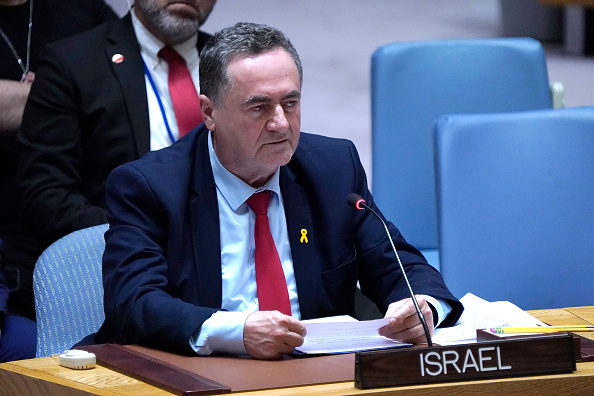
Israeli Defense Minister Yisrael Katz stated that Tel Aviv controls approximately 70% of the Gaza Strip and intends to remain there until all detainees are returned.

Katz added that a plan is under consideration to establish a civilian zone south of the Morag axis, with the aim of isolating Gaza residents from Hamas, and that an international body is currently being sought to administer this zone.

Katz also noted that Finance Minister Bezalel Smotrich did not reject the issue of humanitarian aid to Gaza, but rather objected to its management by Hamas.

Katz revealed a plan to encourage voluntary emigration from Gaza, explaining that the Israeli Prime Minister is working to find countries willing to accept refugees.

PALESTINE

Mon 07 Jul 2025 4:00 pm - Jerusalem Time

9 dead, including 5 aid recipients, north of Rafah

A number of civilians were killed and others injured on Monday evening as a result of Israeli shelling of various areas in the Gaza Strip.

A medical source at Nasser Hospital reported that five citizens were killed and others injured by Israeli occupation forces' fire near an aid center north of Rafah, in the southern Gaza Strip.

Two citizens were killed in an Israeli airstrike near Hamad Residential City, northwest of Khan Yunis, in the southern Gaza Strip. Two other citizens, one of them a child, were also killed in an attack on Al-Fawakhir Street in central Gaza City.

Medical sources announced the deaths of 35 citizens due to Israeli gunfire and shelling of the Gaza Strip since dawn today, including 18 in Gaza City and the northern Gaza Strip.

According to the Ministry of Health, the death toll from the ongoing Israeli aggression on the Gaza Strip since October 7, 2023, has risen to 57,418 martyrs and 136,261 wounded. Thousands of bodies remain under the rubble and in the streets, as rescue and ambulance teams are unable to reach them due to the ongoing bombardment and lack of equipment.

The Israeli occupation continues its intensive bombardment of residential areas, medical centers, and displacement camps, amid catastrophic humanitarian conditions and severe shortages of food, water, and medicine. Meanwhile, humanitarian organizations continue to warn of the worsening health and environmental crisis in the besieged Gaza Strip.

PALESTINE

Mon 07 Jul 2025 3:31 pm - Jerusalem Time

The Israeli army told the government: The two goals of the war on Gaza cannot be achieved simultaneously.

The Israeli military informed the government that there is currently a clash between Israel's two goals in the war: returning prisoners held in the Gaza Strip and eliminating Hamas. The military called for "returning the kidnapped soldiers first, without compromising on eliminating Hamas," Israeli Army Radio reported Monday.

The radio added that the Israeli army presented a "clear" position to the political echelon during deliberations held in recent days, stating that "it is not currently possible to achieve both goals simultaneously, and what is required is to work in turn (gradually). In accordance with our moral vision, the return of the kidnapped soldiers must come first, and then continue to bring about the collapse of Hamas."

Contrary to statements attributed to IDF Chief of Staff Eyal Zamir that "Hamas is a dead organization," the Israeli military believes that Hamas has not yet been defeated, but "this goal cannot be relinquished for the sake of war. Eliminating Hamas is essential, but the timetable for the operation must be chosen, and the kidnapped soldiers must be returned first," according to the radio.

Zamir presented to the political echelon three possible alternatives to the continuation of the war on Gaza. The first and preferred alternative is a ceasefire and prisoner exchange; the second is a full occupation of the Strip; and the third is other military operations that do not require Israeli forces to penetrate city centers and locations where Israeli prisoners are suspected to be held.

In these discussions, the Israeli military claimed that of the 14 Hamas leaders present in the Gaza Strip at the start of the war and believed to have planned and led the October 7 attacks, ten were killed, leaving four leaders still in Gaza.

ARAB AND WORLD

Mon 07 Jul 2025 3:02 pm - Jerusalem Time

Barak is "very satisfied" with the Lebanese response to the American paper.

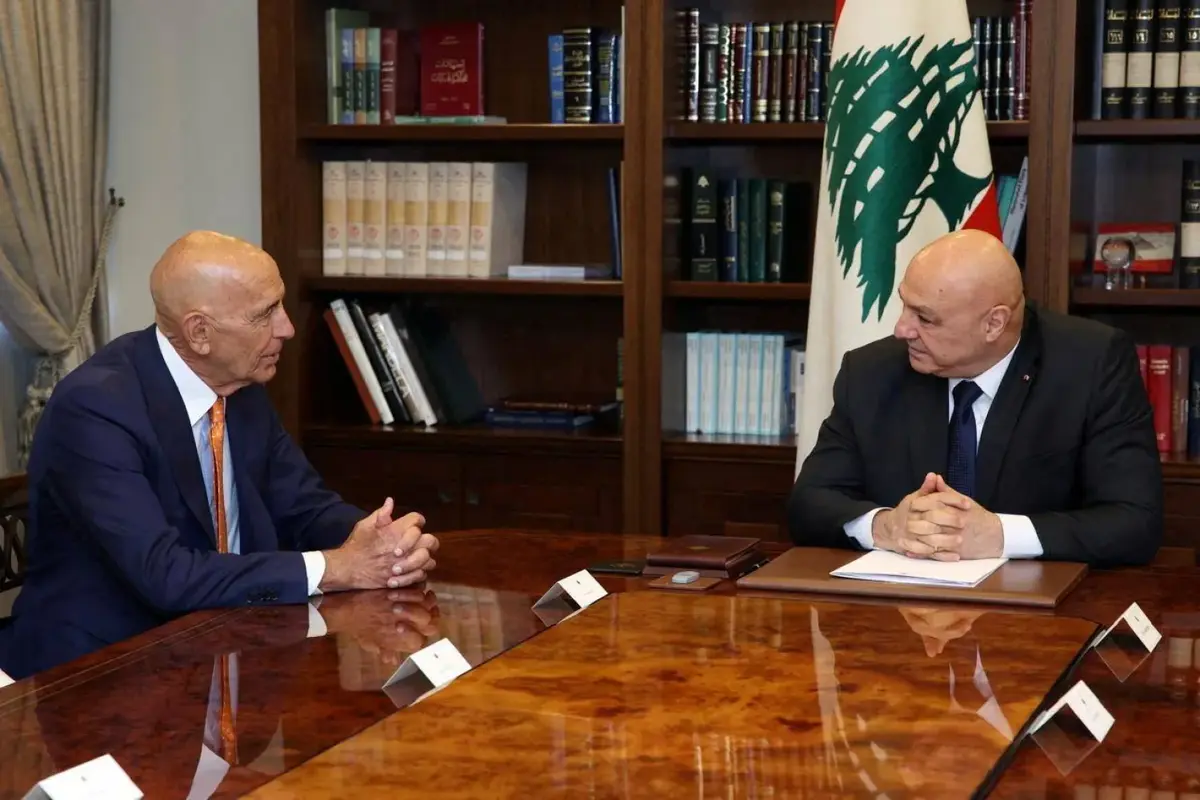
US Ambassador to Turkey and President Donald Trump's special envoy for Syria, Tom Barrack, said on Monday that he was "very satisfied" with the Lebanese government's response to a US proposal on how to disarm Hezbollah, while warning that Lebanon "will be left behind" if it does not move in line with the regional changes taking place.


Barak added: "I am grateful for the Lebanese response... The response is thoughtful and balanced. We are working on a plan to move forward, and to achieve that, we need dialogue." He continued: "What the government presented to us was wonderful. In a very short time, and in a very complex way, I feel incredibly satisfied with this response."

Barak stated, "Hezbollah is a political party, and it also has an armed side. Hezbollah needs to see that there is a future for them, that this path is not designed to be solely against them, and that there is an intersection between peace and prosperity for them as well."

Barak visited Lebanon on June 19, met with Lebanese officials, and presented a set of proposals for implementing the security arrangements related to the cessation of hostilities that had been approved by the previous government in November.

President Joseph Aoun, Prime Minister Nawaf Salam, and Parliament Speaker Nabih Berri discussed the US proposals.

Israel launched airstrikes on multiple sites in Lebanon yesterday evening, claiming to have targeted Hezbollah military positions, hours after the party's Secretary-General, Naim Qassem, announced his refusal to surrender his weapons.

In recent days, Israel has been escalating its targeting of southern Lebanon, bombing military sites it says Hezbollah is rehabilitating, and pursuing members of the party. The attacks killed one person and injured six others last Saturday.

Observers believe that these operations, which coincided with Barak's arrival in Beirut, convey a message to the Lebanese state and the five-member committee monitoring the ceasefire: If the Lebanese state fails to disarm the party, it will resume its military operations and assume this task alone.

Although Israeli operations in Lebanon have not ceased since the ceasefire went into effect on November 27, their intensification on the eve of the US envoy's arrival in Beirut indicates that Israel, and the US administration behind it, is exerting maximum pressure on Lebanon to expedite the disarmament of the party.

"Lebanon's hope is awakening! The opportunity is now," Barak said the day before yesterday. He continued: "This is a historic moment to transcend the tense sectarianism of the past and realize Lebanon's true promise of hope (one country, one people, one army)." He added: "As the President of the United States has always shared with the world: Lebanon is a great place, with a great people. Let us make Lebanon great again."

PALESTINE

Mon 07 Jul 2025 2:44 pm - Jerusalem Time

Ofer prisoners live in extremely harsh and humiliating detention conditions.

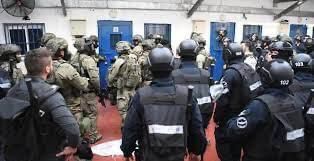
The Palestinian Prisoners' Affairs Commission said on Monday that prisoners in Ofer Prison are experiencing extremely harsh and humiliating detention conditions, amid escalating punitive measures against them since the events of October 7, 2023.

The Commission explained in a press release that its lawyers visited a number of prisoners in prison, including Abdullah Jawarish, Adham Awad, Abdul Rahman Mansour, Moamen Qawasmi, Ismail Al-Jaafari, and Mohammed Kamil, who provided shocking testimonies about the prison administration's practices.

Administratively detained prisoner Abdullah Jawarish, from Bethlehem, confirmed that conditions at Ofer prison are deteriorating further, with the daily "break" period reduced to between five and ten minutes, amid ongoing humiliating room searches and harsh treatment by prison guards.

He pointed out that the prison administration is pursuing a "starvation" policy, with food shortages and poor quality, resulting in a significant drop in the weight of all prisoners.

Jawarish added that the prisoners are deprived of the most basic necessities of human life, as all their personal belongings have been confiscated, they suffer from a lack of hot water, and their rooms lack basic hygiene items.

For his part, prisoner Moamen Al-Qawasmi, from the town of Beitunia, said that the 150 to 170 cubs held in Israeli prisons are experiencing deteriorating psychological conditions as a result of ongoing insults, denial of visits, and being prevented from communicating with their families, in addition to malnutrition.

Prisoner Ismail al-Jaafari confirmed that the prison administration is denying prisoners access to healthcare, with them receiving only painkillers and a near-total refusal to undergo medical examinations, except in cases deemed urgent.

The Commission emphasized that these policies violate international human rights standards, calling on human rights and humanitarian organizations to intervene immediately and pressure the occupation authorities to halt their ongoing violations against prisoners.

PALESTINE

Mon 07 Jul 2025 2:40 pm - Jerusalem Time

The occupation forces seize 744 dunums of land northeast of Ramallah.

The Wall and Settlement Resistance Commission said: "The occupation authorities announced today, Monday, that they had seized 744 dunams of land from Al-Mughayyir and Jaba'it, northeast of Ramallah, according to a new announcement under the name "state lands," a term the occupying state uses to control and seize more land.

The Authority explained that the new announcement targets the area where the Malachi Hashalom settlement outpost is located, which was established in 2015 on the lands of the village of Al-Mughayyir.

She added that the occupation authorities aim, through this seizure, to settle the status of a colonial outpost established in the area, namely "Malachi Hashalom," which constitutes a new extension of a number of outposts located in the region. This is the same outpost whose status the occupation government announced two years ago, during the formation of the fascist far-right government.

The Authority's data indicates that with this seizure, officially announced by the occupying state today, the area seized under the pretext of "state lands" since the formation of the far-right government in early 2023 has risen to 25,824 dunams, through 12 announcements under this name.

PALESTINE

Mon 07 Jul 2025 2:33 pm - Jerusalem Time

The occupation forces paved a military road north of Tubas.

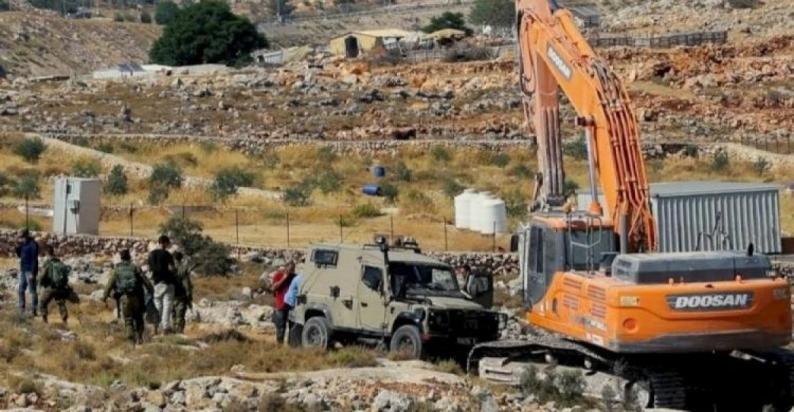
Today, Monday, Israeli bulldozers began paving a military road on Palestinian lands in Khirbet Ibziq, northeast of Tubas.

Village Council head Abdul Majeed Khudairat reported that the occupation forces had begun constructing a military road on citizens' land, declaring the area "military closed."

He added that the occupation forces informed citizens not to approach their lands near the aforementioned street.

PALESTINE

Mon 07 Jul 2025 2:18 pm - Jerusalem Time

The death toll from the Israeli aggression on the Gaza Strip rises to 57,523 dead

The Ministry of Health in the Gaza Strip announced, on Monday afternoon, that the death toll from the Israeli aggression has risen to 57,523, and the number of injuries has risen to 136,617 since October 7, 2023.

The ministry confirmed in its daily statement that 105 dead (including one recovered) and 356 injuries had arrived at Gaza Strip hospitals in the past 24 hours.

It pointed out that the death toll and injuries since March 18, 2025 amounted to (6,964 dead, 24,576 injuries).

It explained that the death toll from aid workers arriving at hospitals over the past 24 hours has reached 7 dead and over 74 injuries, bringing the total number of livelihood victims arriving at hospitals to 758 dead and over 5,005 injuries.

In the latest developments on the ground: A number of civilians were killed and others injured Monday evening as a result of Israeli shelling that targeted a tent housing displaced persons opposite the Musab bin Omair Mosque in the Tal al-Hawa neighborhood in southern Gaza City.

Two members of the Ramlawi family were also killed in an attack that targeted their home in the Tuffah neighborhood east of Gaza City, completely destroying it and wounding several other family members.

Earlier today, three civilians were killed and others injured in shelling and shooting attacks carried out by Israeli occupation forces in various areas of Gaza City and Rafah.

According to the Ministry of Health, the death toll from the ongoing Israeli aggression on the Gaza Strip since October 7, 2023, has risen to 57,418 dead and 136,261 wounded. Thousands of bodies remain under the rubble and in the streets, as rescue and ambulance teams are unable to reach them due to the ongoing bombardment and lack of equipment.

The Israeli occupation continues its intensive bombardment of residential areas, medical centers, and displacement camps, amid catastrophic humanitarian conditions and severe shortages of food, water, and medicine. Meanwhile, humanitarian organizations continue to warn of the worsening health and environmental crisis in the besieged Gaza Strip.

ARAB AND WORLD

Mon 07 Jul 2025 2:14 pm - Jerusalem Time

Netanyahu asks Trump for guarantees that he will resume the war on Gaza if he agrees to a truce.

The Middle East Eye newspaper, citing Israeli media, reported that Israel has asked the United States for guarantees that it will resume its 21-month-old war of genocide in Gaza if it believes its conditions have not been met in negotiations with Hamas.

Israeli Prime Minister Benjamin Netanyahu arrived in Washington, where he will meet Monday to discuss details of the agreement negotiated by the United States, Qatar, and Egypt.

Under the potential agreement, the two sides would negotiate during the 60-day truce to reach a permanent ceasefire. According to an Israeli source speaking to Israel's Channel 14, "The current proposal includes a secret side letter from President Trump giving Israel the green light 'to resume attacks if our demands regarding the disarmament of Hamas and the exile of its leaders are not met,' and Israel would be able to decide whether to resume attacks on Gaza." The ceasefire agreement reached between Israel and Hezbollah in November 2024 also included a secret side letter from the United States to Israel stating that Israel could continue bombing Lebanon if it determined that Hezbollah was violating the agreement. As a result, Israel has consistently violated the ceasefire with airstrikes, ground raids, and its ongoing occupation of areas in southern Lebanon.

The Middle East Eye report noted that the Channel 14 report cited a "member of the political leadership," a phrase often used to refer to deliberate leaks by Israeli Prime Minister Benjamin Netanyahu. If the leak was deliberate, it could be intended to sabotage the ceasefire negotiations, as Hamas's main demand is a stronger US guarantee of its commitment to turning the agreement into a permanent ceasefire.

Hamas presented several amendments to the US-Israeli proposal for a 60-day ceasefire, including a stronger US guarantee, clearer language regarding an Israeli withdrawal from certain parts of Gaza, and unrestricted aid flows led by the UN and the Palestinian Red Crescent. Netanyahu described Hamas's amendments as "unacceptable," but also agreed to send negotiators to Doha for indirect talks. According to Palestinian sources who spoke to Reuters, the first round of talks ended "without reaching an agreement."

During previous negotiations, Netanyahu reiterated publicly unacceptable demands to Hamas to thwart the chances of reaching an agreement. An analysis published in Haaretz on Sunday indicated that the Israeli leader is trying to undermine the current negotiations, and that an agreement is unlikely to be reached unless President Trump forces him to do so.

Netanyahu will meet with President Trump at the White House on Monday, and a potential ceasefire in Gaza is expected to be a major topic of discussion, along with the recent 12-day US-Israeli war on Iran.

PALESTINE

Mon 07 Jul 2025 12:52 pm - Jerusalem Time

UN: Gaza's food system has collapsed completely

The United Nations Office for the Coordination of Humanitarian Affairs (OCHA) confirmed on Monday that the food system in Gaza is in complete collapse, and that the deepening famine in Gaza and the denial of aid access mean more lives will be lost.

According to the official United Nations website, the office noted that families in Gaza are forced to risk their lives to obtain food, explaining that rates of acute malnutrition have doubled among children, and that infant formula is running out.

UN Secretary-General António Guterres expressed his deep dismay at the worsening humanitarian crisis in Gaza, reiterating his call for an immediate and permanent ceasefire and the unconditional release of all hostages.

PALESTINE

Mon 07 Jul 2025 12:45 pm - Jerusalem Time

11,280 attacks carried out by the occupation and its settlers in the first half of 2025

Head of the Wall and Settlement Resistance Commission, Mu'ayyad Shaaban, said that the total number of attacks carried out by the occupying state in the first half of 2025 amounted to 11,280 attacks carried out by various state agencies, including its settler militias, against citizens and their property.

Shaaban added during a press conference held by the Commission to announce its semi-annual report, "The Occupying State's Attacks on Palestinian Territories and Colonial Expansion Measures" for the first half of 2025, that this significant escalation in the form, number and nature of attacks coincides with the aggression launched by the occupying state against our people in the Gaza Strip and all places of Palestinian presence, noting that the attacks ranged from imposing facts on the ground (seizing lands, colonial expansion and forced displacement), to field executions, vandalizing and bulldozing lands, uprooting trees and seizing property, and closures and barriers that sever the ties of Palestinian geography.

He pointed out that the attacks were concentrated in the governorates of Ramallah with 1,975 attacks, followed by Hebron with 1,918, and Nablus with 1,784.

Shaaban said: “Over the past six months, the occupying state has been racing against time, in every sense of the word, to encroach on Palestinian geography, not only by establishing colonial outposts or fattening settlements, nor by issuing military orders, nor by systematically assaulting citizens in villages, towns and Bedouin communities, besieging and strangling them, but also by an unprecedented series of legislation and government decisions that target the essence of Palestinian geography and its status, putting us face to face, government, people, institutions, councils and frameworks, before the most dangerous phase the Palestinian cause is going through in terms of attempts at theft, annexation and imposition of sovereignty.”

He added that the attacks carried out by settlers during the period monitored by the report amounted to a total of 2,153 attacks, resulting in the martyrdom of 4 citizens at the hands of settlers. The settlers’ attacks ranged from attacking Palestinian villages and assaulting the innocent, setting fire to homes with their owners on their heads, shooting at citizens, establishing colonial outposts, seizing control of citizens’ lands, attacking streets and vehicles, and launching organized and dangerous attacks that have characterized these attacks in the recent period, such as what happened in the villages of Kafr Malik, Al-Mughayyir, Beita, Sinjil, and others.

These attacks were concentrated in the governorates of: Ramallah with 491 attacks, Hebron with 409, and Nablus with 396.

Shaaban explained that from the beginning of 2025 until the end of June, the occupation authorities studied (deposited and approved) a total of 165 master plans for expanding settlements or establishing new ones, including: 124 plans in the West Bank settlements, and 41 plans for the Jerusalem settlements, through which they studied a total of more than 8,685 housing units in the West Bank settlements, and 8,865 for the Jerusalem settlements.

He continued: "In the first half of 2025, settlers established 23 colonial outposts on citizens' lands, most of which were pastoral outposts, in the governorates of Ramallah, Nablus, Hebron, Qalqilya, Tubas, and Jerusalem, in continuation of the policy of imposing facts on the ground pursued by settlers under the full auspices of the occupation army."

He added that during the period covered by the report, the occupation authorities seized more than 800 dunams of Palestinian land under various pretexts, by issuing 36 seizure orders for military purposes and one expropriation order under the pretext of paving and expanding roads.

Shaaban said that in the first half of 2025, the Israeli occupation authorities issued 556 demolition notices against Palestinian facilities on the pretext of lacking permits. These included 322 inhabited homes, 18 uninhabited ones, 151 facilities classified as agricultural, and 97 facilities classified as sources of livelihood, among others.

He continued: Most of these notices were concentrated in the governorates of Hebron with 145 notices, Ramallah with 131, Qalqilya with 49, and Jericho with 46. The occupation authorities carried out a total of 380 demolition operations, resulting in the demolition of 588 facilities, and 843 people were affected by the demolitions, including 411 children and 378 women.

Shaaban pointed out that the occupying state and the settler militias had caused the uprooting and damage of a total of 12,067 trees, including 6,144 olive trees, including 5,359 trees in the Bethlehem Governorate, 2,282 trees in the Ramallah and Al-Bireh Governorate, and 1,774 trees in the Nablus Governorate, in another record number recorded against the Palestinian tree, and in a clear and systematic targeting within the framework of emptying the Palestinian land and leaving it fallow.

Shaaban renewed his call for all Palestinians, including factions, popular unions, syndicates, and the masses, to unite under a national strategy to defend the land and national capabilities, one that looks only to Palestine, cares only about Palestine, and views the occupation's actions with a sense of national responsibility, free from self-interest and despicable malice.

He pointed out that the desired national strategy must, first, mobilize national and popular capabilities for its purpose, and second, be characterized by creativity and thinking outside the box of convention and previously used tools, in terms of reproducing new tools that are compatible with the current stage and adapt to its difficulties.

Shaaban emphasized that the current phase brings the old, new demand back to the forefront: the need for real and immediate international protection to safeguard the Palestinian people and their national capabilities against the thuggery of the occupation.

OPINIONS

Mon 07 Jul 2025 11:43 am - Jerusalem Time

Amid the regional storm: Gaza is left alone to face hunger and death.

While the Israeli-Iranian confrontation dominates the international media and political scene, Gaza, already exhausted, is absent from screens and news bulletins, as if it were no longer an open arena for fire and tragedy. A new war is capturing the world's attention, but the old war in Gaza has not stopped; it has instead escalated in deadly silence.

The prolonged blockade, ongoing airstrikes, and complete collapse of infrastructure have pushed the Gaza Strip into a state of near-total famine. With aid movement restricted and the entry of aid obstructed, aid distribution centers have often become a deadly trap for civilians. Scenes of bodies lying on the roads as they attempt to reach food trucks are no longer rare; they have become a recurring pattern, revealing an unprecedented brutality in the targeting of the poor and hungry.

Amid this tragic reality, the Abu Shabab group emerged, transforming from a local formation with limited influence into an effective force on the ground, tasked with protecting relief convoys and organizing their distribution. In the absence of a state and the confusion among factions, the group found itself in a position of responsibility, even influence.

The question many are asking today is: Has Hamas, the entity governing the Gaza Strip, begun to rely on the assistance of entities such as the Abu Shabab group or even American aid delivered through intermediaries? Has it shirked its direct responsibility to secure the people's basic needs and relied on aid as a permanent solution?

The facts on the ground indicate a complex situation: on the one hand, Hamas is facing enormous military and political pressure, while on the other, public confidence in its ability to manage the humanitarian situation has begun to erode. Leaving the arena open to local groups to assume vital roles raises questions about the true decision-making center in the Strip, and whether these groups are a temporary alternative or have transformed into a new, undeclared political actor.

It's clear that the war in Gaza has entered a new phase, not just a military one, but primarily a humanitarian one. What's striking is that global interest in it dwindles whenever a larger or more camera-grabbing conflict erupts. In the Israeli-Iranian war, the cameras and the positions were on full display, but in Gaza, people are dying of hunger under forgotten rubble, without any sufficient noise to stop the bleeding.

Ultimately, an entire people cannot be left as victims of geopolitical calculations and the balance of interests. While the world has chosen to temporarily turn its back on Gaza, local forces, led by Hamas, must reassess their priorities and face the truth: the responsibility to ensure life is not a secondary concern, but the core of moral and political legitimacy.

ARAB AND WORLD

Mon 07 Jul 2025 11:32 am - Jerusalem Time

After the truce between Iran and Israel... What is the fate of Gaza?

In light of the recent blow to Iran, fears are growing that Gaza could be next in line for exposure—not in terms of direct targeting, but rather in terms of the gradual abandonment of its most important backers. Hamas, which has long relied on Iranian support for funding and arms, now appears to be in an unenviable position. With Tehran preoccupied with its own internal crises and external pressures, it is only natural for it to reassess its priorities, and Gaza may not be at the top of the list.

The loss of this support not only means a decline in military capabilities, but also places the movement in an administrative and political quandary. As the governing body of a crowded and besieged Gaza Strip, Hamas is required to provide a minimum standard of living for its residents, a task that will become nearly impossible without external support. With regional options dwindling and the door to direct support from other Arab capitals closing, Hamas appears to be approaching the brink of a difficult decision, one that could plunge the entire Gaza Strip into chaos and internal collapse.

The fear today is not only for the future of the movement, but also for the fate of more than two million people living in tragic conditions, who may pay the price if Gaza enters a new phase of isolation and political starvation. If the path is not quickly reconsidered, the collapse will only be a matter of time, and the catastrophe will not distinguish between one party and another.

PALESTINE

Mon 07 Jul 2025 11:14 am - Jerusalem Time

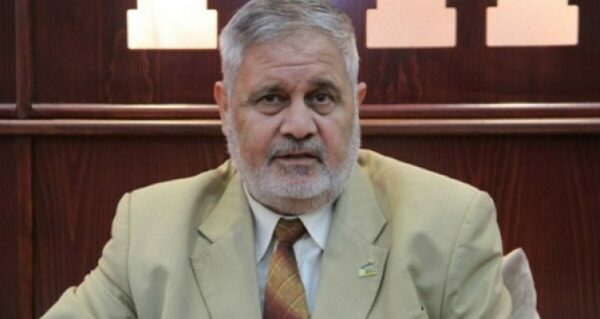
Journalist Nasser Lahham's detention extended and he was transferred to Ofer Military Court.

The Palestinian Prisoners' Affairs Commission, citing its lawyer, said that the Israeli occupation authorities have decided to extend the detention of imprisoned journalist Nasser al-Lahham and transfer him to Ofer Military Court until next Thursday.

Israeli occupation forces arrested Al-Lahham at dawn today after raiding his home in the town of Doha in the Bethlehem Governorate and completely destroying its contents.

The number of journalists administratively detained in Israeli occupation prisons, under the pretext of having a “secret file,” is (22) journalists, out of (55) in occupation prisons, including (49) who have been detained since the beginning of the genocide.

The occupation continues to target journalists through what it calls detentions based on "incitement" on social media. This form of detention has become a tool for suppressing freedom of opinion and expression, and has become another form of the crime of administrative detention. The majority of those arrested on the grounds of "incitement," against whom the occupation was unable to file an indictment, were subsequently transferred to administrative detention.

Journalists detained in the occupation's prisons and camps face all the same crimes as prisoners, including systematic torture, severe beatings, starvation, and medical neglect, in addition to the ongoing humiliation and abuse they are subjected to. This is in addition to the ongoing policies of theft and deprivation against them, and their detention in harsh and degrading detention conditions.

PALESTINE

Mon 07 Jul 2025 11:00 am - Jerusalem Time

Three prisoners suffer from deliberate medical neglect in Janot Prison.

The Commission of Prisoners' Affairs and Ex-Prisoners said that three prisoners are suffering from deliberate medical neglect in Janot Prison.

The Commission explained, in its report, issued today, Monday, that its lawyers visited a number of sick prisoners, including: the case of prisoner Ziad Bazar (50 years old) from the town of Beitlu/Ramallah, who was arrested on 1/7/2004 and sentenced to 23 years in prison. He suffers from severe toothache, and he also needs new glasses, as the lenses he has now are no longer suitable for his vision today.

Prisoner Abdullah Al-Barghouthi (31 years old) from the town of Kobar/Ramallah, suffers from scabies, but his condition is stable.

Note that the prisoner was arrested on May 18, 2023, and is serving an administrative sentence, with his sentence extended for the fifth consecutive time.

Meanwhile, prisoner Mohammed Shamasneh (56 years old) from the town of Qatana/Jerusalem, has been suffering from scabies for a whole year. He received treatment in November of last year and did not improve. He also received treatment in January of this year without any benefit. In April of this year, he received treatment for the third time and no longer suffers from any itching. However, he continued to complain of boils and asked the prison clinic for an antibiotic to treat them, but they refused to give him one.

It is noteworthy that the prisoner has been detained since 11/12/1993, and has been sentenced to three life sentences and twenty-five years.

PALESTINE

Mon 07 Jul 2025 10:44 am - Jerusalem Time

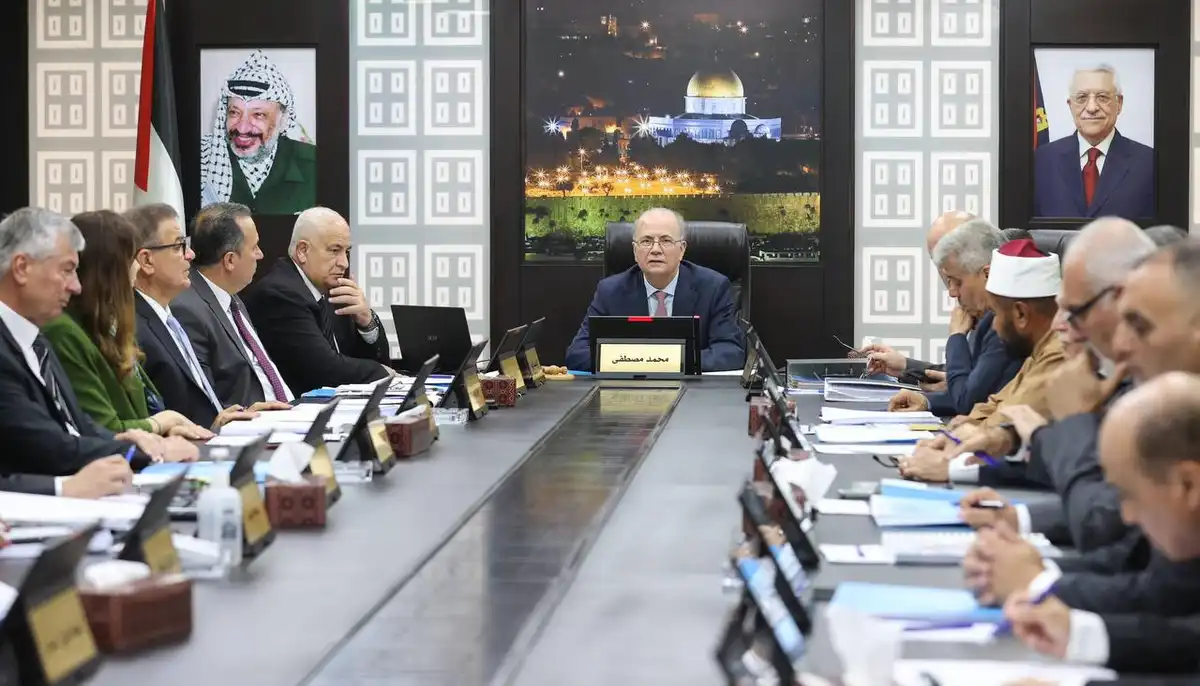
Government Communication issues the most prominent reform and development legislation that the government worked on in its first year.

Four main pillars for developing and reforming public finances, strengthening the government system and the rule of law, improving the legislative environment for investment, and raising the level of basic services.

-10 reform and development legislations were completed and issued during the year.

Eleven draft reform and development laws and regulations are awaiting approval and adoption, and five other drafts are under study and preparation.

The Government Communication Center, in cooperation with the Executive Office for Institutional Development and Reform at the Prime Minister's Office, issued a report today, Monday, summarizing the results of monitoring the implementation of the executive plan to complete key developmental and reform-oriented legislation, which the 19th government, headed by Mohamed Mostafa, worked on during its first year.

These legislations are among the key priorities in the first phase of the National Development and Reform Programme, which includes seven initiatives and four reform pillars aimed at enhancing the legislative environment and strengthening the state's institutional structure.

According to a Government Communication Center report, the government has sought to develop the legislative environment to ensure the successful and effective implementation of government initiatives aimed at improving the quality of government services, strengthening the institutional structure, enhancing the performance of the government apparatus, and enhancing its flexibility and ability to adapt to rapid developments and changes. Efforts have focused on four main areas, as follows:

1. Developing financial policies and public finance management: by enhancing local revenues and rationalizing public spending, ensuring the efficiency and sustainability of financial resources.

2. Strengthening the governance system and the rule of law: by supporting legal frameworks and enhancing the efficiency of the judicial system, thus consolidating the principle of the rule of law and promoting integrity, transparency, and the speedy resolution of cases.

3. Improving the legislative and regulatory environment for investment and business: by digitizing business services and issuing and updating the laws regulating them, which contributes to facilitating the practice of economic activities and attracting investments.

4. Improving the level of basic services provided: This includes many sectors such as water, energy, health, communications, education, and social protection, ensuring the provision of more efficient, comprehensive, and equitable services.

In light of the above, and to follow up on the completion of the necessary legislation to implement the National Development Program in its first phase for the years 2025-2026, an executive plan was prepared for the legislation required to be completed during this year 2025, tracking its progress stages from preparation to issuance and publication, according to four classifications: 1. Completed, issued and published legislation. 2. Completed legislation awaiting ratification by the President. 3. Legislation currently being considered by the Council of Ministers for reading. 4. Legislation currently under public consultation with civil society and relevant authorities, in preparation for submission to the Council of Ministers.

First: Completed and issued reform legislation, which is:

1. Law Decree No. (25) of 2024 amending Enforcement Law No. (23) of 2005, which aims to ensure the acceleration of enforcement procedures before the competent enforcement departments, including the implementation of judicial rulings, which will contribute to enhancing the effectiveness of the judicial system, increasing confidence in the justice system and strengthening civil peace.

2. Decree-Law No. (26) of 2024 regarding value-added tax, which is a necessary step to achieve tax justice, improve national revenues, and enhance the efficiency of the tax system.

3. Decree-Law No. (24) of 2024 AD amending the Civil and Commercial Procedures Law No. (2) of 2001 AD and its amendments, which aims to employ electronic means in litigation procedures in a way that ensures the speedy adjudication of lawsuits, and saves time and effort in accessing justice.

4. Decree-Law No. (11) of 2025 regarding competition, which aims to protect and promote competition in the market, prohibit practices that prevent, restrict or harm competition, address any market imbalance resulting from practices that violate competition, and take the necessary measures in accordance with the provisions of the Decree-Law. In addition to ensuring that product prices are determined according to the rule of supply and demand, encouraging competitive behavior among establishments, ensuring the freedom of entry and exit of investors to the Palestinian market, and limiting exclusionary policies from the Palestinian market.

5. Within the framework of the government’s reform plan for the governance of public institutions in the country, with the aim of streamlining the institutional structure, promoting rationalization of spending in the public sector, preserving public funds, and improving the performance of institutions in providing more just and transparent services to citizens, the nineteenth government has done the following:

A. Cancellation of the (Agricultural Risk Mitigation and Insurance Fund) pursuant to Decree-Law No. (11) of 2024 AD.

B. (Cancellation of the Independence Bank for Investment and Development) pursuant to Decree-Law No. (14) of 2024 AD.

6. Decree-Law No. (17) of 2024 regarding electronic transactions and trust services, which aims to regulate and develop the legal infrastructure for electronic transactions and trust services, promote and protect e-commerce, and establish standards and procedures related to the integrity of electronic transactions and records. In addition to granting legal authority to electronic transactions and trust services, protecting the rights of users, promoting the use of electronic transactions in the public and private sectors, and reducing fraud and forgery crimes in electronic transactions.

7. Decree-Law No. (19) of 2024 AD amending Decree-Law No. (43) of 2021 AD regarding the management of state property, which aims to regulate the mechanisms for managing state property, in a manner that ensures its preservation, improving its exploitation and investment, and developing its resources in a better and more effective manner.

8. The Companies Registry and Electronic Registration Management, Procedures and Fees System No. (2) of 2025, which aims to reduce the administrative burden on new and existing companies, thus contributing to enhancing compliance with the law, and organizing and activating electronic registration and electronic signature on applications and documents submitted to the Companies Registry, through the automated registration system, which will help in the registration process in a faster and more transparent manner, and eliminate the need for paper transactions and personal visits to government offices.

9. The system for obligating the purchase of national products in public procurement No. (3) of 2025, which aims to obligate the purchase of national products in government tenders, in support of the national economy, local industry, and the creation of job opportunities, as the system obligates government purchasing agencies to apply a price preference for the national product at a rate of 15% in all purchasing operations that they implement.

Second: Completed legislation awaiting ratification (referred by the Council of Ministers to the President for issuance)

1. A decree-law amending the Public Debt Law of 2025. The amendment aims to provide appropriate economic indicators for financial and monetary policymakers to service public debt, consistent with the nature and capabilities of the Palestinian economy, to protect it and prevent it from being exposed to the risks of a worsening public debt crisis.

2. Decree-Law establishing the Cybersecurity Authority, which aims to build an effective cybersecurity system that protects the country from cyberspace threats and efficiently and effectively confronts them to protect individuals, property, and information.

3. A decree-law on e-commerce, which aims to regulate e-commerce in the absence of a legal and legislative environment governing it. This will contribute to enhancing consumer confidence, regulating the sale of products and services online, encouraging investment in the digital economy, and supporting start-up companies.

4. Cancelling and merging some state institutions to reduce financial expenditures: Through a draft decree-law on the governance of a number of non-ministerial government institutions, namely the Cooperative Labor Authority, the Land and Water Settlement Authority, the National Authority for Vocational and Technical Education and Training, the Palestinian National Institute of Public Health, and the Radiation and Nuclear Regulatory Authority.

Third: Legislation under development is currently being presented to the Council of Ministers for reading, as follows:

1. Laws:

A. A decree-law on the protection of personal data, which aims to protect individuals' privacy and regulate the methods of collecting, processing, and using their personal data. It also aims to achieve a balance between individuals' rights to protect their data and the legitimate needs of entities handling this data, whether governmental or private, in a manner that ensures the protection of data owners' rights from unlawful exploitation, supports digital transformation, enhances the digital economy, reduces legal risks that may hinder it, and enhances confidence in the digital environment. (A new draft decree-law has been presented in its first reading to the Council of Ministers, and work is ongoing to complete its presentation in the three readings until its proper approval. The Ministry of Communications and Digital Economy is working on introducing comments on the draft decree-law to complete its presentation to the Council of Ministers.)

b. Decree-Law on Investment Promotion, which is the regulatory legislation for the Investment Promotion Authority, specifies the mechanisms necessary to provide guarantees to investors, identifies the incentives offered to them, and sets out mechanisms for creating an appropriate climate to encourage investment with the aim of creating investment projects and providing new job opportunities to improve the country's economic level. (It was presented to the Council of Ministers in the first and second readings, and the Investment Promotion Authority is working on introducing comments on the draft decree-law to complete its presentation to the Council of Ministers.)

T. Decree-Law on Local Authorities Elections, which aims to amend the electoral system for local authorities by addressing the legal, procedural, and societal issues that accompanied the current law. (It was presented to the Council of Ministers in its first reading, and the Ministry of Local Government is working to incorporate comments on the draft decree-law to complete its presentation to the Council of Ministers.)

d. Amending Decree-Law No. (10) of 2018 regarding cybercrimes and its amendments, which is the legislation that defines and criminalizes illegal acts committed using technology and modern means of communication, and establishes the legal framework for addressing these crimes. This amendment aims to address the legal problems in the current legislation, the most important of which is not restricting or violating freedom of opinion and expression, and creating the necessary legal guarantees for that. (It was presented with comments to the Council of Ministers in the first reading, and a specialized national committee was formed to amend the Decree-Law. The formed committee is working on introducing comments on the draft Decree-Law to complete its presentation to the Council of Ministers.)

C. A decree-law amending the Civil Service Law No. (4) of 1998, which aims to regulate appointments in the public service in a manner that achieves justice, transparency, and equal opportunities for all citizens equally, and to amend the salary scale in a manner consistent with the public interest and the interest of public employees as well. (It was presented in the first reading to the Council of Ministers).

2. Regulations and systems:

1. Amending the Non-Profit Companies System No. (20) of 2022, which aims to facilitate and simplify the procedures for registering non-profit companies, and the procedures for obtaining the necessary funding to enable them to achieve the objectives for which they were established, within the framework of regulatory controls and follow-up by the competent ministry. (It was presented to the Council of Ministers in the first reading, and the remaining proposals are being completed for approval. The Ministry of National Economy is working on entering the comments to complete its presentation to the Council of Ministers).

2. The Electronic Judicial Notification System, which aims to integrate electronic means into judicial work to expedite the adjudication of lawsuits. (It was presented to the Council of Ministers in its first reading, and the remaining readings are being completed for approval.)

Fourth: Legislation under study and preparation and about to be presented to the Council of Ministers, shown as follows:

1. Decree-Law on Public-Private Partnerships (the private sector will be consulted through extensive discussion workshops prior to its submission to the Cabinet). The Decree-Law aims to enhance private sector participation in development and service projects implemented by the government sector, in addition to exchanging financial, administrative, organizational, technical, and technological expertise with the aim of raising the level of government services and contributing to the involvement of the private sector in providing services to citizens, which will alleviate the burden on the treasury and increase the state's financial returns.

2. Decree-Law on the Right to Access Information, which guarantees citizens' right to access information held by government agencies and public bodies. It aims to enhance transparency and accountability in government work and public institutions, empower citizens to participate effectively in public life, and enhance citizens' ability to search for and access information held by state institutions, regulating and activating the free flow of information within the limits set by law.

3. Amending Decree-Law No. (8) of 2011 regarding income tax, with the aim of strengthening the fight against evasion and fraud, protecting public funds, improving compliance, enhancing transparency and integrity in collection, achieving social justice, and enhancing citizens’ confidence in the state.

4. Amending Decree-Law No. (42) of 2021 regarding companies, with the aim of addressing the legal loopholes that arose during the implementation of the current Decree-Law, including digitizing the companies’ registry and online registration.


PALESTINE

Mon 07 Jul 2025 10:01 am - Jerusalem Time

Settlers storm Al-Aqsa Mosque

Dozens of settlers stormed Al-Aqsa Mosque today, Monday, under the protection of Israeli occupation forces.

Local sources reported that dozens of settlers stormed Al-Aqsa Mosque and performed provocative Talmudic rituals in its courtyards, under the protection of occupation forces, which tightened security measures at the gates of Al-Aqsa Mosque.

PALESTINE

Mon 07 Jul 2025 9:38 am - Jerusalem Time

A dangerous escalation... Settlers storm the "Ein Samia" wells again, destroying surveillance cameras, and the Jerusalem Water Authority warns of catastrophic repercussions.

Yesterday, Sunday, settlers escalated their dangerous attacks on Palestinian water sources in the Ein Samia area, east of the town of Kafr Malik, by storming wells No. 2 and 3, vandalizing surveillance cameras installed on the stations' walls, and removing the gate of one of the stations and stealing it.

The Jerusalem Water Authority warned of the danger of recurring attacks, which threaten the continued supply of water to communities. It called for urgent and immediate intervention to halt these deliberate violations, which constitute a clear breach of all international laws and norms related to the human right to access water.

The utility emphasized that the Ein Samia wells constitute a primary water source for dozens of Palestinian communities in the Ramallah and al-Bireh Governorate, and that any attack on them would deprive thousands of citizens of their right to water, amidst already difficult water and living conditions.

In a related development, the utility confirmed that its crews are facing extreme difficulty in accessing and maintaining well sites due to repeated attacks by settlers. This exposes water facilities to greater damage and disrupts regular maintenance and monitoring, exacerbating the crisis.

The Authority emphasized that this attack is not the first, and it will not be the last, unless there is genuine and urgent intervention from the international community and protection and oversight institutions to deter the settlers and halt their systematic targeting of the area.

OPINIONS

Mon 07 Jul 2025 9:33 am - Jerusalem Time

Extremist Israeli positions calling for the annexation of the West Bank

Sari Al-Qudwa

Sari Al-Qudwa

Opinion Writer

The extremist occupation government is working on an extremely dangerous plan and is seeking in the next phase to annex the West Bank. The calls issued by a number of ministers and members of the occupation Knesset to apply Israeli sovereignty over the West Bank fall within the goals of the colonial right-wing government and represent an extremely dangerous development and an aggressive approach. The calls and statements issued by the Israeli Minister of Justice, which demand the annexation of the West Bank, constitute an exploitation of the current circumstances and set an irresponsible precedent and carry dangerous tendencies, as they are issued by an official in the occupation government and reflect an official trend to annex the West Bank.

The occupation government is now living in an extremist quagmire, exploiting its power to impose its power, which flouts any international laws or even moral rules. The approach of arrogance will lead to an endless cycle of violence. This policy is nothing but a blatant attempt to escalate the conflict and export the internal political crises facing the occupation government, through the policy of escaping forward and imposing facts by force. These racist colonial calls represent a dangerous escalation and a challenge to the international community, a blatant violation of international law, and an undermining of all efforts aimed at calming and achieving stability in the region, which is inflamed by the Israeli aggression. They clearly reveal the intentions and projects of the occupation to liquidate the Palestinian cause and impose a new fait accompli that bypasses the Palestinian people and their legitimate rights.

The extreme right-wing bloc and the occupation government are using the policy of annexation to prevent the establishment of a Palestinian state and to liquidate the Palestinian presence. Their policy of settler colonialism, annexation, and Judaization of Palestinian land is being promoted internationally to cover up these illegal measures and to avoid taking responsibility. This policy will exacerbate the conflict, increase the severity of the situation, and push towards a comprehensive explosion, as a result of the absence of political solutions and their replacement with aggression, expansion, and colonialism. It will not be granted any legal legitimacy.

Annexing the occupied West Bank is one of the goals of the extreme right in Israel, and the international community is called upon to take a real stand against this dangerous policy, which will inflame the situation in the region. The West Bank is occupied Palestinian territory under international law and UN resolutions, as well as the positions of countries around the world. Talk of annexing it is nothing more than a form of political bullying and a reversal of all international values and norms.

The US administration must compel the occupying power to respond to efforts aimed at achieving a comprehensive cessation of aggression that includes all Palestinian territories in the Gaza Strip and the West Bank, including Jerusalem, and to halt attacks on Islamic and Christian holy sites. The US administration's statements calling for a halt to the war in the Gaza Strip must be accompanied by a firm, strong, and effective stance to halt the aggression against the cities, villages, and camps of the West Bank, and to abide by international legitimacy resolutions as the only way to achieve security and stability in the region.

The international community, including the Security Council, the European Union, and the Arab League, must take urgent action and emphasize the importance of adopting clear positions and deterrent measures against the dangerous Israeli approach that not only targets Palestinian land but also undermines any possibility of reviving the peace process. The international community, which has repeatedly emphasized the need to end the Israeli occupation, must assume its legal and moral responsibilities and take immediate action to stop these serious violations, hold the occupation accountable for its aggressive practices, and take the necessary measures to ensure respect for international law and international legitimacy resolutions.

OPINIONS

Mon 07 Jul 2025 9:27 am - Jerusalem Time

Islamists are being targeted...the pressures of reality and the necessity of openness!

Ahmed Youssef

Ahmed Youssef

Opinion Writer

Since the outbreak of the war of extermination on the Gaza Strip, the violence and brutality of which has surpassed all imagination, the fragility of official Arab and Islamic positions, and even their moral collapse in many cases, has been exposed.

The tragedy was not limited to the scale of the destruction and the thousands of civilian casualties. It extended to an even greater shock: the world's silence, the West's complicity, and even its participation in the crime through political, military, and logistical support for Israel, under blatant pretexts and allegations.

It has become clear that the entire international system is operating with double standards, condemning the victims of the occupation and overlooking the crimes of the occupier, while the Arab and Islamic world stands helpless, shackled by fears or absorbed in its own internal crises.

What was even more bitter was that some Arab and Islamic capitals, instead of supporting the steadfastness of the Palestinian people, contributed—directly or indirectly—to placing the blame for what had happened on the victim, under the pretext of confronting Hamas and halting its resistance project.

Because Hamas is viewed by some regimes as an extension of a regional axis whose repercussions are feared, demonizing it has become a soft cover for remaining silent about the genocide, justifying official impotence, and perhaps even conspiring against the resistance. Unfortunately, some regimes have become internal enemies of their people and the nation, before becoming enemies of Hamas.

In light of this reality, it has become imperative for Islamists—who have always been the bearers of the nation's renaissance project—to boldly and honestly reconsider their political and advocacy discourse, and to read reality from a critical, rather than emotional, perspective, one that transcends denial and victimhood to initiative and action.

Correcting the course... a responsibility that cannot be postponed

In the face of the mounting challenges, Islamists must adopt a comprehensive reform vision that encompasses several axes, including:

1. Political openness and pragmatic flexibility

We must move away from ideological and extremist discourses and embrace a realistic, rational political discourse that balances principles and interests and draws on the experiences of Islamists in countries like Turkey and Morocco, where they were able, to a limited extent, to integrate into political life and achieve successes without compromising their fundamental principles.

2. Disengage from violence and emphasize peacefulness.

The necessity of publicly and clearly disavowing all forms of armed violence, whether domestically or falsely, committed in the name of Islam. This is to protect the Islamic project from being labeled as terrorist and to counter the pretexts that open the door to foreign intervention and security restrictions.

3. Prioritizing the Islamic project

Islamists must reorganize their priorities. A return to moral education, social work, and public service must be at the top of their agenda, while leaving the management of political affairs to those with the tools, knowledge, and requirements, if they themselves are not yet qualified to do so.

4. Building a positive relationship with political systems

The tendency toward escalation and confrontation with regimes has only reaped destruction and bloodshed. A more appropriate approach would be to seek to build bridges of communication, search for common ground, and foster a sense of support and solidarity for the regimes against all external threats, within the framework of a partnership that preserves stability and advances the national interest.

5. Benefiting from the Islamic presence in the West

Millions of Muslims in the West represent a golden opportunity to improve the image of Islamists, promote moderate Islamic thought, and correct the distorted image that has been entrenched by violent events and conflicts. What is needed is support for Muslim community institutions to serve as platforms for cultural communication, not fronts of confrontation.
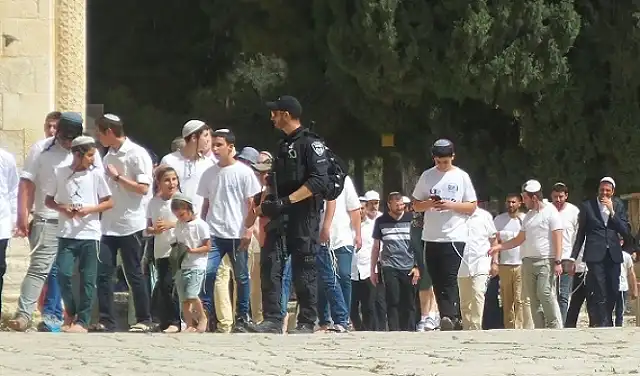
6. Integrating the Islamic vision with national accounts

The Islamic vision, in its comprehensiveness, must be in harmony with national reality and respect the state's sovereignty and its unifying identity. Islamists must not be viewed as a transnational project, or as supranational. Rather, they must be partners in building the state, not transgressors.

7. Condemning extremist and takfiri thought

In fact, Islamists must be at the forefront of exposing extremist thought, deconstructing its rhetoric, and rejecting the culture of exclusion and excommunication.
Publicly denouncing violent ideology and presenting mature intellectual alternatives represents protection for the Islamist movement itself and a renewal of its credibility in the eyes of the people.

8. Adopting a continuous review approach

An Islamic movement that fails to examine itself and learn from its experiences is destined for erosion and isolation. Self-criticism is not a threat to unity; rather, it is a renewal of life, a correction of course, and a guarantee of continuity in a changing environment and an international context that is unforgiving of the weak.

Remarkable intellectual transformations...towards a realistic and moderate discourse

It is noteworthy that in recent years, an increasing number of intellectual, advocacy, and political figures affiliated with the Islamist movement have begun to lean toward a more balanced and realistic discourse, calling for moderate behavior, adopting rational relations with Arab regimes, and abandoning the logic of confrontation or absurd challenge. These shifts reflect not only intellectual maturity, but also a practical reading of developments in the regional and international landscape.

In Morocco, Dr. Saadeddine El Othmani emphasizes, "We must realize that reform cannot be achieved against the state, but rather in cooperation with it."

As for Dr. Ahmed Al-Raissouni, he called for the jurisprudence of balances, saying: “Whoever does not take reality into account in his interpretation, his interpretation is either invalid or deficient.”

In Algeria, Sheikh Abu Jarrah Sultani called for conscious integration into state institutions. Dr. Abderrazak Makri emphasized that "working within the system is the safest way to protect the country."

While Dr. Farouk Tayfour stressed that "political Islam will have no future unless it develops its relationship with the state."

In Egypt, Dr. Muhammad Salim al-Awa believed that “societies are not led from pulpits alone,” while Hisham Jaafar asserted that “the shift from the discourse of the group to the discourse of the nation requires a mind that recognizes the complexities of the state.”

In Jordan, Dr. Raheel Gharaibeh called for a comprehensive national project, while Dr. Sabry Samira said, "Review is a virtue, and cooperation with the regime when it serves the nation does not detract from the position, but rather strengthens it."

As for Palestine, Sheikh Imad Hamto emphasized that: “Sharia politics is not a battle of slogans,” while Sheikh Faisal Mawlawi (may God have mercy on him) said: “Islamic action should be reformist within the state, not a permanent opponent to it.”

From Sudan, Dr. Jaafar Sheikh Idris said: “If Islamic action is not based on understanding the objectives, understanding the Sunnah, and awareness of reality, it will turn into an enthusiasm isolated from wisdom.”

All of these reviews reflect a maturity within Islamist circles and indicate a growing awareness that the current situation can no longer tolerate confrontational rhetoric or the logic of forced change. They also indicate that the opportunities for true reform lie in understanding, not conflict, and in cumulative construction, not revolutionary demolition.

In conclusion, if the mechanisms of Islamic action are not renewed, cosmic laws do not favor anyone, and Islamists will pay the price for stagnation and inertia, as the future of political Islam depends on its ability to renew and adapt. Divine laws are not lenient, and those who do not change will be replaced.