







An atmosphere of severe tension overshadowed the military meeting hosted by the American capital, Washington, which included delegations from the Lebanese and Israeli armies. This escalation came amid the Lebanese side's insistence on the necessity of a complete Israeli withdrawal from the southern regions, which was met with an outright rejection from the Israeli side.
Informed sources reported that the Israeli delegation justified its refusal to withdraw by the continued existence of what it described as ongoing field threats on the border. The sources indicated that Tel Aviv links any military retreat to security guarantees related to Hezbollah's military capabilities in the border region.
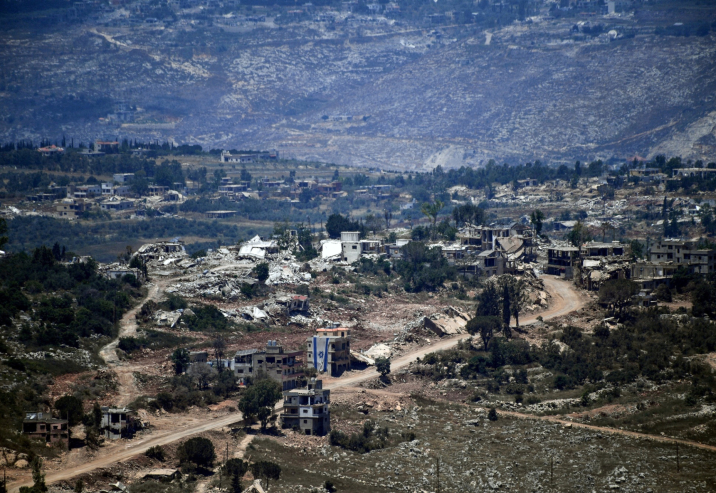
This round of negotiations comes at a sensitive time, as the Israeli army continues to carry out sporadic attacks within Lebanese territory. These attacks are considered violations of the ceasefire agreement in effect since mid-April, which is supposed to expire next July.
In the context of diplomatic moves, media sources revealed that the United States is currently working on formulating a new proposal aimed at stabilizing the calm. This proposal includes a controversial clause related to the disarmament of Hezbollah, as part of broader security arrangements in the region.
Sources clarified that Washington is not proposing disarmament as part of a political normalization agreement, but rather as an implicit condition to ensure the sustainability of the ceasefire. This American approach aims to reduce the military influence of the party in areas that pose a direct threat to the security of Israel's northern border.
For his part, US Secretary of State Marco Rubio held a phone call with Lebanese President Joseph Aoun to discuss the repercussions of these talks. During the call, Rubio affirmed the US administration's commitment to supporting Lebanon's sovereignty and independence over all its national territories.
The US Secretary emphasized the need to consolidate the outcomes reached in previous Washington meetings. He considered that reaching a final agreement represents a historic opportunity for Lebanon to achieve stability and begin necessary reconstruction operations.
In contrast, Lebanese President Joseph Aoun affirmed that the highest priority must be given to reaching a comprehensive and lasting ceasefire. Aoun considered that calm is the mandatory path that will later allow for addressing all thorny issues and outstanding matters between the two parties.
The US State Department, through a statement from its embassy in Beirut, held Hezbollah fully responsible for the continued state of fighting and field tension. The statement accused the party of attempting to obstruct the negotiation process led by the Lebanese government to achieve peace, considering that this harms the interests of the Lebanese people.
Rubio praised what he described as the courage of the Lebanese President in moving forward with direct negotiations aimed at ending the conflict. The US Secretary called for the necessity of stopping what he called the provocations carried out by the party to enable de-escalation efforts to succeed.
On the media front, Israeli reports indicated that the talks have not achieved any tangible breakthrough so far. Uncertainty prevails regarding the possibility of holding additional rounds of talks before the deadline for the ceasefire expires at the beginning of next month.
Observers believe that the general atmosphere does not inspire optimism given the wide divergence in positions between Beirut and Tel Aviv. However, the possibility of extending the ceasefire agreement remains, even if the agreement remains fragile and subject to daily field violations.
The American mediation seeks to bridge viewpoints through legal and security formulations that guarantee the minimum demands of both parties. However, Israel's insistence on remaining in certain geographical points represents the biggest obstacle to achieving any real progress in the military file.
The field situation in southern Lebanon remains dependent on what the coming days will bring in terms of international pressure on the warring parties. While Lebanon demands full sovereignty, Israel insists on imposing a new security reality that changes the rules of engagement that prevailed before the outbreak of the recent confrontations.
A ceasefire is the essential entry point for moving to any other step, and the necessary passage to create the conditions for addressing the various files and issues at hand.

Share your opinion
Tension in Washington Negotiations: Israel Refuses Withdrawal from Southern Lebanon and US Conditions for Disarmament