






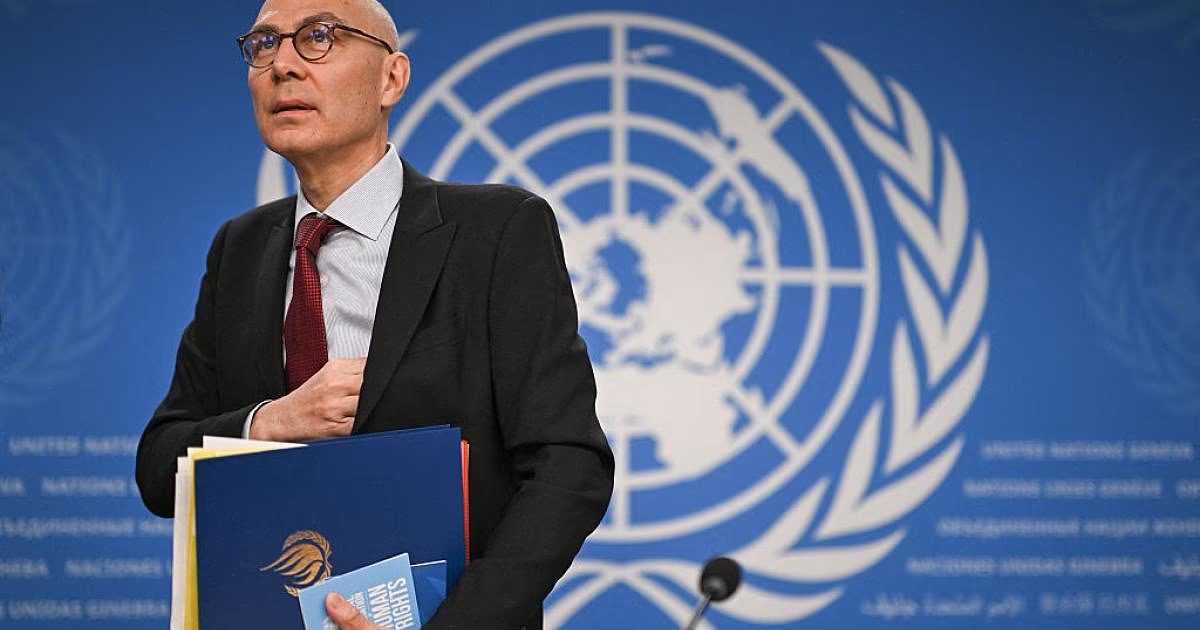
The corridors of the United Nations are witnessing intense diplomatic activity with the emergence of open opposition from Russia and Israel to the reappointment of Volker Türk as High Commissioner for Human Rights for a second term. These moves come ahead of a scheduled vote in the UN General Assembly on Secretary-General António Guterres' proposal to extend Türk's term until 2030.
Diplomatic sources reported that the General Assembly is preparing today, Friday, to consider Guterres' request, at a time when no alternative candidate for the position has been officially put forward yet. Türk, a seasoned Austrian lawyer, has held the position for years, and his first term is supposed to end next October.
The Russian mission submitted a counter-proposal for a technical extension of Türk's term only until the end of this year instead of the proposed four years. Moscow justified its position by the need to give the next Secretary-General, who will succeed Guterres in January, an opportunity to choose his own team in this sensitive position.
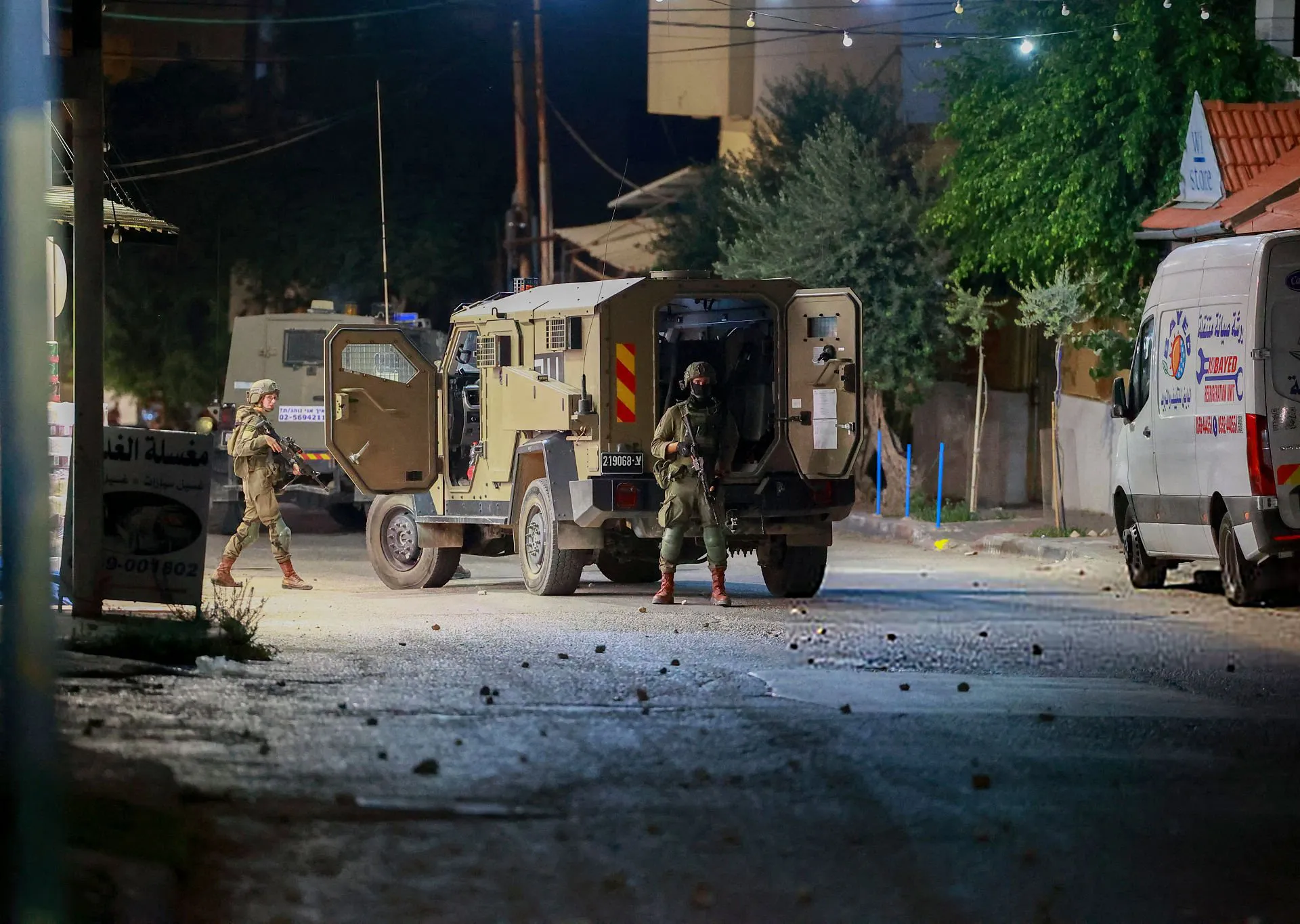
For its part, Israel joined the front of opponents of the full extension, as informed sources confirmed that Tel Aviv rejects Türk's continuation in his position for a long period. The Israeli position is linked to the sharp criticism directed by the High Commissioner at Israeli military operations in the Gaza Strip and the West Bank.
Reservations were not limited to Russia and Israel, but also extended to the United States, which expressed reservations about the extension, which could end the tradition of consensus on this position. Observers believe that this division could turn the appointment process into a public vote that reveals the extent of polarization within the international organization.
The Russian mission considers that insisting on appointing Türk for an additional four years represents an 'arbitrary idea' that ignores the sensitivity of the human rights system. The mission indicated that many member states share its concern about the appointment mechanism and its timing, which precedes the change of the UN's senior leadership.
In contrast, UN spokesman Stéphane Dujarric affirmed that Guterres adheres to the rules and procedures followed in the nomination process. He added that the Secretary-General highly values the efforts made by Türk during his years of service, emphasizing the importance of continuity of work in the human rights file.
Regarding field positions, Türk had provoked Moscow's ire with his repeated criticisms of serious violations in the Ukrainian war. The United Nations accuses Russian forces of committing violations of international humanitarian law, which Moscow denies outright and considers political bias.
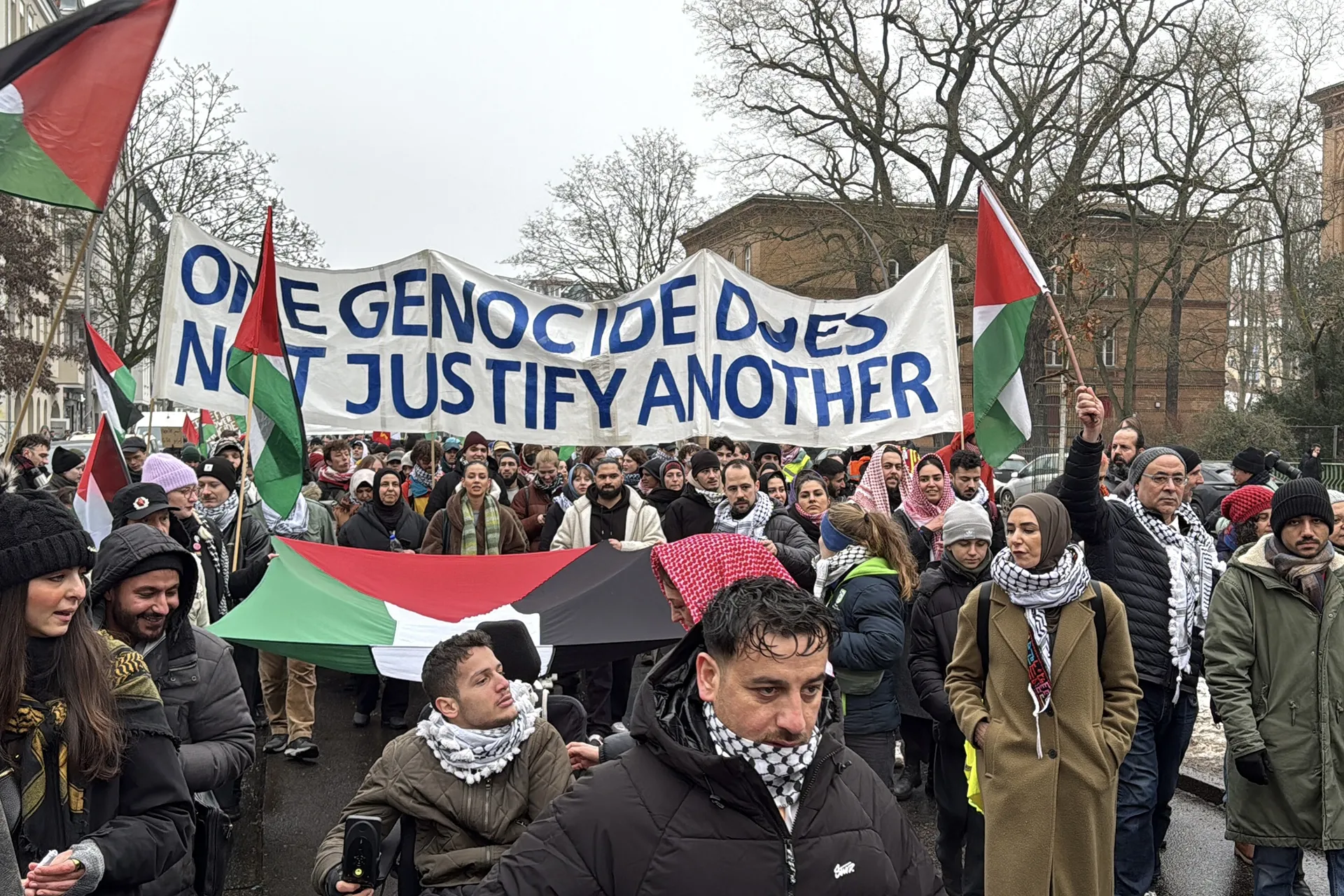
As for the Palestinian issue, Türk has repeatedly condemned what he described as 'indiscriminate killing' by Israeli occupation forces in the Gaza Strip. Despite these positions, Türk faced criticism from human rights organizations for not using the term 'genocide' in describing what is happening in the Strip.
In a related context, Türk's criticisms extended to US policies, as he previously called for an investigation into migrant deaths in detention centers in the United States. He also criticized the military escalation between Washington and Tehran, which made his positions a subject of controversy among the major permanent members.
Despite this opposition, the High Commissioner enjoys broad support from the European bloc and many countries in Latin America and the African Union. Diplomatic documents showed that the African continent does not object to renewing Türk's term, which strengthens his position in the face of pressure from major powers.
Since the vote will take place in the General Assembly, the 'veto' will not be available to Russia or the United States to obstruct the decision. The final outcome depends on Guterres' and Türk's allies' ability to mobilize a majority of votes from among the 193 member states.
It is worth noting that the position of High Commissioner for Human Rights was established in 1993 to be the moral voice of the United Nations in monitoring global violations. The biggest challenge facing Türk remains to maintain the independence of his position amid the increasing geopolitical conflict of interests between East and West.
The High Commissioner Volker Türk is ready to serve and continue his duties in monitoring human rights situations around the world.
شارك برأيك
Russian-Israeli Alliance Opposes Extension of Human Rights Commissioner Volker Türk's Term