






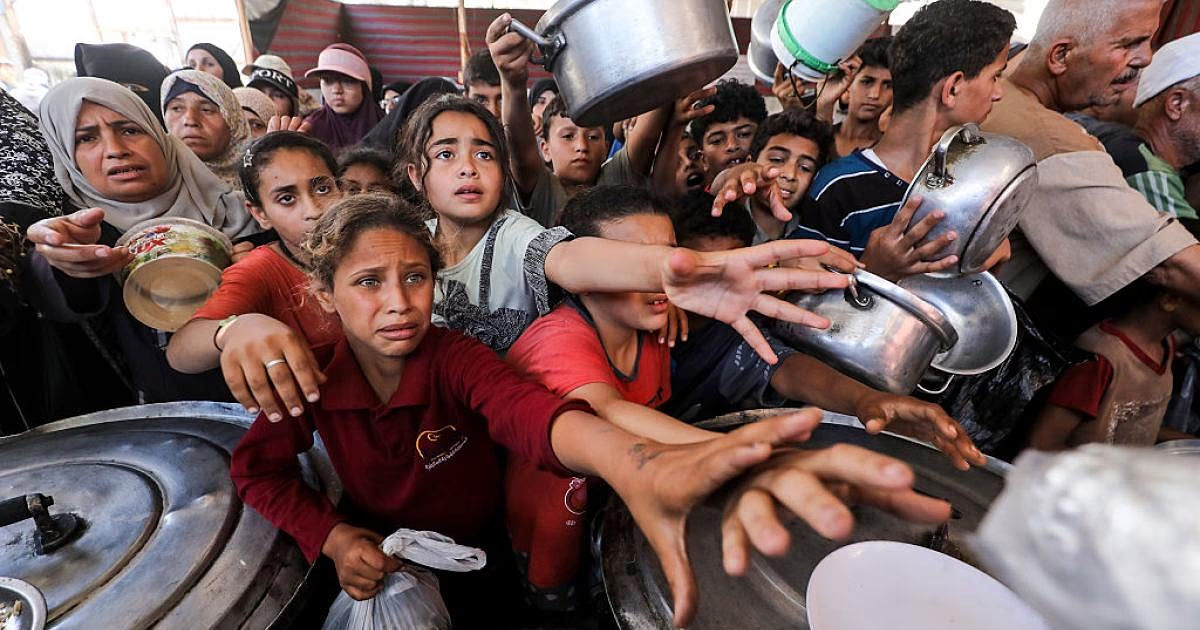
A global observatory specializing in hunger monitoring has issued strong warnings about the deteriorating humanitarian situation in the Gaza Strip, confirming that more than two-thirds of the population are at risk of falling into the grip of severe hunger before the end of this year. This sharp decline comes as a result of international relief agencies reducing humanitarian aid flows, driven by a severe funding shortage and restrictions on access.
The latest assessment from the Integrated Food Security Phase Classification (IPC) clarified that the limited gains made in reducing acute malnutrition levels, especially among children, are now threatened with complete erosion. These improvements had occurred after a temporary increase in food supplies and nutrition services following the ceasefire in October 2025, but the current reality indicates a serious setback.
The technical report indicated that food consumption remains below the minimum required levels for most Palestinian families in the Strip, which has driven some families to take desperate measures. Field teams observed some citizens resorting to begging or searching for food scraps in landfills to secure their daily sustenance in the absence of alternatives.
Statistical data indicates that about 1.2 million people, equivalent to 59% of Gaza's population, faced hunger levels classified as 'crisis' or worse during the period from mid-April to the end of June 2026. Among these, about 212,000 people live in an extreme food emergency that directly threatens their lives.
International experts expect the number of people suffering from acute food insecurity to rise to more than 1.4 million people by next December. This means that about 67% of the total population of the Strip will be under the burden of severe hunger if the pace of aid shortages and current military operations continues.
The vast majority of the Strip's population relies entirely on external humanitarian aid after nearly two years of the genocidal war waged by the occupation forces. This ongoing war has destroyed the economic infrastructure and displaced most of the population, making self-reliance impossible under the current circumstances.
The IPC had previously indicated a decline in famine conditions in some areas, but it reiterated that this progress is very fragile and vulnerable to collapse. With the beginning of the decrease in the volume of incoming aid, the features of a deeper crisis began to emerge, threatening the most vulnerable groups in Palestinian society within the besieged Strip.
Supplementary nutrition programs for sensitive groups have been directly affected, with the number of pregnant and lactating women benefiting from these programs halved. The number of beneficiaries decreased to only 6,000 women between January and May of this year, portending a health catastrophe for future generations.
The international report attributes the reasons for these reductions to significant funding gaps in UN organizations, in addition to the state of security uncertainty. Relief organizations face extreme difficulties in accessing various areas of the Strip, which hinders the fair and sustainable distribution of available food and medical supplies.
For its part, the Israeli occupation authorities continued to reject the findings of international reports, describing them as 'biased'. Despite acknowledging a food shortage in previous periods, they consistently deny pursuing a systematic starvation policy, claiming that they allow sufficient quantities of aid to enter through the crossings they control.
In a related context, relief organizations warned of a comprehensive and unprecedented collapse of water and sanitation networks within the Strip, which exacerbates the hunger crisis by spreading diseases. Potable water is no longer available as a public service but has become an arduous task requiring risk and waiting for long hours in extended queues.
Legally, the independent international commission of inquiry of the United Nations confirmed that Israeli practices in Gaza amount to genocide. The commission clarified that turning daily survival into a continuous battle for bread and medicine is part of a broader strategy to destroy the means of life for Palestinians.
On the ground, medical sources in the Gaza Strip reported a terrifying increase in the number of victims of the ongoing Israeli aggression since October 7, 2023. The Ministry of Health recorded the martyrdom of 73,311 citizens and the injury of 173,924 others, a toll that reflects the immense human devastation inflicted on the Strip during the months of war.
Food consumption remains insufficient for most families in the Gaza Strip, and some are resorting to searching for food in garbage to survive.

شارك برأيك
International warnings of an impending hunger catastrophe threatening two-thirds of the Gaza Strip's population