






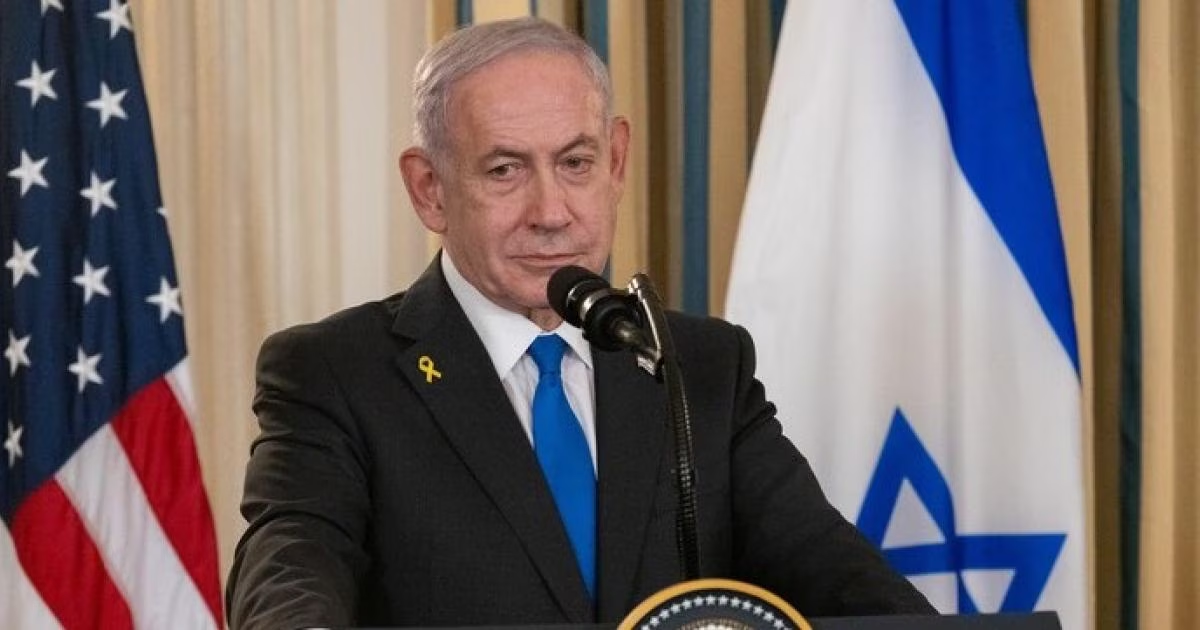
Israeli Prime Minister Benjamin Netanyahu announced his blessing for the framework agreement recently signed between Lebanon and Israel in Washington D.C. Netanyahu considered this step a decisive blow to Iranian influence and its ally Hezbollah in the region, describing it as a major political and diplomatic achievement.
Informed sources in occupied Jerusalem reported a consensus within Israeli circles on the necessity of putting this agreement to the test of actual implementation on the ground. Widespread skepticism prevails among analysts in Tel Aviv regarding the ability of Lebanese state institutions and its army to fully meet the requirements of disarming Hezbollah.
For his part, Israeli Defense Minister Yoav Gallant affirmed that the occupation forces would not withdraw from the positions they control in southern Lebanon at present. Gallant stressed that the military presence would continue until Hezbollah's weapons are confirmed to be surrendered, claiming that Israel derives the legitimacy of its presence from the provisions of the signed agreement.
In the context of internal opposition, National Security Minister Itamar Ben-Gvir described the agreement as a 'grave mistake' that harms long-term Israeli interests. Ben-Gvir demanded a formal vote within the Ministerial Committee for National Security Affairs ('the Cabinet') to review the provisions of the agreement, which he considers insufficient to ensure security.
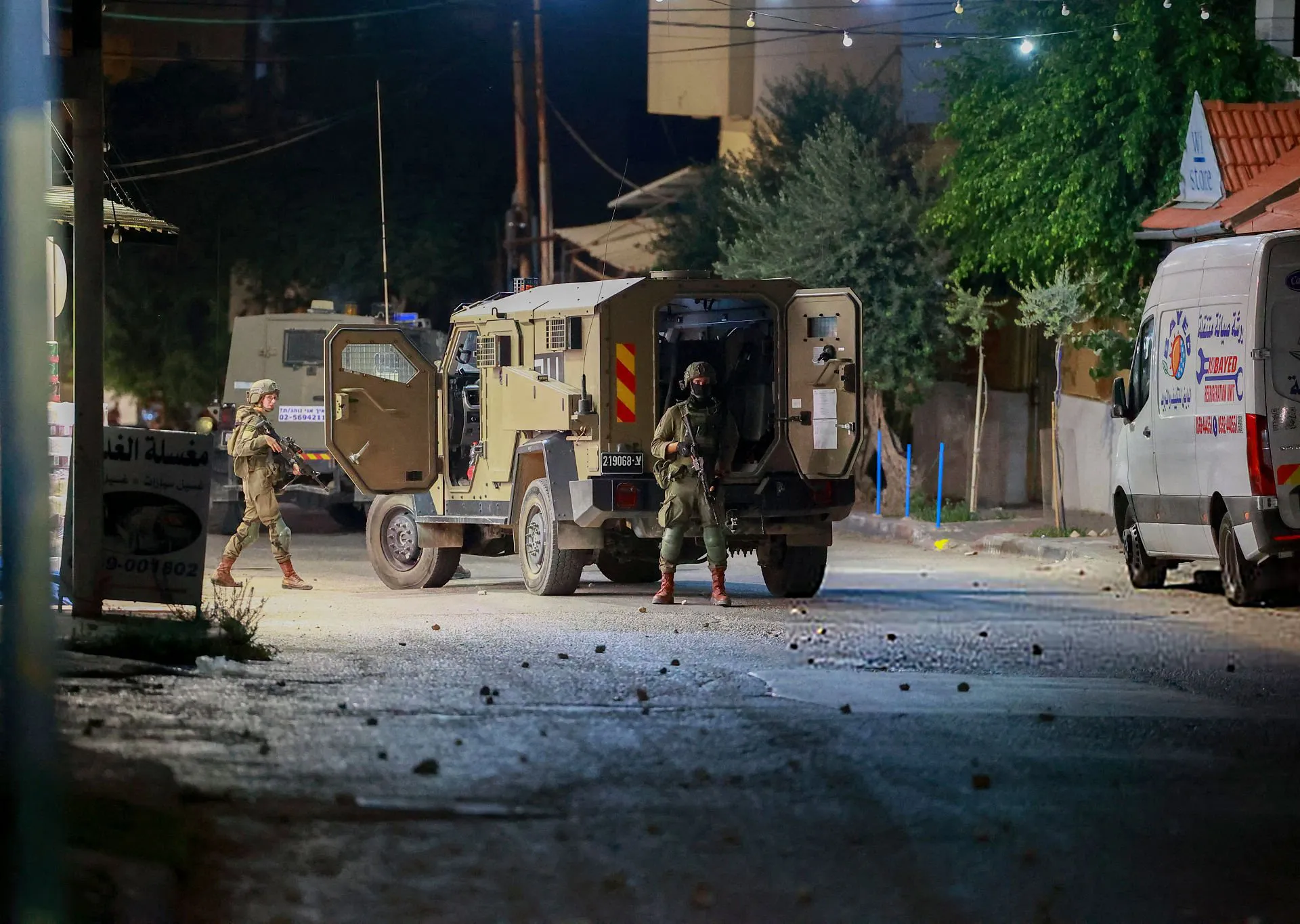
On the ground, Israel began initial steps to withdraw from some areas described as experimental in southern Lebanon, specifically in two villages belonging to the Nabatieh district. These movements come as part of the first phase to test the commitment of other parties to the new security arrangements stipulated in the tripartite agreement.
The signing ceremony took place last Friday at the U.S. State Department headquarters, where Ambassador Nada Moawad represented the Lebanese side, while Ambassador Yehiel Leiter represented the Israeli side. This framework agreement aims to put an end to the military operations that erupted on March 2nd following a widespread escalation on the ground.
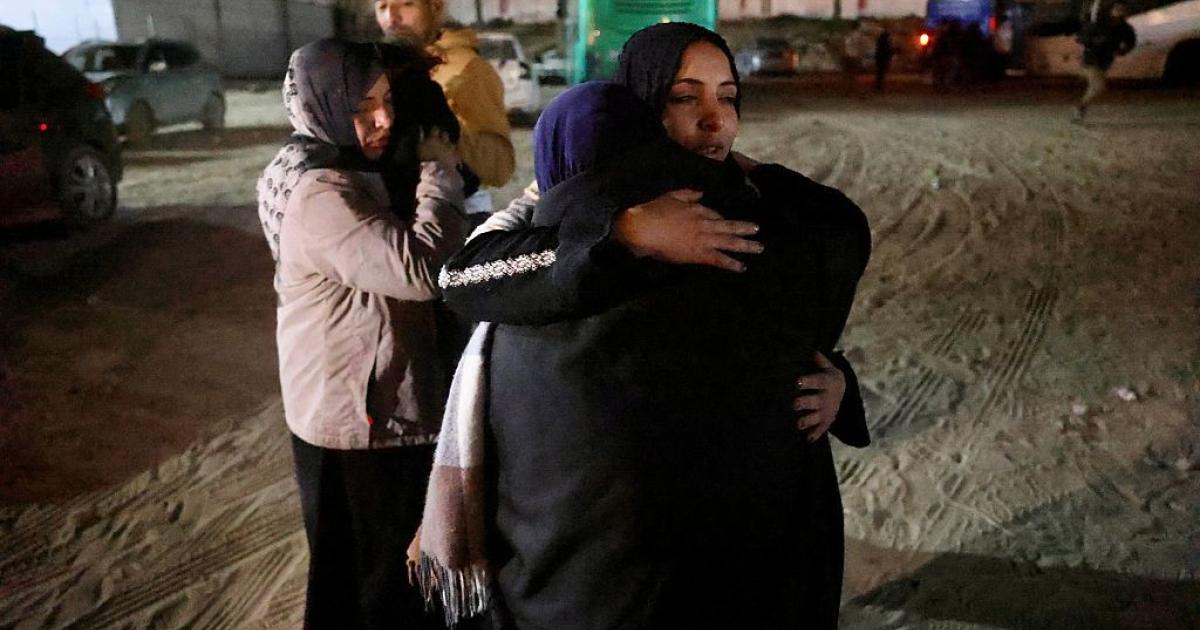
Previous reports indicate that the war, which lasted for several months, resulted in heavy human losses on the Lebanese side, with more than 4,230 people killed and thousands injured. The military operations also led to the displacement of about one million Lebanese from their villages and cities, creating a humanitarian crisis that accelerated the pace of international negotiations.
The agreement includes provisions for the deployment of the Lebanese army in two experimental areas north and south of the Litani River, with the formation of a tripartite military coordination committee to oversee implementation. The United States also allocated funds to support humanitarian aspects and enhance the capabilities of the Lebanese army to ensure its control over border areas.
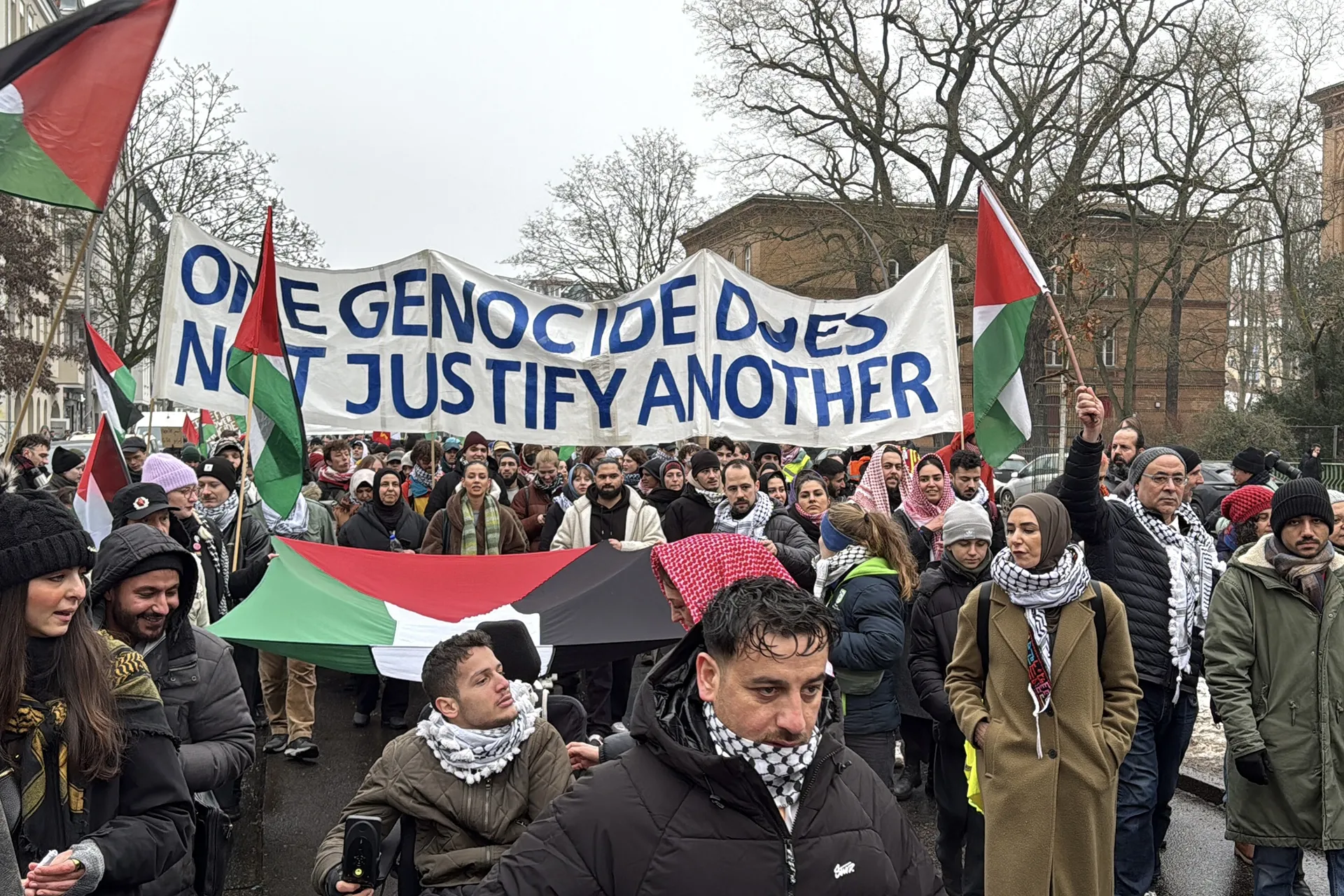
In contrast, the agreement was met with categorical rejection from Hezbollah's leadership, with Naim Qassem describing it as 'humiliation and shame,' emphasizing adherence to existing regional alliances. This rejection coincided with protests erupting in the streets of Beirut, amid warnings of the country sliding into internal strife or civil confrontations as a result of the division over the agreement's provisions.
The agreement allows Israeli forces to continue occupying southern Lebanon if Hezbollah does not give up its weapons.
شارك برأيك
Netanyahu describes framework agreement with Lebanon as an 'achievement' amid Israeli skepticism about Hezbollah disarmament