






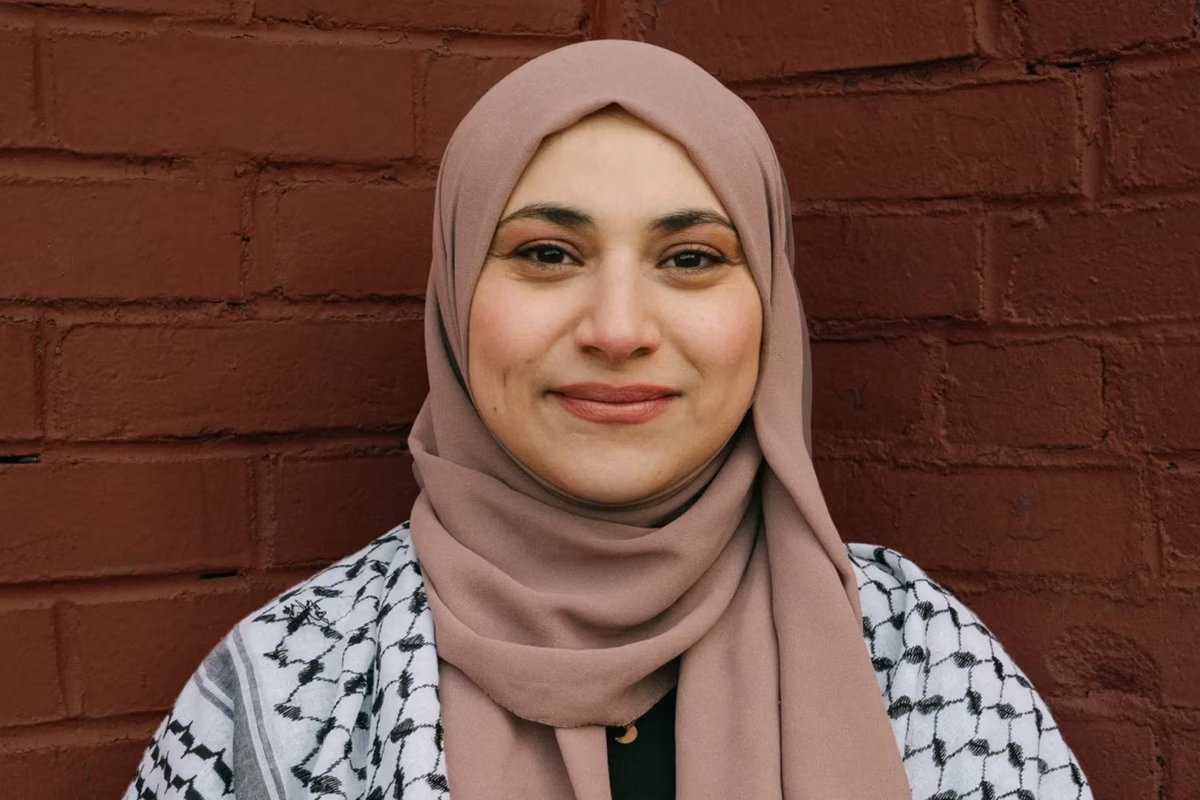
The political arena in New York State has witnessed a new breakthrough with the arrival of Palestinian Abeer Qawas at the threshold of the State Senate, after achieving a landslide victory in the Democratic Party primaries. Qawas garnered nearly 60% of the voters' ballots, paving the way for her to become the first Palestinian Muslim woman to hold a seat in this important legislative institution, amidst widespread welcome from progressive circles.
This political achievement was supported by strong alliances, as Qawas received direct backing from New York City Mayor Zohran Mamdani, in addition to organizational and logistical support from the 'Democratic Socialists of America' organization. Observers considered this victory an extension of a rising political wave in New York aimed at breaking the traditional elites' monopoly on decision-making centers and involving marginalized groups.
Abeer Qawas was born in New York City to a Palestinian family with a long legacy of suffering and displacement, as her family was expelled from Palestine during the Nakba of 1948 to Jordan before settling in the United States. This family background shaped her early political consciousness, especially after her father was detained and forcibly deported by US immigration authorities, an experience she described as a motive and driving force for her current struggle.
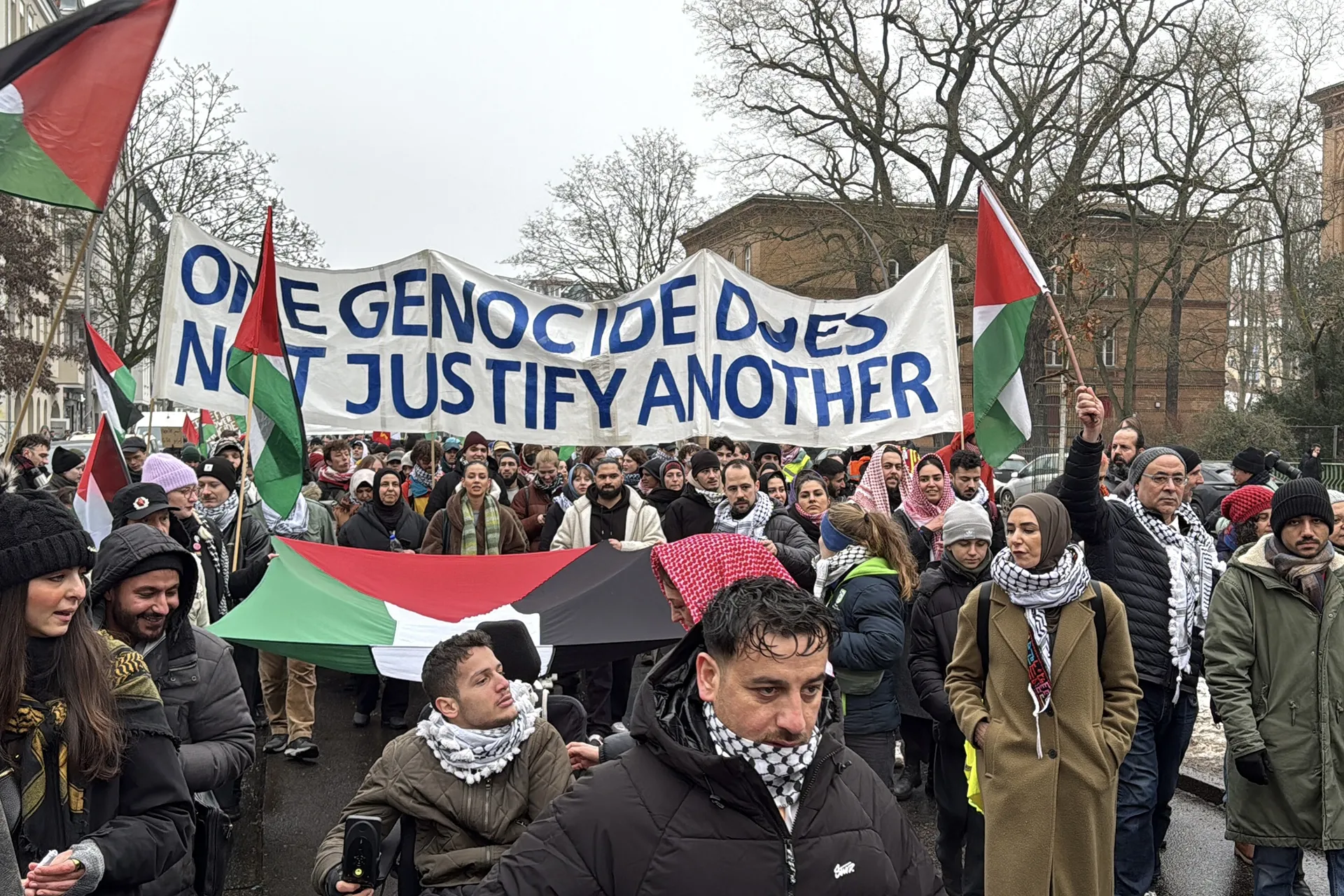
During her election campaign, Qawas did not hesitate to adopt bold political stances, focusing her campaign primarily on issues of social justice, rising cost of living, and immigration crises. She also emerged as a strong voice demanding an end to funding the 'genocide in Gaza,' a discourse that resonated widely with young voters and currents opposing US military policies in the Middle East.
Despite her success, Qawas faced severe challenges and organized smear campaigns launched by right-wing figures and accounts linked to pro-Israel lobbying groups from the moment she announced her candidacy. These campaigns aimed to question her loyalty and political stances, but the results showed her ability to overcome these pressures and turn them into a popular driving force within her electoral districts.
In press statements, Qawas explained that her Palestinian identity was a 'double-edged sword' in her journey; it is the main reason that pushed her to run to defend the rights of the oppressed, and it is also the reason that made her lose trust in the political system for a long time. She affirmed that her victory is not just a personal achievement, but rather part of a 'people's victory' that has begun to materialize in New York in recent years.
Through her anticipated position, Qawas seeks to bring the voices of marginalized communities to the decision-making corridors in New York State, emphasizing that she does not represent a specific ethnic or religious group but rather represents aspirations for change. She believes that her electoral movement is a continuation of the momentum created by Zohran Mamdani's victory as mayor, which strengthens the influence of the progressive current within the Democratic Party.
Qawas's rise comes at a time when traditional pro-Israel Democratic politicians are facing increasing pressure from their constituencies, who have become more critical of Israeli violations in the Palestinian territories. This shift reflects a fundamental change in the American political map, where new faces are emerging that prioritize human rights and international justice in their legislative agendas.
My father was one of thousands of people who ended up in ICE detention centers and was then deported from this country.


شارك برأيك
Abeer Qawas approaches New York Senate: First Palestinian Muslim woman on her way to decision-making