







Field data and the ongoing Israeli military escalation in the Gaza Strip and the northern front with Lebanon indicate a broader strategic path that goes beyond stated objectives. These moves aim to reshape the border environment, both politically and militarily, by imposing a new geographical reality based on field expansion and the establishment of permanent buffer zones, in parallel with exerting maximum military pressure to extract concessions in negotiation tracks.
In this context, military sources confirmed that Israeli objectives in Lebanon are no longer limited to weakening Hezbollah's military capabilities, but extend to include structural changes in the border region. The sources clarified that the Chief of Staff of the occupation army, Eyal Zamir, explicitly indicated that current operations serve a comprehensive vision to redraw the geopolitical landscape in the region, ensuring long-term security superiority for Israel.
Regarding the Gaza Strip, reports revealed that the buffer zone imposed by the Israeli army has significantly expanded to cover about 59% of the total area of the Strip. With the addition of areas classified as prohibited or highly dangerous, which account for 11%, the occupation authorities now impose their direct control or influence over approximately 65% of the Strip's territory, unprecedentedly reducing the space available to Palestinians.
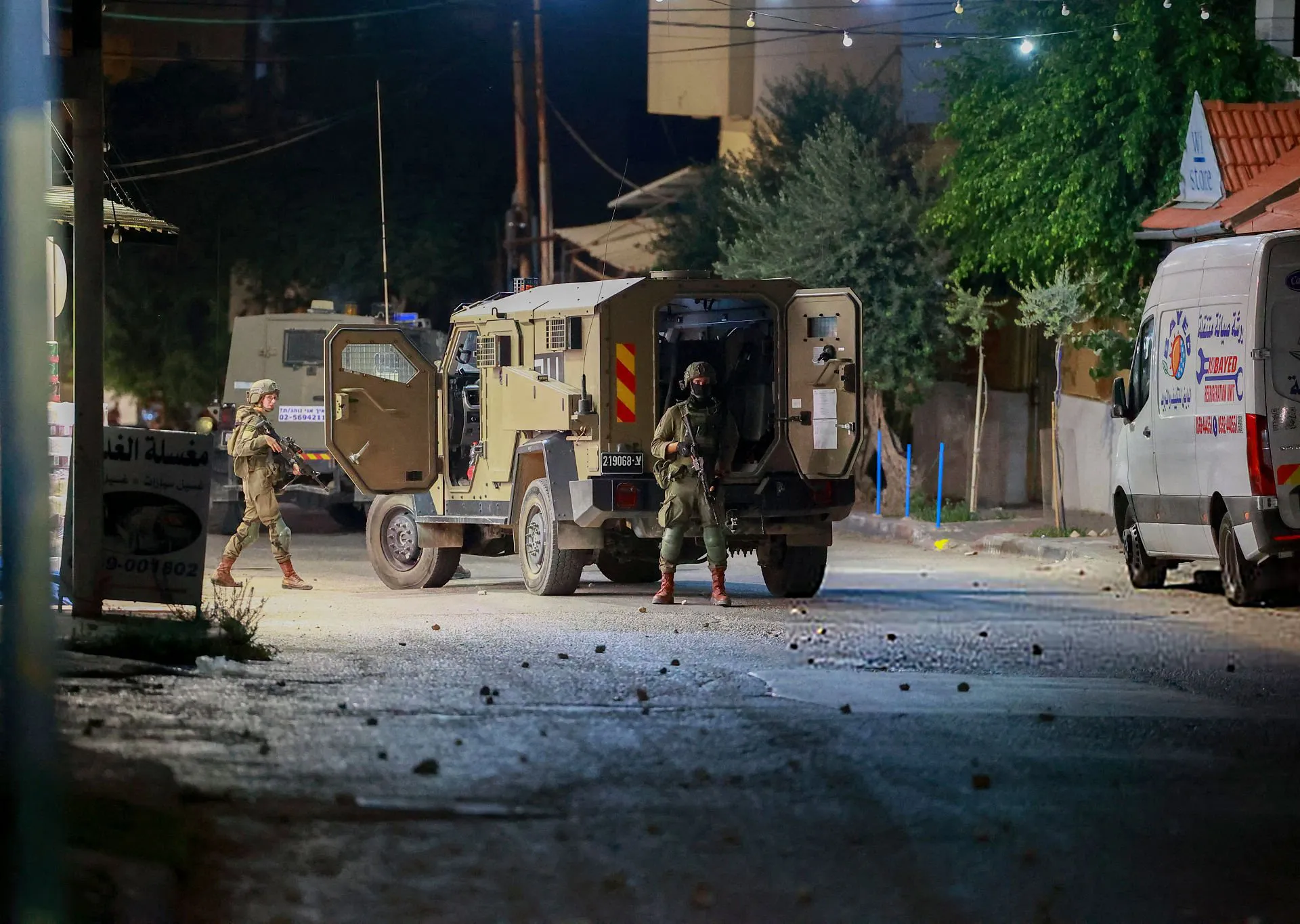
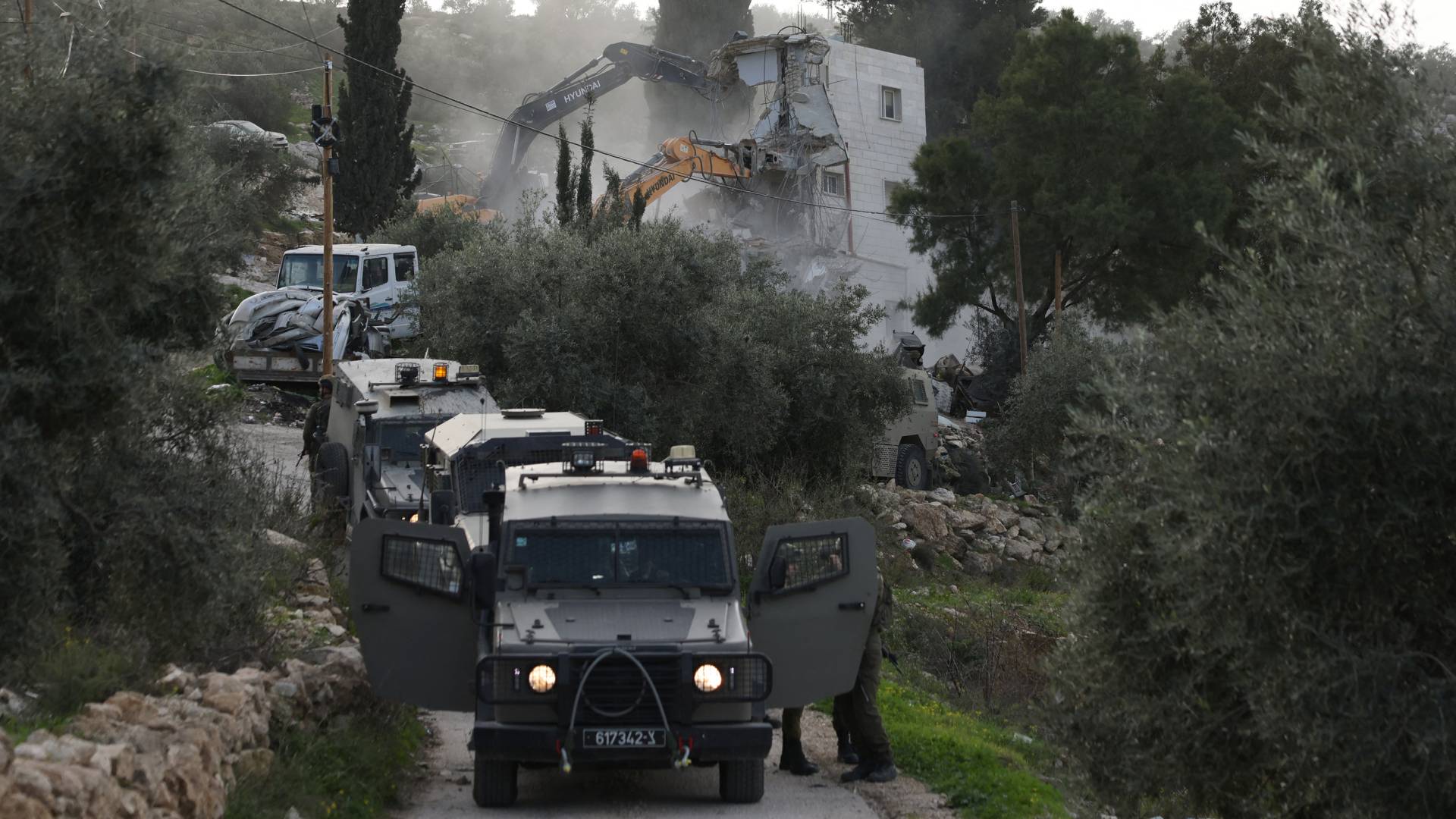
As for the northern front, the Israeli plan seeks to impose a security belt extending from Ras Naqoura in the west to the Yarmouk Basin and south of Damascus in Syrian territory. Israeli forces are working on the ground to establish this buffer zone by setting up field fortifications and fixed military points, in an attempt to create a new security reality that prevents any future threats from being stationed near the northern border.
Political deliberations in Washington indicate that American-backed Israeli demands focus on two fundamental clauses: the complete disarmament of Hezbollah and reaching a formal peace treaty. The current military escalation serves as a direct pressure tool within the framework of what is known as 'negotiation under fire,' to compel the Lebanese government and political forces to accept harsh conditions that include sovereign and security concessions.
The current Israeli strategy adopts a 'gradual attrition' approach instead of rapid and swift incursions, which past experiences have proven to be costly in terms of human lives and military resources. Through this tactic, Israel seeks to slowly seize land and destroy popular support in border areas, while continuing to build defensive installations that ensure the long-term presence of forces in controlled locations.
In conclusion, it appears that this geopolitical shift has received a green light from the American administration, which aligns with the Israeli vision of the necessity to change the security reality in the region. If diplomatic efforts fail to curb this trend, the region is heading towards the entrenchment of a new reality in which Lebanese and Palestinian geography is fragmented in favor of extended Israeli security belts.
Israel is working to redraw the geopolitical landscape in the region by establishing buffer zones and expanding areas of field control.
شارك برأيك
Redrawing the Geopolitical Map: How Israel Seeks to Impose Buffer Zones in Gaza and Lebanon?