PALESTINE

Thu 17 Apr 2025 4:00 pm - Jerusalem Time

Hundreds of settlers storm the archaeological site of Solomon's Pools.

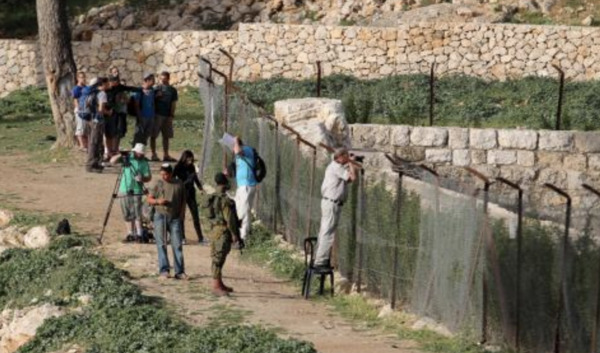
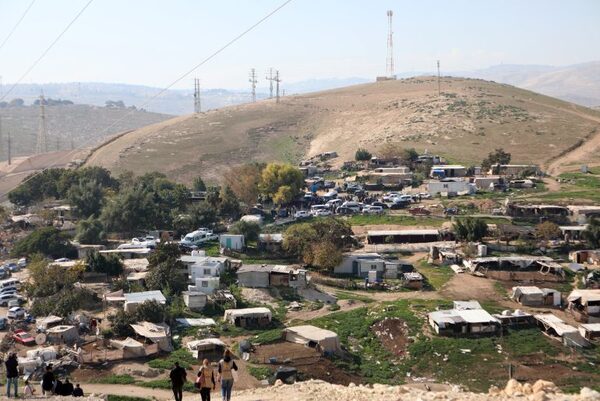
Hundreds of settlers stormed the Solomon's Pools archaeological site south of Bethlehem on Thursday afternoon.


According to local sources, hundreds of settlers, under the protection of occupation forces, stormed the archaeological site of Solomon's Pools, spread out along the three pools, and performed biblical rituals.


The sources added that the occupation forces completely closed off the area, preventing citizens from approaching, and preventing vehicle traffic from reaching the village of Artas and the city of Bethlehem.

PALESTINE

Thu 17 Apr 2025 3:35 pm - Jerusalem Time

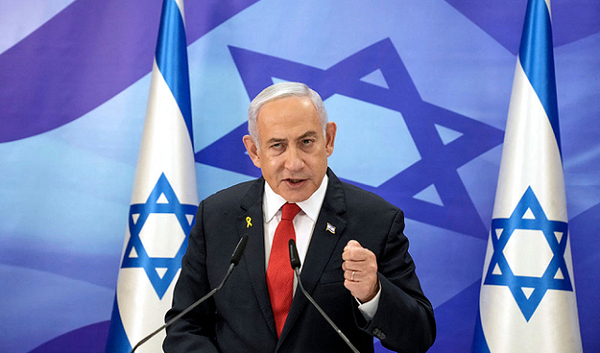
Former Mossad official: Netanyahu will be forced to accept the second phase of the ceasefire.

Rami Igra, the former head of the Mossad's Prisoners and Missing Persons Department, described the Israeli prisoner exchange proposal with Hamas as "the most difficult proposal ever presented to Hamas," and that Hamas would not accept it.


"The biggest question, and perhaps from it we will understand where we stand, is why the State of Israel proposed this proposal, which clearly no one will agree to," Igra told 103FM radio on Wednesday. "They included disarmament and the day after, while it was clear that Hamas was working from the beginning for its survival and would not agree to this matter."


He added that Israel made this proposal "because Netanyahu knows that time is running out—not for the detainees, but for him. Trump made it clear, during the press conference in which Netanyahu was quelled, that the war must end, and it will end quickly."


He added, "It's important to consider the background to the fact that Trump will soon visit Saudi Arabia, which is proposing $1.3 trillion in investments in the US, and is demanding a Palestinian state solution to normalize relations with Israel."


"Against the backdrop of all these matters, it is clear to Netanyahu that just as they forced him to implement the first phase (of the ceasefire and prisoner exchange agreement), they will force him to implement the second phase, which will include the Egyptian solution, which includes the rule of a 'cultural committee' in Gaza," Igra continued.


"We've lost the battle and we have no choice," the former Mossad official said, adding, "The story is quickly heading toward Iran, and there Netanyahu is throwing around phrases like 'dismantle like in Libya,' while the Americans don't listen. We must realize that Netanyahu brought us here with no alternative to Hamas rule. He wasted a year and a half because he was afraid of this solution because of his political partners."


"Only the Americans are in this corner, and they are the ones who decide," Igra noted. "Trump is busy with a hundred things in various fields, and he ultimately wants to win the Nobel Peace Prize and reach normalization with Saudi Arabia. Netanyahu wants to continue in power, and that will be difficult for him. He will have to agree to the second stage. Think about how he left Hungary on his way to Trump, and how he left there like a slapped-down Trump child."


ARAB AND WORLD

Thu 17 Apr 2025 3:16 pm - Jerusalem Time

Arab League: The Palestinian cause is facing the most serious threat in its history.

Arab League Secretary-General Ahmed Aboul Gheit stressed that the Palestinian cause is facing the most serious threat in its history, in light of the Israeli occupation's war of extermination, amid a shameful and disgraceful international silence.

According to a statement issued by the League on Thursday, Aboul Gheit stressed, in his speech before the 57th session of the Higher Coordination Committee for Joint Arab Action, held at the headquarters of the Arab League Educational, Cultural and Scientific Organization (ALECSO) in Tunisia, the absolute Arab, Islamic and international rejection of the displacement of Palestinians, noting that the time has come to stop this massacre, in order to immediately begin reconstruction and recovery efforts, and pave the way for a just solution acceptable to Palestinians, Arabs and internationally, namely the two-state solution.

He emphasized that the Palestinian presence on the ground is the most important means of struggle, emphasizing the need to work to strengthen this presence and stand firm in the face of the blind brutality that is unprecedented in our modern era.

Aboul Gheit referred to the contents of the Economic and Social Council's resolution at its 113th regular session regarding the preparation of an emergency response plan to address the negative economic and social repercussions of the Israeli aggression against the State of Palestine, which was followed by the Committee's resolution at its previous session (the 56th session), in addition to the resolution of the Bahrain Summit held on May 16, 2024, which adopted this plan.

ARAB AND WORLD

Thu 17 Apr 2025 2:24 pm - Jerusalem Time

Jordan condemns Knesset members' storming of Al-Aqsa Mosque

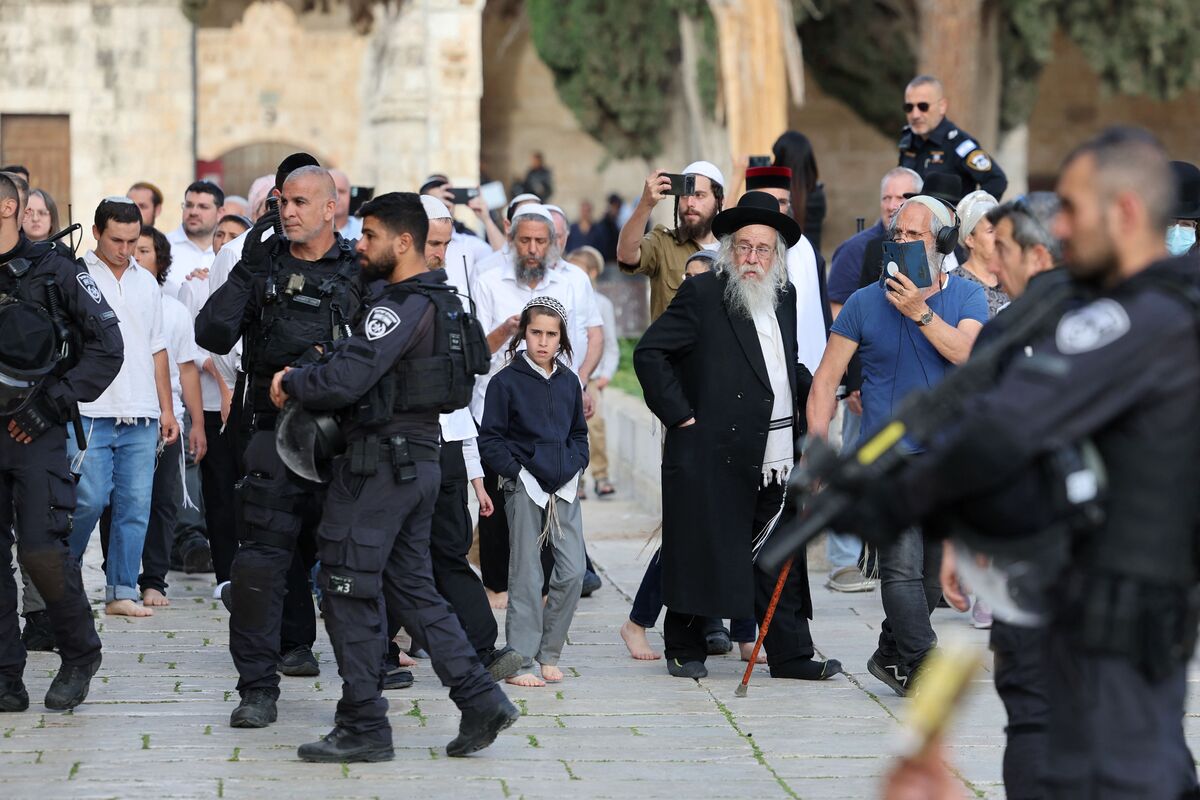
The Jordanian Ministry of Foreign Affairs and Expatriates condemned, on Thursday, the storming of Al-Aqsa Mosque by members of the Israeli Knesset, coinciding with the provocative actions carried out by extremists during their incursions, which are carried out under the protection of the Israeli occupation police. The Ministry considered the incident a dangerous and unacceptable escalation, a rejected provocation, and a violation of the sanctity of Al-Aqsa Mosque and the historical and legal status quo there.


The official spokesman for the Ministry, Sufian Al-Qudah, affirmed the Kingdom's absolute rejection and strong condemnation of the repeated incursions by members of the Israeli Knesset and large numbers of extremists into Al-Aqsa Mosque. He said that this represents an exacerbation of the dangerous situation in the occupied Palestinian territories, a violation of Israel's obligations, the occupying power, in occupied Jerusalem, and an attempt to impose temporal and spatial division. He stressed that Israel has no sovereignty over the occupied city of Jerusalem and its Islamic and Christian holy sites.


The judges called for a firm international stance obligating Israel, as the occupying power, to cease its ongoing violations and illegal practices against Islamic and Christian holy sites in Jerusalem, and its violations of the sanctity of holy sites.


He reiterated that the blessed Al-Aqsa Mosque, with its entire area of 144 dunams, is a place of worship exclusively for Muslims, and that the Jerusalem Endowments and Al-Aqsa Mosque Affairs Department, affiliated with the Jordanian Ministry of Awqaf and Islamic Affairs and Holy Places, is the legal entity with exclusive jurisdiction to administer the affairs of the Noble Sanctuary and regulate entry to it.

PALESTINE

Thu 17 Apr 2025 1:46 pm - Jerusalem Time

The Gaza Holocaust Devours More Than 18,000 Children... The World Fails Its Most Important Moral and Humanitarian Test

Kazem Abu Khalaf: There are shocking figures that reflect the extent of the humanitarian tragedy experienced by children in the Gaza Strip after 18 months of ongoing Israeli warfare.

Khaled Qazmar: The number of children killed in one year of the war on Gaza exceeds the number of victims of wars around the world in an entire decade.

Dr. Abdul Majeed Suwailem: Israeli crimes in Gaza, especially against children, represent a dangerous manifestation of the principles of "genocide, ethnic cleansing, barbarism, revenge, and sadism."

Dr. Suhail Diab: Israel is waging its last demographic war after exhausting all options, while the world is witnessing an unprecedented moral collapse.

Yasser Manna: The open massacre of Palestinian children is a clear declaration of the world's failure in its most important moral and humanitarian test.


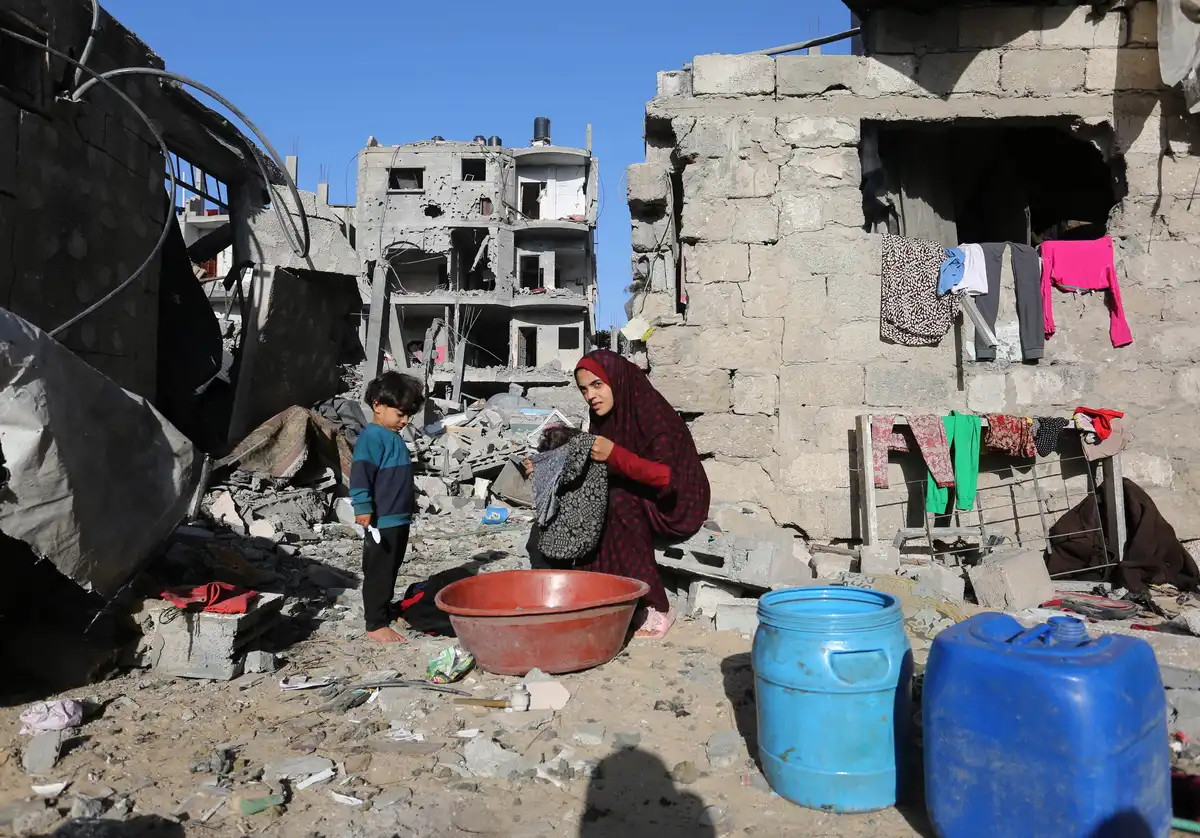
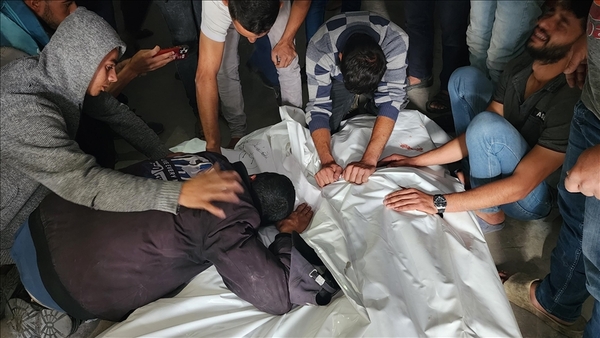
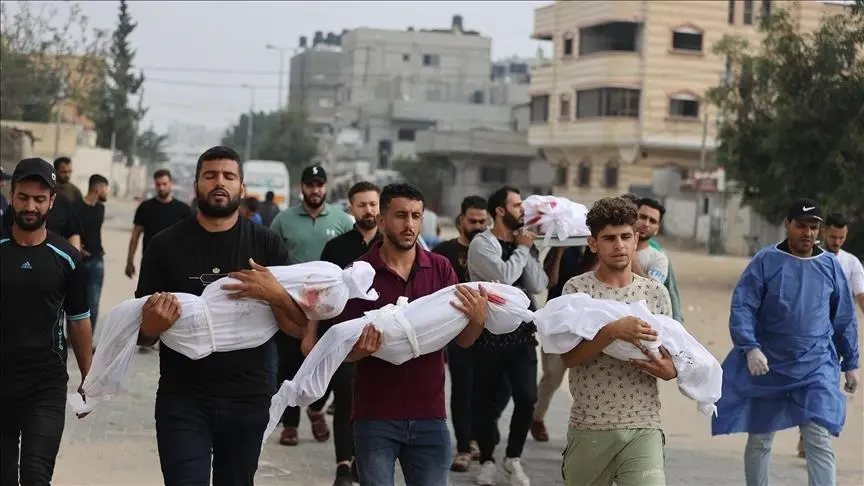
In the midst of one of the most horrific humanitarian tragedies of modern times, the children of the Gaza Strip are facing a merciless Israeli war of extermination, reaping their lives, destroying their futures, and uprooting them from their families and psychological roots. More than 18,000 children have been killed in this war, and tens of thousands more have been left without parents, or even a safe shelter.

Shocking numbers speak of mass tragedies in a small geographical area that has become a place of death, where there is no safe place and no life resembling life.

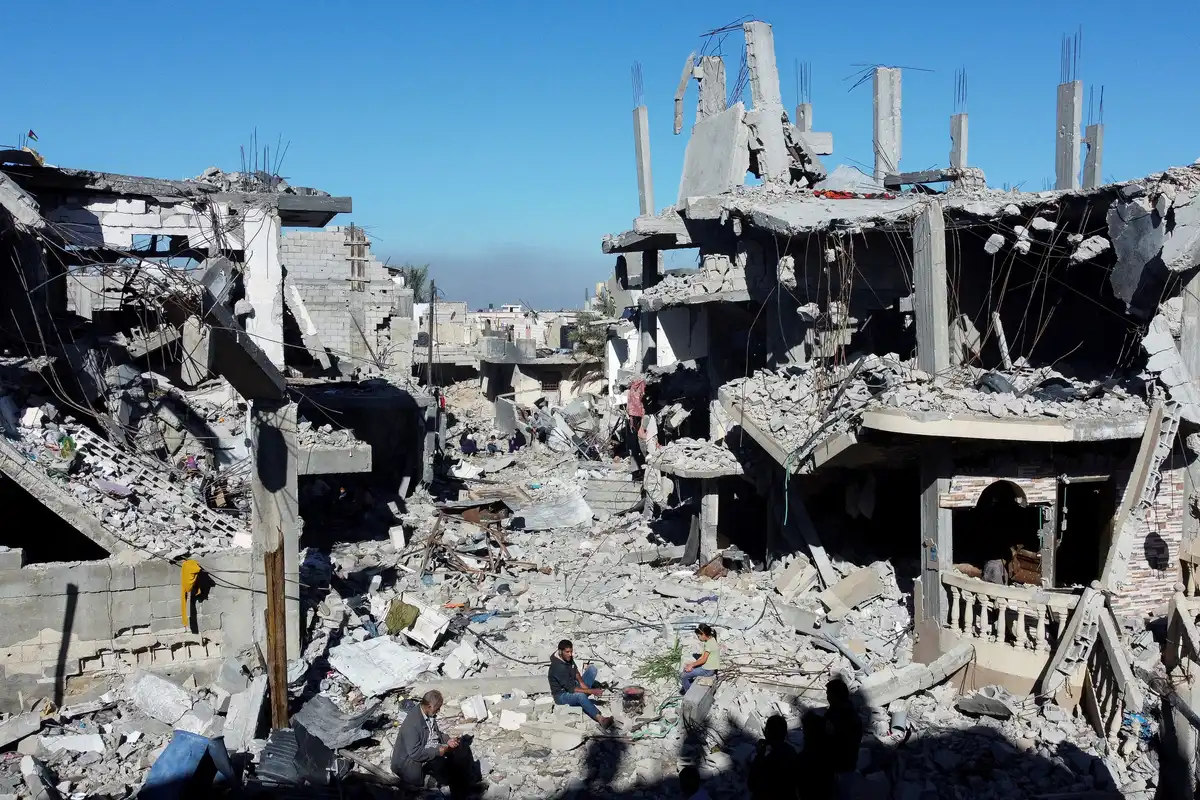
International officials, writers, and human rights activists, speaking separately to Al-Quds, say this comes amid a near-total collapse of the health and education systems, while tens of thousands of children find themselves amid the rubble of their schools and homes, wounded in body and soul, deprived of their most basic rights to treatment, education, and safety. Stories are no longer told of heroic steadfastness or childhood dreams, but of amputated limbs, screams rising above the rubble, and mothers searching the rubble for their children.

They assert that amidst this open hell, the global conscience has yet to awaken. Condemnations are timid, international positions are selective, humanitarian aid is being used as a bargaining chip, and killers are granted political and legal immunity. This is a declared genocide, occurring daily. Children are reduced to mere numbers in field reports, a scene that exposes the moral and humanitarian failure of the international system.


Gaza's children live in a "maze of death"


UNICEF spokesperson Kazem Abu Khalaf says shocking figures reflect the scale of the humanitarian tragedy facing children in the Gaza Strip after 18 months of ongoing Israeli warfare. He describes their suffering as "a reality without parallel" in the world, despite the presence of other conflicts, such as in Sudan.

Abu Khalaf explains that the number of children who have lost their families in Gaza has reached approximately 39,000, 37,000 of whom have lost one parent (father or mother), while 2,000 have lost both parents. What's even more alarming, however, is the presence of 17,000 "unaccompanied" children—those separated from their families with no known fate—of whom only about 300 have been reunited to date.

"Children in Gaza are paying a heavy price for such a small geographical area," Abu Khalaf said. "The number of child victims in the last 18 months exceeds any other place in the world, relative to the population."

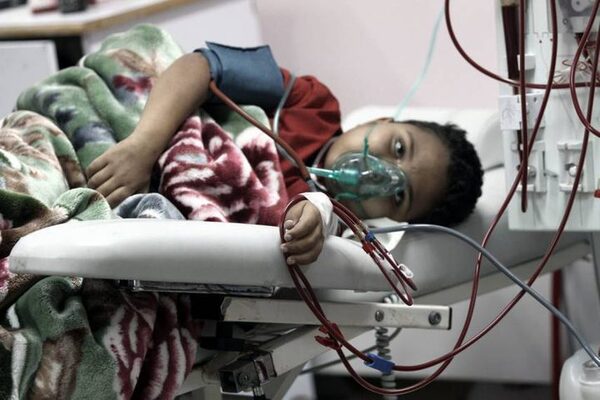
Abu Khalaf points out that, according to specialized statistical reports, approximately 16,500 people are in dire need of exiting the Gaza Strip for medical treatment, including more than 4,000 children. Fewer than 2,000 of those in need of treatment have been able to leave since October 2023, including 632 children, due to Israeli restrictions.


The suffering of wounded and amputated children


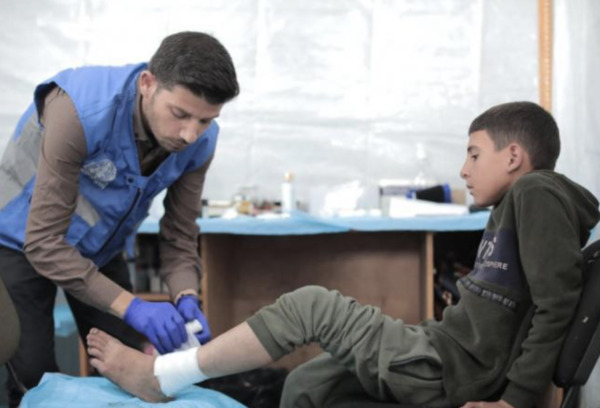
Abu Khalaf speaks about the suffering of wounded children, particularly those with amputated limbs, who are suffering from a lack of medicine and medical care following the destruction of the health system.

Abu Khalaf points to the prevalence of psychological crises among children due to daily trauma, saying, "All children in Gaza, who constitute half of the Gazan population, need urgent psychological support."

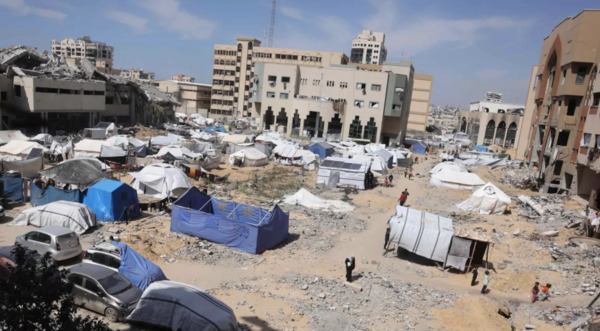
Abu Khalaf confirms that children in Gaza have lost two consecutive years of school, with most schools destroyed and some converted into shelters.

Abu Khalaf criticizes the transformation of humanitarian aid into a political "bargaining tool," despite international law requiring it to be delivered unconditionally. All of this is taking place amid international silence and inaction.

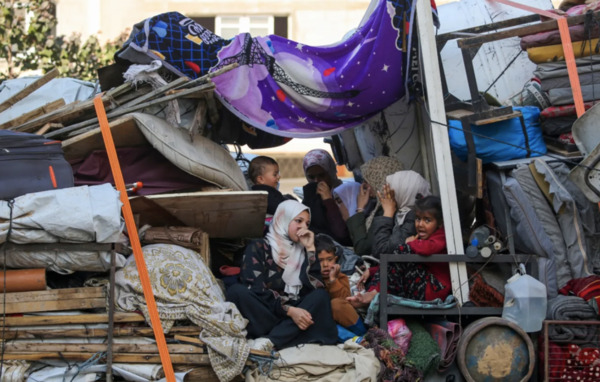
Abu Khalaf points out that the ongoing bombardment, displacement, and ongoing war have transformed children's lives into a "death maze," with no safe place to be. Meanwhile, many are suffering from cold, hunger, and thirst due to the ban on the entry of essential supplies for more than a month and a half.

Abu Khalaf criticizes the international community for its "inaction" and limiting itself to "condemnations," while using aid as a "pressure card."

Abu Khalaf says, "Gaza has become a model for the humanitarian disaster taking place before the eyes of the world. Children are dying of hunger or bombing, and no one is taking action."

Abu Khalaf warns that the continuation of the war would mean the destruction of an entire generation, calling for the immediate opening of the crossings, an end to the blockade, and the prosecution of all those involved in these crimes.


Gaza has become a "children's graveyard"


For his part, Khaled Quzmar, General Director of Defense for Children International - Palestine, described the suffering of children in the Gaza Strip as an "unprecedented crime" in modern history, asserting that the number of children killed in a single year of war exceeds the number of victims of wars around the world in an entire decade. He noted that Gaza has "become a graveyard for children," as the UN Secretary-General put it.

Qazmar asserts that the figures documenting the occupation's crimes against children in Gaza are "shameful" to humanity in modern history, noting that the number of child martyrs has exceeded 18,000 since the beginning of the war, while the names of many of them remain unknown due to the magnitude of the disaster and the inability to fully document them.

"In the 2014 war, we recorded 555 child martyrs, and we had details for every case. Today, we have 18,000 martyrs, and we don't even know everyone's names," Qazmar says.

Qazmar addresses the broader human tragedy, where more than 39,000 children have lost their familial support, either through the loss of one or both parents, leaving lifelong psychological and physical scars.

Qazmar points out that there are more than 11,000 missing persons, 40% of whom are children, in addition to thousands of cases of limb amputation among children, which constitute permanent disabilities in light of the collapse of the health system.


"Starvation" as a tool of war


Qazmar asserts that the occupation has not limited itself to direct killing, but has also practiced a policy of "starvation" as a tool of war. He explains that at least 52 children have been documented as having died of starvation, while hundreds of thousands more are suffering from severe malnutrition and a lack of drinking water.

“Diseases are spreading at an unprecedented rate, and hospitals are no longer able to function after being systematically destroyed,” Qazmar says.

Qazmar points out that the destruction of Gaza's healthcare infrastructure is "a dangerous precedent in the history of conflict," as hospitals were bombed by aircraft and tanks, depriving the Strip of its ability to provide basic medical services.

Qazmar tells the story of a girl who was being treated for an amputated leg and dreamed of recovering and becoming a doctor, before Israel bombed the hospital she was staying in, leading to her martyrdom. Her dream was never fulfilled.

Qazmar asserts that more than 700,000 children have been deprived of their right to education following the destruction of schools and universities, warning that missing two consecutive years of schooling will produce a wounded generation with no future. He emphasizes that this violation clearly contravenes international law, which guarantees education as a fundamental right.

Qazmar points out that the percentage of children among casualties in Gaza has increased from 20% in previous wars to approximately 40% currently, a reason attributed to the high population density in the Strip, where children constitute 47% of the population.


Occupation soldiers boast about filming their crimes.


"Israel commits its crimes in full view of the world," Qazmar says. "In fact, its soldiers boast about filming their crimes." He cites cases recorded by Israeli soldiers who blew up Palestinian homes and sent them as "gifts" to their relatives.

Qazmar criticizes the international community, particularly the United States and Western countries, describing them as "partners in genocide" due to their military and political support for Israel and their protection of it in international forums.

Qazmar also criticizes the inaction of the International Criminal Court, which has only taken action against a limited number of Israeli leaders, despite extensive evidence of their crimes.

Qazmar asserts that the International Court of Justice's decisions, which deemed Israel's actions "genocide," have not been implemented due to what he describes as "international hypocrisy," where legal standards are applied selectively.

"The West claims to defend human rights, while they are burning them in Gaza. The global conscience is dead," Qazmar says.

Qazmar calls for an immediate ceasefire, the delivery of humanitarian aid, and the accountability of all those responsible for these crimes, believing that international silence only encourages Israel to proceed with its genocide.

"We cannot count the martyrs daily while the world watches," Qazmar says. "Every child killed is a crime that burns the conscience of humanity."


A shocking case of human incompetence towards killing


In turn, writer and political analyst Dr. Abdul Majeed Sweilem says that the killing, destruction, and human suffering being inflicted on Gaza's children should galvanize the conscience of humanity as a whole. However, the international response remains below the desired level, reflecting a shocking state of human inadequacy in the face of "deliberate killing and sadistic revenge."

Suwailem explains that this failure in the humanitarian response to the Israeli crimes against the people of the Gaza Strip, especially children, is due to the absence of a genuine organization of human consciences, which, while present in their hearts, have not translated into pressure lobbies capable of halting this genocide.

Suwailem asserts that the Israeli crimes committed in Gaza, particularly against children, represent a dangerous manifestation of the principles of "genocide, ethnic cleansing, barbarism, revenge, and sadism," traits that are prevalent in the Israeli mentality, which, in light of the absolute political and military support of the United States, is liberated from any moral or legal constraints.


The West will pay the price for its complicity with Israeli brutality.


Suwailem points out that responsibility does not fall solely on the occupation and its supporters, but also includes the Western political establishment, which has so far failed to take a clear moral and humanitarian stance. He warns that history will condemn this silence, and the West will pay a heavy price for its complicity in Israeli brutality.

Suwailem criticizes the official Arab and Islamic regimes for not taking any action, except for a few demonstrations and emotional stances, which he describes as incapable of forming a real pressure group to stop the massacres.

Suwailem emphasizes that the movement within Israeli society demanding an end to the war in Gaza does not stem from humanitarian motives or a rejection of brutality, but rather is limited to a demand for the release of Israeli prisoners, while the killing of Palestinian children in any way preoccupies them.

Suwailem says: "Anyone who believes that Israeli society can be driven by humanitarian motives, as has happened with other peoples after their countries committed crimes throughout history, is delusional. This is a society driven solely by its hateful racist motives, and is completely removed from any civilized or humanitarian values."


Israel returns to the "1948 Nakba Square"


For his part, Dr. Suhail Diab, a professor of political science and expert on Israeli affairs, asserts that targeting children in Gaza is part of a systematic Israeli strategy for a "demographic solution" as an alternative to the failure of the Zionist project to achieve its goals through other means. He points out that it is returning Israel to the "1948 Nakba" after the collapse of its political and military narratives.

Diab explains that the first angle lies in the Israeli realization that the "demographic solution" is the only option after other means have failed. Geographical nibbling failed after the formal annexation of the territories stalled, and international legitimacy collapsed with the exposure of the falsity of Israeli democratic claims, leading to a return to the 1948 model of genocide and population displacement, as occurred during the Nakba.

"Killing children is not a random act, but rather part of a mathematical equation to ensure Jewish demographic superiority," Diab says.

The second angle, according to Diab, is Israel's resounding moral decline, as it has reached a stage of "indifference to international institutions or humanitarian pressures," while the third angle shows international impotence divided into three axes: the United States, which is actively participating in the crime through military and political support; the international community, which is torn between rejecting the crimes and not confronting Israel for fear of supporting Hamas; and the Arab world, where some Arab regimes see the war as a means to weaken both Israel and the resistance, which represents the Iranian axis.


A true test of human conscience


Diab addresses the historical and ideological reasons that fuel Israeli violence and the pursuit of killing and exterminating the Palestinian people, especially children, pointing to three main factors: the Talmudic doctrine that legitimizes the "preemptive killing" of anyone deemed a threat, citing the book by Israeli journalist Bergman (2018), which documented 2,780 political assassinations since the 1940s based on this doctrine.

The second factor, according to Diab, is the Zionist security vision based on the idea of “a people without a land for a land without a people,” which has caused ethnic cleansing since 1948, leading to massacres such as Kafr Qasim (1956).

Diab points to the third factor: the persecution complex even among secular Jews, who experience a "collective paranoia" that forces them to seek a permanent enemy to strengthen internal unity.

Diab warns that the current situation represents a unique moment, as Israel is waging its last demographic war after exhausting all other options, and the world is witnessing an unprecedented moral collapse in dealing with crimes. Diab asserts that history will not forgive the accomplices, especially since the evidence of genocide has become "public."

"What's happening in Gaza is not just a war, but a true test of humanity's conscience, and children are the indicator that shows everyone's failure," Diab says.


A damning testimony to the collapse of the international value system


Writer and expert on Israeli affairs, Yasser Manna, says that what Gaza's children are being subjected to cannot be considered merely an emotional depiction of a tragic humanitarian situation, but rather "a damning testimony to the collapse of the international value system." He points out that "the open massacre of Palestinian children is a clear declaration of the world's failure in the most important moral and humanitarian test: the protection of children."

Manaa believes that the statements of some UN officials, who described what happened as "unprecedented in modern history," indirectly confirm that international institutions have become content to watch without taking any real action. In his opinion, this reflects a double failure: an inability to stop the crimes and an inability to enforce international law, which has appeared selective in its treatment of Palestinian blood.


Killing children based on a deep-rooted ideology


Manaa asserts that the targeting of children is not the result of military errors or what is known as "collateral damage," but rather the result of a deeply rooted ideological background within certain factions within the Israeli security and political establishment, which views Palestinian children as a "postponed enemy," believing that "killing the seed" is the guarantee of continued control in the future.

Manaa asserts that this approach reflects a clear Israeli desire to "psychologically destroy Palestinian society" by striking at its weakest link: childhood.

"Revenge against children is not only a military weapon, but also a psychological weapon intended to instill despair in people and kill any hope for the future," Manaa says.

Manaa believes that the most dangerous aspect of these crimes is the "international silence," which sends an implicit message that "Palestinian blood is permissible to be shed, and that impunity has become the norm."


PALESTINE

Thu 17 Apr 2025 12:46 pm - Jerusalem Time

5 dead in the occupation's bombing of a school sheltering displaced people in Jabalia camp, north of the Gaza Strip.

Five civilians were killed and others wounded on Thursday when the Israeli occupation forces bombed a school housing displaced persons in Jabalia camp, north of the Gaza Strip.


Local sources reported that Israeli aircraft bombed the UNRWA-affiliated Al-Ayyoubiya School in Jabalia camp, killing at least three civilians and wounding others.


The death toll in the Gaza Strip has risen to 51,065, and the number of injuries to 116,505, since the start of the aggression on October 7, 2023.

PALESTINE

Thu 17 Apr 2025 12:44 pm - Jerusalem Time

The Arab community in the 1948 territories is bleeding silently... Israel seeks to demolish the fortress from within after the failure of subjugation.

Dr. Ahmad Tibi: The Israeli police are capable of confronting criminal organizations, as they did in Netanya, Nahariya, and Tel Aviv, but they do not do so in Arab towns.

Dr. Yousef Jabareen: Police collusion with criminal elements is in line with the racist and supremacist policies of Ben-Gvir, who openly expresses his hostility toward Arabs.

Sawsan Sarour: Over the years, trust in law enforcement has been shaken by the police's treatment of the Arab community as a hostile entity.

Amir Makhoul: What is happening is part of an Israeli strategic project whose ultimate goal is the "voluntary displacement" of Palestinians inside Israel.

Wadih Awawdeh: We are facing a catastrophic threat unprecedented since 1948, and I see it as the most dangerous strategic threat facing all Arabs at home.


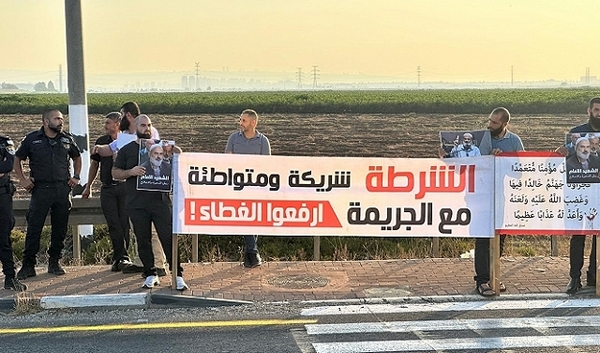
Arab society in the 1948 territories is being subjected to a fierce, silent war, claiming the lives of many Arab citizens. The official Israeli establishment, with its various branches and ministries, especially the police, has not lifted a finger to put an end to this bloodshed, which has deprived them of peace and security and has begun to threaten the cohesion and existence of Arabs in their cities and villages.

Daily or near-daily killings have claimed the lives of dozens since the beginning of the year. Many of these attacks occurred in broad daylight, without warning, and without any clear motive. Young men, women, and girls are victims, with no common link between the victims, making them appear to be murders for the sake of murder. What's striking, however, is that the Israeli police are treating these crimes with a suspicious degree of indifference, as if they don't occur within their jurisdiction. Most of the crimes are recorded as unknown, even though they deal with them differently and with great effectiveness when crimes occur within the Jewish community.

Writers, analysts, human rights activists, and politicians who spoke to Al-Quds emphasized that the Israeli police are capable of confronting criminal organizations, as they did in Netanya, Nahariya, and Tel Aviv, but they fail to do so in Arab towns. They noted that the police's collusion with criminal elements aligns with the racist and supremacist policies of Ben-Gvir, who openly expresses his hostility toward Arabs.

They said that what is happening is part of an Israeli strategic project whose ultimate goal is the "voluntary displacement" of Palestinians inside Israel. They added: We are facing a catastrophic threat unprecedented since 1948, and it is the most serious strategic threat facing all Arabs inside Israel.

Unprecedented crime in Arab society inside the country


MK Dr. Ahmad Tibi, head of the Arab Movement for Change, said, "What has recently been happening in Arab society is unprecedented and dangerous, and poses a direct threat to the personal security of Palestinians inside Palestine."

He pointed out that criminal organizations have taken control of the situation, with the police indifferent, describing them as complicit and incompetent at best.

Tibi explained that 11 people were killed in just a few days, while the police commissioner declared that he was not counting the bodies, reflecting a disregard for the value of humanity and the pain and loss felt in Arab society.

He pointed out that weapons are widely available among criminal organizations, and that there are two types of crime: the first is organized crime led by gangs and mafias, which is the responsibility of the state and the police, not the head of a local authority, a member of Knesset, a cleric, or a teacher; the second is community violence resulting from disputes between neighbors, in playgrounds, or within families, which is a societal responsibility requiring everyone's intervention.


Excluding peace disclosure committees from the law


Tibi criticized the Israeli establishment's exclusion of peace-disclosure committees from the law, believing that National Security Minister Itamar Ben-Gvir's statements about his success in office implicitly imply that Arabs killing each other is a success in his view.

He emphasized that the Israeli police are capable of confronting criminal organizations, as they have done in cities such as Netanya, Nahariya, and Tel Aviv, but they do not do so in Arab towns, indicating that this is a government policy extending from Prime Minister Benjamin Netanyahu to Ben-Gvir and the police leadership.

Al-Tayyibi stressed the need to re-educate young people and monitor their behavior, especially if they show signs of sudden wealth. He called for continued reform efforts and the prevention of bloodshed in the absence of a real police role.


The failure of government ministries responsible for addressing violence


For his part, human rights activist and former Joint List MK Dr. Yousef Jabareen said, "The escalation of violence and crime in our society did not come out of nowhere. Rather, it is primarily the result of the failure of responsible government ministries to address the issue and fulfill their role, both in terms of enforcing the rule of law and in terms of the budgets and resources that should be allocated to education, social services, and youth."

Jabareen believes that this dangerous escalation is primarily linked to police policies toward Arab citizens. The Israeli police view Arab citizens as part of the "enemy" based on their national affiliation. Therefore, the police are complicit in the policies of oppression and racism against our people and youth inside Israel. This police collusion with criminal elements is naturally in line with the racist and supremacist policies of current Minister Itamar Ben-Gvir, who openly promotes his agenda hostile to Arab citizens.

He added, "We accuse the police of being primarily responsible for the escalating crime in our towns. They are responsible for the proliferation of weapons, the failure to collect weapons, the failure to prosecute weapon users, and the failure to enforce the law when matters relate to the Arab criminal arena. We accuse the police of being concerned with the continuation of this crime in our society because crime preoccupies us and prevents us from devoting ourselves to the issues of discrimination and racism practiced by state institutions, as well as the issues of occupation and war."


Systematic public pressure on the police is required.


"We must intensify systematic popular and public pressure on the police and law enforcement authorities so that they can carry out their role in collecting weapons and combating violence and criminal elements in a decisive and deterrent manner," Jabareen said. "In every society, the tools for enforcing the law and deterring crime are in the hands of those authorized by law: the police and the responsible government ministries."

However, he pointed out that responsibility does not rest solely with the police. The Ministry of Education, for example, is failing to allocate educational and guidance programs and materials in Arabic to combat the phenomenon of violence and crime, and is failing to provide the necessary professional educational and guidance programs. The Ministry of Social Welfare, meanwhile, is failing to allocate social workers and financial resources to enable Arab local authorities to confront the phenomenon. This is in addition to the strangulation of our Arab towns in general, depriving them of urban and economic development.

He said: "Therefore, we are struggling to allocate urgently needed budgets to our local authorities to address the issues of youth in distress and poverty, and to establish the community and sports facilities that our towns lack."

Human rights activist Jabareen emphasized that given the escalating crime rate in our society, comparable to global standards in crime-ridden countries like Mexico and Colombia, internationalizing the issue of violence and crime has also become an urgent need.

He explained that it is ironic that the escalation of this crime to such a serious extent will allow us to present its dangers to international forums and pressure them to intervene with the Israeli government and pressure it to take action on the issue. He noted that these forums include the United Nations, the European Union, the Organization for Economic Co-operation and Development, the World Bank, and other influential institutions.


A racist scheme threatens Palestinian society inside the country.


He said that when an Arab citizen loses his basic right to security and safety due to the complicity of government authorities, and also loses his right to life, it is not an "internal issue," but rather a racist scheme that threatens Palestinian society within Israel, necessitating the international community's mobilization to confront and counter it.

At the internal societal level, Jabareen emphasized that we must take the initiative to launch a systematic public educational campaign that engages specifically with youth, and aims to promote a discourse of dialogue and mutual respect, and to reject the mentality of revenge and domination and replace it with a mentality of tolerance and community solidarity. In parallel, we must implement a public awareness campaign calling for not resorting to weapons or owning them.

Jabareen concluded his remarks to Al-Quds by saying: "Success in confronting violence and crime requires strengthening and reinforcing the alternative national unity project: the project of belonging to a single people suffering from discrimination and oppression, the project of national unity struggle to achieve rights and for a dignified and secure life."


11 victims killed in five days!


In turn, journalist Sawsan Surur, an observer and critic of the political scene in Israel, said, “Eleven people were killed in just five days, and seventy-six people were killed since the beginning of the year, a third of them in nine murders, in several towns, from the north through the center to the south. The victims are not only the dead, but also dozens of wounded, and tens of thousands who have lost their security and safety. We are not talking only about numbers, but about a political, social, economic and humanitarian reality related to the approximately two million Palestinians living inside the State of Israel.”

She added, "We are not talking about violence in the Palestinian Arab community in Israel, but rather the control of criminal gangs over parts of the State of Israel, without restraint or deterrence, and with them about half a million unlicensed weapons, most of which come from the Israeli army, according to various reports."

Sarour emphasized that the Israeli police force monitors various issues related to law enforcement and the criminal underworld in Jewish society, while the Shin Bet, which is supposed to focus on issues that pose a security threat with a nationalist background, is the one that monitors the affairs of Arab society. This means that the state views Arabs as a purely security problem.


Criminal gangs fill the void in their own way.


Sarour noted that with the absence of police and the decline of their role in Arab towns, criminal gangs have arrived to fill the void, but with their own criminal methods and conditions, circulated among the various and scattered gang leaders, and based on their size and influence at various levels, even within the institution.

She explained that over the past two decades, crime rates within the Palestinian Arab community in Israel have risen significantly and alarmingly.

Sarura noted that the crime rate in Arab society has always been higher than in Jewish society in Israel, but it is striking that this rate has increased rapidly over the past decade, from nearly doubling to tripling, then more than quadrupling from 2016 to the present day.

She said: If we go back to the beginning, the Or Commission - the official commission of inquiry that investigated the Jerusalem and Al-Aqsa uprising, the events of October 2000 in which thirteen young men from several towns were martyred - addressed in its 2004 report the causes of crime in Arab society, and showed, among other things, that the systematic discrimination practiced for decades in education, social welfare, employment and all other areas of civil life, and the creation of deep gaps between Arab and Jewish towns, is the path to the cycle of crime and violence.


Significant economic and material factors


Sarour added: "In fact, in addition to political and social factors, the phenomenon of violence and crime is also influenced by significant economic-material factors. The vast majority of Arab towns occupy the lowest rung of the socio-economic ladder, and 40% of Arab youth between the ages of 18 and 22 are neither employed nor educated (according to data from the Israel Democracy Institute). Forty-three percent of Arab youth between the ages of 18 and 24 live in poverty—twice the poverty rate among Jewish youth (according to a Ministry of Social Equality report, 2020)."

Surur revealed that many Arab towns suffer from poor development, high unemployment rates, weak educational and healthcare systems, and deteriorating physical infrastructure—all of which create fertile ground for the spread of crime and violence in Arab society.

She said: "The leadership of the Palestinian masses in Israel has used various means of protest against the state's failure to address the problem of the escalating crime in Arab towns, including marches, demonstrations, days of mourning, and even strikes. Some heads have even threatened to resign from their local authority positions, but all of this has been to no avail.


"Shin Bet collaborators" enjoy immunity


She noted that over the years, trust in law enforcement has been undermined by the police's treatment of the Arab community as a hostile entity, as if members of the Arab community were not citizens to be protected. This is a result of the police's failure to confront the phenomenon of violence and crime. Added to this is the lack of trust stemming from the cooperation of the General Security Service (Shin Bet) with criminal elements in the Arab community. A senior police official was previously quoted as claiming that "the source of serious crime in the Arab community is 'Shin Bet collaborators' who enjoy immunity, and therefore 'the police's hands are tied.'"

Surur described the country's general political landscape as extremely complex, particularly in light of the ongoing war on Gaza and the accompanying rifts and disintegration of the security, political, and social structures, as well as the deteriorating economic situation. This has placed addressing crime in Arab society on the margins, rather than at the top of the priorities of this far-right government.

She said: "Perhaps Government Resolution No. 549 of the change government (Lapid-Bennett), with the support of an Arab party, was a pioneering and innovative decision. It did not view crime in Arab society within the narrow context of law enforcement, but rather addressed it within its broader context of treatment and prevention. However, the current government froze it without benefiting from its positive transformations on the ground."

Journalist Surour concluded her statement to Al-Quds by saying: “The Palestinian masses have no choice but to struggle and not remain in the background. They must intensify demonstrations and protests against crime in Arab towns, and even resort to civil disobedience, if necessary, until they reach the ballot box. They must participate forcefully and effectively to change the face of the political map in the State of Israel and its priorities.”


Systematic destruction of all sense of security


Writer and politician Amir Makhoul stressed that there is a growing phenomenon sweeping across Palestinian society inside the country, threatening its very existence.

He explained that the issue is not just about the spread of gangs, murders, and shootings, but rather that what is happening is the work of organized gangs that possess what resemble armies, consisting of thousands of individuals, whether from within the Green Line (Palestinians of 1948) or from the West Bank, and they are the ones who carry out these acts.

Makhoul pointed out that the majority of weapons used in these crimes are of Israeli origin, including ammunition smuggled from military bases and sold on the Israeli market. He added that there is a systematic destruction of any sense of security within Palestinian society inside Israel, whether in cities or villages, even those once known for their tranquility.

He pointed out that what is taking place represents organized control, not just in the form of "thugs," but rather an integrated system that constitutes an economic project, with the crime generating billions of shekels through the collection of "protection money," controlling tenders from local authorities, businesses, and other activities.


People's willingness to emigrate and society disintegrates


Makhoul considered all of this to be part of an Israeli strategic project whose ultimate goal is the so-called "voluntary displacement" of Palestinians inside Israel. He emphasized that this policy is not limited to Gaza or the West Bank, but is practiced systematically against the Palestinians of 1948.

He pointed out that this displacement is already underway, particularly among young people, particularly those educated and specialized in fields such as medicine and technology.

He pointed to unfamiliar phenomena beginning to emerge, such as people's willingness to emigrate and the disintegration of society, including internal migration to major cities such as Haifa, Tel Aviv, Jaffa, Nazareth, and Nof HaGalil, which was established to Judaize the Galilee but has been transformed into mixed towns due to economic conditions and rampant crime.

He explained that every Palestinian inside Israel today feels threatened daily, complemented by a policy of repression and political persecution of all political forces. Police budgets are allocated under the banner of "fighting crime," while they are actually used to suppress those who oppose them.


What is happening goes beyond criminality to become a state project.


He cited the example of the "Peace Disclosure" committee, which was outlawed and banned weeks ago, despite its active role in the Higher Follow-Up Committee. Administrative detention orders were also issued against political leaders, including Raja Agbarbeh, head of the Sons of the Country Movement, who was placed under administrative detention.

Makhoul stressed that dozens are being subjected to political persecution, and that all these measures fall within a single framework: the elimination of the Palestinian entity within Israel.

He added that the goals of these policies include imposing a form of political engineering aimed at disengaging Palestinians from the interior from public issues, including political and national activism, and even abstaining from voting.

At the end of his statement to Al-Quds, Makhoul stressed that the Israeli right, led by Netanyahu, is systematically planning to drive Palestinians inside Israel into despair and hopelessness, as they constitute an electoral bloc that threatens his political survival. Although not a ruling bloc, they are capable of preventing him from forming any governing coalition. Accordingly, what is happening goes beyond the realm of criminality to become a state project.


Demolishing the castle from the inside after the failure of the subjugation


For his part, Israeli affairs expert Wadih Awawdeh pointed out the need to distinguish between violence and organized crime.

He said that criminal gangs, which began to emerge more than twenty years ago, are completely different from the violence that occurs between neighbors, families, or individuals, noting that organized crime is far more dangerous.

He explained that 70 to 80 percent of murders in recent years were carried out by organized criminal gangs, and the majority of victims are members of these same gangs. He indicated that there are approximately six or seven criminal gangs active in Arab society, spread throughout all regions.

Awawdeh based his findings on a study conducted at the University of Haifa, which indicated that the number of murders before 2000 was limited, similar to the situation in other Palestinian communities. However, the real explosion began after 2000.

He pointed out that many nationalist forces inside Israel accuse the Israeli authorities of deliberately allowing the crime to escalate after Palestinians inside Israel participated in the Jerusalem and Al-Aqsa uprising (the Second Intifada), with the aim of demolishing the fortress from within, after external pressures failed to subdue them.

He added that Palestinians inside Israel were, and still are, trying to preserve their national identity, their connection to their people, and their rejection of Israelization, and therefore the hands of crime and criminals were given a free hand.


90% of weapons come from the military


He pointed out that 90% of the weapons in the hands of individuals and gangs originate from the Israeli army and are smuggled from military bases, according to official Israeli reports.

He pointed out that 80 to 90 percent of murders in recent years have remained unsolved, with no deterrent or arrests, exacerbating the problem. He added that the number of solved crimes is very small, at a time when we are witnessing a dangerous escalation in the form of mass murders, in which several people are killed at once, as occurred in Yarka, Yafia an-Naseriyeh, and Nazareth itself more than once.

He spoke about a crime that occurred two years ago, when criminals disguised as police officers broke into a house and claimed to be from the Israeli police so they could carry out their crime.

He pointed out that such crimes rarely reach the Jewish community, as happened a few days ago in Afula, when a shootout broke out between two Arab criminals, who were arrested within an hour. This incident received widespread attention, while crimes in Arab society go unpunished.


Despair, frustration and weakness of popular action


Awawdeh spoke about a massive demonstration organized in Majd al-Krum in 2018, in which tens of thousands participated in protest against the crime. However, he noted that protests have declined in recent years due to despair, frustration, and a lack of popular action. Most people are now content to just accuse the government and the police, a justifiable accusation, without any systematic and effective protest action to expose and confront these policies, both locally and internationally.

He added that the Arab community made a grave mistake when it belittled the statements of Itamar Ben-Gvir and other far-right figures, who demonstrated clear hostility toward Arabs.

He concluded by saying: We are facing a catastrophic threat unprecedented since 1948. I see it as the most serious strategic threat facing all Arabs internally, threatening their gains, their status, and their political and collective action.

Awawdeh added: "I do not hesitate to say that there is a real phenomenon of migration among young Arabs inside the country, who are leaving the country in search of safety and emigrating to countries such as Greece, the UAE, Turkey, and others, in light of the blocked horizon and the predicament we are experiencing."







ARAB AND WORLD

Thu 17 Apr 2025 9:35 am - Jerusalem Time

Trump backed away from supporting an Israeli strike after divisions emerged within his administration.

The New York Times revealed on Wednesday that Israel had been planning to strike Iranian nuclear sites as soon as next month, but US President Donald Trump backed off in recent weeks in favor of negotiating a deal with Tehran to limit its nuclear program, according to administration officials and others familiar with the discussions.


Trump made his decision after months of internal debate over whether to pursue diplomacy or support Israel in its quest to curb Iran's ability to build a nuclear bomb, at a time when Iran was weakened militarily and economically.


The debate highlighted fault lines between US government officials, who have historically been hawkish, and other aides who are more skeptical that a military attack on Iran could destroy its nuclear ambitions and avert a larger war. This has resulted in a general consensus, for now, against military action, with Iran signaling its willingness to negotiate.


Israeli officials had recently drawn up plans to attack Iranian nuclear sites in May. They were prepared to carry them out and were at times optimistic that the United States would agree. The goal of the proposals, according to officials familiar with them, was to delay Tehran's ability to develop a nuclear weapon for a year or more.


According to the newspaper, almost all of the plans required US assistance not only to defend Israel from an Iranian response, but also to ensure the success of any Israeli attack, making the United States an essential part of the attack itself.


For now, Trump has chosen diplomacy over military action. In his first term, he tore up the Iran nuclear deal negotiated by the Obama administration. But in his second term, eager to avoid being dragged into another war in the Middle East, he opened negotiations with Tehran, giving it only a few months to negotiate an agreement on its nuclear program.


Earlier this month (April 7), Trump informed Israel of his decision that the United States would not support any attack. He discussed the matter with Prime Minister Benjamin Netanyahu when Netanyahu visited Washington last week, where he used an Oval Office meeting to announce the start of US talks with Iran. In a statement delivered in Hebrew after the meeting, Netanyahu said that any agreement with Iran would only succeed if its signatories were allowed to "enter the facilities, blow them up, and dismantle all the equipment, under American supervision and American implementation."


The newspaper cited conversations with several officials familiar with Israel's secret military plans and confidential discussions within the Trump administration. "Most of the people interviewed spoke on condition of anonymity to discuss military planning."

Israel has long planned to attack Iran's nuclear facilities, practicing bombing operations and calculating the extent of the damage it could inflict with or without American assistance.


But support within the Israeli government for a strike grew after Iran suffered a series of setbacks last year.


According to American and Israeli reports, in the attacks on Israel on April 13, most of Iran's ballistic missiles failed to penetrate American and Israeli defenses. Hezbollah, Iran's main ally, was destroyed in an Israeli military campaign last year. The subsequent fall of President Bashar al-Assad's government in Syria eliminated an ally of Hezbollah and Tehran and cut off a major arms smuggling route from Iran.


Air defense systems in Iran and Syria were also destroyed, along with facilities used by Iran to produce missile fuel, crippling the country's ability to produce new missiles for a time. Initially, at Netanyahu's request, senior Israeli officials briefed their American counterparts on a plan that would have combined an Israeli commando raid on underground nuclear sites with a bombing campaign, an effort the Israelis hoped would be participated in, or entirely led by, American aircraft.


The newspaper says: "At a meeting this month—one of several discussions about the Israeli plan—Tulsi Gabbard, the director of national intelligence, presented a new intelligence assessment that the U.S. arms buildup could ignite a broader conflict with Iran that the United States does not want."


Several officials expressed Gabbard's concerns in various meetings. White House Chief of Staff Suzi Wiles, Secretary of Defense Pete Hegseth, and Vice President J.D. Vance also expressed doubts about the attack.


Even National Security Advisor Mike Waltz, often considered one of the most hawkish voices on Iran, was skeptical that Israel's plan could succeed without significant American assistance.


The recent meetings came shortly after the Iranians announced their openness to indirect talks—that is, through an intermediary. In March, Trump sent a letter offering direct talks with Iran, an initiative that Ayatollah Ali Khamenei, the Supreme Leader, appeared to reject. But on March 28, a senior Iranian official sent a letter indicating his openness to indirect talks.


There is still considerable debate within President Trump's team about the type of agreement acceptable to Iran. The Trump administration has sent mixed signals about the type of agreement it seeks and the consequences for Iran if it does not agree.


In one discussion, Vice President Vance, supported by others, argued that Trump had a unique opportunity to strike a deal. Vance said (according to the newspaper) that if the talks failed, Trump might support an Israeli attack, according to administration officials.


During a visit to Israel earlier this month, General Kurilla, commander of US Central Command in the Middle East, told officials there that the White House wanted to suspend the plan to attack the nuclear facility.


Netanyahu called President Trump on April 3. According to Israeli officials, Trump told Netanyahu he did not want to discuss Iran's plans over the phone. But he invited Netanyahu to the White House. Netanyahu arrived in Washington on April 7. While the trip was presented as an opportunity for him to oppose Trump's tariffs, the most important discussion for the Israelis was their planned attack on Iran.


But while Netanyahu was still in the White House, Trump publicly announced talks with Iran.


In private discussions, Trump made clear to Mr. Netanyahu that he would not provide American support for an Israeli attack in May while negotiations were underway, according to officials familiar with the discussions.


The next day, Trump indicated that an Israeli military strike against Iran remained an option. Trump said, "If military intervention is required, we will resort to military intervention. And obviously, Israel will be the leader in that."


Following Netanyahu's visit to the White House, Trump assigned CIA Director John Ratcliffe to travel to Israel. Ratcliffe met last Wednesday (April 9) with Netanyahu and David Barnea, head of Israel's Mossad intelligence agency, to discuss various options for dealing with Iran. In addition to talks and strikes, other options were discussed, including covert Israeli operations with US support and the implementation of tougher sanctions, according to a person familiar with Ratcliffe's visit. National Security Council spokesman Brian Hughes stated that the administration's "entire national security leadership team" is committed to Trump's Iran policy and his efforts "to ensure peace and stability in the Middle East."


"President Trump has been clear: Iran cannot have a nuclear weapon, and all options remain on the table," Hughes told reporters at the White House. "The president has authorized direct and indirect discussions with Iran to make that point. But he has also made clear that this cannot continue indefinitely."


By pressuring Trump to join the attack, Netanyahu was reviving a debate he has had with American presidents for nearly two decades.


After being thwarted by the Americans, Netanyahu instead focused on covert sabotage operations against specific facilities and the assassination of Iranian nuclear scientists. While these efforts may have slowed the program, Iran is now closer than ever to being able to produce six or more nuclear weapons within months or a year, according to American and Israeli claims. American officials have long stated that Israel, on its own, cannot significantly damage Iran's nuclear sites with an air campaign alone. Israel has long sought the largest American conventional bomb—a 30,000-pound bunker-buster, which could inflict significant damage on Iran's main nuclear sites deep beneath the mountains.


Israel studied various options for a possible May strike, and discussed many of them with American officials, according to the newspaper.


Netanyahu initially pushed for an option combining airstrikes and commando raids. The plan would have been a much more ambitious version of an operation Israel carried out last September, when Israeli forces flew by helicopter into Syria to destroy an underground bunker used to manufacture missiles for Hezbollah.


In that operation, Israel used airstrikes to destroy guard posts and air defense positions. Commandos then rappelled to the ground. Teams of fighters, armed with explosives and small arms, infiltrated the underground facility and planted explosives to destroy key weapons-making equipment.


But American officials were concerned that only key Iranian facilities could be targeted by the commandos. Iran's highly enriched uranium, close to bomb-grade, is stored in multiple locations around the country. To ensure the operation's success, Israeli officials wanted American aircraft to carry out airstrikes to protect the commando teams on the ground.


But even if American assistance were forthcoming, Israeli military leaders said planning for such an operation would take months. This posed some problems. With General Kurilla's tenure expected to end in the next few months, Israeli and American officials wanted to develop a plan that could be implemented while he remained in command.


After shelving the commando idea, Israeli and American officials began discussing a plan for a large-scale bombing campaign that would have begun in early May and lasted for more than a week. An Israeli airstrike last year had already destroyed Iran's Russian-made S-300 air defense systems. The bombing campaign was supposed to begin by hitting the remaining air defense systems, giving Israeli fighters a clearer path to strike the nuclear sites. Any Israeli attack on the nuclear sites would prompt Iran to launch a new missile attack on Israel, which would require American assistance to repel.


Senior Iranian officials, from the president to the commander-in-chief of the armed forces and the foreign minister, have stated that Iran will defend itself if attacked by Israel or the United States.


Brigadier General Mohammad Bagheri, commander of the Iranian armed forces, said in a speech on April 6 that Iran does not want war and wants to resolve the crisis with the United States through diplomacy. However, he warned, "Our response to any attack on the sovereignty of the Islamic Republic will be decisive and clear."

PALESTINE

Thu 17 Apr 2025 9:33 am - Jerusalem Time

Health: Hemophilia patients in Gaza suffer from a severe shortage of essential medicines.

The Ministry of Health said that 180 hemophilia patients in the Gaza Strip, out of a total of 550 patients in Palestine, are suffering from a severe shortage of essential medicines.

In a statement issued Thursday on the occasion of World Hemophilia Day, the ministry explained that the lack of medication for these patients increases the risk of serious complications such as internal bleeding in the joints and muscles, which could lead to permanent physical disabilities. The ongoing Israeli aggression on the Gaza Strip has exacerbated the need to provide the necessary medications and treatments to ensure a dignified life for them and enable them to lead their daily lives safely.

She pointed out that more than a year and a half after the aggression, its repercussions continue to affect thousands of sick people among our people, including hemophilia patients who face unprecedented challenges in obtaining the necessary healthcare.

Hemophilia is a bleeding disorder that prevents blood from clotting properly. People with hemophilia bleed longer than normal people because their blood doesn't contain enough clotting factors. Clotting factors are proteins in the blood that help control bleeding. It's a rare genetic disorder that affects 1 in 10,000 people worldwide.

The Ministry noted that through projects funded by donors and the World Federation of Hemophilia, patients are provided with the necessary medications, access to comprehensive treatment and care is improved, and services are being enhanced with a focus on home and preventative treatment to control and prevent recurrent bleeding episodes, thus preventing joint disabilities.

She added that the Palestine Future Foundation, a partner of the Ministry of Health in this field, provides health, social, and educational services to hemophilia patients and has been able to provide support to patients in Gaza through its funding partners. The foundation has also succeeded in securing large quantities of medicines through donations from the World Federation of Hemophilia in Canada, of which Palestine is an official member, in addition to valuable contributions from the Italian Society of Hematology, a long-standing partner in supporting healthcare projects.

It's worth noting that the Ministry of Health is working this year to establish five specialized centers for the treatment of hemophilia patients, with the aim of institutionalizing treatment for them. These centers will be distributed throughout the northern and southern governorates of the country, operating within the concept of comprehensive healthcare and localizing medical services.

OPINIONS

Thu 17 Apr 2025 9:33 am - Jerusalem Time

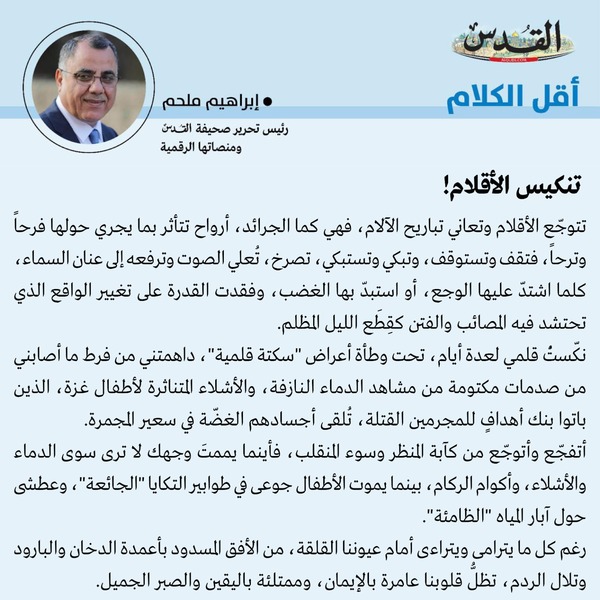
Pens down!

Ibrahim Melhem

Ibrahim Melhem

Opinion Writer


Pens are in pain and suffer the agonies of pain. Like newspapers, they are souls affected by what is happening around them, whether happy or sad. They stop and pause, cry and make others cry, scream, raise their voices and raise them to the heavens whenever the pain intensifies, or anger overwhelms them, and they lose the ability to change the reality in which calamities and tribulations are crowded like pieces of a dark night.

I held my pen down for several days, under the pressure of symptoms of a "pen stroke" that struck me from the excessive amount of repressed shock I suffered from the scenes of bleeding blood and the scattered remains of the children of Gaza, who had become a target bank for criminal killers, their tender bodies being thrown into the blazing fire.

I am shocked and pained by the bleakness of the scene and the terrible outcome. Wherever you turn, you see nothing but blood, dismembered bodies, and piles of rubble, while children die of hunger in the queues at the "hungry" hospices, and thirst around the "thirsty" water wells.

Despite all that is unfolding before our anxious eyes, from the horizon blocked by columns of smoke and gunpowder and mounds of rubble, our hearts remain full of faith, certainty and beautiful patience.

ARAB AND WORLD

Thu 17 Apr 2025 9:32 am - Jerusalem Time

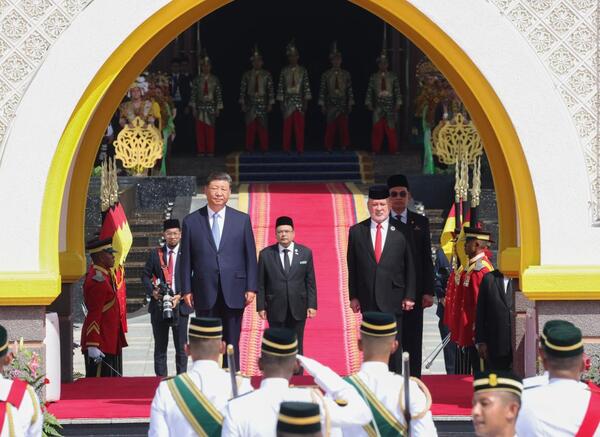
China and Malaysia reject displacement and call for the establishment of a Palestinian state.

China and Malaysia expressed their rejection of forced displacement and called for the establishment of an independent Palestinian state based on the two-state solution.


China and Malaysia affirmed in a joint statement issued Thursday at the conclusion of Chinese President Xi Jinping's official visit to Malaysia, published by Xinhua News Agency, that Gaza belongs to the Palestinian people and is an integral part of the Palestinian territories.


Both sides stressed the need to adhere to the principle of "Palestinians govern Palestine" in the post-war administration of Gaza, and expressed their rejection of the forced displacement of Gaza's residents.


The two sides also called for the establishment of an independent Palestinian state based on the two-state solution and the need for Palestine to obtain full membership in the United Nations.

PALESTINE

Thu 17 Apr 2025 9:31 am - Jerusalem Time

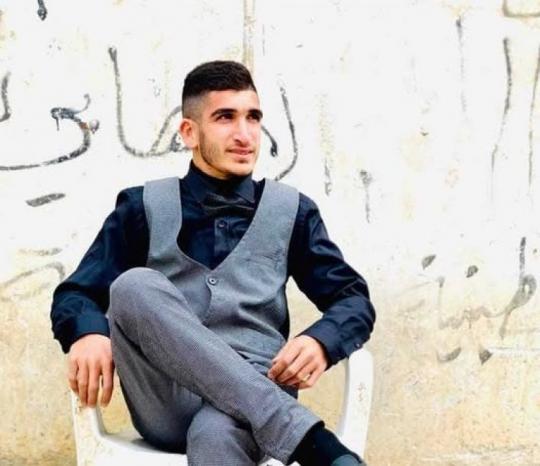
The death of detainee Musab Adili from Hawara in the occupation's prisons.

The Commission of Prisoners' Affairs and the Palestinian Prisoners' Club announced the death of prisoner Musab Hassan Adili (20 years old) from the town of Hawara, south of Nablus, in Soroka Hospital last night.

The Commission and the Prisoners' Club clarified in a joint statement on Thursday that the martyr Adili had been detained since March 22, 2024, and was sentenced to one year and one month in prison. He was scheduled to be released three days later.

The statement noted that Adili's martyrdom adds to the list of martyrs of the prisoner movement, who have been killed as a result of the organized crimes perpetrated by the Israeli occupation prison system in an unprecedented manner since the beginning of the ongoing genocide.

He pointed out that with the death of the prisoner Adili, the number of martyrs among the prisoners and detainees since the genocide has risen to (64), and they are the only ones whose identities are known in light of the continuation of the crime of enforced disappearance, among them at least (40) from Gaza, so that this stage in the history of the prisoner movement and our people is the bloodiest, and thus the number of martyrs of the prisoner movement whose identities are known since 1967 has reached (301) to date, while the number of martyr prisoners whose bodies are being held has reached (73), among them (62) since the genocide.

The Commission and the Club added that the martyrdom of prisoner Adili on Palestinian Prisoners' Day constitutes a new crime in the record of the brutal Israeli regime, which has practiced all forms of crimes with the aim of killing prisoners. These crimes constitute another aspect of the ongoing genocide.

T

PALESTINE

Thu 17 Apr 2025 9:23 am - Jerusalem Time

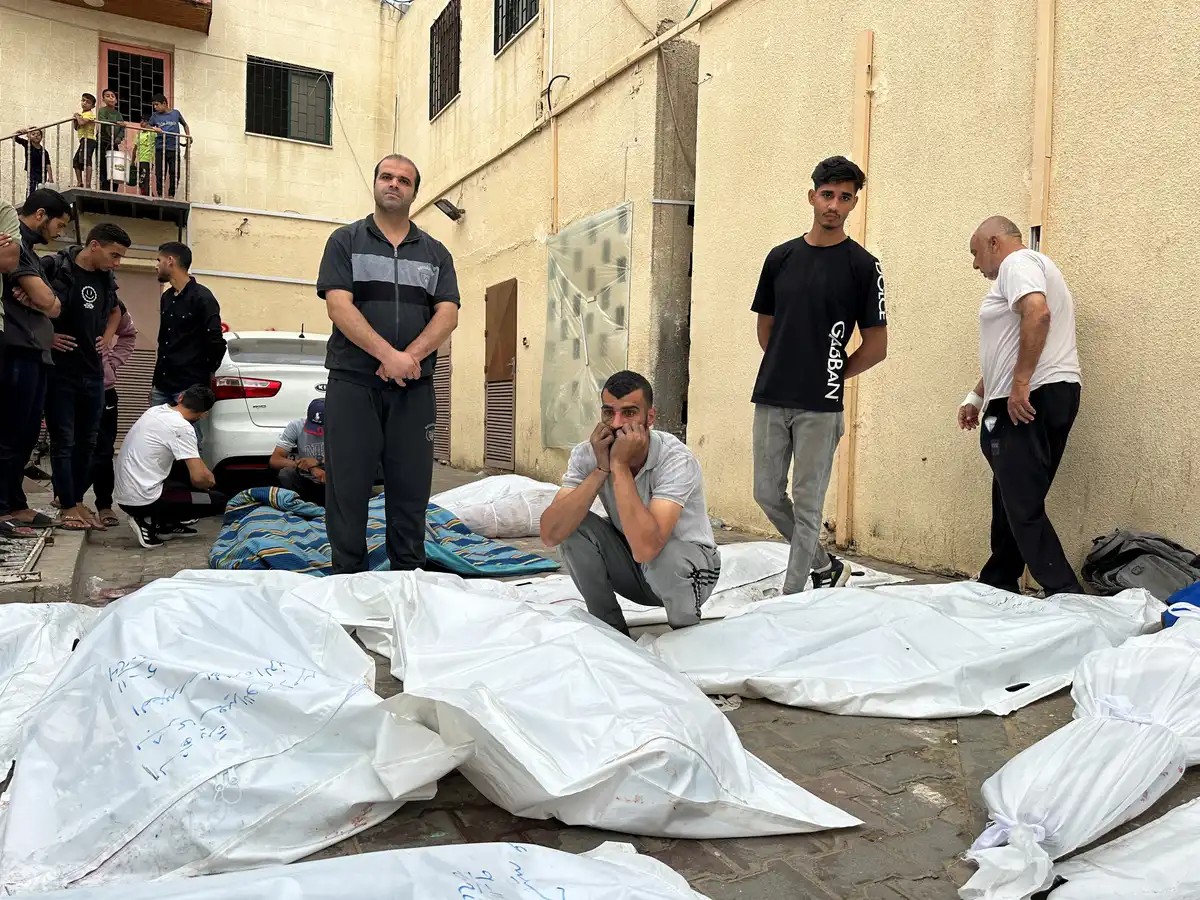
10 dead in the occupation's bombing of a tent sheltering displaced people west of Khan Yunis.

Ten civilians were killed and others injured tonight when the Israeli occupation forces bombed a tent housing displaced persons west of Khan Yunis, south of the Gaza Strip.

WAFA reported that Israeli warplanes bombed a tent housing displaced persons in the Al-Mawasi area west of Khan Yunis, killing 10 civilians and wounding others. The agency noted that the bodies of the martyrs were charred as a result of the fire that broke out in the tent.

The wounded and the bodies of the martyrs were transferred to Nasser Hospital in the city.

In the central Gaza Strip, a citizen was killed and others were injured when the occupation forces bombed a gathering of civilians west of Deir al-Balah.

On Wednesday evening, four civilians were killed and dozens injured as a result of the Israeli occupation's bombing of the cities of Deir al-Balah and Khan Yunis.

WAFA reported that Israeli warplanes targeted a group of civilians in the Al-Baraka area of Deir al-Balah, killing two of them and wounding others.

He added that Israeli drones bombed a group of civilians west of Khan Yunis camp, killing two and wounding others.

A number of civilians were also injured when Israeli drones bombed civilians in the Al-Amal neighborhood, west of Khan Yunis, while Israeli warplanes launched two raids on the vicinity of the Qudaih neighborhood, east of the town of Abasan al-Kabira, east of the city.

A number of citizens were killed and others were injured, most of them seriously, when the Israeli occupation forces targeted the Al-Tuffah neighborhood east of Gaza City.

Since October 7, 2023, the Israeli occupation has been committing genocidal crimes in the Gaza Strip, leaving more than 167,000 dead and wounded, most of them children and women, and more than 11,000 missing.

ARAB AND WORLD

Wed 16 Apr 2025 9:29 pm - Jerusalem Time

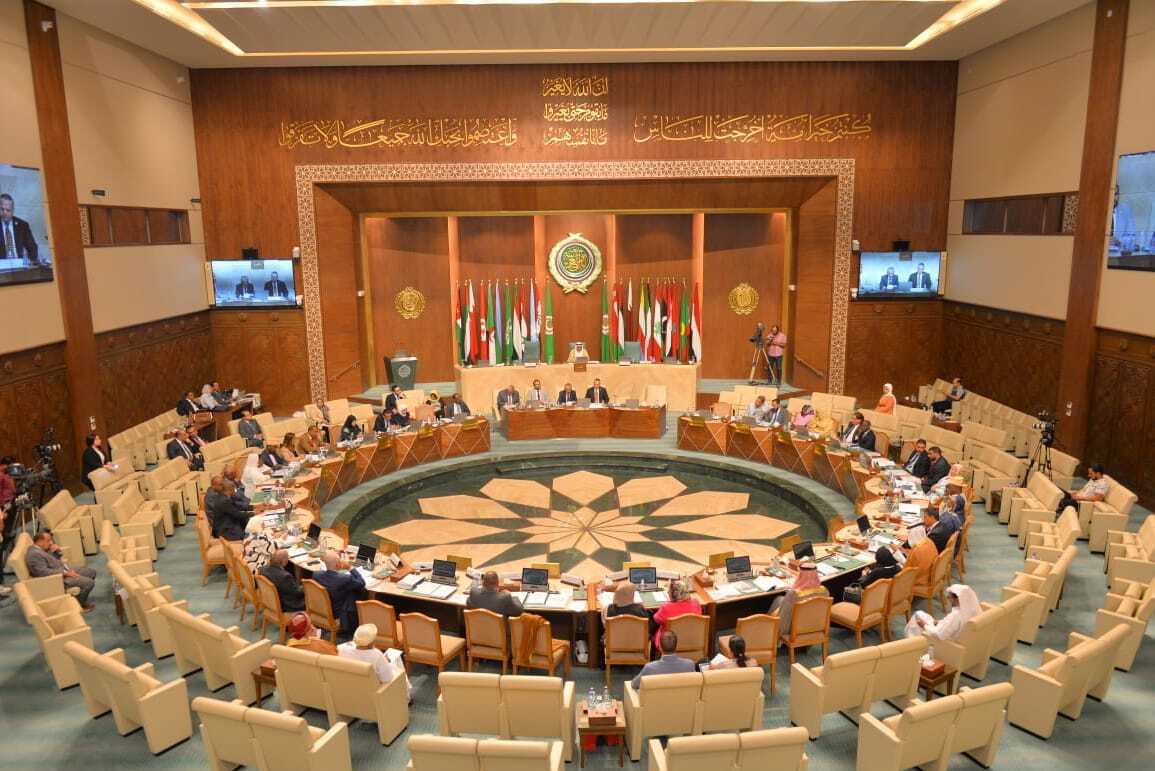
The Arab Parliament and the Russian Duma stress the need to stop the aggression on Gaza.

The Arab Parliament and the Russian Duma stressed the need to halt the Israeli aggression on Gaza.


A statement issued by the Arab Parliament on Wednesday said that its Speaker, Mohammed bin Ahmed Al-Yamahi, and Deputy Speaker of the Russian State Duma, Alexander Babakov, stressed during their meeting in Cairo the need to reach final political settlements to crises in the region, free from any foreign interference and in a manner that preserves the security, sovereignty, safety, and territorial integrity of Arab countries.


The Deputy Speaker of the Russian Duma affirmed his country's full support for the Arab states' positions on the need for an immediate halt to the Israeli aggression.


For his part, Al Yamahi affirmed the Arab Parliament's commitment to strengthening parliamentary relations with the Russian Federation at all levels, its support for the establishment of the Arab-Russian Parliamentary Forum as soon as possible, and its support for the Arab Parliament's accession to the BRICS Plus Parliamentary Forum.

PALESTINE

Wed 16 Apr 2025 8:21 pm - Jerusalem Time

UNRWA: Severe medicine shortage in Gaza poses a serious threat to patients' lives

The United Nations Relief and Works Agency for Palestine Refugees (UNRWA) confirmed on Wednesday that the severe shortage of medicines and medical supplies in the Gaza Strip poses a serious threat to the lives of patients.


The agency said in a statement on its official website that the entire healthcare system in Gaza has been under attack since the beginning of the aggression, calling for the lifting of the ongoing blockade imposed by the Israeli occupation forces on Gaza and a renewal of the ceasefire.


In the same context, Doctors Without Borders said in a report published Wednesday that "the Gaza Strip has become a mass grave for Palestinians and those who help them."


The organization added, "Deliberately blocking access to essential aid is once again systematically destroying the lives of Palestinians," calling for "the immediate lifting of the blockade on Gaza, the protection of the lives of Palestinians and humanitarian and medical workers, and the restoration and maintenance of the ceasefire."

PALESTINE

Wed 16 Apr 2025 7:57 pm - Jerusalem Time

The Israeli occupation confirms its refusal to allow aid into the Gaza Strip.

The Israeli occupation announced on Wednesday that it will continue to prevent the entry of humanitarian aid into the Gaza Strip, which its ongoing attacks for nearly 18 months, resulting in more martyrs every day, have turned into a "mass grave," according to the medical charity Doctors Without Borders.


Israel halted aid deliveries to Gaza on March 2 before resuming air and ground attacks across the territory on March 18, ending a two-month ceasefire with Hamas.


This has exacerbated the worsening humanitarian crisis, amid ongoing airstrikes, shelling, and military attacks that the Gaza Civil Defense said killed at least 11 people on Wednesday, according to Agence France-Presse.


Israeli Defense Minister Yisrael Katz affirmed in a statement that "Israel's policy is clear: no humanitarian aid will enter Gaza, and preventing this aid is one of the main pressure tools that prevents Hamas from using it as a tool to pressure the population."


Katz added, "No one is currently planning to allow any humanitarian aid into Gaza, and there are no preparations to allow it in."


Israeli Prime Minister Benjamin Netanyahu said Tuesday during a tour of army forces in northern Gaza accompanied by Katz, "Hamas will continue to receive further blows," according to a statement issued by his office.


In Ramallah, the Palestinian Foreign Ministry condemned Netanyahu's "incursion" into the northern Gaza Strip on Wednesday, describing it as "disregard for the international consensus to halt genocide, displacement, and annexation."


The Foreign Ministry affirmed in a statement that "Benjamin Netanyahu's provocative incursion into the northern Gaza Strip, and the statements and remarks he made, aim to prolong and deepen the crimes of genocide and displacement, in an attempt to evade the requirements of an immediate cessation of aggression and the implementation of precautionary orders issued by the International Court of Justice and relevant United Nations resolutions."


Video of an Israeli detainee

For its part, the Al-Quds Brigades, the military wing of the Islamic Jihad movement, released a video on Wednesday showing a live Israeli captive in Gaza.


The detainee, identified by Israeli media as Rom Barslavsky, who also holds German citizenship, is seen speaking about the difficult conditions of his detention and appealing to the Israeli Prime Minister to secure his release.


The detainee is also seen asking US President Donald Trump about his promise to release all detainees in a prisoner exchange deal.


These developments come as the UN Office for the Coordination of Humanitarian Affairs (OCHA) warned on Monday that the humanitarian situation in Gaza is likely the worst since the outbreak of the war, with the ongoing blockade and closure of crossings. It noted that a month and a half has passed "since any supplies have been allowed in, the longest period of time that supplies have been halted to date."


Hundreds of thousands of Gazans have been displaced since the resumption of attacks, with nearly all of Gaza's population forced to flee repeatedly since the start of the war amid the total lack of security.


Amid the ongoing blockade of the Gaza Strip, home to 2.4 million Palestinians, the non-governmental organization Doctors Without Borders (MSF) said Wednesday that the Gaza Strip has become a "mass graveyard for Palestinians and those who rush to their aid" as a result of military operations and Israel's prevention of aid entry.


"We are witnessing the annihilation and forced displacement of Gaza's population," said Amand Bazirol, Emergency Coordinator for the Gaza Strip, noting that the humanitarian response "is severely affected by insecurity and severe shortages."


On April 28, the International Court of Justice is scheduled to begin hearings on Israel's humanitarian obligations towards the Palestinians, after the UN General Assembly asked the Supreme Court in The Hague to issue an advisory opinion on the matter.


The General Assembly resolution calls on the International Court of Justice to clarify what Israel must do to "ensure and facilitate the unimpeded provision of urgent supplies necessary for the survival of Palestinian civilians."


However, although the ICJ's decisions are legally binding, there is no concrete mechanism for enforcing them. Nevertheless, they increase diplomatic pressure.


PALESTINE

Wed 16 Apr 2025 7:38 pm - Jerusalem Time

Dead and wounded as a result of the occupation targeting the Al-Tuffah neighborhood, east of Gaza.

A number of civilians were killed and others were injured, most of them seriously, when the Israeli occupation forces targeted Gaza City in the central Gaza Strip.


According to local sources, a number of citizens were killed, including Khaled Mohammed Abu Shaib and Misbah Mohammed Abu Shaib, and others were injured, when the occupation forces targeted the Al-Tuffah neighborhood east of Gaza City.


In the same context, three citizens, including a child, were injured when a group of citizens were targeted in the Al-Barakah area of Deir al-Balah in the central Gaza Strip.


ARAB AND WORLD

Wed 16 Apr 2025 5:05 pm - Jerusalem Time

Egypt looks forward to the European Union's participation in the Gaza reconstruction conference.

Egypt expressed its aspiration for the European Union to continue its support for the Palestinian Authority and to participate effectively and constructively in the Gaza Early Recovery and Reconstruction Conference, which Egypt is scheduled to host in cooperation with the United Nations and the Palestinian government.


In a statement issued by the Ministry of Foreign Affairs on Wednesday, Cairo welcomed the European Commission's announcement on April 14 of a multi-year financial program for Palestinian recovery, estimated at €1.6 billion. This program reflects the European Union's support for the Palestinian Authority and the empowerment of its institutions, and contributes to achieving the aspirations of the Palestinian people and meeting their legitimate needs in the Gaza Strip and the West Bank.


To counter calls for the "displacement of Palestinians" from their land, the Arab Summit in Cairo last month approved an Egyptian proposal aimed at "early recovery and reconstruction of Gaza, in specific phases, over a period of five years, at an estimated cost of $53 billion." The proposal to "displace Palestinians" from Gaza, advocated by US President Donald Trump and Israeli officials, has been met with widespread Arab and Islamic rejection.


Cairo called for an international conference to support the reconstruction of Gaza, in coordination with the United Nations. During a press conference with his French counterpart, Emmanuel Macron, during his visit to Egypt this month, Egyptian President Abdel Fattah el-Sisi indicated that "the conference will be held as soon as hostilities in the Strip cease."


According to a statement issued by the Egyptian Cabinet on Wednesday, Cairo affirmed that the European Union's position reflects an understanding of the need to support the Palestinian people at this critical stage in their history of struggle, and to work toward a just and lasting settlement of the Palestinian issue based on the two-state solution.


Egypt also welcomed the amount allocated to support Palestinian refugees through the United Nations Relief and Works Agency (UNRWA) (82 million euros), especially since the agency's role in providing basic services and humanitarian aid to Palestinian refugees cannot be replaced or dispensed with.

PALESTINE

Wed 16 Apr 2025 3:58 pm - Jerusalem Time

Dead as a result of the occupation's bombing of Khan Yunis

Two citizens were killed and others were injured when Israeli drones bombed the city of Khan Yunis in the southern Gaza Strip.


According to local sources, Israeli drones bombed Street 2 in the town of Al-Qarara, north of Khan Yunis, killing two citizens: Khaled Al-Astal and Taher Al-Saqa.

PALESTINE

Wed 16 Apr 2025 3:21 pm - Jerusalem Time

MSF: Gaza is a mass grave


Doctors Without Borders said on Wednesday that "Israeli military operations" and the blocking of humanitarian aid have turned Gaza into a graveyard for Palestinians and those who help them.


Israeli Prime Minister Benjamin Netanyahu resumed his war of extermination on Gaza with US support on March 18, after deciding to withdraw from the ceasefire agreement reached in mid-January under the administration of former President Joe Biden. The agreement entered into force on January 19, 2024, and lasted for two months, with Netanyahu refusing to enter into negotiations for the next phase.


Hundreds of thousands of Gazans have been displaced, as Israeli authorities have blocked the delivery of humanitarian aid since March 2, before the truce collapsed.


The United Nations says medical supplies, fuel, water and other necessities are in scarce supply.


"Gaza has become a mass grave for Palestinians and those who help them," said Amandie Bazirol, MSF coordinator.


Last month, Israeli forces fired on ambulances in Gaza, killing 15 paramedics and rescuers in an incident that drew international condemnation.


"We are witnessing, in real time, the destruction and forced displacement of the entire population of Gaza," Bazirol added. "With no safe place for Palestinians or those trying to help them, the humanitarian response is severely strained by insecurity and severe shortages of supplies, leaving people with limited, if any, options for care."


The Israeli occupation authorities announced on Wednesday that they would continue to prevent the entry of humanitarian aid into Gaza. For his part, Defense Minister Israel Katz stated on Wednesday that Israel would continue to prevent the entry of aid into the besieged Strip, which has a population of 2.4 million. Israeli Defense Minister Katz said on Wednesday: "Israel's policy is clear: No humanitarian aid will enter Gaza, and preventing this aid is one of the main pressure tools to prevent Hamas from using it as a tool to pressure the population."


He added, "No one is currently planning to allow any humanitarian aid into Gaza, and there are no preparations to enable such aid."


Senior Israeli officials, including Prime Minister Benjamin Netanyahu, have repeatedly pointed to military pressure as the only way to secure the release of the remaining 58 detainees in Gaza.

PALESTINE

Wed 16 Apr 2025 2:55 pm - Jerusalem Time

Health: 25 dead and 89 injured in Gaza in 24 hours

The death toll from the Israeli aggression on the Gaza Strip has risen to 51,025, and the number of injuries to 116,432 since October 7, 2023.

Medical sources reported that the death toll includes 1,dead and 4,391 wounded since March 18.

It said that dead and 89 wounded arrived at hospitals in the Gaza Strip during the past 24 hours.


It explained that a numbe of dead remain under the rubble of destroyed homes and facilities, and on the roads, and that ambulances and specialist teams are unable to reach them due to limited resources.

PALESTINE

Wed 16 Apr 2025 2:22 pm - Jerusalem Time

ActionAid: Significant increase in cases of acute malnutrition among pregnant women and children in Gaza

Doctors at hospitals run by ActionAid's partner organization, the Community Return Association, in Gaza reported a sharp increase in cases of acute malnutrition among pregnant and breastfeeding women, as well as among young children, amid the ongoing complete blockade on aid entry and the depletion of remaining food supplies.

The foundation explained in a statement issued Wednesday that no food, clean water, medicine, or other essential supplies have entered Gaza for more than 45 days after Israeli authorities closed all border crossings and prevented the entry of all aid, amounting to collective punishment and starvation of the population.

She noted that people are suffering from hunger and rapidly deteriorating health due to the severe food shortage, which has led to the closure of bakeries and community kitchens, and left markets empty of most supplies.

She cited the testimony of pediatrician Dr. Wissal Abu Laban, head of the therapeutic nutrition department at the Al-Awda Community Hospital and Foundation in Nuseirat, central Gaza, who said, "The impact on pregnant and breastfeeding women was very clear."

She added, "We have noticed a very significant increase in the number of pregnant and breastfeeding women suffering from severe and moderate malnutrition. This is all a result of the blockade over the past month and the closure of the crossings. All of them suffer from anemia and iron deficiency due to the lack of food or nutritional supplements, which negatively impacts pregnancy."

She pointed out that most babies are born with a lower than normal weight. "Most of the cases we see now... involve babies with a low birth weight of less than 2.5 kilograms. Of course, there is a direct link between this and the pregnant mother's own nutrition."

She continued: "There are also cases of miscarriage and bleeding among women due to anemia during pregnancy." A recent survey conducted by the Nutrition Group found that "between 10% and 20% of pregnant and breastfeeding women suffer from malnutrition, while a third of pregnant women in Gaza – estimated at 55,000 – face high-risk pregnancies."

About 130 babies are born in Gaza every day, but essential medical supplies—such as anesthetics for delivery, painkillers, antibiotics, and blood units needed for complicated cases—are running out, according to the World Health Organization.

Malnutrition is also on the rise among young children, with medical sources in Gaza estimating that some 60,000 children are at risk of serious health complications due to malnutrition.

At the same time, access to medical care has become difficult, as UNICEF was forced to close 21 of its nutrition centers due to Israeli shelling or forced evacuation orders, leaving hundreds of children without access to treatment.

"After more than six weeks of deliberately and completely blocking aid to Gaza, the devastating consequences of this illegal and egregious decision are beginning to become clear," said Reham Jafari, ActionAid Palestine's communications and advocacy officer.

“Severe malnutrition is on the rise among pregnant women – threatening their lives and those of their children – and among young children, with catastrophic, lifelong health consequences. Every day the blockade on aid continues, this humanitarian catastrophe worsens,” she added. “The time for condemnation is over. People in Gaza who have not been killed in the relentless daily bombardment now face the risk of starvation. The international community must act immediately to bring a permanent end to this war, ensure the full withdrawal of the Israeli army from Gaza, as stipulated in the ceasefire agreement, and allow immediate and widespread access to life-saving aid to prevent the humanitarian catastrophe from worsening further.”

ARAB AND WORLD

Wed 16 Apr 2025 2:19 pm - Jerusalem Time

Witkoff changes his mind and says Iran must stop and eliminate nuclear enrichment.


US Special Envoy Steve Witkoff, who is negotiating with Iran on a new nuclear deal, said that Tehran must "halt and eliminate its nuclear enrichment program" to reach an agreement with Washington, in what appears to be an elevation of US demands ahead of another round of talks with Iranian officials.


Witkoff's remarks on Tuesday appeared to contradict his suggestion just a day earlier that the United States would be satisfied with Iran enriching uranium to a low level for energy production.


Witkoff had stated that the Trump administration was prepared to allow Iran to enrich uranium to a low level if it was subject to strict verification, a significant shift from the White House's initial demand to dismantle Tehran's nuclear program.


According to experts, this position, if adopted during the talks, which will resume on Saturday following an initial meeting held last weekend, will give Iran a foothold in its nuclear program and put the United States at odds with Israel's goals on the issue.


"They don't need to enrich beyond 3.67%," Witkoff said on Fox News on Monday night. "It will largely be about verifying the enrichment program and then ultimately verifying the weaponization potential."


The United States is seeking to impose strict restrictions on Iran's nuclear activities and missile program, while Tehran hopes to ease the economic sanctions that have damaged its economy. Before the Trump administration's first round of talks with Iran, held last weekend in Oman, Witkoff told the Wall Street Journal that the initial US position was that Iran's nuclear program must be dismantled. However, he also indicated that the White House would be willing to make concessions to reach an agreement.


President Trump warned that he might launch airstrikes if a nuclear agreement is not reached.


Iran has long refused to negotiate a waiver of its uranium enrichment capacity as part of what it describes as a civilian nuclear program used for electricity generation and medical research.


It's worth noting that the Obama administration's acceptance of Iranian enrichment was a key factor in paving the way for the 2015 nuclear agreement with Iran. This agreement set a ceiling on uranium enrichment at 3.67%, but ultimately allowed Iran to reach enrichment levels well beyond that. This prompted Trump to describe the agreement as weak and withdraw from it during his first term.


The 3.67% enrichment level is the standard for fueling nuclear power reactors, according to the Arms Control Association. Adhering to it would extend the time it would take Iran to refine material to the 90% fissile purity needed for nuclear weapons. Currently, Iran could produce enough weapons-grade fissile material in one or two weeks, according to US officials.


While the ideas Witkoff presented in his Fox News interview were similar to the Obama administration's 2015 agreement allowing Iran to enrich uranium, they differed in other important aspects, experts said.


Witkoff appeared to suggest that the Trump administration wants Iran to permanently maintain its enrichment at levels no higher than 3.67%. The 2015 deal included a series of "sunset" provisions that allowed for increased enrichment levels over time. By 2031, Iran would be free to enrich to any purity level and increase its enrichment stockpile to any level.


Witkoff also suggested that a future agreement should include missiles that Iran might use to deliver a nuclear weapon. He said that verification procedures should include "the type of missiles they have stored there, including the bomb's trigger."


Iran has refused to negotiate its arsenal of ballistic and cruise missiles, which it considers essential to its status as a major regional power and a means of compensating for its relatively weak air force, which US intelligence said in its annual threat assessment last month suffers from outdated equipment and limited training.


Israeli Prime Minister Benjamin Netanyahu has consistently called for an agreement similar to the 2003 agreement with Libya, whose nuclear program was dismantled. Under the so-called Libyan model, Iran's nuclear program would be eliminated and its enrichment sites destroyed under US supervision.


Analysts say the course of the talks indicates a difference in views between the United States and Israel, its main ally in the region.


Trump has indicated that he strongly prefers a diplomatic solution to military action, in which Iran could attack US allies and forces in the region and disrupt oil traffic through the Strait of Hormuz, one of the world's most important commercial waterways.


But he continued to threaten Tehran with dire consequences if it did not quickly agree to a new nuclear agreement. Trump said on Monday that this could include a US attack on Iranian nuclear facilities—a direct threat that US officials have generally avoided.


"It's very simple. They can't have a nuclear weapon, and they have to move quickly, because they're very close to having one, and they won't have one," he said.


When asked if this included the possibility of striking Iranian nuclear facilities, the president replied, "Absolutely."


Iran has long stated that it requires 20% enriched uranium to operate its research reactor, a level well above the minimum proposed by Witkoff. It began producing material enriched to this level in 2010.


According to reports, Iran currently produces 60% highly enriched uranium, the only non-nuclear weapons state to do so. This material can be quickly converted into the 90% fissile material needed to make a bomb.


Given Iran's progress in manufacturing and installing more advanced centrifuges for uranium enrichment, a 3.67% limit could allow Iran to accumulate enough fissile material for a bomb within several months unless its stockpile is shipped out of the country. Under the 2015 agreement, Tehran remained 12 months away from the so-called breakout point during the first decade, but the breakout time has since been significantly reduced.


Even if Iran had enough material to build a weapon, it would still need to be converted into a nuclear device. US officials say it would take several months for Iran to produce a nuclear weapon.


Iran is working hard to overcome the remaining obstacles. US intelligence, in its threat assessment, noted that Iranian Supreme Leader Ayatollah Ali Khamenei has not authorized the development of a nuclear weapon, but is likely under increasing pressure to do so.


Khamenei said on Tuesday that the first steps in the nuclear talks had been implemented well.


"We are neither very optimistic nor very pessimistic about the talks," he said, according to Iranian media.


There are currently IAEA inspectors in Iran, but Tehran has imposed significant restrictions on their activities.

PALESTINE

Wed 16 Apr 2025 12:59 pm - Jerusalem Time

Jerusalem Governorate: 1,398 dunums seized in the first three months of this year

The Jerusalem Governorate stated that the Israeli occupation authorities seized more than 1,398 dunams of land in the Jerusalem Governorate during the first three months of this year.


In a statement issued Wednesday, the organization added that the escalation of the occupation authorities' colonial policies constitutes a blatant assault on the rights of our people and a flagrant violation of international law and international legitimacy resolutions, foremost among which are Security Council Resolutions 242 and 2334, which affirm the illegitimacy of colonialism in the territories occupied in 1967, including East Jerusalem.


The governorate pointed out the seizure decisions issued by the occupation authorities, which came under the pretext of expanding streets, as is the case with the colonial Route No. 45, or to expand existing colonies such as Givat Binyamin, or by annexing colonial outposts and transforming them into official colonies, as happened with Bani Adam. It was also announced that infrastructure projects would be established to serve the colonial project in the heart of Palestinian neighborhoods, such as: Wadi al-Joz, al-Ram, Kafr Aqab, Mikhmas, and Qalandia.


She stressed that the announced colonial plans, including seven new colonial plans, reflect a clear trend toward Judaizing the city and imposing a new demographic reality by seizing Palestinian lands and forcing their indigenous inhabitants to leave. This is particularly true in the Sheikh Jarrah neighborhood, where the occupation authorities are seeking to establish the "Nahalat Shimon" settlement at the expense of the neighborhood's Jerusalemite residents, who are considered protected tenants under Jordanian law in force in East Jerusalem.


The Jerusalem Governorate warned against the colonial project known as "Greater Jerusalem," through which the occupation government seeks to annex 223 km of West Bank land to the Jerusalem Municipality. This project includes the annexation of 14 settlements, as part of three massive colonial blocs, aiming to fragment the West Bank, besiege the city of Jerusalem, and separate it from its Palestinian surroundings.


The governorate also warned of the occupation municipality's direct participation, for the first time, in colonial projects located in Palestinian neighborhoods within the city. This demonstrates the increasing involvement of official occupation institutions in implementing Judaization plans and changing the Arab-Palestinian character of Jerusalem.


She pointed out that these practices are part of a systematic policy to impose Israeli sovereignty over Jerusalem and eliminate the Palestinian presence there. She called on the international community, including the United Nations, the European Union, and Arab and Islamic countries, to take concrete and practical steps to halt these violations, ensure the protection of the Palestinian population from forced displacement policies, and preserve the legal and historical status of Jerusalem as an integral part of the occupied Palestinian territory.

PALESTINE

Wed 16 Apr 2025 12:30 pm - Jerusalem Time

Two dead shot by the occupation forces in Qabatiya, south of Jenin.

The General Authority of Civil Affairs informed the Ministry of Health on Wednesday that two young men were killed by Israeli occupation forces in the town of Qabatiya, south of Jenin.


According to the commission, the two  are: Muhammad Omar Muhammad Zakarna (23 years old), and the young man Marouh Yasser Rateb Khazimiya (19 years old).

ARAB AND WORLD

Wed 16 Apr 2025 12:27 pm - Jerusalem Time

A dead and an injured person in an Israeli attack targeting a vehicle in southern Lebanon.

One person was killed and another injured Wednesday morning when an Israeli drone targeted a vehicle in the Wadi al-Hujayr area of southern Lebanon.


The Lebanese agency reported that one person was killed and another injured as a result of the Israeli raid.


Lebanese media reported that ambulance crews transported an injured person from the targeted vehicle in Wadi al-Hujayr.


According to Israeli reports, the bombing targeted a Hezbollah member.


The bombing reportedly targeted a vehicle on the road between Al-Shumariyah and Al-Qusayr in Wadi Al-Hujayr, according to Lebanese media.


The Lebanese news agency reported Wednesday morning that Israel targeted last night "the civil defense center of the Islamic Al-Risala Association in the town of Tayr Harfa, and two prefabricated homes."


On October 8, 2023, Israel launched an attack on Lebanon, which escalated into a full-scale war on September 23, 2024, resulting in more than 4,000 deaths and approximately 17,000 injuries, in addition to the displacement of approximately 1.4 million people.


Since the ceasefire agreement came into effect on November 27, Israel has committed more than 1,440 violations, leaving approximately 125 dead and at least 371 wounded, according to official data.


Israel evaded completing its withdrawal from southern Lebanon by February 18, contrary to the agreement. It implemented a partial withdrawal while continuing to occupy five major hills within the areas it occupied during the last war.

PALESTINE

Wed 16 Apr 2025 12:04 pm - Jerusalem Time

Katz threatens Hamas and reveals a new mechanism for distributing aid in the Gaza Strip.

Israeli Defense Minister Yisrael Katz threatened Hamas on Wednesday that if it persists in rejecting the exchange deal, the military operation will expand and move to further stages.


Katz revealed in a statement that Israel is working on a new mechanism for distributing humanitarian aid in the Gaza Strip.


He said, "The plan to distribute humanitarian aid will be through non-military, private and civilian companies." He emphasized that preventing the entry of aid is one of the central pressure tools that prevents Hamas from exploiting this route to control the population, according to him.


He noted that, in the current situation, no one is planning to bring any kind of humanitarian aid into Gaza, and no preparations are being made for that.


He continued, "I emphasized that in the future, a mechanism should be established that relies on civilian companies to prevent Hamas from accessing aid in the future."


Regarding the Egyptian proposal, Katz explained that for the first time, the Egyptians have set a condition for concluding a comprehensive deal and ending the war by disarming Hamas and demilitarizing Gaza.


He said, "Our policy is clear and decisive: to make every effort possible to return the prisoners, to stop aid and find other ways to distribute it, to continuously target Hamas elements, to evacuate the population, to prepare the ground with firepower, and to annex the territories to the Israeli security zones without withdrawing from them."

PALESTINE

Wed 16 Apr 2025 11:44 am - Jerusalem Time

Gaza's Health Ministry reveals autopsy details of the bodies of the paramedics killed in Rafah.

The Director General of the Ministry of Health in Gaza, Dr. Munir al-Barsh, revealed that the autopsy report on the bodies of the paramedics killed in Rafah conclusively confirms that the Israeli occupation forces deliberately targeted them and buried them in a deep hole, a crime that exposes the falsity of the Israeli narrative regarding the circumstances of their deaths.


The health official explained that the results of the medical report completely refuted the occupation's allegations, proving that the victims were not killed accidentally, but were systematically targeted while performing their humanitarian duty.


He added that the continued closure of the crossings exacerbates the catastrophic health situation in the Gaza Strip and prevents the provision of medical care to patients and the wounded, given the scarcity of medicines and limited resources.


He stressed that medical personnel in Gaza are "overwhelmed with casualties and the wounded," and are facing significant difficulties in pursuing the occupation legally due to the ongoing aggression and deteriorating humanitarian conditions.


He pointed out that the health sector has lost more than 1,400 medical personnel since the start of the Israeli aggression, a shocking toll that reflects the extent of the direct targeting of health facilities and their workers.


He pointed out that the death toll continues to rise, as the specter of famine looms large among the besieged population, with the number of victims escalating due to shortages of food, water, and medicine.


In the same context, he explained that more than 13,000 patients in Gaza are eagerly awaiting permits to travel outside the Strip for treatment, amid Israel's refusal to open the crossings.


Gaza's health system faces imminent collapse, while the international community stands helpless in the face of crimes committed against medical and humanitarian personnel, in flagrant violation of international law and the Geneva Conventions.

PALESTINE

Wed 16 Apr 2025 11:40 am - Jerusalem Time

Planning to establish a colonial neighborhood and bulldoze dozens of dunams in the West Bank

The Wall and Settlement Resistance Commission stated that the occupying state is accelerating its colonial expansion operations at an unprecedented rate, not only in terms of expanding settlements and adding new units and buildings within them, but also in terms of establishing colonial neighborhoods far from the original colony.


The head of the Authority, Minister Mu'ayyad Shaaban, added in a statement issued on Wednesday that the occupation authorities have recently increased the pace of construction of these neighborhoods, which are eating into more citizens' lands. He explained that the maps attached to the master plans received, which the Authority's crews are analyzing and documenting, indicated the occupation state's intention to expand the "Etz Efraim" settlement, built on citizens' lands in the villages of Masha in the Salfit Governorate, and Saniriya in the Qalqilya Governorate, by depositing a master plan aimed at establishing a new neighborhood belonging to the settlement for the purpose of building 192 new colonial units on an area of 32 dunams, through the master plan numbered (Yush/1/6/126).


He added that the planning authorities in the occupying state studied 45 master plans for settlements in the West Bank, including Jerusalem (both within and outside the municipal boundaries), last March. They approved 16 master plans, while depositing 29 others.


He noted that the March plans targeted a total of 3,280 citizens' lands.


In the same context, settlers, under the protection of Israeli occupation forces, bulldozed dozens of dunams of Palestinian land in the village of Umm Safa, northwest of Ramallah.


Local sources reported that a settler bulldozer, under the protection of the occupation army, razed dozens of dunams of land planted with ancient olive trees in the southern part of the village.


She pointed out that settlers had cut down dozens of olive trees in the area over the past 48 hours.


The sources indicated that the settlers seized hundreds of dunams in the southern region, with the aim of transforming it into a pastoral colonial outpost.


She said there is a plan to displace the village's residents and establish a large colonial settlement complex on the lands and homes of the citizens, linking it to the two neighboring settlements, especially since it is the only village whose entrances have remained closed since the war of extermination, and have not been opened for a single minute.


Umm Safa's area is estimated at 4,000 dunams, of which only 300 dunams remain due to the occupation's measures, land encroachment, and the seizure of vast areas of it. This is the same area on which the citizens' homes are located.

Wed 16 Apr 2025 11:07 am - Jerusalem Time

Israel’s escalating West Bank assault is part of a larger plan to split the territory in two

By Qassam Muaddi  April 14, 2025  3

Israel is expanding its “Iron Wall” offensive in the West Bank as it approves plans to separate the northern West Bank from the south. The plan is an accelerated prelude to Israel's expected annexation of the West Bank.


Israeli forces escalated their offensive in the occupied West Bank last week across Palestinian cities and refugee camps, killing three Palestinians. The escalation came amid renewed Israeli plans to expedite annexation plans to solidify the expansion of key new settlement projects in the central West Bank, including connecting one of the largest Israeli settlements, Maale Adumim, to Jerusalem. 

Last Monday, April 7, Israeli forces opened fire at three children in the town of Turmusayya, northeast of Ramallah, killing 14-year-old Palestinian-American citizen Omar Saadeh. On Tuesday, April 8, Israeli forces shot and killed a Palestinian woman, Aminah Yaaqoub, 30, at an Israeli checkpoint near Salfit in the northern West Bank.

These killings raised the number of Palestinians killed by Israeli forces or settlers since October 2023 to more than 800, as the Israeli army increased its use of lethal force as part of an ongoing military crackdown on the West Bank’s cities and refugee camps.

Earlier this month, Israeli forces shot and killed a Palestinian man, Hamza Khamash, 33, and arrested his brother during a raid into the city of Nablus. On the same day, Israeli forces raided the refugee camp of Dheisheh in southern Bethlehem and injured two 15-year-old Palestinian boys and two Palestinian men aged 50 and 46. The raid on Dheisheh lasted for more than seven hours, including house searches and multiple arrests. Israeli forces also threw leaflets in Dheisheh threatening residents of “the same fate of Tulkarem and Jenin” refugee camps if they harbor militant elements in the camp. Leaflets portrayed a picture of a destroyed street in one of the northern West Bank’s refugee camps, where Israeli forces have forced tens of thousands of Palestinians out of their homes.

Israeli forces also intensified their attack on Jenin with airstrikes on the already-depopulated refugee camp, detaining Palestinians in the surroundings of the camp and searching their phones.

This military campaign first began after the signing of the now-broken ceasefire deal in Gaza. The military offensive, dubbed “Operation Iron Wall,” started in Jenin and expanded to other parts of the northern West Bank following the start of the short-lived ceasefire between Israel and Hamas in mid-January. However, the operation is also an accelerated prelude to Israel’s annexation of the occupied West Bank, as pledged by Israel’s far-right Finance Minister, Bezalel Smotrich.

The plan to bifurcate the West Bank

The launching of the “Iron Wall” offensive has been described by the families of Israeli captives held in Gaza as compensation offered to Smotrich in exchange for accepting the signing of the ceasefire and refraining from quitting Netanyahu’s right-wing governing coalition. 

In reality, Smotrich’s agenda of crushing Palestinian refugee camps is part of the Israeli government’s broader stated agenda for annexing the West Bank. The escalation of Israel’s military campaign against Palestinian cities came as an echo to developments in Gaza, as Israel announced the expansion of its ground invasion in the strip last week, especially in Rafah. This West Bank escalation was also coupled with the expansion of new settlement projects.

On March 30, the Israeli cabinet approved a new settlement roads project east of Jerusalem. The project includes a road that circumvents the center of the West Bank between Jerusalem and the Jordan Valley, allegedly allowing Palestinians to drive directly from Bethlehem to Jericho and isolating both areas definitively from Jerusalem. The current highway, one of the few Israeli highways on parts of which Palestinians are allowed to drive, will be exclusively reserved for Israelis, connecting Jerusalem with Israeli settlements that expand from the east of Jerusalem to the Jordan Valley. Most central to this annexation project is the second-largest Israeli settlement, Maaale Adumim, which houses 40,000 Israelis.

On March 30, the Israeli cabinet approved a new settlement roads project east of Jerusalem. Linking Jerusalem with settlements to the east would cut the West Bank in half. It’s a plan that Israel has had in the works for years but has now gained official approval.

Linking Jerusalem with settlements to the east would separate the south and the north of the West Bank and create a geographical continuity between Israel’s 1948 boundaries, Jerusalem, and Israeli settlements. Most crucially, the West Bank would be bifurcated. It’s a plan that Israel has had in the works for years but has now gained official approval.

The Palestinian Bedouin village of Khan Al-Ahmar, located in the center of the soon-to-be isolated area, would become inaccessible for Palestinian vehicles and would be reached only on foot.

The project would cost $91 million and be covered by money in a special budget reserved for services to Palestinians separate from the Israeli government’s budget. The Israeli organization Peace Now said in a statement that the project “serves no purpose in improving Palestinian transportation. Instead, it is solely aimed at facilitating the annexation of a vast area, approximately 3% of the West Bank, into Israel.”

Israel’s Defense Minister, Israel Katz, stated that the project “will enhance security by separating Israeli and Palestinian circulation,” while the mayor of the Maale Adumim settlement called the project’s approval “a historical moment.” Peace Now warned that the project would “eliminate the possibility of ending the conflict and a two-state solution.”

Earlier this month, while standing alongside Bezalel Smotrich, Katz said in a video that Israel “will not allow the Palestinian Authority and Abu Mazen [the PA President, Mahmoud Abbas] to impose their control on the West Bank’s lands through illegal building that threatens the settlements’ security.” 

Katz added that “just as we crush terrorism in the camps of Jenin, Tulkarem, and Nur Shams, we will also prevent the Palestinian Authority from controlling lands in Judea and Samaria” — the Israeli term for the West Bank — by preventing the PA’s so-called “illegal building” projects that “threaten settlements.”

Katz made his statements during a tour of several West Bank settlements accompanied by Smotrich. In the video, Smotrich said that “there hasn’t been such a revolution [in settlement building] in Judea and Samaria since 1967.” 

“Israel’s government works on developing settlements and combats Arab illegal building, which has become a scourge to us in recent years,” the Finance Minister added.

Both Katz and Smotrich belong to the Israeli far right, whose voting base comes largely from the settler movement. Smotrich has been leading calls to annex the West Bank since 2015 and has labeled his plan “the definitive solution.” This plan, according to Smotrich, would “end the conflict” by imposing Israeli control over the West Bank and annexing it to Israel’s 1948 boundaries, killing any chances for establishing a Palestinian state. This vision aligns with Israeli Prime Minister Benjamin Netanyahu’s longtime effort to undermine a two-state solution and prevent the establishment of a Palestinian state.

The Israeli far right has dominated Israeli politics in recent years, winning a majority of seats in the Knesset in five consecutive elections in two years. After October 7, 2023, Smotrich stated that his “definitive solution” of annexing the West Bank is “Israel’s response to Hamas.” Since then, Israel has been periodically escalating settlement expansion and violent crackdown on the West Bank, echoing developments in Gaza — with little to no international opposition.

Settler violence in the West Bank has displaced no less than 20 Bedouin communities in the West Bank since October 2023, while the Israeli army and settler attacks have killed more than 800 Palestinians in the same time period. According to UNRWA, Israel’s “Iron Wall” offensive has so far displaced well over 40,000 Palestinians and completely depopulated the Jenin and Tulkarem refugee camps, with Israel’s Defense Minister saying that its residents would not be allowed to return for at least a year.