ARAB AND WORLD

Sun 27 Jul 2025 10:43 am - Jerusalem Time

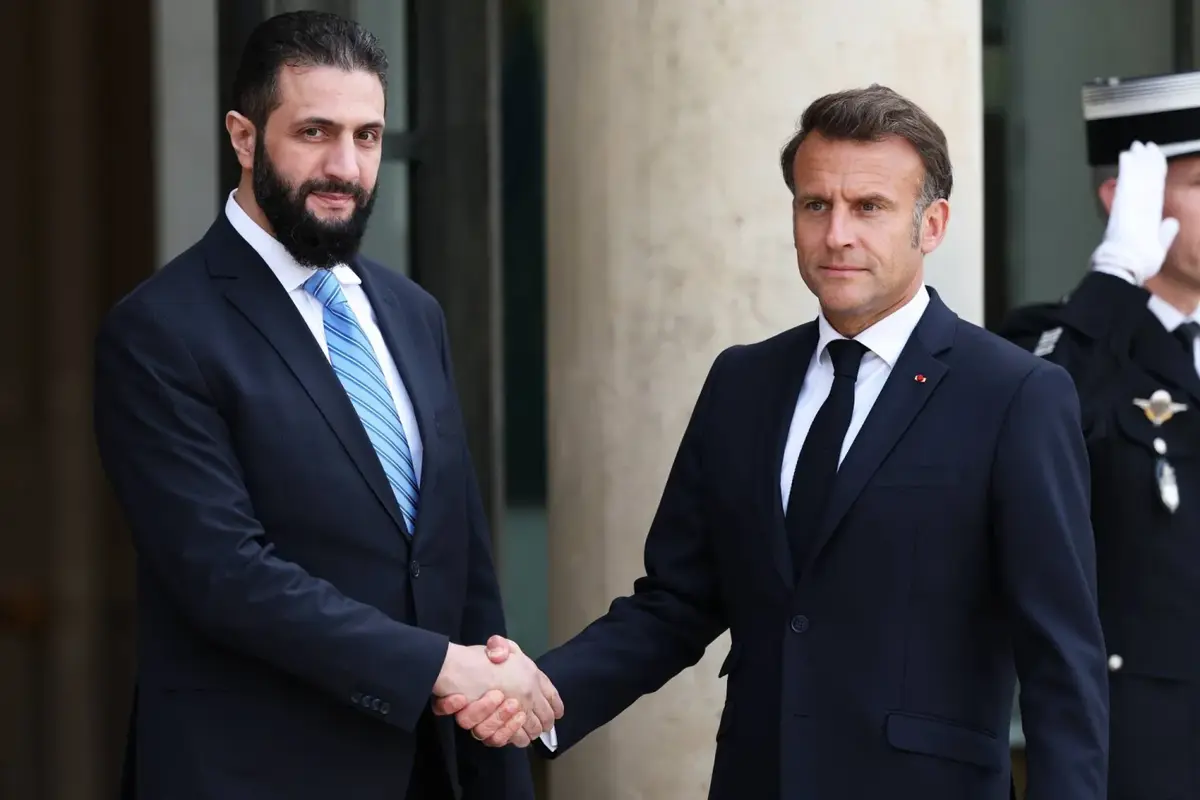
Macron affirms to Al-Sharaa his country's commitment to Syria's sovereignty and territorial integrity.

French President Emmanuel Macron said on Saturday that he affirmed, during a phone call with his Syrian counterpart, Ahmed al-Shara, his country's commitment to Syria's sovereignty and territorial integrity. He also affirmed his support for cooperation to achieve stability on the Syrian-Lebanese border.


Macron added, via the X platform, that he spoke with Sharaa about negotiations with the Syrian Democratic Forces (SDF), stressing the need to make progress in this regard.

Macron stressed France's commitment to Syria's sovereignty and territorial integrity, praising the ceasefire in Sweida as a "positive sign."

During the call, the French President stressed the importance of initiating a calm dialogue to achieve the goal of unifying Syria, ensuring everyone's rights within a national framework that guarantees security and good governance.

Macron said the call also touched on contacts between Syria and Israel.

He added, "I commended President Shara'a's commitment to combating terrorism and emphasized the need for joint cooperation in this area."

Powered by Froala Editor

PALESTINE

Sun 27 Jul 2025 10:29 am - Jerusalem Time

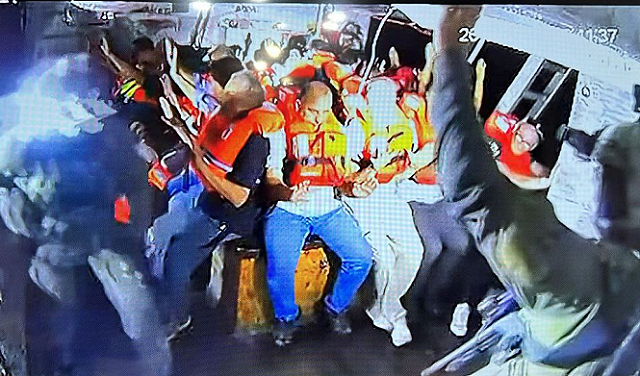
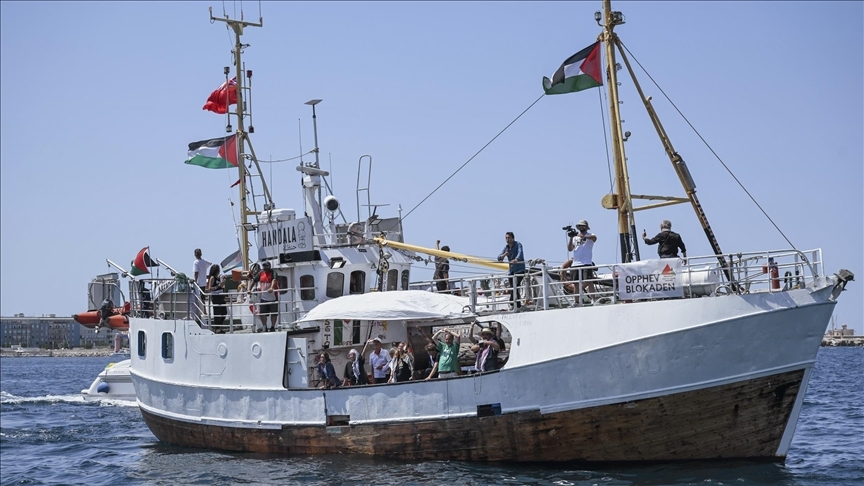
The Israeli army stormed the Hanthala ship and took its passengers to an unknown destination.

The Israeli military stormed the "Hanthala" ship, which was heading to Gaza to break the blockade. The ship declared a state of emergency after Israeli boats and drones were spotted nearby.

The Israeli Foreign Ministry said in a statement that "the air force stopped the ship that attempted to illegally enter the maritime area off the coast of Gaza. It is safely heading towards the Israeli coast, and all passengers are safe."

The Freedom Flotilla Coalition announced that the Israeli military attacked the ship while it was sailing in international waters. The fate of the activists on board and the destination to which they will be transferred remain unknown.

According to the Freedom Flotilla, the ship was carrying 21 activists representing 12 countries, including parliamentarians, lawyers, journalists, labor organizations, and environmental activists.

Activists on board the ship reported that Israeli naval forces were approaching them. Earlier, Israeli reports indicated that the army was preparing to seize the ship tonight.

The International Committee for Breaking the Siege on Gaza said earlier Saturday evening that the "Handala" ship was continuing its advance toward the Gaza Strip, and was now only about 70 miles from its shores, amid fears that it would be intercepted by the Israeli navy.

The committee explained that the ship, belonging to the naval coalition, heading to Gaza to break the Israeli blockade, is the closest ship to Gaza in years.

She stated that the ship exceeded the distances traveled by previous ships, such as the "Mavi Marmara," which was 72 miles away before being intercepted by Israel in 2010, the "Madeleine," which reached a distance of 110 miles, and the "Damir," which was 1,050 miles away.

The committee added that the ship was estimated to have an 8-hour journey time to reach the anchorage area.

The Freedom Flotilla Coalition is broadcasting the ship's movements live on its YouTube account, sharing real-time radar images.

The Freedom Flotilla Coalition announced earlier that drones were seen hovering over the Hanthala ship, which set sail from the Italian coast in a new attempt to break the Israeli blockade of the Gaza Strip.

In another post on the same Telegram channel, French MP Gabrielle Katla said they are "prepared for any potential intervention that may occur in the coming hours or tomorrow morning."

"We're all united, we're in solidarity and we're prepared. Drones are starting to head towards us. If the internet goes out, strange things could happen," she added.

She added: "Don't worry about us. Think about the Palestinians. They are suffering. What they are being subjected to in the shadow of the horrific genocide is far worse than the dangers we face on this ship."

On Thursday, the coalition announced in a post on Telegram that contact had been lost with the Hanthala and that there were multiple drones near the ship, adding, "This means it may have been intercepted or attacked."

On Friday morning, the coalition announced that contact had been restored with the ship after a two-hour hiatus, and that it was continuing its mission. It is now approximately 349 nautical miles from Gaza.

On July 13, the Hanthala set sail from the Italian port of Syracuse, before docking at Gallipoli on July 15 to overcome some technical issues. It then set sail again on July 20, carrying 21 activists on board.

It's worth noting that the Gaza blockade-breaking ship, "Al-Dameer," was attacked by an Israeli drone on May 2nd while attempting to sail toward Gaza, causing a hole in its hull and a fire in its bow.

On June 9, the Israeli occupation forces seized the "Madeleine" ship, part of the "Freedom Flotilla," in international waters while en route to the besieged Gaza Strip to deliver humanitarian aid. The ship was arrested along with 12 international activists on board. Israel later deported the activists on condition that they pledge not to return.

Famine has recently worsened in the Gaza Strip, with circulating photos and videos showing Palestinians there looking like skeletons from extreme hunger, as well as nausea, fatigue, and loss of consciousness.

On Tuesday, the World Food Programme warned that a third of Gaza's Palestinians have not eaten for several days due to the ongoing Israeli blockade of the Strip.

Since October 7, 2023, Israel has been waging a genocidal war in Gaza, including killing, starvation, destruction, and forced displacement, ignoring all international calls and orders from the International Court of Justice to halt it.

The US-backed genocide left more than 203,000 Palestinians dead or wounded, most of them children and women, and more than 9,000 missing, in addition to hundreds of thousands of displaced persons and a famine that claimed the lives of many.

PALESTINE

Sun 27 Jul 2025 9:55 am - Jerusalem Time

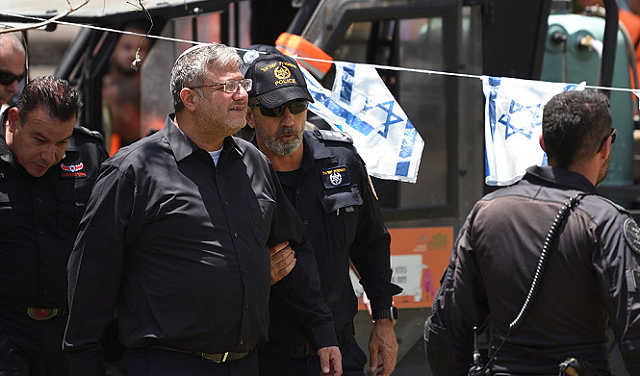
Ben-Gvir attacks the "introduction of aid" and affirms his adherence to the Netanyahu government.

Israeli National Security Minister Itamar Ben-Gvir said Sunday that he intends to call for an emergency session of the Security and Political Affairs Cabinet and the security cabinet, following his exclusion from the meeting that discussed the "truce in the Gaza Strip and increasing the entry of humanitarian aid" into the territory.

During an interview with Israeli public radio (Kan-Reshet Bet), Ben-Gvir said that a representative from the Prime Minister's Office called him and told him, "Look, we didn't want the Sabbath to be desecrated," as he put it. The minister responded, "That's the stupidest excuse I've ever heard. My phone is open 24/7 on Saturdays, and if necessary, I travel on Saturdays. I'm the Minister of National Security."

Ben-Gvir considered his exclusion from the meeting to be due to his political positions, explaining: "From my perspective, what's happening is strengthening Hamas. We're able to overcome President Donald Trump's ultimatum. So far, he's repeating the same phrases, while Israel continues to send food" to the Gaza Strip, he said.

Regarding Israel's international image amid mounting reports of famine in Gaza, Ben-Gvir stated, "We learned one thing from Iran: The world respects us when we act forcefully, decisively, and quickly." He added, "We must embark on a process of occupying the Strip, encouraging emigration, and killing thousands of Hamas fighters. We now have a golden opportunity."

Despite the escalation in his statements, Ben-Gvir did not threaten to withdraw from the government, but rather said: "When the time comes to resign, we will resign. But I want this government to remain in place because it is doing a good job. I only returned to it when it started fighting again. We must take a different path: to win, to destroy them, and to encourage emigration from Gaza."

Ben-Gvir issued a statement Saturday evening in which he said he had informed an official in the Prime Minister's Office that "what is happening is a surrender to the campaign of lies run by Hamas, which is endangering the lives of IDF soldiers." He considered this surrender "much more dangerous after the Prime Minister announced on Friday that he was looking for alternative ways to free the prisoners."

Ben-Gvir concluded by saying, "It seems that the 'alternative method' is to submit to Hamas and its false campaigns, and to increase the humanitarian aid that reaches it directly. This approach distances us from recovering the prisoners and further from achieving complete victory in the war," he said.

PALESTINE

Sun 27 Jul 2025 9:41 am - Jerusalem Time

A campaign of raids and arrests in the West Bank and Jerusalem

This morning, Sunday, the Israeli occupation forces launched a campaign of arrests and raids in the West Bank and occupied Jerusalem.

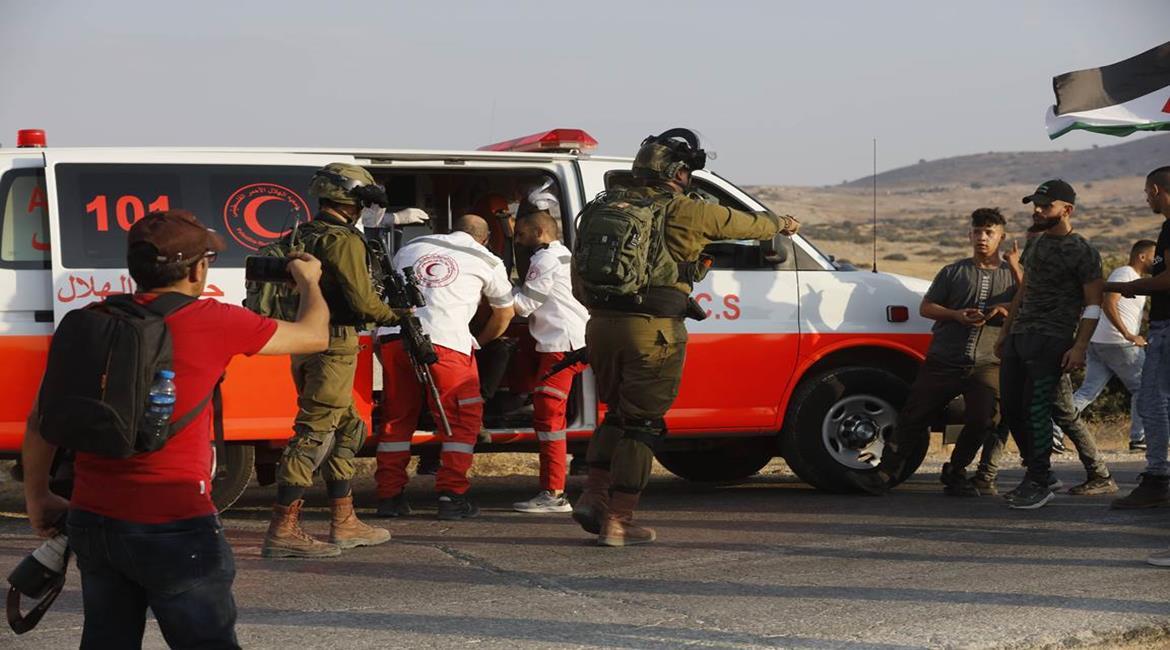
In occupied Jerusalem, occupation forces stormed Qalandia camp and arrested Nasser Jamal Bazie' after raiding his home.

They also raided a number of homes in the camp and ransacked their contents.

In Tulkarm, occupation forces arrested Nayef Al-Qarani after raiding his home and vandalizing its contents in the Aktaba suburb.

In Hebron, occupation forces raided the town of Sa'ir, east of Hebron, and arrested the freed prisoner Hiran Jaradat and the child Murad Al-Matour. They also raided the town of Adh Dhahiriya, south of Hebron, and arrested the father of the martyr Wadih Al-Samara, Muhammad Othman Al-Samara, his son Mutie, and his nephew. From the southern area of Hebron, they arrested Mahmoud Daoud Abu Turki, searched his house, confiscated his vehicle, and abused him and his family.

They also raided several homes in the Salaymeh neighborhood in the Old City of Hebron and abused citizens.


PALESTINE

Sun 27 Jul 2025 9:31 am - Jerusalem Time

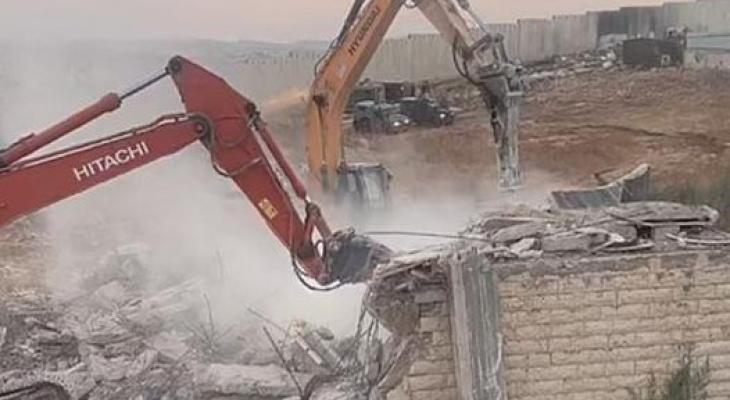
The occupation forces two families to demolish their homes in Jerusalem.

This morning, Sunday, the Israeli occupation authorities forced two Jerusalemite families to demolish their homes in occupied Jerusalem.

The Jerusalem Governorate reported that the Israeli municipality forced the Qaraeen family to demolish their home in the Al-Farouq neighborhood of Jabal al-Mukaber to avoid paying hefty fines and having the demolition carried out by Israeli bulldozers.

She explained that six residential apartments were reduced to rubble after the Halwani family was forced to demolish their building under pressure from the Israeli municipality in the town of Beit Hanina, north of Jerusalem. This resulted in the displacement of approximately 30 people, including children.

PALESTINE

Sun 27 Jul 2025 9:21 am - Jerusalem Time

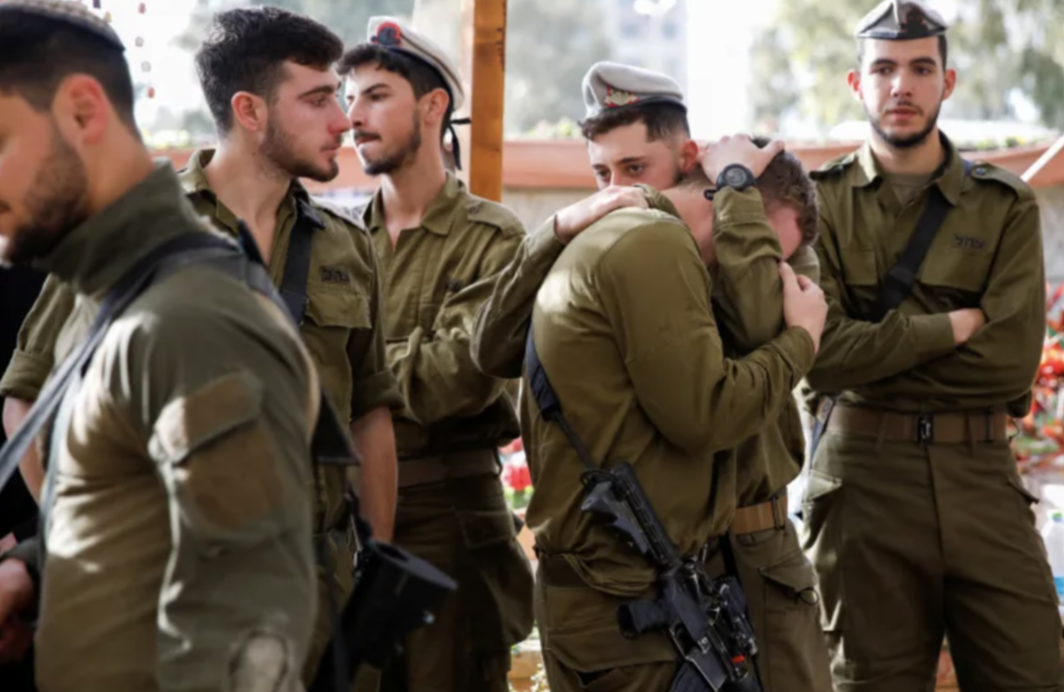
The Israeli army announces the killing of an officer and a soldier in the Gaza Strip.

The Israeli army announced Sunday morning the killing of an officer and a soldier during fighting in the southern Gaza Strip.

The army said in a statement that both serve in the technology and maintenance unit within the Golani Brigade.

PALESTINE

Sun 27 Jul 2025 9:13 am - Jerusalem Time

Updated: 22 dead, including 13 forcibly starved, in the Gaza Strip since dawn today

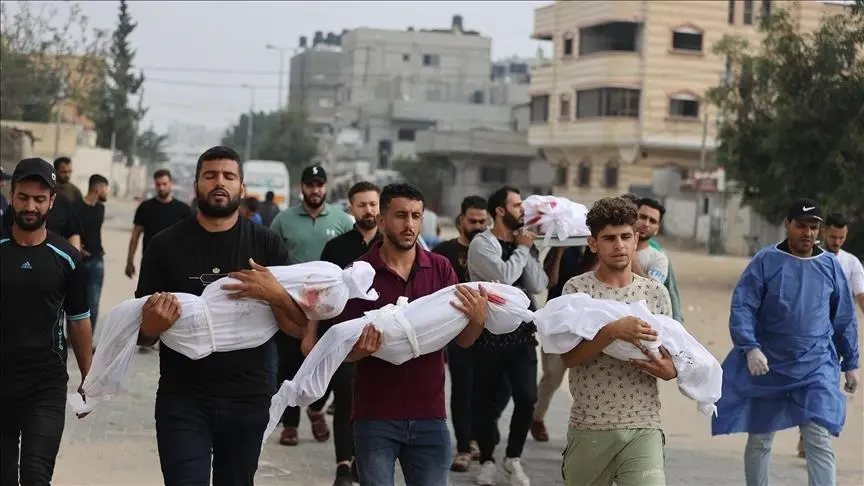
Twenty-two citizens, including two children, were killed and others injured on Sunday when Israeli occupation forces targeted people waiting for aid and displaced persons' tents in various parts of the Gaza Strip.

Medical sources reported that six civilians, including two children, were killed and others injured by Israeli occupation forces' fire near an aid distribution center southwest of Khan Yunis.

The same sources added that six citizens were killed and others were injured when the occupation forces targeted those waiting for aid on Al-Tina Street, north of Rafah.

As the occupation forces continue to directly and directly target aid-seekers across the Gaza Strip, one civilian was killed and others were wounded by gunfire in the Netzarim axis in the central Gaza Strip.

A number of citizens were also injured when the occupation forces targeted those waiting for aid on the Zikim axis in the northern Gaza Strip.

Ten citizens were killed yesterday evening by Israeli occupation forces while waiting for humanitarian aid northwest of Gaza.

Medical sources at Nasser Hospital reported that five civilians, including children, were killed and others injured when an Israeli drone bombed a tent housing displaced persons in the Mawasi area of Khan Yunis.

A source in the Al-Aqsa Martyrs Brigades said that four citizens were killed and others were injured when a drone bombed a tent housing displaced persons in Deir al-Balah, in the central Gaza Strip.

Since October 7, 2023, the occupying forces have launched an aggression against the Gaza Strip, resulting in the deaths of 59,733 citizens, the majority of whom were children and women, and the injury of 144,477 others. This is a preliminary toll, with a number of victims still under the rubble and on the streets, unable to be reached by ambulances and rescue teams.

ARAB AND WORLD

Sun 27 Jul 2025 8:53 am - Jerusalem Time

Witkoff: Negotiations with Hamas are back on track.

Fox News reported on Sunday that Steve Witkoff, the US special envoy to the Middle East, said that negotiations with Hamas, which had stalled, are getting back on track.

The network also quoted US Secretary of State Marco Rubio as saying that significant progress had been made in the Gaza negotiations.

"We hope to reach a ceasefire in which half the hostages will be released, and then the rest will be released at the end of the 60 days," Rubio said, adding, "The solution to what's happening in Gaza is very simple: Release the hostages, lay down your weapons, and the war will end."

Last Thursday, the Israeli delegation left Doha after receiving a response from Hamas regarding the proposal for a prisoner exchange deal and ceasefire.

Official sources in Tel Aviv claimed that Hamas' response was "negative," and said that "negotiations are ongoing, but the gaps are large and require difficult decisions."

On Friday, six members of the US Congress, in a joint statement, called on the Trump administration to pressure Israeli Prime Minister Benjamin Netanyahu to reach a ceasefire agreement in the Gaza Strip and return the prisoners as soon as possible, describing the humanitarian conditions in Gaza as "horrific and unacceptable."

Since October 7, 2023, Israel has been waging a genocidal war in Gaza, including killing, starvation, destruction, and forced displacement, ignoring international calls and orders from the International Court of Justice to halt it.

Other international negotiations

In a related context, Witkoff said that the Abraham Accords will expand, and it would not be surprising if approximately 10 countries join by the end of the year.

He added that negotiations with Iran will also return to track, as will negotiations regarding Russia and Ukraine.

He also indicated that the recent tension in Syria is on its way to being resolved.

"President Donald Trump is the world's policeman right now, and that's important because he brings order and stability," Witkoff said.

Source: Al Jazeera

Powered by Froala Editor

PALESTINE

Sun 27 Jul 2025 8:51 am - Jerusalem Time

Israel announces opening of humanitarian corridors as anger grows over Gaza famine

Amid growing international condemnation of the starvation of Palestinians in Gaza, the Israeli military announced on Saturday that it would begin a "humanitarian truce" in densely populated areas of the Strip and open corridors for UN aid convoys on Sunday. However, the military confirmed that its war would continue elsewhere.

Medical workers describe dire conditions on the ground, with hospitals overflowing with malnourished patients. Despite mounting evidence of widespread hunger, the Israeli military has repeatedly claimed that "there is no famine in the Gaza Strip," describing it as a "false campaign promoted by Hamas."

Israel has also said it has begun airdropping aid to Gaza, after stating earlier this week that it would allow foreign countries to do so. This method has been sharply criticized by humanitarian organizations as costly, ineffective, and dangerous to those on the ground. The Trump administration has yet to comment on Israel's decision and continues to insist that the current aid mechanism, through the Gaza Humanitarian Foundation (GHF), is sufficient to bring in aid, a claim disputed by all experts.

As international pressure mounts, Israeli Prime Minister Benjamin Netanyahu is also facing anti-war protests at home. Families of Israeli captives held a rally on Saturday to denounce the Netanyahu government's failure to secure the release of the Israeli hostages. The United States and Israel recalled their ceasefire negotiators this week, blaming Hamas for the collapse of the negotiations.

The occupation authorities announced a humanitarian truce in several population centers in the Gaza Strip, beginning Sunday morning and continuing until evening, according to what CNN reported, citing senior Israeli officials.

On Saturday night, the Israeli Air Force carried out airdrops of food aid to Gaza. Israeli authorities have announced that additional airdrops are expected in the coming days, including from Jordan and the United Arab Emirates.

According to the Axios news website, this truce is part of a broader set of measures approved by Israeli Prime Minister Benjamin Netanyahu on Saturday in response to growing international criticism over the catastrophic humanitarian crisis in Gaza.

This truce also marks the first time Israel has halted military operations in parts of Gaza since March, when it unilaterally resumed the war and halted the delivery of humanitarian aid, according to Axios.

During these pauses, the IDF will allow safe access for the United Nations and other relief organizations to population centers. The pauses will be repeated from time to time as needed, according to senior Israeli officials.

"In accordance with the directives of the political leadership, and following a situational assessment held this evening, the IDF has initiated a series of measures to improve the humanitarian response in the Gaza Strip," the IDF said in a statement on Saturday. "The IDF is prepared for humanitarian pauses in densely populated areas and will continue its operations against terrorists in the operational areas at the same time," it added.

The Israeli military also announced that Israel had reconnected an electricity line to operate the desalination plant in southern Gaza. This move is expected to increase water production from 2,000 to 20,000 cubic meters per day—enough to serve approximately 900,000 people. On Friday, the Ministry of Health in Gaza announced the deaths of nine more people from hunger-related complications in the past 24 hours. The ministry added that 122 Palestinians have died in recent days from similar symptoms, including 83 children.

Israel denied the existence of a famine in Gaza, describing it as "Hamas propaganda." However, an Israeli official acknowledged that the humanitarian situation was catastrophic.

The leaders of the United Kingdom, Germany, and France held an "emergency" phone call on Friday to discuss the crisis and issued a joint statement calling on "all parties to end the conflict by reaching an immediate ceasefire." They described the situation as a "humanitarian catastrophe" that "must end now," and urged Israel to lift restrictions on the flow of aid and allow the United Nations and humanitarian NGOs to operate freely to combat hunger. The leaders emphasized that "Israel must uphold its obligations under international humanitarian law."

Amid mounting international pressure, Netanyahu held a meeting on Friday to discuss the humanitarian situation in Gaza. Israeli Foreign Minister Gideon Sa'ar urged immediate steps to address the crisis—including a humanitarian ceasefire—but Defense Minister Israel Katz objected, and the meeting ended without a decision, according to Axios, which reported that Netanyahu held another conference call with Sa'ar, Katz, and other senior ministers. This time, Katz dropped his opposition, and a decision was made to implement a ceasefire starting Sunday morning.

Netanyahu also did not invite far-right ministers Bezalel Smotrich and Itamar Ben-Gvir—both of whom are vocal opponents of a ceasefire on humanitarian grounds—and did not inform them of the decision until after it was finalized, according to Axios.

Powered by Froala Editor

OPINIONS

Sun 27 Jul 2025 8:49 am - Jerusalem Time

France recognizes Palestine: the earthquake that toppled the last bastions of Western complicity and reshaped the map of conflict in the Middle East.

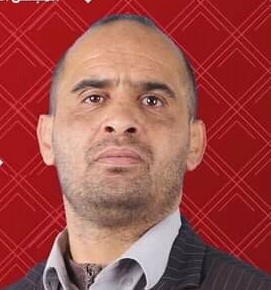
Bin Muammar Al-Hajj Issa

In a historic moment that will go down in the annals of the Palestinian struggle as one of the most significant strategic shifts since the 1948 Nakba, France announced its intention to officially recognize the State of Palestine during the UN General Assembly next September. France thus became the first G7 country to break the decades-long international silence on the crimes of the Israeli occupation. This decision, described by Dimitri Diliani, a member of the Fatah Revolutionary Council, as a "strategic breakthrough in the wall of international paralysis," did not come out of nowhere. Rather, it is the product of bloody escalations on the ground, as the Israeli war machine continues to crush Gaza since October 2023 in a systematic campaign of genocide that has resulted in the deaths of more than 59,000 Palestinians, including 25,000 children and 15,000 women, and the injury of more than 140,000 others. This is not to mention the forced displacement of more than 2.2 million citizens under the weight of systematic bombing and the complete destruction of infrastructure.
What makes this recognition all the more urgent is that it coincides with an escalation in Israeli settlement projects in the West Bank. The Israeli Knesset is actively working to pass bills aimed at formally annexing large parts of the West Bank, a flagrant violation of international law and a direct challenge to any hope of establishing a viable Palestinian state. This bold Israeli move exposes the true face of the Oslo Accords, which over the course of 30 years have transformed from a purported framework for a peaceful solution into a legal cover for land confiscation and settlement expansion. Israel has exploited these agreements to increase the number of settlers in the West Bank from 110,000 in 1993 to more than 700,000 today, while the actual area available for a Palestinian state has shrunk to scattered, disconnected islands.
The French recognition, which joins a series of previous European recognitions (Spain, Norway, Ireland, and Slovenia), represents a fundamental shift in the international position on the Palestinian issue. It is no longer possible for Western countries to remain entrenched behind the American position of refusing recognition while Israel commits daily war crimes, with indisputable evidence. This shift essentially reflects a profound crisis in the traditional Israeli narrative, which for decades has promoted the notion that recognition of a Palestinian state must be the result of negotiations and not a unilateral decision. The reality on the ground, however, proves that Israel has used the peace process as a pretext to seize more Palestinian land.
The strategic dimension of this recognition goes beyond being a symbolic diplomatic step. It represents a political earthquake that shakes the foundations of the traditional Western alliance with Israel. France, Israel's second-largest trading partner in the European Union after Germany, has explicitly declared that the policy of "double standards" is no longer acceptable in light of the daily scenes of Israeli massacres in Gaza. This decision places other European countries, particularly Germany, Italy, and the Netherlands, at a crossroads: either keep pace with this historic shift or cling to positions that have lost all moral legitimacy.
Regionally, France's recognition places unprecedented pressure on Arab regimes that have normalized relations with Israel, particularly the UAE, Bahrain, Sudan, and Morocco, which signed the Abraham Accords in 2020. While Israel continues to commit the most heinous crimes against the Palestinian people, it becomes difficult for these countries to justify their continued normal relations with an occupying entity that violates the most basic principles of international law. This decision also places Saudi Arabia in an extremely delicate position, as Riyadh was considering normalization with Israel before boycotting it over the Gaza massacre. Now, with the rising wave of international recognition, it may be forced to radically recalculate its strategic calculations.
Yet despite the strategic importance of this recognition, fundamental questions remain: How can this diplomatic step be transformed into a tangible reality on the ground? Will recognition be merely ink on paper given Israel's continued effective control over all of Palestine's crossings, borders, airspace, and water resources? More importantly, will European countries translate their recognition of Palestine into practical measures such as imposing sanctions on Israel, freezing trade agreements, or halting arms supplies? The questions that urgently arise are: Are we witnessing the beginning of the end of the longest occupation in modern times, or will the international wall of silence be rebuilt once the media hype surrounding the Gaza massacre subsides? Ultimately, recognition remains a step in the right direction, but the road to true liberation remains long and thorny.


Powered by Froala Editor

PALESTINE

Sun 27 Jul 2025 8:47 am - Jerusalem Time

Palestinians of 1948 face the storm again

Palestinians of 1948 are suffering further racist oppression, intimidation, land confiscation, and home demolitions, under the protection of the far-right Israeli government led by Prime Minister Benjamin Netanyahu (who is wanted by the International Criminal Court). These practices have increased dramatically since October 7.
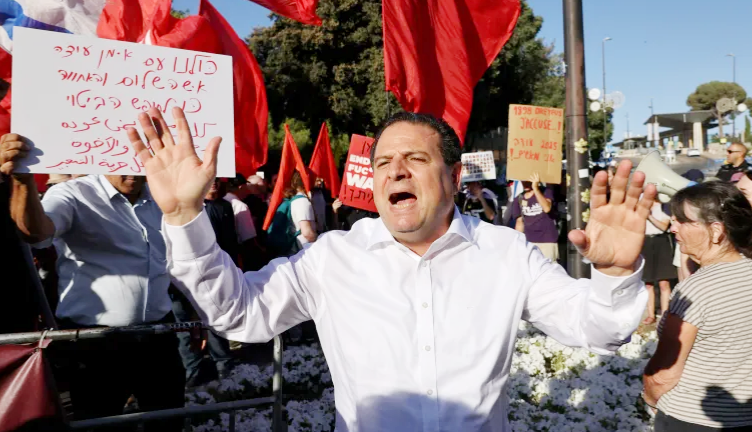
The coalition's attempt to pass a bill to expel MK Ayman Odeh, head of the Hadash-Ta'al alliance, from the Knesset provided the clearest illustration of these practices. Seventy-three members of the coalition and opposition parties called for his expulsion, but they were unable to secure the 90 votes out of 120—the legally required majority to expel an elected representative.
According to analysts, this development raises fundamental questions about the future of the 1948 Palestinians and their political participation in the Knesset, and reawakens discussion of the challenges and concerns they face under this extreme right-wing government.

confined existence
The number of Palestinians inside the Green Line is approximately 2.1 million, representing approximately 21% of Israel's population.
Their presence was confined to certain areas as a result of the military rule that lasted from 1948 to 1966, which restricted their movement and confiscated their lands, in addition to the massacres committed by Zionist gangs in 1948 that aimed to displace them from their areas.
Since 1948, more than 90% of Palestinian land inside Israel has been confiscated under the "Absentee Laws" and "State Property Laws," which prohibit the expansion of Arab towns and deny building permits.
Sami Abu Shehadeh, head of the National Democratic Assembly party and former Knesset member, told Al Jazeera Net that Israel has treated its Arab citizens as enemies since the Nakba, not just since October 7, 2023.

racist laws
Since the establishment of the occupying state, the Israeli government has enacted a series of laws that have tightened the noose on the Palestinians of 1948 and stripped them of their rights. The most prominent of these laws are:
Absentee Property Laws (1950): Under which the lands and properties of hundreds of thousands of Palestinian refugees and internally displaced persons were confiscated. Palestinians own only 9% of the land inside Israel, despite constituting 21% of the population.
Admissions Committees Law (2011): which allows Jews in small settlements to refuse Arabs residence among them on the grounds of “social and cultural inadequacy.”
The Knesset Members' Dismissal Law (2016): allows the expulsion of any Knesset member accused of supporting "terrorism" or denying the "Jewishness of the state." It is directed primarily against Arab MKs.
Loyalty in Culture Law (2018): Threatens to cut funding to cultural institutions if they “deny the existence of the State of Israel as a Jewish state.”
The Jewish Nation-State Law, enacted in 2018, is the pinnacle of apartheid laws. It stipulates that the right to self-determination in the country is exclusive to the Jewish people, supports Jewish settlement as a national value, and downgrades the status of Arabic from an official language to a "language with special status." It excludes Arab citizens and perpetuates structural discrimination against them.

There are laws that restrict the political rights of Palestinians living inside Israel, such as laws that raise the electoral threshold, making it difficult for Arab parties to pass them.
In addition to several laws encouraging the displacement of Bedouins in the Negev, such as the Prawer Plan, which was later frozen due to protests, laws targeting the freedom of expression and organization of Palestinians within Israel were also enacted, including:

Settlement Boycott Law (2011): imposes fines and allows prosecution for those who call for a boycott of settlements or Israel, in addition to restrictions on mentioning the Nakba and funding events commemorating it.
Associations Law (2016): Targets civil society organizations, often persecuting Palestinian human rights associations.
Laws facilitate the demolition of Palestinian homes on the grounds of "unlicensed construction," while greatly complicating the process of granting permits to Arabs.

Discrimination is also escalating in education budgets, municipal services, and infrastructure, further deepening the gap between Jews and Arabs.
In addition, the law, which aims to affect the demographic balance of the 1948 Palestinians, is called the Citizenship (Family Reunification) Law, and it prevents the reunification of Palestinian families if one of the spouses is from the West Bank or Gaza.
In a statement to Al Jazeera Net, academic and former Knesset member Jamal Zahalka described the racist treatment of the Palestinians of 1948 as part of the system's structure, not simply a policy of this or that government. This is evident in a set of discriminatory official laws, policies, and practices that Israeli governments have followed since the establishment of the Zionist state.
He added that many laws are applied in a racist manner, including land confiscation laws, which appear neutral and do not address Jews or Arabs. However, they are applied in a single direction: seizing land from Arabs and granting it to Jews, in complex but clearly directed procedures.

Repression after October 7
After October 7, 2023, Israel witnessed a new wave of punitive laws and practices directed against Arab citizens, under the banner of "maintaining security" or "preventing support for terrorism," but in practice, they only increased oppression and discrimination.
October 2023 saw the most severe and racist measures, with amendments to the "Anti-Terrorism Law" being passed, imposing harsher penalties for any expression of opinion, even on social media, allegedly in support of terrorism.
The definition of "incitement" has been expanded to include even symbolic expressions, such as raising the Palestinian flag at a demonstration, and numerous cases have been recorded of Arab employees being dismissed from their jobs due to posts or expressions deemed to support terrorism.
In November 2023, the governing coalition advanced draft laws that would facilitate the revocation of citizenship or residency from Arab citizens accused of supporting "terrorism" or disloyalty to the state, even without trial, claiming that the "higher interest of the state" justifies this.
In return, Israeli university administrations have threatened Palestinian students with expulsion for posting or participating in demonstrations, and the Israeli Ministry of Education has encouraged schools to "monitor" Arab teachers and students and report any "suspicious" behavior.
The powers of the police and intelligence services were expanded by deploying large police and border guard forces to Arab towns under the guise of "riot prevention," in addition to conducting mass searches, arrests, and the creation of special units to spy on social media in Arab communities.
In January 2024, he proposed restricting funding or even banning Arab parties on charges of "supporting terrorism" or "questioning the Jewishness of the state," aiming to prosecute Arab civil society organizations for allegedly receiving funds from "hostile" entities.
The most recent of these laws was passed by the Knesset plenum on July 9 of last year in its second and third readings. This law prohibits the granting of civil status in Israel to relatives of perpetrators of attacks. Under the law, family members of perpetrators will be barred from entering Israel as part of family reunification procedures, and those who have already obtained temporary residency will be deported.
According to Adalah, the Legal Center for Arab Minority Rights in Israel, hundreds of Palestinians have been arrested inside Israel for expressing their opinions, including opposing Israeli attacks targeting innocent civilians, expressing sympathy for the Palestinian people in Gaza, speaking out against collective punishment and war crimes, and reporting on events in Gaza.
In a statement to Al Jazeera Net, Knesset member Ayman Odeh, head of the Democratic Front for Change (DFTC), said that Israel's actions since October 7th are premeditated plans, and that it is exploiting October 7th to advance them.
He added, "The plan against Gaza and the transfer of its residents to Sinai was initiated before October 7. Former Prime Minister Yitzhak Rabin wished for Gaza to sink into the sea, and the Israeli government is exploiting the matter to push through policies against the Palestinian people."
He said that, in parallel, the war against the Palestinians of 1948 is being exploited to return them to the realm of military rule, which means they become illegal citizens in political life, "and to frustrate their ability to influence, thus lowering our voting percentage so that the extreme right remains in power, while withdrawing all the gains - which have always been incomplete rights - in terms of freedom of expression that we have achieved through our struggle over decades."


neglect and chaos
Palestinians in Israel suffer from chaos, neglect, and widespread crime. According to the 2025 midterm report of the Aman Center, the Arab Center for a Safe Society, a center specializing in the human rights of Palestinians of 1948, the number of victims of violence and crime in Arab society has risen for the third consecutive year since the current Netanyahu government took office.
According to a new survey conducted by the Konrad Adenauer Program for Jewish-Arab Cooperation at the Moshe Dayan Center for Middle Eastern and African Studies at Tel Aviv University, published earlier this month, 75.4% of respondents reported feeling personally insecure and depressed, primarily due to violence in Arab communities and the ongoing war in Gaza.
Zahalka says that since the election of Netanyahu's new government, the number of murders due to rampant crime has increased by two and a half times. The annual murder rate among Palestinians in Israel is more than 10 times that of Jews within the same state, and the police are the same police. It exceeds the murder rate in Palestinian society in the West Bank. The people are the same people, and the society is the same society.
He added that the reason for the rampant crime is the policies of the state in general and this government in particular, which does little to combat crime, allowing criminals and criminal gangs to impose a state of insecurity and even terror on Palestinian society inside the country.


political repression
From 1948 until the mid-1960s, Israel implemented a systematic repressive regime against Palestinians, including military rule, confiscation, legal challenges, displacement, and the razing of villages, with the aim of reducing them to a society with limited rights and politically isolated under state control.
Military rule was imposed on Palestinians from 1948 until 1966, depriving them of freedom of movement and subjecting them to exceptional measures, including house arrest, warrantless searches of homes, and frequent curfews. Emergency laws were also used to carry out pretrial detentions and monitor political activity, with the possibility of deportation or denial of return.
Zahalka says that this government is engaging in political persecution and suppressing activists protesting the war and the genocide in Gaza. Hundreds have been arrested, all of whom were interrogated and imprisoned for expressing their opinions. The arrests are carried out under flimsy pretexts and are intended to silence and prevent protests against the occupation's crimes and war.
He added that the Israeli Knesset is enacting dozens of racist laws aimed at suppressing political activity among Palestinians living in Israel, particularly at universities, and that the Israeli establishment is also tightening the noose on political parties and civil society organizations.
A recent attempt was made to remove MK Ayman Odeh from the Knesset simply because he rejoiced over the release of prisoners, "whether Israeli or Palestinian." He was accused of committing the "crime of equating Israeli hostages with Palestinian terrorists," according to Israel's description.
For his part, Shehadeh describes the situation of the 1948 Palestinians after October 7th: "Israel found an opportunity to further besiege the Palestinian minority. There is political and economic persecution, a ban on freedom of expression, and the right to demonstrate. All of this has increased dramatically."
Shehadeh added that the Israeli government has been treating Palestinian citizens as enemies since the beginning of the war. On October 7, Netanyahu declared the Palestinians of 1948 a fourth front in the war, saying that the fourth front is the home front. Netanyahu and his extremist ministers have been dealing with Palestinian Arabs on this basis since the beginning of the war.
Awda pointed to the Netanyahu government's plans to lower the electoral threshold, which will impact the Arab vote in the upcoming elections. This is a powerful factor for the parties active within the Palestinian public in Israel. The higher the electoral threshold, the more it helps unify all the forces. When the threshold drops, some believe they can overcome it alone, which leads to the fragmentation of the Arab vote.

Source: Al Jazeera


Powered by Froala Editor

PALESTINE

Sun 27 Jul 2025 8:42 am - Jerusalem Time

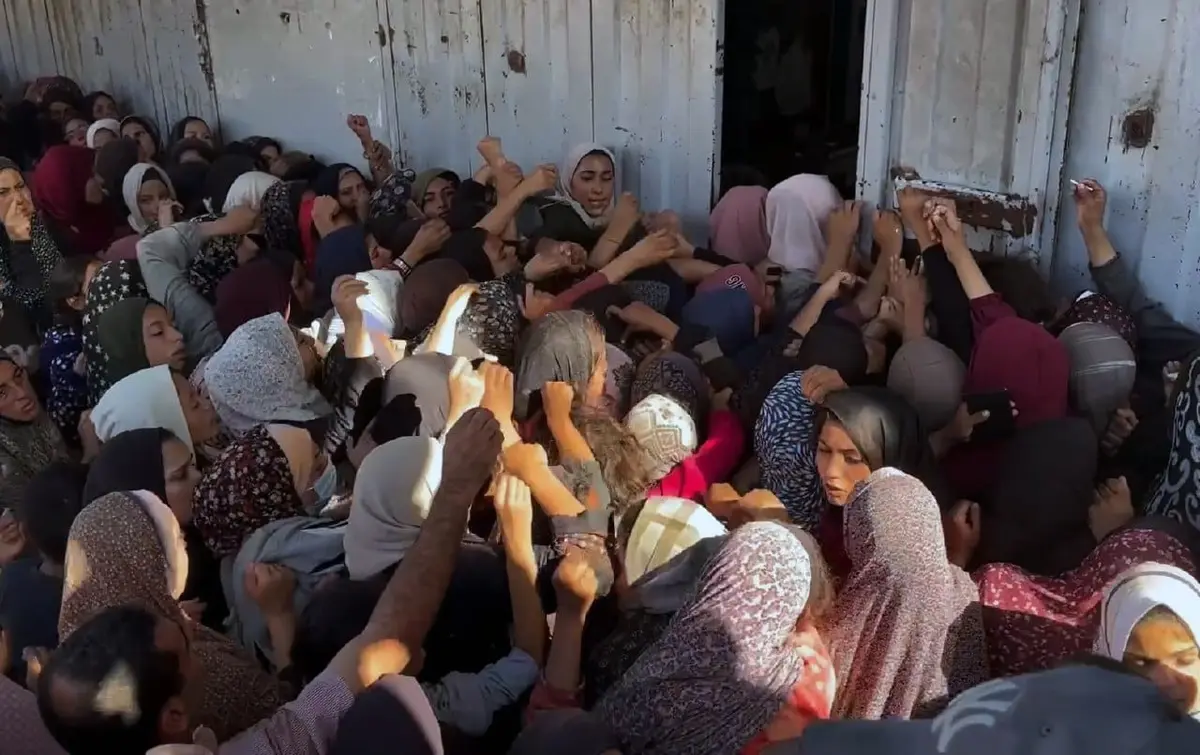
With infant formula and nutritional supplements completely unavailable, 100,000 children are at risk of mass death within days.


With a complete lack of baby milk and nutritional supplements, the continued closure of crossings, and the prevention of the entry of even the most basic supplies... 100,000 children are threatened with mass death within days.

Gaza - The Government Media Office in Gaza warned on Saturday of the risk of mass death for more than 100,000 children in the Gaza Strip due to the depletion of milk and nutritional supplements amid Israel's ongoing starvation policy, which coincides with the ongoing genocidal war that has been ongoing for more than 21 months.
"More than 100,000 children under the age of two, including 40,000 infants under the age of one, face imminent mass death within days, given the complete lack of infant formula and nutritional supplements, the continued closure of crossings, and the prevention of the entry of even the most basic supplies," the office said in a statement.
He warned that the Palestinians of Gaza were facing "an anticipated and deliberate mass killing being perpetrated slowly against infants whose mothers have been feeding them water instead of baby formula for days."
He explained that the Gaza Strip's hospitals and health centers have recently recorded "a daily increase in hundreds of cases of severe, life-threatening malnutrition, with no capacity to respond or treat them due to the near-collapse of the health sector and the lack of medical and food resources."
The government office called for "the immediate entry of baby milk and nutritional supplements into the Gaza Strip, and the immediate opening of the crossings without any conditions."
He also called for urgent international action to "stop the slow-motion genocide" being perpetrated by Israel in Gaza and to break the "completely criminal" blockade.
He described the continued international silence as "blatant complicity in the genocide against the children of Gaza," holding Israel and the countries involved in this war "fully responsible for this imminent crime."
Despite international, UN, and Palestinian warnings of the looming famine in Gaza, Israel has continued to completely close the Strip's crossings to humanitarian, relief, and medical aid since March 2, escalating its starvation policy since the start of the war.
With the complete closure of crossings and the prevention of food and medicine from entering, famine has spread throughout the Strip, and symptoms of severe malnutrition have appeared among children and patients.
The death toll from hunger and malnutrition since October 2023 has risen to 122 Palestinians, including 83 children, according to the latest data from the Ministry of Health in Gaza on Friday.
This comes as Palestinians struggle to secure flour, as Israel targets them at US aid distribution points located in Israeli military zones.
Far from the oversight of the United Nations and international relief organizations, Tel Aviv began implementing an aid distribution plan on May 27 through the so-called "Gaza Humanitarian Relief Foundation," an organization supported by Israel and the United States but rejected by the United Nations.
The US-backed genocide left more than 203,000 Palestinians dead or wounded, most of them children and women, and more than 9,000 missing, in addition to hundreds of thousands of displaced persons and a famine that claimed the lives of many.

Powered by Froala Editor

OPINIONS

Sun 27 Jul 2025 8:37 am - Jerusalem Time

Witkow earthquake

Baha Rahal

Suddenly, after expectations were that an agreement would be reached soon, Witkoff came out with a statement that confused everyone, announcing the halt of negotiations in an unclear and incomprehensible manner, stating that the efforts made with the support of mediators had failed to reach an agreement that would end the suffering of the people in Gaza. Then Witkoff disappeared from the scene, and rumors and analyses emerged, and viewpoints varied between blame and reproach, and between conspiracy and fears of what was coming and awaiting Gaza. However, the American president said that the failure of the negotiations means that there are other ways to return the detainees in Gaza, and some of these ways may entail more bombing, hunger, and destruction.
There is no doubt that the intentions of Trump and the United States have been clear and unquestionable since day one, and even before Trump took office at the beginning of the year. They are unquestionably biased towards the occupation, and all the nonsense that is said is merely an attempt to throw dust in the eyes. However, the picture is clear, evident in the positions, policies and statements issued by the US administration, no matter how much some try to embellish them with some lies and some words that do not carry with them a serious position.
Witkov's statements reflect a clear and blatant dependence on the positions of Netanyahu and his government. They complement the desires of the occupation government, which seeks to expand its plan of starvation and genocide with the aim of displacement, a goal it has repeatedly declared.
Witkoff's statements came at a time when hopes were high that the bloodshed would soon stop, the blockade would end, and food and medical aid would be delivered to the starving people of Gaza. However, those hopes quickly faded, and in an instant, talk of an agreement became a distant prospect.
People in Gaza are dying of hunger. O free world, have you seen the picture? Have you seen the bodies melting and dying? I see you listening and deafening your ears, and I hear you puffing up with shame at the horror of what the picture conveys. Then I find you blaming your weakness and impotence by accusing others of treason, doubting them, and accusing others, as if by doing so you are absolving yourself and yourselves, and your consciences are at ease by blaming others, even if you were negligent.
A difficult equation. Some Palestinians want the people to be more Palestinian than them. You see some who live in America, Europe, and even China, blaming the people of Egypt and Jordan. And if you ask them: Why haven't you come for two years, or crossed the border, or sent a loaf of bread? You'll find the same answer: "They won't let me." And strangely, you answer: If they won't let you, do you think they'll let anyone else?
You hear foolish talk coming from the mouths of some, filled with enough foolishness to drown the Middle East in more frivolity, rhetoric, and slogans. These have become a vulgar approach in light of what is happening in Gaza and the suffering, oppression, death, and injustice people are experiencing. These words are among the causes of division, fragmentation, and discord. So why can't we be frank and clear? Why do we demand of others what we ourselves won't do?

Powered by Froala Editor

PALESTINE

Sun 27 Jul 2025 8:34 am - Jerusalem Time

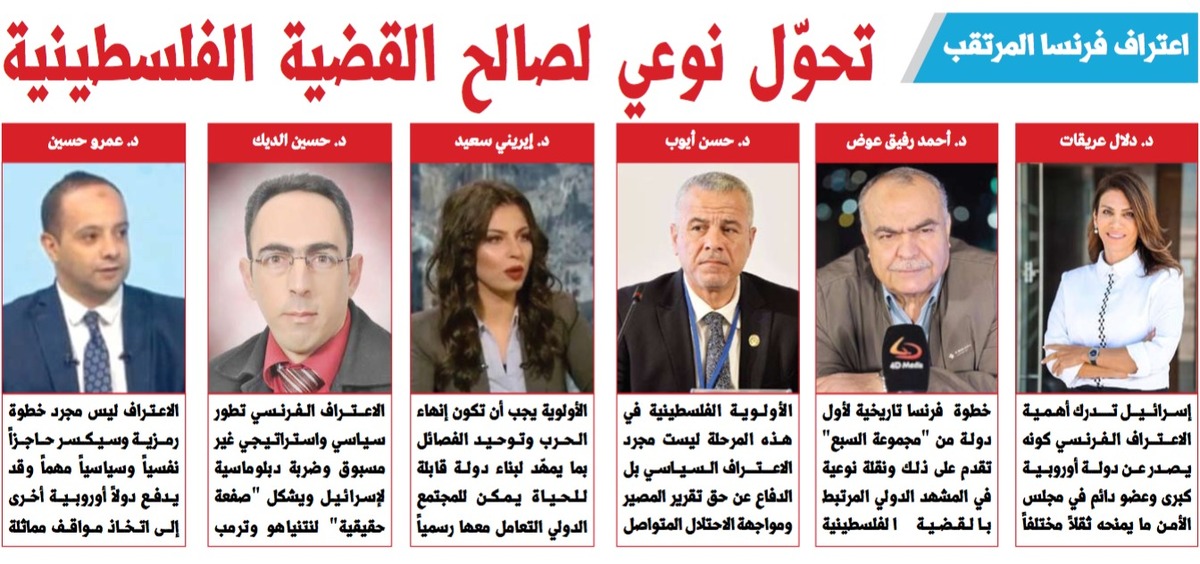
France's expected recognition: a qualitative shift in favor of the Palestinian cause

Dr. Dalal Erekat: Israel recognizes the importance of French recognition, as it comes from a major European country and a permanent member of the Security Council, which gives it a distinct weight.
Dr. Ahmed Rafiq Awad: France's move is historic, as the first G7 country to do so, and represents a qualitative shift in the international landscape related to the Palestinian issue.
Dr. Hassan Ayoub: The Palestinian priority at this stage is not merely political recognition, but rather defending the right to self-determination and confronting the ongoing occupation.
Dr. Irene Said: The priority must be to end the war and unify the factions, paving the way for the building of a viable state with which the international community can formally engage.
Dr. Hussein Al-Deek: French recognition is an unprecedented political and strategic development, a diplomatic blow to Israel, and a "real slap in the face" for Netanyahu and Trump.
Dr. Amr Hussein: Recognition is not merely a symbolic step. It will break a significant psychological and political barrier and may prompt other European countries to adopt similar positions.

In a move widely viewed as a qualitative shift in European positions on the Palestinian issue, French President Emmanuel Macron announced his country's intention to formally recognize the State of Palestine during the UN General Assembly meetings next September. This would represent a significant turning point in favor of the Palestinian cause.
In separate interviews with Al-Quds, writers, political analysts, experts, and university professors believe this announcement represents a pivotal political moment, given that France is a major European country and a permanent member of the Security Council. This gives this step unprecedented diplomatic weight and pushes toward reshaping the international approach to the Palestinian-Israeli conflict.
Writers, analysts, specialists, and university professors point out that the French announcement comes at a time when the credibility of the two-state solution is eroding due to Israeli expansionist policies. This gives French recognition a sovereign and moral dimension in light of the escalating crimes of the Israeli occupation in Gaza.
They point out that this French trend is viewed as part of broader shifts in the European mood, which may open the door for other countries, most notably Britain and Germany, to join the recognition bandwagon, constituting a growing international trend that cannot be ignored.
Writers, analysts, specialists, and university professors explain that Israel is seeking to obstruct this step through intense political and diplomatic pressure. However, Palestinian and international circles view the anticipated recognition as a strategic opportunity to revive the political process, break the United States' monopoly on mediation, and advance the Palestinian statehood process based on international law and international legitimacy resolutions.

A very important political and diplomatic step

Dr. Dalal Erekat, professor of diplomacy and conflict resolution at the Arab American University, says that French President Emmanuel Macron's announcement of his country's intention to recognize the State of Palestine next September is a momentous political and diplomatic step, with profound implications at the European and international levels.
Erekat explains that this announcement comes at a time when the remaining credibility of the two-state solution is eroding as a result of unilateral Israeli policies, the continued occupation, and settlement expansion.
Erekat points out that the French move reflects a genuine desire—which may later expand to include other European positions—to rebalance the international approach to the Palestinian issue and revive the references to international law and UN resolutions as the basis for a solution.
Erekat emphasizes that what gives the French-Saudi initiative both a political and moral character is its timing, which coincides with the escalation of Israeli crimes in Gaza and the international division over the aggression. This makes it a sovereign step to correct the historical flaw in the treatment of Palestinian rights and restore Palestine's standing on the international agenda.

Israel realizes the importance of French recognition

Erekat explains that the Israeli response is expected and has already begun, with condemnatory statements and diplomatic pressure aimed at dissuading France from its decision. The announcement is even being exploited as a pretext for confiscating more land and expanding settlements.
Erekat asserts that Israel recognizes the importance of the French recognition, given that it comes from a major European country and a permanent member of the Security Council, giving it political weight distinct from previous recognitions.
Erekat believes this step could serve as an incentive for other countries, most notably the United Kingdom, to follow the same path.
Erekat emphasizes that the success of this diplomatic dynamic hinges on unifying the Palestinian position and activating more professional and coordinated political and diplomatic tools at the international level, transcending the monopoly of the American mediator and restoring respect for international legitimacy.


International recognition of the patience and sacrifices of the Palestinian people

For his part, writer and political analyst Dr. Ahmed Rafiq Awad says that France's announcement of its intention to recognize the State of Palestine represents a pivotal and historic step, not only because of France's political and international weight, but also because it is the first G7 country to take this step, marking a qualitative shift in the international landscape related to the Palestinian cause.
Awad explains that this recognition represents a decisive response to all that Israel has sought to achieve over the past decades, including attempts to dismantle Palestinian national identity and deny the right to statehood. He points out that the Paris move confirms the collapse of these Israeli policies and represents international recognition of the patience, sacrifices, bloodshed, and prolonged suffering of the Palestinian people.
Awad emphasizes that France is not an ordinary country, but rather a nuclear power, a permanent member of the Security Council, and a former colonial power, which makes its recognition have profound emotional, legal, and political dimensions.
Awad believes this step gives the Palestinians a tremendous boost in international visibility and constitutes a guarantee that the birth of a Palestinian state has become irreversible, regardless of the length or complexity of the process.

Introduction to broader international recognition

Awad points out that French recognition could become a prelude to broader international recognition from major powers such as Britain, Germany, and Canada, signifying the birth of a global political movement in support of Palestine that neither Israel nor even the United States can stop.
Awad emphasizes that Israeli and American anger at the French statements reflects their awareness of the seriousness of this shift, asserting that France is not taking this step solely out of solidarity, but also for domestic reasons related to the presence of a large Arab and Muslim community, which Paris seeks to appease and integrate politically and socially.
Awad believes that French recognition is not only consistent with the values embraced by Paris as a country of freedom and human rights, but also a step that opens the door wide for other countries to recognize the State of Palestine, thus strengthening international action to break the monopoly of the Israeli narrative.


French advertising should not be given more importance than it deserves.

For his part, writer, political analyst, and political science professor Dr. Hassan Ayoub explains that French President Emmanuel Macron's announcement of his country's intention to recognize the State of Palestine, despite its apparent symbolic and political significance, should not be given more importance than it deserves and cannot be considered a fundamental or practical shift in the French position on the Palestinian issue.
Ayoub explains that this announcement reflects, to some extent, shifts in the international mood, but it does not emanate from a genuine principled position. He points out that France maintains close and strategic relations with Israel, while simultaneously displaying contradictory positions regarding solidarity with the Palestinian people, particularly at the domestic level, which raises questions about the seriousness of this approach.
Ayoub believes that the Palestinian priority at this sensitive stage is not merely political recognition, but rather defending the right to self-determination and confronting the ongoing colonial occupation. He called for a focus on effective deterrent tools against Israel, most notably imposing international sanctions to halt war crimes in Gaza and forced displacement and settlement activity in the West Bank.
Ayoub criticizes the French position, saying that Paris, along with Germany and other European countries, is avoiding taking real positions by hiding behind European Union institutions, despite its prior awareness that the EU's unanimity law obstructs any serious action against Israel.

French contradiction and political hesitation

Ayyoub addresses what he calls the "French contradiction," noting that France had previously proposed holding an international peace conference led by itself and Saudi Arabia, but withdrew from the initiative, reflecting political hesitation and a lack of will to confront the situation.
Ayoub asserts that Macron's statements regarding a "demilitarized" Palestinian state constitute a historic injustice to the Palestinian people and undermine their legitimate right to self-defense.
Ayoub believes that Israel does not seek any form of Palestinian state at all, but rather seeks to erase the Palestinian entity entirely. This is evident in the recent preliminary vote in the Israeli Knesset in preparation for a bill to impose sovereignty over the West Bank, and the years prior to that in the "Nation-State Law," which limits the right to self-determination to the Jewish people alone.
Ayoub emphasizes that promoting French recognition as a major achievement deviates from national priorities and serves the Israeli discourse, which seeks to strip Palestinians of their basic rights. This discourse contradicts actual official policies and lacks a clear recognition of the Palestinian state.
According to Ayoub, the official Palestinian welcome and other statements welcoming this declaration clearly confuse what is symbolic with what is practical, and it undermines the essence of the Palestinian struggle, which is based on reclaiming rights, not accepting political crumbs.
Ayoub asserts that Israel, despite its awareness of the weak practical impact of this French recognition of a Palestinian state, stands fiercely against it to prevent any transformation—even a symbolic one—that could be built upon later.
Ayoub emphasizes that the real response must be to intensify political and popular pressure on the major powers to take concrete steps to guarantee Palestinian rights, rather than simply issuing declarations that change nothing in the reality under occupation.


European transformations and a step paving the way for similar moves

For her part, Egyptian academic and political analyst Dr. Irene Said believes that European shifts toward the Palestinian issue have become more evident, especially with the escalating talk of France's move to recognize a Palestinian state. This move, announced by French President Emmanuel Macron, could pave the way for similar moves by other European countries and influential international alliances.
Saeed wonders whether the expected French recognition will be explicit, leading to the establishment of diplomatic relations and political, economic, and possibly military support, or whether it will merely be a symbolic recognition aimed at exerting political pressure on Israel to push it toward a settlement of the conflict.
Saeed points out that "recognition of a state does not simply occur through a political declaration. Rather, it requires the completion of the components of a state, including land, sea, and air borders, and a stable and representative population. This is followed by international recognition, the establishment of political and diplomatic relations, and the signing of agreements, including joint defense agreements, if they exist."
Saeed believes that the current priority for Palestinians should be to end the war on the Gaza Strip and work to unify Palestinian factions under a stable political umbrella, paving the way for the establishment of a viable Palestinian state with which the international community can formally engage.

Preparing to establish a new political reality

Saeed believes that the French move comes within this preliminary context towards establishing a new political reality.
Saeed asserts that this move is not acceptable to either the US or Israel, and has been met with disregard and disdain, given the continued close military alliance between Washington and Tel Aviv on the one hand, and Paris on the other.
However, Saeed believes that this French position represents a significant development in the international perception of Israel, particularly after it lost its ability to manipulate the discourse of self-defense in the face of escalating crimes and violations, which has contributed to exposing its practices to global public opinion.
"The French move, even if it is symbolic so far, is a positive indicator toward preparing the ground for the establishment of a Palestinian state along the 1967 borders with East Jerusalem as its capital," Saeed says.

Unprecedented political and strategic development

Writer, political analyst, and expert on American affairs and international relations, Dr. Hussein Al-Deek, says that French President Emmanuel Macron's announcement of his country's intention to recognize the State of Palestine during the UN General Assembly meeting next September represents an unprecedented political and strategic development that alters the international balance of power regarding the Palestinian issue.
Al-Deek explains that France will be the first G7 country to officially recognize the State of Palestine, a move of significant political weight given France's permanent membership in the Security Council and its economic and political importance on the international stage.
Al-Deek points out that this resolution paves the way for the formation of a majority within the Security Council consisting of permanent member states that recognize the State of Palestine, alongside Russia and China, which constitutes a diplomatic pressure force that cannot be ignored.
Al-Deek points out that this French announcement also signals an internal shift, as Paris faces pressure from its Arab and Muslim communities and seeks to appease these groups and integrate them politically and socially. He explains that its recognition of a Palestinian state reflects a desire to restore its moral and international balance after years of decline in Middle East affairs.

A serious French will supported by the people and parliament

Al-Deek warns of an angry Israeli reaction, noting that Tel Aviv, along with Washington, will seek to exert significant pressure on the French government to dissuade it from implementing the recognition.
However, Al-Deek affirms the existence of a serious French political will, supported by the people and parliament, from the French National Assembly, the government, and the presidency. These factors make the French position cohesive.
Al-Deek explains that President Mahmoud Abbas's recent letter from the Palestinian leadership to the French president and the Saudi crown prince, which included a commitment to hold presidential and legislative elections before the end of the year, played a role in coordinating this French position, which also came as a moral response to Palestinian pledges affirming seriousness and political responsibility.
Al-Deek explains that France's recognition will encourage other major Western countries to follow suit, most notably Britain, which faces similar internal pressures, as well as countries such as Portugal, Belgium, the Netherlands, Luxembourg, and Denmark.

Israel will respond with unilateral steps.

As for Central European countries, such as Germany, Austria, and Italy, Al-Deek believes they are unlikely to join this movement at present due to the dominance of the populist right and the historical sensitivity of the Palestinian issue.
Al-Deek emphasizes that this French shift represents a diplomatic blow to Israel, which considers France to be one of the most prominent enablers of its nuclear weapons program after the Nakba. This recognition also represents a "real slap in the face" for Israeli Prime Minister Benjamin Netanyahu and his American ally, Donald Trump.
Al-Deek expects Israel to respond to this announcement with unilateral steps, including accelerating settlement activity, land confiscation, and annexing areas of the West Bank, particularly Area C, based on support within the Israeli Knesset, where 71 members voted in favor of annexing the West Bank.
Al-Deek expects Israel to resort to imposing new sanctions on the Palestinian Authority, including withholding clearance revenues and tightening the blockade and checkpoints in the West Bank.
Al-Deek considers the French recognition a new compass for the international community regarding Palestinian rights, and could lead to fundamental shifts in European and global politics toward recognizing the State of Palestine on the June 4, 1967, borders with East Jerusalem as its capital.

The occupation's massacres are a moral and political burden on European capitals.

For his part, Egyptian writer, political analyst, and researcher in international relations and strategies, Dr. Amr Hussein, believes that French President Emmanuel Macron's announcement of his intention to recognize the State of Palestine next September is not merely a symbolic or protocolary step, but rather represents a profound political and strategic move that reflects a shift in European sentiment toward the ongoing Israeli aggression, especially following the escalation of massacres committed in the Gaza Strip.
Hussein says that the massacres of Palestinian civilians have placed an increasing moral and political burden on European capitals, prompting a number of countries to reconsider their traditional positions. This comes as the US role has been exposed, and its rhetoric as an "honest broker" no longer convinces many, as its bias toward Israeli policies has become clear and blatant.
Hussein explains that through this recognition, Paris seeks to restore its international influence, especially after its declining role in regional issues in the Middle East and Africa.
Hussein asserts that recognizing the State of Palestine restores France's status as a state that upholds international law and is active in humanitarian issues.
Hussein believes the anticipated move sends a firm political message to Israel that continued occupation, settlements, and aggression will not be without cost, and that Europe has begun to evade the political blackmail practiced by Tel Aviv for years.

Tel Aviv is very angry about the French approach

Regarding the Israeli response, Hussein explained that Tel Aviv expressed its extreme anger, viewing any recognition of Palestine as a "reward for terrorism," in an attempt to delegitimize Palestinian rights. It is expected to exert intense diplomatic pressure to prevent the implementation of the French resolution.
Hussein points out that implementing the recognition will break a significant psychological and political barrier and may prompt other European countries to adopt similar positions, particularly those that had previously been hesitant but now view support for Palestinian rights as a strengthening of their moral and diplomatic standing.
Hussein believes that France's recognition, if achieved, would be a qualitative development with significant impact within the European Union and could mark the beginning of a shift in the conflict equation. He calls for the need to capitalize on this moment politically and diplomatically on both the Arab and international arenas.


Powered by Froala Editor

OPINIONS

Sun 27 Jul 2025 8:32 am - Jerusalem Time

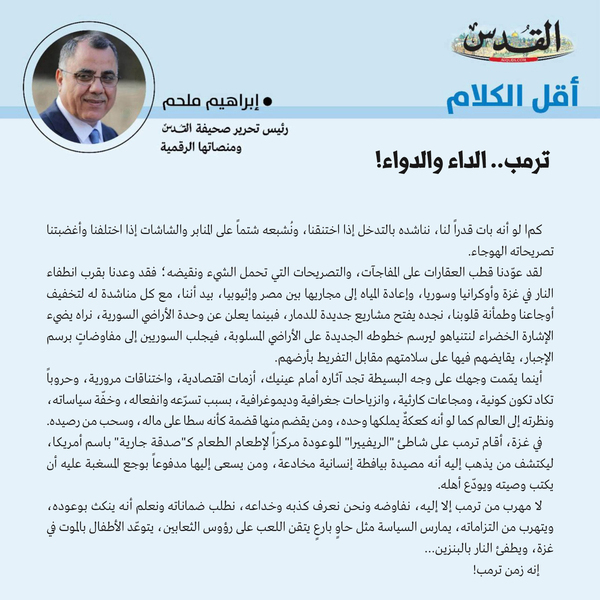
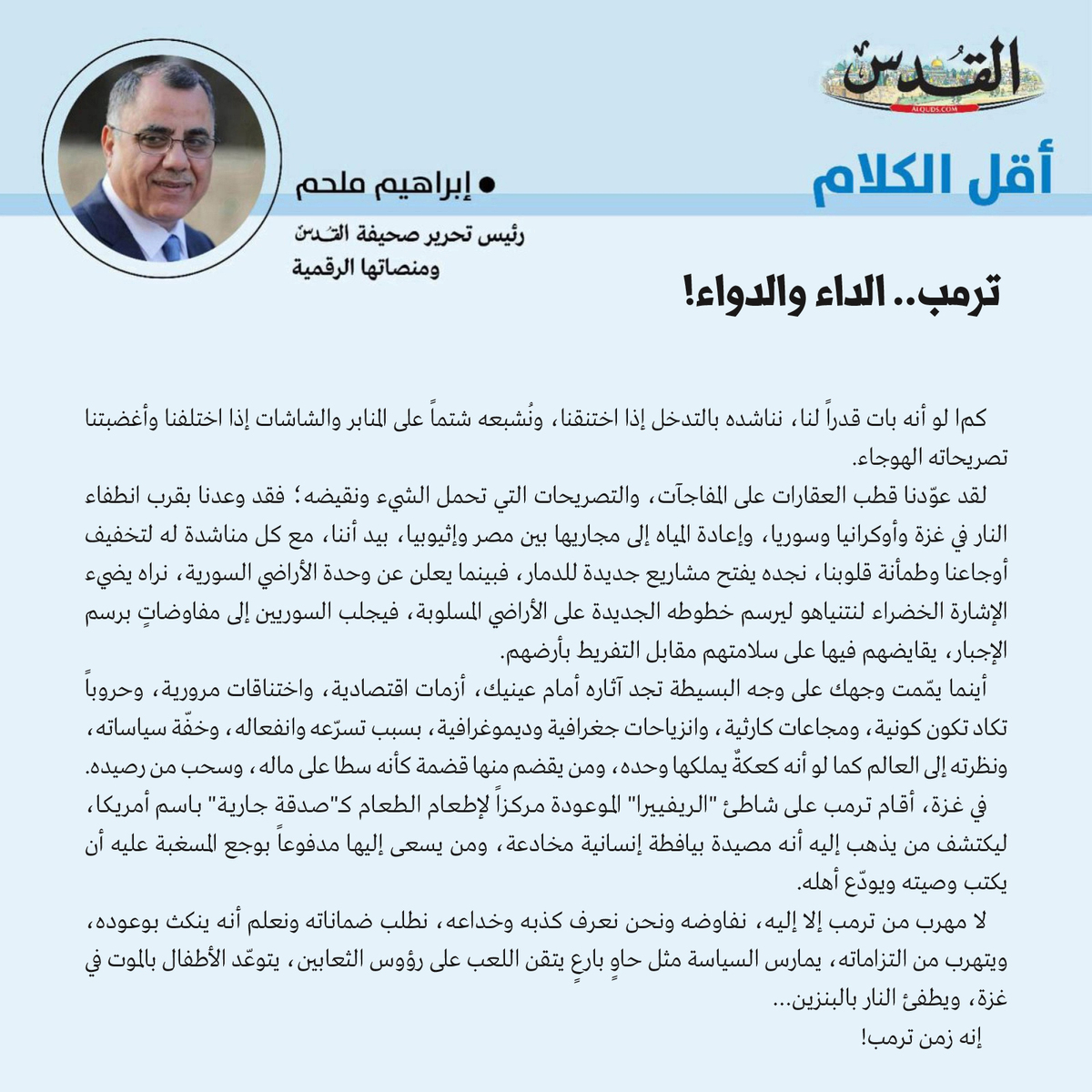
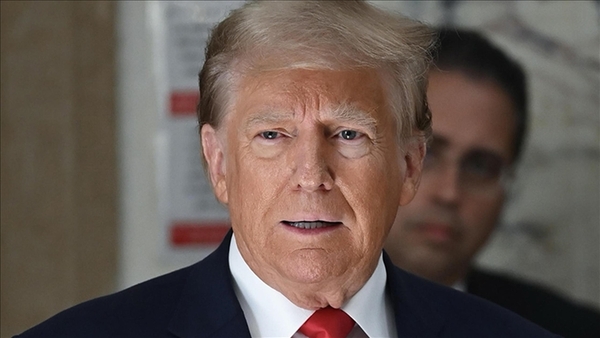
Trump: The disease and the cure!

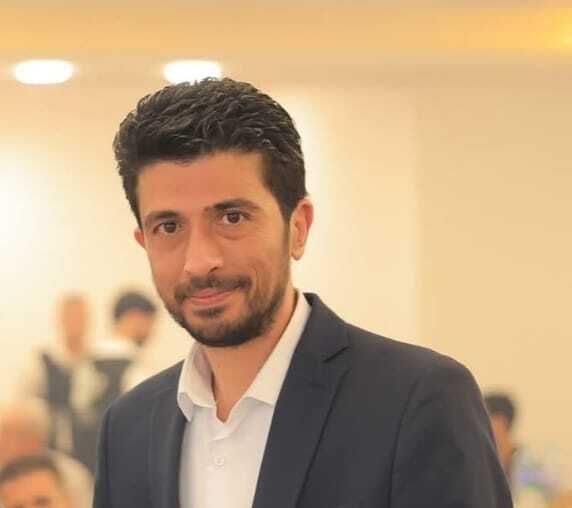
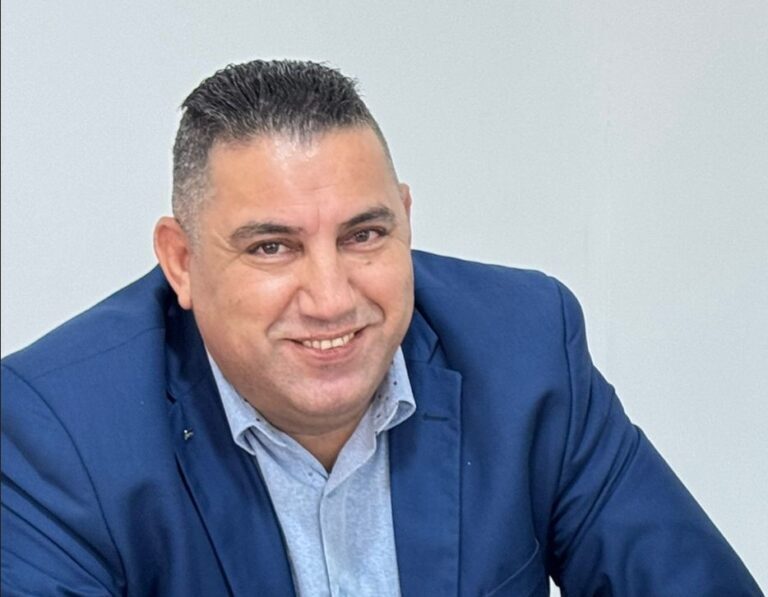
Ibrahim Melhem

Ibrahim Melhem

Opinion Writer

As if it has become our destiny, we call on him to intervene if we feel suffocated, and we shower him with insults on the platforms and on screens if we disagree and are angered by his reckless statements.
The real estate mogul has accustomed us to surprises and statements that carry one thing and its opposite. He promised us that the fires in Gaza, Ukraine and Syria would soon be extinguished, and that things would return to normal between Egypt and Ethiopia. Yet, with every appeal to him to ease our pain and reassure our hearts, we find him launching new projects of destruction. While he announces the unity of Syrian territory, we see him giving Netanyahu the green light to draw his new lines on the stolen lands, bringing the Syrians into forced negotiations, in which he trades their safety for the relinquishment of their land.
Wherever you turn on the face of the earth, you find its effects before your eyes: economic crises, traffic jams, almost universal wars, catastrophic famines, and geographical and demographic shifts, due to his haste and impulsiveness, the frivolity of his policies, and his view of the world as if it were a cake that he alone owns, and whoever takes a bite from it is as if he has stolen his money and withdrawn from his balance.
In Gaza, Trump established a food distribution center on the shores of the promised "Riviera" as an "ongoing charity" in the name of America. Those who visited discovered that it was a trap with a deceptive humanitarian banner. Those who sought it out, driven by the pain of famine, had to write a will and bid farewell to their families.
There is no escape from Trump except to him. We negotiate with him, knowing his lies and deception. We ask for his guarantees, knowing that he breaks his promises and evades his commitments. He practices politics like a skilled magician who is adept at playing on the heads of snakes. He threatens children with death in Gaza, and puts out fires with gasoline...
It's Trump's time!

Powered by Froala Editor

PALESTINE

Sat 26 Jul 2025 10:15 pm - Jerusalem Time

4 killed in Qassam attack on armored personnel carriers in Khan Yunis

Israeli websites reported that a "difficult security incident" is currently taking place in the Gaza Strip.

Websites reported that Israelis were killed and wounded in an explosive device explosion targeting a military force in the Gaza Strip.

She noted that the difficult incident occurred in Khan Yunis, where gunmen emerged from a tunnel, attached an explosive device to an armored personnel carrier, and then withdrew.

The Qassam Brigades, the military wing of the Islamic Resistance Movement (Hamas), announced that it had targeted two Israeli armored personnel carriers with two explosive devices inside the cockpits.

She noted that after the two armored personnel carriers burned, a third was targeted with an Al-Yasin 105 missile. She observed a military excavator burying the burned-out tankers to extinguish the flames, and helicopters landing for evacuation.

Israeli media reported that the operation has so far resulted in the deaths of four soldiers.

ARAB AND WORLD

Sat 26 Jul 2025 9:34 pm - Jerusalem Time

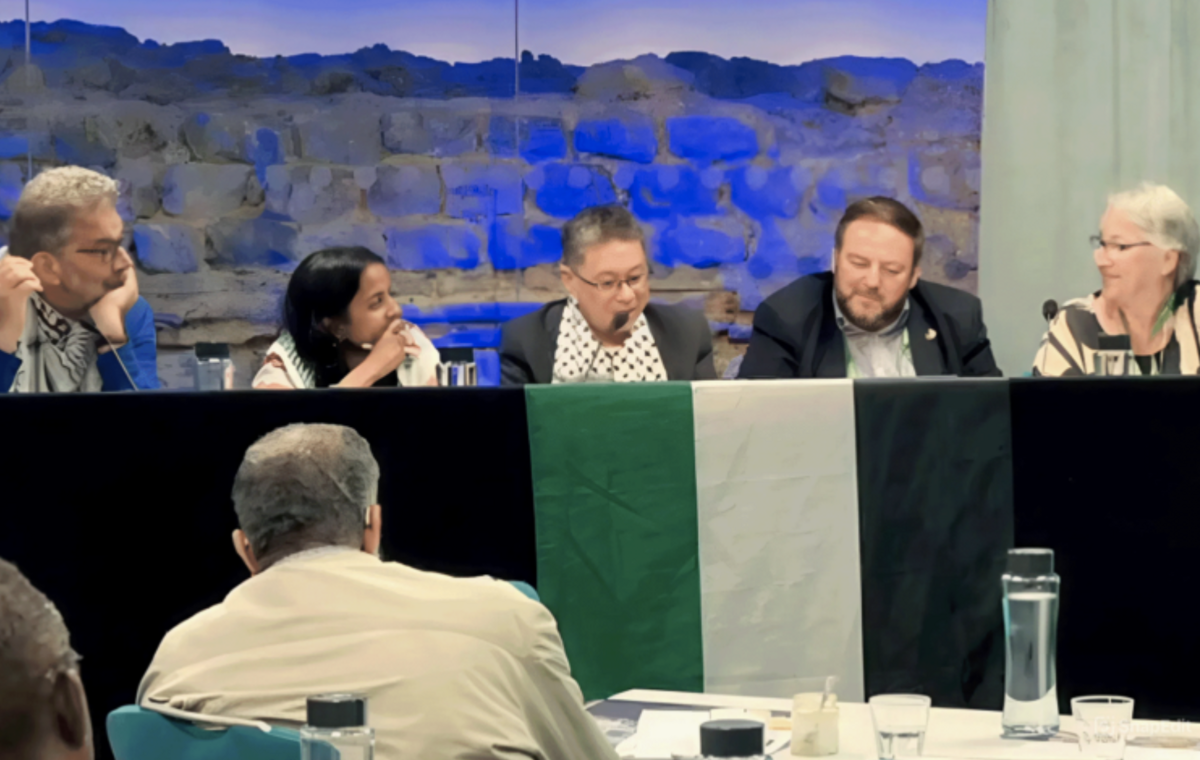
The "Global Alliance for Palestine" conference was held in London, with the attendance of international figures.

The founding conference of the Global Alliance for Palestine was held today, Saturday, in the British capital, London, with the attendance of a group of prominent international figures who support Palestinian rights.

More than 70 solidarity organizations from 25 countries around the world participated in the conference, representing civil society sectors, unions, student movements, media and human rights initiatives, as well as delegations from Palestine and the diaspora.

The conference opened with a session titled "Framing the Moment," which addressed the importance of the current phase following the growing global public support for Palestine. Speakers emphasized the need to unify efforts and build a long-term coalition project.

The session featured interventions by British MP Jeremy Corbyn, Irish leader Gerry Adams, Palestinian Initiative Movement leader Mustafa Barghouti, former Greek Finance Minister Yanis Varoufakis, South African activist Ronnie Kasrils, and Italian MP Angelo Bonelli.

"We are not building a fleeting alliance, but rather a sustained global movement that will challenge injustice and restore Palestine's place in the conscience of humanity," Corbyn said in his remarks. "This is a historic moment and a turning point in the struggle for justice."

The second session focused on transforming popular activism into tangible political impact, reviewing successful models of international boycott campaigns, pressuring decision-makers, and building legal tools to support the Palestinian cause.

The third session discussed ways to build the alliance's organizational structure, form working committees, and develop a roadmap for drafting the "Founding Charter," under the supervision of academics and activists from Brazil, New Zealand, Norway, and Britain.

Final statement

The founding conference of the Global Alliance for Palestine concluded its work with the announcement of the alliance's first final statement, which included several points, most notably:

The statement also emphasized the importance of continuing the global public momentum that has escalated since 2023 by coordinating legal, media, and political efforts to build a compelling public opinion, particularly in the countries of the Global North.

The organizers announced that the next conference will be held in 2026 in another country, continuing to build this global alliance.

What is the "Global Coalition for Palestine"?

The Global Coalition for Palestine aims to strengthen international support for the Palestinian cause amid the tragic circumstances facing Palestinians in Gaza and the West Bank.

The coalition is an emerging international initiative that aims to strategically and sustainably organize solidarity efforts with Palestine by coordinating efforts between trade unions, civil society organizations, media and cultural initiatives, student movements, and parliamentarians around the world, particularly those outside the Arab and Islamic worlds.

The coalition is based on a clear principle: "Solidarity with Palestine must be organized, unified, and effective." This is what this initiative aims to achieve by building an international front capable of confronting the occupation, refuting misleading media narratives, and defending the right to solidarity.

PALESTINE

Sat 26 Jul 2025 8:28 pm - Jerusalem Time

Suffocation injuries during the occupation's raid south of Bethlehem

A number of citizens suffered suffocation on Saturday evening, during an Israeli occupation forces raid on the town of Al-Khader, south of Bethlehem.

According to local sources, the occupation forces stormed Al-Khader and took up positions in the "Grand Mosque" and "Bababa" areas, and near the mourning house of the martyrs Ahmed Ali Asaad Salah (15 years old) and Muhammad Khaled Issa (17 years old), and fired sound bombs and toxic gas towards shops and homes, which led to a number of citizens suffering from suffocation.

The sources added that the occupation forces conducted foot patrols in the gate area and closed down the shops there.

PALESTINE

Sat 26 Jul 2025 8:21 pm - Jerusalem Time

British efforts to airdrop aid to Gaza, UNRWA considers it a "distraction"

British Prime Minister Keir Starmer held talks on Saturday with his French and German counterparts, Emmanuel Macron and Friedrich Merz, and outlined Britain's plans to airdrop food aid to Gaza and evacuate sick and injured children.

During a phone call, Starmer, Macron, and Merz discussed the humanitarian situation in Gaza, and all agreed that it was "horrific."

According to a statement issued by his office, Starmer outlined how Britain would move forward with its plans to cooperate with partners like Jordan to airdrop food aid and evacuate children in need of medical care.

The statement added that the three leaders agreed on the need to develop robust plans to transform the urgently needed ceasefire into a lasting peace. They also discussed their intention to work closely together on a plan that would pave the way for a long-term solution that achieves security in the region. They agreed that once this plan is formulated, they will seek to cooperate with other stakeholders—including those from within the region—to advance it.

These talks come a day after UN Secretary-General António Guterres sharply criticized the international community for ignoring the widespread famine in the Gaza Strip, describing it as a "moral crisis that challenges the global conscience."

Relief organizations have also warned of a rising number of children suffering from severe malnutrition in the Gaza Strip, which Israel has tightened its blockade on and prevented the entry of aid into since last March.

distraction

On the other hand, the Commissioner-General of the United Nations Relief and Works Agency for Palestine Refugees (UNRWA), Philippe Lazzarini, considered the proposal to airdrop aid to Gaza a mere distraction and smokescreen to cover up the reality of the humanitarian catastrophe, and that it could cost the lives of starving civilians.

This came in response to a Western news agency's claim that Israel would allow Western countries to airdrop aid to Gaza for two days starting Friday. However, no actual airdrops of aid have been reported to date.

"Air deliveries will not address the worsening hunger situation in Gaza. They are costly and ineffective, and could even kill hungry civilians," Lazzarini tweeted.

"Bringing aid in by land is easier, faster, cheaper, more efficient, safer, and more dignified for the people of Gaza," Lazzarini added.

The UN official stressed that "man-made hunger can only be addressed through political will," calling for the lifting of the Israeli blockade, the opening of crossings, and ensuring freedom of movement and dignified access for aid to those in need, as he put it.

He pointed out that UNRWA has the equivalent of 6,000 aid trucks stuck in Jordan and Egypt, just waiting for the green light to enter Gaza.

Deaths and injuries have occurred as a result of airdrops of aid sent by countries to Gaza, during Israel's ongoing war of extermination in the Strip, now in its 22nd month.

It's worth noting that UN organizations and local institutions in Gaza warn that the continued blockade and Israel's denial of aid threaten to lead to mass child deaths, amid deteriorating health and living conditions and the complete collapse of the medical system.

Since March 2, Israel has evaded further implementation of a ceasefire and prisoner exchange agreement with the Islamic Resistance Movement (Hamas). It has closed Gaza's crossings to aid trucks stacked on the border, and has imposed a siege on Gaza for 18 years. Some 1.5 million Palestinians, out of a population of approximately 2.2 million in the Strip, have been rendered homeless after their homes were destroyed in the war of extermination.

PALESTINE

Sat 26 Jul 2025 7:02 pm - Jerusalem Time

The "Hanthala" ship is about 180 km from Gaza.

The "Hanthala" ship, part of the Freedom Flotilla Coalition, which is heading to the Gaza Strip to break the Israeli blockade, has reached the location where the "Madeleine" ship was seized, approximately 180 km from the Strip.

The Freedom Flotilla Coalition is broadcasting the ship's movements live on its YouTube account, sharing real-time radar images.

French Member of the European Parliament Emma Forot, who was on board the ship, posted on the X platform that they were now less than 180 km from Gaza.

"We just passed the point where the Medellin ship stopped. We only have one night left. We will get there," Foro said, calling for solidarity with the ship.

Earlier on Saturday, the Freedom Flotilla Coalition announced that drones were seen hovering over the Hanthala ship, which set sail from the Italian coast in a renewed attempt to break the Israeli blockade of the Gaza Strip.

This came in a statement issued by the coalition via Telegram, which stated that "16 drones were detected in the last 45 minutes," some of which were flying over the ship.

In another post on the same Telegram channel, French MP Gabrielle Katla said they are "prepared for any potential intervention that may occur in the coming hours or tomorrow morning."

"We're all united, we're in solidarity, and we're prepared. Drones are starting to head towards us. If the internet goes out, strange things could happen," she added.

She added: "Don't worry about us. Think about the Palestinians. They are suffering. What they are being subjected to in the shadow of the horrific genocide is far worse than the dangers we face on this ship."

On Thursday, the coalition announced in a Telegram post that contact had been lost with the "Hanthala" and that there were multiple drones near the ship, adding, "This means it may have been intercepted or attacked."

On Friday morning, the coalition announced that contact had been restored with the ship after a two-hour hiatus, and that it was continuing its mission. At the time, the ship was approximately 349 nautical miles from Gaza.

On July 13, the Hanthala set sail from the Italian port of Syracuse, before docking at Gallipoli on July 15 to overcome some technical issues. It then set sail again on July 20, carrying 21 activists on board.

It's worth noting that the Gaza blockade-breaking ship, "Al-Dameer," was attacked by an Israeli drone on May 2nd while attempting to sail toward Gaza, causing a hole in its hull and a fire in its bow.

On June 9, the Israeli military seized the "Madeleine," a ship part of the "Freedom Flotilla," in international waters while en route to the besieged Gaza Strip to deliver humanitarian aid. The ship was arrested along with 12 international activists on board. Israel later deported the activists on condition that they pledge not to return.

The Gaza Strip is experiencing one of the worst humanitarian crises in its history, with a severe famine intertwined with a genocidal war waged by Israel since October 7, 2023.

With the complete closure of crossings and the ban on the entry of food and medicine since March 2, famine has spread throughout the Gaza Strip, with symptoms of severe malnutrition appearing among children and patients.

This comes at a time when Israel, with US support, is waging a genocidal war in Gaza, including killing, starvation, destruction, and forced displacement, ignoring all international calls and orders from the International Court of Justice to halt the campaign.

The US-backed genocide left more than 204,000 Palestinians dead or wounded, most of them children and women, and more than 9,000 missing, in addition to hundreds of thousands of displaced persons and a famine that claimed the lives of many.

PALESTINE

Sat 26 Jul 2025 6:18 pm - Jerusalem Time

UNRWA: All Gaza residents are starving, and 200,000 children are at risk.

Adnan Abu Hasna, media advisor to the United Nations Relief and Works Agency for Palestine Refugees in the Near East (UNRWA), said that all residents of the Gaza Strip are starving, including 200,000 children at risk due to malnutrition.

He added, in an interview with Al Jazeera, that one out of every five children being examined is suffering from malnutrition. Children are born short and underweight, and if they are not treated now, especially children between the ages of two and five, they are very likely to develop dwarfism and scoliosis, and there will be structural changes in their nature.

Abu Hasna pointed out that there is a deliberate engineering of starvation and chaos in the Gaza Strip, which results in 99% of the population not receiving a bag of flour, in addition to the indiscriminate shooting of Palestinians seeking aid.

He said that the Israeli occupation is preventing the entry of aid, whether that which UNRWA has (6,000 trucks), which are sufficient food for the residents of the Gaza Strip for three months, or that which United Nations organizations have, which is estimated at thousands of trucks.

If the political will and resolve were present, tens of thousands of tons of food stockpiled in warehouses could be brought in. The UNRWA official indicated that the solution to the famine crisis lies in allowing the UN system to deliver whatever aid it has, and that all the Israeli occupation has to do is open the crossings.

He said that UNRWA has operational plans, staff, and logistical capabilities, and that in January and February, it was able to reach one million Palestinians in four days and establish hundreds of distribution points within hours.

It's worth noting that the death toll from starvation in Gaza has risen to 127 Palestinians, including 85 children. Meanwhile, the government media office in the Strip warned of an impending mass killing of 100,000 children within days if baby formula is not delivered immediately.

OPINIONS

Sat 26 Jul 2025 5:16 pm - Jerusalem Time

China and Palestine: Facts that Refute Disinformation Campaigns

Mohammed Alloush

Mohammed Alloush

Opinion Writer

Recently, campaigns have been escalating to discredit China and distort its supportive stance on the Palestinian cause, promoting allegations that portray Beijing as biased toward Israel or indifferent to Palestinian national rights. However, a review of China's historical and current positions clearly reveals that these allegations lack objectivity and ignore established facts that cannot be ignored. The Chinese position on the Palestinian issue is based on historical roots and a firm, principled vision that has not changed despite all the transformations witnessed by the international system.

For decades, China was among the first countries to recognize the Palestine Liberation Organization and the Palestinian state, and has consistently affirmed its support for the establishment of an independent Palestinian state on the June 4, 1967, borders, with East Jerusalem as its capital. This position was not merely a matter of passing statements, but rather embodied in practical and tangible steps, most notably its vote in favor of UN Security Council Resolution 2334, which condemns Israeli settlements in the occupied Palestinian territories. China has also continued to provide direct development support to the Palestinians through humanitarian and infrastructure projects in the Palestinian territories, confirming that its position is not only political, but also a moral and developmental commitment to the Palestinian people.

Chinese President Xi Jinping has repeatedly reiterated his country's support for the inalienable rights of the Palestinians. China has provided tangible assistance in the areas of energy, infrastructure, and technical and political support for building Palestinian state institutions.

During the repeated Israeli aggression on Gaza, China's position was clear and decisive. Beijing, through its Foreign Minister Wang Yi, affirmed its support for peace and human conscience, calling for an immediate cessation of aggression and the opening of humanitarian corridors to protect civilians. It also emphasized the importance of convening a comprehensive international conference leading to a just and lasting solution to the Palestinian-Israeli conflict based on international legitimacy resolutions and the two-state solution. In April 2024, China fully supported Palestine's accession to the United Nations as a full member state, despite US objections in the Security Council, emphasizing that international justice cannot be curbed, no matter the obstacles.

China's role was not limited to international forums, but extended to direct work on internal Palestinian reconciliation. In July 2024, Beijing sponsored the "Beijing Declaration," signed by 14 Palestinian factions, including Fatah and Hamas, in a move described as historic to restore Palestinian national unity. The declaration stipulated the formation of an interim national unity government and the activation of the institutions of the Palestine Liberation Organization, in addition to formulating a comprehensive plan to administer the Gaza Strip after the war, based on the principle of "Palestinians managing their own affairs." This step strengthened the unified Palestinian position in confronting the occupation and confirmed Beijing's seriousness in supporting the unity of the Palestinian people and their cause in the most difficult circumstances.

Although China, as a major power, maintains economic and diplomatic relations with Israel, this reality in no way means abandoning its principled position on Palestine. On the contrary, China has used its relations to publicly demand a halt to settlement construction and to reject annexation and forced displacement plans against Palestinians. It has never used these relations as a means of pressure on the Palestinians or as a means of political blackmail, unlike what some other international powers have done.

Allegations that attempt to portray China as a pro-Israel power or hostile to Palestinian rights are nothing but propaganda campaigns that lack credibility. China's official and practical positions, whether at the United Nations, through development and political support, or through sponsoring intra-Palestinian reconciliation, confirm that China stands with international justice and legitimacy, and that it sees no solution to the conflict except through ending the occupation and empowering the Palestinian people to exercise their right to self-determination and establish their independent state.

Attempts to distort this position are nothing more than a tool to mislead public opinion, while the facts on the ground prove that China has become one of the most prominent global powers seriously seeking to achieve a just and comprehensive peace in our region.

This Chinese policy takes on particular significance when compared to Western practices that adopt double standards in dealing with regional issues. The United States, which claims to defend "democracy and human rights," is the same country that has provided political and military cover for the Israeli aggression against the Palestinian people, and has used its veto power dozens of times to prevent the issuance of international resolutions condemning the occupation or calling for its end. The European Union, for its part, continues to vacillate between symbolic statements and ambiguous positions that avoid exerting any real pressure on Israel. Indeed, many of its member states continue to supply the occupation with weapons and security technologies, exacerbating the suffering of the Palestinians.

China's position in the Middle East, while clear and consistent, cannot be isolated from Beijing's broader geopolitical vision, which is based on promoting a more just and balanced multipolar world order. China recognizes that the persistence of chronic crises in our region threatens global security and stability. Therefore, it is pushing for political settlements that are free of hegemony and military intervention. Hence its recent initiatives, including the "Global Development Initiative" and the "Global Security Initiative," which emphasize that a just peace can only be achieved by settling historical issues, most notably the Palestinian issue.

China has also strengthened its economic presence in the region through the Belt and Road Initiative, which is not limited to infrastructure and trade projects alone, but also includes direct development programs that support the resilience of peoples, including the Palestinian people. This economic dimension gains additional weight because it provides real alternatives for the countries of the region to free themselves from the economic dependence imposed by the Western system for decades. Thus, China's political and diplomatic role complements a growing economic role that enhances the independence of national decision-making in the countries of the Middle East.

Recognizing these facts and confronting them with argument and evidence is the most effective way to thwart the propaganda aimed at undermining trust between the Palestinian people and their true friends around the world. China has proven that it stands with oppressed peoples and seeks to promote global security and stability, free from hegemony or interference in the affairs of others. This perhaps explains the orchestrated media attack against it, as its balanced and supportive positions on Palestinian rights conflict with Western projects seeking to consolidate Israeli supremacy and dominance over the region.

Today, more than ever, we need to strengthen partnerships with countries and powers that place the principles of justice and international legitimacy above narrow calculations. China, with its global standing, constitutes a fundamental pillar in this process, not only as a political ally and supporter of the Palestinian cause in international forums, but also as an effective force seeking to restore the concept of a just and comprehensive peace based on ending the occupation and lifting the historical injustice suffered by the Palestinian people.

Distortion campaigns and misleading propaganda will not change these facts, nor will they undermine China's unwavering position, which has today become one of the few remaining pillars in a turbulent world where blatant double standards persist.

PALESTINE

Sat 26 Jul 2025 4:33 pm - Jerusalem Time

6 dead in the occupation's bombing of a displaced persons' tent in Khan Yunis

Six civilians, including two children, were killed and others wounded on Saturday when an Israeli drone struck a tent housing displaced persons in the Al-Mawasi area west of Khan Yunis in the southern Gaza Strip.

Medical sources at Nasser Medical Complex confirmed the arrival of the bodies of six martyrs, including two children, and a number of wounded to the hospital. They noted that the bombing directly targeted a tent for displaced persons in an area that the occupation forces had deemed "safe," according to their claims.

ARAB AND WORLD

Sat 26 Jul 2025 4:01 pm - Jerusalem Time

Trump gives Netanyahu the green light to continue the brutal war on Gaza.

US President Donald Trump announced on Friday that Hamas is not interested in reaching a prisoner exchange agreement and expressed his support for Israel's continued military operations against the movement.

"Hamas really didn't want to make a deal. I think they want to die," Trump told reporters outside the White House, a day after the United States and Israel announced they were withdrawing their negotiating teams from Doha, where indirect talks with Hamas had been taking place for nearly three weeks.

According to White House sources, Hamas angered Washington and Tel Aviv with its response on Thursday to the latest proposal for a 60-day truce in Gaza and a prisoner release agreement. According to Israeli media, Egypt and Qatar took a more nuanced approach, noting that Hamas's response already included numerous requests for changes to the proposal. However, they insist that the gaps can be filled.

Trump painted a bleaker picture, even appearing to acknowledge that the United States may not be able to secure the release of the remaining 50 hostages – 20 of whom are believed to still be alive.

"I said this would happen," Trump told reporters, claiming he predicted the current stalemate.

"We've released many hostages," he said. "But when the number reaches 10 or 20, I don't think Hamas will make a deal because that means they're defenseless. And that's basically what happened."

"I think what will happen is that they will be hunted down," he added. "It has reached a point where Israel will have to finish the job."

"Israel will have to fight, and it will have to cleanse itself. You will have to get rid of Hamas," he said, acknowledging that the situation is "somewhat disappointing."

It is noteworthy that Israel has been waging a devastating war on the Gaza Strip and its people for 660 days, and has not yet been able to eliminate the Hamas movement, which is fighting the occupation forces fiercely and without pause, according to experts.

It's worth noting that Trump allowed Netanyahu to cancel the previous ceasefire and release of Israeli prisoners in March, instead of entering the second phase, which included a permanent end to the war. Israel subsequently launched a new offensive aimed at occupying 75% of the Gaza Strip to pressure Hamas.

Israel has also blocked all aid from entering the Gaza Strip for more than four months, which aid organizations say has created the current famine crisis.

The United States then helped Israel establish the Gaza Humanitarian Foundation (GHF), designed to try to exclude international organizations from the aid distribution process when Israel finally began allowing aid into Gaza again in late May. But the GHF's work was soon marred by near-daily reports of fatal shootings of Palestinians seeking food boxes; more than 1,000 civilians have been killed since May 26.

The US- and Israeli-backed organization still boasts of providing nearly 90 million meals, but the aid boxes it distributes are dry food products that need to be prepared in other parts of the Strip, where clean water, cooking gas, and kitchen utensils are increasingly scarce.

In addition to the barriers Trump removed regarding Israel's war of annihilation in Gaza, the United States also adopted Netanyahu's approach to reaching a gradual hostage deal in recent negotiations. Hamas offered to release all hostages in one go in exchange for Israel agreeing to a permanent end to the war, but Netanyahu refused, arguing that this would keep Hamas in power.

Instead, the two sides engaged in months of arduous negotiations, during which Hamas agreed to release nearly half the hostages in exchange for a temporary 60-day ceasefire, but in return demanded a long list of conditions aimed at preventing Israel from resuming fighting even after the truce ended.

Trump's comments on Friday indicated that he had all but abandoned the Doha negotiations, a significant shift for the US president, who for months had expressed a desire to quickly end the war and who only a week earlier had announced the imminent release of 10 hostages.

US Special Envoy Steve Witkoff issued a statement on Thursday saying that the United States and Israel would pursue other means to rescue the hostages. When the Jerusalem correspondent asked the acting State Department spokesman, Tommy Piggott, on Thursday what other means and methods might be, he declined to answer.

But a senior Israeli official told The Times of Israel on Friday that there are no new ideas for securing the release of the hostages, and that the only military strategies yet to be pursued would put the captives at risk.

Meanwhile, Egypt and Qatar issued a joint statement on Friday affirming their continued mediation efforts to secure a ceasefire. They explained that the United States and Israel had recalled their negotiators "for consultations before resuming dialogue." They added that this step is "normal in the context of these complex negotiations."

The two countries confirmed that some progress had been made in the latest round of negotiations, and that they remained committed to ensuring a ceasefire in Gaza and a prisoner release agreement.

Egyptian media reported earlier on Friday that the talks would resume next week, and Hamas official Bassem Naim told reporters the same.

However, the source involved in the mediation efforts and the Arab diplomat denied that prisoner negotiations would resume next week. The two sources said that no date has yet been set, and that Egypt and Qatar are still awaiting instructions from Witkoff.

PALESTINE

Sat 26 Jul 2025 3:06 pm - Jerusalem Time

Gaza Civil Defense warns of halting operations in the Strip due to fuel shortages

The Civil Defense in the Gaza Strip warned that all of its vehicles operating in humanitarian operations in the Gaza Strip governorates have been halted due to fuel shortages.

The Civil Defense said in a statement on Saturday, "We are addressing the United Nations, its office in charge of OCHA, and international humanitarian organizations, stating that our crews will be unable to reach the affected areas and deal with them until the end of this month unless the necessary fuel and spare parts for repairs are delivered to ensure the continuation of our service operations."

He pointed out that the high rate of accidents, particularly fires, whether resulting from Israeli bombardment or from citizens' use of cooking gas alternatives, has created a burden and increased fuel consumption amid soaring temperatures.

Civil Defense confirmed that the occupation authorities continue to refuse to allow the entry of spare parts needed to repair Civil Defense vehicles, noting that this has placed them under multiple crises.

He stressed the need for urgent intervention to pressure the Israeli occupation authorities to allow the entry of fuel and vehicle repair parts to continue the humanitarian intervention.

He continued, "We hold the international community accountable for its responsibilities in the Gaza Strip and its role towards civilians during wars, in accordance with humanitarian law and international protocol."

ARAB AND WORLD

Sat 26 Jul 2025 3:04 pm - Jerusalem Time

The United Nations is holding a conference next week "in an effort to revive the two-state solution."

UN member states, prompted by France's decision to recognize Palestine next week, are seeking to revive the two-state solution at a meeting absent Israel, which is under pressure to end the war in Gaza.

The conference, convened by the UN General Assembly and co-chaired by France and Saudi Arabia, was scheduled to be held in June at the highest level. After being postponed due to Israel's war on Iran, ministerial-level meetings are being held in New York on Monday, in preparation for a summit expected in September.

Ahead of the meeting, French President Emmanuel Macron announced Thursday that he would formally recognize the State of Palestine in September.

While the conference is not expected to have "significant impact," Richard Gowan, an analyst at the International Crisis Group, said, "Macron's announcement changes the equation." He explained to AFP, "Other participants will quickly consider whether they, too, should announce their intention to recognize Palestine."

Among the major powers France wants to persuade to take this step is the United Kingdom. However, British Prime Minister Keir Starmer stressed on Friday that recognition must be "part of a more comprehensive plan," while Germany said it has no intention of doing so "in the near term."

A list compiled by Agence France-Presse indicates that at least 142 of the 193 UN member states, including France, now recognize the State of Palestine, which was declared by the Palestinian leadership in exile in 1988.

In 1947, the United Nations General Assembly adopted a resolution to partition Palestine, then under British Mandate, into two independent states, one Jewish and the other Arab. The following year, the State of Israel was declared, following the displacement of the Palestinian people and the Nakba.

For decades, the vast majority of the international community has supported the principle of a two-state solution, in which Israelis and Palestinians live side by side.

However, after more than 21 months of war in Gaza, and the continued construction and expansion of Israeli settlements in the occupied West Bank, which far-right Israeli parties are demanding to be annexed, fears are growing that the establishment of a Palestinian state is impossible.

Hence, the idea for the conference, which is expected to be attended by Palestinian Prime Minister Mohammad Mustafa and dozens of ministers from around the world.

The meeting comes at a time when the two-state solution has become "weaker than ever" and "more necessary than ever," according to a French diplomatic source.

In addition to building momentum for recognizing the State of Palestine, the conference will focus on three other areas: reforming Palestinian Authority institutions, disarming Hamas and removing it from power, and Arab states normalizing their relations with Israel.

However, the diplomatic source said that no announcements regarding normalization with Israel are expected next week.

Palestinian Ambassador to the United Nations Riyad Mansour stated a few days ago that the conference "provides a unique opportunity to transform international law and international consensus into a realistic plan, and to demonstrate resolve to end the occupation and bring a final end to the conflict," calling for "courage."

However, Israel and the United States will not participate in the meeting. Jonathan Haronov, spokesman for the Israeli delegation, justified its non-participation by saying that the conference "does not address the urgent need to condemn Hamas and allow the return of all hostages" held in Gaza, in a statement to Agence France-Presse.

The humanitarian catastrophe facing the residents of the small, devastated, and besieged Gaza Strip is expected to be the focus of speeches delivered by representatives of more than 100 countries at the conference, which will take place from Monday to Wednesday.

Richard Gowan expects speakers to be "sharply critical of Israel," given the growing outrage over the tragedy unfolding before the world's eyes in Gaza.

PALESTINE

Sat 26 Jul 2025 1:58 pm - Jerusalem Time

UNRWA: No one is safe in Gaza and people are suffering

The United Nations Relief and Works Agency for Palestine Refugees (UNRWA) said on Saturday that Palestinians in the Gaza Strip are being forced to flee once again by Israeli occupation forces, and they have nowhere to go.

UNRWA added in a statement via the X platform, "There is no safe place in Gaza. People are suffering. No one is safe in Gaza, not aid or health workers, not even a UN employee."

She reiterated that people have been subjected to more than 650 days of relentless and endless killing, and have known destruction and despair.

Medical sources in the Gaza Strip announced that six trucks carrying urgent medical supplies will enter the Strip today, en route to hospitals, via the United Nations Children's Fund (UNICEF).

She explained that the trucks do not contain any food items, but the items expected to arrive are of critical importance and urgently needed to continue providing medical care to the wounded and sick and save lives.

PALESTINE

Sat 26 Jul 2025 1:52 pm - Jerusalem Time

59,733 martyrs are the toll of the ongoing genocide in the Gaza Strip since October 7.

The Ministry of Health in the Gaza Strip announced today, Saturday, that the death toll from the Israeli aggression has risen to 59,733 dead and 144,477 injuries since October 7, 2023.

In her daily statement, she said, "57 dead, including three who were recovered, and 512 injured people arrived at Gaza Strip hospitals over the past 24 hours."

It noted that a number of victims are still under the rubble and on the streets, with ambulance and civil defense crews unable to reach them at this time.

It indicated that the death toll and injuries since March 18, 2025, has reached 8,581 dead and 32,436 injuries.

Regarding the livelihood dead, the Ministry of Health in Gaza confirmed that the number of aid victims who arrived at hospitals over the past 24 hours was 29, along with more than 165 injuries.

It continued: "The total number of dead who arrived at hospitals for their livelihood has risen to 1,121 dead and more than 7,485 injuries."


PALESTINE

Sat 26 Jul 2025 12:27 pm - Jerusalem Time

The Gaza Strip is on the verge of an expected mass killing of 100,000 children within days.

The Government Media Office in the Gaza Strip said in a press release issued on Saturday that the Gaza Strip is on the verge of a mass killing of 100,000 children within days if baby formula is not delivered immediately.

The statement added: "We warn in the strongest terms of an unprecedented and imminent humanitarian catastrophe being perpetrated by the Israeli occupation in the Gaza Strip, where more than 100,000 children aged two and under, including 40,000 infants under the age of one, face the threat of imminent mass death within days, in light of the complete lack of baby formula and nutritional supplements, the continued closure of crossings, and the prevention of the entry of the most basic supplies."

The statement continued: "We are facing an anticipated and deliberate mass killing being perpetrated slowly against infants, whose mothers have been feeding them water instead of baby formula for days, as a result of the policy of starvation and extermination pursued by the Israeli occupation."

The media office noted that "hospitals and health centers have recorded hundreds of daily cases of severe, life-threatening malnutrition in recent days, with no capacity to respond or treat them due to the near-collapse of the health sector and the lack of medical and food resources." It noted that "the total number of deaths from famine and malnutrition has reached 122, including 83 children."

In its statement, the media office issued a "shocking appeal in the name of humanity and the global conscience," demanding "the immediate entry of baby milk and nutritional supplements into the Gaza Strip, the immediate opening of the crossings without any conditions, the complete lifting of the criminal blockade, and urgent international action to halt this slow-motion mass killing."

The Government Media Office concluded its statement by emphasizing that it "holds the Israeli occupation and the states involved in the genocide fully responsible for this imminent crime," warning that "the continued international silence is blatant complicity in the genocide of children in Gaza."

PALESTINE

Sat 26 Jul 2025 11:51 am - Jerusalem Time

Infant dies of malnutrition and famine in Gaza Strip

Infant Hood Arafat died this Saturday morning due to malnutrition and lack of milk.

According to medical sources, the number of children who have died from malnutrition and starvation since yesterday has risen to three, bringing the death toll from starvation in the Gaza Strip to 124, following the deaths of 11 more children in the past 28 hours.

Medical sources said that 84 children have been killed by the Israeli occupation forces' starvation policy in the Gaza Strip, after two infants were announced yesterday to have died of famine and malnutrition in the Strip.

It's worth noting that cases of malnutrition and famine are arriving at hospitals in Gaza at any given moment. Some 900,000 children in Gaza are suffering from hunger, 70,000 of whom have entered the malnutrition stage.

It is noteworthy that the United Nations Relief and Works Agency for Palestine Refugees (UNRWA) had warned that malnutrition among children under the age of five had doubled between March and June, as a result of the Israeli blockade of the Gaza Strip.