ARAB AND WORLD

Tue 29 Jul 2025 6:56 pm - Jerusalem Time

Saudi Arabia affirms its desire to accelerate recognition of the Palestinian state.

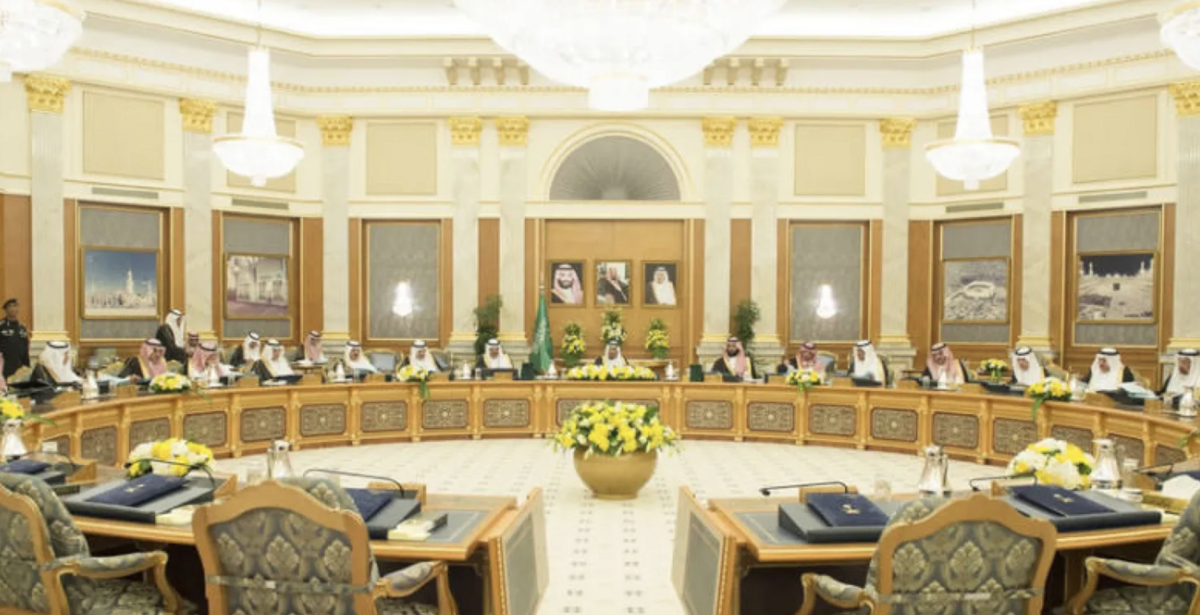
During its session held in Jeddah today, Tuesday, under the chairmanship of Custodian of the Two Holy Mosques King Salman bin Abdulaziz Al Saud, the Saudi Cabinet affirmed its hope that the "High-Level International Conference on the Peaceful Settlement of the Palestinian Issue," chaired by Saudi Arabia in partnership with France, would contribute to accelerating recognition of the Palestinian state, establishing a consensus path to implementing the two-state solution, and enhancing the security and stability of the countries of the region.

The Saudi Cabinet condemned the Israeli Knesset's demand to impose control over the occupied West Bank and Jordan Valley, undermining peace efforts and perpetuating destruction and devastation. The Cabinet stressed the Kingdom's complete rejection of the occupation authorities' violations of international law and United Nations resolutions.

He affirmed the Kingdom's continued efforts to establish a just peace in the Middle East, promote international security and stability, and halt the cycle of violence that has claimed the lives of tens of thousands of innocent civilians.

The Saudi Cabinet reiterated its welcome of French President Emmanuel Macron's announcement of his country's intention to recognize the State of Palestine, and called on other countries to take similar steps and take positions in support of peace and the rights of the Palestinian people.

Powered by Froala Editor

PALESTINE

Tue 29 Jul 2025 5:53 pm - Jerusalem Time

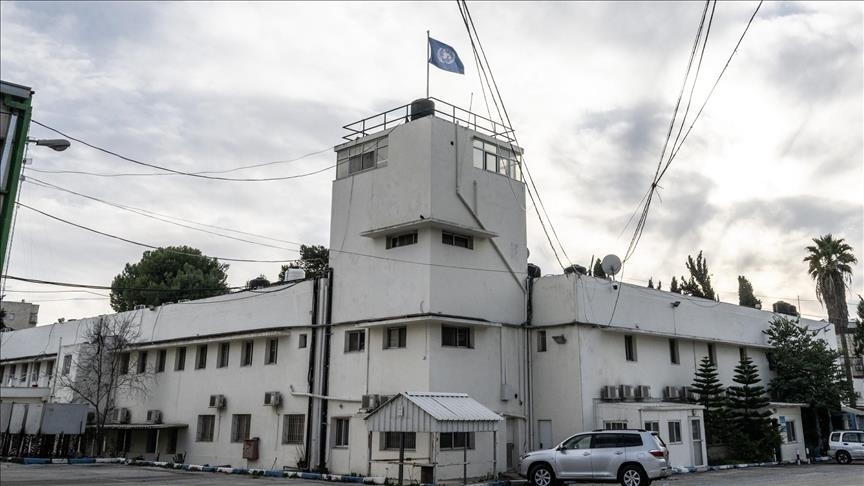
UNRWA calls for flooding Gaza with aid to prevent "worst-case scenario of famine"

The United Nations Relief and Works Agency for Palestine Refugees (UNRWA) described the situation in the Gaza Strip on Tuesday as a "worst-case scenario of famine" and called for a flood of humanitarian aid.

UNRWA said via its X platform that "the worst-case scenario for famine is now occurring in Gaza, according to leading international experts. It is an entirely man-made famine," referring to Israel's genocidal war.

She continued: "Gaza has reached the brink of famine, with starvation and malnutrition widespread throughout the war-torn territory, including among children."

"More than 100 people have died of hunger in the past few weeks alone," according to the UN agency.

She stressed that "the only way to stop this disaster is to flood Gaza with massive amounts of aid."

Powered by Froala Editor

PALESTINE

Tue 29 Jul 2025 5:16 pm - Jerusalem Time

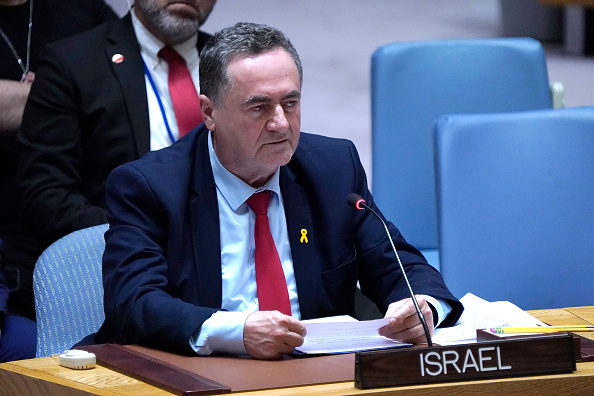
Israeli Defense Minister: We seek to defeat Hamas and prevent it from taking control of Gaza

Israeli Defense Minister Yisrael Katz asserted that the entity's primary goal is to defeat Hamas and prevent it from imposing its will on events in the Gaza Strip, emphasizing the need to reduce the movement's influence in the region.

Katz explained that the occupation army must possess the same capabilities and operational freedom in Gaza as it enjoys in the West Bank, in order to ensure Hamas's effectiveness is undermined and prevent it from reorganizing its ranks or threatening Israel's security.

Powered by Froala Editor

PALESTINE

Tue 29 Jul 2025 4:50 pm - Jerusalem Time

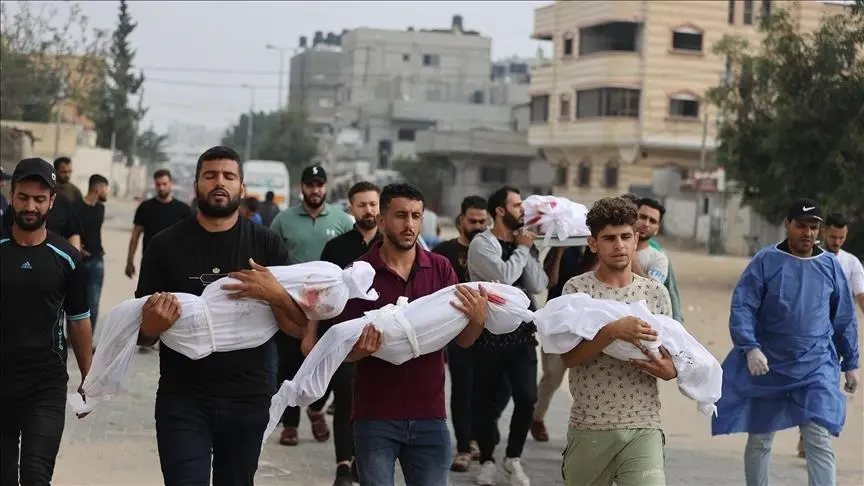
Dead and wounded as the occupation targeted those waiting for aid in Khan Yunis and Beit Lahia.

Several civilians were killed and others injured Tuesday evening after the Israeli occupation army targeted a group of people waiting for aid in Khan Yunis and Beit Lahia in the Gaza Strip.

Medical sources reported that four citizens were killed and dozens injured after the occupation targeted people waiting for aid south of Khan Yunis in the southern Gaza Strip.

At least three civilians were killed and several others injured as a result of artillery shelling and gunfire from Israeli forces targeting aid seekers in the Sudanese area north of Beit Lahia, northwest of the Gaza Strip.

Since October 7, 2023, the Israeli occupation forces have launched an aggression against the Gaza Strip, resulting in the deaths of 59,921 citizens, the majority of whom were children and women, and the injury of 145,233 others, according to a preliminary toll. A number of victims remain under the rubble and on the streets, unable to be reached by ambulance and rescue crews.

Powered by Froala Editor

ARAB AND WORLD

Tue 29 Jul 2025 3:45 pm - Jerusalem Time

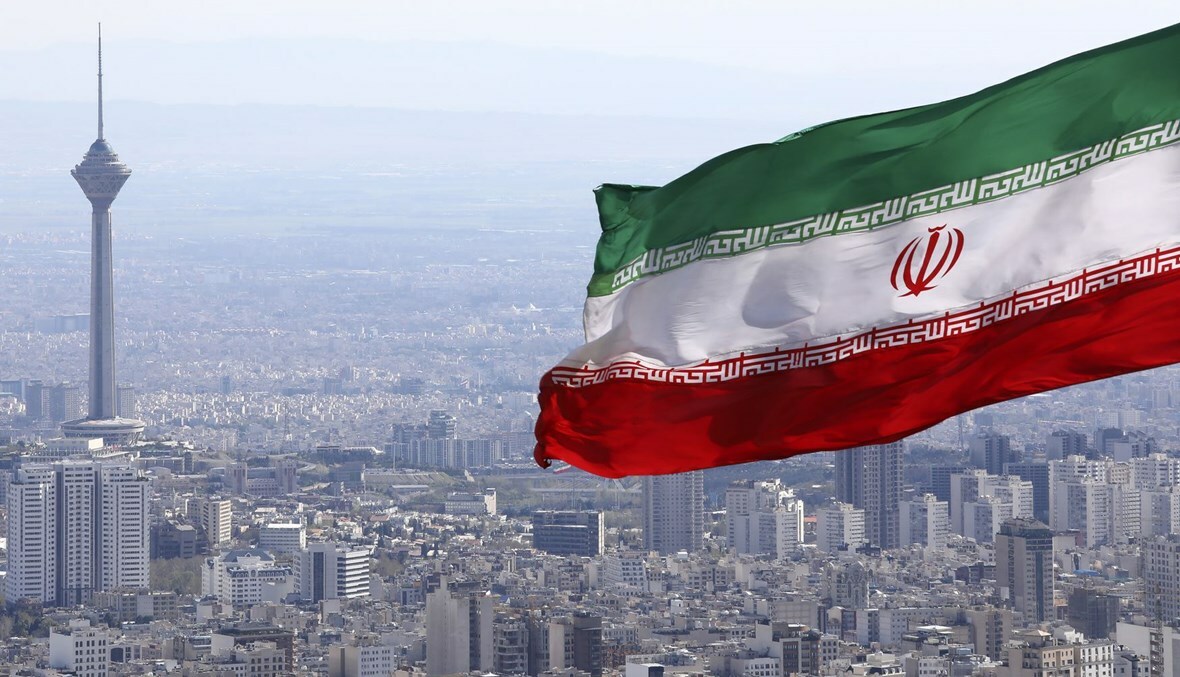
Iran denies Trump's claim that it gave Hamas "orders" in Gaza talks

Iran said Tuesday it did not interfere in the Gaza ceasefire negotiations, after US President Donald Trump said Tehran had issued "orders" to Hamas.

During a visit to Scotland on Monday, Trump told reporters that the Iranians "interfered in these recent negotiations" between Israel and Hamas, which ended last week without any progress.

Trump said, "I think they interfered in these negotiations, and they informed Hamas and gave them signals and orders, and that's not good."

Iran denied having done so, stressing that it was "completely baseless."

Foreign Ministry spokesman Esmail Baqaei said Trump's statements were "a form of evading responsibility and accountability" on the part of the US president.

He stated that Hamas negotiators "do not need the intervention of third parties," because the movement "understands the interests of the oppressed people of Gaza and seeks to achieve them in the most appropriate manner."

The latest round of indirect negotiations, mediated by the United States, Egypt, and Qatar, was held earlier this month in Doha, but did not reach a truce agreement.

Last month, Israel launched a surprise attack on Iran, targeting key nuclear and military sites, but the bombing also hit populated areas.

The United States briefly joined the war, striking Iranian nuclear facilities, while Tehran responded with missile and drone attacks.

Trump said yesterday that Iran has been sending "very bad signals" since the end of its 12-day war with Israel, without specifying their nature.

He may be referring to the nuclear negotiations with Washington, which have been hampered by the war, or to Iran's support for armed factions in the region, which the United States and its allies view as a threat.

Baghaei called on the United States to "stop sending lethal weapons to the occupying entity," referring to Israel, and to force it to "stop the genocide and allow humanitarian aid into" the Gaza Strip.

Powered by Froala Editor

PALESTINE

Tue 29 Jul 2025 3:38 pm - Jerusalem Time

UNRWA Commissioner-General: The worst-case scenario of famine is already happening in Gaza.

UNRWA Commissioner-General Philippe Lazzarini said on Tuesday that the worst-case scenario of famine is already occurring in Gaza, according to the world's leading experts.

"The famine threshold has been crossed, with severe hunger and malnutrition spreading across the Gaza Strip," he added.

He pointed out that more than 100 people have died of hunger in Gaza in the past few weeks alone.

Lazzarini pointed out that the only way to stop the catastrophe is to flood Gaza with large-scale humanitarian aid.

He continued: "We have the equivalent of 6,000 trucks of food and medicine ready to cross into the Gaza Strip."

He emphasized that airdrops of aid to Gaza create media hype but have no impact on the ground, according to him.

He added, "Airdrops to Gaza are risky, while trucks are capable of transporting aid."

Powered by Froala Editor

ARAB AND WORLD

Tue 29 Jul 2025 3:30 pm - Jerusalem Time

Egypt affirms its rejection of the liquidation of the Palestinian cause through displacement schemes.

Egyptian Foreign Minister Badr Abdel Aty affirmed on Tuesday that his country will not accept the liquidation of the Palestinian cause through plans to displace Palestinians.

This came during Abdel Aati's meeting with his Palestinian counterpart, Prime Minister Mohamed Mustafa, on the sidelines of the high-level international conference on the peaceful settlement of the Palestinian issue and the implementation of the two-state solution, held at the United Nations headquarters in New York City, co-chaired by Saudi Arabia and France.

An Egyptian Foreign Ministry statement said that Abdel Aati stressed during the meeting "Egypt's rejection of any attempts to liquidate the Palestinian cause through displacement schemes."

He affirmed that Cairo will continue its tireless mediation efforts to reach a ceasefire agreement and ensure the flow of humanitarian aid to the Gaza Strip in light of the unprecedented humanitarian catastrophe.

The statement added that the two sides discussed future steps to implement the early recovery and reconstruction plan for Gaza following a ceasefire, including the early recovery and reconstruction conference that Egypt intends to host in coordination with the Palestinian government and the United Nations.

On March 4, an emergency Arab summit on Palestine adopted a plan submitted by Egypt to rebuild Gaza without displacing Palestinians. The plan is expected to take five years to implement and cost approximately $53 billion.

However, Israel and the United States rejected the plan and adhered to a scheme promoted by US President Donald Trump since January 25 to displace Palestinians from Gaza to neighboring countries such as Egypt and Jordan. Both countries rejected the plan, and other Arab countries and regional and international organizations joined them.

The meeting addressed developments in the occupied West Bank, in light of escalating military incursions and daily Israeli violations in Palestinian cities and camps. Abdel-Ati condemned the accelerating Israeli settlement expansion in the West Bank.

Abdel-Ati addressed the repercussions of Israel's decisions to close schools and hospitals affiliated with the United Nations Relief and Works Agency for Palestine Refugees (UNRWA) in East Jerusalem, affirming "Egypt's full support for the vital and irreplaceable role of the UN agency," according to the same source.

Last May, Israeli police raided six UNRWA schools in occupied Jerusalem and forcibly evacuated them, implementing an April order to close them. The move sparked Palestinian anger, calling it a "direct violation of educational rights and the symbolism of the Palestinian presence in the occupied city."

During the meeting, Abdel-Ati expressed Cairo's hope that the momentum accompanying the conference on the peaceful settlement of the Palestinian issue and the implementation of the two-state solution, held in New York, would contribute to "accelerating international recognition of the Palestinian state," praising French President Emmanuel Macron's announcement of his intention to recognize Palestine.

Abdel-Ati stressed Egypt's "full support for the legitimate rights of the Palestinian people, foremost among them their right to self-determination and the establishment of an independent state on the June 4, 1967, borders, with East Jerusalem as its capital."

On Thursday, Macron announced that his country would recognize the State of Palestine during the United Nations General Assembly in New York next September.

Macron said via the X platform: "In fulfillment of its historic commitment to a just and lasting peace in the Middle East, I have decided that France will recognize the State of Palestine."

Powered by Froala Editor

PALESTINE

Tue 29 Jul 2025 2:07 pm - Jerusalem Time

Bloody July: 39 dead and 656 casualties since the start of the war of extermination on the Gaza Strip

Before July drew to a close, Gaza was about to face a new chapter of loss, this time in its stadiums, halls, and scout fields.

Thirty-nine athletes, scouts, and youth were martyred this month alone, bringing the total number of martyrs from the sports, youth, and scouting movement to more than 656 since the beginning of the genocide.

They are not just numbers, but faces that filled the squares with light and hope.

Ismail Abu Dan passed away, followed by Al-Tuffah Club player Sami Al-Helou, followed by Imad Yousef Al-Hawajri from Al-Rabat Club, then Imad Al-Abd Al-Fayoumi, the former Al-Shuja'iya star, before the soul of Ahmed Ali Asaad Salah, the Shabab Al-Khader player, ascended.

Among the Scouts, the young flower, Iman Muhammad Haraz, daughter of the Peace Scouts and Guides group, rose, while boxer Ahmed Bakhit was betrayed, and handball player Muhammad Omar Abdullah Abu Abdo fell.

Finally, Commander Asaad Abu Shawqa, Vice President of the Palestinian Karate Federation, passed away as a martyr due to his prolonged displacement, having lost his home, his daughter, and his grandchildren. He passed away without a single complaint, as if apologizing to life for loving it too much.

The Football Association topped the list of casualties, a scene that makes us wonder: How can sports survive amid such systematic death? How can a pure dream like the dream of playing be slaughtered so brutally?

Powered by Froala Editor

PALESTINE

Tue 29 Jul 2025 1:17 pm - Jerusalem Time

More than 60,000 dead in the Gaza Strip since October 7, 2023

The Ministry of Health in the Gaza Strip announced on Tuesday that the death toll from the Israeli aggression has risen to 60,034 dead and 145,870 injuries since October 7, 2023.

The ministry said in its daily statement: "113 dead (including one who was recovered) and 637 injuries arrived at Gaza Strip hospitals over the past 24 hours."

It noted that a number of victims remain under the rubble and on the streets, with ambulance and civil defense crews unable to reach them at this time.

It added, "The death toll from March 18, 2025, to date has reached 8,867 dead and 33,829 injuries."

Regarding the livelihood martyrs, she confirmed that the number of aid victims who arrived at hospitals over the past 24 hours was 22, along with more than 199 injuries.

The Ministry of Health in Gaza reported that the total number of people killed in the struggle for their livelihood who arrived at hospitals has risen to 1,179, with more than 7,957 injured.

Powered by Froala Editor

Powered by Froala Editor

OPINIONS

Tue 29 Jul 2025 12:42 pm - Jerusalem Time

Palestinian banks in the eye of the storm: the lifeblood of the economy is choking

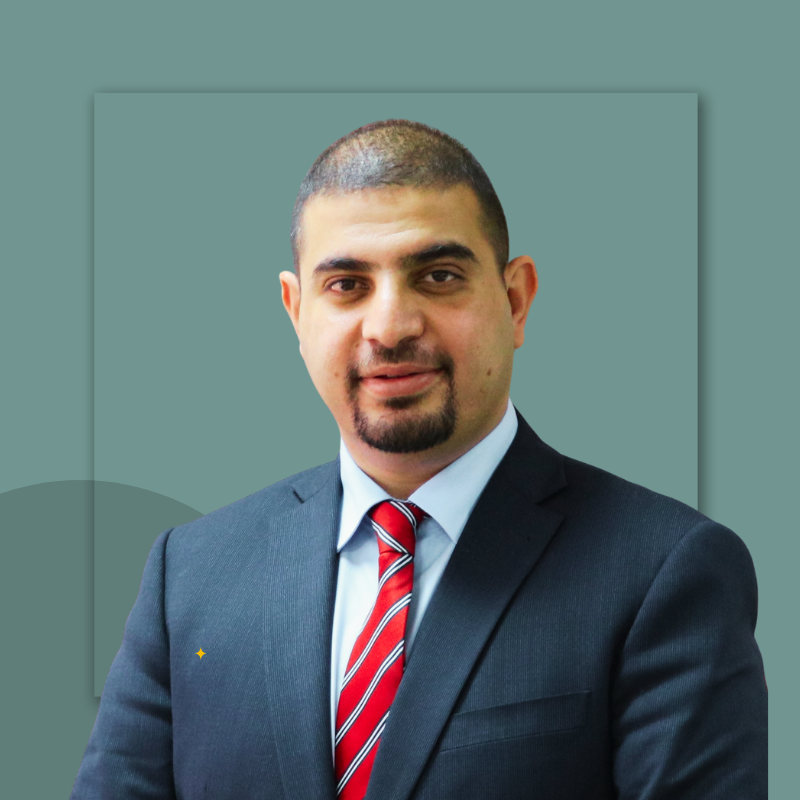
 Written by: Dr. Saeed Sabry – International Economic Advisor – Board Member of the International Digital Transformation Authority – Dubai

Written by: Dr. Saeed Sabry – International Economic Advisor – Board Member of the International Digital Transformation Authority – Dubai

Opinion Writer

As the Palestinian economy teeters on the brink of collapse, Palestinian banks have not been spared the repercussions of the crisis. Rather, they have become the eye of the storm, facing increasing pressures between the hammer of financial crises and the anvil of political challenges. They have transformed from a development actor into one struggling for survival.

Banks in any economy are a fundamental pillar of stability and growth. However, the complex Palestinian reality—due to the occupation, division, and successive crises—has left this sector in a fragile state, despite apparent signs of stability. The World Bank's 2024 report highlighted the features of the worsening financial crisis through its analysis of the level of public spending and the Palestinian Authority's reliance on the local banking system. The updated 2025 report reaffirmed the seriousness of these trends, warning of direct repercussions that threaten banking and financial stability as a whole.

The Palestinian banking system consists of 15 banks (7 local and 8 foreign). Despite this number, it is noted that more than half of banking facilities in some years go to public sector employees, placing banks at risk whenever the financial relationship between the government and the occupation over clearance revenues deteriorates. Conversely, funding for productive projects does not exceed 15–20% of total facilities, while development financing tools are almost nonexistent in Jerusalem due to the legal and political complexities imposed on the city.

In the absence of a comprehensive development vision, banks are turning into consumer finance providers, dominated by personal loans and car or home financing, at a time when the Palestinian market is in need of productive investments and operational projects.

This approach, based on linking facilities to stable sources of income (such as employee salaries), contributes to reducing short-term risks, but it also weakens banks' ability to contribute to driving the economy, making them more vulnerable to any disruption in government financial flows.

On the other hand, the challenges facing the banking system are not limited to the banks' relationship with the government. They extend to the political and security environment, which hinders financial transfers and imposes Israeli restrictions on the movement of funds, particularly the shekel. This has led to a real liquidity crisis for banks, placing them under the threat of sanctions or gradual collapse if these restrictions persist.

The escalating crisis of the shekel hoarded within the banking system, due to Israeli banks' reluctance to accept surplus cash, is deepening the liquidity crisis and weakening banks' ability to lend or even maintain their daily obligations to their customers. At the same time, the Monetary Authority faces a complex balance between the need to intervene to protect the banking system and the constraints imposed on its monetary sovereignty.

It is estimated that the percentage of public sector employees borrowing exceeds 50% of the total number of borrowers, a percentage that reflects the extent to which the banking system is intertwined with the stability of government salaries. Furthermore, the percentage of economic projects financed by banks in Jerusalem and its surrounding areas remains extremely limited, creating a funding gap in one of the most sensitive areas in need of economic and political support.

Despite these challenges, the efforts of banks and the Monetary Authority to maintain relative stability in the banking system cannot be denied, through precautionary measures, financial allocations, and restrictions on unsafe lending. However, this stability remains fragile and dependent on continued external financial inflows and the government's resilience, which has become increasingly risky.

The reality of Palestinian banks today is a direct reflection of the fragile political and economic environment and a serious indicator of the depth of the crisis. Because banks represent the lifeblood of the economy, any congestion in them will impact every aspect of economic life, from the labor market to investment, from individuals' ability to spend to companies' ability to grow.

Hence, protecting the banking sector requires an integrated approach that includes:

● Expanding the productive base of the Palestinian economy, to create alternative and independent sources of income.

● Strengthening financing tools for small and medium enterprises.

● Political and international pressure to lift Israeli restrictions on cash transfers.

● Restructuring the relationship between banks and the government to reduce excessive interdependence.

● Building sovereign tools to enhance the Monetary Authority’s ability to intervene effectively in times of crisis.

● Establishing a bank emergency fund to enhance the ability to confront short-term crises.

In conclusion, the banking crisis is no longer merely a technical issue to be addressed through financial measures. Rather, it has become a sovereign issue par excellence, requiring a national strategic vision that redefines the role of banks as a lever for the economy, not merely a tool for crisis management. Protecting the banking sector cannot be separated from the Palestinian economic independence project, which begins with liberation from financial dependency and proceeds through the restoration of sovereign decision-making and the building of a robust, productive economy.


Powered by Froala Editor

PALESTINE

Tue 29 Jul 2025 12:17 pm - Jerusalem Time

UN report: All Gaza residents face severe food insecurity

The World Food Programme said on Tuesday that there is an "urgent need" to increase aid to the Gaza Strip to reach "the starving before it's too late," stressing that "hunger is spreading rapidly" in Gaza.

All residents of the Gaza Strip face severe levels of food insecurity amid the ongoing genocidal war and Israeli blockade, according to a UN report.

This came in a joint report on "Food Security and Nutrition in the World 2025," issued by the Food and Agriculture Organization (FAO), the World Food Programme (WFP), the International Fund for Agricultural Development (IFAD), the United Nations Children's Fund (UNICEF), and the World Health Organization (WHO).

According to the UN report, Palestine (Gaza Strip) is one of the countries where the largest percentage of the population faces high levels of acute food insecurity.

In the Gaza Strip, 100% of the population faces high levels of acute food insecurity, according to the report.

He also pointed out that approximately two million people in five countries and regions faced Level 5 hunger in 2024, according to the Integrated Food Security Phase Classification (IPC) scale, indicating that more than half of these people (approximately 1,106,900 people) are in the Gaza Strip.

The UN report confirmed that this number is nearly double the estimated 576,000 people at the end of 2023, confirming that this is the highest rate recorded in the history of the Integrated Food Security Phase Classification (IPC) scale for any country or region.

The World Food Programme said there is an "urgent need" to increase aid to the Gaza Strip to reach "the starving before it's too late."

This came in a post on the X platform today, in which the UN program indicated that "hunger is spreading rapidly" in Gaza.

He added, "There is an urgent need for a massive increase in food aid to the Gaza Strip to reach all the starving people throughout the Strip, before it is too late."

He stated that he had enough food stocks to feed all Palestinians in the Gaza Strip for three months, stressing the need for Israel to allow the entry of this aid.

He called for more food aid trucks to enter the Gaza Strip through all crossings, and for more routes within the Strip for trucks to pass through to reduce delays in reaching all starving Palestinians in the Strip.

Powered by Froala Editor

PALESTINE

Tue 29 Jul 2025 12:10 pm - Jerusalem Time

Smotrich: "Gaza is an integral part of the Land of Israel, and we will not transfer it from one Arab to another."

Israeli Finance Minister and Religious Zionism Party leader Bezalel Smotrich reiterated on Tuesday his call for settlements in the Gaza Strip, which he described as "an integral part of the Land of Israel."

Smotrich's remarks came during a conference held by the Gush Katif Heritage Center to mark the 20th anniversary of the implementation of the Gaza disengagement plan.

Smotrich said, "We have been saying for 20 years that this is a wish, and now this is also a realistic plan of action. We did not sacrifice these prices to transfer Gaza from one Arab to another. Gaza is an integral part of the Land of Israel."

Smotrich added, "I don't want to return to Gush Katif (the former settlement bloc in the Gaza Strip). It's too small. This (settlement) should be much bigger and much wider. Gaza allows for big thinking."

He continued, "No one in the world will allow us to wage war and eliminate Hamas and the threat posed by Gaza if we starve two million citizens."

Smotrich addressed the situation in the occupied West Bank, saying, "We are carrying out a revolution there. We are imposing de facto sovereignty, construction through legalization (i.e., the legalization of settlement outposts), confiscations, changing the DNA of the entire regime, and paving roads." He said that the current government will impose official Israeli sovereignty in the West Bank.

Smotrich announced yesterday morning that he would not withdraw from the government immediately due to Netanyahu's decision on Saturday to allow aid into the Gaza Strip and a daily ceasefire of several hours.

Smotrich opposes this decision, from which Netanyahu's office claimed that Smotrich and National Security Minister Itamar Ben-Gvir were excluded from and not invited. However, Smotrich said in his statement that "it is not right to make political calculations during a war," adding that "we will be tested according to the results – the defeat of Hamas."

Smotrich continued, "We are advancing a good strategic process, and it's not worthwhile to expand on it now. In a short time, we will know if it was successful and where we are headed."

Smotrich rejected Ben-Gvir's proposal that they work together against Netanyahu and form a "blocking bloc" against negotiations with Hamas over a ceasefire agreement to end the war on Gaza and a prisoner exchange. In this context, Ben-Gvir also sought to persuade rabbis to pressure Netanyahu.

Powered by Froala Editor

PALESTINE

Tue 29 Jul 2025 12:05 pm - Jerusalem Time

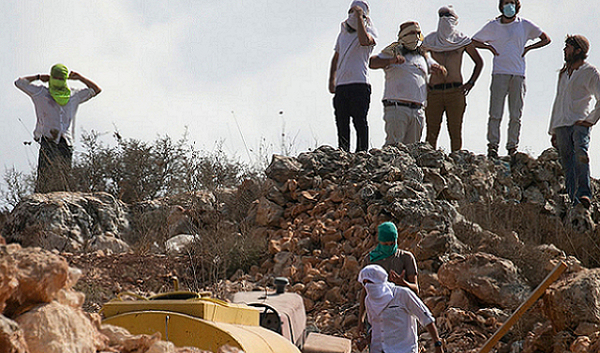
Settlers expand a colonial outpost in Deir Nizam, northwest of Ramallah.

Today, Tuesday, settlers began expanding a colonial outpost in the village of Deir Nizam, northwest of Ramallah.

Local sources reported that a group of settlers had set up animal pens on the settlement outpost located on village lands.

Ramallah villages are subjected to repeated, daily attacks by settlers and occupation forces, including assaults on citizens and their property, the burning of agricultural crops, and the closure of entrances to these towns.


Powered by Froala Editor

ARAB AND WORLD

Tue 29 Jul 2025 11:07 am - Jerusalem Time

Beijing: 30 dead, more than 80,000 evacuated due to heavy rains

Thirty people were killed Tuesday and more than 80,000 were evacuated from their homes in the Chinese capital, Beijing, due to heavy rains and flooding.

The Chinese news agency, Xinhua, reported that "the latest wave of severe thunderstorms had resulted in the deaths of 30 people in Beijing by midnight last night."

Meanwhile, the official Beijing Daily newspaper said on its WeChat account that "a total of 80,332 people have been evacuated so far" in the capital.

Chinese authorities have launched the highest level of emergency response to combat floods in Beijing.

According to a statement issued by city authorities, heavy rain is expected in most areas of the capital until 10:00 a.m. local time today.

For his part, Chinese President Xi Jinping ordered local authorities on Monday evening to "undertake comprehensive search and rescue efforts to minimize human and material losses," stressing the need to accelerate relief efforts and shelter those affected in areas most at risk from flooding.

Powered by Froala Editor

PALESTINE

Tue 29 Jul 2025 10:27 am - Jerusalem Time

The occupation summons the head of the Bar Association and informs him of the ban on the Association's work in Jerusalem.

This morning, Tuesday, the Israeli occupation intelligence summoned the head of the Palestinian Bar Association, Fadi Abbas.

The Jerusalem Governorate explained that the occupation intelligence service had interrogated him about his relationship with the Palestinian Authority and his political affiliation with the Fatah movement, and informed him of the decision to ban the Palestinian Bar Association from operating in Jerusalem.

It is worth noting that lawyer Fadi Abbas was elected as the head of the Bar Association in the elections for the electoral cycle (2025-2028), which were held on the sixth of this month.

Powered by Froala Editor

ARAB AND WORLD

Tue 29 Jul 2025 10:03 am - Jerusalem Time

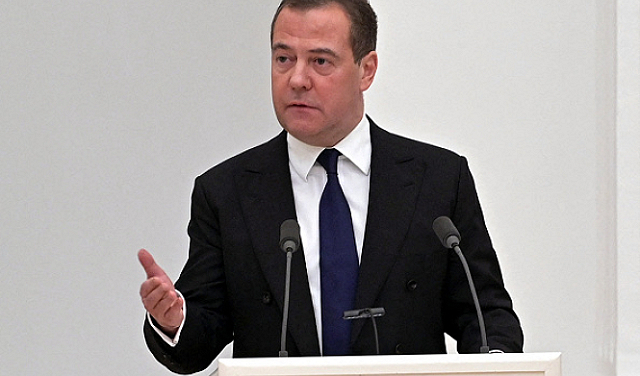
Medvedev to Trump: We are not Israel or Iran, and ultimatums lead to war

Former Russian President Dmitry Medvedev sharply criticized US President Donald Trump after the latter threatened to shorten the deadline given to Russia to reach a ceasefire agreement with Ukraine.

In a post on the X platform, Medvedev said, "Every new ultimatum is a threat and a step toward war. Not between Russia and Ukraine, but with his own country (the United States)," warning that US escalation could lead to a direct clash with Moscow.

"Russia is not Israel or even Iran," Medvedev added, in a pointed tone, referring to the recent brief war between Tel Aviv and Tehran, which saw US military intervention in support of Israel.

Medvedev currently serves as Deputy Chairman of the Russian National Security Council and is considered an influential figure in Russian political circles, despite previously holding the presidency on an interim basis between 2008 and 2012.

Medvedev's remarks came in response to Trump's escalating rhetoric toward Moscow, amid faltering efforts to end the war in Ukraine, which has been raging for more than two years.

Earlier this month, Trump announced a 50-day deadline for Russia to cease fire, threatening to impose steep tariffs on its trading partners if it failed to comply. He set a September 2 deadline for Russian President Vladimir Putin.

However, during his meeting with British Prime Minister Keir Starmer on Monday, Trump reiterated that he would "reduce the deadline from 50 to just 10 or 12 days," noting that "time is running out" and that he was "very disappointed with Putin" over Russia's continued bombing of civilian targets in Ukraine.

Trump added, "I thought the war would end, but every time I think it will, Putin kills more people... I'm no longer interested in talking to him."

Powered by Froala Editor

ARAB AND WORLD

Tue 29 Jul 2025 10:00 am - Jerusalem Time

New York: Gunman kills 4 people in Manhattan before committing suicide

At least four people, including a New York City police officer, were killed in a shooting Monday evening inside a skyscraper in midtown Manhattan, New York City, after a gunman stormed the building and began shooting randomly before committing suicide, according to US media reports.

A security source told CNN that the gunman opened fire on a number of people, killing four, including a police officer. The source added that the perpetrator then took his own life by shooting himself.

For her part, New York Police Chief Jessica Tisch announced in a social media post that "the situation is under control," noting that "the lone gunman has been neutralized."

The incident occurred around 6 p.m. local time inside 345 Park Avenue, a high-rise building that houses several offices, including the headquarters of the NFL and financial giant Blackstone.

According to eyewitnesses, the gunman entered the building carrying a machine gun and began moving between floors. A woman who was in the building, requesting anonymity, told AFP: "He was moving from one floor to the next. I felt truly terrified." Information indicates that the perpetrator was killed on the 33rd floor of the building.

Media outlets captured a photo of the man walking into the building carrying a rifle, wearing a dark jacket and sunglasses. He appears to have acted alone, without any accomplices.

The scene outside the building was tense, with an AFP correspondent observing a heavy police presence, some armed with heavy weapons and wearing bullet-proof vests, along with ambulances and helicopters hovering overhead.

New York City Mayor Eric Adams, via the X platform, urged those inside the building to "stay in place" and confirmed that the city's police were conducting a comprehensive search.

Shad Sakib, an employee in a nearby building, told AFP that they were told to stay inside their offices immediately after the shooting began. "We didn't know what was going on until we saw his picture circulating online. He was just wandering around the place where I usually have lunch," he added.

The targeted building is located just steps from Central Park, one of New York's most famous landmarks, and the attack sparked panic in the area, which is usually crowded with residents and workers.

Powered by Froala Editor

OPINIONS

Tue 29 Jul 2025 9:50 am - Jerusalem Time

Is there a way to save our people and their national destiny?

Jamal Zaqout

Jamal Zaqout

Opinion Writer

No one can argue that what the resistance forces, led by Hamas, seek to establish in any truce agreement, whether temporary or permanent, does not represent issues that are superfluous to national needs or are not unnational issues based on abstract factional considerations. The resistance's demands, in theory, enjoy both national and popular consensus, foremost among which is an end to the crimes of genocide to which our people in the Gaza Strip are subjected in all their forms. These crimes are not limited to military extermination by fire, but perhaps even more dangerous is the transformation of the siege into a genocidal starvation that affects all segments of the population, especially the most vulnerable among them: children, women, and the elderly, who have begun to fall one by one daily, in numbers estimated to number in the thousands, if not tens or even hundreds of thousands.

It has become clear that the strategic objective of this genocide lies in a plan for gradual ethnic cleansing. In times of war and genocide, there is no such thing as "voluntary displacement," as Netanyahu claims. Perhaps this explains the nature of the comprehensive structural destruction, not only of homes, livelihoods, and life, but of all sectors of the infrastructure necessary for a minimum level of survival. Furthermore, Israel's insistence on controlling the Philadelphi Crossing, its refusal to withdraw from key areas in the Gaza Strip, and its insistence on what it calls "humanitarian cities," which are in reality concentration camps for genocide and ethnic cleansing, all come within the context of consolidating its direct field capability to implement the mass displacement of our people. Perhaps the term "cleansing" used by Trump was no coincidence; it goes beyond a tactical threat to reveal long-term intentions being prepared against the Palestinian people and their national cause.

The real question now goes beyond the justice of these demands, which, as mentioned, enjoy popular consensus, and does not stop solely at the nature of the premeditated intentions of Washington and Tel Aviv. Rather, in light of precise knowledge of the nature of the massacre targeting the people and their national destiny, it is what can be done to prevent the realization of what the Tel Aviv rulers aspire to, even if this requires making some tactical concessions that do not affect the existence and national destiny. If these are truly the positions of the Palestinian factions, what is preventing a collective agreement on them so that everyone, each from their position, can assume their national and moral responsibilities to achieve these goals, according to a unified vision, a clear plan, and an official instrument charged with this?

In this context, the saying "Let whoever put the donkey up the minaret take it down," referring to responsibility for October 7, cannot be an acceptable pretext for continuing to distance themselves and evade responsibility. The disagreement over the calculations of October 7 may be legitimate, and it warrants serious debate, criticism, and an objective national review to draw lessons, the most important of which is that national consensus on the means of struggle is a source of strength and legitimacy for all forms of resistance. Just as the failure of the settlement process, and the disasters it has led to, and the insistence on entrenching themselves behind flawed policies, including exclusivity and exclusion to the point of threatening the Palestinian entity and its institutions, also calls for a serious review and concrete responses. All of this is not for the sake of setting up gallows for anyone, but rather for the sake of protecting the national ship from sinking.

Trump and his envoy, Witkoff, who are swapping roles with Netanyahu and Dermer, are throwing down the gauntlet in the face of any looming hope for our people, especially in Gaza. Their goal is to deepen the wound and tear apart our social fabric, which has unfortunately remained hostage to the absurd state of division. Some of us are exonerating the rulers of Tel Aviv without examining the seriousness of this, as if the resistance is the cause of the genocide, or responsible for obstructing the achievement of a new agreement, after the January agreement was violated. The falsity of the saying "follow the bullet to the door of the house" has been proven not only ineffective in removing pretexts, but also because it has fueled the occupation's expansionist appetite, to the point of openly declaring our existence illegitimate, as if we are a superfluous people, and the only way to achieve stability in the region is by uprooting us, liquidating our rights, and finally destroying our national destiny in this country.

It has become clear that the fascist aggression of the Tel Aviv rulers is escalating without limits, as much as the Palestinian position suffers from weakness. This weakness does not lie in the inability of our people, who have been struggling for more than a century, to persevere, nor in the injustice of their cause, which has become a symbol of human justice, nor in the absence of popular solidarity across continents, nor even in the differences in the general political objectives of the various factions, which agree on rejecting occupation and settlements and adhering to freedom, the right of return, self-determination, and complete national independence in a Palestinian state with Jerusalem as its capital, within the borders of June 4, 1967.

The essence of our internal weakness lies in division, the struggle over fading legitimacy, and the accompanying duplicity of discourse, which undermines the unity of the social fabric and the overall national capacity to curb aggressive fascism. The continuation of this weakness threatens the ability to preserve the enormous sacrifices made by our people and squanders the possibility of transforming them into political achievements that serve our supreme national goals and interests. This necessitates that everyone rise to the level of this decisive moment and submit to the broad popular will to address this dilemma, which has become a cancerous scourge threatening our lives and the future of our cause.

For some, discussing this issue has become like idle chatter, or as if the division has become an irreversible epidemic, without those who advocate this discourse offering an alternative or a new and serious path to salvation. If the goal is to restore national unity within the context of respecting and preserving pluralism and the democratic foundations upon which the political system is based, through elected national institutions, then this is a lofty goal. However, realistically, it requires agreement on a comprehensive transitional plan and frameworks, based on urgent priorities that brook no room for maneuver. The absence of national unity has become a pretext for the continued shedding of blood and lives in Gaza.

Perhaps agreeing on national tools and frameworks based on the Beijing Declaration and the national parameters of a deal to stop the genocidal war can no longer tolerate delay or procrastination. Both, delay and procrastination, will place everyone at the center of the ongoing bloodshed, without absolving the real criminal. However, failure to reach a common understanding will enable the criminal to attempt to distribute the victims' blood among the tribes.

Finally, although the fate of a possible transitional deal is no longer clear, the main dilemma that Tel Aviv's rulers will continue to invoke is what they call "the day after." This question was answered by all Palestinian factions in Beijing more than a year ago, but it has remained locked away in the drawers of miscalculations.

Have these calculations succeeded in halting the genocide? Does Hamas's political leadership realize that the key to a solution now hangs in the balance, with the courage to urgently hand over the negotiations file and the entire situation to a national unity government that will bear responsibility for the Gaza file and be able to link it to the national file with a mandate from all Palestinians? Does the Authority realize that this is the only option available to save the people and the national destiny together? Now that everyone has come to realize that we are all in the same train of genocide, displacement, and liquidation?

Is it time for a united response to the gravity of this moment?

Otherwise, we will continue to bleed and lose our rights.


Powered by Froala Editor

OPINIONS

Tue 29 Jul 2025 9:47 am - Jerusalem Time

Ending the Israeli aggression on Gaza: the moral imperative and the high political price

Dr. Raed Abu Badawiya

Dr. Raed Abu Badawiya

Opinion Writer

The cloud of Israeli aggression on the Gaza Strip has loomed over the besieged city for a long time. It is a cloud laden with blood, genocide, starvation, and forced displacement, the likes of which the modern era has never seen in terms of brutality and scope, and which has been witnessed and heard by the entire world. This dark cloud has exposed the fragility of the international system and its inability to stop the massacres or implement international humanitarian law, as tens of thousands of Palestinian civilians have been killed under the weight of a military machine that makes no distinction between children and resistance fighters, nor between homes and shelters.

In the face of this brutal violence, the Israeli government, headed by Benjamin Netanyahu, has demonstrated blatant political and military bankruptcy. It has failed to achieve any of its declared goals, whether eliminating the resistance, restoring what it calls "deterrence," or releasing its prisoners. Rather, Tel Aviv appears mired in an unprecedented internal crisis, manifested in sharp divisions, popular protests, and the erosion of trust in the political and military establishment. Faced with the steadfastness of the Gazans, the Israeli occupation has emerged as a barbaric force more afraid of breaking out of the impasse than eager to achieve a false victory.

Although the clouds are destined to dissipate, when the cloud of this aggression clears, it will leave behind heavy political and strategic costs, not only for the Palestinians, but for the entire region.

What the war on Gaza has revealed, particularly over its months, is that Israel, despite its weapons of mass destruction and power, suffers from a structural inability to address the core of the Palestinian issue. Weapons do not address the moral dilemma resulting from the continued occupation, nor do they guarantee legitimacy in a world that has begun to change, particularly in global public opinion, which has begun to view what is happening in Gaza as an ongoing crime against humanity.

The Israeli discourse of "self-defense" has lost its effectiveness in the face of images of corpses and children under the rubble, especially in the digital space, where traditional media is no longer the only one telling the story.

One of the most significant costs the region may have to pay, and which may be part of a post-war deal, is the push to expand Arab normalization with Israel, under the pretext of reconstruction or preventing a security collapse. But the most dangerous, however, is what is being quietly circulated in some circles: a project to annex large parts of the West Bank, particularly Area C, with direct or indirect American support.

These plans are not new. Their outlines emerged since the introduction of the "Deal of the Century" under President Donald Trump, when there was talk of the de facto annexation of Palestinian lands in the West Bank. Today, with the return of Republican influence in the United States and the near-total absence of the idea of a "two-state solution" from official American discourse, annexation appears to be making a comeback, albeit in a more normalized international environment and a region more preoccupied with itself.

The most dangerous aspect of the annexation project is not only the change in geography, but also the reshaping of the Palestinian political entity to align with the logic of control and containment. Implementing annexation must be accompanied by a comprehensive restructuring of Palestinian national institutions, chief among them the PLO and the Palestinian Authority. This would strip them of their liberationist character and transform them into administrative and security agencies that do not represent a national project, but are instead functionally managed within regional and international arrangements. As some data indicates, the Palestinian Authority will then be reshaped, in terms of its role and structure, transforming it from a transitional entity toward statehood into a permanent entity managing the affairs of the population, without any sovereign horizon. Tasks will be redistributed between those managing security and those providing services, while Palestinian representation will be reduced to formal titles and advisory forums that possess neither decision-making power nor a legitimate project. In this context, the call for partial elections for the Palestinian National Council may be used as a cosmetic tool to consolidate the status quo, rather than change it. Fragmented elections, without comprehensive national consensus, and amidst existing divisions and the hegemony of the occupation, do not establish new legitimacy. Rather, they reproduce the crisis and give it a false democratic appearance.

But halting the aggression alone is not enough unless it is accompanied by a political resistance project that rebuilds the Palestinian political system, puts an end to security coordination, and restores the PLO as the legitimate and unified representative of Palestinians at home and in the diaspora, according to a liberation vision based on rights, not accommodation with the occupation. Experience has proven that the absence of a comprehensive national project has weakened the Palestinian position, opened the way for displacement and dismantling projects, and transformed the issue into a mere "relief" or "security" issue. What is required today is not merely to defend the victim, but rather to rebuild the Palestinian national project from its roots: genuine partnership, inclusive representation, political and popular resistance, and liberating Palestinian decision-making from the shackles of guardianship and coordination, before a new reality is imposed in which Palestine becomes a name without substance.

The battle of Gaza, with all the pain and sacrifices it entailed, may be a foundational moment for repositioning the Palestinian cause, not only in the Arab conscience, but also in regional and international equations. But this will not happen automatically. It is not enough for the cloud of blood to dissipate; the foundations beneath it must be rebuilt, so that the scene is not repeated, the genocide is not repeated, and the memory is not erased.


Powered by Froala Editor

PALESTINE

Tue 29 Jul 2025 9:17 am - Jerusalem Time

A Palestinian died succumbing to his wounds after being shot by a settler south of Hebron.

A young man died Tuesday morning from wounds he sustained from a settler's bullets in the village of Umm al-Khair, east of Yatta, south of Hebron.

The General Authority of Civil Affairs informed the Ministry of Health of the death of the young man, Awda Muhammad Khalil Al-Hathalin (31 years old), as a result of being shot by a settler yesterday evening.

Powered by Froala Editor

PALESTINE

Tue 29 Jul 2025 9:15 am - Jerusalem Time

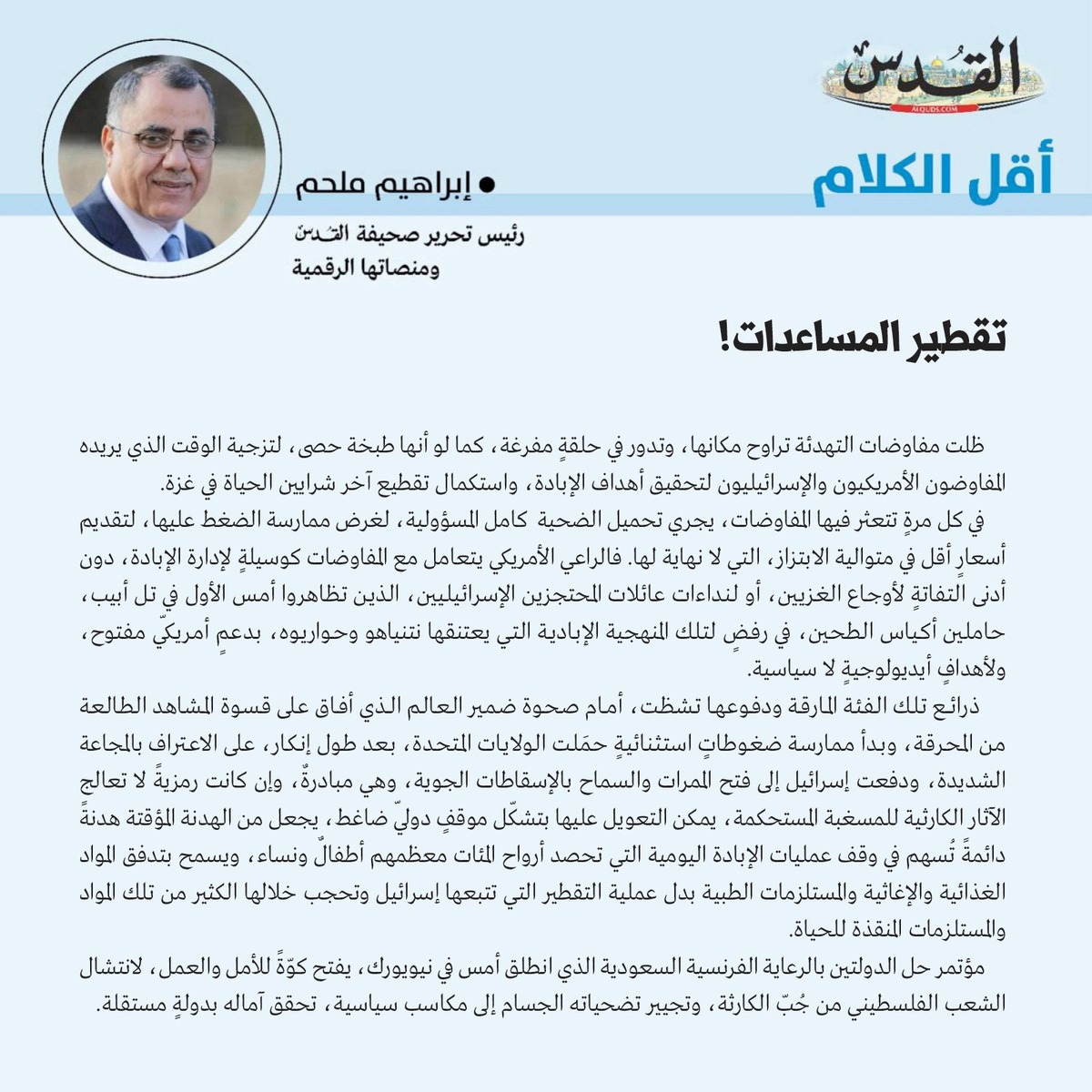
Aid dripping!

The ceasefire negotiations have remained stalled, revolving in a vicious circle, as if they were a mere squash, meant to buy time for the American and Israeli negotiators to achieve their goals of genocide and complete the severing of Gaza's last lifeline.

Every time negotiations falter, the victim is held fully responsible, with the aim of pressuring them to offer lower prices in an endless cycle of blackmail. The American sponsor treats negotiations as a means of managing genocide, with no regard for the pain of the Gazans or the appeals of the families of the Israeli detainees, who demonstrated the day before yesterday in Tel Aviv, carrying bags of flour, in rejection of the genocidal approach embraced by Netanyahu and his interlocutors, with open American support and for ideological, not political, objectives.

The pretexts and defenses of this rogue group were shattered in the face of the awakening conscience of the world, which woke up to the cruelty of the scenes emerging from the Holocaust. It began to exert exceptional pressure, which compelled the United States, after a long period of denial, to acknowledge the severe famine. It also pushed Israel to open the corridors and allow airdrops. This initiative, although symbolic and ineffective in addressing the catastrophic effects of the ongoing famine, can be relied upon to form a pressing international position, transforming the temporary truce into a permanent one that contributes to halting the daily genocide that is claiming the lives of hundreds, most of whom are children and women. It allows the flow of food, relief supplies, and medical supplies, instead of the distillation process that Israel is following, during which it withholds many of these life-saving materials and supplies.

The two-state solution conference, sponsored by France and Saudi Arabia, which kicked off yesterday in New York, opens a window of hope and action to rescue the Palestinian people from the abyss of catastrophe and transform their immense sacrifices into political gains that will realize their hopes for an independent state.

Powered by Froala Editor

PALESTINE

Tue 29 Jul 2025 9:08 am - Jerusalem Time

Israel considers expanding its campaign on Gaza and tightening the siege

Despite the stalled negotiations to reach an agreement to stop the war and return the hostages, which have been suspended since the end of the week, the Israeli government has yet to announce a clear plan to resolve the crisis or a practical alternative to recover the prisoners, according to a report in Haaretz on Tuesday.

This comes amid statements by Prime Minister Benjamin Netanyahu and US Middle East envoy Steve Witkoff that Hamas "is not interested in reaching an agreement," prompting Israel to consider "alternative options" to achieve its stated goals.

During his visit to an intelligence unit base, Netanyahu reiterated his commitment to the operation's dual objectives, saying, "We have a job to do: eliminate Hamas and return our hostages. These are two interconnected goals, and we will not abandon them for a moment."

The Prime Minister convened the ministers of the Security Cabinet for a special meeting, reportedly to discuss the ramifications of the stalemate in the talks, as well as to review the army's plans to expand military operations in the Gaza Strip and tighten the blockade in the future.

For his part, Education Minister Yoav Kisch stated that talks on a prisoner swap had completely collapsed and were no longer on the agenda.

"The possibility of returning the kidnapped soldiers through a specific agreement is nonexistent. This is the reality. We must continue to pressure Hamas and look for other ways to release them and subdue the movement," he said in an interview with Israeli state radio.

Kish emphasized that this assessment is not limited to the Israeli position, but is shared by both the Qatari and Egyptian mediators, as well as US envoy Witkoff.

He added, "Hamas has backed away from everything that was agreed upon, and we will not change the pressure tools available to us," explaining that the delivery of humanitarian aid to Gaza is primarily aimed at easing international pressure on Israel, nothing more.

In the same context, Likud Knesset member Moshe Saadeh revealed a new approach by Netanyahu, which involves imposing direct control over Gaza and establishing a humanitarian zone.

In a statement on Israeli radio, he said, "Netanyahu talks about occupying Gaza and establishing a humanitarian city where we will provide energy, food, and healthcare, and then allow emigration from it. This is realistic and possible," he said.

In contrast, opposition leader Yair Lapid escalated his rhetoric against the government, saying that "the military campaign in Gaza has spiraled out of control."

In a public statement, Lapid held the government responsible for the continuation of the war without a clear political horizon, noting that continued operations would not bring back the kidnapped soldiers but would lead to increasing casualties among the army, a worsening humanitarian catastrophe, and increased international isolation for Israel.

Powered by Froala Editor

PALESTINE

Tue 29 Jul 2025 8:57 am - Jerusalem Time

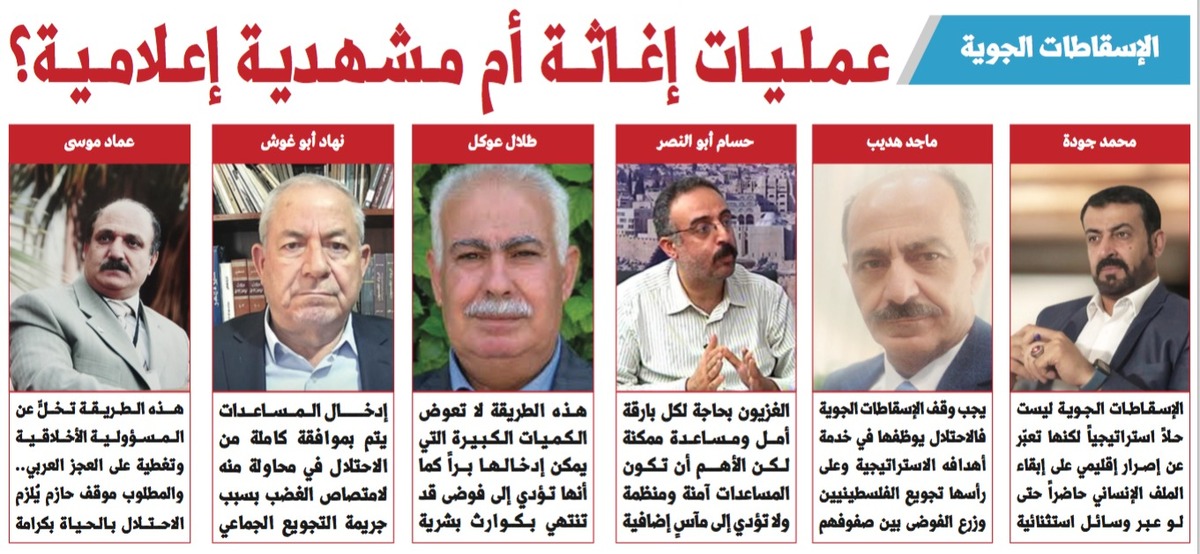
Airdrops: Relief Operations or Media Spectacular?

Mohammed Joda: Airdrops are not a strategic solution, but they express a regional insistence on keeping the humanitarian issue alive, even if through exceptional means.

Majed Hadeeb: The airdrops must be stopped, as the occupation is using them to serve its strategic goals, most notably starving the Palestinians and sowing chaos among them.

Hossam Abu Al-Nasr: The people of Gaza need every glimmer of hope and possible assistance, but the most important thing is that the aid be safe and organized and not lead to additional tragedies.

Talal Okal: This method does not compensate for the large quantities that can be brought in by land, and it also leads to chaos that could end in human disasters.

Nihad Abu Ghosh: Aid is being brought in with the full approval of the occupation in an attempt to absorb the anger over the crime of mass starvation.

Imad Moussa: This approach is an abdication of moral responsibility and a cover-up for Arab impotence. What is required is a firm stance that obliges the occupation to live with dignity.


As the humanitarian crisis in the Gaza Strip worsens and the stifling Israeli blockade continues alongside the ongoing war of extermination, some countries have resorted to airdropping humanitarian aid to various areas of the Strip. This comes amid fears that this could become a cosmetic effort to cover up the occupation's crimes.

In separate interviews with Al-Quds, writers and political analysts believe that these projections, despite their symbolic nature, do not address the roots of the disaster. Rather, they may be used as a propaganda tool to beautify the occupation's practices and cover up its crimes and failure to abide by international law, especially since they are carried out with the occupation's approval and under its full supervision. This raises questions about who truly benefits from these initiatives, and whether they actually contribute to saving civilian lives, or have they become a means of relieving international pressure on Israel?

In contrast, some writers and analysts link these "humanitarian" actions to the regional political landscape, arguing that the countries involved in these operations "are content with superficial solutions that fall short of the catastrophe, while what is required is genuine international action to ensure the opening of the crossings, end the blockade, and guarantee a dignified life for the more than two million Palestinians facing genocide in the Gaza Strip."


The international community has failed to impose safe humanitarian corridors.


Writer and political analyst Mohammed Joda believes that the resort by some countries, most notably the UAE, to airdropping aid over the Gaza Strip reflects the international community's failure to enforce safe and stable humanitarian corridors by land or sea. He asserts that this option, despite its high cost and limited impact, also reflects a political desire not to stand idly by while the humanitarian suffering in the besieged Strip worsens.

Joudeh explains that this type of humanitarian intervention, despite its symbolic nature, represents a "breaking of the humanitarian silence" and an indirect message of pressure against the parties obstructing the delivery of aid, particularly the Israeli occupation, which refuses to open the crossings regularly.

Joudeh asserts that airdrops are not a strategic solution, but rather express a regional insistence on keeping the humanitarian issue present in political and diplomatic awareness, even if it is done through exceptional means.

At the same time, Joudeh points out that the debate surrounding the effectiveness of these interventions—both in terms of their relief effectiveness and their political impact—is legitimate, but reflects a complex humanitarian dilemma. On the one hand, there is an urgent need to deliver food by any means possible, while on the other, there is a real fear that these methods could be misused to whitewash a harsh political reality or promote the false notion that the situation in Gaza is under control.


Projections mitigate but do not address the crisis.


Joudeh emphasizes that while airdrops may temporarily alleviate the tragedy, they do not address the root causes of the crisis. Rather, they may be used by some parties as a propaganda tool to weaken international pressure to open the crossings and lift the blockade.

Joudeh calls for every humanitarian action to be accompanied by a clear political message emphasizing that such aid is neither a substitute for lifting the blockade nor an end to the suffering. Rather, it must be part of a comprehensive vision that restores respect for international law and human rights.

Joudeh emphasizes the need not to allow humanitarian work to be transformed into a means of beautifying the political reality. Rather, it must remain a moral pressure tool to achieve radical solutions that guarantee Palestinians their right to a dignified life and freedom.


Airdrops are a double-edged sword.


For his part, writer and political analyst Majed Hadeeb considers the airdrops of humanitarian aid to the Gaza Strip, carried out by some countries, to be a "double-edged sword," which can be understood either as an attempt to rescue civilians trapped from starvation, or as a weapon that supports the Israeli occupation in implementing its plans to kill, starve, and displace the Palestinian people.

Hadib explains that all of these operations are carried out only with the approval of Israel, which pre-determines the executing party, the timing and location of the drop, and even the contents of the relief packages. This means that the occupation completely controls these operations and employs them to serve its strategic goals, most notably starving the Palestinians, sowing chaos among them, creating scenes of clashes over the packages, and even causing the deaths of civilians during the distribution operations.

Hadib points out that the experience of airdrops between 2023 and 2024 revealed a series of tragic incidents, where parcels fell on the heads of citizens, resulting in deaths and injuries, as well as creating problems, particularly in areas controlled by large, armed families, who prevented those in need from accessing aid, monopolizing it to the exclusion of others.

Hadib points out that the occupation is deliberately promoting this policy to perpetuate an image of chaos and collapse, and to hold the Palestinians themselves responsible for the chaos, rather than acknowledging its greater crime of imposing a comprehensive blockade and refusing to allow aid into the territory by land.

Hadib explains that these landings do not meet the minimum needs of the population, as the majority of the landings do not even equal the load of ten land trucks. Hadib believes that these landings are a "means of beautifying the ugly face of the occupation," by attempting to suggest that Israel is not responsible for the starvation policy or the humanitarian crisis, but rather "allows" the passage of aid, even as it closes the crossings and besieges more than two million Palestinians.


"Airdrops" are justified in natural disasters.


Hadib explains that "airdrops" may only be justified if the blockade is the result of a natural disaster or circumstances beyond human control. However, in the Palestinian case, the blockade and starvation are a systematic policy pursued by Israel to achieve clear displacement goals. Therefore, participating in these airdrops without a parallel political stance makes participants complicit in implementing those policies, or at least in improving the occupation's image before the international community.

Hadib calls for an immediate halt to these operations unless they are accompanied by serious political action, as they aim to beautify the occupation's image and support it by killing Palestinians without any pressure being placed on it.

"In order not to be complicit in whitewashing the occupation, we must be honest," Hadib says. "These landings serve Israel's political agenda and cover up the systematic crime of starvation. They must be stopped because they have become a direct threat to the people, due to the stampede and casualties."

Hadeeb calls for a conference at the United Nations headquarters, with Arab and regional support, to launch a new political dynamic based on the two-state solution as the only way to end the conflict and ensure a dignified and secure life for Palestinians.

Hadib emphasizes that "the humanitarian solution must not be separated from the political solution. If aid is not linked to a real international effort to lift the siege and halt the aggression, these initiatives will remain mere tools to beautify the occupation and assist Israel in silently killing Palestinians."


Airdropping aid to the Gaza Strip is useless.


For his part, writer and historian Hossam Abu Al-Nasr believes the UAE's announcement of airdrops of aid to the Gaza Strip is counterproductive, emphasizing that this approach has proven a failure on the ground, both because the aid does not reach those it deserves and because it causes civilian deaths due to the chaos it creates or the parcels falling in populated areas.

Abu al-Nasr explains that this option is futile, especially given the increasing flow of Egyptian aid into the Gaza Strip. He emphasizes that airdropping aid is not only ineffective, but could also cause further civilian casualties, something that has already occurred on previous and current occasions.

Abu Al-Nasr emphasizes that the UAE, as one of the first countries to normalize relations with Israel, must leverage its political ties to pressure Tel Aviv to open crossings, such as the Rafah and Erez crossings, or any of the surrounding crossings, to allow the immediate and orderly entry of aid.

Abu al-Nasr believes that this pressure is the realistic and practical solution to ending the humanitarian tragedy, rather than resorting to "relief measures" such as airdrops, which he described as ineffective and even counterproductive.


Timing of announcement of this air aid!


Abu Al-Nasr stresses that Palestinians in Gaza need every glimmer of hope and every possible assistance, but what's most important is that this aid be safe, organized, and not lead to additional tragedies.

Abu Al-Nasr points out that many civilians, including children, have been killed while attempting to obtain aid, which is being distributed in a haphazard and dangerous manner.

Abu al-Nasr points out that the timing of the announcement of this air aid comes amidst a clear fluctuation in the course of negotiations, which have been oscillating between progress and decline. This reinforces doubts about the use of the humanitarian issue as a political bargaining chip to pressure the passage of certain deals.

Abu Al-Nasr asserts that the Palestinian people in Gaza are no longer concerned with all this political debate. Rather, they are concerned with escaping the tunnel of hunger and siege, and with the tragic situation imposed by the policy of starvation, which has claimed the lives of many due to widespread famine and the lack of basic necessities of life.


The relief scene in Gaza is "not heroic"

For his part, writer and political analyst Talal Okal explains that the escalating starvation catastrophe in the Gaza Strip and the growing international response have prompted many parties to attempt to evade responsibility or justify their policies by promoting massive relief efforts, while what is happening on the ground does not exceed the strict Israeli restrictions, whether in terms of the amount and quality of aid or the mechanisms for its entry.

Awkal asserts that the relief scene in Gaza cannot be described in any way as "heroic," emphasizing that everything is being done with the approval of the Israeli occupation, which completely controls the details of aid entry, restricting its quantity, quality, and even the content of the relief supplies themselves.

Awkal strongly criticizes the mechanism of airdropping aid, stressing that it is not new and has been tried and proven unsuccessful.

Awkal explains that this method can in no way compensate for the large quantities that could be brought in by land. It also leads to significant chaos on the ground due to the absence of an organized distribution entity, which causes people to crowd together in an unorganized manner, creating a state of chaos that could lead to human disasters.

Awkal points out that some parcels fall into the sea, or even on people's heads, leading to injuries or even death.

Awkal believes this mechanism is not significantly different from the actions of what he calls the "inhumane Gaza Foundation," indicating that the declared efforts do not rise to the level of genuine humanitarian need and may even be used for propaganda or political purposes.

Awkal asserts that no propaganda can beautify this method of airdrops, or promote it as breaking the siege or an effective means of saving lives, given the ongoing "war crime of starvation" being perpetrated against Palestinians in the Gaza Strip.


Previous attempts to drop aid have failed.


For his part, writer and political analyst Nihad Abu Ghosh asserts that all airdrops or deliveries of humanitarian aid to the Gaza Strip, to date, have been carried out with full Israeli approval. This clearly demonstrates that what the occupation authorities are presenting as "humanitarian leniency" is merely a calculated move aimed at absorbing growing global outrage over the crime of mass starvation, rather than a serious effort to mitigate the catastrophe.

Abu Ghosh points out that Israel, despite the international criticism it faces, is continuing its war of genocide, destruction, and displacement, and is not offering any real humanitarian concessions. Instead, it is attempting to portray the crisis as an administrative and technical issue, sometimes claiming that trucks are being stolen and not reaching those they need, and other times claiming that the problem is due to Hamas's control over aid distribution.

These excuses, according to Abu Ghosh, lack credibility and are only intended to distract attention from the fact that the occupation is primarily responsible for the worsening crisis.

Abu Ghosh points out that previous attempts to drop aid, in addition to attempts such as the Biden administration's construction of a seaport that was later retracted, and the performance of the "dubious Gaza security establishment," have not achieved any real results. Instead, some distribution points have turned into "death traps."

Abu Ghosh stresses that all these attempts do not constitute an alternative to a radical solution, which involves opening the crossings and allowing aid into the Strip in accordance with fair and adequate humanitarian standards.

Abu Ghosh believes that manipulating the humanitarian situation and turning it into a means to cover up the war's objectives is part of a systematic Israeli tactic aimed not only at breaking the will of the resistance, but also at breaking the resilience of the civilian population itself.

Abu Ghosh points out that thousands of trucks loaded with aid are waiting at the crossings, most of which have spoiled because Israel refuses to allow them in and deliberately uses "starvation" to force people into migration.


The humanitarian catastrophe is a direct result of the Israeli blockade.


Abu Ghosh emphasizes that the humanitarian catastrophe in Gaza is not the result of poor distribution or a lack of organization, but rather a direct consequence of the blockade and Israeli policies. He asserts that the problem is neither technical nor administrative, but entirely political, and falls within the context of an ongoing war of extermination targeting Palestinian society as a whole.

Abu Ghosh says, "If there were a minimum of regional and international pressure, it would be possible to force the entry of aid before a ceasefire agreement is reached." He points out that demanding that Israel open the crossings and allow aid into Gaza without conditions should be among the simplest and most urgent Palestinian demands.

Abu Ghosh asserts that the daily scenes we see of children and civilians being starved in Gaza are part of the image Israel seeks to project: "an image of victory for its army and its project, and defeat for the Palestinian people."

Abu Ghosh stresses that it is the political and moral duty of all parties to reject this scenario and work to restore respect for the basic humanitarian demand: "ending the siege, stopping the war, and guaranteeing the Palestinians' right to a dignified life."


A media spectacle to silence global public opinion


For his part, writer and political analyst Imad Moussa believes that some countries' continued use of airdrops of humanitarian aid over the Gaza Strip represents a clear departure from their true moral responsibility and a mere formality in place of the political pressure required on Benjamin Netanyahu's government to open the crossings to humanitarian aid, in accordance with international humanitarian law. This is an attempt to cover up Arab incompetence.

Musa believes this move cannot be separated from the current political landscape, asking, "Isn't Netanyahu himself the one who grants them permission to fly over Gaza?" He points out that what is happening is taking place under the umbrella of Israeli coordination, which could strip these efforts of their true humanitarian dimension and turn them into mere media spectacle.

Musa asserts that the airstrikes we are witnessing may be merely a "media stunt" aimed at silencing public opinion, both international and local, and presenting a symbolic image to justify Arab inability to take real steps to halt the starvation catastrophe plaguing the Gaza Strip.

Musa emphasizes that what is required is not to shift responsibility through symbolic means, but rather a firm political stance that compels the occupation to open the crossings and provide protection for aid and the Palestinians' right to a dignified life.

Powered by Froala Editor

PALESTINE

Tue 29 Jul 2025 8:54 am - Jerusalem Time

The Netherlands bans Ben-Gvir and Smotrich for inciting violence.

The Dutch government announced Monday evening that it was imposing an entry ban on Israeli National Security Minister Itamar Ben-Gvir and Finance Minister Bezalel Smotrich, citing the Israeli government's extremist policies and amid a European push against Israeli violations.

The Netherlands is the seventh country to ban Ben-Gvir and Smotrich from entering its territory and impose sanctions on them following the war on Gaza and their statements calling for genocide against Palestinians. Similar sanctions have been imposed on them by the United Kingdom, Australia, Canada, Norway, New Zealand, and Slovenia.

Dutch Foreign Minister Henk Waldwamp said his government had decided to declare the two ministers "persona non grata," explaining that their names had been registered in the Schengen Area as "unwelcome foreigners."

He explained that the decision was taken due to their "repeated incitement of settler violence against Palestinians, their continued support for the expansion of illegal settlements, and their calls for ethnic cleansing in the Gaza Strip" as part of Israel's war of extermination in the territory.

The Israeli ambassador to The Hague, Modi Ephraim, is expected to be summoned to a formal reprimand session at the Dutch Foreign Ministry, where, according to Waldwamp, "Israel will be again called upon to change the direction of its policies," noting that "the current situation is untenable and untenable," while emphasizing "continued pressure for a ceasefire in Gaza."

This position comes as part of growing European indications of action against ongoing Israeli violations, particularly with the Netherlands recommending freezing Israel's participation in the European Horizon research program and imposing additional trade restrictions on it if, according to Dutch Prime Minister Dick Schof, it is proven that "Israel is not fulfilling its obligations in this regard."

In a tweet following a phone call with Israeli President Isaac Herzog, Schoof wrote that "the Netherlands will support the EU's plan to suspend Israel's participation in the Horizon program if it is found to be not respecting the relevant agreements," indicating the possibility of supporting "additional European steps in areas such as trade."

It's worth noting that both of the excluded ministers, Ben-Gvir and Smotrich, have faced repeated international condemnation for their racist positions and public incitement to displace Palestinians, which has translated into increasingly harsh government policies toward Palestinians.

Powered by Froala Editor
PALESTINE

Tue 29 Jul 2025 8:45 am - Jerusalem Time

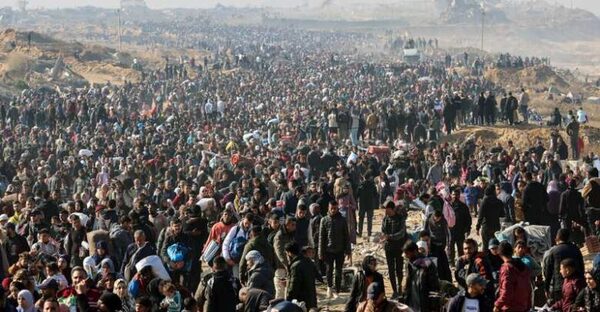
92 dead, including 41 forcibly starved, in the Gaza Strip since dawn today.

Ninety-two people were killed in the Gaza Strip on Monday, including 41 humanitarian aid seekers who were targeted near alleged distribution centers, now known as "death traps."

In the central Gaza Strip, Al-Awda Hospital in Nuseirat announced Tuesday morning that 30 martyrs had arrived at the hospital, most of them in shattered bodies. The deaths were the result of a series of violent raids launched by the Israeli occupation forces last night on several Palestinian homes in the New Camp area, north of Nuseirat, in the central Gaza Strip.

Medical crews reported that the victims were civilians, including children and women, and that the extent of the destruction caused by the bombing has prevented a final determination of the number of people missing under the rubble.

Ambulance and civil defense teams continue their search operations amid modest field capabilities and extremely complex humanitarian conditions, while the city is gripped by grief following the massacre, which is considered one of the bloodiest attacks in recent days.

In Gaza City, two civilians were killed and others injured in an Israeli airstrike targeting an apartment belonging to the Batash family near the Haidar roundabout in western Gaza City, in an ongoing escalation targeting civilian neighborhoods.

Israeli artillery continues to shell various areas in the Zeitoun and Shuja'iyya neighborhoods east of Gaza City, amid escalating attacks on the city's eastern neighborhoods.

Medical services reported the recovery of a dead's body and the transfer of 10 wounded as a result of an Israeli army attack on a gathering of people waiting for humanitarian aid in the northwest Gaza Strip.

Powered by Froala Editor

Powered by Froala Editor

PALESTINE

Mon 28 Jul 2025 11:00 pm - Jerusalem Time

Israeli media: Netanyahu will propose a plan to annex Gaza to persuade the finance minister to remain in the government.

Haaretz reported on Monday that Prime Minister Benjamin Netanyahu will propose a plan to annex territory from the Gaza Strip to persuade Finance Minister Bezalel Smotrich not to withdraw from the government.


The newspaper reported that under the proposed plan, Israel will give Hamas a few days to agree to a ceasefire. If Hamas does not comply, Israel will begin annexing territory in Gaza.

The newspaper noted that this plan will be presented to members of the security cabinet, following Netanyahu's recent decision to increase humanitarian aid to Gaza, which was opposed by the right-wing Religious Zionism party, led by Smotrich.

PALESTINE

Mon 28 Jul 2025 10:09 pm - Jerusalem Time

A martyr succumbed to his wounds after being shot by the occupation forces in Hebron.

The Ministry of Health announced, on Monday evening, the death of the young man, Muhammad Samer Suleiman al-Jamal (27 years old), as a result of his wounds from the bullets of the occupation forces at the northern entrance to the city of Hebron.

Earlier this evening, Israeli occupation forces stationed at the Ras al-Joura military checkpoint at the northern entrance to Hebron had directly shot al-Jamal, leaving him to bleed and preventing ambulance crews from reaching him. His death was later announced, and his body was withheld.

PALESTINE

Mon 28 Jul 2025 9:52 pm - Jerusalem Time

Lapid: The entire world will ostracize Israel if it does not stop the war

Israeli opposition leader Yair Lapid asserted on Monday that Israel has suffered a "strategic failure leading to military and political failure" in the Gaza Strip, asserting that if the war does not stop, the entire world will close its doors to Israel and Israelis.

"If the war in Gaza does not stop, the prisoners will not return, Israel will lose more soldiers, the humanitarian catastrophe will worsen, and the world will close its doors to Israel and Israelis," Lapid said.

He stressed that if the Israeli government stopped the war, "we would win twice: we would return our kidnapped soldiers and end a war that is taking us nowhere."

He pointed out that the government of Benjamin Netanyahu—who is wanted by the International Criminal Court for war crimes in Gaza—no longer knows how to explain the continued killing of soldiers in Gaza, calling for an end to the war in exchange for a comprehensive deal and the return of all prisoners.

He added, "The government failed in the Gaza war. This is not a complete victory, but an absolute disaster and a strategic failure that will lead to military and political failure."

He stressed that the military operation in Gaza "has spiraled out of control," adding, "We are occupying Khan Yunis for the fourth time and Jabalia for the third time... and every time we occupy an area, Hamas returns and takes control of the roads and homes, waiting for us to return."

It should be noted that since October 7, 2023, Israel has been waging a genocidal war in Gaza, including killing, starvation, destruction, and forced displacement, ignoring international calls and orders from the International Court of Justice to halt it.

The Israeli genocide, with American support, left more than 204,000 Palestinians dead and wounded, most of them children and women, and more than 10,000 missing, in addition to hundreds of thousands of displaced persons, and a famine that claimed the lives of many.

PALESTINE

Mon 28 Jul 2025 9:36 pm - Jerusalem Time

Hebrew media: The army is presenting a plan to control approximately 90% to 100% of the Gaza Strip.

Channel 13 reported that the Israeli army will present to the cabinet a plan aimed at controlling between 90% and 100% of the Gaza Strip.

A security source told the Hebrew channel that the decision would be extremely difficult, as expanding the scope of the fighting could put the lives of the detainees at risk.

In statements by officials in Tel Aviv, the need for a clear resolution regarding military targets in Gaza was emphasized.

They also pointed out that Operation Gideon's Chariots has not achieved the desired results so far.

Officials added that there is no intention to expand operations in Gaza in a way that might endanger the lives of the hostages.

PALESTINE

Mon 28 Jul 2025 9:19 pm - Jerusalem Time

Gaza truce: A new round of negotiations is threatened by disagreements despite mediators' efforts.

A new round of talks is expected in Doha to discuss a ceasefire agreement in the Gaza Strip, amid disagreements, most recently over relief aid, and intensive efforts by mediators to end the deadlock. This anticipation was cut short by a call from Egyptian President Abdel Fattah el-Sisi to his US counterpart, Donald Trump, to end the war in Gaza. Experts who spoke to Asharq Al-Awsat believe that disagreements will not be absent from any negotiations, regardless of their chances of success, expecting the parties to reach a solution under pressure from mediators, particularly from Washington.


Trucks carrying aid entered the Gaza Strip via the Rafah border crossing with Egypt on Monday, the day after Israel declared a "tactical truce" in parts of the Strip and launched an airdrop of aid hours after Hamas rejected the starvation plan.

Khalil al-Hayya, the head of Hamas in Gaza, threatened to suspend participation in the negotiations, saying in a televised address on Sunday that “there is no point in continuing negotiations under siege, genocide, and starvation.” He pointed out that “the immediate and dignified entry of food and medicine to our people is a serious and true expression of the value of continuing negotiations. We will not accept that our people, their suffering, and the blood of their sons be victims of the occupation’s negotiating games and the achievement of its political goals.”

The mediators, Egypt and Qatar, affirmed their "full commitment to continuing negotiations and exerting efforts to quickly reach a comprehensive ceasefire agreement," according to statements made by Egyptian Foreign Minister Badr Abdel Aty and Qatari Prime Minister and Foreign Minister Sheikh Mohammed bin Abdulrahman Al Thani during a phone call, according to a statement from the Egyptian Foreign Ministry on Sunday.

The two mediating countries had previously confirmed in a joint statement on Friday that the "complex" negotiations would continue, and that "the suspension of consultations by (Israel and Washington) before resuming dialogue is a natural thing," shortly after an Egyptian source announced on the Egyptian "Cairo News" channel on Friday that the negotiations would resume this week.

The Israeli Broadcasting Authority revealed on Saturday, citing unnamed informed sources, that "the negotiations are still at a standstill, but Qatar and Egypt have intensified their contacts in recent days in an attempt to persuade Hamas to show flexibility in its positions, amid warnings that the continued stalemate could lead to a loss of control over the situation in Gaza."

Informed Palestinian sources revealed to Asharq Al-Awsat on Sunday that "mediators are working to hold a new round of negotiations regarding a ceasefire in the Gaza Strip, and to reach an agreement on the existing points of contention after many of the items were resolved in the previous round of negotiations." They stressed that if Israel's response is positive, which is what they expected, the agreement will be announced within days after negotiations on the remaining points of contention.

US Middle East envoy Steve Witkoff and Israeli Prime Minister Benjamin Netanyahu announced on Thursday the return of their team from Doha, which has been hosting negotiations on Gaza since July 6, for consultations and discussion about studying "alternative options" for the return of the hostages. Witkoff, Trump, and Netanyahu then exchanged criticism of Hamas.

Before Witkoff returned on Sunday to repeating the doses of American optimism that have persisted for nearly a month, particularly from Trump, the US envoy confirmed in an interview with Fox News that negotiations with Hamas had "begun to get back on track." This coincided with Secretary of State Marco Rubio's announcement, in statements to the same channel, that "significant progress" had been made in the negotiations, and that they were "very close" to an agreement.

The Deputy Director General of the Egyptian Center for Thought and Strategic Studies, Major General Mohamed Ibrahim El-Duwairi, expects that "the negotiation rounds will resume within a short period, despite all the negative statements from some parties, without any real objection from any party."
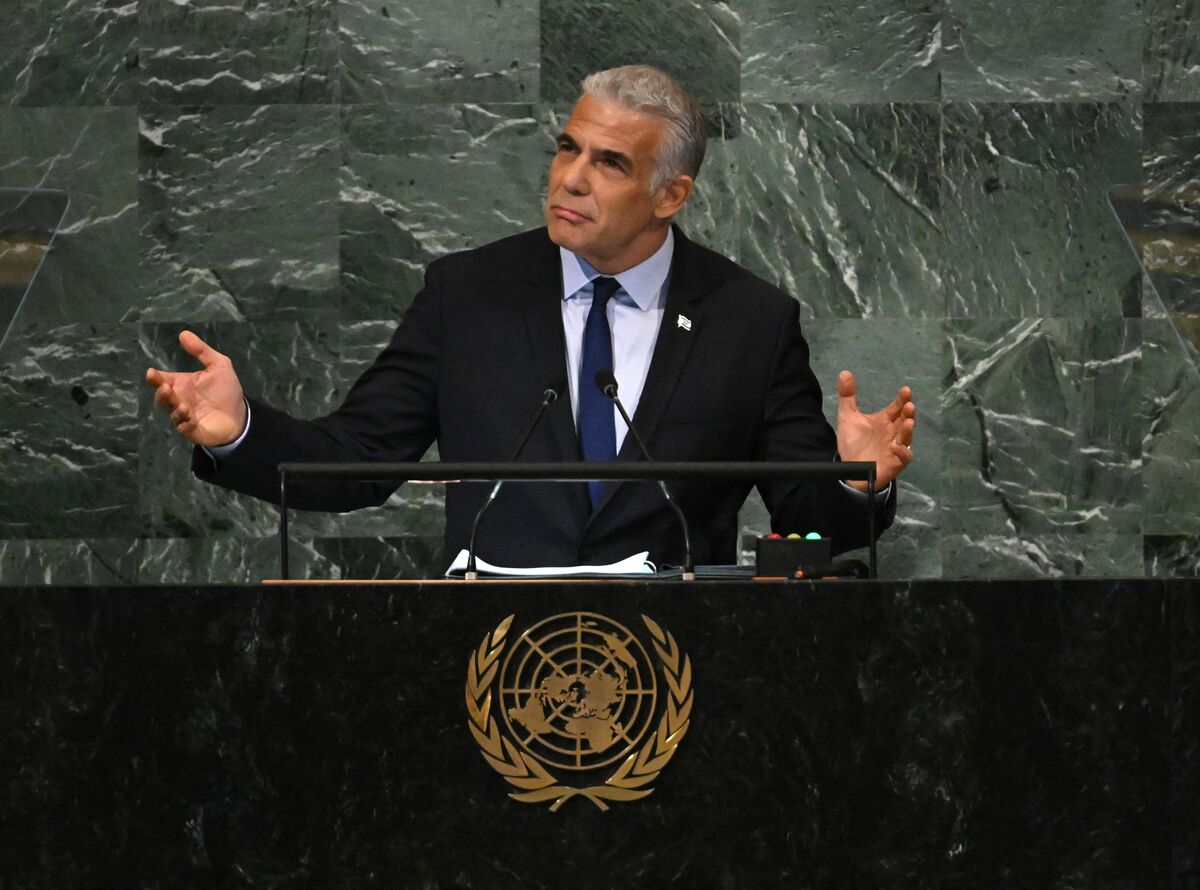

He believes that "the negotiations have resolved many of the contentious points during the Doha negotiations, and only specific points remain, most importantly certain mechanisms for delivering aid and the number and type of Palestinian prisoners to be released."

"It is undeniable that there are disagreements that will cast a shadow over the coming rounds," according to Major General Mohammed Ibrahim al-Duwairi's assessment. He added, "However, the catastrophic situation in Gaza and the current momentum will lead to a resumption of negotiations, with the hope that within ten days we will witness a new truce, which may be the last, after which we may see an end to the war of extermination."

Palestinian political analyst Suhail Diab believes that "Hamas's statement is relevant and carries an important message in light of Israel's attempts to beautify its position by systematically bringing aid into the Strip, which manages the starvation but does not end it." He asserted that "this aid is part of Israeli arrangements that it wants to push through before its certain departure to conclude a deal 'soon.'"

Amid this anticipation and fear of the impact of the disputes, Egyptian President Abdel Fattah el-Sisi, in a speech broadcast on state television, urged Trump to make every effort to end the war in Gaza and allow aid into the territory. He said, "I believe the time has come to end this war."

Meanwhile, Trump told reporters in Scotland on Monday during a meeting with British Prime Minister Keir Starmer that dealing with Hamas had become difficult in recent days, revealing that he had spoken with Netanyahu about "different plans" for returning the hostages. However, he said that a ceasefire in Gaza was "possible."

For his part, Starmer said he also agreed with Trump on the need for a ceasefire in the Gaza Strip, noting the need to mobilize other countries to achieve this goal.

Al-Duwairi believes that "President Sisi's call to stop the war will certainly resonate widely with various parties, especially Washington," anticipating that "the US president will quickly and more effectively re-engage the United States in the negotiations." Meanwhile, Suhail Diab believes that there is no alternative but for the parties to reach a truce in the Gaza Strip soon, under pressure from Washington, given the escalating developments there.