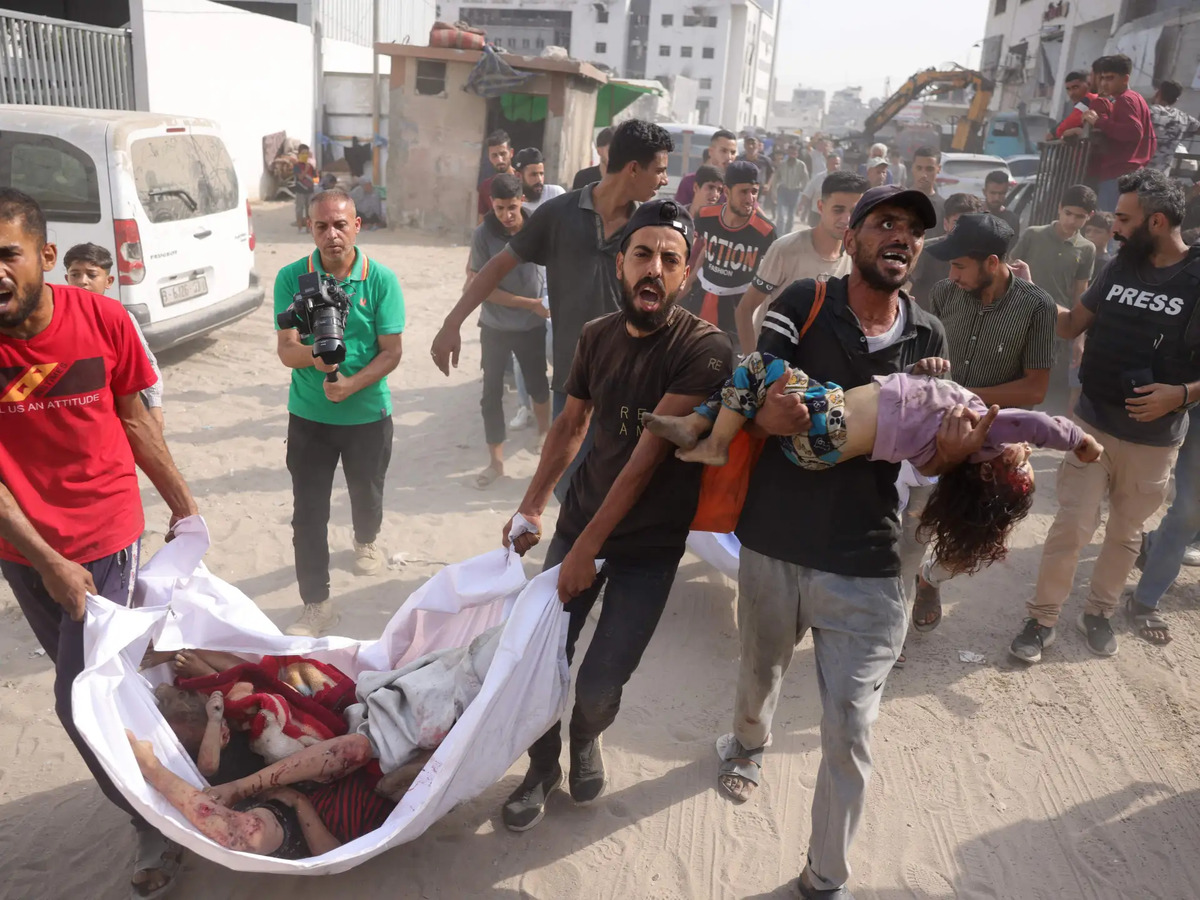
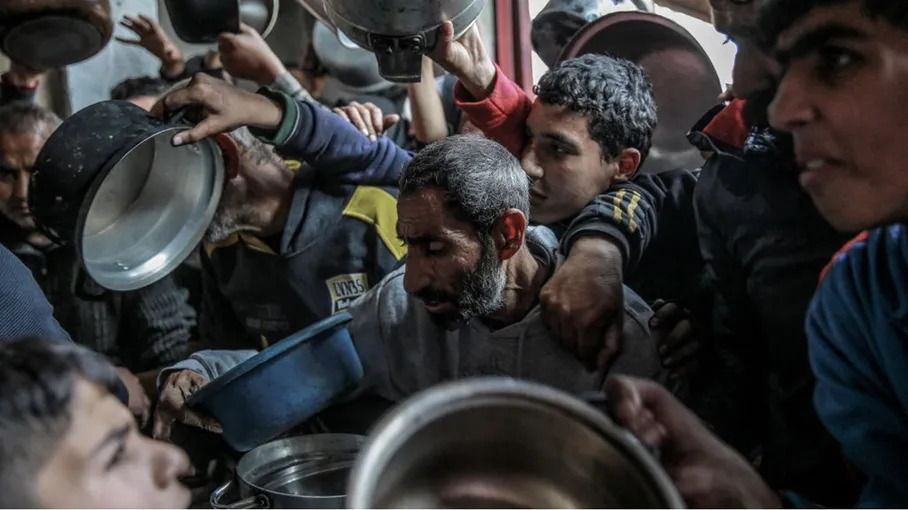
The possibility of reaching a so-called "comprehensive deal" is currently escalating, based on a ceasefire and the release of all Israeli prisoners in exchange for a number of Palestinian prisoners. Apparently, the desire for this is shared by various parties, each with their own motives and objectives, including the Trump administration, the Arab parties, and even Netanyahu. This desire is aimed at avoiding further complicating the situation with Israel's anticipated occupation of Gaza City and then the central refugee camps. With this possibility, interest in the issue of "the day after," i.e., the arrangements for governing Gaza, has resurfaced, this time with renewed vigor. The issue of governing Gaza is delicate and sensitive, raising considerable concern and apprehension among various parties with divergent interests and concerns, within the framework of each party's divisions. This is especially true for us Palestinians, who suffer not only from the consequences of the Israeli occupation's actions in the war on Gaza and the systematic targeting of Jerusalem and the West Bank, and from the hostility of our affairs to the excessive interference of international and regional parties, but also from the weakness of our own situation as a result of the fragmentation resulting from the chronic division between the warring parties. Therefore, it is no exaggeration to consider that the arrangements for this governance issue have become a fundamental matter that surpasses determining the future of the Strip, as it is the gateway to determining the future of the Palestinian cause. Accordingly, the Palestinian handling of the issue becomes of paramount importance, as it will have profound future repercussions. Consequently, it is unhelpful to continue to base the resolution of this fundamental issue on traditional bickering and media squabbling, which regurgitates stereotypical political positions, as it is well known that this will not produce positive results. Rather, what is urgently required is a different path, one that leads to the definition of a clear and specific Palestinian position, agreed upon internally. This has become a prerequisite for enabling the organization and opening of a confrontation to repel, as much as possible, the overwhelming pressures coming from abroad.
It is essential to quickly understand that the issue of governing Gaza is not, at its core, a matter of selecting one person or group of people to carry out the task. It is not merely a technical function, but rather one of defining the course of action through which the parties seek to achieve the objectives behind this task. In order for the Palestinian side to be able to influence this course, it is necessary to pay attention to the following determinants:
First, the fact that the Palestinian issue has slipped beyond Palestinian control, and the interference of numerous international and regional parties with interests and vested interests in it, on the one hand, and the fact that settling their relations with each other depends on reaching an approach acceptable to all parties, on the other hand, weakens the ability of each party, including the Palestinian side itself, to achieve its full objectives. This means that all parties are required to make mutual concessions. Evidence of this is that Israel, despite the ongoing cycle of killing and destruction in Gaza over the past two years, has been unable to impose its will and achieve its full objectives.
Second, although the Palestinian side is currently the weakest in the equation of intertwined forces and the most targeted, and has lost the ability to control the future of its cause to the benefit of others, this does not mean, as some imagine, that it has become hostage to a context to which it must surrender and accept whatever is dictated to it. While none of the parties involved in the Palestinian issue possesses the full power to impose its will, each party, including the Palestinian side, possesses a portion of this power. Therefore, the demand to submit to external wills is not an unavoidable fate.
Thirdly, it is important for Palestinians to understand the axiom that says, "When a strong wind blows through the trees of the forest, it only brings down those with worms." The primary reason for our state of weakness and exhaustion does not stop at external targeting, which has always existed and been practiced against us. Rather, it stems from the internal fragmentation that has allowed this targeting to slip through the cracks. In stark reality, it is no longer possible to end the deep-rooted division and achieve the national unity sought after for nearly two decades. However, this does not prevent the Palestinian parties from reaching understandings, even implicitly, that define the foundations of the Palestinian position. Reaching these understandings, which must fully take into account all current facts, is no longer a luxury that can be continually debated. Rather, it is a necessity if the Palestinian position is to be effective. This responsibility falls on us Palestinians—that is, on every Palestinian party currently entrenched in its position—not on any external party.
Before delving into the details of the issue of governing Gaza, in terms of identifying the entity and individuals who will be entrusted with the task, and to prevent this governance from becoming a tool working against Palestinian interests rather than achieving them, the Palestinian position should begin from a general foundation based on refusal to embark on a gradual, open-ended process of required measures from the Palestinian side, while leaving the decision-making process in the hands of Israel. This means reversing the course, starting with a commitment to the desired end, with guarantees for this, and then determining the steps that will be implemented to achieve this goal and their timing. The first step must have significant content and significance, sufficient to ensure that Israel will not derail the process. It is unacceptable for Palestinians not to learn from past mistakes and allow matters to unfold in stages controlled by Israel. This has already been tried and failed to achieve what Palestinians hoped for. In short, the "comprehensive deal" must not stop at the borders of the Gaza Strip, but rather be a comprehensive settlement of the Palestinian issue. To do so, it is essential to emphasize the following principles:
First, the Palestinian issue has slipped beyond Palestinian control, and numerous international and regional parties with interests and concerns have intervened in it, on the one hand, and the settlement of their relations with each other is dependent on reaching an approach acceptable to all parties, on the other hand, weakens the ability of each party, including the Palestinian side itself, to achieve its full objectives. This means that all parties are required to make mutual concessions. Evidence of this is that Israel, despite the ongoing cycle of killing and destruction in Gaza over the past two years, has not been able to impose its will and achieve its full objectives.
Second, although the Palestinian side is currently the weakest in the equation of intertwined forces and the most targeted, and has lost the ability to control the future of its cause to the benefit of others, this does not mean, as some imagine, that it has become hostage to a context to which it must surrender and accept whatever is dictated to it. Since none of the parties intervening in the Palestinian issue possesses the full power to impose its will, each of them, including the Palestinian side, possesses a portion of this power. Therefore, the requirement to submit to external wills is not an unavoidable fate.
Thirdly, it is necessary for Palestinians to come to terms with the axiom that says, "When a strong wind blows through the trees of the forest, it only brings down those with worms." The main reason for the state of weakness and exhaustion we are experiencing does not stop at external targeting, which has always existed and been practiced against us. Rather, it stems from the internal fragmentation that has allowed this targeting to slip through the cracks. In stark reality, it is no longer possible to end the deep-rooted division and achieve the national unity sought for nearly two decades. However, this does not prevent the Palestinian parties from reaching understandings, even implicitly, that define the foundations of the Palestinian position. Reaching these understandings, which must fully take into account all current facts, is no longer a luxury that can be continually disputed. Rather, it is a necessity if the Palestinian position is to be effective. This responsibility falls on us Palestinians—that is, on every Palestinian party currently entrenched in its position—not on any external party. Before delving into the details of the Gaza governance issue—in terms of identifying the entity and individuals who will be entrusted with the task, and to prevent this governance from becoming a tool working against Palestinian interests rather than achieving them—the Palestinian position should start from a general foundation based on not agreeing to embark on a gradual, open-ended process of required measures from the Palestinian side, while leaving the decision-making process in the hands of Israel. This means reversing the course, starting with a commitment to the desired end, with guarantees of this, and then determining the steps that will be implemented to achieve this goal, and their timing. The first step must have significant content and significance, sufficient to ensure that Israel will not halt the process. Palestinians must not fail to learn from past mistakes and allow matters to proceed in stages controlled by Israel. This has already been tried and failed to achieve what Palestinians hoped for. In short, the "comprehensive deal" must not stop at the borders of the Gaza Strip, but rather be a comprehensive settlement of the Palestinian issue. To this end, it is essential to emphasize the following principles:
First, the issue of governance in Gaza must be organically linked to ending the war on the Gaza Strip, and not merely a temporary ceasefire. This is a top priority that must be ensured, and the possibility of resuming the war must not be left in Israel's hands. However, with the war on Gaza halted, it is also essential to ensure a halt to the occupation measures in the West Bank, as the West Bank is the strategic target of Israeli annexation. If the Palestinians ignore this matter, the Judaization of the West Bank and the annexation of most of its territory to Israel will be accomplished.
Second, the arrangements for governing Gaza must not perpetuate the separation of the West Bank from the Gaza Strip, which has been the driving force behind Netanyahu's policy throughout his time as prime minister. Establishing this separation closes the possibility of reaching a political settlement on minimal Palestinian terms. If governance in Gaza is not firmly linked to a comprehensive territorial unity with the West Bank, the right-wing Israeli government's project to abolish the Palestinian entity will be realized.
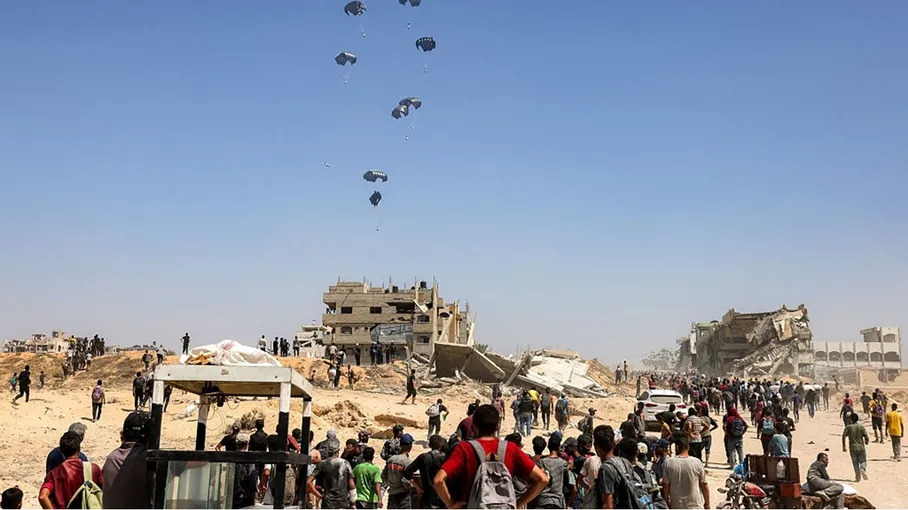
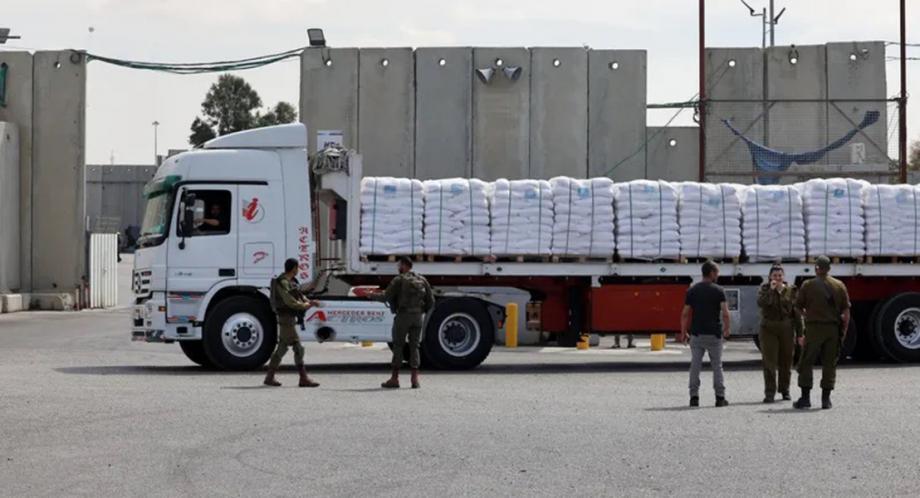
Third, ending the war on Gaza will not occur without a comprehensive Israeli withdrawal from the Strip, ensuring the opening of the crossings, the entry of unlimited amounts of aid, and the commencement of reconstruction efforts. These are fundamental issues to prevent the forced expulsion or displacement of Palestinians. This issue must be closed once and for all, ending with the end of the war. Israel must not be left with any possibility of controlling it. Otherwise, we will find that in the future, large numbers of Gazans will be forced to leave the Strip.
Any Palestinian position that is lenient on these principles will lead to far-reaching negative consequences for the Palestinian cause and the legitimate national rights of the Palestinian people. Some might say, and I suspect many will, that we cannot, while facing all these pressures, raise the ceiling of our demands. The answer is that these principles barely meet the minimum Palestinian demands.
Instead of preoccupying ourselves with the "bubbles" of who will govern Gaza, engaging in media squabbling, and joking about this in coffee shop meetings and on social media, it would be better for everyone to engage in a serious effort to formulate a clear, well-founded Palestinian position on this matter.