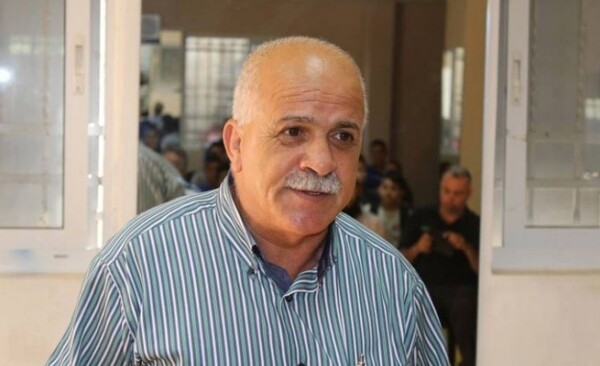
Erez Winter, head of the Operational Planning Division in the Southern Command of the Israeli occupation army, admitted that military operations in the early days of the aggression on the Gaza Strip were characterized by randomness and excessive intensity. Winter described the bombing as 'hysterical' in his testimony, indicating that this military approach was primarily aimed at inflicting the greatest possible damage on the Strip and its residents.
The military official responsible for developing field plans for the ground operation explained that the motives behind this level of violence were a mixture of a desire for revenge and inflicting harm, along with a state of distrust that prevailed within the military establishment at that stage. These statements shed light on the combat doctrine followed since October 8, 2023, which left enormous destruction in the infrastructure.
Winter spoke about what he called the 'fire curtain' that accompanied ground forces during their initial incursion into the Strip's territory, confirming that the level of artillery and aerial bombardment was exceptional. He considered that the intensity of the fire used had not been seen in modern wars for many decades, making Gaza an arena for an unequal confrontation in terms of destructive power.
In a striking admission, the military commander indicated that the world would need many years, perhaps decades, to realize the extent of the 'hell' that the Gaza Strip actually experienced. These words reflect the magnitude of the atrocities committed by the Israeli military machine, which, according to statistics, led to the martyrdom and injury of hundreds of thousands of Palestinians and the destruction of 90% of vital facilities.
These statements, broadcast by Hebrew media sources, sparked a wide wave of anger in Palestinian circles and on social media platforms. Activists considered Winter's testimony nothing but official documentation from within the military establishment of the genocidal crimes committed in full view and hearing of the entire world.
Observers believed that the Israeli official's remarks reinforce the human rights narratives and field testimonies documented by the residents of the Strip from the first moments of the war. They affirmed that the admission of a 'desire to inflict harm' proves the premeditated intention to commit war crimes and directly target civilians without any humanitarian or legal considerations.
For their part, Palestinian bloggers reacted to these confessions by emphasizing that they did not need testimony from the occupation leaders to realize the extent of the criminality they had been subjected to. They pointed out that the intense bombing, whose images were broadcast live on television screens, was sufficient to condemn the occupation before history and international justice.
Activists stressed that the use of destructive weapons, including concussion bombs in areas crowded with displaced persons, was a systematic policy to kill the largest number of Palestinians. They added that this policy did not differentiate between a child or a woman, but rather targeted the Palestinian presence in Gaza completely and comprehensively.
Despite this 'hysterical' intensity of fire that Winter spoke about, Palestinian analysts believe that the occupation failed to achieve its strategic and field objectives. They affirmed that the legendary steadfastness on the ground prevented this destruction from turning into a clear political or military victory for the occupation, despite the scale of human and material sacrifices.
These testimonies come at a time when international demands continue for accountability for the occupation leaders for the atrocities they committed in Gaza. Winter's statements are an additional document that can be used in international legal forums to prove the deliberate intent of the occupation army to destroy the means of life in the Strip and turn it into an uninhabitable area.
Humanity will need many decades to understand the extent of the hell that Gaza has been subjected to due to the intensity of fire not seen in contemporary wars.