







US President Donald Trump held a high-level meeting with his senior national security advisors on Monday to discuss a new Iranian proposal aimed at breaking the deadlock in the current crisis. The Iranian offer includes reopening the Strait of Hormuz to international navigation, in exchange for Washington lifting the naval blockade imposed on Iranian ports for some time.
White House spokeswoman Caroline Leavitt confirmed that the Iranian proposal is currently under discussion and evaluation within the US administration. Leavitt stated in a press conference that the President met with his security team immediately after reports of the offer, but she declined to disclose Trump's final stance on accepting or rejecting this initiative.
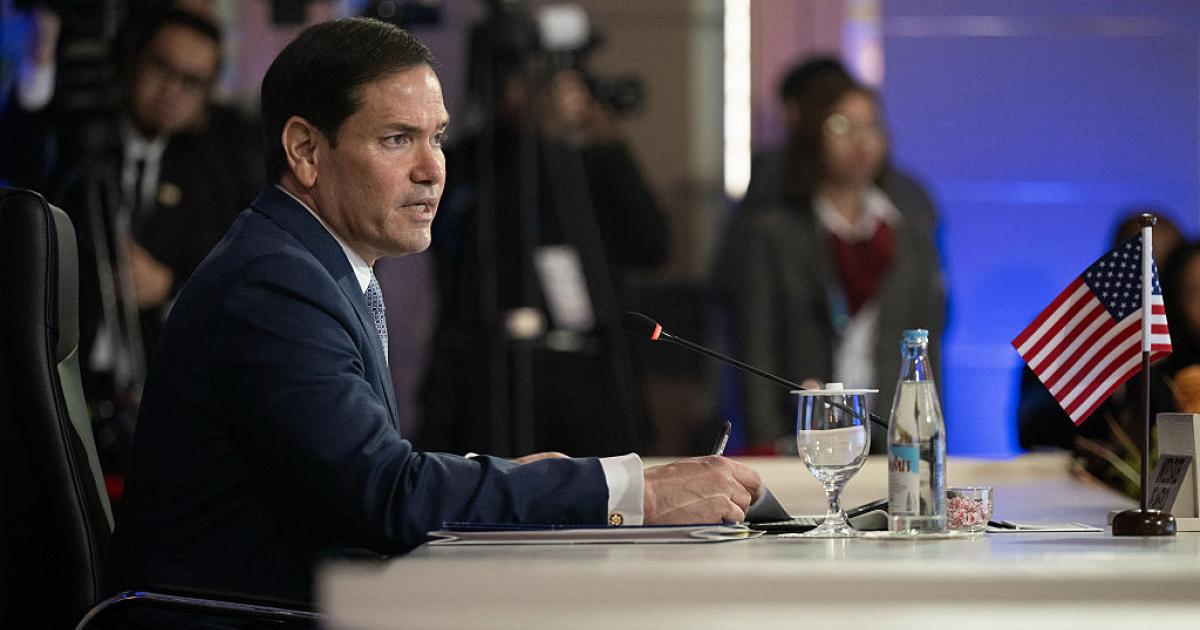
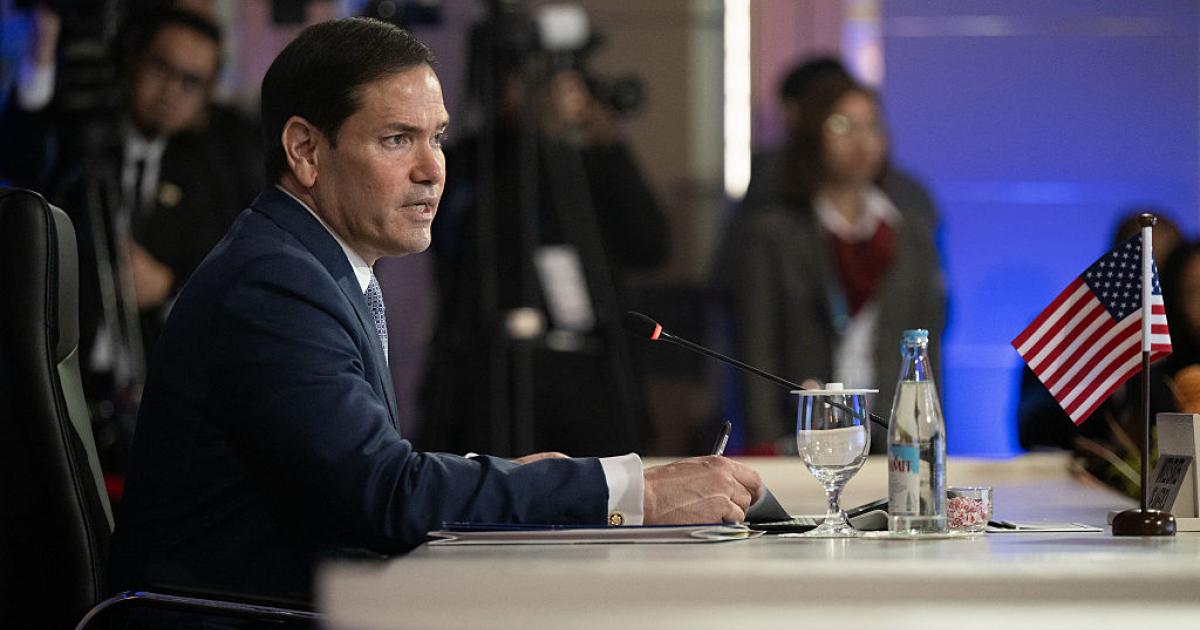
For his part, Secretary of State Marco Rubio expressed strong reservations about the proposal, indicating that the current Iranian position does not meet US expectations and demands. Rubio stated in media remarks that Tehran's condition for prior coordination or obtaining permission to pass through the strait is not a true opening of the international waterway through which one-fifth of the world's oil passes.
Rubio stressed that the United States cannot accept a system that seeks to normalize its control over international waterways and impose fees or conditions on their users. He affirmed that the US administration rejects leniency with Tehran's attempts to impose a new reality that grants it decision-making authority over who is allowed to cross the strategic Strait of Hormuz.
Press reports indicated that the White House meeting also addressed the stalemate in diplomatic negotiations and the available options for dealing with the upcoming stages of the conflict. The US administration appears to be balancing military and economic pressures with the possibility of reaching an agreement that ends maritime threats in the region.
Informed sources reported that there is increasing confidence within the Trump administration in the effectiveness of the naval blockade imposed on Iran and its direct impact on its economy. In contrast, there is a kind of skepticism about the ability of current Iranian negotiators to make substantial concessions that achieve the goals set by Washington for a sustainable resolution of the crisis.
Leaked data indicates that the conditions put forward by Tehran in its latest proposal are still far from the 'red lines' drawn by the Trump administration. The White House spokeswoman affirmed that these lines are completely clear to the Iranian side and to public opinion, and there is no intention to backtrack on them under the current circumstances.
According to media sources, the Iranian proposal aims to separate the navigation and current war file from the nuclear file, so that the strait is opened and military operations are ended first. Tehran proposes postponing negotiations related to its nuclear program to a later stage, which Washington may consider an attempt to buy time and alleviate economic pressure.
Sources from Washington reported that American rhetoric has escalated in recent hours regarding the completion of the naval blockade as a key pressure tool. President Trump believes that this card is the most effective in forcing Tehran to comply, especially with the increasing technical and economic difficulties facing the Iranian oil sector as a result of the halt in exports.
Trump had previously warned that Iran's oil fields and crude pipelines would face a major crisis due to the accumulation of quantities that cannot be discharged. The US President went so far as to predict that these wells might explode due to the pressure from oil accumulation, which he sees as a decisive pressure tactic in the coming days.
The US administration faces a legal challenge in the form of the 60-day constitutional deadline for military operations, which is nearing its end this month. Extending these operations requires a vote from Congress, which may face political obstacles given the current divisions over the utility of continued military escalation.
In an attempt to circumvent this restriction, a team of lawyers in the US administration is studying constitutional loopholes that might allow Trump to continue operations without returning to Parliament. The next few weeks are considered crucial in determining the course of the conflict, whether by moving towards a political settlement based on the Iranian proposal or continuing with the option of a comprehensive naval blockade.
If what they mean by opening the strait is coordinating with Iran and obtaining its permission, otherwise they will attack you, then this is not opening the strait.

Share your opinion
Trump discusses Iranian proposal with national security leaders to open Strait of Hormuz in exchange for lifting blockade