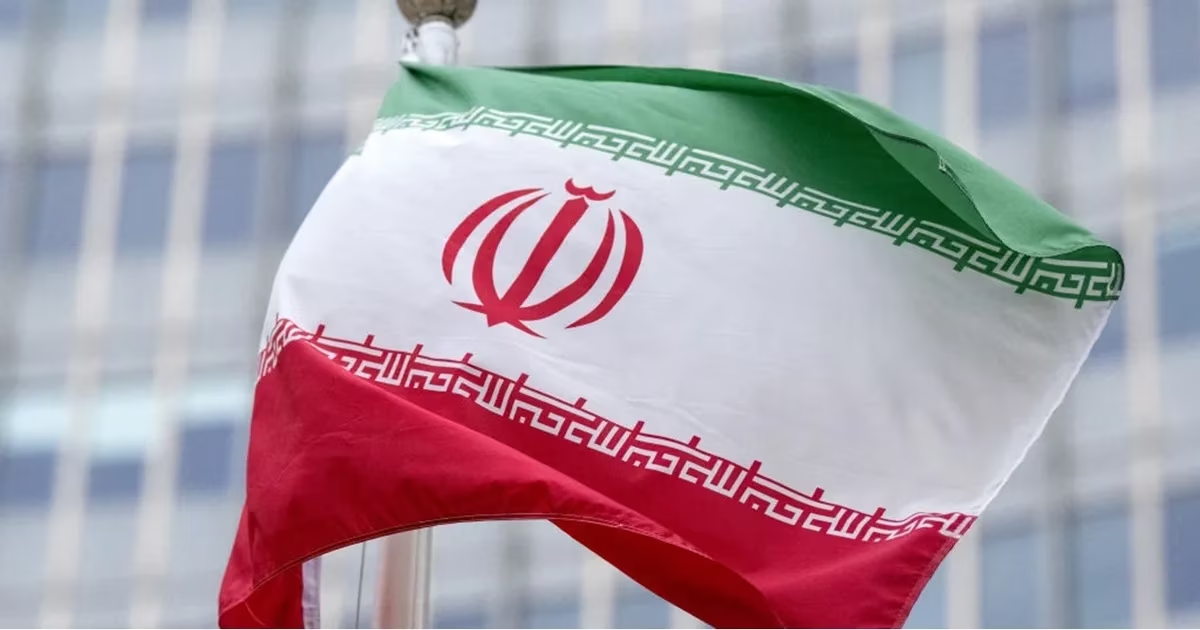







The anniversary of the Iranian Revolution on February 11 this year comes amidst a tense political scene, as the country has witnessed the largest popular uprising since the fall of the Shah's regime in 1979. These events reveal a deep historical paradox, as the regime that was founded on the ruins of royal oppression has transformed into an authoritarian machine that practices brutality that may exceed the practices of its predecessor, attempting to impose its survival through bloody confrontations with protesters demanding change.
The current Iranian dilemma is inseparable from the context of the Arab region, where the waves of the Arab Spring in 2011 and 2019 collided with solid walls of systematic repression. This political deadlock has, in many cases, led to the re-production of authoritarian regimes with new faces, or a slide towards devastating civil wars, which raises serious concerns about a 'Syrianization' scenario in the Iranian case if the regime loses its ability for absolute control.
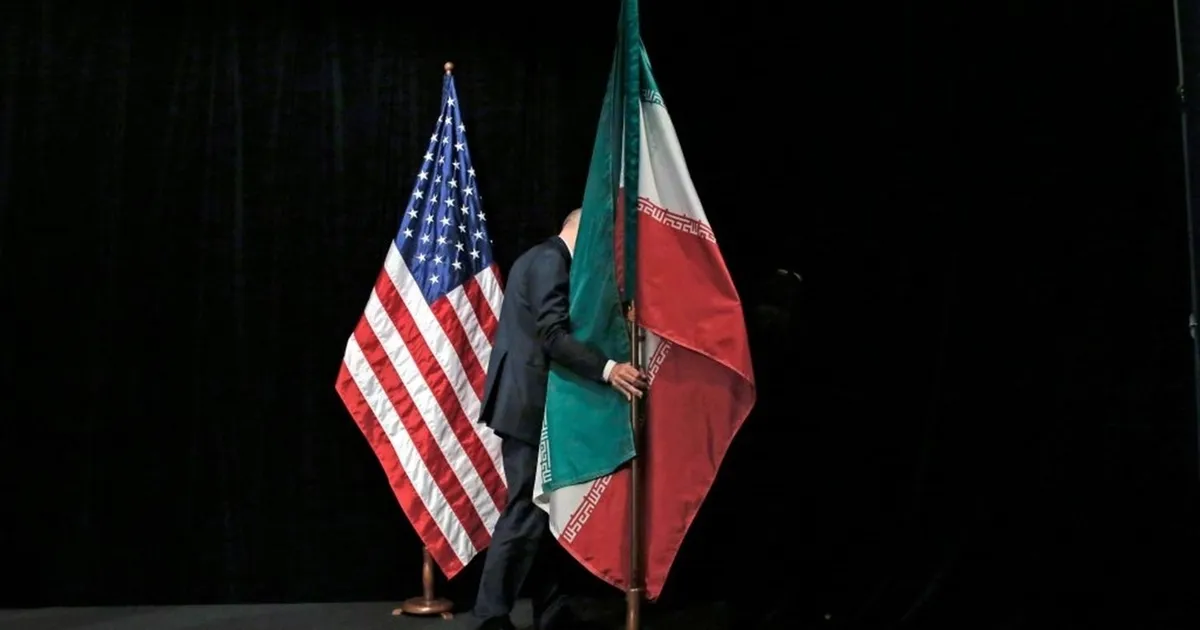
In light of this crisis, a question arises about the role of the international community and major powers in supporting democratic transformation, but recent historical experiences impose a kind of extreme caution. The era of the 'neoconservatives' in the United States proved that slogans of spreading democracy were nothing but a cover for imperial ambitions in Iraq and its oil wealth, leading to catastrophic results that the region is still paying for today.
Although the Iraqi experience produced a parliamentary system that is the most democratic compared to its surroundings, it remained hostage to sectarian quotas and rampant corruption. More dangerously, the infiltration of armed militias linked to Tehran, which did not hesitate to suppress popular Iraqi movements, reflects a complex overlap between cross-border authoritarianism and the failure of 'imposed democracy' projects from abroad.
As for the Syrian case, international hypocrisy was clearly evident, as the alleged American keenness on democracy was absent due to the lack of attractive economic interests compared to Iraq. This disparity in positions confirms that Washington's compass moves according to calculations of influence and energy, and not in response to the calls of oppressed peoples who face military repression machines with bare chests.
With Donald Trump's return to the scene, it seems that betting on American support for the Iranian uprising is an illusion that surpasses the dangers of past illusions. The Trump administration does not adopt the literature of spreading democracy, but rather focuses on a policy of imposing will and direct interests, which was clearly evident in its handling of the Venezuelan crisis, where pressures aim to subjugate regimes or replace their leaders in a way that serves American agendas exclusively.
The path to real change in Iran passes through the realization that external powers, especially Washington, will never be a sincere ally of democracy if it conflicts with their strategic interests. Sustainable change requires building legitimacy stemming from free popular will, away from interventions that may turn revolutions into proxy wars or open the door to a new authoritarianism wearing an international cloak.
Any rule that claims to derive its legitimacy from a divine will or a unilateral interpretation of the popular interest quickly turns into an authoritarianism that may exceed in its brutality the regime it overthrew.
Share your opinion
Illusions of Imported Democracy: Why Washington Will Not Bring Salvation to the Iranian People?