






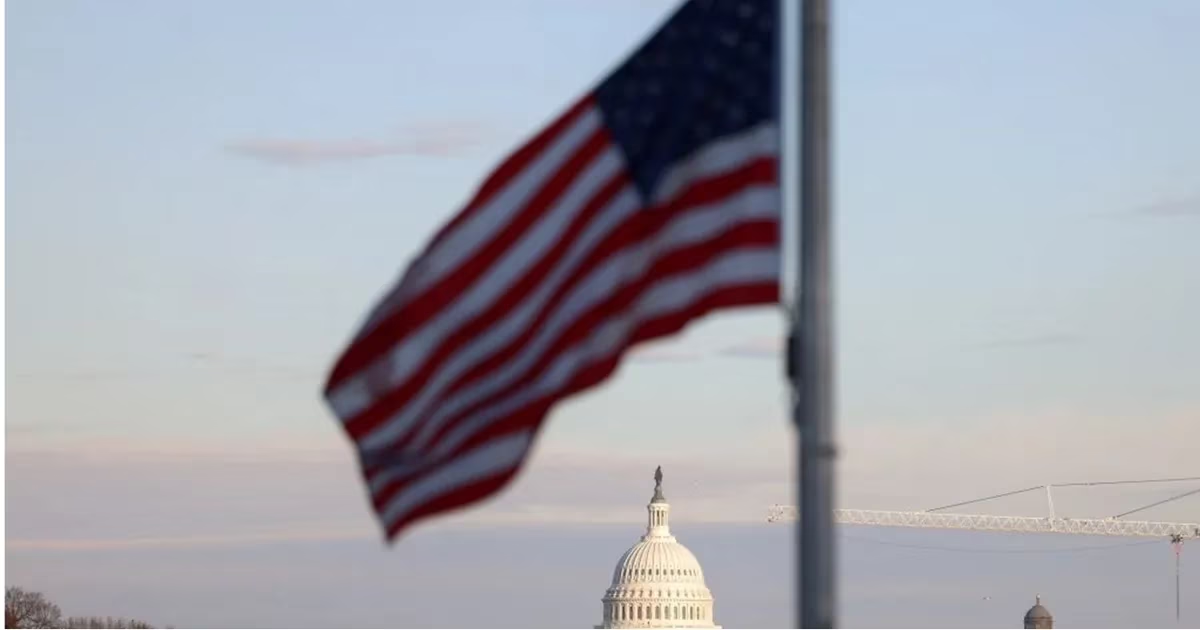
Great powers in history experience pivotal moments of transformation where the sound of their fall is not deafening, but rather creeps in like a hidden crack in the wall of an empire many thought was unbreakable. Anyone who reflects on the history of empires, from Italy to Britain, realizes that the danger was not always at the borders, but grew from within through the depletion of resources in endless wars and battles whose burdens accumulated until the state could no longer bear them.
Today, after decades of the United States' sole dominance at the pinnacle of the international system following the collapse of the Soviet Union, the question arises about Washington's ability to continue playing the role of 'world policeman'. The nation that inherited history in 1991 now finds itself immersed in military and security commitments extending from Europe to the Indian and Pacific Oceans, at a time when an Eastern rival is silently building its strength.
Estimates from reputable research institutions, such as Brown University, indicate that the total cost of American wars after the September 11th events has exceeded eight trillion dollars. These astronomical figures do not only reflect direct military spending but also include veteran care and debt interest, placing immense pressure on the American economy which faces structural challenges.
The real problem lies not only in the scale of spending but in the deep gap between the cost and the political outcomes on the ground. The war in Afghanistan, which lasted two decades, ended with the situation returning to what it was before the intervention, while Iraq turned into a complex regional conflict arena, proving that winning military battles is much easier than managing the peace that follows.
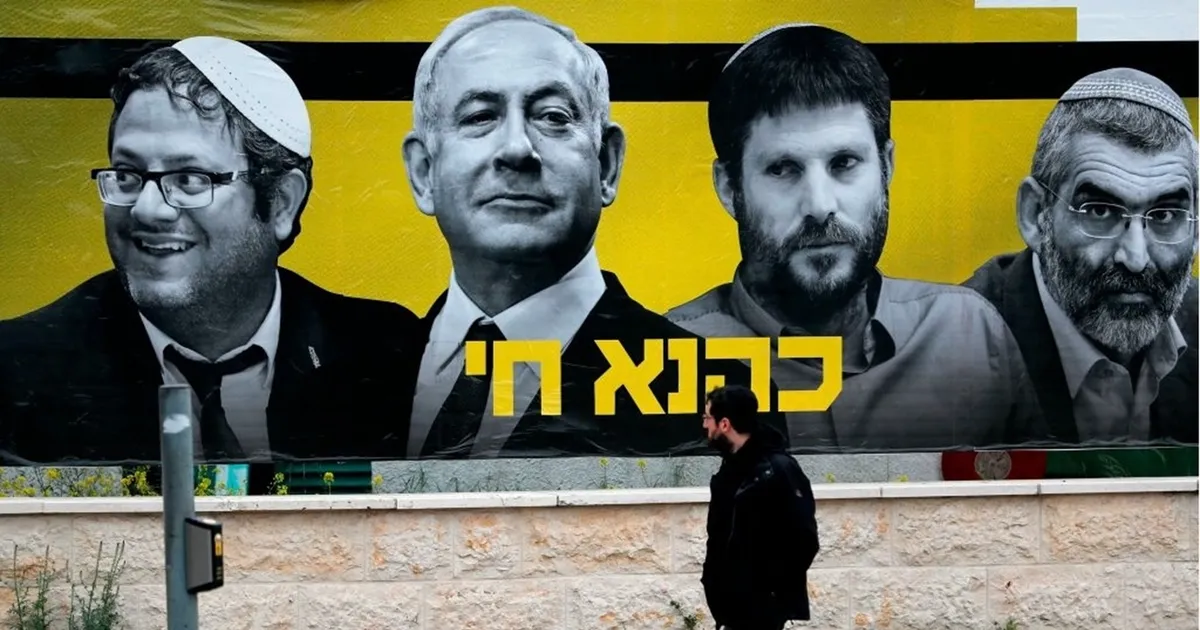
The recent war on the Gaza Strip revealed a new aspect of American exhaustion, as Washington found itself in an unprecedented moral and political dilemma. While trying to maintain its commitment to Israel, it faces international pressure and sharp criticism due to the scale of human devastation, leading to a gradual erosion of its 'soft power' that once distinguished it internationally.
The impact of the Gaza war was not limited to abroad but extended to the American interior through university protests and sharp political divisions among intellectual elites and youth. This division puts the image of the United States as a protector of international law and human rights to a severe test, as regaining lost trust in the eyes of the people may take decades.
In contrast, China has chosen a completely different path based on 'strategic patience' and focusing on the true sources of power in the modern era. Beijing has not engaged in external military adventures but has focused its efforts on building an industrial and technological base that today makes it produce about a third of global industrial output, a figure no economic power has reached before.
China has transformed from a poor agricultural country into a technological giant dominating global supply chains, from electronics to electric vehicles and clean energy. This economic rise has provided Beijing with a solid foundation to modernize its army and develop its missile and cyber arsenal, considering factories and ports an integral part of its strategic national security.
However, asserting an inevitable American decline or an absolute Chinese rise remains an oversimplification lacking accuracy, given the considerable tools of power the United States possesses. Washington still controls the global financial system through the dollar, possesses the most advanced research and university systems, in addition to the widest network of military alliances in contemporary history.
On the other hand, China faces internal challenges that may hinder its ambitions, most notably slowing economic growth and a worsening aging population crisis. Moreover, geopolitical tensions in its regional vicinity impose constant caution, making the struggle for world leadership a long race that depends on endurance and wise resource management.
The essence of the current international conflict is not about who possesses the strongest weapon today, but about who best renews their strength instead of consuming it in peripheral conflicts. When a nation is busy fighting battles in every corner of the globe, while its rival focuses on building infrastructure and research centers, the balance of power slowly shifts beneath the surface.
The tectonic plates of the international system move just as they do underground, where the effect of an earthquake only appears when the great moment of transformation is complete. Historically, empires are often the last to know when their decline begins, because they cling to the image of their old military superiority while actual influence slips through their fingers.
The question analysts are asking today is the extent of the United States' ability to avoid the fate of previous great powers by reordering its international priorities. Can Washington balance its global commitments with its need to renew its internal strategic reserves before the burdens of empire become heavier than its capacity to endure?
Ultimately, the international scene remains open to all possibilities, but what is constant is that a rising power rarely announces its moment of reaching the peak. It is busy creating a new reality on the ground, while the weary empire tries to repair its cracked walls in a world that no longer recognizes military power alone as a criterion for sovereignty.
Empires are not only exhausted when they are defeated, but also when they find themselves responsible for managing the consequences of the wars they have fought.
Share your opinion
Clash of Empires: Is Washington Draining Its Strength While the Chinese Dragon Builds Its Future?