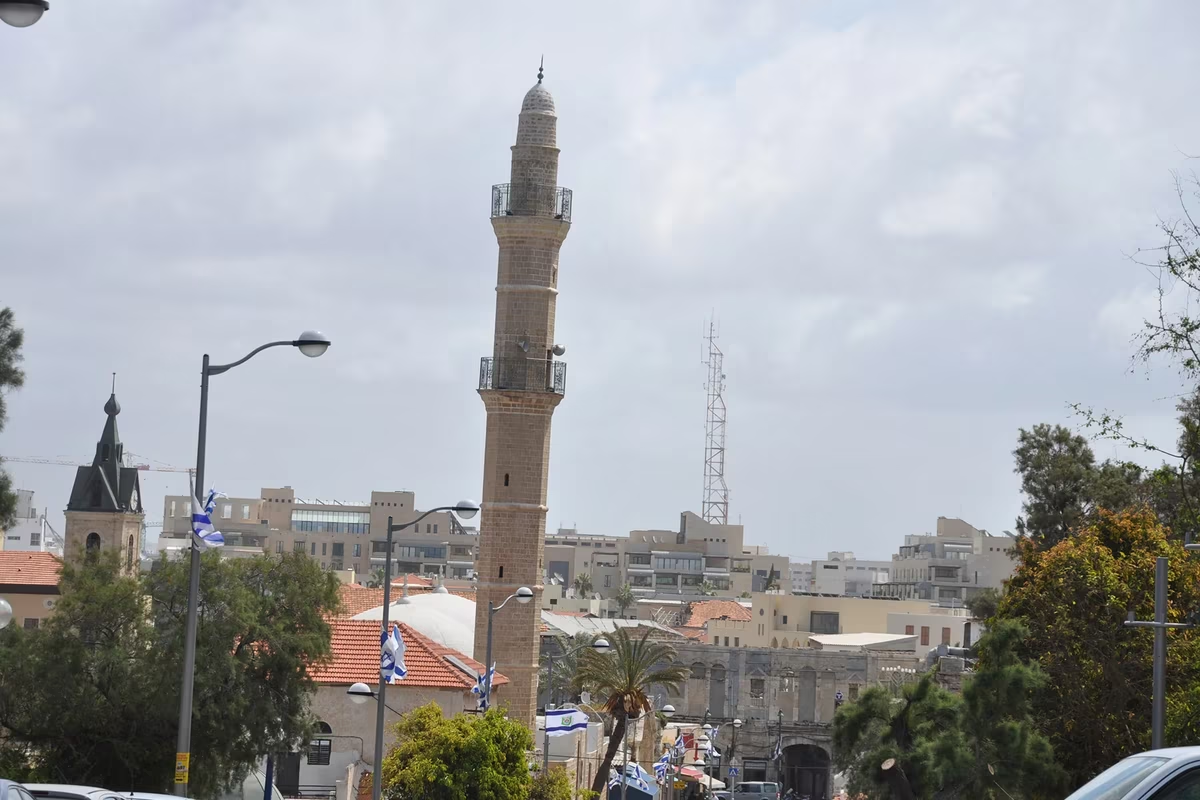







The Israeli Knesset took a controversial step on Wednesday evening by preliminarily approving what is known as the 'Muezzin Law,' which aims to ban the call to prayer (Adhan) via loudspeakers in occupied Jerusalem and Palestinian towns within the Green Line. The bill received the support of 50 members against the opposition of 36, a move that reflects the extreme right-wing orientation of the current government and its allies in the opposition.
This legislative move comes at the initiative of the 'Otzma Yehudit' party, led by National Security Minister Itamar Ben-Gvir, and with notable support from the opposition 'Yisrael Beiteinu' party, led by Avigdor Lieberman. The law, according to its draft, aims to tighten control over what Israeli sources described as 'mosque noise,' requiring complex prior licenses to operate sound systems.
Procedurally, the bill still needs to pass three additional readings in the Knesset before it becomes a final, enforceable law. However, the preliminary approval gives the green light for parliamentary committees to begin drafting the executive provisions that grant the police broad and unprecedented powers to intervene directly inside places of worship.
The bill stipulates the prohibition of installing any sound system in mosques without obtaining an explicit license, where license applications will be subject to strict criteria related to the mosque's location and its proximity to residential areas. Hebrew sources claimed that these measures aim to reduce sound effects on settlers and residents in areas adjacent to mosques.
If the law is approved, police officers will be granted the right to demand an immediate halt to the call to prayer if they deem it to violate the conditions, with the authority to confiscate sound equipment entirely. The legislation also includes hefty financial penalties, with a fine for installing a sound system without a permit reaching approximately $17,000, while a fine for a simple violation is about $3,500.
For his part, Itamar Ben-Gvir expressed his strong welcome for this step, considering the sound of the muezzin to be 'annoying noise' that affects the quality of life and health of residents, as he put it. Ben-Gvir affirmed that the police had already begun, during his tenure, to take field measures against this phenomenon, and that the new law would provide them with the necessary legal tools to eliminate it permanently.
In the same context, Environmental Protection Minister Idit Silman considered that the law would enhance state sovereignty and grant her ministry's inspectors broad powers, in cooperation with the police, to enforce quiet. Silman indicated that this legislation ends years of what she described as citizens' suffering from loud noises, thanking the National Security Minister for promoting this proposal.
In contrast, the decision was met with widespread Palestinian condemnation, with the Islamic Resistance Movement (Hamas) describing the bill as a dangerous escalation within the framework of the 'religious war' waged by the occupation against Islamic identity. The movement affirmed in a statement that the call to prayer will remain an integral part of the land's identity and history, and that these racist laws will not succeed in obliterating the cultural landmarks of Jerusalem.
Hamas called on the Palestinian masses and the Arab and Islamic peoples to take urgent action to protect holy sites and expose Israeli practices in international forums. The movement stressed that proceeding with these legislations reflects the forced Judaization approach pursued by the extremist government to impose a new reality that infringes upon freedom of worship guaranteed by international laws.
In turn, the head of the Palestinian National Council, Rawhi Fattouh, described the approval of the law as 'legislative terrorism' and a heinous crime that violates the Universal Declaration of Human Rights. Fattouh explained that Israel employs its legal system to entrench the apartheid system by practicing religious and cultural persecution against the Palestinian people in their land.
Fattouh called on the international community and the United Nations to intervene immediately to stop these policies that contradict the International Covenant on Civil and Political Rights. He pointed out that targeting the call to prayer is not merely an administrative measure, but rather part of a comprehensive strategy to morally and materially displace Palestinians from their historic cities and villages.
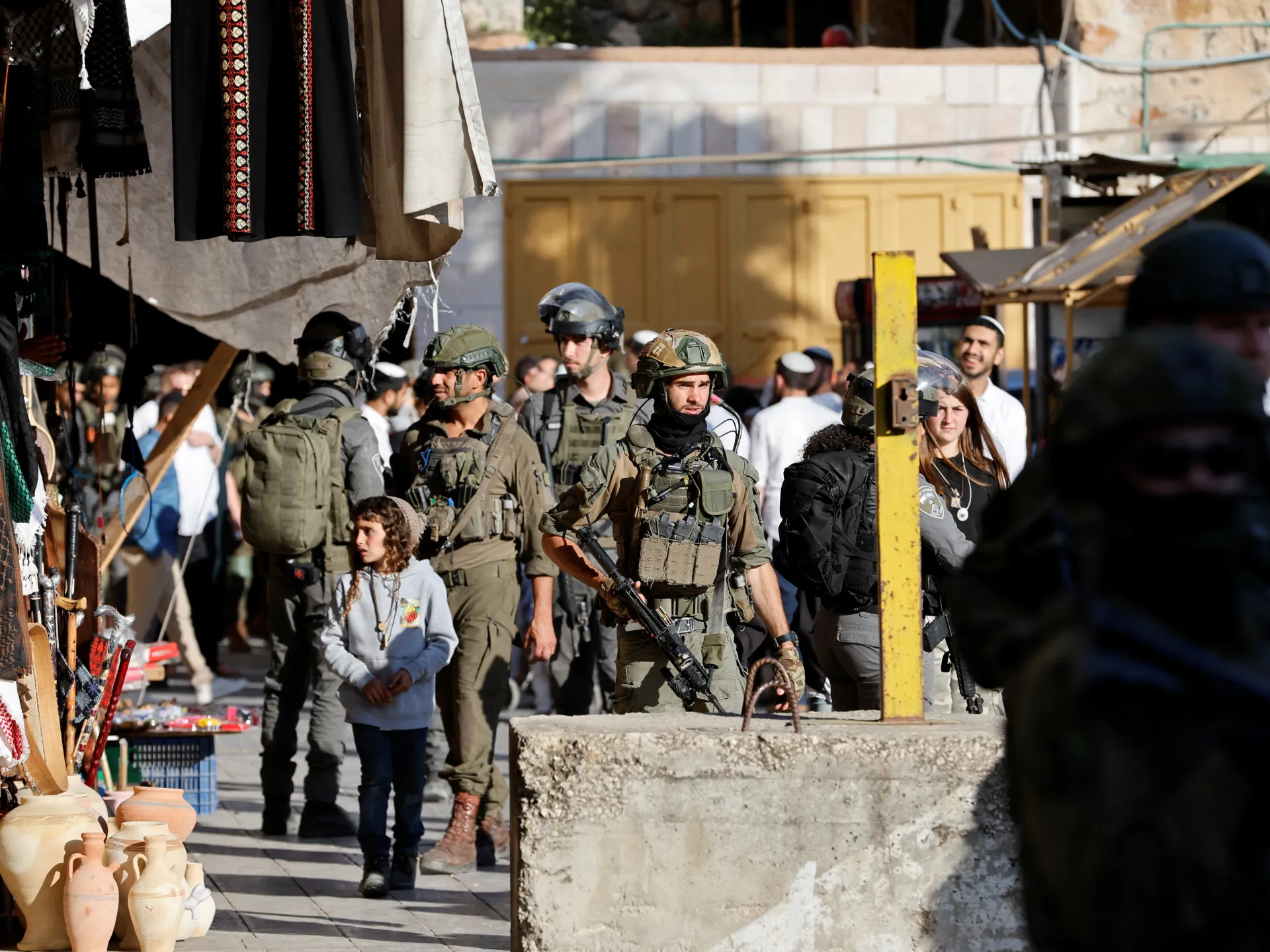
Field data indicates that the occupation is actually implementing this restriction on the ground, as sources reported that the call to prayer was banned in the Ibrahimi Mosque in Hebron more than 74 times in just one month. This figure reflects the extent of the systematic targeting of Islamic holy sites in the West Bank and occupied Jerusalem, which the new law seeks to legitimize and generalize.
It is worth noting that attempts to ban the call to prayer are not new; in 2017, a similar attempt saw the Knesset preliminarily approve a similar bill, but it later faltered due to widespread protests. However, the current composition of the Israeli government, dominated by the extreme right, increases the chances of the law passing definitively this time.
There is a state of popular anger in Arab cities and towns within the Green Line, where this law is seen as a direct assault on Palestinian existence and the specificity of Arab society. Observers warned that the implementation of this law could lead to an escalation of the field situation, given the extreme sensitivity related to religious symbols and the freedom to practice rituals in mosques.
This legislation reveals the true nature of the occupation as an apartheid system that employs its legal tools to impose religious and cultural oppression.



Share your opinion
Knesset preliminarily approves law banning the call to prayer, Hamas warns of religious war