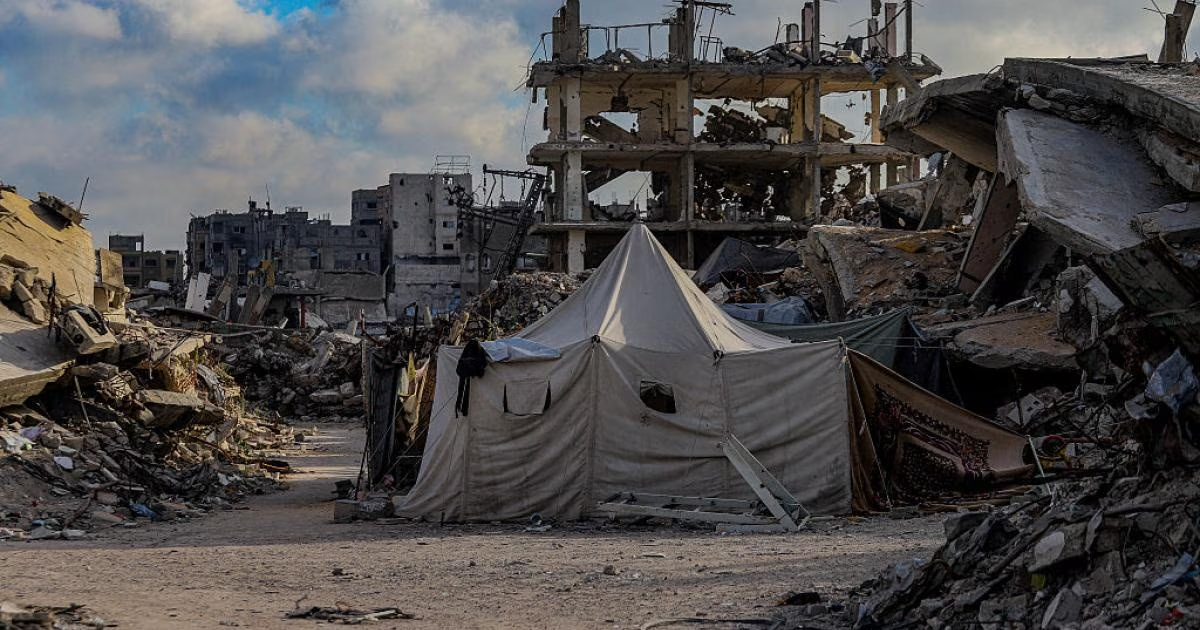







Medical sources reported today, Sunday, the martyrdom of two Palestinian citizens as a result of being targeted by a drone strike belonging to the occupation in the center of Gaza City. The attack occurred near the Al-Samir intersection, resulting in additional civilian casualties, in a renewed violation of the ceasefire agreement in effect in the Strip.
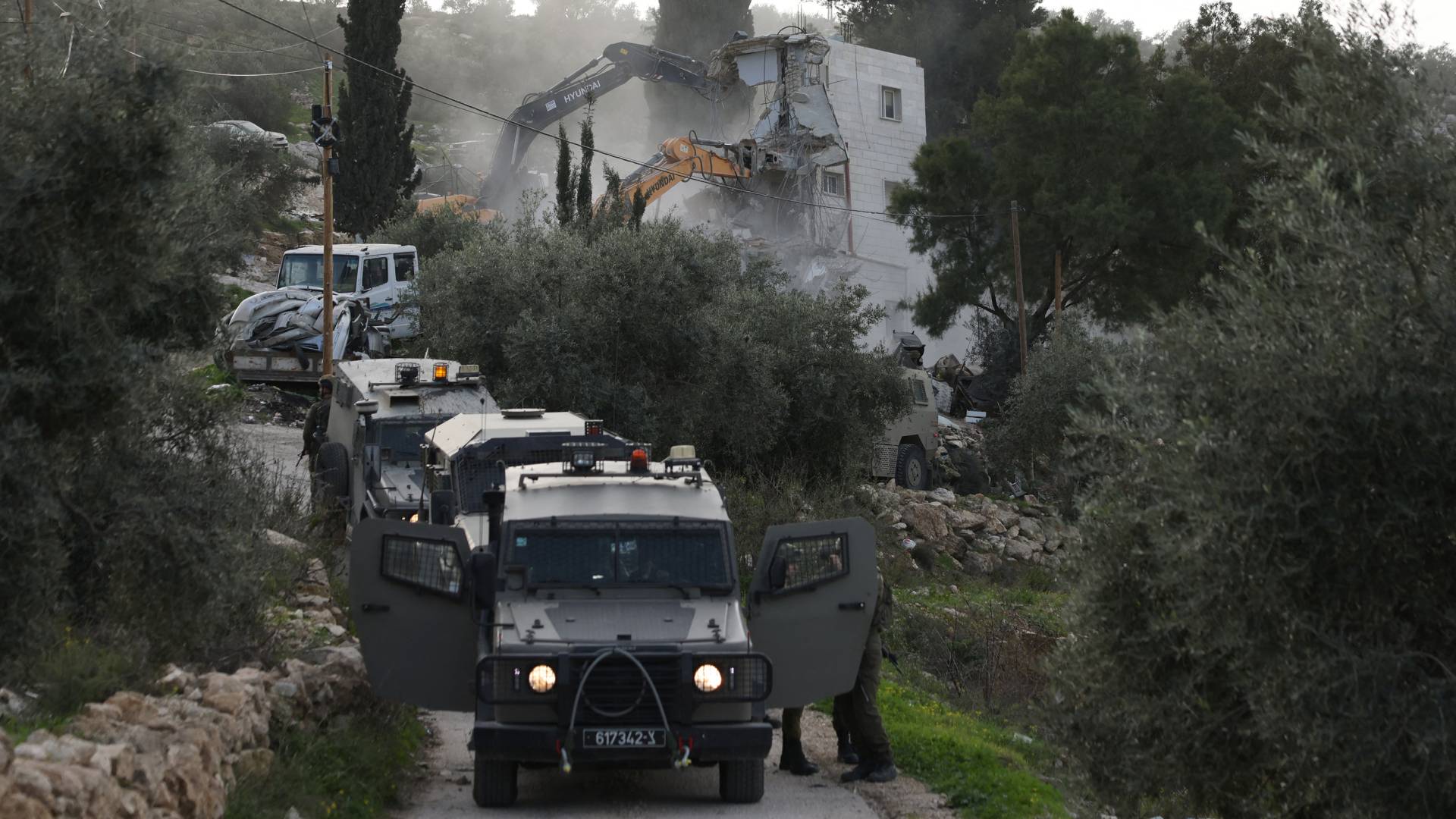
The Al-Bureij refugee camp in the central Gaza Strip witnessed a similar raid carried out by an Israeli drone, as part of a series of ongoing violations since the agreement came into effect on October 10th. These violations range from airstrikes and direct gunfire to systematic demolition operations of buildings in various areas.
On the political front, Israeli Prime Minister Benjamin Netanyahu reiterated his adherence to strict conditions regarding the future of the Strip, emphasizing that no reconstruction operations would commence before the complete disarmament of the Hamas movement is verified. These statements were made during the weekly meeting of the Israeli government, reflecting a growing gap with international proposals.
Netanyahu's current vision contradicts the prioritization in the second phase of US President Donald Trump's plan to end the war. The American plan stipulates that reconstruction operations begin in parallel with the withdrawal of occupation forces, which the Israeli side is attempting to circumvent by imposing preconditions.
Field data indicates that the occupation army has expanded its military control to include about 70% of the total area of the Gaza Strip. This expansion has confined the Palestinian population to very small areas not exceeding 30% of the total area, amidst extremely complex humanitarian conditions.
Hebrew press reports stated that Netanyahu's statements come in response to trends within the so-called 'Peace Council' which seeks to move forward with the reconstruction of areas under Israeli military control. It appears there is a current within the Israeli establishment that prefers to begin reconstruction without directly linking it to the stalled disarmament issue.
Observers of Israeli affairs believe that the direct security threat from resistance factions has become practically limited given the absolute control over crossings and land, sea, and air borders. Nevertheless, the political level insists on continuing localized military operations to prevent any attempt at field reorganization.
Analyses indicate that the occupation army applies a policy of targeting any military or security activity, even if it is linked to the local police force in Gaza. This policy aims to ensure that the Hamas movement does not regain any form of civilian or security administration in areas from which the army has partially withdrawn.
Analysts link Netanyahu's rigidity to internal political calculations and upcoming elections, as he seeks to avoid granting Palestinians any political or moral achievement. The Israeli Prime Minister fears that starting reconstruction without major concessions from the resistance would weaken his position before the far-right.
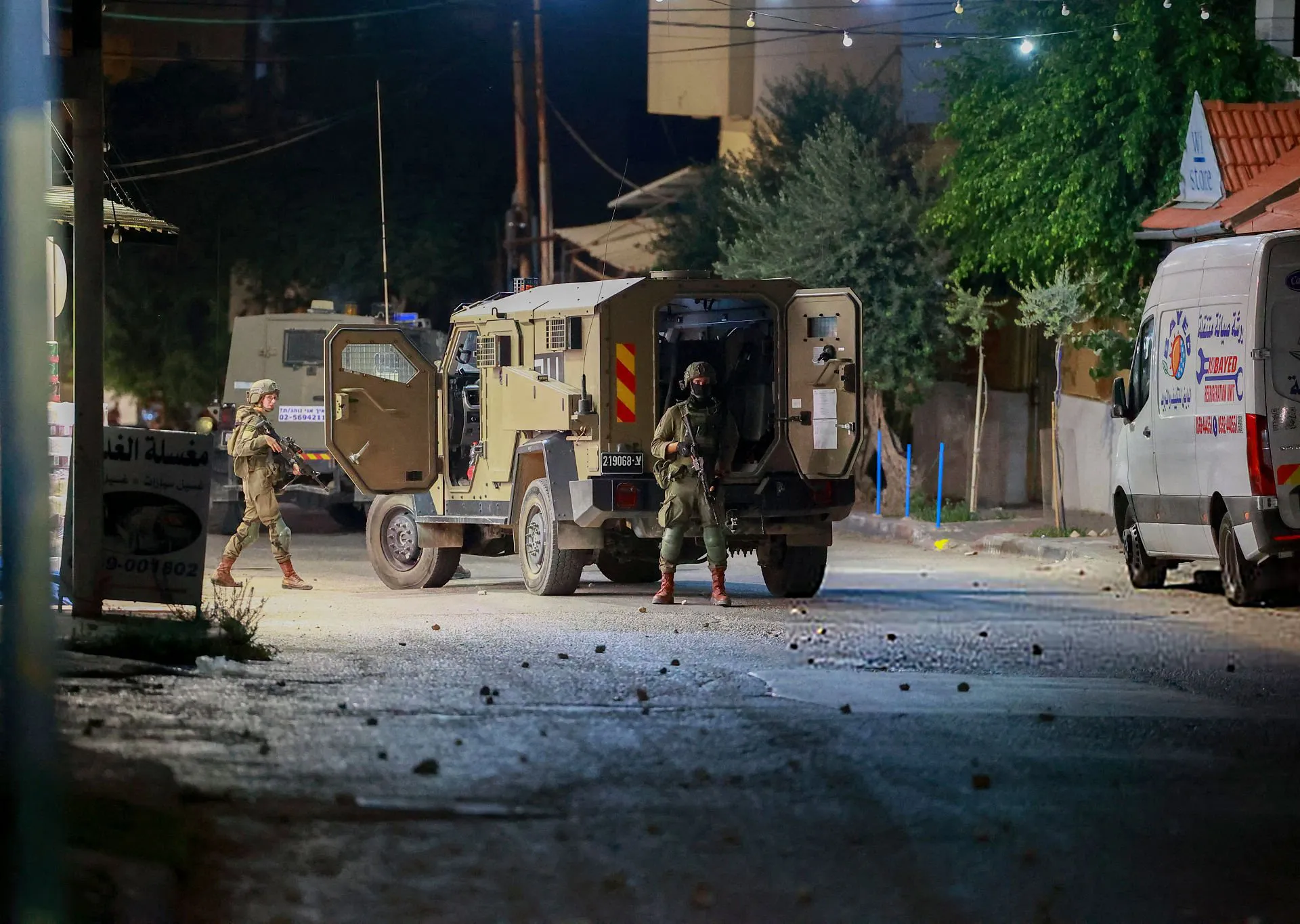
Amidst this political deadlock, Israeli forces stationed along defensive lines and military installations within the Strip continue their routine operations. These forces target any movements they deem suspicious, leading to casualties almost daily despite the declared truce.
The disarmament issue remains the most prominent obstacle threatening the collapse of fragile understandings, especially with the resistance's insistence on linking weapons to self-defense. All eyes are now on international mediations to see their ability to bridge the gap between Netanyahu's conditions and the provisions of the proposed American plan.
There will be no reconstruction in Gaza without the disarmament of the Strip.
شارك برأيك
Netanyahu conditions Gaza reconstruction on disarmament, as occupation continues field violations