






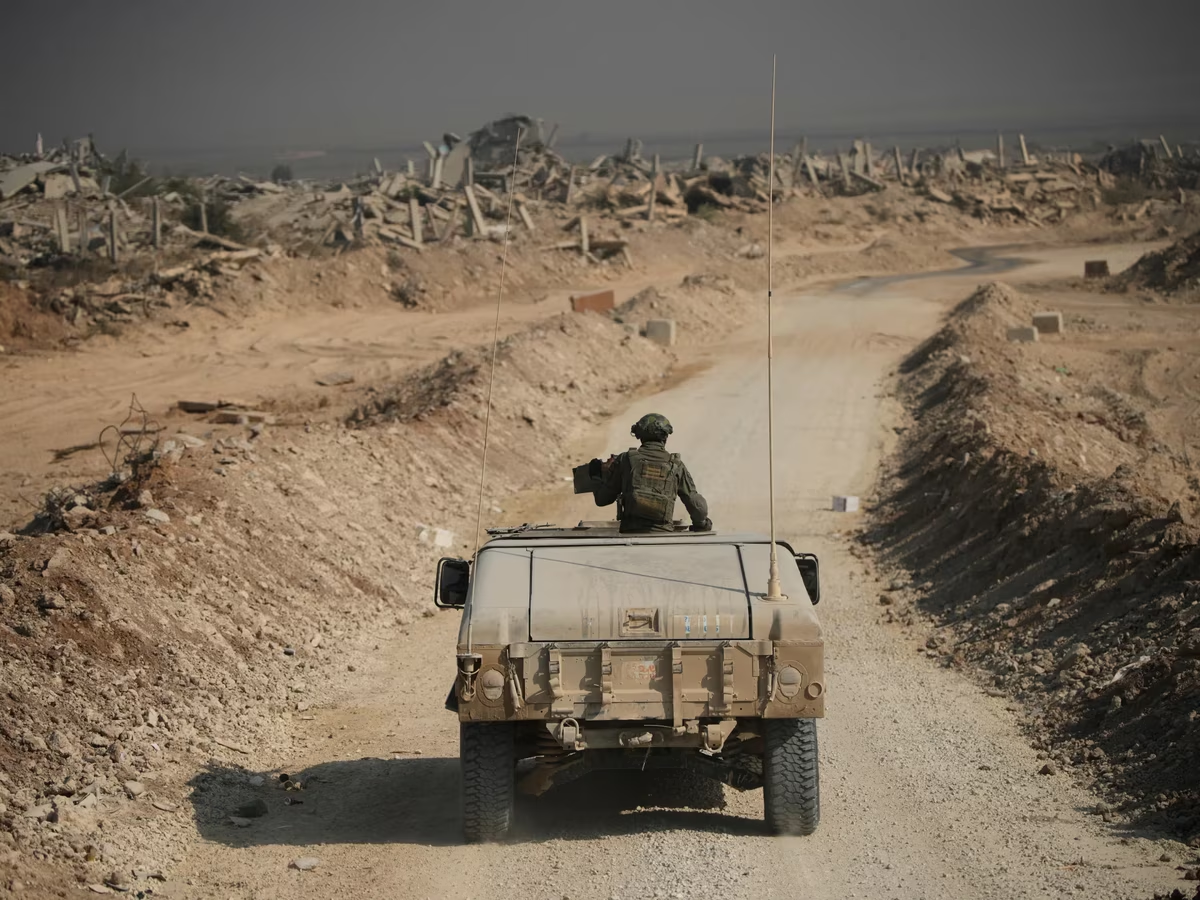
Field and political indicators are escalating, suggesting the Israeli occupation authorities' intention to completely overturn the ceasefire agreement in the Gaza Strip and return to the option of comprehensive military confrontation. Data indicates that Tel Aviv seeks to confine US President Donald Trump's plan to one clause: disarming the resistance, ignoring all other commitments stipulated in the agreement signed in October 2025.
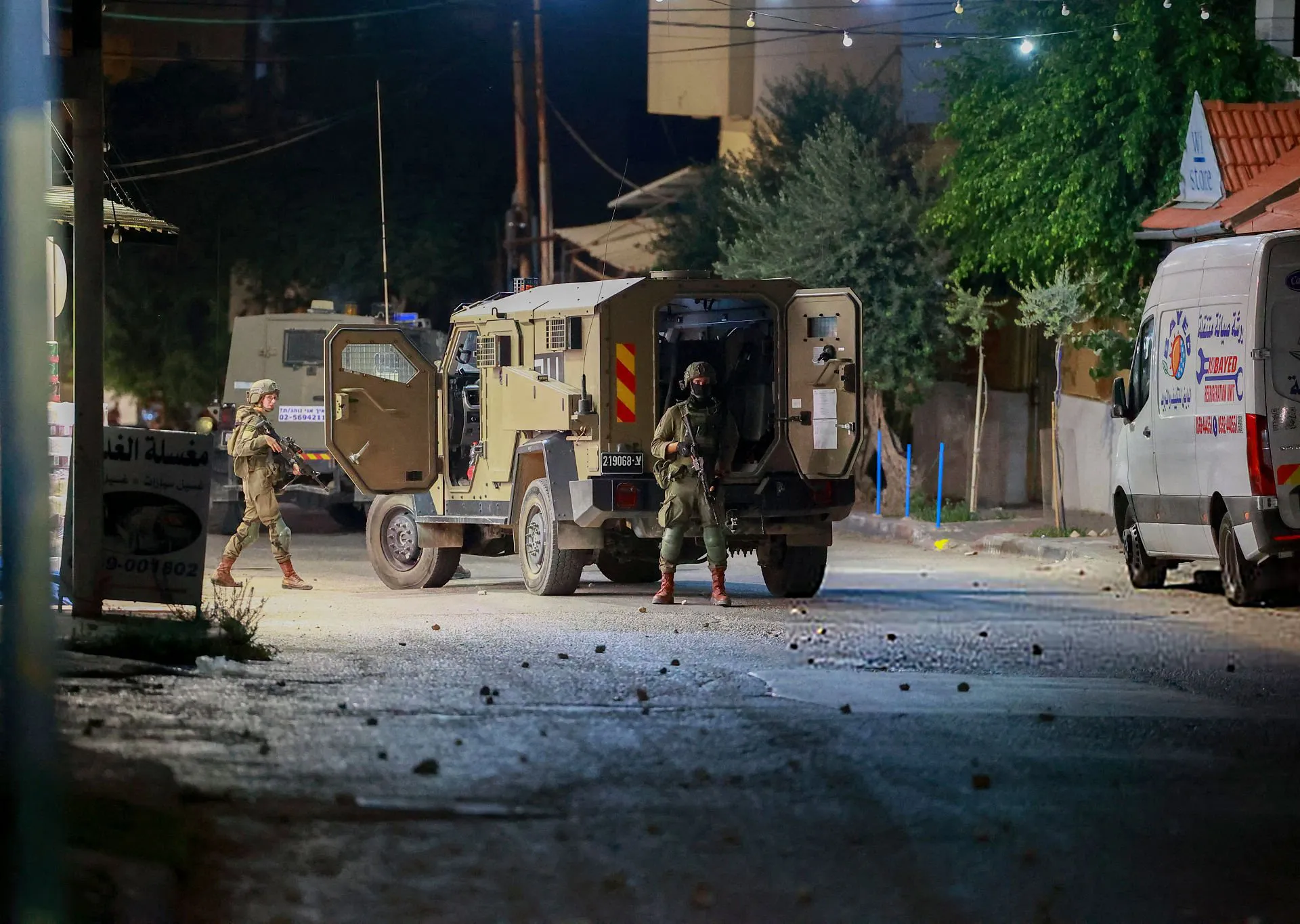
Since the agreement came into effect, Israeli forces have not ceased violating its terms by launching hundreds of attacks that have resulted in hundreds of martyrs and wounded among civilians. These continuous crimes have prompted the independent United Nations committee to state that deliberately targeting children reflects a premeditated intention for genocide, putting the credibility of international guarantors at stake.
Geographically, the occupation army has expanded its military presence within the Strip unprecedentedly, with reports indicating its effective control over approximately 70% of Gaza's area. This is being done by moving the so-called 'Yellow Line' westward, reducing the areas available to Palestinians and turning residential areas into isolated military barracks.
In a move reflecting intentions of forced displacement, the Israeli National Security Council has resumed discussions on plans to deport the Strip's residents under the guise of 'voluntary migration.' Press sources link these movements to potential secret understandings between Prime Minister Benjamin Netanyahu and US President Donald Trump, aimed at permanently changing the demographic and geographic reality of the Strip.
For his part, Dr. Muhannad Mustafa, an expert in Israeli affairs, believes that Israel has succeeded in 'normalizing' its violations and making them part of an internationally acceptable daily reality. Mustafa explained that the occupation considers these violations a necessary prelude to resuming widespread military operations once a final green light is obtained from the American administration.
In an attempt to empty the agreement of its content, Israel insists that the sole objective of the understandings is to disarm the Hamas movement, considering humanitarian issues and reconstruction as marginal matters. Although Washington largely goes along with this narrative, it still expresses reservations about returning to a comprehensive war that could ignite the entire region.
Palestinian resistance, for its part, finds itself in a complex situation, having shown positive engagement with proposals put forward by the Executive Director of the Peace Council, Nikolai Mladenov. Although these proposals essentially adopt the Israeli vision, the occupation refuses to respond to them officially, seeking instead to present proposals that return negotiations to square one.
Political analyst Dr. Iyad Al-Qarra affirmed that the Hamas movement has not definitively rejected the principle of disarmament, but it has stipulated that this be done within a comprehensive Palestinian national framework and with clear political guarantees. The movement calls on mediators and guarantors to deal seriously with the Gaza file, similar to the seriousness shown by the international community in addressing other regional files such as Lebanon.
Hamas spokesman Hazem Qassem considered that the expansion of Israeli control and the closure of crossings represent conclusive evidence of Tel Aviv's desire to destroy the agreement. Qassem stressed that the continuation of collective punishment and the movement of military lines places the international community before its historical responsibilities to stop this aggression that threatens the lives of millions.
In contrast, former US State Department officials justify the current leniency with Israeli violations by the Trump administration's preoccupation with other regional issues, primarily the confrontation with Iran. They believe that the absence of direct American pressure gives Netanyahu an opportunity to maneuver and evade the requirements of a permanent ceasefire.
Observers believe that the resistance may eventually be forced to militarily confront this Israeli expansion if the silence of the mediators continues. Remaining in a state of 'no war, no peace' with the continued gradual encroachment on land and starvation of the population is no longer a sustainable option for Palestinian factions who watch the collapse of understandings day by day.
In conclusion, the fate of the Gaza Strip remains suspended between an Israeli desire for military decisive action and displacement, and faltering international attempts to save a dying agreement. Implementing the agreement 'as a whole,' as some American experts suggest, seems out of reach given the absence of political will from the far-right government in Tel Aviv.
Israel has normalized its violations and made them part of reality because it considers them a preliminary prelude to resuming the war on the Strip.
شارك برأيك
Israeli plan to undermine Gaza agreement: Expansion of military control and discussion of population displacement