






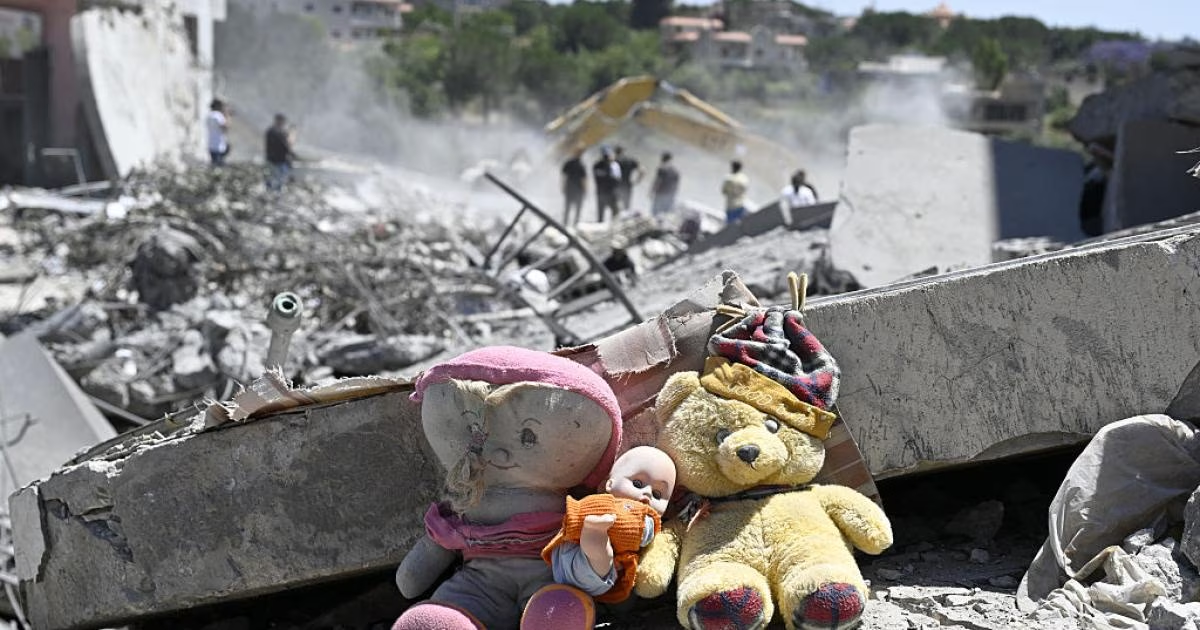
Amnesty International confirmed in a new human rights report that the Israeli army systematically adopted a policy of mass evacuation orders to forcibly displace Lebanese civilians from their homes. The organization considered these practices a blatant violation of the Fourth Geneva Convention, emphasizing that these actions may amount to war crimes due to their coercive and widespread nature.
The report revealed a significant expansion in the scope of Israeli military operations, with the area covered by evacuation orders increasing from about 5% of Lebanon's total area in late 2024 to 6% by April 2026. The analysis indicated that these orders were not merely temporary precautionary measures but had become a means to alter the demographic and geographical reality in the targeted areas.
The organization highlighted what it called the 'no-return zone' in southern Lebanon, which extended to cover an area of 600 square kilometers. This zone includes about 68 border villages, where the Israeli army prevents residents from returning despite international demands, and without providing any real guarantees for the safety of civilians who were forced to leave.
According to data analyzed by the organization's Crisis Evidence Lab, the largest burden of evacuation orders was concentrated in southern Lebanon, accounting for 75% of all issued orders. The remaining orders were distributed between the southern suburbs of Beirut (15%) and the Beqaa region (5%), reflecting a comprehensive targeting of infrastructure and population centers in these areas.
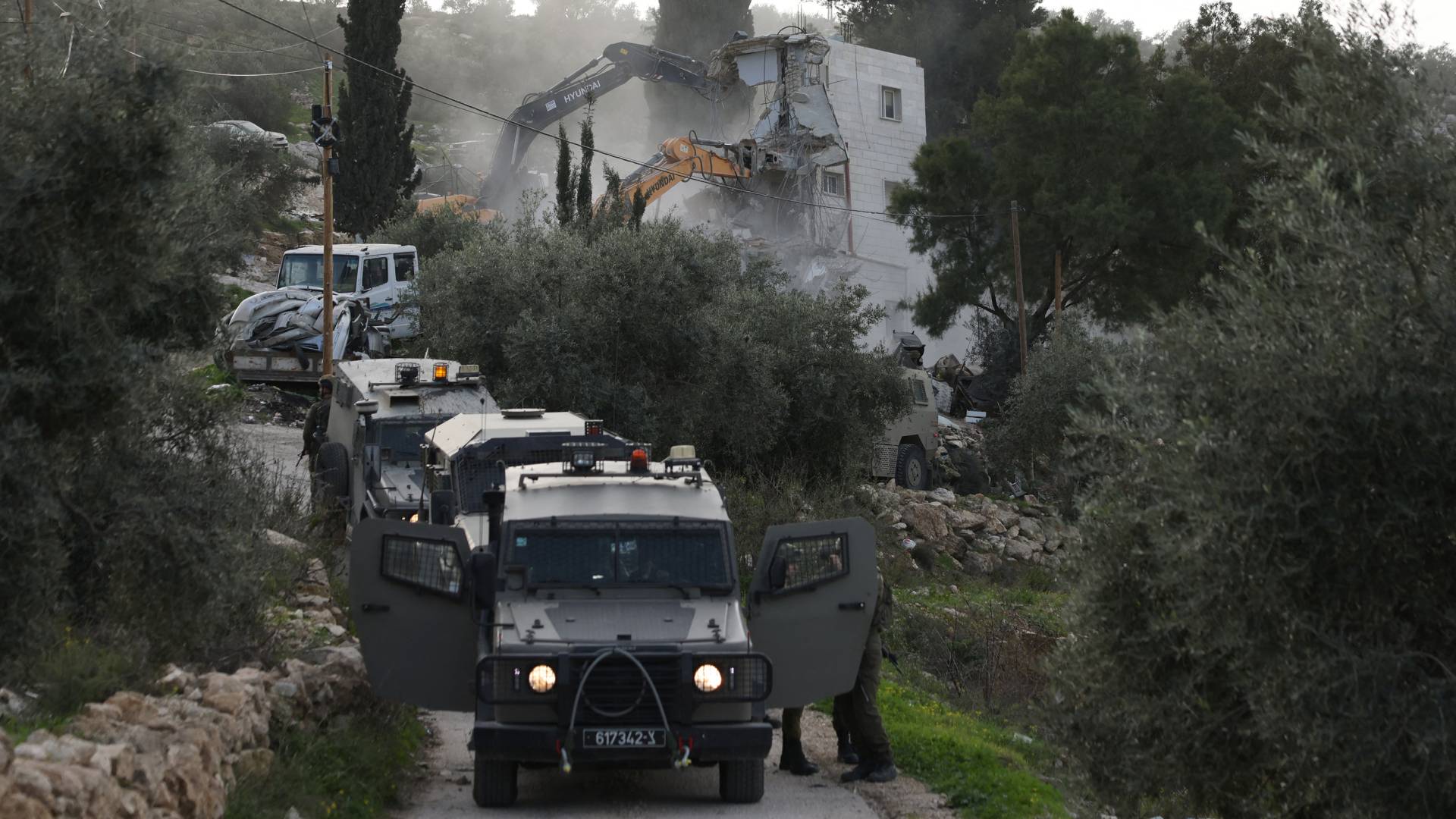
Amnesty documented widespread destruction of entire villages after their evacuation, confirming that this deliberate destruction occurred in areas where residents were definitively prevented from returning. It clarified that these operations continued even after talks of ceasefire understandings, indicating a premeditated intention to impose a new security reality at the expense of civilian rights.
In a related context, researcher Sahar Mandour from the organization called for an immediate Israeli withdrawal from all occupied Lebanese territories to ensure the safe return of displaced persons. Mandour stressed the importance of compensating those affected for the severe losses to their private property and infrastructure, considering that depriving residents of their agricultural lands represents a devastating blow to their livelihoods.
Interviews conducted by the organization with dozens of displaced persons showed that the vast majority of them are still unable to access their homes many months after their evacuation. The displaced reported that Israeli authorities issued more than 61 explicit orders prohibiting return, turning their lives into a continuous journey of displacement under extremely harsh living conditions.
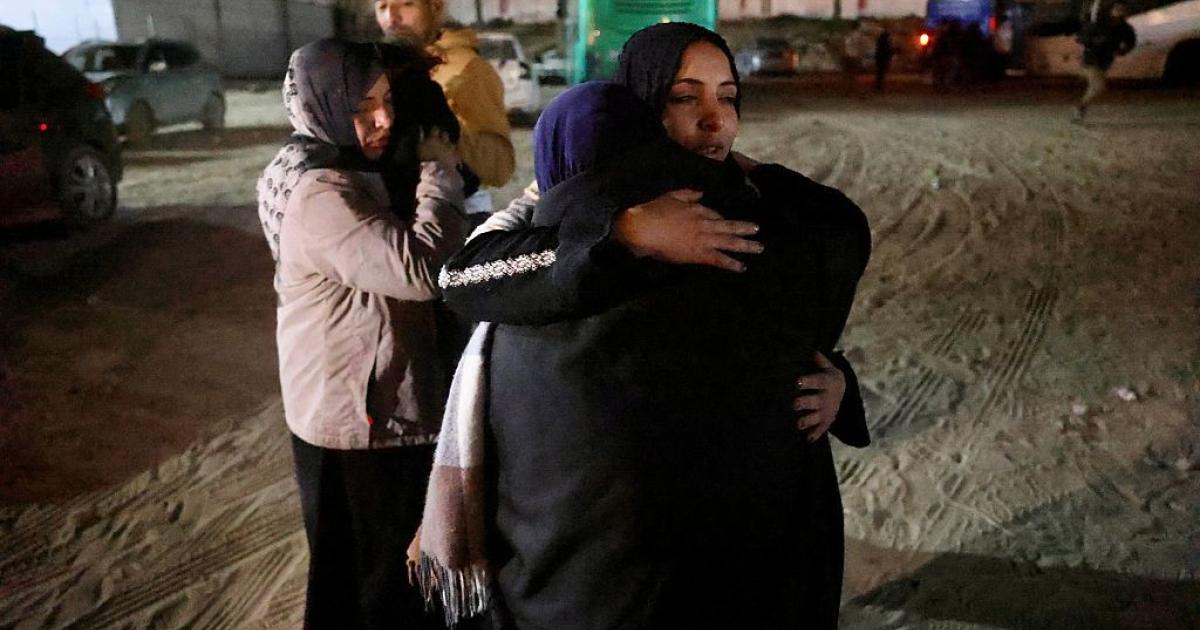
The organization described the humanitarian situation in southern Lebanon as an 'actual catastrophe,' as current shelters lack the capacity to accommodate more than 10% of the total displaced persons. Hundreds of thousands live in schools and temporary buildings that lack the most basic necessities for a dignified life, amidst ongoing shelling and military warnings that exacerbate the humanitarian crisis.
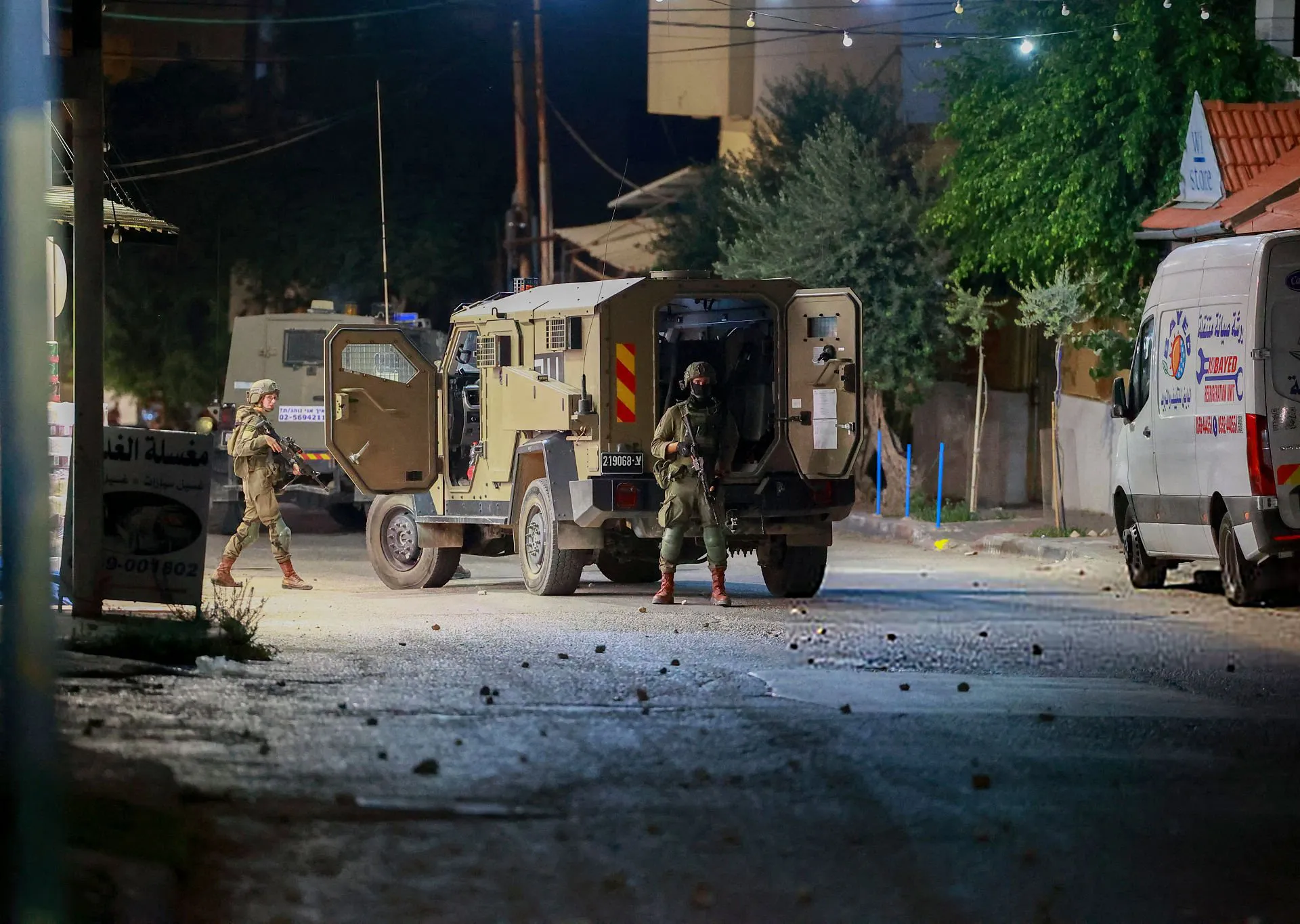
For its part, the Israeli army attempted to deny imposing a permanent ban on the return of civilians, but statements by Security Minister Yisrael Katz confirmed the continued presence of forces in the evacuated areas. Katz indicated that military control would continue in some border villages, which contradicts official Israeli claims regarding the nature of military operations in those areas.
Finally, statistics from the Lebanese Ministry of Social Affairs indicate that the number of displaced persons has exceeded one million, most of whom are residents of the southern villages that were subjected to forced evacuation operations. These figures confirm the scale of the tragedy caused by the ongoing conflict, amidst international demands for respect for international humanitarian law and the protection of civilians' rights to return and compensation.
The core message of the report is the necessity of implementing a ceasefire on the ground, an immediate Israeli withdrawal from all Lebanese territories, and allowing all displaced persons to return to their homes.
شارك برأيك
Amnesty: Israeli Evacuation Orders in Lebanon Amount to Forced Displacement and War Crimes