







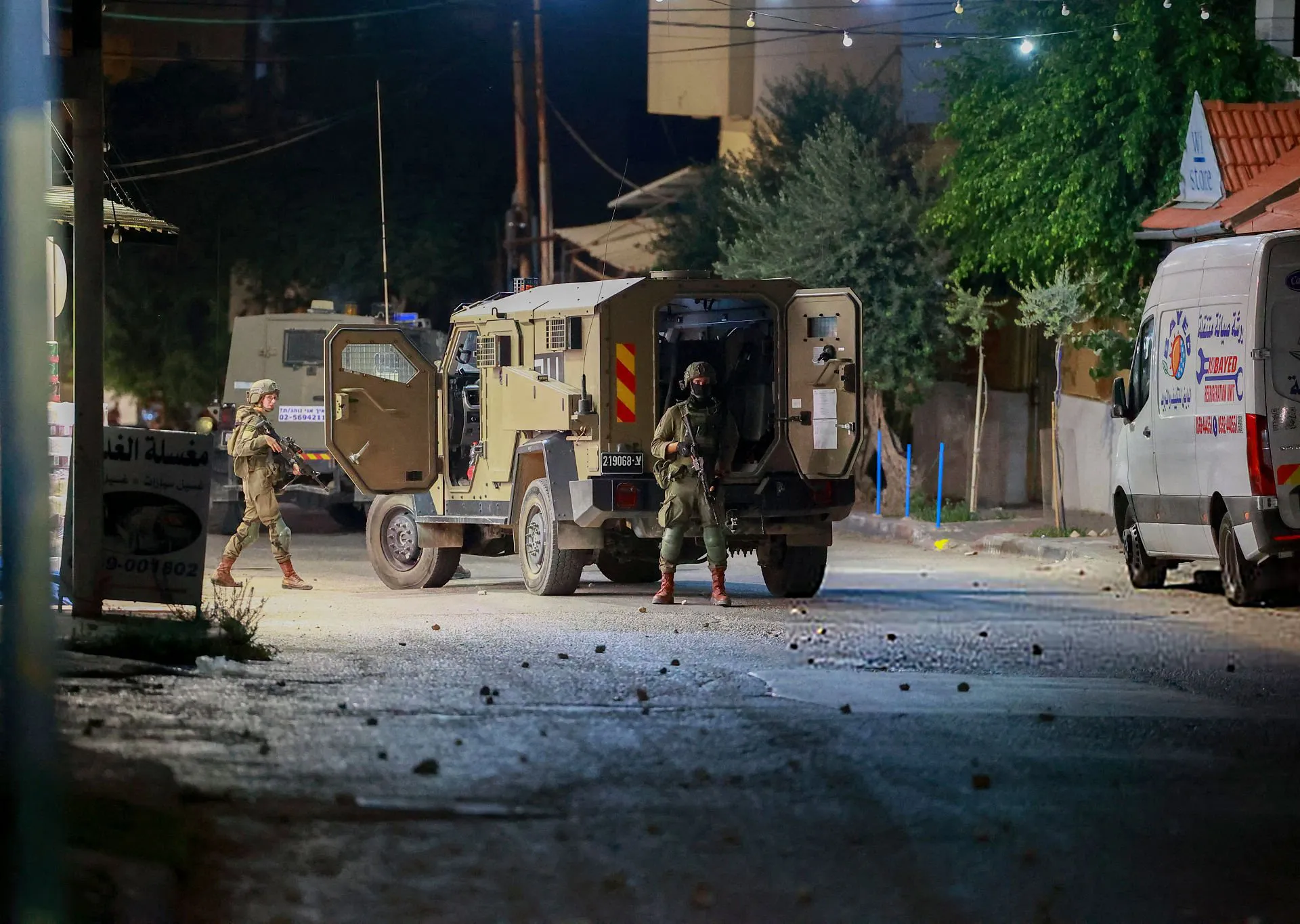
Hebrew media sources have revealed new shifts in the field strategy of the Israeli occupation army in southern Lebanon, as the army has begun to reduce the size of its forces deployed in the region. This step comes amidst escalating threats resulting from Hezbollah's use of explosive drones and guided missiles that have directly targeted troop gatherings.
Reports clarified that the army command decided to concentrate the remaining forces in strategic, dominant positions and centers designated for sweeping operations and destroying military infrastructure. This measure aims to reduce vulnerable friction points exploited by Hezbollah fighters to carry out precise attacks using indirect projectiles and aerial suicide weapons.
In a related context, the head of Israeli Military Intelligence (AMAN), Major General Shlomi Binder, is leading what has been described as a 'war of minds' against the party. This war includes daily intelligence assessments aimed at reorienting limited resources towards qualitative paths, including tracking drone launch cells and disrupting logistical supply lines.
Through these operations, Israeli intelligence seeks to build a broad target bank that includes Hezbollah's leadership figures, in preparation for carrying out focused assassinations. This plan relies on precise monitoring of the movements of field and political leaders when suitable operational opportunities arise that ensure accurate hits.
Security sources indicated that current trends within the General Staff lean towards resuming ground incursions deep into Lebanese territory. Field commanders believe that maintaining continuous movement and constant maneuvering is the only way to reduce human and material losses resulting from the advanced aerial threats possessed by the party.
For his part, a reserve officer in military intelligence affirmed that intensive Israeli activity by land and air aims to push Hezbollah fighters northward, away from the border. The officer claimed that the party is forced to deplete its human reserves in Beirut and the Beqaa Valley to compensate for the losses it incurs on the front lines of the confrontation.
On the political front, sources revealed close coordination and continuous dialogue between the Iranian Revolutionary Guard and Hezbollah's leadership to manage the current battle. It appears that the Secretary-General of the party, Sheikh Naim Qassem, is heavily relying on Iranian support and international diplomatic pressure to reach a ceasefire.
The main obstacle in the ongoing negotiations with Washington is Tehran's insistence on linking the Lebanese arena to any comprehensive regional agreement. This is something Israel categorically rejects, as it insists on separating the fronts and ensuring special security arrangements in southern Lebanon to prevent the return of military threats to its northern borders.
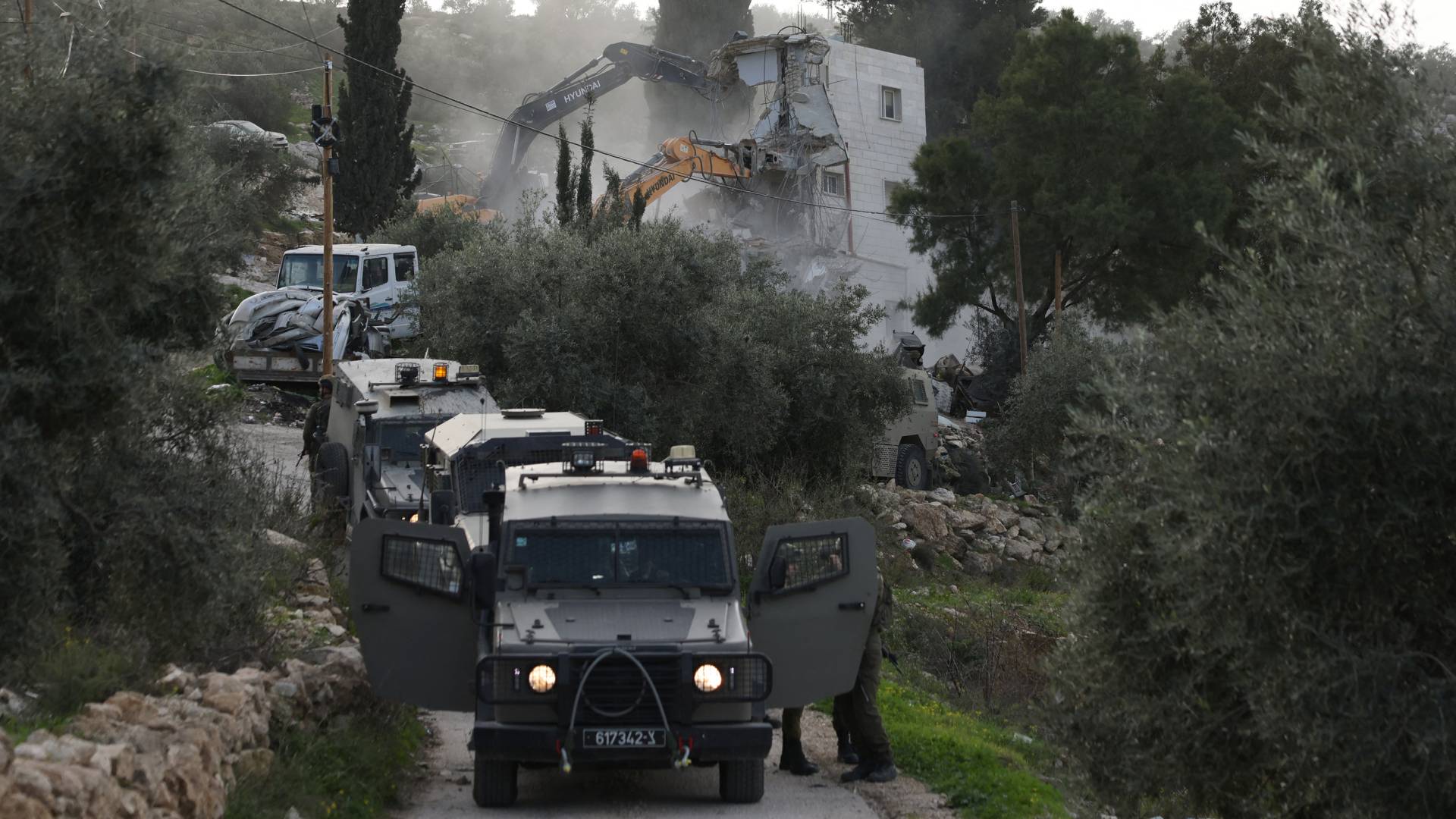
Currently, the Israeli army adheres to the directives of the political level, which stipulate working in a limited manner and focusing on sweeping areas previously controlled. These operations include searching hideouts and tunnels and destroying missile platforms discovered in recent weeks in border villages.
However, there is a consensus among military commanders that remaining in a static defensive posture exposes forces to serious risks from mortar fire and attack aircraft. Therefore, pressure is being exerted to expand the scope of ground operations to lift immunity from the party's strongholds in deeper areas, including the southern suburbs of Beirut.
The upcoming military decisions are closely linked to the results of indirect negotiations with Iran, as the security establishment is considering two difficult options. Either a gradual withdrawal if an agreement guaranteeing security is reached, or an expansion of the ground offensive to include new geographical areas not yet reached by forces.
The general atmosphere within decision-making circles in Tel Aviv indicates that the army is closer than ever to resuming large-scale offensive operations. This trend coincides with intensified airstrikes targeting command and control centers and strategic weapons depots belonging to the party across Lebanese territory.
Israeli intelligence faces a significant challenge in tracking the 'new modes of operation' devised by Hezbollah fighters to circumvent aerial surveillance. This confrontation requires continuous updating of technical and human resources used in information gathering, especially given the multiple open fronts that are draining Israeli resources.
The field situation in southern Lebanon remains prone to further escalation in the absence of a clear political horizon to end the ongoing confrontation. The 'war of minds' between the two sides continues as a crucial element in determining the course of the battle, with each side seeking to impose its field equations before reaching any final settlement.
The Israeli army is closer to resuming the incursion in parallel with carrying out intensive military strikes if the political path fails.
شارك برأيك
The occupation repositions its forces in southern Lebanon to confront Hezbollah's drones and conducts an intelligence 'war of minds'