






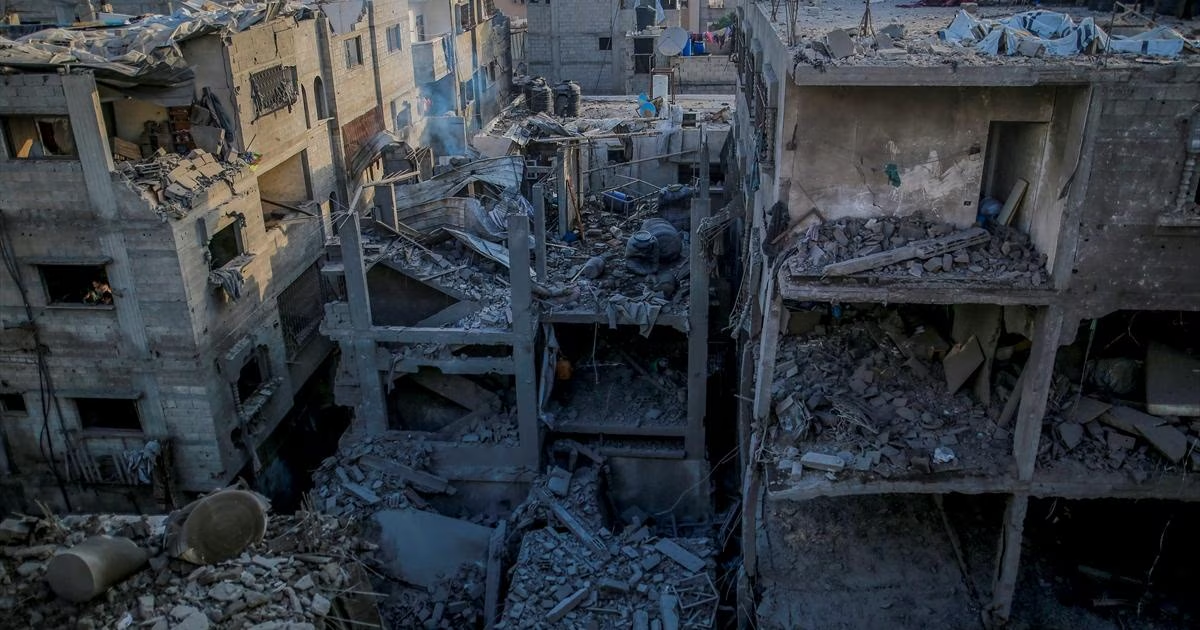
The UN Security Council witnessed intensive political movements to discuss the continuous deterioration in the Gaza Strip, where the High Representative for Gaza in the Peace Council, Nikolay Mladenov, presented a briefing that sparked widespread controversy. During the session, Mladenov warned of the danger of the current situation in the Strip becoming a permanent reality, blaming the Hamas movement for the faltering peace process.
The international official considered that the movement's military and administrative control over two million Palestinians in a confined area represents the biggest challenge to implementing the roadmap. He pointed out that the continuation of this situation would make the population entirely dependent on humanitarian aid without a real prospect for reconstruction or sustainable development.
The international briefing focused on the issue of disarming Palestinian factions as a prerequisite for moving forward with the agreements concluded since last October. Mladenov said that the full implementation of the plan faces significant obstacles, emphasizing the need to end the administrative and military division to ensure the flow of international investments in infrastructure.
In response, the Hamas movement issued a strongly worded statement, accusing Mladenov of adopting the occupation's narrative and deliberately mixing political cards. The movement affirmed that the High Representative's statements ignore the continuous Israeli violations of the fragile agreement and seek to absolve the occupation government of its legal and humanitarian responsibilities.
For his part, the Palestinian representative to the United Nations, Riyad Mansour, stressed that international law must be strictly applied and cannot be considered a secondary option. Mansour demanded that Israel be compelled to adhere to the ceasefire and permanently open the crossings to ensure the arrival of essential medical and food supplies.
The Palestinian representative clarified that humanitarian aid should not be used as a weapon of war or a tool for political pressure on unarmed civilians. He called on the international community not to tolerate any delay in bringing in the necessary equipment to remove rubble and restore essential services destroyed by military operations.
On the ground, reports indicate that the humanitarian situation in Gaza has reached catastrophic levels despite international claims of increased aid flow. Mladenov's statements about a 70% improvement in supplies clash with the reality of long queues for drinking water and scarce food rations.
In the health sector, medical sources affiliated with UNRWA revealed shocking figures regarding the spread of skin and infectious diseases among displaced persons. More than 125,000 cases of infections related to rodents and parasites were recorded during the first five months of this year, as a result of the collapse of the environmental system.
In the context of political analysis, researchers believed that Mladenov's recent statements reflect a shift in his position after meetings he held with officials in the occupation government. Writer Iyad Al-Qara pointed out that the High Representative had previously acknowledged Israeli violations, but then surprisingly linked reconstruction to disarmament.
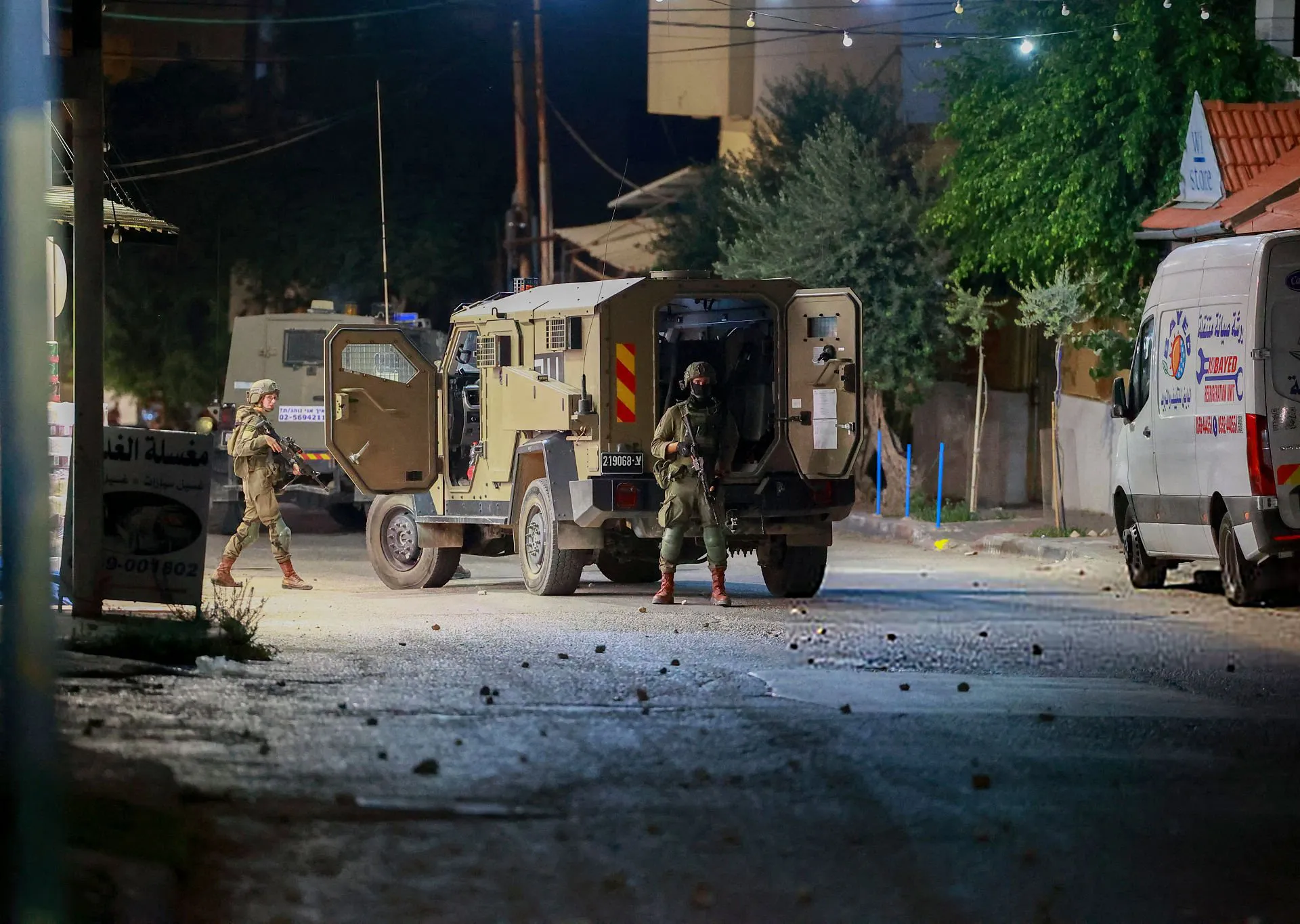
Local sources considered that this international trend might pave the way for the resumption of widespread military operations in the Strip under political cover. Observers questioned the role of international mediators in exerting real pressure on Washington to stop continuous Israeli violations and facilitate the entry of aid without conditions.
Speaking of the options for the Palestinian resistance, there is a state of anticipation for the possibility of a complete collapse of the ceasefire agreement being announced. Analysts believe that the resistance may find itself forced to return to direct confrontation if the siege continues and political and economic pressure on the population intensifies.
Despite the threat of fighting, Palestinian factions are still betting on diplomatic efforts and pressure through regional mediators to modify the international course. The resistance has presented technical papers to address thorny issues, but it still lacks real guarantees that compel the occupation to implement its commitments.
The Gaza Strip remains an arena for a conflict of wills between international demands for disarmament and a ground reality that imposes resistance as the only option to confront the occupation. In light of this political stalemate, civilians remain the weakest link, paying the price for the delay in achieving a comprehensive settlement that ends their suffering.
Warnings that the current situation will become a 'permanent state' reflect the failure of the international system to impose just solutions that end the siege. With the daily toll of martyrs and wounded continuing, last October's agreement remains mere ink on paper, awaiting a genuine international will to stop the aggression.
The risk lies in the deteriorating current situation becoming permanent, with two million people trapped amidst the rubble without real reconstruction.
شارك برأيك
International Escalation Against the Resistance in the Security Council: Mladenov Links Reconstruction to Disarmament, Hamas Rejects 'Misrepresentations'