







Palestinians in the Gaza Strip are facing a changing reality on the ground characterized by the expansion of the Israeli occupation army's geographical control, nearly 200 days after the ceasefire agreement came into effect. Instead of a gradual withdrawal, the occupation authorities have introduced what is known as the 'Orange Line,' a new demarcation that goes beyond the 'Yellow Line' agreed upon in October 2025.
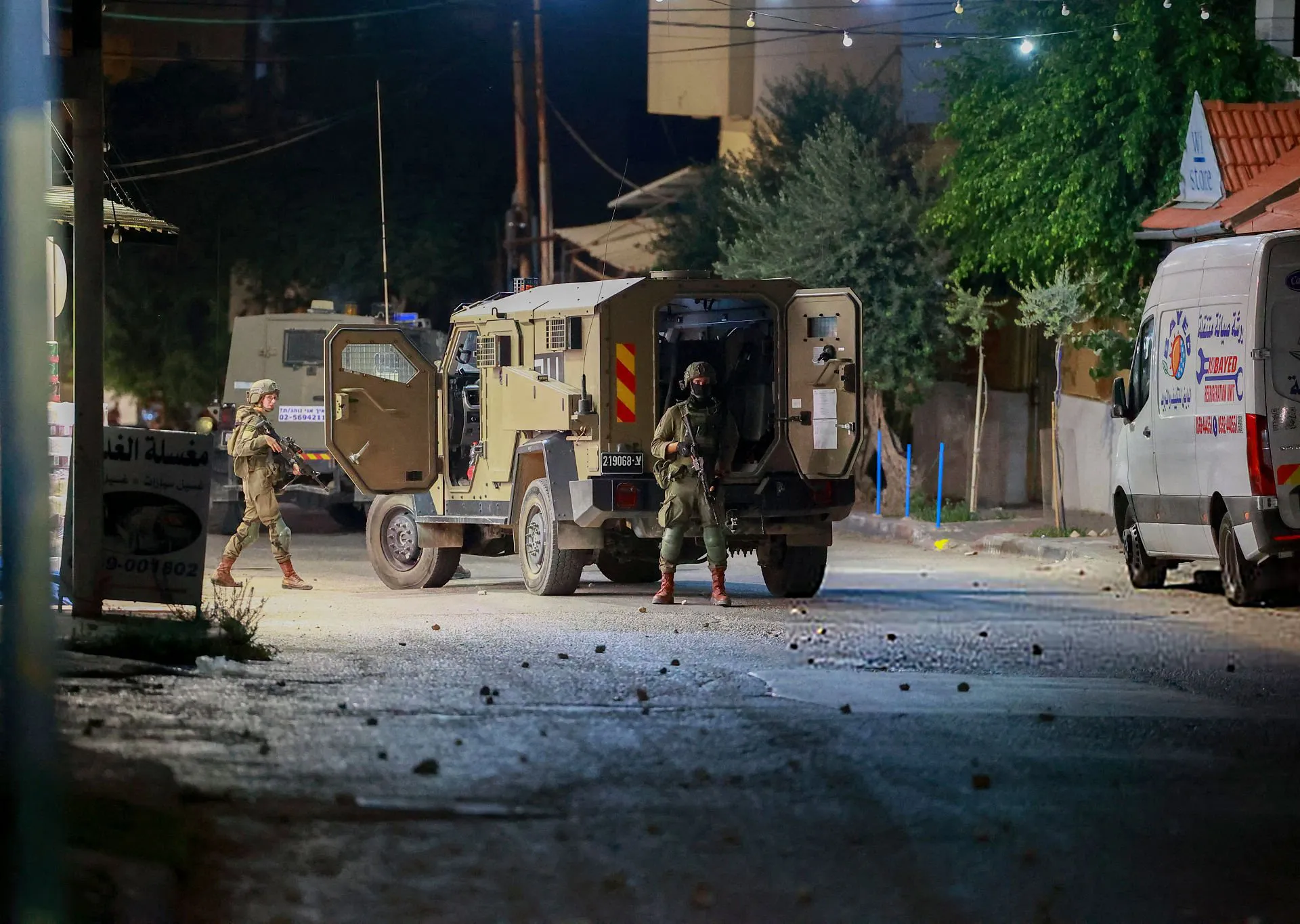
This shift constitutes a clear violation of the understandings that stipulated the separation of the army's control areas in the east from the areas where Palestinians are allowed to be present in the west. Under this new encroachment, the occupation has seized additional areas deep within the Strip, turning areas that were classified as safe zones into areas under direct military control.
Hamas leader Basem Naim confirmed that the occupation has shifted the Yellow Line towards the western areas by an additional area estimated at about 8 to 9 percent. This measure has increased the total area controlled by the Israeli army to more than 60 percent of the total area of the Gaza Strip, tightening the noose on the residents.
For its part, the United Nations expressed its grave concern about these developments, with the spokesperson for the Secretary-General, Stéphane Dujarric, indicating that Israel has expanded its occupation by establishing the 'Orange Line.' Dujarric clarified that the organization received maps including this new line, which imposes additional restrictions on the movement of humanitarian aid.
UN sources reported that the occupation stipulated that relief teams coordinate their movements in advance when crossing this line, which Dujarric considered an indication that things are not going in the right direction. These Israeli demands reflect a desire to transform the western areas into unstable security zones under the administration of the army.
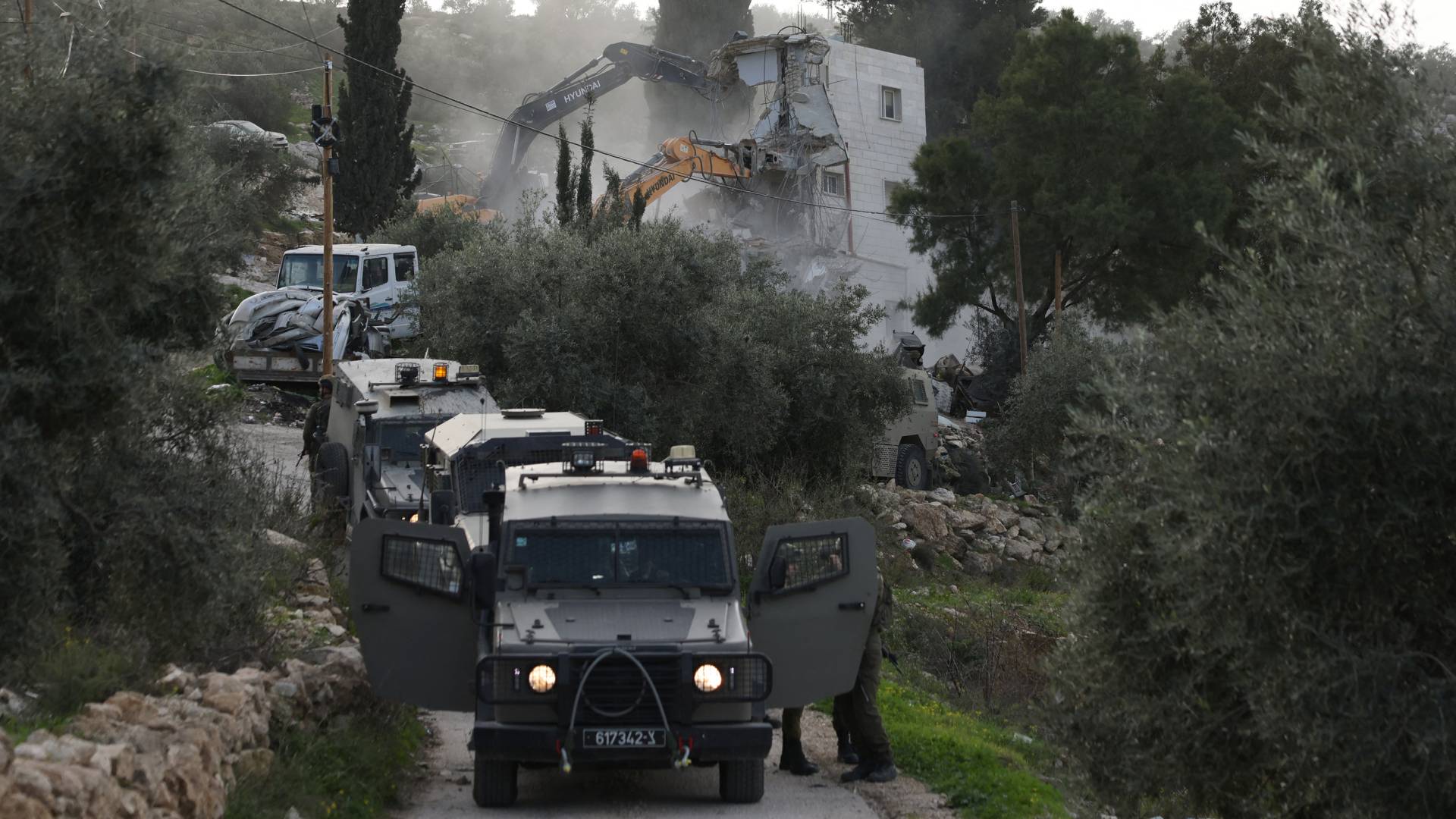
The announcement of the 'Orange Line' was not a surprise to observers, but rather came as a result of a series of field measures that included land leveling and the removal of yellow concrete blocks. Eyewitnesses confirmed that the army had been working for months to move these virtual border markers deeper into citizens' lands.
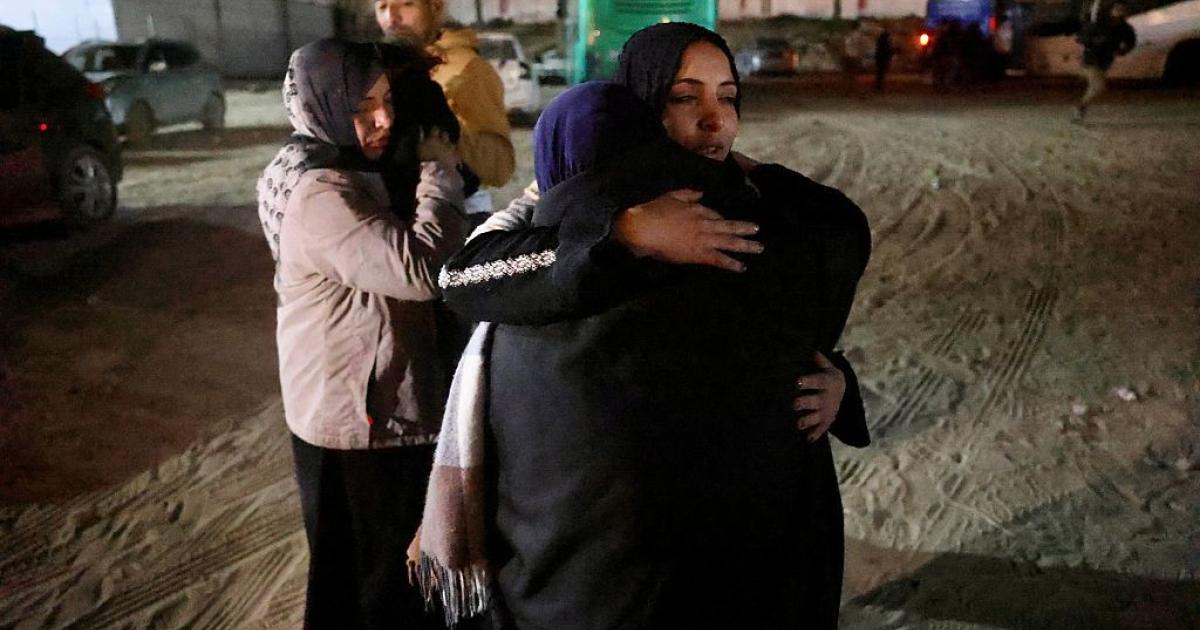
This repeated violation led to new waves of displacement, as dozens of Palestinian families were forced to leave their homes and tents in Khan Yunis, Al-Zaytoun neighborhood, and Jabalia and head west. This encroachment was accompanied by air and artillery strikes targeting anyone approaching the new lines, resulting in dozens of martyrs and wounded.
Hamas condemned these violations in an official statement, considering that the shifting of the colored lines represents clear evidence of the Netanyahu government's reneging on the efforts of mediators. The movement said that the occupation seeks to thwart the agreement by imposing a new geographical and security reality that contradicts the spirit of the international understandings reached.
Hamas indicated in a detailed memorandum that the occupation imposed additional fire control zones, reaching in some areas an additional depth of 1700 meters, especially in the northern part of the Strip. The area of this fire control reached about 34 square kilometers, which the movement described as the 'actual demolition' of the principle of redeployment and gradual withdrawal.
These measures are reshaping the lives of more than two million Palestinians, who are now confined to an area not exceeding 38 percent of the total area of the Strip. Residents near these lines live under constant threat from drones and artillery shelling, making their daily lives a continuous hell amid catastrophic humanitarian conditions.
On the Israeli side, official statements show a clear intention to turn these lines into permanent borders, with Chief of Staff Eyal Zamir describing the Yellow Line as 'the new border.' Zamir considered that these areas constitute an advanced military base to protect settlements and carry out rapid offensive operations within what remains of the Strip.
In the same context, Defense Minister Yoav Gallant affirmed that the army will not retreat one millimeter from these positions until the war's objectives are achieved and the resistance is disarmed. Prime Minister Benjamin Netanyahu also reinforced these trends by announcing that more than half of Gaza's territory is effectively under Israeli military control.
These field developments come amid a political stalemate surrounding the discussions aimed at activating the second phase of the ceasefire agreement. Diplomatic efforts are clashing with complex Israeli conditions, at a time when Palestinian parties are demanding the necessity of implementing the requirements of the first phase and stopping the geographical encroachment.
It is worth noting that the Gaza Strip is suffering from massive destruction affecting 90% of its infrastructure as a result of the ongoing war since October 2023, which has left unprecedented human and material losses. The United Nations estimates the cost of reconstruction at about 70 billion dollars, amid the continuation of starvation and siege policies and the closure of vital crossings.
The Yellow Line constitutes a new border line, an advanced defense line for settlements, and a military base for carrying out rapid attacks.
شارك برأيك
The 'Orange Line' plan.. a new Israeli encroachment swallows 60% of the Gaza Strip's area