







The security agencies in the occupying state have expressed growing concern over the combat methods and field tactics adopted by Lebanese Hezbollah in confronting the invading forces in southern Lebanon. Media sources indicated that the party has notably succeeded in enhancing its drone arsenal, overcoming all obstacles placed to hinder supply and smuggling operations.
Hebrew reports stated that the occupation's attempts to disrupt supply chains faced field failures, including the failure of an assassination attempt targeting an official responsible for importing these drones. Ambiguity surrounds the results of these operations, at a time when the party continues to develop its unmanned aerial capabilities despite restrictions imposed on land and air routes.
Security assessments indicate that smuggling routes through Syrian territory have become more complex, especially after the cessation of direct flights from Iran. Nevertheless, the continuous flow of military technologies suggests the existence of alternative and complex supply networks that Israeli intelligence finds difficult to fully track or permanently cripple.
In a related context, sources revealed the limited nature of interdiction operations carried out by Lebanese authorities, with only one recent shipment containing thousands of explosive drones being seized. This number reflects the enormous scale of activity undertaken by the party to secure its military needs away from the eyes of local and international oversight.
On the ground, suicide drones have caused direct and confirmed casualties among occupation soldiers since the resumption of hostilities on the northern front. These attacks confirm the effectiveness of the party's air weapon and its ability to penetrate Israeli air defense systems and reach sensitive military targets.
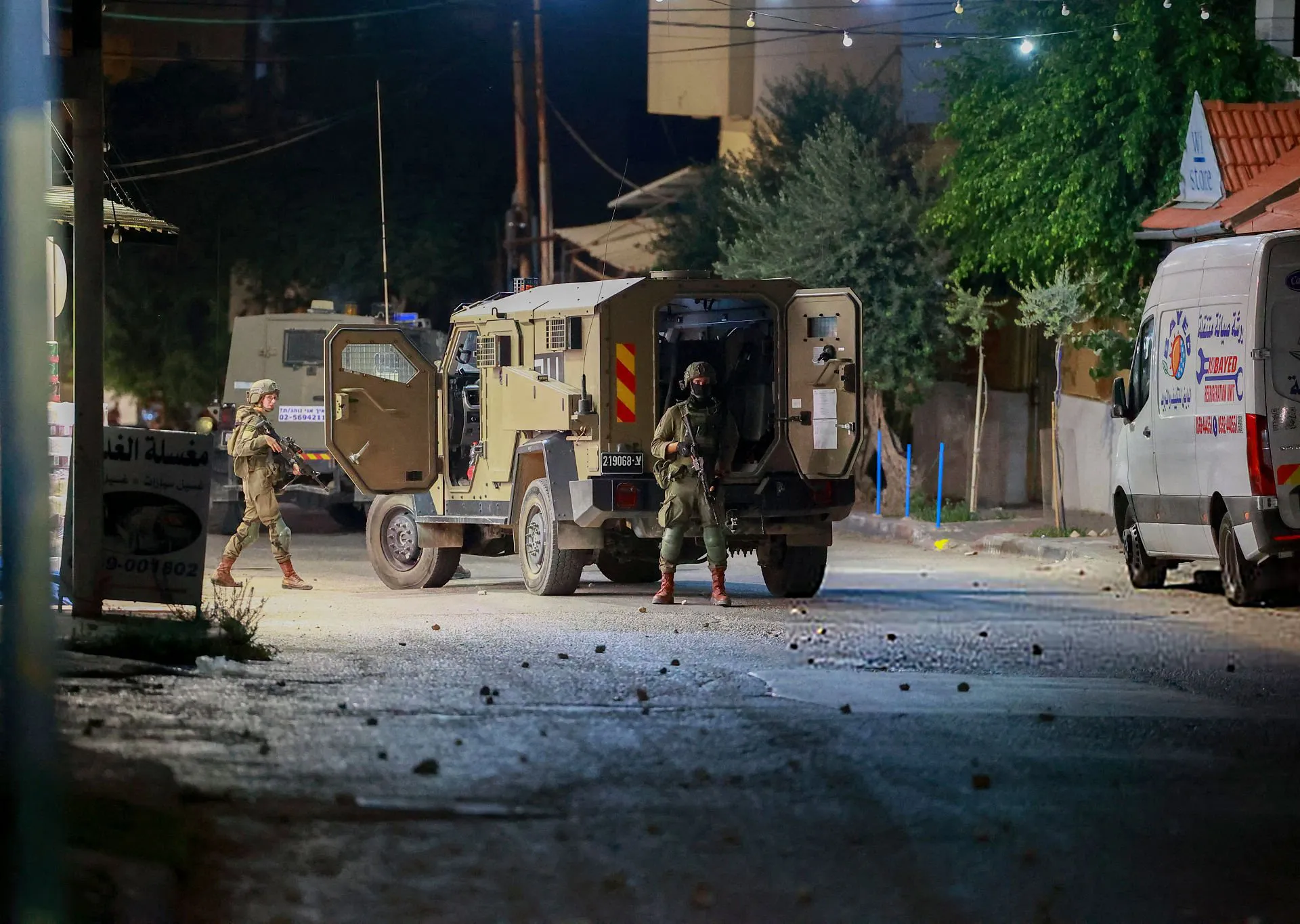
The occupation army warned that keeping forces in a static position within the buffer zone in southern Lebanon could turn them into easy prey and a permanent target for attacks. Military commanders demanded that the army be given broad daily freedom of action to change the field reality and prevent the party from regaining the initiative in those areas.
Senior officers in the Israeli General Staff described the current confrontations as an intense guerrilla war, where Hezbollah fighters demonstrate high tactical flexibility. They explained that the party has managed to integrate lessons learned from major international conflicts, such as the Russian-Ukrainian war, and apply them in the rugged environment of southern Lebanon.
Military sources also noted that the party has greatly benefited from the experience of fighting in the Gaza Strip, and has developed sniping methods and anti-tank missile launches. This qualitative development comes with continuous Iranian technical and logistical support, making ground confrontation more costly and complex for the occupation army, which is trying to consolidate its positions.
Currently, Israeli military activity focuses on attempting to remove direct threats and secure forces within limited defensive missions. Field commanders fear that merely playing this role could lead to security gaps that Hezbollah fighters exploit to launch surprise attacks from behind lines or through tunnels.
The buffer zone, extending up to 50 kilometers deep into Lebanese territory, has become a significant logistical and security challenge for the occupation forces. Reserve officers believe that the absence of continuous offensive activity will make this area a strategic burden instead of a security belt protecting northern settlements.
A senior officer affirmed that Israel is paying a heavy price in this confrontation due to the continuous development of the enemy's capabilities and its intensive use of drones and guided missiles. He indicated that the Northern Command and military intelligence are working on alternative plans to deal with worst-case scenarios should the intensity of fighting escalate.
Reports indicate that the Israeli Air Force and the Operations Directorate are preparing for a series of upcoming moves aimed at undermining Hezbollah's infrastructure deep within. These preparations come amid an implicit acknowledgment of the difficulty of eliminating the drone threat, which has become a source of concern for the security and political system in Tel Aviv.
Reliance on Iranian technology and its local development has given Hezbollah a tactical advantage in the ongoing war of attrition, which explains the escalating Israeli concern. Drones are no longer just a reconnaissance weapon but have transformed into a precise offensive tool capable of inflicting human and material losses on advancing forces.
In conclusion, the situation in southern Lebanon remains prone to further escalation amid the insistence of both sides on imposing new field equations. While the occupation attempts to enhance its effectiveness in the buffer zone, Hezbollah continues to prove its ability to adapt to military pressures and continue to deliver qualitative and painful blows.
What we encounter today is a Hezbollah fighting a high-intensity guerrilla war; they have learned from the war between Russia and Ukraine and from the fighting in the Gaza Strip.

شارك برأيك
Hezbollah's Tactics and Drone Threat Raise Widespread Concern in Israeli Security Establishment