







Arab and Islamic countries, supported by a stance from the European Union, have expressed their strong condemnation of the severe restrictions imposed by the Israeli occupation authorities on freedom of worship in the occupied city of Jerusalem. These condemnations come amidst the continued closure of the blessed Al-Aqsa Mosque and the Church of the Holy Sepulchre to worshippers for the second consecutive month, which is considered a dangerous escalation affecting fundamental religious rights.
In a unified diplomatic move, the foreign ministers of eight countries, including Qatar, Saudi Arabia, Jordan, the UAE, Egypt, Indonesia, Pakistan, and Turkey, issued a joint statement rejecting the prevention of Muslims and Christians from accessing their holy sites. The statement highlighted the seriousness of preventing the Latin Patriarch and the Custos of the Holy Land from holding Palm Sunday mass, considering it a blatant violation of the existing legal status.
The ministers emphasized in their statement that Israel, as the occupying power, has no sovereignty over the occupied city of Jerusalem and its holy sites. They affirmed that continuous attempts to change the historical identity of the city constitute a grave violation of international law, warning that these measures directly threaten peace and security at both regional and international levels.
The joint statement called on the international community to take a firm and effective stance to compel the occupation authorities to cease their illegal practices. The ministers also reiterated that Al-Aqsa Mosque, in its entirety, is an exclusive right for Muslims and is not subject to division or partnership, calling for ensuring free and unrestricted access for all worshippers without exception.
For its part, the Organization of Islamic Cooperation strongly condemned the targeting of the Christian presence in Jerusalem by preventing religious leaders from entering the Church of the Holy Sepulchre. In an official statement, the organization described these measures as a dangerous precedent not seen for centuries, aiming to marginalize the indigenous Christian component in the occupied Palestinian territories as part of a systematic Judaization policy.
The organization warned of the escalating pace of violations affecting holy sites, demanding real international pressure to ensure the preservation of the historical status of the city of Jerusalem. It affirmed that the continuation of these violations fuels conflict and undermines any opportunities for stability in the region, emphasizing the need to provide international protection for the Palestinian people and their holy sites.
In a related context, the European Union joined the condemnation through statements by the High Representative for Foreign Affairs, Kaja Kallas, who described the prevention of worshippers from entering the Church of the Holy Sepulchre as a clear violation of religious freedom. Kallas stated that these steps contradict the understandings and international regulations that have been in place for decades to protect holy places.
The European official stressed the necessity of ensuring freedom of worship in Jerusalem for all religions without discrimination or security obstacles. She indicated that preserving the pluralistic character of the holy city is of utmost necessity, calling on the Israeli authorities to respect their international obligations and cease actions that increase religious tension.
Diplomatically, Palestine initiated a move within the United Nations through identical messages sent by Permanent Representative Riyad Mansour to senior UN officials. The messages called for the necessity of providing immediate international protection for freedom of worship in Jerusalem, warning of the consequences of international silence regarding attempts to annex the city and change its features.
Mansour affirmed in his messages that Israel's impunity is the primary driver for the continuation of its violations of international legal norms. He clarified that the ultimate goal of the occupation is to consolidate its illegal control over East Jerusalem, disregarding all resolutions issued by the General Assembly and the Security Council in this regard.
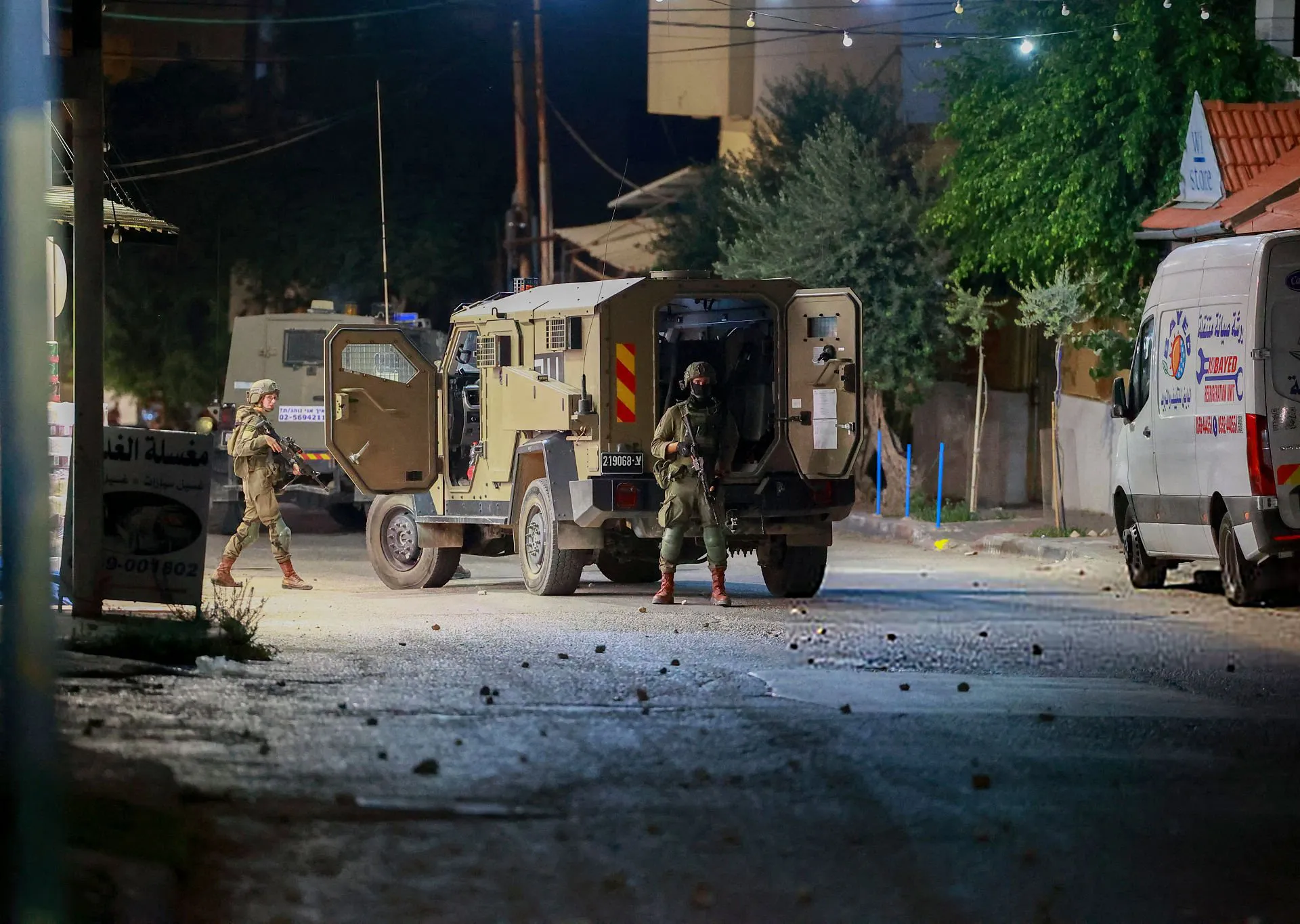
Field reports indicate that the occupation authorities have closed the Church of the Holy Sepulchre and Al-Aqsa Mosque since the end of last February, citing current regional tensions. This closure comes in the context of a comprehensive escalation witnessed in the West Bank and Jerusalem since the start of the aggression on the Gaza Strip in October last year, which resulted in enormous human and material losses.
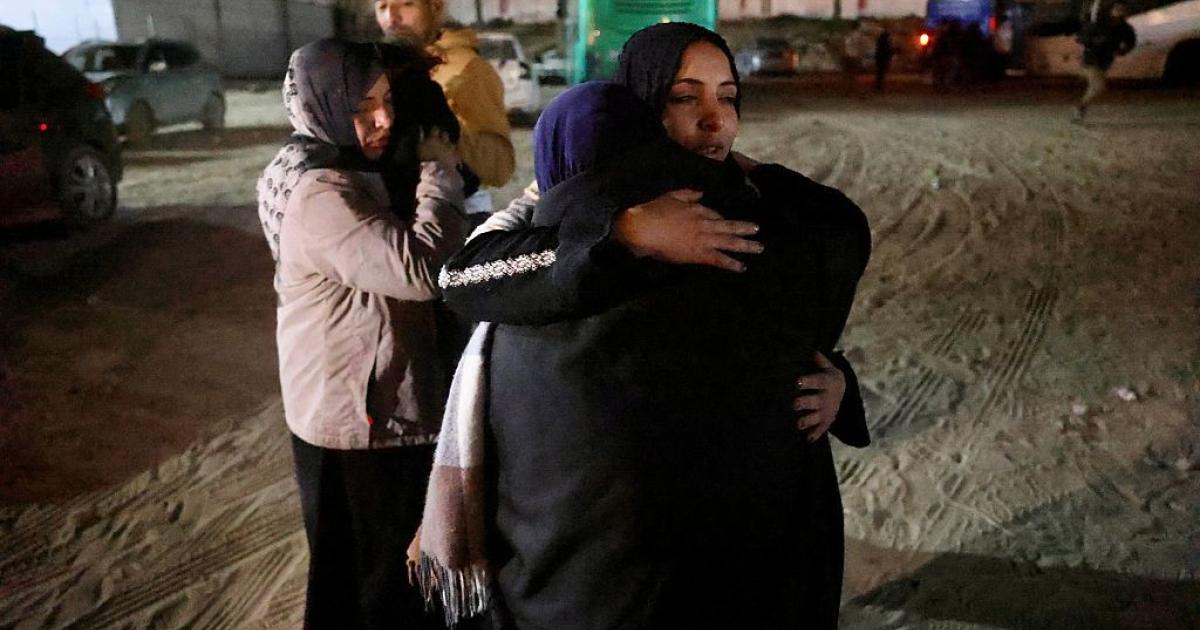
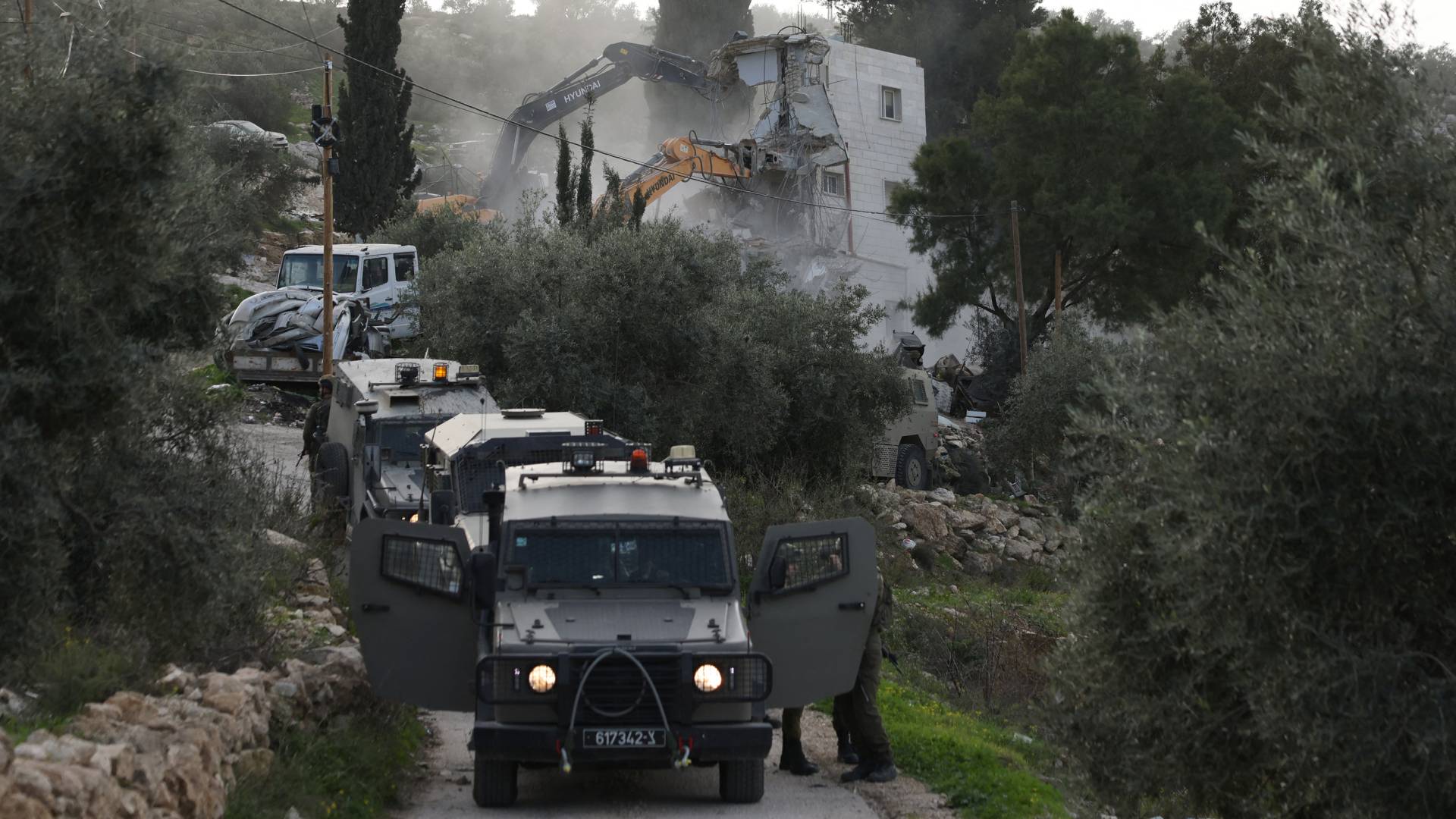
According to official sources, the ongoing Israeli escalation in the West Bank has resulted in the martyrdom of 1137 Palestinians and the injury of thousands of others with varying degrees of wounds. Arrest campaigns have also affected about 22,000 citizens, amidst a systematic policy of abuse, sabotage, and demolition of residential and commercial facilities in various Palestinian governorates.
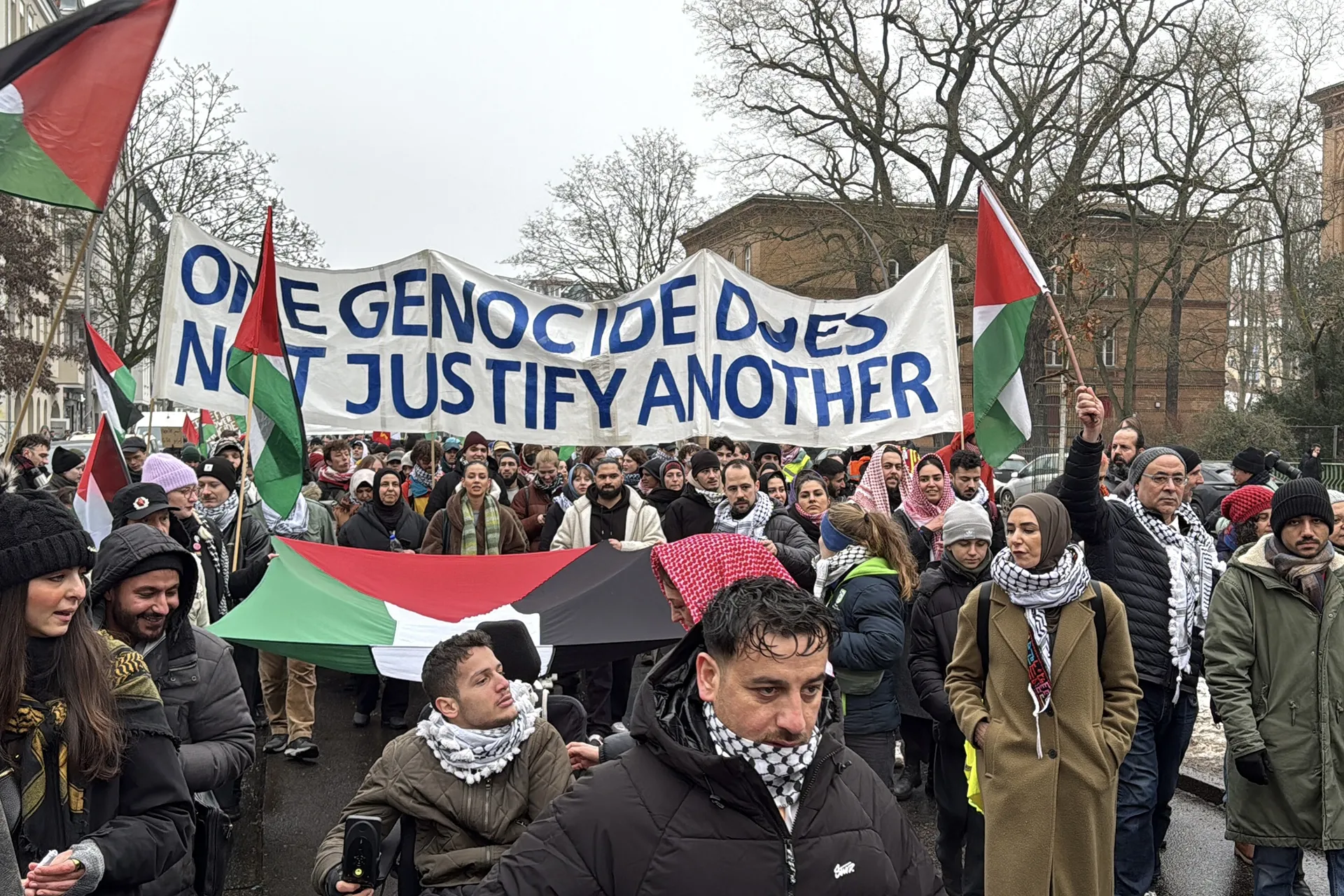
Political and human rights circles warn that these measures in Jerusalem and the West Bank pave the way for actual annexation operations of the occupied territories. The United Nations considers these moves a clear violation of international legitimacy, as Israel continues to expand settlements and forcibly displace Palestinian residents from their homes in occupied Jerusalem and its surroundings.
In conclusion, the situation in Jerusalem remains prone to further explosion if worshippers continue to be denied access to their places of worship. Attention is now turned to the international community to see its ability to translate condemnation statements into practical measures that compel the occupation to respect the sanctity of Islamic and Christian holy sites in the holy city.
The blessed Al-Aqsa Mosque, with its entire area of 144 dunams, is a place of worship exclusively for Muslims.
شارك برأيك
Widespread International Condemnation of Israeli Restrictions on Holy Sites in Occupied Jerusalem